

* Item pictured for illustrative purposes only, actual item not pictured. See ‘Notes’ next to grade for included items.
Nikon AF NIKKOR 80-200mm f/2.8 D ED Macro 2-Touch Autofocus Lens {77} with Integrated Tripod Collar/Foot (Late Version)
-
$381.00
Select Payment Method

-
KEH Certified™ pre-owned gear, expertly inspected†
-
All rental gear is between Excellent and Like New Minus condition
-
Standard accessories included
Nikon's f/2.8 telephoto workhorse with macro reach built in
The AF NIKKOR 80-200mm f/2.8 D ED Macro gives you a constant f/2.8 aperture across the full 80-200mm range, which means consistent exposure as you zoom and real subject separation at the long end. ED glass keeps chromatic aberration controlled even when shooting wide open against bright backgrounds. The D-type designation means the lens passes focus distance data to compatible Nikon bodies, which improves matrix metering accuracy and i-TTL flash calculations in ways that non-D lenses simply cannot.
The 2-Touch design gives zoom and focus their own separate rings, a layout that many shooters find cleaner during fast-moving work than the push-pull single-ring design of earlier versions. Macro capability means you can close in on detail work without swapping glass. The integrated tripod collar lets you balance the rig on a monopod or tripod without fighting the camera body's center of gravity, which matters when you're shooting for hours at an event or from a fixed position at a sports venue.
At f/2.8 across a 200mm reach, this lens holds its own in low-ambient light situations where slower telephoto zooms leave you pushing ISO. For the money this lens trades at in the used market, the optical formula and build represent a serious value for anyone shooting on Nikon F mount.
Who It's For
Sports and event photographers working under mixed or dim light will find the constant f/2.8 aperture reliable when shutter speeds need to stay fast. Portrait photographers shooting at 135-200mm get subject-to-background separation without renting a prime. Wildlife photographers benefit from the tripod collar when running long lens setups on a gimbal head. Documentary and editorial shooters who need occasional macro capability without a dedicated macro lens will appreciate that the feature is already built into a fast telephoto they'd carry anyway.
Key Features
- Constant f/2.8 aperture across entire 80-200mm zoom range
- ED glass controls chromatic aberration at maximum aperture
- D-type lens transmits focus distance for improved metering and flash
- 2-Touch design separates dedicated zoom and focus rings
- Macro focusing capability without lens swap
- Integrated tripod collar balances on monopod or tripod without body shift
- 77mm filter thread
- Autofocus with internal focusing mechanism
FAQ
- What's the actual difference between this 2-Touch version and earlier 80-200mm f/2.8 designs?
- The 2-Touch layout separates zoom and focus into dedicated rings rather than the push-pull single-ring system on older versions, which gives you faster, cleaner operation during fast-moving work without accidentally shifting focus when you're adjusting focal length.
- Does f/2.8 stay constant across the entire 80-200mm range?
- Yes, f/2.8 is constant from 80mm to 200mm, so you maintain the same aperture value and subject separation as you zoom without the light loss that variable-aperture zooms introduce.
- What does the D-type designation actually do for autofocus?
- D-type lenses transmit focus distance data to compatible Nikon bodies, which sharpens matrix metering accuracy and improves i-TTL flash calculations in ways that older non-D lenses cannot match.
- Can you shoot macro with this lens, or is that just marketing?
- The macro capability is genuine-you can close focus for detail work without changing lenses, though this isn't a dedicated macro lens with 1:1 reproduction; it gives you macro reach as a bonus feature.
- Is the integrated tripod collar worth the added weight?
- If you're doing event work, sports, or long studio sessions from a fixed position, the collar keeps the lens balanced on a monopod or tripod without pulling the camera body forward, which saves your arm and neck after hours of shooting.
- How does ED glass affect image quality compared to standard glass telephoto zooms?
- ED elements control chromatic aberration even when shooting wide open against bright backgrounds, so color fringing stays minimal on high-contrast subjects where slower zooms would show it plainly.
- Why shoot an 80-200mm f/2.8 instead of a modern variable-aperture zoom?
- Constant f/2.8 lets you work in low-ambient light without the ISO push that slower telephoto zooms demand, and the used market pricing makes the optical formula and build weight a serious value for Nikon F mount shooters.
| Specification | Value |
|---|---|
| Focal Length | 80-200mm |
| Max Aperture | f/2.8 |
| Mount | Nikon F |
| Filter Thread | 77mm |
This description was generated using AI based on KEH's internal product standards, product expertise, and knowing what customers care about most. While we strive for accuracy, details may vary by individual item.
| Brand Name | Nikon |
|---|---|
| Filter Size | 77mm |
| Focus Type | Autofocus (camera motor) |
| Lens Mount | Nikon F Mount D Type |
| Lens Type | Telephoto / Long |
| Max Focal Length | 200mm |
| Min Focal Length | 80mm |
Learn what to expect from each condition, cosmetically. Images are representative of each grade and may not show the exact item you receive. All equipment is guaranteed to work as intended, unless otherwise noted. We also occasionally offer items that fall .
Exceptions
- New
- New in box complete with manufacturer's USA warranty. Not previously owned or used.
- Like New
- Essentially new with no signs of use. “Open box.” In manufacturer's packaging with original accessories and instructions. 180-day warranty.
- As Is
- Non-functional or damaged. Equipment will not work. Usable for parts. Not covered under KEH warranty and non-returnable.
Like New Minus
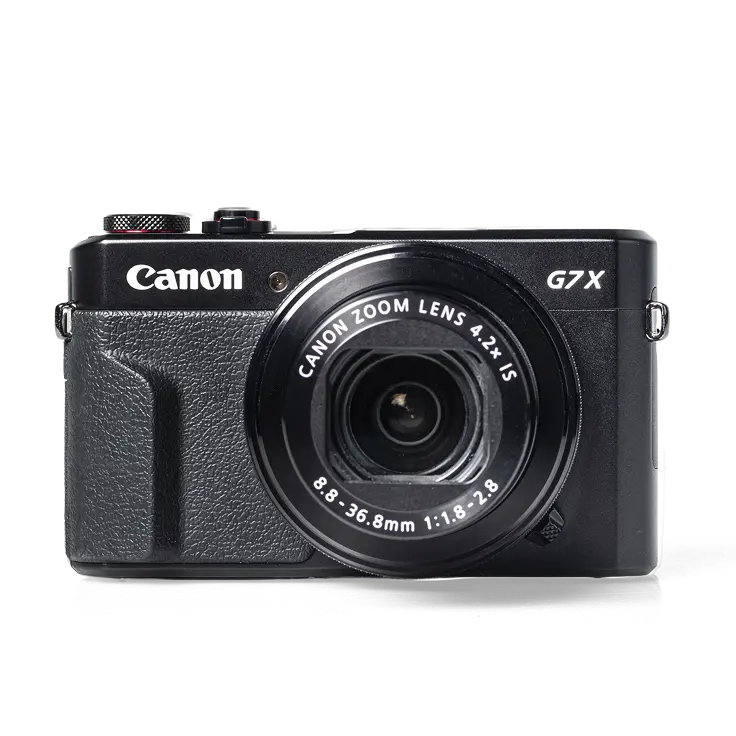
Like New Minus
Barely used with virtually no traces of wear. Only the closest inspections will reveal slight use. Lens glass could contain light dust or debris. Excellent picture quality. Accessories usually not included, unless noted in listing. 180-day warranty.
Excellent Plus
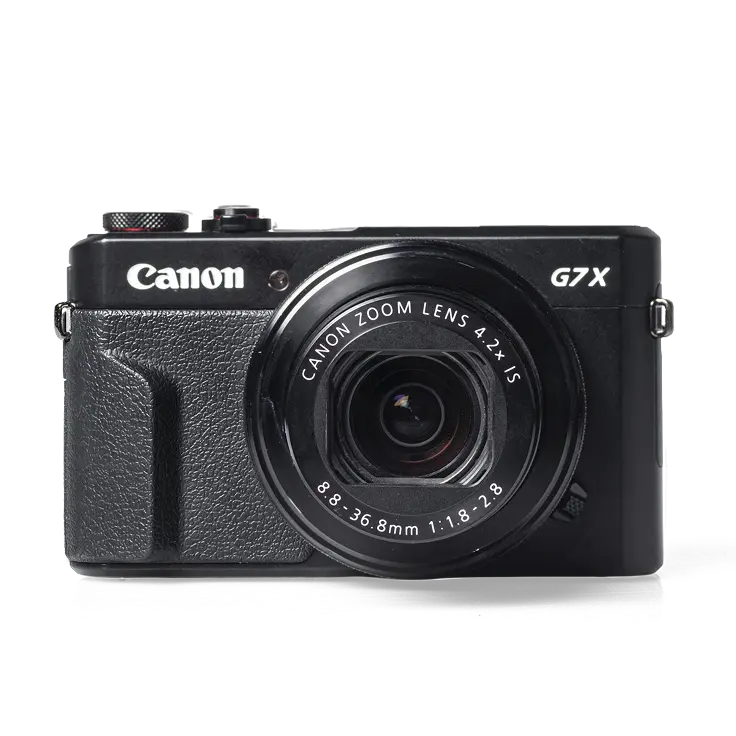
Excellent Plus
Lightly used with limited signs of wear. Exceptionally nice but may have slight wear on finish visible. Lens glass could contain light dust or debris. Excellent picture quality. Accessories usually not included, unless noted in listing. 180-day warranty.
Excellent
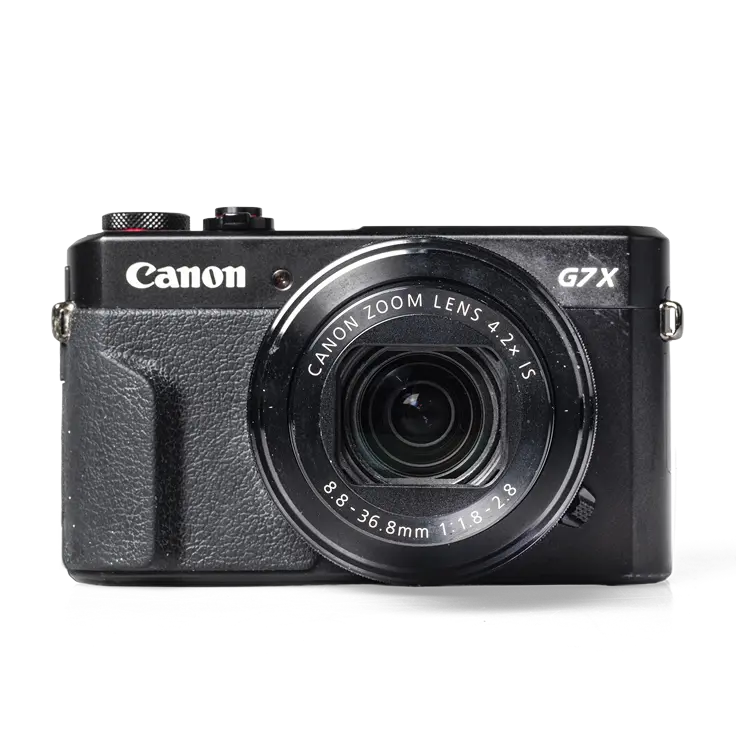
Excellent
Noticeably used with average signs of wear. Shows moderate wear for the age of the item, with the possibility of blemishes and/or minimal dings. Lens glass may have average dust and zoom/focus ring tension may have slight looseness or tightness overall, but will not affect picture quality. Accessories usually not included, unless noted in listing. 180-day warranty.
Bargain
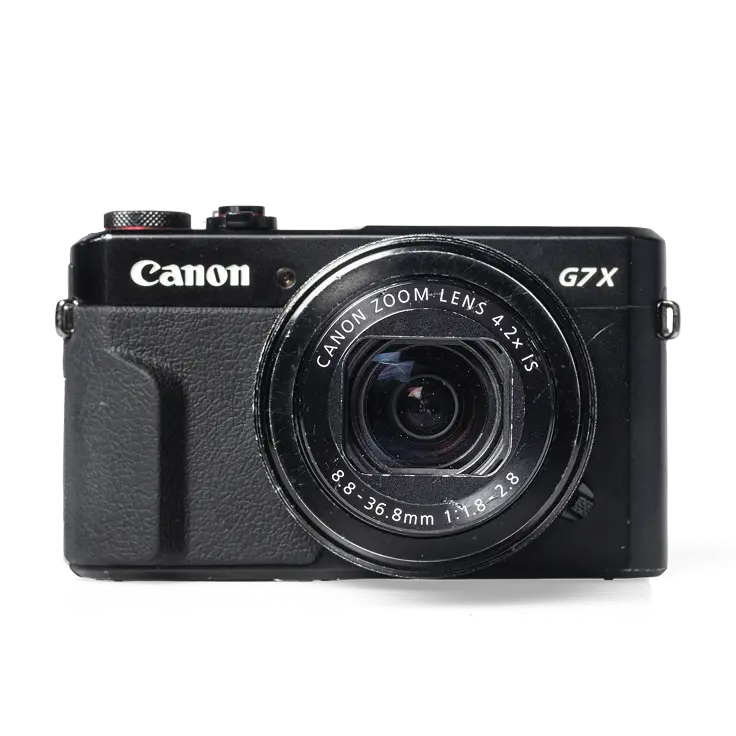
Bargain
Frequently used with above-average wear. May have dents, dings, or finish loss. Lens glass may have small scratches, dust, and blemishes, and zoom/focus ring tension may have moderate looseness or tightness overall, but should not affect picture quality. Accessories usually not included, unless noted in listing. 180-day warranty.
Ugly
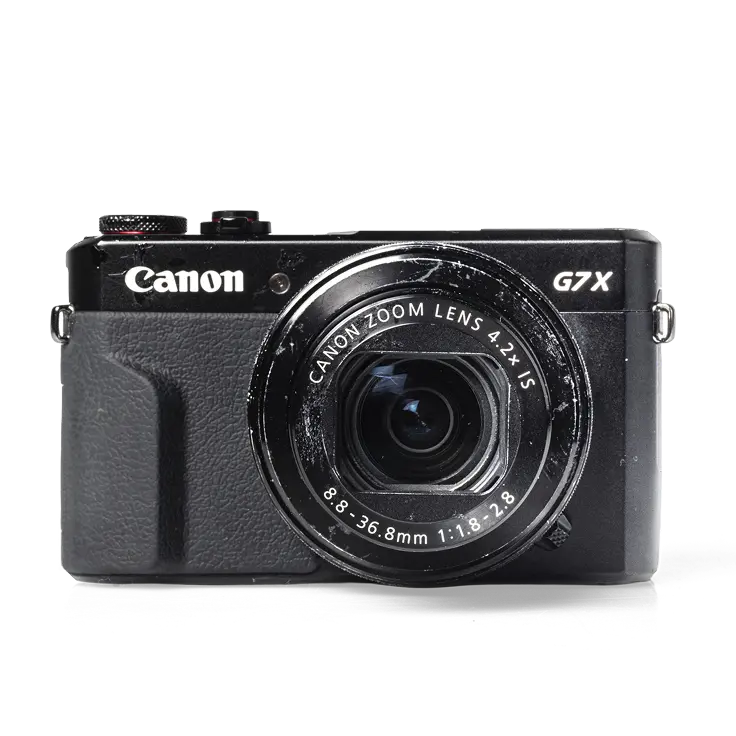
Ugly
Heavily used with extensive visible wear. Equipment is rough, with multiple impressions in the finish, excessive finish loss and brassing. Glass will have marks, fungus and/or heavy/cloudy haze which could affect picture quality. Accessories usually not included, unless noted in listing. Not covered under KEH warranty.