You
have no items in your shopping cart.
Negative Space Photography: How Empty Space Creates Moody, Minimalist Images
November 25, 2026
1 min read

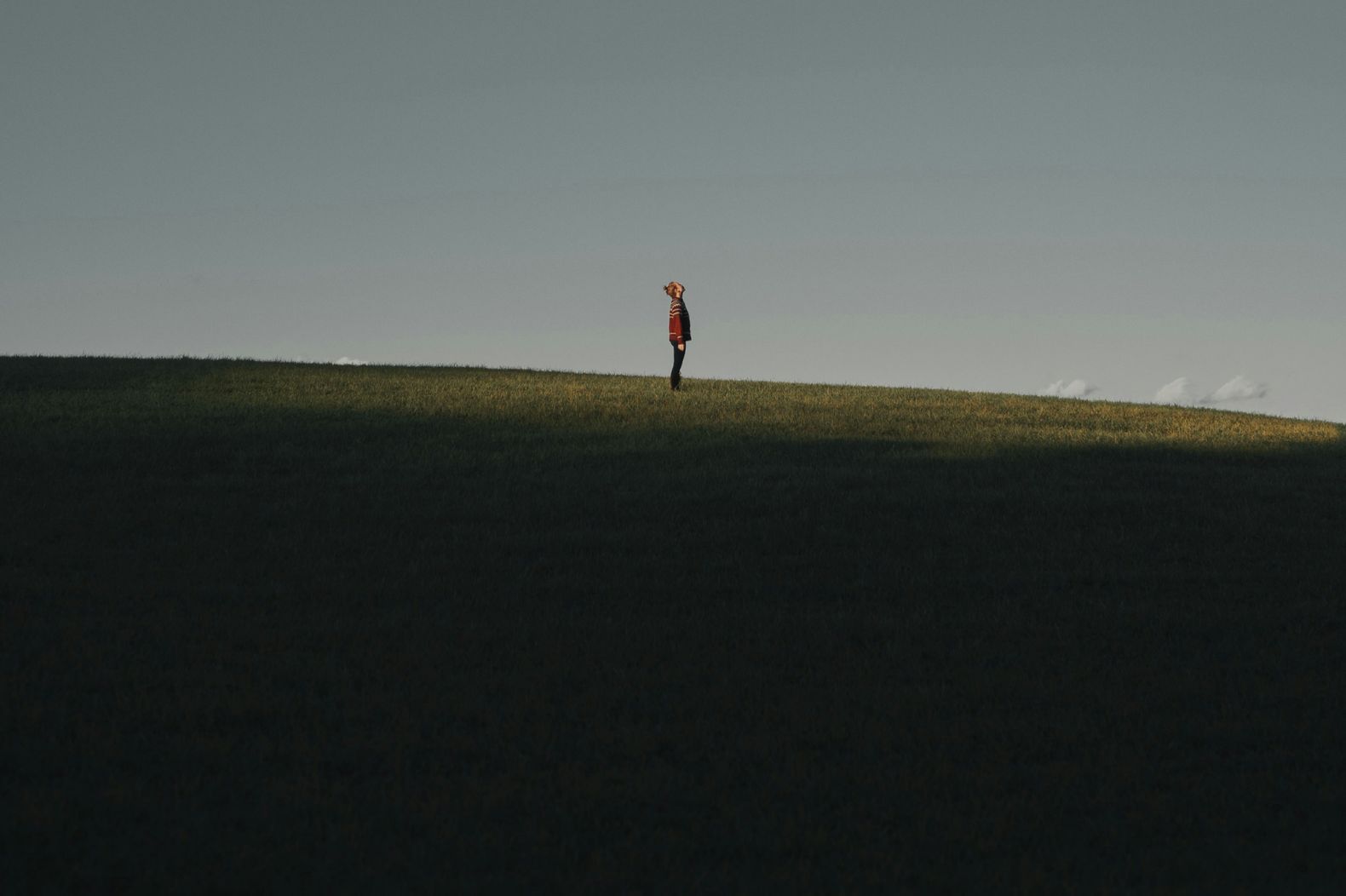
Negative space photography uses the areas around and between subjects to shape a composition. Instead of filling every part of the frame, this approach gives your subject room to stand out and lets the surrounding environment contribute to the image. A small figure against an expansive landscape, a single object against a textured wall, or a portrait surrounded by deep shadows can all use negative space to create a stronger visual impression.
But negative space does more than simplify a photograph. It can establish scale, emphasize isolation, create tension, and shape the overall mood of an image. The right combination of subject placement, lighting, and tonal contrast can turn an otherwise ordinary scene into something atmospheric and intentional.
Whether you’re drawn to minimalist photography or want to create more cinematic, moody images, understanding how to use empty space can change the way you approach composition.
Negative space in photography is the visually quieter area surrounding or separating the main subject. Positive space is the subject itself, whether that’s a person’s face, a building, a tree, or an object. The relationship between these two areas determines where the viewer’s attention lands and how they interpret the image.
Negative space doesn’t have to be completely blank. Water, clouds, concrete, and out-of-focus foliage can all serve as negative space when their details don’t compete with the subject. A textured wall might complement a portrait, while a bright sign on that same wall could become a distraction.
This is where negative space and minimalist photography often overlap. Minimalism reduces competing elements to make the most important parts of an image stand out. Negative space is one way to achieve that simplicity, but it doesn’t require a white background or an otherwise empty frame.
The goal isn’t to remove everything from a photograph. It’s to decide which elements deserve attention and which should take a supporting role.
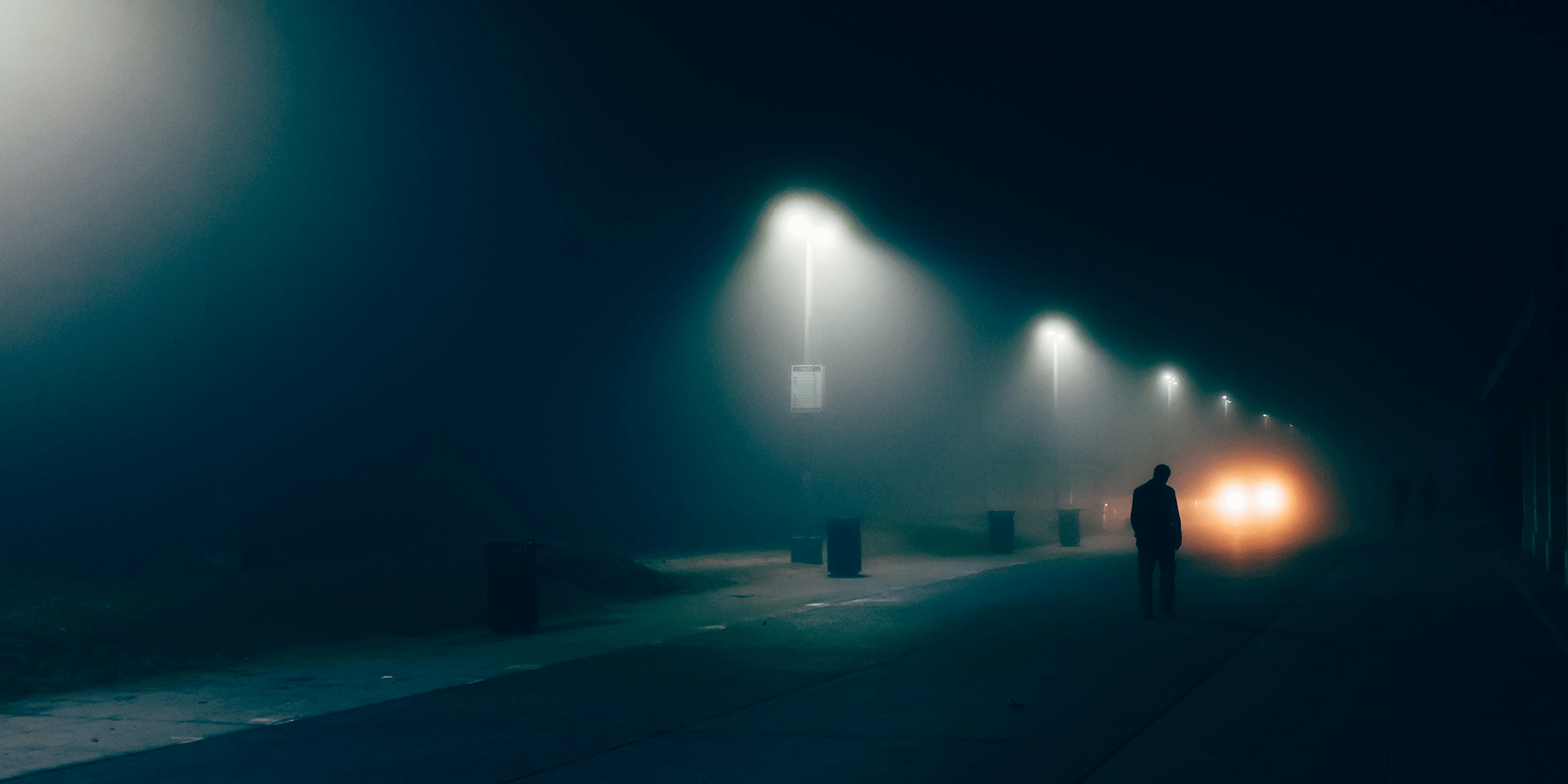
The amount, placement, and appearance of negative space can dramatically change how a photograph feels. A large area of empty space isn’t just a compositional decision; it can communicate something about the subject and its relationship to the environment.
Four elements are particularly useful when you’re trying to create a more atmospheric image.
The relationship between your subject and its surroundings can communicate scale and isolation. A person standing beneath an enormous sky, a lone tree in an open field, or a small building surrounded by fog can make the subject feel distant or alone.
To achieve this effect, step back and include more of the surrounding environment. A wide-angle lens can help exaggerate the distance between the subject and its surroundings, while a longer focal length can compress the scene and create a different sense of space.
Think about how much of the frame your subject occupies. Making it smaller can create a sense of vulnerability or solitude, while giving it more room can make the image feel expansive and contemplative.
Subject placement influences how viewers move through an image and what they feel when looking at it.
Leaving open space in the direction someone is looking can suggest anticipation or possibility. Placing that same person near the edge of the frame, facing outward, can introduce tension or make the composition feel deliberately unbalanced.
Centered compositions can also be effective. When surrounded by generous negative space, a centered subject can feel isolated, still, or unusually small within its environment.
Consider these different approaches:
| Framing choice | Possible visual effect |
| Subject centered with generous space on all sides | Stillness, simplicity, or isolation |
| Subject positioned to one side with open space ahead | Direction, anticipation, or possibility |
| Subject near the edge, facing outward | Tension or unease |
| Small subject beneath an expansive sky or wall | Scale, solitude, or vulnerability |
These aren't fixed emotional formulas. The subject's expression, posture, environment, and lighting all influence the final image.
Shadows are especially useful when creating moody negative space. Instead of relying on a completely blank background, look for areas where light naturally falls away.
A subject standing in a narrow patch of light against a dark wall can become the clear focal point. Similarly, a portrait with one side of the frame falling into shadow can feel more dramatic and intimate than one lit evenly from every direction.
Experiment with directional lighting, window light, and low-key lighting techniques. Pay attention to how shadows define the space around your subject, not just the subject itself.
You can also use shadows as compositional elements. A long shadow stretching across a floor or wall can introduce a leading line, create visual balance, or add another layer of depth without cluttering the frame.
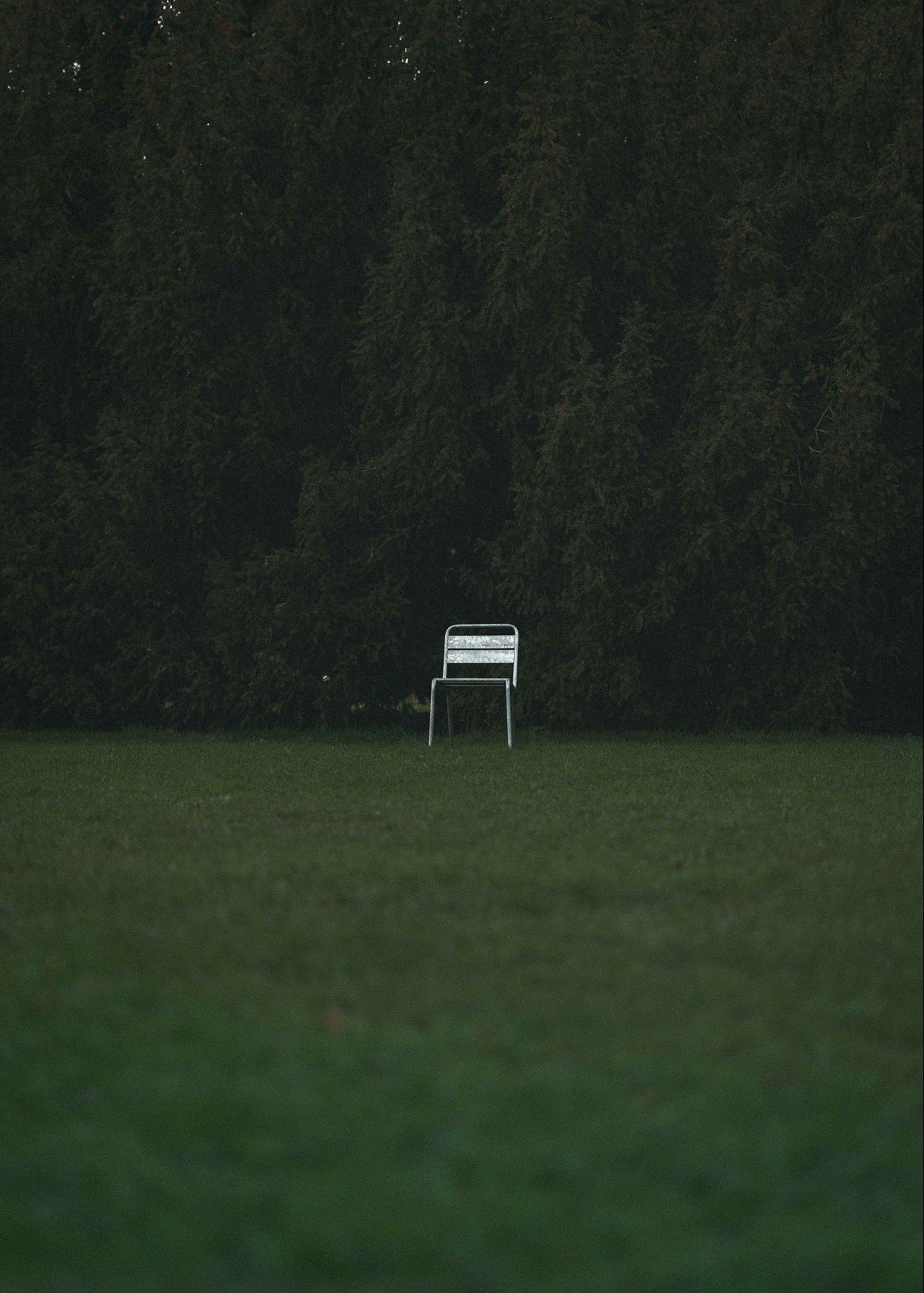
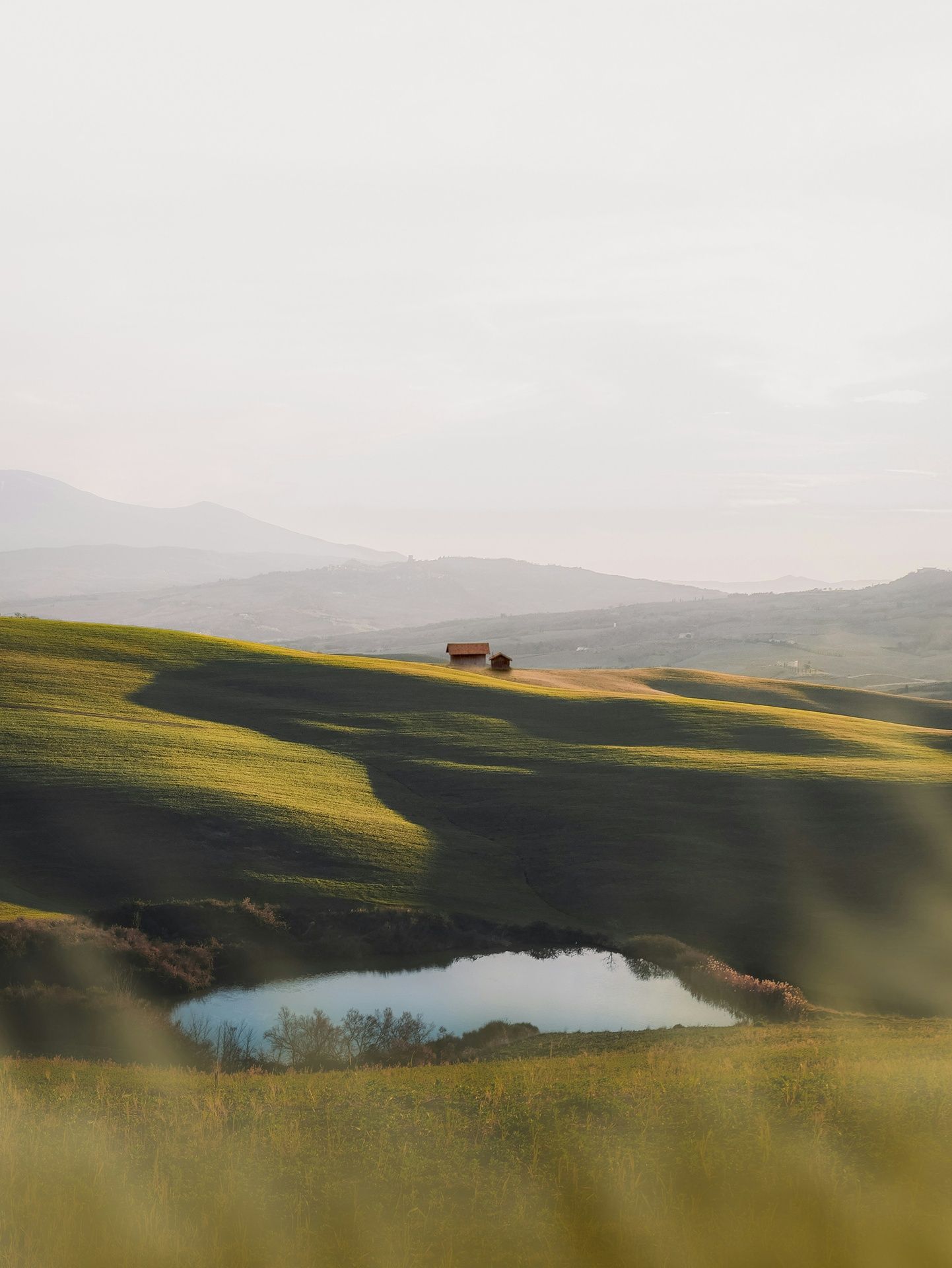
Tonal contrast is the difference between light and dark areas in a photograph. It’s one of the most effective ways to make negative space feel intentional.
A brightly lit subject against a dark background creates strong separation and a dramatic atmosphere. A dark subject against a pale, open background produces a different effect, often feeling quieter or more graphic.
You can also work with subtle tonal differences. A subject in a slightly darker shade against a muted background can create a restrained, understated composition without relying on dramatic lighting.
Color matters, too. A small, saturated subject against a large area of muted color can draw attention without introducing additional visual elements. Alternatively, a limited palette of similar tones can create a softer, more cohesive image.
The key is to make sure the tonal relationships support your subject rather than compete with it.
Once you understand how negative space influences mood, look for environments that help you achieve the effect you’re after.
You don’t need a studio or an elaborate setup. Many useful backgrounds are already around you.
Learn more about lighting for portrait photography.
Negative space doesn’t mean removing every other compositional element. Leading lines and reflections can add visual direction while preserving a relatively simple frame.
A shoreline, sidewalk, architectural edge, or shadow can guide the viewer’s eye toward your subject. Pay attention to where the lines lead. A path that draws attention toward your subject can strengthen the composition, while one that exits the frame or points toward a distraction can weaken it.
Reflections offer another opportunity. Still water, glass, and reflective architectural surfaces can introduce symmetry or create additional space around a subject.
Try photographing a scene with and without a reflection or prominent leading line. Keep these elements when they contribute to the visual story, rather than simply adding more information to the frame.
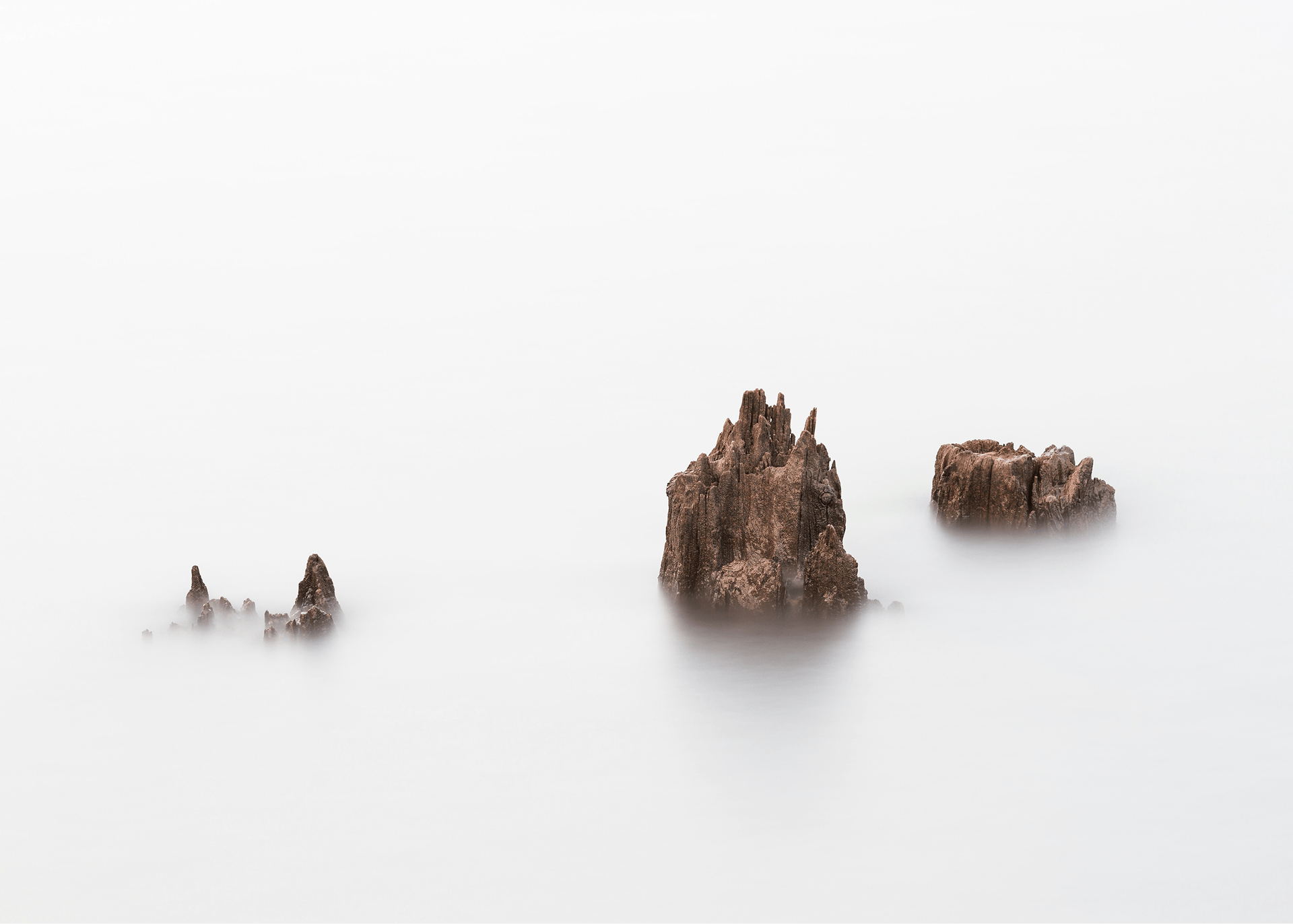
The best way to understand negative space is to experiment with the same subject in different conditions. This exercise will help you see how changes in framing, scale, lighting, and tonal contrast affect the mood of an image.
Choose an ordinary subject and give yourself time to photograph it in several different ways.
When editing, experiment with alternate crops before making significant exposure or color adjustments. A small change to the frame can improve the composition more than an elaborate editing treatment.
Don’t automatically choose the photograph with the most empty space. Negative space should contribute to the image’s meaning, not simply make the frame look sparse.
You don’t need specialized equipment to experiment with negative space photography. Your current DSLR or mirrorless camera is more than capable of capturing minimalist compositions.
Different lenses offer additional creative options. A wide-angle lens can emphasize the relationship between a subject and its surroundings, while a prime or portrait lens can help isolate details against a softer background. Experiment with the lenses you already own before deciding you need something different.
If a specific creative goal calls for another focal length or camera system, KEH offers a wide selection of KEH Certified™ pre-owned cameras and lenses. Every piece of gear goes through KEH’s inspection and grading process, giving photographers another way to explore different equipment while keeping existing gear in circulation.
Yes. Negative space can surround a group of subjects or separate individual objects within a composition. Try photographing two objects close together, then move them farther apart. Notice how the surrounding space changes the relationship between them.
No. Color can be an important part of a minimalist composition. A brightly colored subject against a muted background, for example, can create strong separation without introducing additional visual elements. Experiment with both color and black-and-white treatments to see which better supports your intended mood.
Choose one ordinary object and one simple background. Photograph the object several times without changing the subject or location. Vary your camera position, framing, lighting, and the amount of surrounding space in each image. Compare the results side by side to see how composition alone changes the photograph.
Not exactly. Empty space describes an area without prominent visual elements, while negative space is the area that supports the composition by defining the relationship between the subject and its surroundings. Effective negative space serves a purpose, helping direct attention, establish balance, or contribute to the mood of the photograph.