

* Item pictured for illustrative purposes only, actual item not pictured. See ‘Notes’ next to grade for included items.
Fuji GSW690III Professional Medium Format Camera with 65mm f/5.6 {67}
-
$1,217.00
Select Payment Method

-
KEH Certified™ pre-owned gear, expertly inspected†
-
All rental gear is between Excellent and Like New Minus condition
-
Standard accessories included
The Texas Leica: 6x9cm medium format on 120 film.
The GSW690III earns its nickname honestly. At 6x9cm per frame, it gives you eight exposures on a roll of 120 film, each one a negative large enough to make 16x20 prints with grain structure still intact. The fixed 65mm f/5.6 EBC Fujinon lens translates to roughly 28mm in 35mm terms, so you're working wide. That focal length combined with the format makes this the go-to tool for photographers who want architectural distortion-free wide shots or expansive landscapes where the tonal range of film does work no digital sensor replicates the same way.
The Seiko leaf shutter syncs with flash at any speed and keeps the mechanical operation quiet relative to SLR alternatives. Manual focus is the only focus mode, which suits the wide angle and deep depth of field at typical shooting distances. The 67mm filter thread accepts standard circular polarizers and graduated NDs without step-up rings. There's no meter, no autofocus, no electronics to fail in the field. That simplicity is a feature, not a gap.
For the money, you're getting a medium format system with a matched lens that was calibrated to the format from the ground up. Zoom lenses don't exist here. That constraint is a known quantity that serious film shooters work with deliberately.
Who It's For
Landscape photographers shooting 120 film who need wide-angle coverage will find the 65mm focal length on 6x9cm frames produces negatives with enough detail to support large output sizes. Documentary and travel photographers who prefer film appreciate the mechanical simplicity and the eight-frame discipline that 120 imposes. Architecture shooters working with a rectilinear wide lens benefit from the EBC Fujinon coating reducing flare in high-contrast scenes. Street photographers drawn to rangefinder-style shooting will recognize the optical viewfinder workflow and the leaf shutter's low operating noise.
Key Features
- 6x9cm medium format negative on 120 or 220 film
- Fixed 65mm f/5.6 EBC Fujinon lens, roughly 28mm equivalent
- Eight frames per roll of 120 film
- Seiko leaf shutter syncs flash at all speeds
- Manual focus with optical viewfinder
- 67mm filter thread for standard accessories
- No electronics, no autofocus, mechanical operation
FAQ
- What makes the 65mm f/5.6 different from a standard wide-angle lens on a 35mm camera?
- On 6x9cm film, 65mm is genuinely wide (equivalent to roughly 28mm on 35mm), but the larger format negative captures tonal separation and grain structure that digital sensors can't match. You're not just getting a wider angle-you're getting film's characteristic rendition at a size that prints large without loss.
- Can I use autofocus or zone focusing with this camera?
- No. Manual focus only, which works because the wide angle and stopped-down aperture give you deep depth of field. At typical shooting distances (8 feet and beyond), you're effectively zone focusing anyway.
- Does the leaf shutter limit flash sync speed?
- Opposite problem-it syncs at any shutter speed. That's a leaf shutter advantage over focal-plane shutters, and it's useful for fill flash in daylight without neutral-density filters.
- What about metering and exposure control?
- This camera has no built-in meter. You bring a handheld meter or use an incident-light app. Fujifilm 120 film has enough latitude that bracketing isn't essential, but it's standard practice for important work.
- How many frames per roll of 120 film?
- Eight 6x9cm frames per roll of 120 film, or 16 if you load 220. Each frame is large enough for contact prints or 16x20s with visible grain structure.
- Is the 67mm filter thread standard?
- Yes. Standard circular polarizers and graduated NDs fit without step-up rings. Filters screw directly onto the lens barrel.
- Why is this called the Texas Leica?
- The nickname references the Leica III's reputation for rugged simplicity and the GSW690's reliance on mechanical operation and manual controls. It's a working camera, not a feature-packed system.
| Specification | Value |
|---|---|
| Sensor | Medium format (120/220 film, 6x9cm) |
| Resolution | None |
| Mount | Fixed lens |
| Viewfinder | Optical |
| Lens | 65mm f/5.6 EBC Fujinon |
| Format | 6x9cm |
| Film Type | 120/220 |
| Focus | Manual |
| Shutter | Seiko |
| Filter Thread | 67 mm |
| Common Name | Texas Leica |
This description was generated using AI based on KEH's internal product standards, product expertise, and knowing what customers care about most. While we strive for accuracy, details may vary by individual item.
| Brand Name | Fuji |
|---|---|
| Focus Type | Manual focus (only) |
| Lens Type | Standard / Normal |
| Max Focal Length | 65mm |
| Min Focal Length | 65mm |
Learn what to expect from each condition, cosmetically. Images are representative of each grade and may not show the exact item you receive. All equipment is guaranteed to work as intended, unless otherwise noted. We also occasionally offer items that fall .
Exceptions
- New
- New in box complete with manufacturer's USA warranty. Not previously owned or used.
- Like New
- Essentially new with no signs of use. “Open box.” In manufacturer's packaging with original accessories and instructions. 180-day warranty.
- As Is
- Non-functional or damaged. Equipment will not work. Usable for parts. Not covered under KEH warranty and non-returnable.
Like New Minus
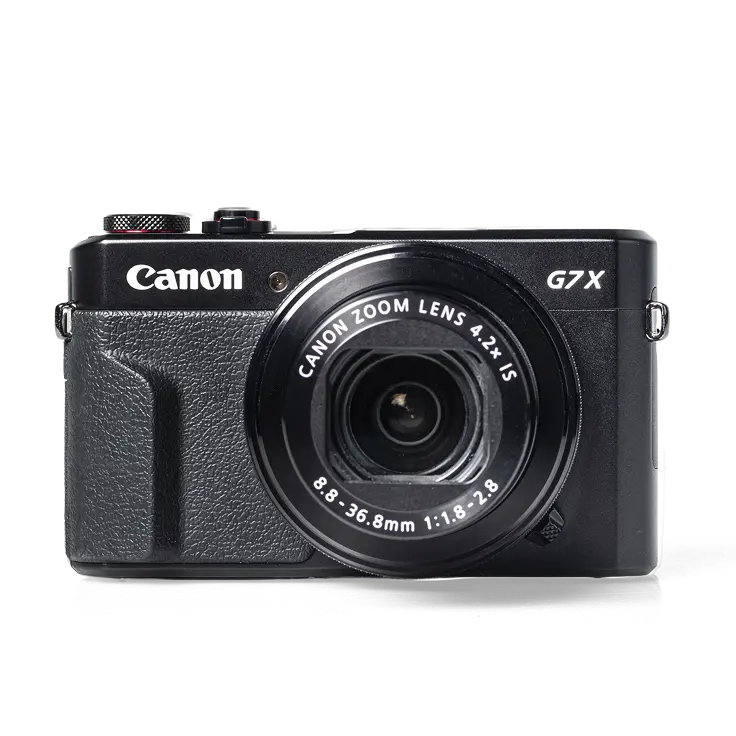
Like New Minus
Barely used with virtually no traces of wear. Only the closest inspections will reveal slight use. Lens glass could contain light dust or debris. Excellent picture quality. Accessories usually not included, unless noted in listing. 180-day warranty.
Excellent Plus
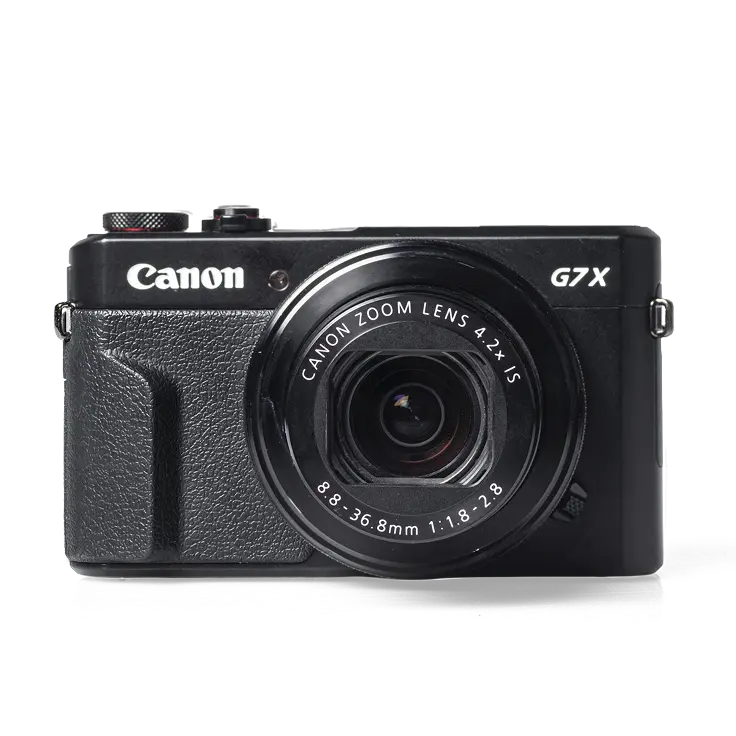
Excellent Plus
Lightly used with limited signs of wear. Exceptionally nice but may have slight wear on finish visible. Lens glass could contain light dust or debris. Excellent picture quality. Accessories usually not included, unless noted in listing. 180-day warranty.
Excellent
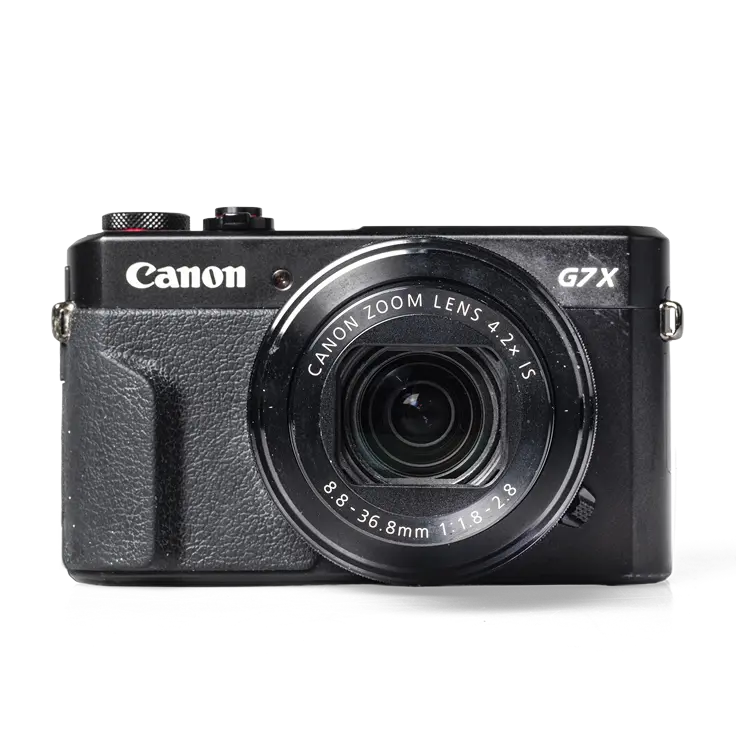
Excellent
Noticeably used with average signs of wear. Shows moderate wear for the age of the item, with the possibility of blemishes and/or minimal dings. Lens glass may have average dust and zoom/focus ring tension may have slight looseness or tightness overall, but will not affect picture quality. Accessories usually not included, unless noted in listing. 180-day warranty.
Bargain
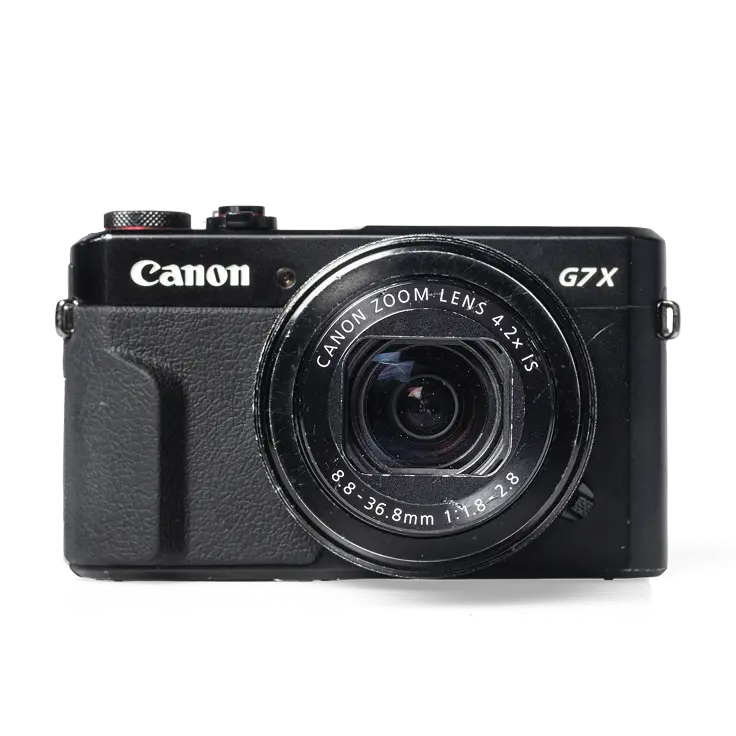
Bargain
Frequently used with above-average wear. May have dents, dings, or finish loss. Lens glass may have small scratches, dust, and blemishes, and zoom/focus ring tension may have moderate looseness or tightness overall, but should not affect picture quality. Accessories usually not included, unless noted in listing. 180-day warranty.
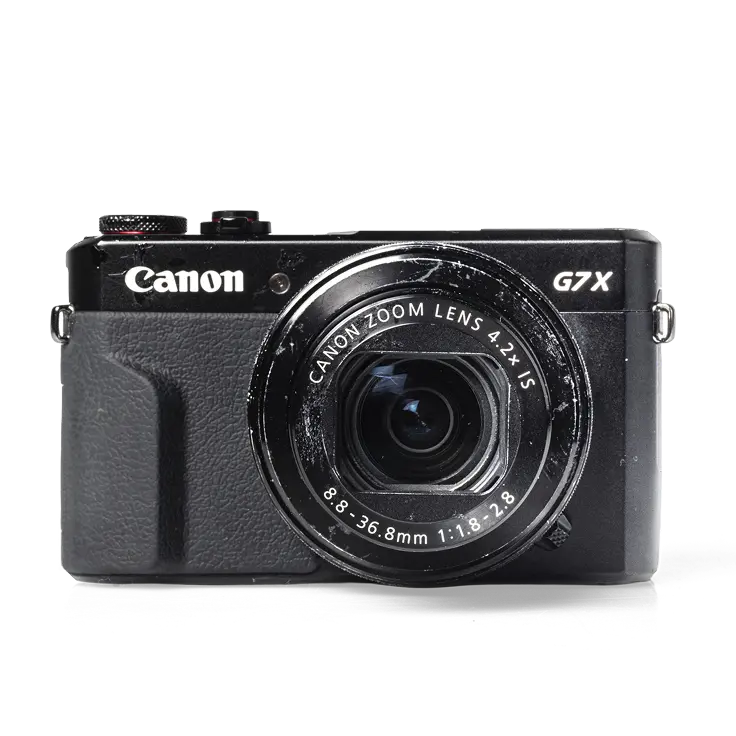
Ugly
Ugly
Heavily used with extensive visible wear. Equipment is rough, with multiple impressions in the finish, excessive finish loss and brassing. Glass will have marks, fungus and/or heavy/cloudy haze which could affect picture quality. Accessories usually not included, unless noted in listing. Not covered under KEH warranty.