

* Item pictured for illustrative purposes only, actual item not pictured. See ‘Notes’ next to grade for included items.
Nikon AF NIKKOR 180mm f/2.8 D ED Autofocus IF Lens {72}
We're sorry - this item is temporarily unavailable.
Want to be notified when it comes back in stock? Add it to your wishlist and we'll email you as soon it's available.
Consider one of the options below or call us at 1-800-342-5534 to speak with our KEH Gear Experts about a perfect alternative.


-
KEH Certified™ pre-owned gear, expertly inspected†
-
All rental gear is between Excellent and Like New Minus condition
-
Standard accessories included
Nikon's 180mm f/2.8 ED: the proven telephoto portrait standard
The 180mm focal length sits in a sweet spot that portrait and event photographers have relied on for decades. At f/2.8, subject separation is pronounced without the clinical compression of longer glass, and the 9-blade diaphragm produces smooth, round out-of-focus rendering across the background. The ED glass element keeps chromatic aberration in check even wide open, which matters when you're shooting against high-contrast edges like a bright sky or a window.
Internal Focus means the barrel length doesn't change during focusing, which keeps the balance consistent on a monopod and lets the lens accept 72mm filters without rotation. CRC (Close Range Correction) keeps optical performance from softening as you approach the 1.5m minimum focus distance, giving this lens more utility in tighter editorial or beauty shooting situations than its focal length might suggest. D-type distance information feeds your Nikon body's metering system for more consistent flash exposures, a detail that matters on fast-moving event floors.
This is a screw-drive AF lens, so it pairs best with Nikon F-mount bodies that carry an internal AF motor. Built on a design refined over thirty years of working photographers, it earns its place in a kit bag not through novelty but through consistent, predictable results at a focal length that flatters people and isolates subjects.
Who It's For
Portrait photographers shooting on location will find the 180mm f/2.8 creates enough working distance to stay unobtrusive while the f/2.8 aperture separates subjects from backgrounds cleanly. Sports and sideline photographers using F-mount bodies with internal AF motors get a compact telephoto that tracks reliably without the weight of longer primes. Documentary and editorial shooters benefit from the IF design's stable front element when swapping filters mid-shoot. Theater and performance photographers gain from the combination of a fast maximum aperture and ED glass that holds contrast under mixed artificial light.
Key Features
- 180mm f/2.8 prime with ED glass for chromatic aberration control
- Internal focus keeps barrel length constant during AF
- CRC (Close Range Correction) maintains sharpness at 1.5m minimum focus
- D-type lens transmits distance info for accurate flash metering
- 9-blade diaphragm for smooth background separation
- 72mm filter thread, compatible with 72mm hoods and filters
FAQ
- What bodies can use this lens?
- Any Nikon F-mount body with an internal AF motor-that includes most film SLRs from the late 1980s onward and all modern DSLRs and Z mirrorless cameras via FTZ adapter. Older F-mount bodies without an AF motor will mount it but focus manually only.
- How does the 180mm focal length compare to 200mm or 300mm for portraits?
- 180mm gives you subject separation without the heavy compression of longer glass, so it flatters without distorting face geometry. You stay close enough to control ambient light and catch genuine expressions on an event floor without looking distant.
- Does internal focus affect autofocus speed?
- The screw-drive AF motor in compatible bodies handles all focusing duty. It's not silent and it's not fast by modern standards, but it's reliable and consistent. Internal focus keeps the barrel stationary, which matters if you're using a monopod or need filter access during a shoot.
- What's the practical minimum focus distance for portrait work?
- 1.5 meters lets you shoot tighter headshots or beauty detail work than the focal length alone suggests. CRC maintains sharpness throughout the focusing range, so you're not sacrificing edge quality as you focus closer.
- How does the ED element handle backlit situations?
- ED glass suppresses chromatic aberration, particularly noticeable when you're shooting wide open against high-contrast edges like a bright window or sky. This keeps color fringing minimal on hair detail and rim-lit subjects.
- Why does D-type distance information matter for flash?
- It feeds your camera's metering system real-time subject distance data, producing more consistent flash exposure from frame to frame on fast-moving event shoots. It's one less variable to manage when you're working quickly.
- Is the 9-blade diaphragm important for bokeh?
- Nine blades produce rounder out-of-focus rendering than apertures with fewer blades, which matters if you're composing intentionally with background separation. Wide open at f/2.8, it renders backgrounds smoothly.
| Specification | Value |
|---|---|
| Focal Length | 180mm |
| Max Aperture | f/2.8 |
| Min Aperture | f/32 |
| Mount | Nikon F (AI-S) |
| Stabilization | No |
| AF System | Yes |
| Lens Construction | 8 elements in 6 groups |
| Filter Thread | 72 mm |
| Lens Type | Prime Telephoto |
| Diaphragm Blades | 9 |
| Minimum Focus Distance M | 1.5 |
| Maximum Magnification | 0.13x |
This description was generated using AI based on KEH's internal product standards, product expertise, and knowing what customers care about most. While we strive for accuracy, details may vary by individual item.
| Brand Name | Nikon |
|---|---|
| Filter Size | 72mm |
| Focus Type | Autofocus (camera motor) |
| Lens Mount | Nikon F Mount D Type |
| Lens Type | Telephoto / Long |
| Max Focal Length | 180mm |
| Min Focal Length | 180mm |
Learn what to expect from each condition, cosmetically. Images are representative of each grade and may not show the exact item you receive. All equipment is guaranteed to work as intended, unless otherwise noted. We also occasionally offer items that fall .
Exceptions
- New
- New in box complete with manufacturer's USA warranty. Not previously owned or used.
- Like New
- Essentially new with no signs of use. “Open box.” In manufacturer's packaging with original accessories and instructions. 180-day warranty.
- As Is
- Non-functional or damaged. Equipment will not work. Usable for parts. Not covered under KEH warranty and non-returnable.
Like New Minus
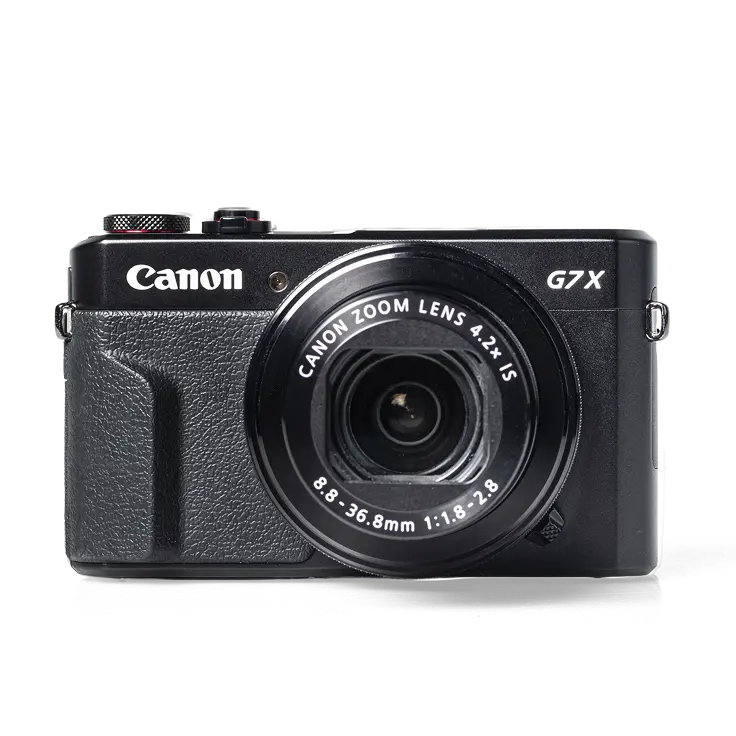
Like New Minus
Barely used with virtually no traces of wear. Only the closest inspections will reveal slight use. Lens glass could contain light dust or debris. Excellent picture quality. Accessories usually not included, unless noted in listing. 180-day warranty.
Excellent Plus
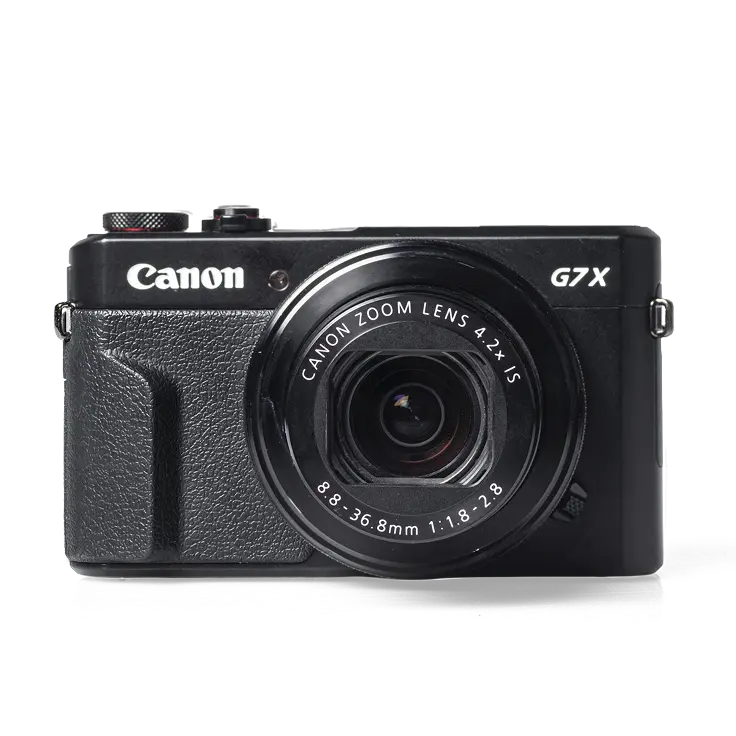
Excellent Plus
Lightly used with limited signs of wear. Exceptionally nice but may have slight wear on finish visible. Lens glass could contain light dust or debris. Excellent picture quality. Accessories usually not included, unless noted in listing. 180-day warranty.
Excellent
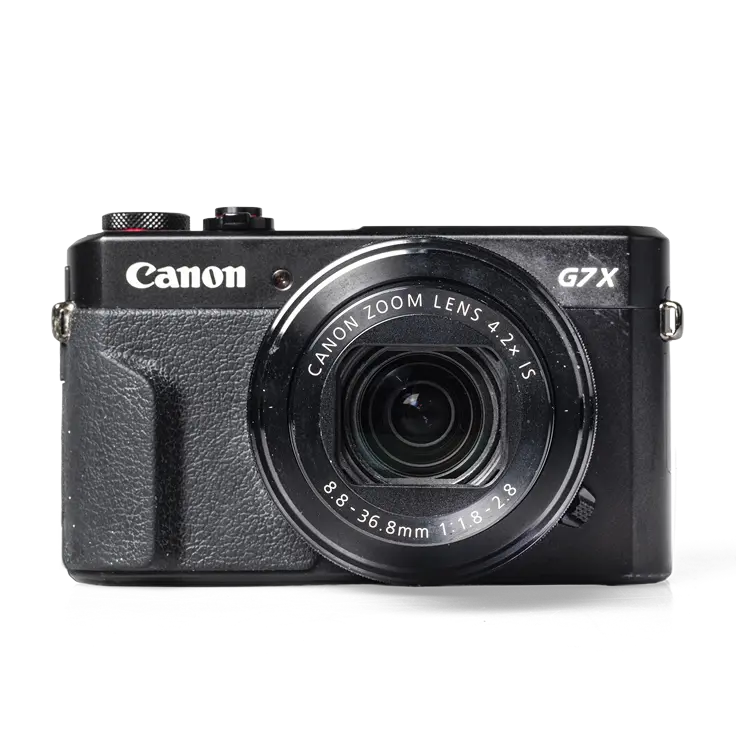
Excellent
Noticeably used with average signs of wear. Shows moderate wear for the age of the item, with the possibility of blemishes and/or minimal dings. Lens glass may have average dust and zoom/focus ring tension may have slight looseness or tightness overall, but will not affect picture quality. Accessories usually not included, unless noted in listing. 180-day warranty.
Bargain
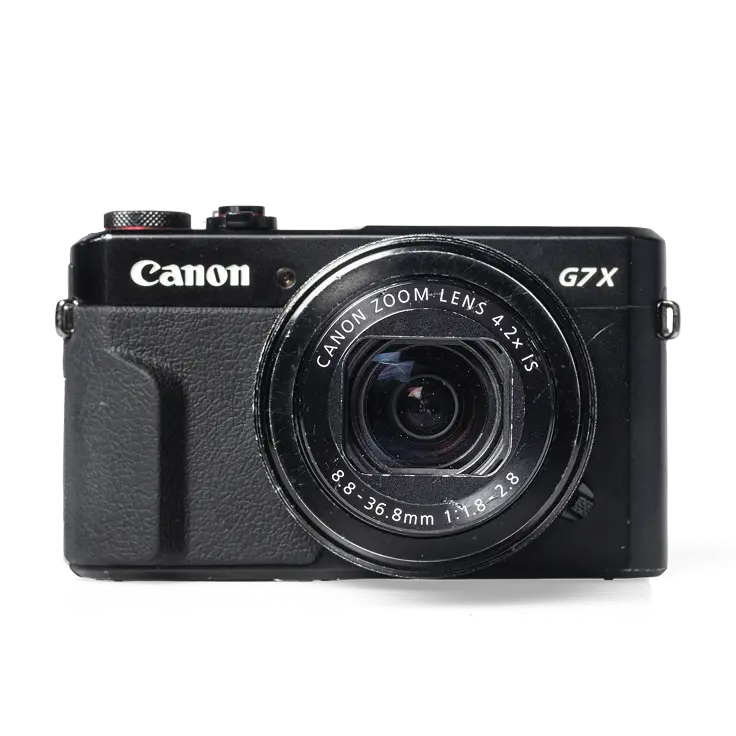
Bargain
Frequently used with above-average wear. May have dents, dings, or finish loss. Lens glass may have small scratches, dust, and blemishes, and zoom/focus ring tension may have moderate looseness or tightness overall, but should not affect picture quality. Accessories usually not included, unless noted in listing. 180-day warranty.
Ugly
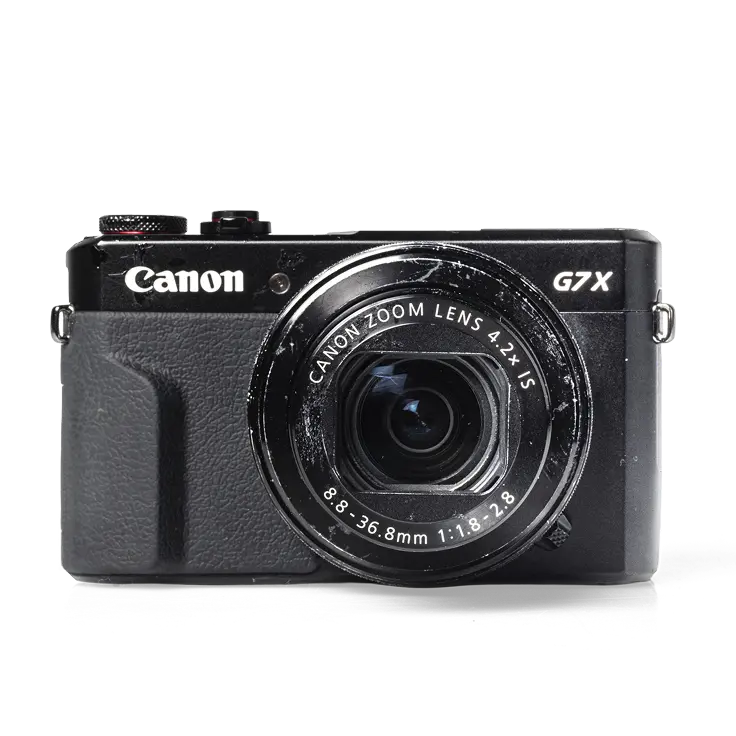
Ugly
Heavily used with extensive visible wear. Equipment is rough, with multiple impressions in the finish, excessive finish loss and brassing. Glass will have marks, fungus and/or heavy/cloudy haze which could affect picture quality. Accessories usually not included, unless noted in listing. Not covered under KEH warranty.