

* Item pictured for illustrative purposes only, actual item not pictured. See ‘Notes’ next to grade for included items.
Nikon PC-E NIKKOR 24mm f/3.5 D ED Tilt-Shift Manual Focus Lens {77}
We're sorry - this item is temporarily unavailable.
Want to be notified when it comes back in stock? Add it to your wishlist and we'll email you as soon it's available.
Consider one of the options below or call us at 1-800-342-5534 to speak with our KEH Gear Experts about a perfect alternative.


-
KEH Certified™ pre-owned gear, expertly inspected†
-
All rental gear is between Excellent and Like New Minus condition
-
Standard accessories included
Nikon's 24mm tilt-shift built for architectural precision.
The PC-E NIKKOR 24mm f/3.5 D ED is a manual focus perspective-control lens designed for photographers who need to manage converging verticals and plane-of-focus placement with precision. The tilt function lets you swing the focal plane to control depth of field across a flat subject, or to render a miniature effect in post-adjacent workflows. The shift function corrects keystoning without repointing the camera, which is the whole game in architectural and interior photography. Both movements operate independently, and the electromagnetic diaphragm of the PC-E system allows aperture data to communicate with the camera body even as the lens is physically offset from the optical axis.
ED glass minimizes chromatic aberration at wide apertures, keeping edges clean on high-contrast architectural lines where fringing is most visible. The Nano Crystal Coat cuts internal flare and ghosting, which matters when you're shooting interiors with bright windows in frame. At 24mm on a full-frame FX body, this focal length sits wide enough to work in tight spaces without introducing the distortion you'd fight with anything shorter. The 77mm filter thread is a standard size, compatible with most quality glass filter systems used in landscape and architectural work.
At the price point these trade for on the used market, this lens is a significant step down from what new costs while delivering identical optical performance.
Who It's For
Architectural and real estate photographers rely on the shift function to keep vertical lines parallel without cropping away resolution in post. Landscape photographers shooting on tripods use the tilt to extend depth of field across an angled ground plane at f/5.6 or f/8, skipping the diffraction penalties of stopping all the way down. Product and tabletop shooters use selective tilt to isolate a shallow focus plane across a flat surface at a controlled angle. Fine art photographers working with large-format compositional methods get Scheimpflug-style control in a 35mm system body.
Key Features
- 24mm focal length for architectural work in confined spaces
- Tilt and shift movements operate independently for perspective correction
- ED (Extra-low Dispersion) glass reduces chromatic aberration at wide apertures
- PC-E electromagnetic diaphragm communicates aperture data to camera body
- Nano Crystal Coat minimizes internal flare and ghosting
- Manual focus only
- 77mm filter thread for standard filter systems
FAQ
- What's the difference between tilt and shift on this lens?
- Shift moves the lens perpendicular to the image plane to correct keystoning without tilting the camera body. Tilt swings the focal plane to control depth of field across a flat subject or create miniature effects. Both work independently.
- Can I use this on a DX body?
- Technically yes, but you lose the perspective-control advantage. The 24mm becomes effectively 36mm, which narrows your field of view in tight architectural spaces where this lens excels.
- Does the electromagnetic diaphragm work with older Nikon bodies?
- The PC-E system communicates aperture data to the camera even when the lens is offset. Compatibility depends on your body's age and firmware, but Nikon F-mount bodies from the last 15 years typically handle it without issue.
- What's the manual focus experience like?
- Manual focus is required. The focus ring is smooth and precise, essential for a lens this specialized. A bright viewfinder or live view helps you nail focus on architectural details.
- How much tilt and shift range does it have?
- Tilt movement is +/- 6.5 degrees, shift movement is +/- 11mm. That range handles most architectural correction without needing extreme movements that degrade image quality.
- Will ED glass eliminate all chromatic aberration?
- ED glass minimizes it, especially on high-contrast edges like building corners or window frames. It won't eliminate fringing entirely at f/3.5 in extreme backlighting, but the improvement over non-ED wide angles is noticeable.
- Why is the filter thread 77mm?
- The large 24mm element and shift mechanism require a larger diameter. 77mm is standard across many professional-grade wide and standard primes, so filter compatibility is straightforward.
| Specification | Value |
|---|---|
| Focal Length | 24mm |
| Max Aperture | f/3.5 |
| Mount | Nikon F (FX) |
| Filter Thread | 77mm |
This description was generated using AI based on KEH's internal product standards, product expertise, and knowing what customers care about most. While we strive for accuracy, details may vary by individual item.
| Brand Name | Nikon |
|---|---|
| Filter Size | 77mm |
| Focus Type | Manual focus (only) |
| Lens Mount | Nikon F Mount D Type |
| Lens Type | Wide-Angle |
| Max Focal Length | 24mm |
| Min Focal Length | 24mm |
Learn what to expect from each condition, cosmetically. Images are representative of each grade and may not show the exact item you receive. All equipment is guaranteed to work as intended, unless otherwise noted. We also occasionally offer items that fall .
Exceptions
- New
- New in box complete with manufacturer's USA warranty. Not previously owned or used.
- Like New
- Essentially new with no signs of use. “Open box.” In manufacturer's packaging with original accessories and instructions. 180-day warranty.
- As Is
- Non-functional or damaged. Equipment will not work. Usable for parts. Not covered under KEH warranty and non-returnable.
Like New Minus
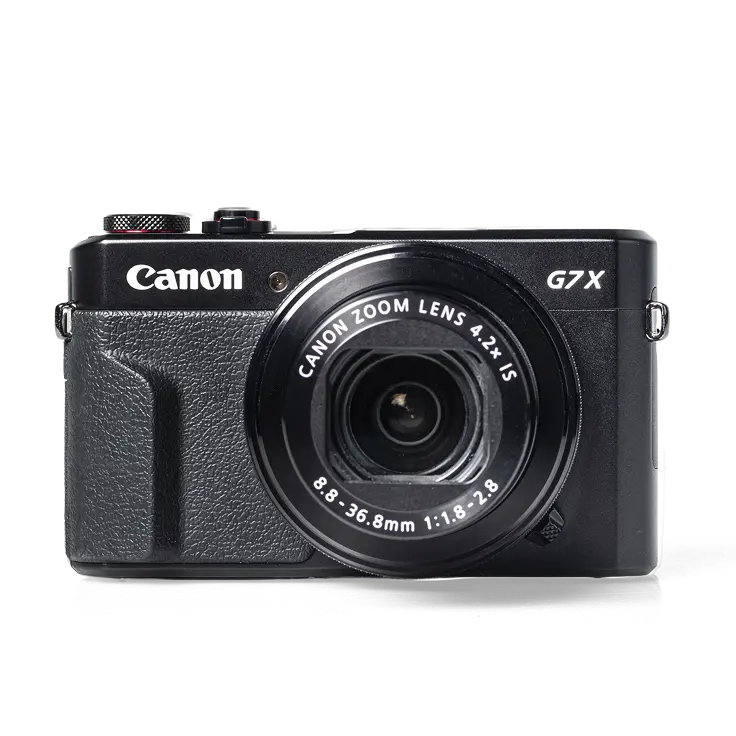
Like New Minus
Barely used with virtually no traces of wear. Only the closest inspections will reveal slight use. Lens glass could contain light dust or debris. Excellent picture quality. Accessories usually not included, unless noted in listing. 180-day warranty.
Excellent Plus
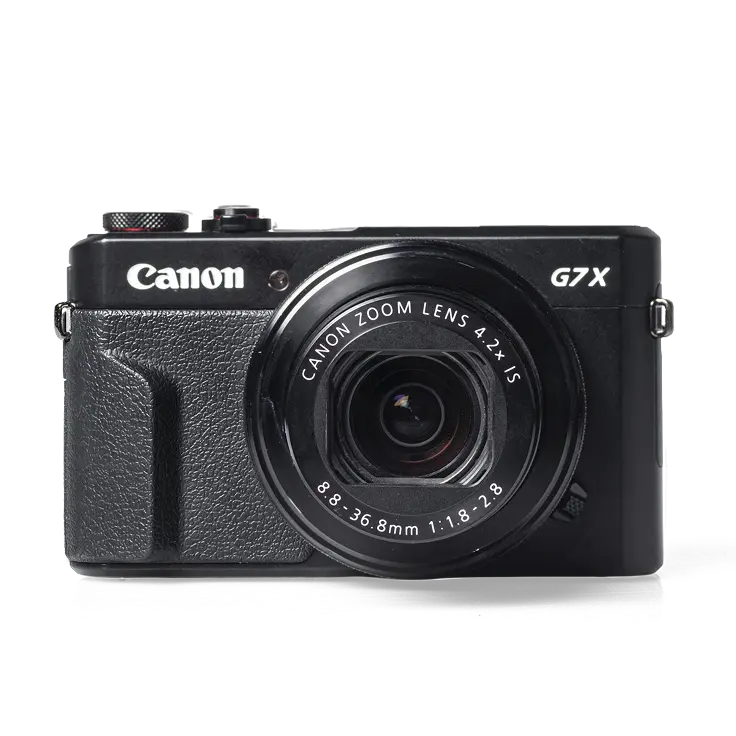
Excellent Plus
Lightly used with limited signs of wear. Exceptionally nice but may have slight wear on finish visible. Lens glass could contain light dust or debris. Excellent picture quality. Accessories usually not included, unless noted in listing. 180-day warranty.
Excellent
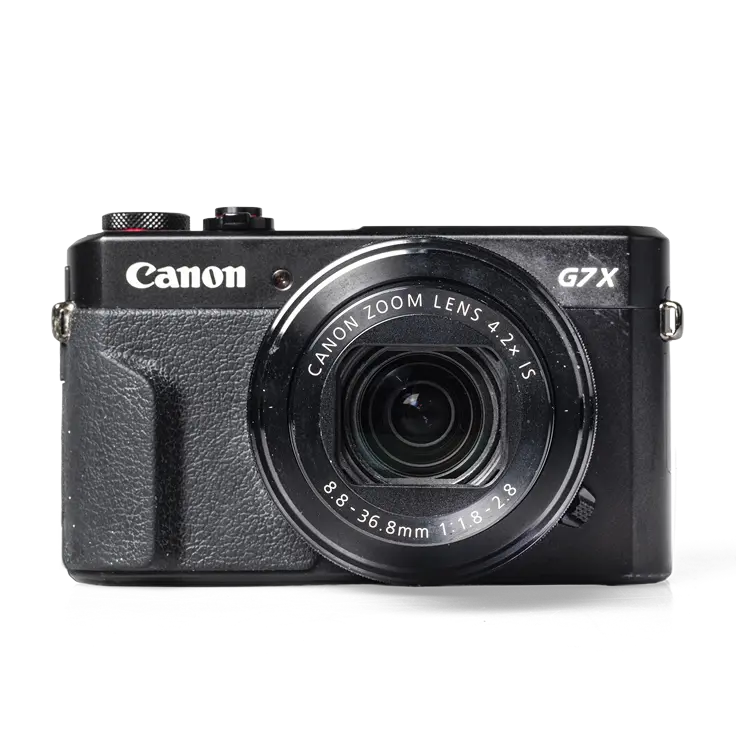
Excellent
Noticeably used with average signs of wear. Shows moderate wear for the age of the item, with the possibility of blemishes and/or minimal dings. Lens glass may have average dust and zoom/focus ring tension may have slight looseness or tightness overall, but will not affect picture quality. Accessories usually not included, unless noted in listing. 180-day warranty.
Bargain
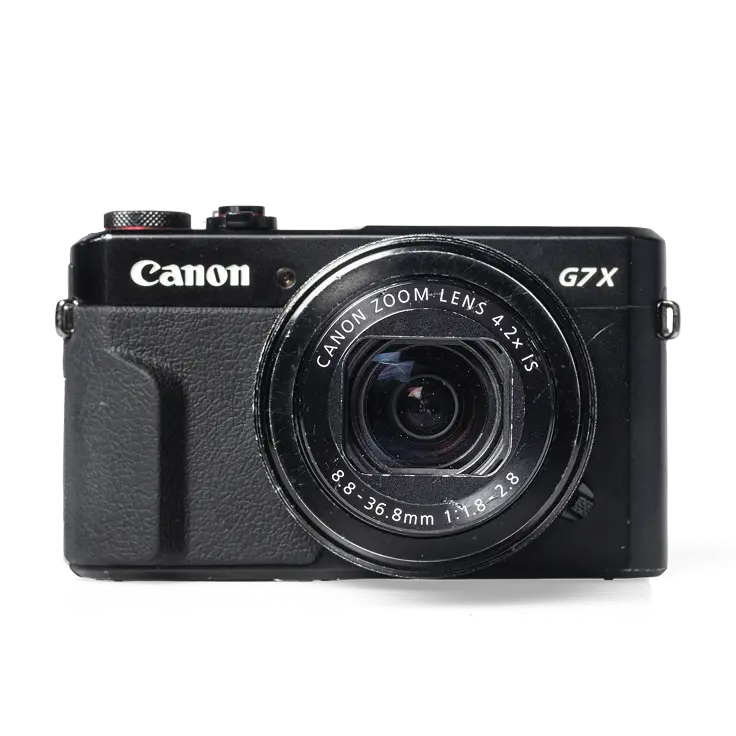
Bargain
Frequently used with above-average wear. May have dents, dings, or finish loss. Lens glass may have small scratches, dust, and blemishes, and zoom/focus ring tension may have moderate looseness or tightness overall, but should not affect picture quality. Accessories usually not included, unless noted in listing. 180-day warranty.
Ugly
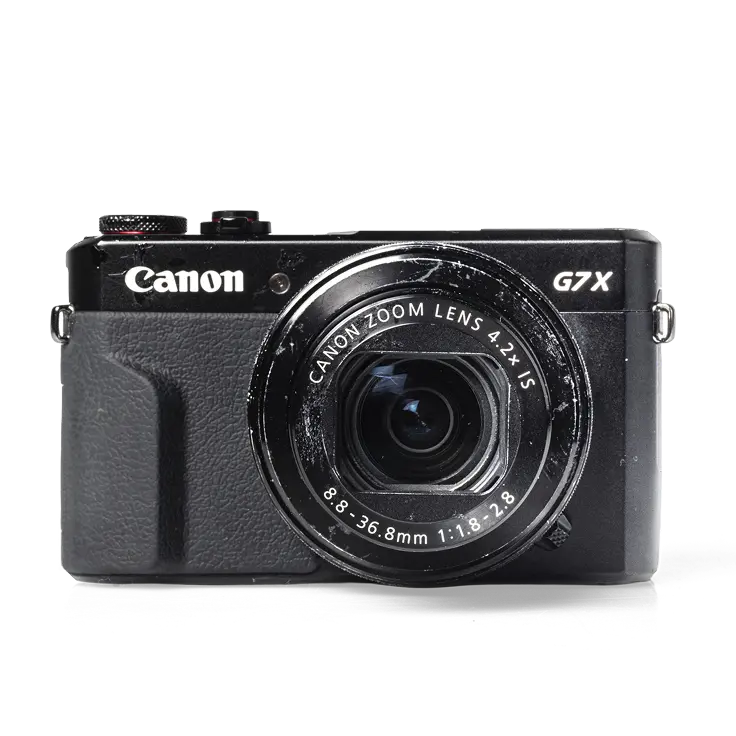
Ugly
Heavily used with extensive visible wear. Equipment is rough, with multiple impressions in the finish, excessive finish loss and brassing. Glass will have marks, fungus and/or heavy/cloudy haze which could affect picture quality. Accessories usually not included, unless noted in listing. Not covered under KEH warranty.