You
have no items in your shopping cart.
In Conversation with Marcus Ubungen
July 29, 2025
1 min read

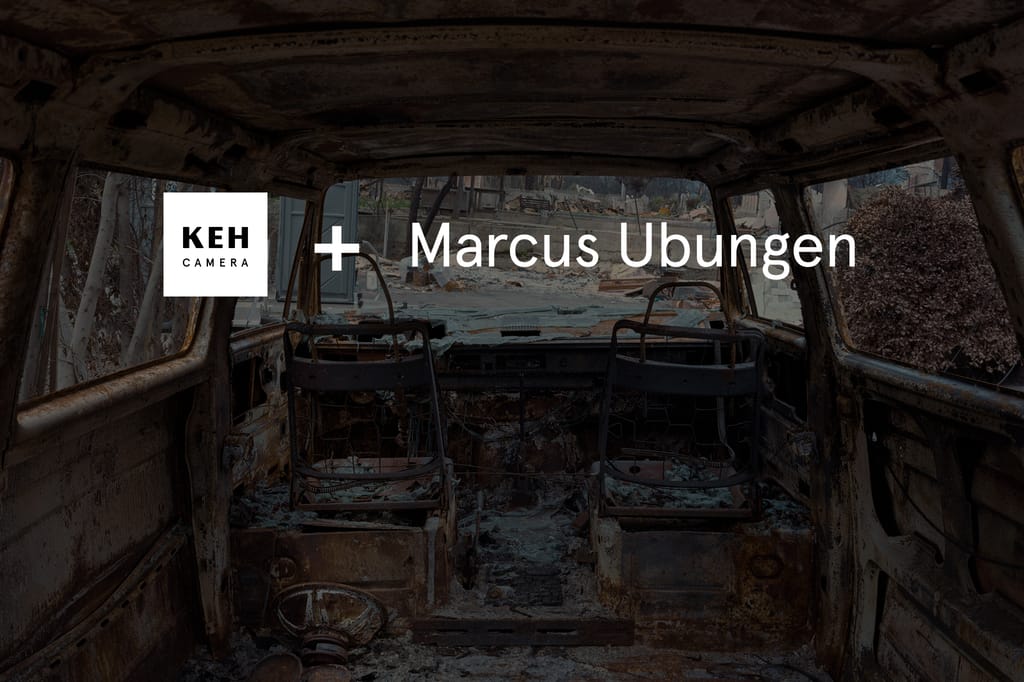
Photographer and director Marcus Ubungen has a gift for finding quiet, cinematic moments—whether he’s shooting 8×10 film portraits on the street or working on editorial assignments in the studio. His work is rooted in connection, often capturing people in ways that feel intimate and honest. After losing nearly all of his gear in the Altadena fires, Marcus found clarity in what really matters—both in life and in his creative process. We caught up with him to talk about his approach to portraiture, rebuilding from scratch, and why he’s more drawn than ever to human stories.
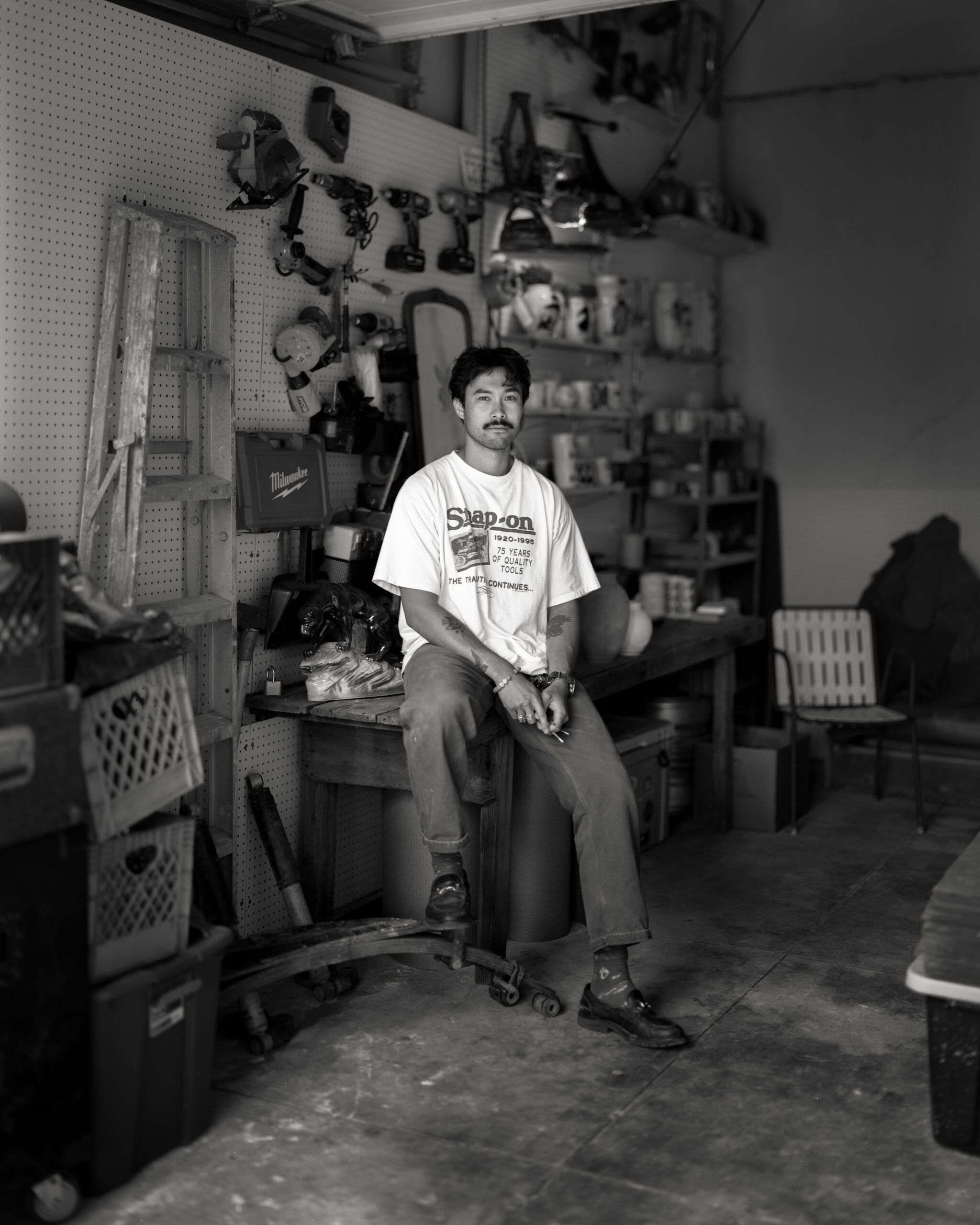
For those who don’t know you yet, can you introduce yourself and tell us a little about your work as a photographer?
I’m a photographer and director based in LA. Most of my photography involves people or faces, shooting portraits on the street or in the studio, and I work across both stills and motion. Some people know me from editorial or commercial work, others know me from the 8×10 film portraits I shoot on the street. While I shoot digital for editorial assignments,my passion lies in film. I found my style of portraiture with medium format film and eventually fell in love with 8×10 large format film, because of how slow the process is and the amount of control you have when framing up a shot.
How did you first get into photography, and what pulled you toward it as a creative outlet?
I originally came from the world of film and directing, but photography slowly started to become more prominent over time. I went to film school, and some of the foundation courses were film photography to learn the basics of exposure, depth of field, and shutter speed. That has always stayed with me. Much of my directing involves interviewing people, and I’d have to build trust with them to get the best unscripted responses. So to keep sharp, I would approach people on the street with a Pentax 67II, strike up a conversation, and hopefully get their portrait. It was a great social experiment to see if I could connect with someone quickly and learn a little about them.
You went through something incredibly difficult during the Altadena fires. Can you share what happened, and how it affected your day-to-day life?
My family lost our home and everything in it. Not just our personal things, but nearly all my cameras, gear, my entire film archive, and about a decade’s worth of photos on hard drives. That kind of event doesn’t just affect your day-to-day life, it completely resets it. The routines are gone. Your sense of place is gone. We had to focus on making sure our kids felt safe and stable, even while my wife and I were figuring out next steps. We bounced around five different places before finding a place to rent, and then had to fill a new place from scratch. No furniture, beds, cookware, or clothes. The whole thing was so surreal.
You’ve mentioned that in losing both your home and your gear, you came to a realization about what you actually need—and what really matters. What was that realization?
I think I realized how little you actually need to make meaningful work. I used to obsess over having different camera bodies, a few cameras for each format, and bodies that are a bit more rare. But in the end, a lot of them lived on the shelf to be looked at, and none of them came with me. It took me a long time to really figure out what was necessary for my work and for my passion projects. So it meant building a smaller arsenal, but with cameras that give me so much joy when I shoot them and make me want to carry them with me all the time.
Starting from scratch is no small thing. What did you prioritize when rebuilding your kit—and has it changed the way you shoot?
It was, and still is, a challenge now. For commercial and editorial work, I thought back to which two lenses I primarily used and only replaced those. Basically, one wide lens and one normal length lens which gets me through 95% of every job. If I need something more, I can always rent. For personal work, I prioritized tools that slowed me down. I leaned heavily into shooting 8×10 large format film, so I haven’t replaced any 4×5 gear, and a lot of medium format gear. But the film cameras I did buy only have one prime lens each, and that limitation has been freeing because I don’t have decision paralysis anymore. If I pick a format, I grab the camera and go.
Has that experience shifted how you approach your work or the stories you’re drawn to now?
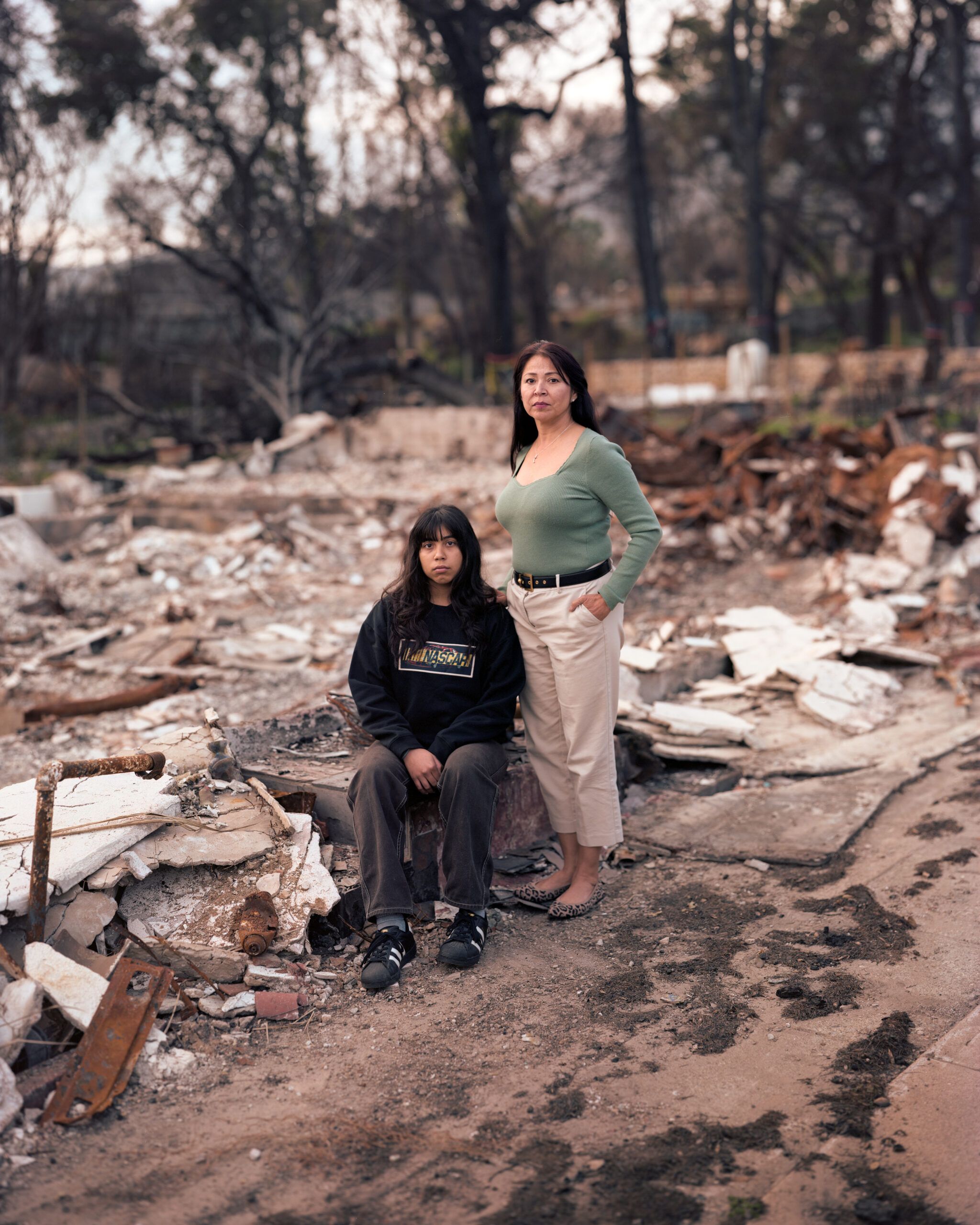
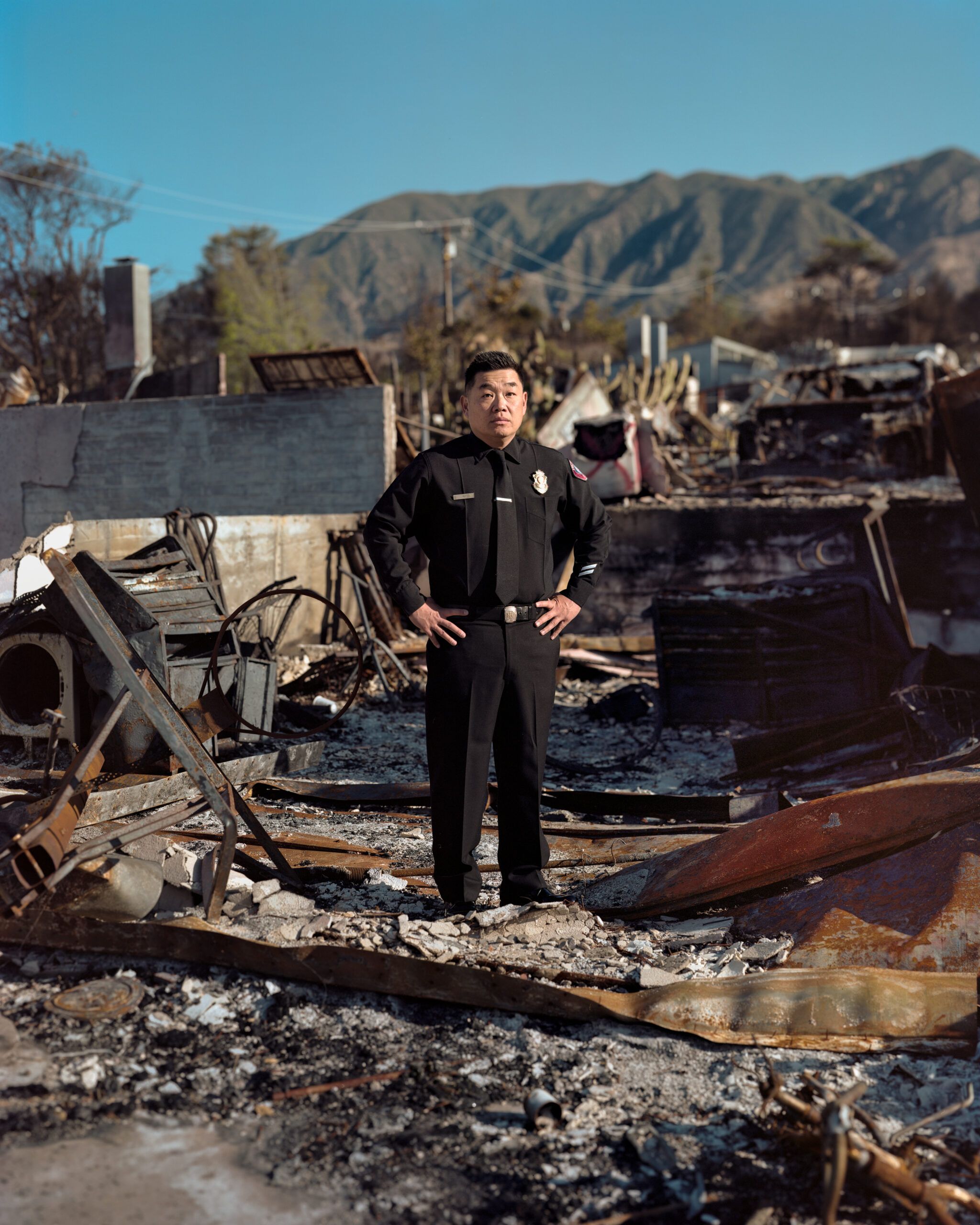
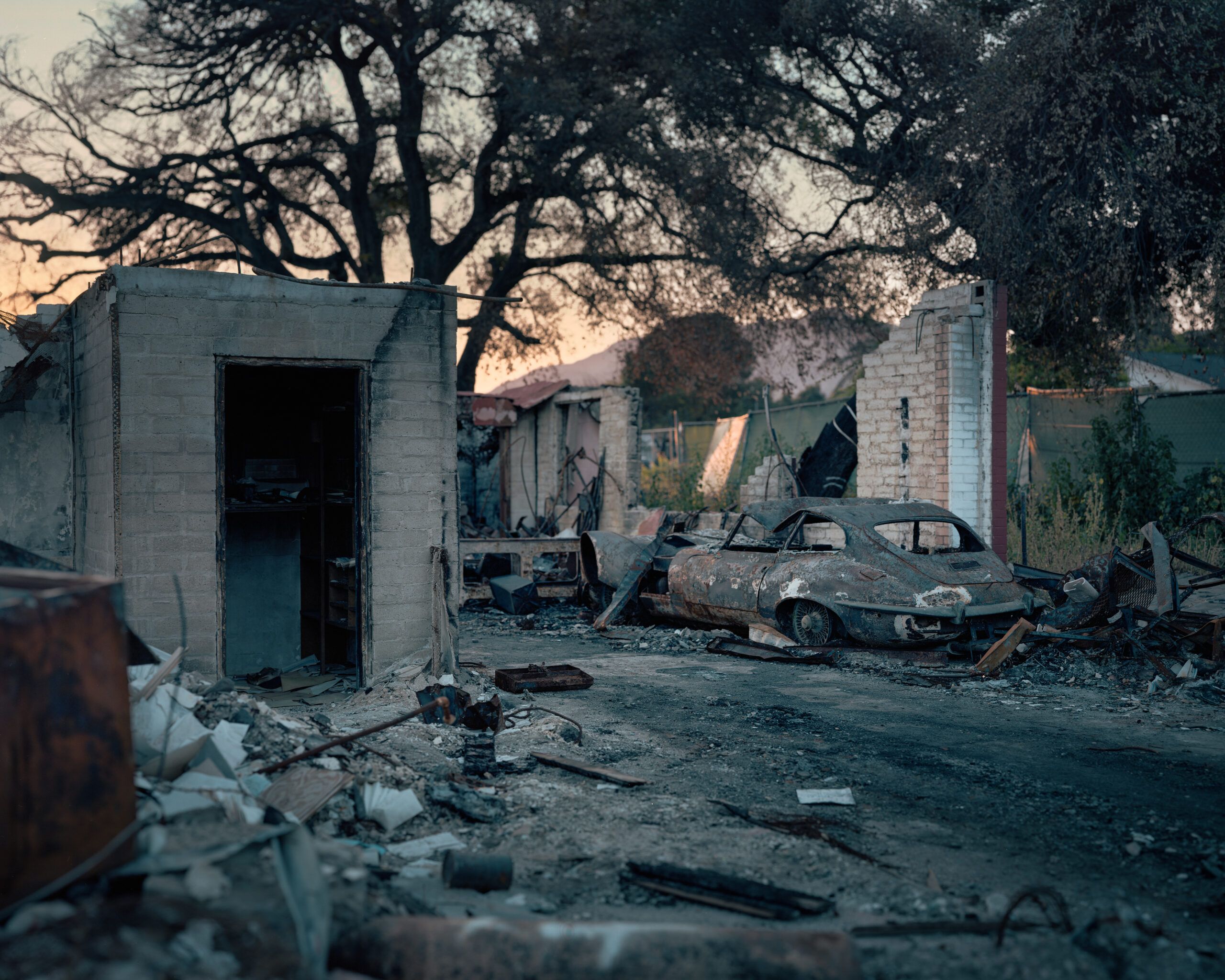
Absolutely. I’m more drawn to stories that feel personal and human. I want to spend time with people, not just take their picture. I started documenting my town after the fire, and it became a therapeutic process for me to sit with neighbors, soak in the landscape after all the reporters were gone, and process the loss in my own way. I want to keep the momentum going with this project before the Altadena landscape changes forever.
How would you describe the impact of community—within photography and beyond—on your creative and personal path recently?
Community is what has kept me going. After the fire, friends, photographers, and even strangers showed up in ways I didn’t expect. People sent film, loaned gear, checked in, and shared meals. It really lifted my spirit during that time. It was also part of the spark that led me to capture Altadena, using the film and gear I received and giving it some purpose.
You’ve done work for LA Times featuring some major names—how did that opportunity come about, and how do you approach working with such recognizable faces?
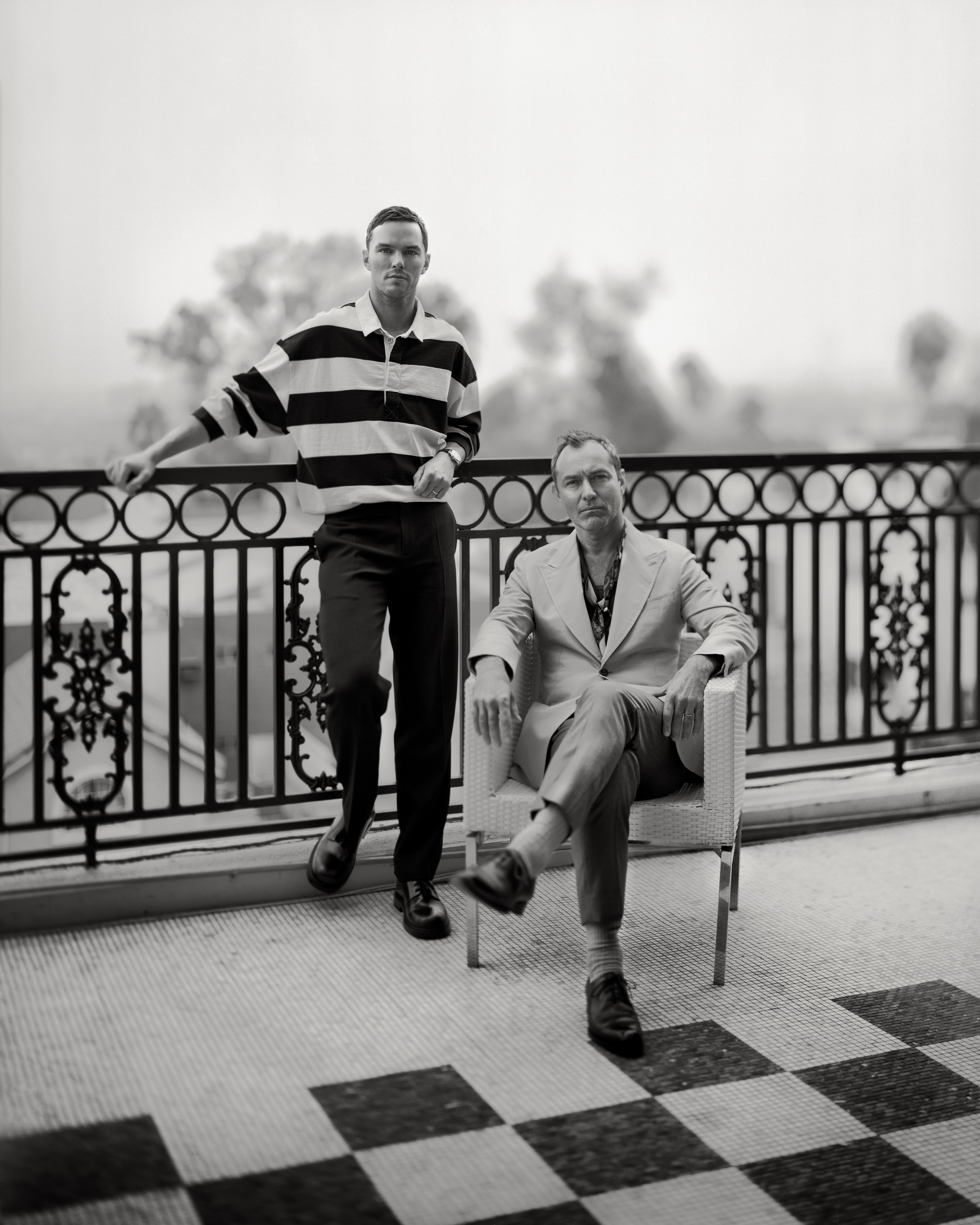
That opportunity came through a mix of timing and a body of work that caught the eye of a few photo editors at the LA Times. They had found me on Instagram and were drawn to the street portraits I had been doing on film at the time. We met for coffee and stayed in touch, and eventually it led to an assignment to take a portrait of an author. I did a good job on that first one and started to get more and more portrait work over time. When I shoot well-known people, I try not to treat them like celebrities. I try to talk to them like anyone else. I go in with a game plan of planned shots since there’s usually limited time. If the energy is good and we nail those shots quickly, I usually ask to try something different and shoot it on film to change things up. So it’s a nice way to get some extra content and not feel overly pressured.
What first drew you to portrait photography specifically?
I’ve always been fascinated with faces, how people dress, or the way they walk. It made me curious what their backstory is and where they come from, how they spend most of their time. I admire landscape, fashion, and food photographers…but I don’t think I could do those well. I love seeing real people.
How would you describe your visual style, or what you try to capture in your portraits?
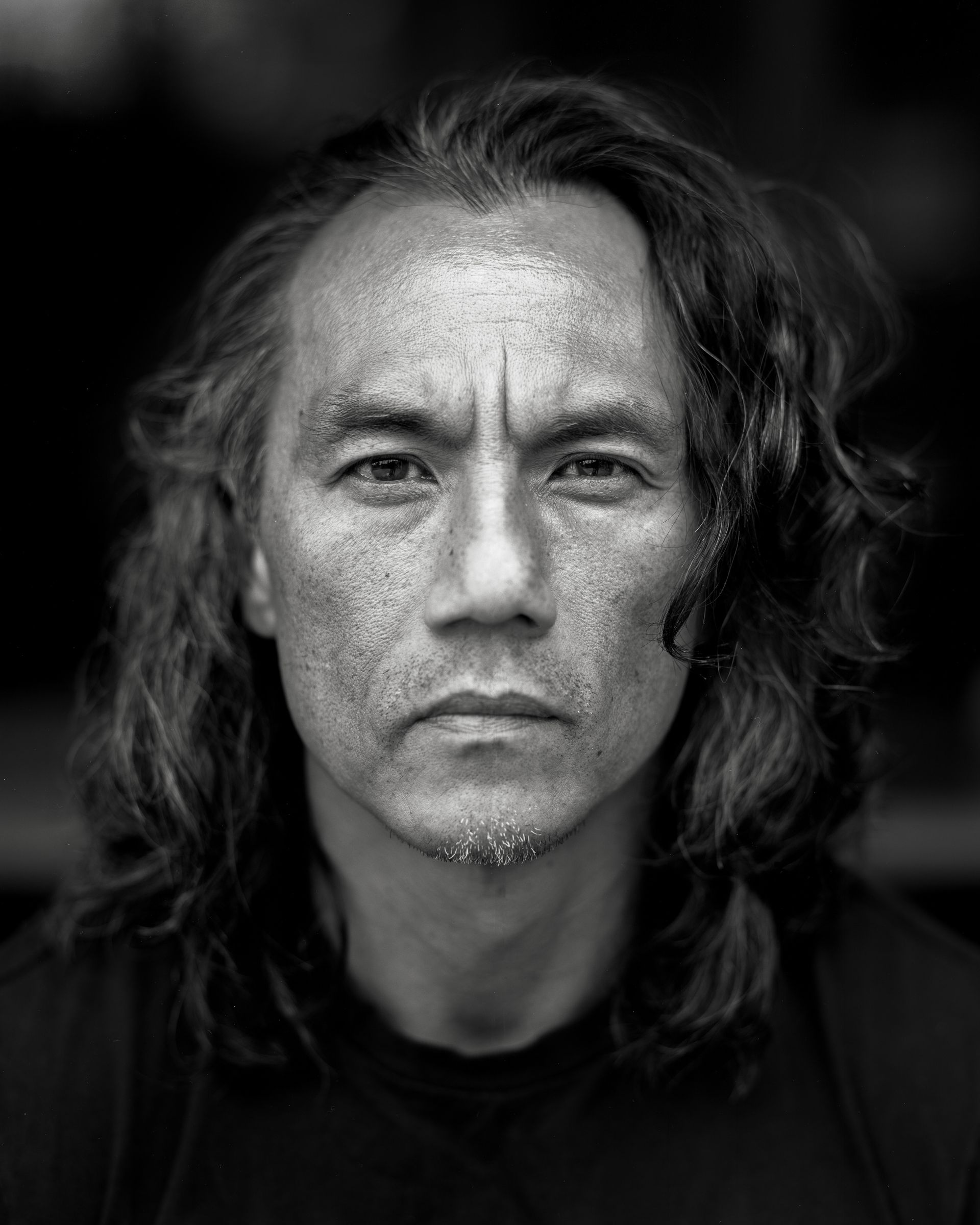
I guess I would describe it as environmental portraits. I’m always aiming to show a sense of place (even if the background is out of focus). I’d like it to feel natural and cinematic, sometimes by just turning the person 45 degrees so the light hits them better. I try my best to work with the surroundings in front of me when I meet a person. The great news is that if you establish some rapport, they’ll go out of their way to walk with you a couple of blocks if there’s a better frame or the light looks better.
How do you connect with your subjects to bring authenticity to your work?
The main thing is to give it some time and have a genuine conversation. It’s wonderful to have someone share a little bit about their lives, and I always let them know what I found compelling about them. Getting them up to temperature helps get their guard down by the time a portrait is taken. I also smile a lot.
I’m sure you have some amazing stories to tell. Can you share the most hilarious or unexpected thing a subject has ever done in front of your lens?
Well, one of the coolest things that happened recently was when I took a portrait of legendary photo artist David LaChapelle in his LA studio. I’ve always been a huge fan of his work, so I was excited about the shoot. He gave me a tour of his massive studio, and I got to see all the iconic props and hear great stories about the photos he has up on the wall, including the time he shot Andy Warhol as a 20-year-old. So that was definitely a memorable moment for me.
What’s next for you? Any projects, collaborations, or creative goals you’re excited about?
Right now, I’m continuing the Altadena project and starting to think about turning it into a book. I’m also working on creating a series of limited edition prints to help fund the project and keep it going. I’ll still continue to take editorial and commercial projects as they come up, but I feel motivated and inspired to follow through on this Altadena project. I hope to share and exhibit the work somewhere to a wider audience so they don’t forget what happened.
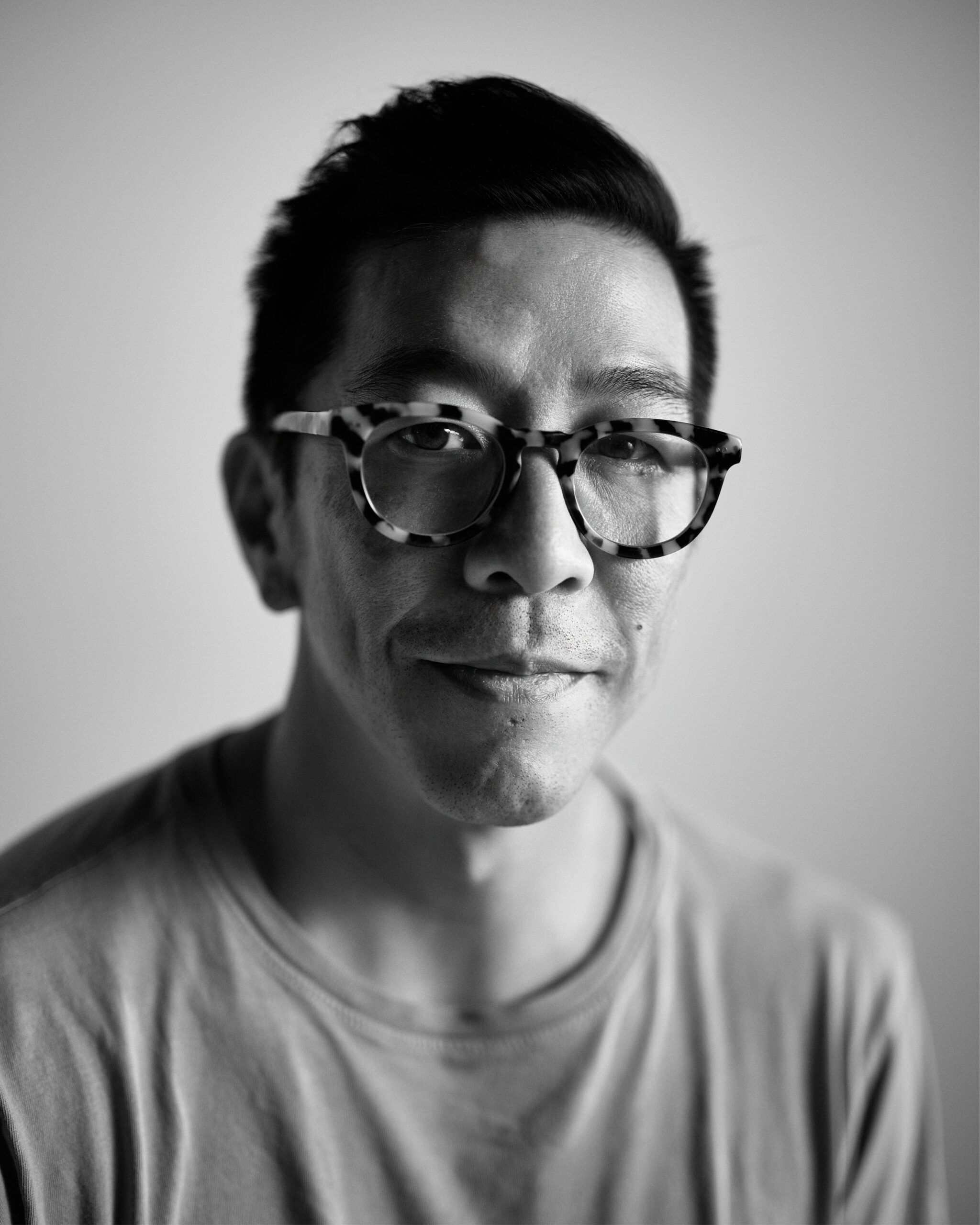
Marcus Ubungen is a photographer and director based in Los Angeles, known for his thoughtful, portrait-driven work. Whether shooting on the street or in the studio, he brings a calm, intentional energy to his process—often favoring film formats that allow for a slower, more connected approach. Working across both stills and motion, Marcus blends editorial, commercial, and personal projects with a focus on storytelling, light, and honest connection.
Want more of Marcus’s work? Check out his Instagram @yourpalmarcus.