You
have no items in your shopping cart.
Gear Trusted on Earth—and Beyond: Astrophotography Essentials Inspired by Artemis II
April 09, 2026
1 min read

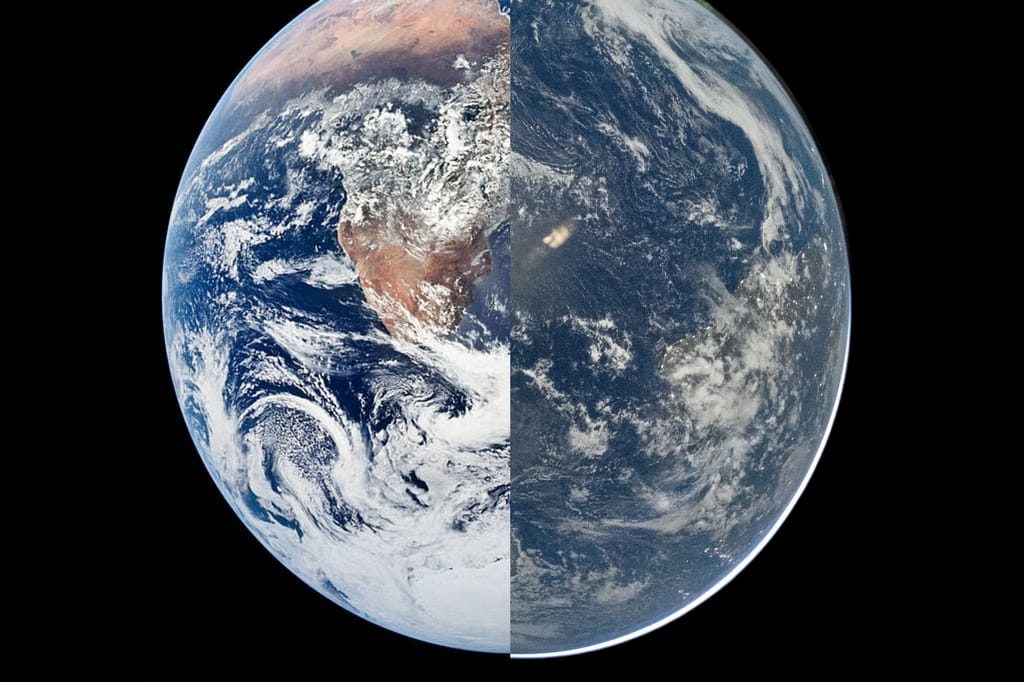
As humanity prepares to return to deep space, Artemis II marks a major milestone—not just for exploration, but for visual storytelling. The Artemis II mission will fly four astronauts around the Moon on a journey lasting approximately 10 days. It’s the first crewed test flight of the Space Launch System (SLS) rocket, the Orion spacecraft, and the Exploration Ground Systems that support them.
For photographers, this mission is more than history in the making;it’s a reminder that the same tools we trust here on Earth can capture moments beyond it, and a cue to revisit astrophotography essentials and general astro tips.
Recent imagery shared by photographers documenting Artemis II—including behind-the-scenes looks—highlights the mix of modern and legacy gear onboard, reinforcing a simple truth: performance and reliability matter more than what’s newest. For space gear recommendations inspired by this mission, look for rugged, dependable bodies and lenses that can handle extremes.
In this blog, we’ll discuss:
If you’ve ever tried Milky Way photography, you’ve probably seen this: a stunning sky overhead… and a completely black photo on your screen.
That’s because your eyes and your camera work differently.
Your eyes process light instantly. Your camera can collect light over time—and that’s the foundation of astrophotography.
Think of it like catching rain in a bucket. The longer your shutter stays open, the more light you collect. This is called long exposure photography, and it’s how photographers capture stars, galaxies, and deep sky detail.
NASA’s Artemis II mission proves that astrophotography gear doesn’t have to be brand new—it has to be reliable.
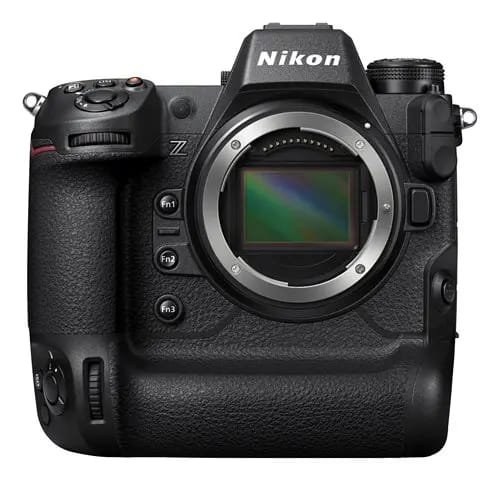
The Nikon Z9 is built for speed, durability, and extreme environments.
Key specs for astrophotography:
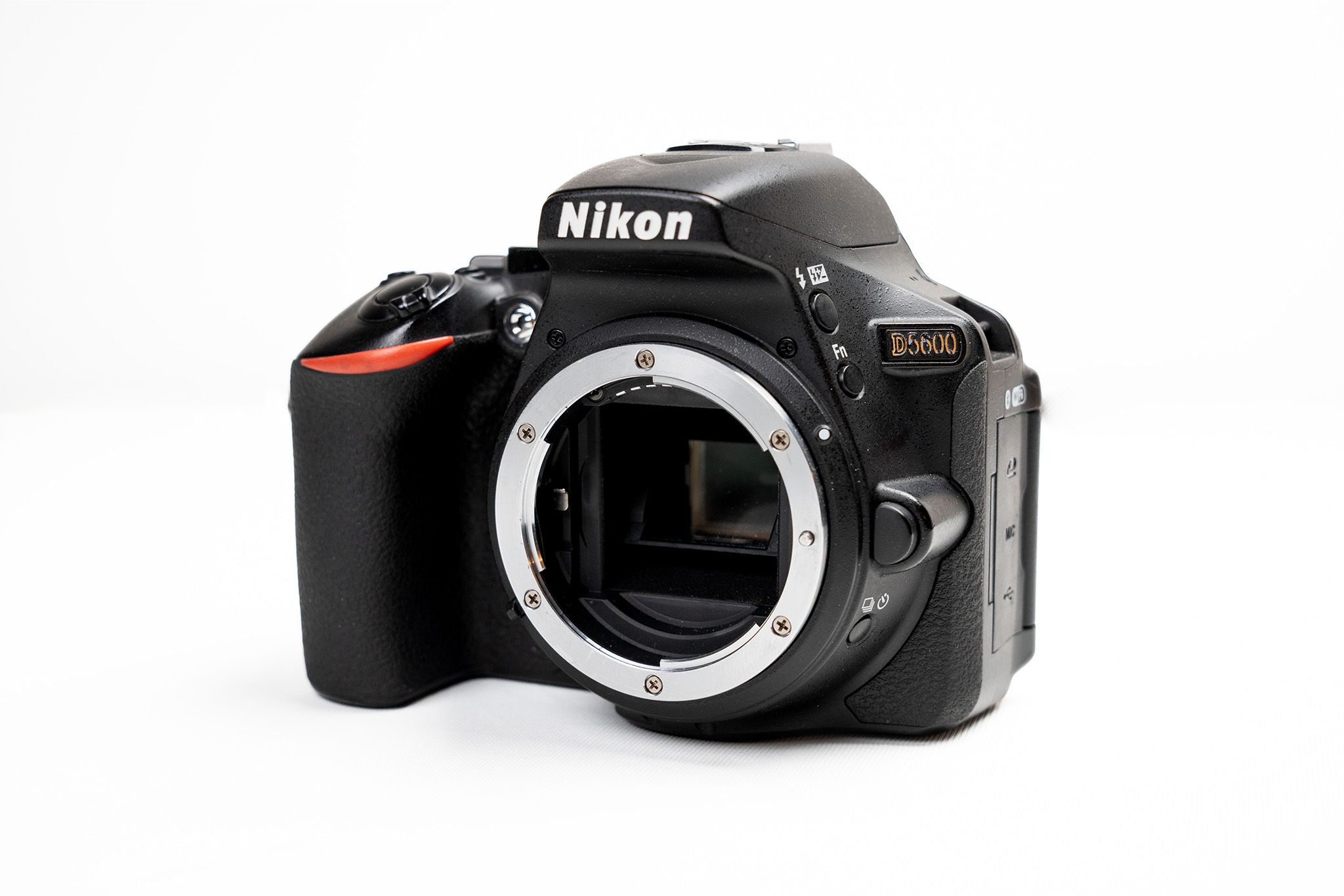
The Nikon D5 remains a go-to for extreme low-light shooting.
Key specs for astrophotography:
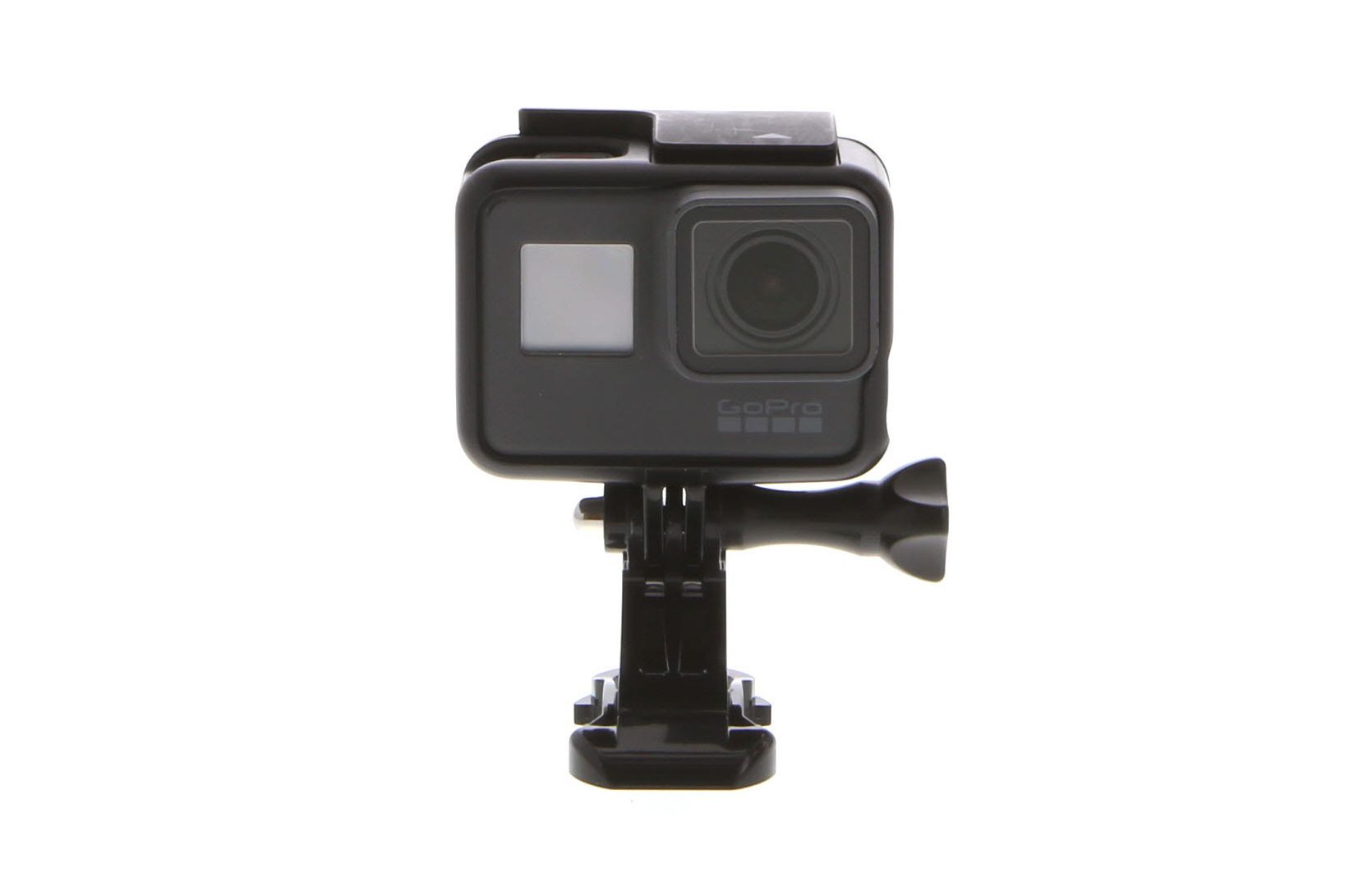
GoPro HERO series cameras prove that even compact systems can deliver.
Key specs for astrophotography:
Long before Artemis II, cameras were already shaping how we see space.
During the Apollo program, specially modified medium-format cameras captured some of the most iconic images in history.
At KEH, that legacy still exists.
We’ve carried a rare Hasselblad 500 EL, a model tied to that same era of space exploration. While this specific unit never traveled to the Moon, it comes from a very limited production run closely connected to the cameras that did.
It’s a reminder that great photography has never been about trends—it’s about tools you can trust.
You don’t need a telescope to start astrophotography. You just need to master three things.
Light pollution washes out stars. Even driving outside Atlanta can dramatically improve your results.
Long exposures mean any movement = blur.
Where to buy tripods for astrophotography:
Browse reliable, budget-friendly tripod options at KEH Camera.
Start with these best astrophotography settings:
Use the Rule of 500 to avoid star trails:
500 ÷ focal length = max shutter speed
Your lens matters more than your camera.
Wide apertures and sharp optics make primes ideal for astrophotography.
Top picks:
Zooms give you framing flexibility while still delivering strong low-light performance.
Top picks:
Autofocus doesn’t work well in the dark—switch to manual.
A star tracker moves your camera with Earth’s rotation, allowing longer exposures and more detail.
Stack multiple exposures to reduce noise and improve clarity—perfect for deep sky images. Thinking about adding a scope? Review telescope recommendations that pair well with your camera before you buy.
Want beginner astrophotography gear? Check out this blog.
If Artemis II proves anything, it’s this: you don’t need the newest gear—you need the right gear.
At KEH Camera, you can find:
All backed by expert inspection and grading—so you know your gear is ready when it matters most.
Artemis II represents the future of exploration—but the fundamentals of astrophotography haven’t changed. From Apollo-era Hasselblads to modern Nikon systems, one thing remains true:
Great images come from understanding light—not chasing the latest gear.
So the next time the sky is clear:
Question: Why does the night sky look bright to my eyes but my photo turns out black?
Short answer: Your eyes see instantly, but your camera can collect light over time. Long exposure photography lets the sensor “fill the bucket” with light while the shutter is open, revealing stars, the Milky Way, and deep-sky detail your eyes can’t capture in a single glance.
Question: Do I need the newest gear—or even a telescope—to start astrophotography?
Short answer: No. Artemis II underscores that reliability matters more than novelty. You can start without a telescope by mastering three essentials: dark skies, a stable tripod, and light-friendly settings.
Question: What settings should I start with, and how do I avoid star trails?
Short answer: Begin around f/2.8 (or wider), 10–25 seconds, and ISO 1600–3200. Use the Rule of 500 to avoid star trails.
Question: How do I get sharp stars at night?
Short answer: Switch to manual focus, use the brightest star, and fine-tune until pinpoint sharp.
Question: What gear has been trusted in space, and where can I buy reliable equipment?
Short answer: Artemis II showcases rugged tools like the Nikon Z9, Nikon D5, and GoPro cameras, alongside legacy systems like the Hasselblad 500 EL. You can find expert-inspected, pre-owned versions of this gear at KEH Camera.