You
have no items in your shopping cart.
5 Inspiring Photography Projects to Start in the New Year That Will Boost Your Skills
December 30, 2025
1 min read

There’s something electric about the start of a new year. The slate feels clean, the possibilities endless, and for photographers, it’s the perfect moment to channel that energy into meaningful creative work. But here’s the thing: random shooting will only take you so far. Real growth happens when you commit to structured projects that challenge you, build specific skills, and result in a cohesive body of work you’re actually proud of.
The five photography projects below are designed to do exactly that. Whether you’re looking to explore introspective self-portraiture, daily discipline, documentary storytelling, or aspirational vision-building, there’s a path here that will push your creative boundaries and sharpen your technical chops. And here’s the best part: starting a new project is the perfect time to experiment with different gear and approaches without the pressure of a major investment. Let’s dive in:
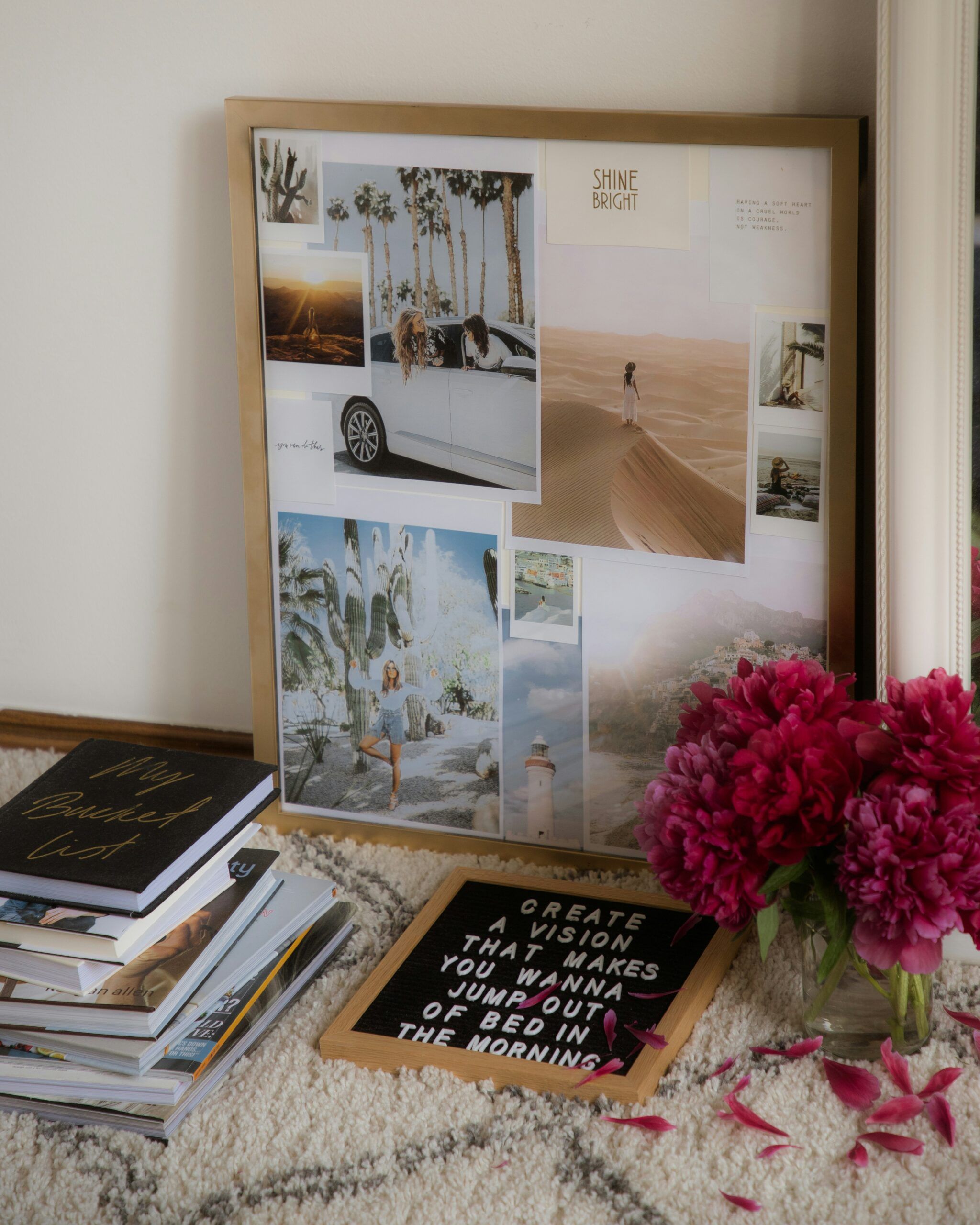
A vision board photography project isn’t about collecting pretty pictures from Pinterest. It’s about actively going out into the world with your camera and capturing the things, places, aesthetics, and moments that represent who you want to become and what you want to create. Think of it as building a personal visual manifesto for the year ahead, shot entirely by you.
This project trains your eye to recognize and capture emotion and mood rather than just subjects. You’ll develop intentional composition skills because every frame needs to communicate something specific about your aspirations. Most importantly, it teaches you to shoot with purpose. Instead of wandering around hoping to stumble onto something interesting, you’re hunting for specific feelings, colors, textures, and moments that align with your vision.
Start by identifying three to five aspirational themes. These might include lifestyle elements you’re working toward, aesthetic directions for your photography, career milestones, creative styles you admire, or places you dream of experiencing. Then get specific about what you’re actually photographing.
Shoot both literal subjects and abstract representations. If travel is one of your aspirations, you might photograph maps, passport stamps, airport terminals, or local architecture that reminds you of distant places. If you’re aspiring to a certain aesthetic, capture the colors, light quality, and compositional elements that define it. Mix personal photos with documentary-style captures of inspiring moments you encounter in daily life.
You can organize these images digitally in a folder or mood board app, or print them out for a physical vision board. The key is to revisit this collection monthly and see how your vision evolves throughout the year.
The magic of this project happens when you carry your camera everywhere, because inspiration doesn’t schedule itself. Focus on authenticity over perfection. A slightly imperfect image that genuinely moves you is worth more than a technically flawless shot that leaves you cold.
Include close-ups of details that evoke specific feelings, not just wide establishing shots. The texture of worn leather, the way afternoon light hits a coffee cup, the color palette of a storefront, the gesture of hands creating something. Document the why behind each image in a journal so you remember what drew you to that particular moment.
Gear to Try for This Project: This project thrives on spontaneity and variety. A versatile zoom lens allows you to capture everything from architectural details to environmental portraits without switching lenses. Prime lenses in the 35mm or 50mm focal length range are perfect for capturing intimate, authentic moments. Experimenting with different focal lengths helps you discover which perspective best captures your vision, and pre-owned options make it easy to try several approaches without commitment.
Starting a vision board project naturally connects to your broader photography goals for a new year. It’s not just about the images you create, but about clarifying the photographer you’re becoming.
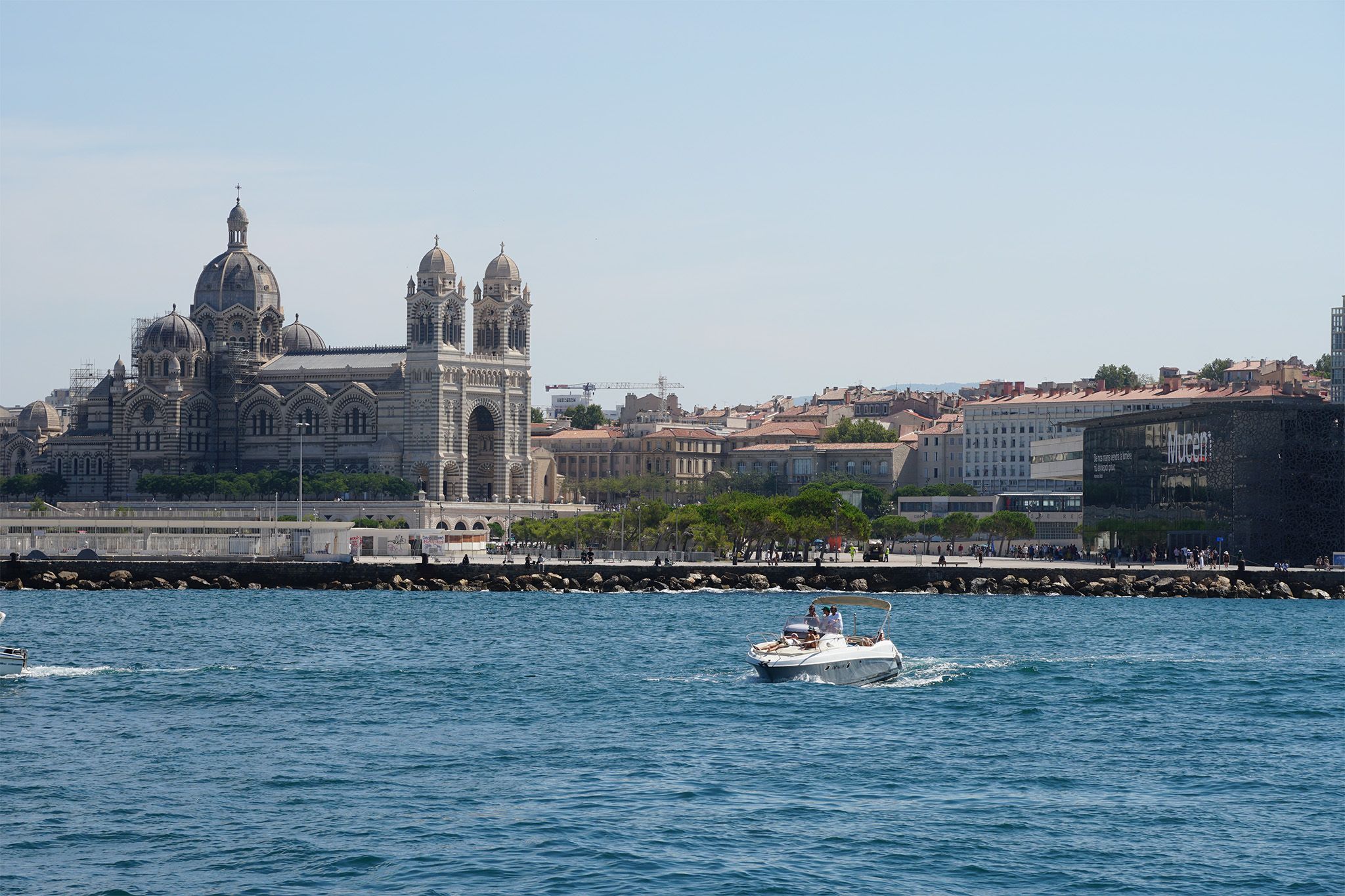
If there’s one skill that separates advancing photographers from perpetual beginners, it’s consistency. A photo-a-day challenge removes the mystery and forces you to develop technical muscle memory through sheer repetition. The beauty of this project is that it removes creative pressure. Not every shot needs to be a masterpiece. Some days you’ll capture something that makes you proud. Other days, you’ll photograph your coffee mug just to check the box. Both count.
Daily practice forces you to see photographically, even on uninspired days. You start noticing light, composition, and decisive moments because your brain knows it needs to deliver one frame before the day ends. Over time, this becomes second nature. You’ll also create a visual diary of your year, a candid record of where you were and what caught your attention across 365 days.
Set a specific time or trigger that anchors your daily photo habit. It might be your morning coffee, your commute, an evening walk, or right before bed. The trigger creates a routine that’s easier to maintain than relying on willpower alone.
Keep the requirements simple. One good frame per day, not a full shoot. If you set the bar too high, you’ll burn out by February. Use smartphone apps or social accountability through Instagram or photo-sharing groups to stay motivated. And allow yourself flexibility in your rules. If you miss a day, don’t quit. Just pick up where you left off.
You can approach this project with a unifying theme like capturing light, exploring a specific color, or documenting emotions, or you can let it be completely eclectic. Both approaches work. The key is to review your work monthly so you can actually track your growth. You’ll be surprised how much your eye develops in just 30 days of daily shooting.
At the end of the year, consider presenting your favorites as a photobook, Instagram grid, or printed series. Seeing 365 days of work laid out in sequence is incredibly rewarding and will show you patterns in your vision you never noticed while shooting.
Gear to Try for This Project: Daily shooting is where a reliable, lightweight setup becomes essential. A compact mirrorless body or even a quality point-and-shoot keeps you from making excuses about gear being too bulky. This is also ideal for testing out that film camera you’ve been curious about. Shooting one roll every few weeks teaches patience and intentionality. Tested, pre-owned gear means you’re investing in the habit, not the hype.
This kind of daily commitment aligns perfectly with several of the resolutions that make you a better photographer, particularly the discipline to shoot regularly and the willingness to learn from every frame.
Self-portraiture intimidates a lot of photographers far more than traditional portraiture, but it shouldn’t. It offers something no other subject can: complete creative control over mood, lighting, composition, and narrative. You’re both photographer and subject, which means you’re learning to think from both perspectives simultaneously. This dual awareness makes you infinitely better at directing others when you eventually shoot portraits of people.
Beyond the technical benefits, self-portrait projects give you space to explore different facets of your identity. You can experiment with personas, moods, and visual metaphors that represent your interior world. It’s introspective work that often leads to your most personal and compelling images. Plus, documenting yourself throughout the year creates a powerful record of personal growth and change.
Forget the standard selfie approach. Try unconventional angles, mirrors, reflections, and shadows to create images that feel artistic rather than documentary. Experiment with long exposures where you become a ghostly blur or a sharp figure frozen in motion. Master your camera’s self-timer and remote trigger so you can position yourself precisely within the frame.
Use shadows and silhouettes to create mystery. Shoot partial views with hands, profiles, or cropped frames that suggest rather than fully reveal. Incorporate props or environments that represent your story. A musician might shoot themselves surrounded by instruments. A writer might photograph their hands on a typewriter with dramatic side lighting.
The goal isn’t just to capture what you look like, but to communicate something about who you are or how you feel.
One-off self-portraits are fine, but developing a series gives your work depth and shows evolution. Establish a consistent visual style through color palette, composition approach, or lighting technique. You might shoot in the same location throughout the year as seasons change. You might return to the same pose with different expressions or styling. You might explore one emotion across multiple frames.
Shoot weekly or monthly rather than all at once. The time between sessions gives you perspective on what’s working and what to try next. By the end of the project, you’ll have a cohesive body of work that functions as both a technical portfolio and a personal narrative.
Gear to Try for This Project: Self-portraiture is where budget-friendly gear shines. A tripod, remote trigger, and fast prime lens with an aperture of f/1.8 or wider are all you need to start. Wide-angle lenses create environmental self-portraits with context, while longer focal lengths compress backgrounds for dramatic effect. Vintage manual focus lenses add character and teach precision, perfect for deliberate, thoughtful work.

Documentary photography is about witnessing and recording real life with honesty and empathy. Unlike staged or conceptual work, documentary projects prioritize authentic moments over aesthetic perfection. This approach develops your observational skills and teaches patience. You can’t force a documentary moment. You have to recognize it, anticipate it, and be ready when it unfolds.
The best part about documentary projects is that compelling stories are everywhere. You don’t need to travel to distant countries or cover dramatic events. The most powerful photo essays often emerge from ordinary places: a local business, a neighborhood undergoing change, a subculture in your city, or even your own family’s daily rhythms.
Choose a subject with depth. You might document a local community or business over several months, capturing the rhythms, relationships, and challenges that define it. You could follow someone with an interesting routine, whether that’s a postal worker, a baker who starts work at 3 AM, or an artist in their studio. Photograph your own neighborhood as if you’re a visitor seeing it for the first time, looking for details that reveal character and history.
Another powerful approach is showing change over time. Return to the same location across seasons or years and document what shifts. A construction site, a tree through four seasons, a street corner during different times of day. These become studies in impermanence and transformation.
A strong photo essay needs a clear narrative or central question. What story are you telling? What do you want viewers to understand or feel? Once you know this, you can shoot strategically to ensure you have the necessary elements: establishing shots that provide context, intimate details that reveal character, portraits that connect viewers to people, and moments that convey emotion or action.
Aim for 10 to 20 cohesive images that tell a complete story. Fewer than 10 often feels incomplete. More than 20 require exceptional editing discipline to maintain impact. Add captions that provide essential context without over-explaining. The images should carry most of the narrative weight.
Always approach documentary work with respect and awareness. Build trust and rapport with your subjects before you start shooting. Be transparent about your intentions. Don’t exploit vulnerable moments for dramatic effect. Shoot candidly when appropriate, but don’t hide your presence or deceive people about what you’re doing.
Get permission when you’re shooting in private spaces or when subjects are clearly identifiable and the context could be sensitive. Remember that you’re borrowing someone’s story. Handle it with care.
Gear to Try for This Project: Documentary work demands discretion and reliability. Compact cameras, quieter shutter systems, and moderate wide-angle lenses in the 24 to 35mm range help you stay unobtrusive. Fast glass with maximum apertures of f/2.8 or better handles low light situations without flash. This is also where durable, well-maintained pre-owned camera bodies prove their worth. They’ve already lived through real-world conditions and keep performing when it matters.
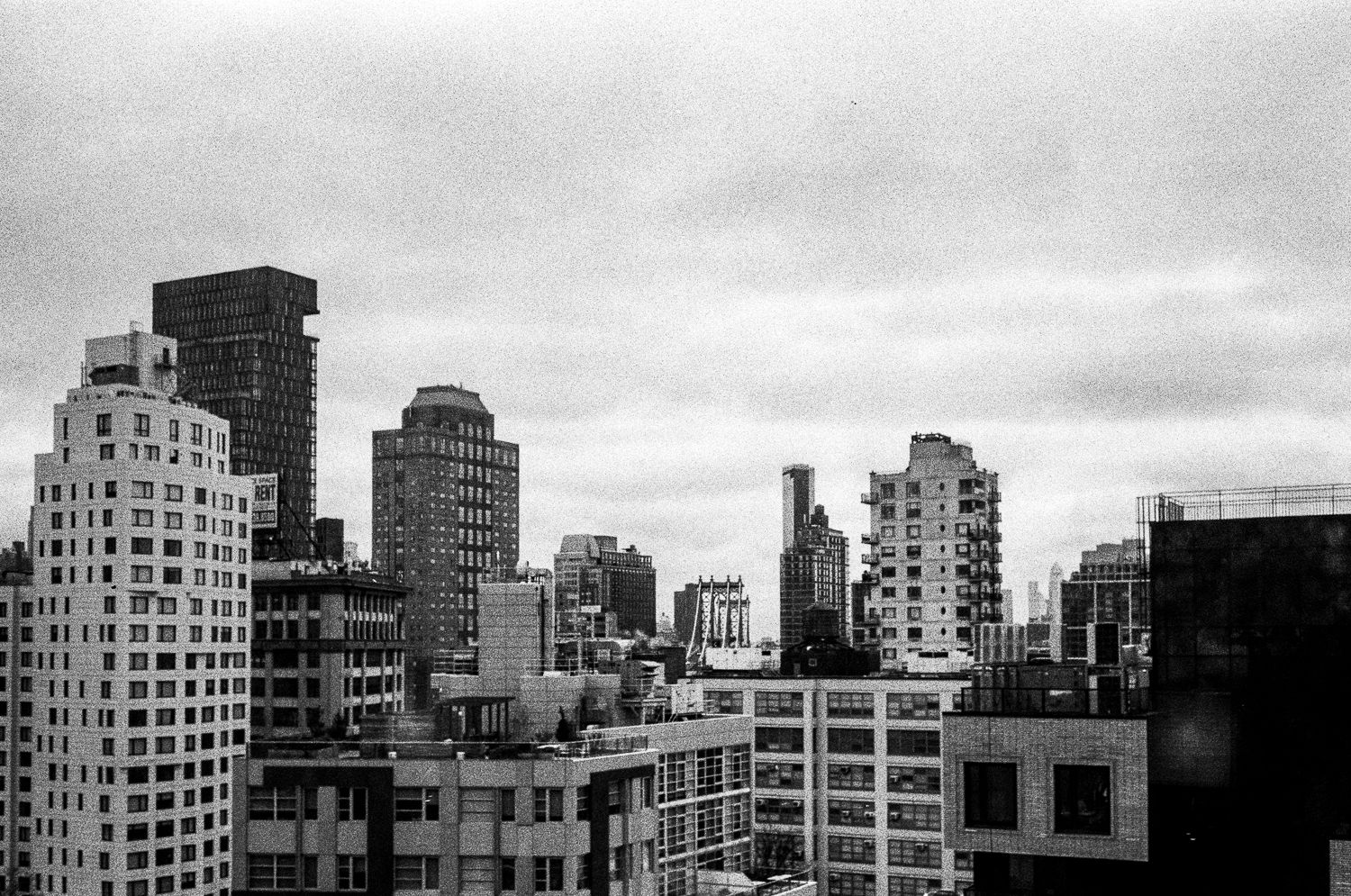
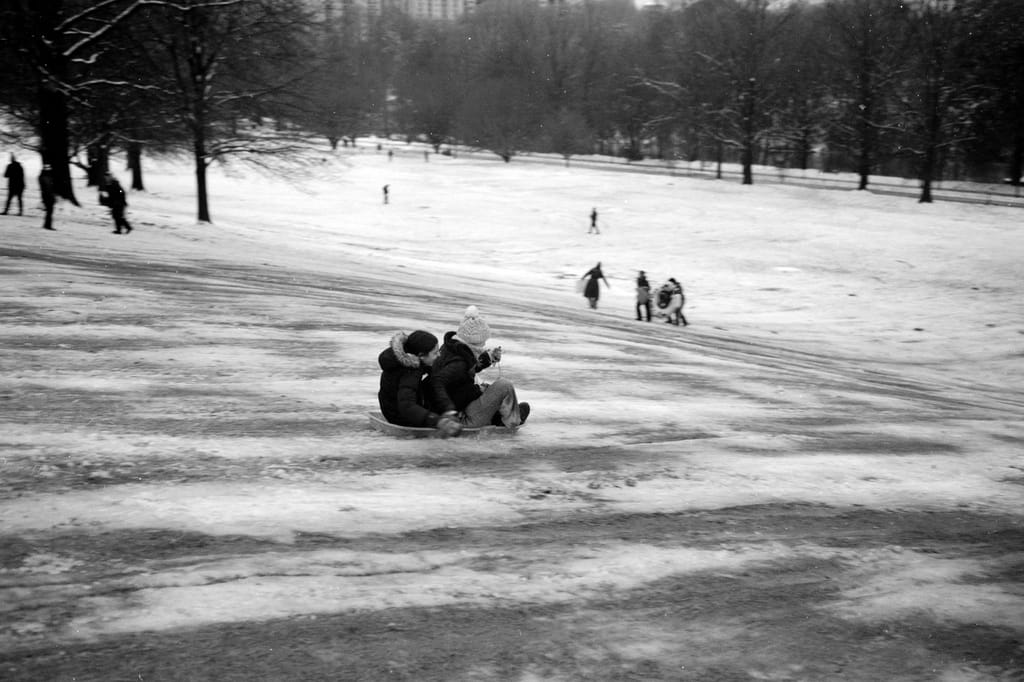
Stripping away color fundamentally changes how you see. Without the distraction of hues, you’re forced to pay attention to what actually makes a photograph work: light and shadow, contrast and tone, texture and form, composition and gesture. A black and white photography challenge isn’t about applying a filter in post-production. It’s about training yourself to pre-visualize scenes in monochrome and seek out subjects that sing without color.
This project accelerates your understanding of light faster than almost anything else. You start noticing the quality of light throughout the day, how shadows create depth and dimension, how highlights draw the eye, and how mid-tones carry detail and nuance. These are the fundamentals that improve all your photography, even when you eventually return to shooting color.
In an era of hyper-saturated smartphone images and heavily processed social media feeds, black and white photography feels refreshingly timeless. It strips images down to their emotional and compositional essence. Portraits become more intimate. Street scenes gain a documentary quality that feels journalistic and immediate. Landscapes reveal structure and pattern rather than pretty colors.
Black and white also connects you to photography’s history. Working in monochrome puts you in conversation with the medium’s masters: Ansel Adams, Henri Cartier-Bresson, Dorothea Lange, Sebastião Salgado. You’re working within the same visual tradition, which gives you access to decades of wisdom about what makes powerful images.
Commit to shooting exclusively in black and white for at least 30 days, though 60 or 90 days will deepen the lessons even further. If you’re shooting digitally, set your camera to monochrome mode so you can see the black-and-white image in your viewfinder or on your LCD screen. Shoot in RAW format so you retain all the color information for flexible editing later, but train your eye using the monochrome preview.
If you’re shooting film, this is the perfect opportunity to explore classic black-and-white stocks, such as Ilford HP5, Kodak Tri-X, or Kodak T-Max. Each has distinct characteristics in terms of grain structure, contrast, and tonality.
Strong graphic elements become your best friends: bold shapes, clean lines, geometric patterns, and striking silhouettes. Look for high contrast scenes where deep shadows meet bright highlights. Seek out interesting textures that reveal themselves through tonal variation: weathered wood, stone surfaces, fabric patterns, architectural details.
Pay special attention to light quality. Harsh midday light that’s often unflattering in color photography can create dramatic monochrome images with deep blacks and bright whites. Soft window light becomes ethereal. Backlighting creates luminous edges and atmospheric haze. Side lighting reveals texture and form through gradual tonal transitions.
Weather conditions that seem challenging for color photography often excel in black and white. Overcast days create even, moody lighting. Fog and mist add layers of tonal separation. Rain-slicked streets reflect light dramatically.
Portraits take on added depth in monochrome because viewers focus on expression, gesture, and the play of light across features rather than being distracted by clothing colors or background elements. Street photography gains immediacy and timelessness. Architectural photography emphasizes form, pattern, and structure.
Look for scenes with strong tonal range from pure black to pure white with rich mid-tones in between. Practice seeing these tones in real time. A red object and a green object might be the same tone in black and white, which means color contrast doesn’t always translate to tonal contrast.
Converting to black and white in post-processing gives you tremendous control. Use channel adjustments to brighten or darken specific colors independently. A blue sky can go from mid-gray to dramatic near-black just by adjusting the blue channel. Red tones in skin can be brightened for a luminous quality.
Pay attention to the full tonal range in your final images. Proper black and white photographs should have true blacks, true whites, and a full range of grays in between. Muddy, flat monochrome images lack impact. Learn to use curves and levels to expand tonal range and create separation.
Experiment with different black and white conversion approaches: neutral conversions, high contrast with deep blacks, low contrast for a softer mood, pushed grain for a gritty feel. Each choice changes the emotional impact of your image.
As you work through this challenge, you’ll develop preferences. Some photographers gravitate toward high-key images with bright, airy tones. Others prefer low-key drama with deep shadows. Some love rich, detailed mid-tones while others push for stark graphic contrast.
Create a collection of your strongest black and white images as the month progresses. By the end, you’ll have a cohesive body of work and a much deeper understanding of light, tone, and composition. When you eventually return to color photography, you’ll find yourself making better decisions because you’ve trained your eye to see the fundamental elements that make any photograph work.
Gear to Try for This Project: Black and white photography is wonderfully forgiving of older gear. Classic film cameras and vintage lenses often have character that enhances monochrome work. Manual focus primes force you to slow down and compose deliberately. If you’re curious about film photography, this is the perfect entry point since black and white film is easier and less expensive to develop than color. One of the best parts of starting a new photography project is experimenting with new focal lengths, shooting styles, or even formats you’ve never explored before. Starting fresh doesn’t mean buying brand-new gear, either. Access to reliable, pre-owned equipment makes it easier to test ideas, learn faster, and invest in skills rather than hype.
These five photography projects offer structure, creative challenge, and genuine skill development. Each one pushes you in different directions. The vision board project teaches the importance of intentionality and personal vision. The photo-a-day challenge builds discipline and consistency. Self-portraiture develops technical control and introspection. Documentary work sharpens your observational skills and storytelling instincts. Black and white photography strips away distractions and teaches you to see light, tone, and composition at their most fundamental level.
The best project is the one you’ll actually finish. Don’t try to tackle all five at once. Pick the one that resonates most right now, commit to it fully, and see it through. You can always start another one later. Growth comes from consistent practice and experimentation, not perfect gear or ideal conditions.
Every piece of gear at KEH is carefully graded, thoroughly tested, and backed by a warranty, so you can focus on learning and creating, without worrying about whether your equipment will keep up. The camera doesn’t make the photograph. Your vision, dedication, and willingness to show up day after day make the photograph.
So pick your project, grab your camera, and start shooting today. This time next year, you’ll have a body of work that proves how far you’ve come.