You
have no items in your shopping cart.
Different Film Stocks: Which to Choose for Specific Subjects
May 16, 2026
1 min read

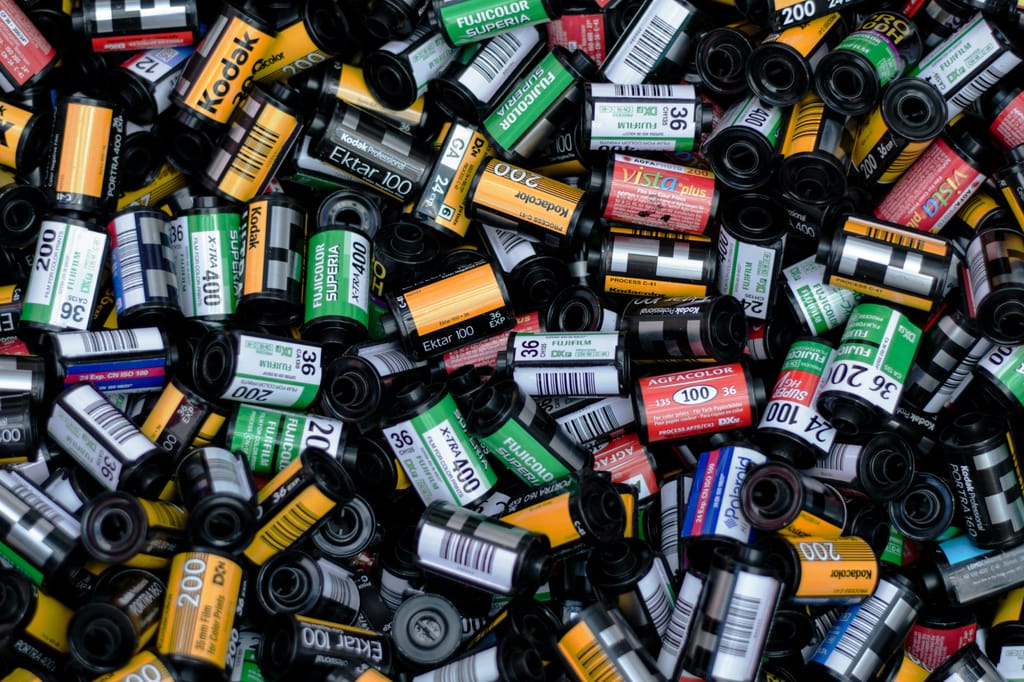
You’ve probably admired the warm, nostalgic glow of vintage vacation photos. That magic isn’t a digital preset; it’s the result of physical film catching actual light. Thanks to the massive analog revival, new photographers are discovering that true charm comes from film emulsion, a light-sensitive canvas that records memories in a way smartphones simply cannot. Many start with used film cameras to learn affordably and explore the tactile controls that make analog shooting so rewarding.
In practice, your creative decisions start before you ever press the shutter. Because you can’t just slap a filter on afterward, your physical roll dictates 80% of your final photo’s vibe long before the workflow moves from opening the box to chemical development. This makes understanding different film stocks and which one photographers should choose for specific subjects an absolutely essential foundation for any beginner.
Navigating those shelves of colorful boxes can feel overwhelming at first. Think of picking film stocks for photography as simply choosing a specific mood for your afternoon: a practical, hands-on way to discover the best film stocks for your personal style. Matching the right stock to your environment ensures you walk away with a photo you actually want to print and hang on your wall.
Picking the right number printed on the film box is your most crucial decision. This number — the ISO — measures light sensitivity. Think of ISO like a sponge. A low ISO is a small sponge needing a bucket of sunshine to get thoroughly soaked. Conversely, a high ISO is a massive, thirsty sponge that easily absorbs tiny drops of light in dim rooms.
That sensitivity comes with a physical trade-off called grain, which creates the visible texture of your image. Lower ISOs look buttery and smooth, while higher ISOs deliver a gritty, authentic vintage vibe. Faster films also give you more room for error if your settings aren’t perfectly accurate, offering helpful dynamic range and exposure latitude to save a slightly underexposed shot.
Before loading your camera, use this simple cheat sheet to match your environment:
Once you understand how to capture the right amount of light, you can start chasing specific color moods — starting with the delicate nuances of human subjects. Whether you’re shopping for film or your next used film camera to pair it with, getting the ISO right first makes everything else click into place.
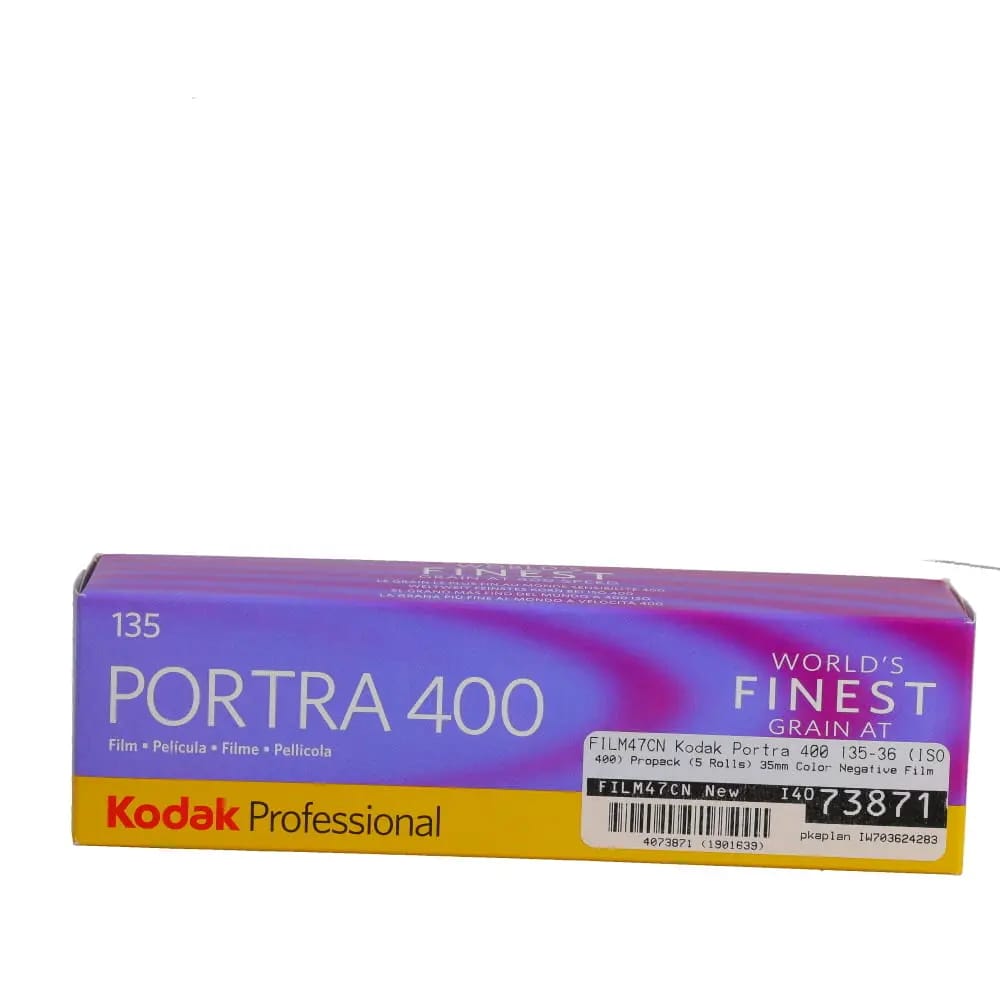
Snapping a digital photo of a friend only to find they look washed out is incredibly frustrating. Film, however, has a magical ability to make people look glowing and naturally healthy. This happens because analog emulsions physically interpret light through specific color palettes rather than just recording sterile data.
Choosing the right box dictates that final mood. A beloved everyday option like Kodak Gold 200 paints a warm, vintage wash over everything — beautiful, but it can occasionally push skin tones slightly orange. Kodak Portra 400, on the other hand, earns its reputation as the best 35mm film for portrait photography by delivering a creamy, natural palette that balances tones perfectly, ensuring faces look vibrant and true to life.
The premium cost of Portra also buys a superpower called latitude — essentially your built-in room for mistakes. When comparing professional vs consumer film stocks, pro options act like an expansive safety net. If you accidentally shoot in a shadowy room, Portra still saves the detail in a face without turning completely muddy. This extreme forgiveness is exactly why it dominates any guide to selecting film for wedding photography.
Many photographers pair Portra 400 with everything from classic 35mm SLRs to medium format workhorses. Once you master capturing beautiful skin tones, turning your lens toward the horizon introduces a whole new set of vibrant requirements.
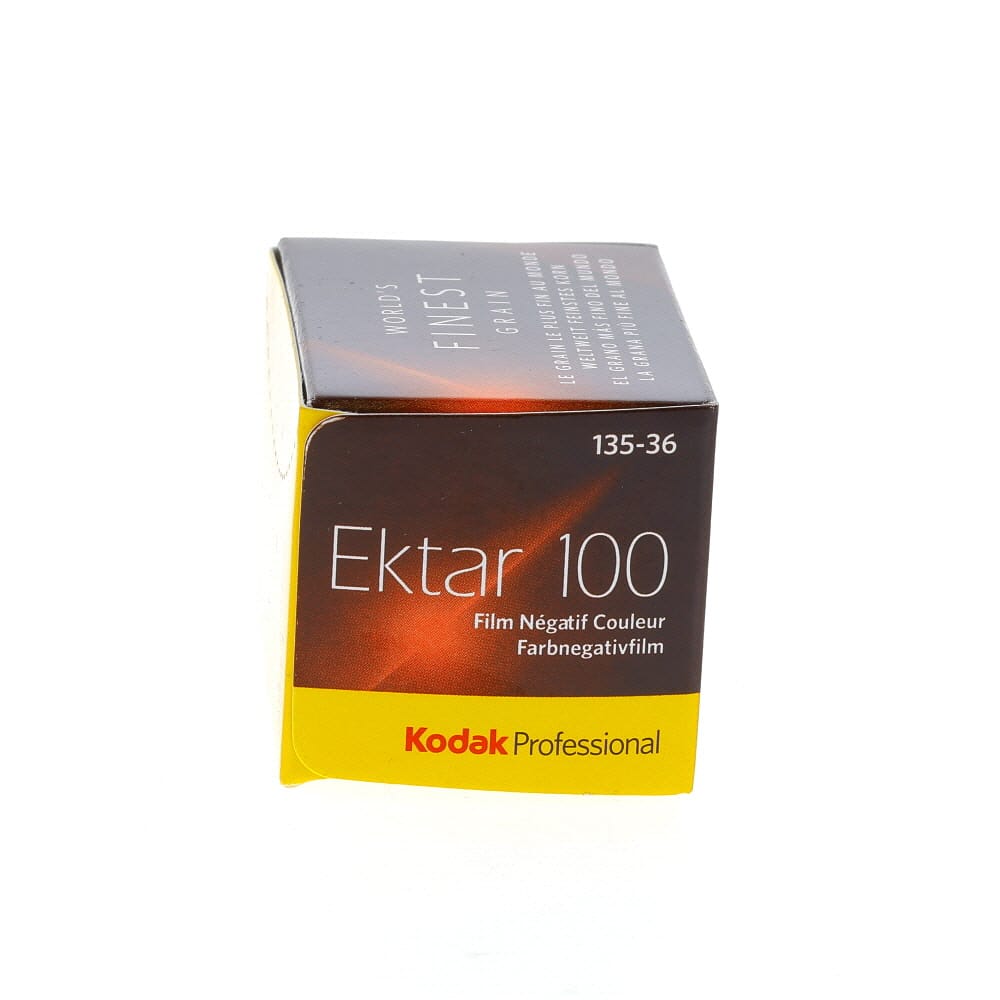
Stepping out of the portrait studio and into nature requires new visual energy. When photographing a sweeping forest or a mountain sunset, you want the scenery to pop — a physical film characteristic called color saturation. Stocks like Kodak Ektar 100 deliver the rich, bold tones that are absolutely perfect for bright, sunny hikes, making it one of the best film stocks for landscape work in the color negative world.
To make landscapes look like a vintage nature magazine, however, you’ll want to explore slide film. Rather than producing inverted colors, slide film creates a positive image directly on the plastic strip — hold it up to a window, and you’ll see a tiny, perfect photo. When choosing between color negative vs slide film for landscapes, consider this practical breakdown of the C-41 vs E-6 development process:
Fuji Velvia is the legendary slide stock for capturing deep blues and vivid greens, turning an ordinary lake into a breathtaking postcard. Once the sun sets, though, these daylight films quickly lose their magic and require a completely different approach — which is where having the right gear matters as much as the right emulsion.
When the sun sets, daylight films become too slow to use without a tripod. To avoid blurry photos from camera shake, you need a high-speed film — typically ISO 800 or higher. Think of these as extra-thirsty sponges that instantly soak up tiny amounts of available light. This heightened sensitivity makes them the best film for night street photography.
Capturing a moody city glow requires understanding color, too. Standard films expect white sunlight, causing yellow streetlights to cast a muddy orange tint over everything. Fixing this requires “tungsten-balanced” options like CineStill 800T, which naturally cool down warm artificial lights to create cinematic night scenes. Learning these shifts helps you accurately translate the atmosphere of a nocturnal cityscape onto physical emulsion.
Those nighttime neon signs often unlock halation — a beautiful physical effect where bright lights bloom with a glowing red halo. While these colorful cinematic effects are stunning, sometimes gritty cityscapes demand a high-contrast film for architectural photography instead. Stripping away distracting colors completely allows you to focus purely on mood, texture, and light.
Speaking of which — if you’re shooting a lot of night film and want to send your rolls off for professional processing, KEH Film Lab offers reliable, high-quality development so your hard-won exposures are always in good hands. There’s nothing worse than trusting a once-in-a-night shot to an inconsistent lab.

Stepping into black and white film means learning to see purely in shapes and shadows. Without color, your photo’s mood relies entirely on contrast — the visual punch between bright whites and deep blacks — and grain structure. Think of grain like the texture of clothing. Large, chunky grain provides a gritty, vintage vibe perfect for moody alleyways. Fine grain black and white film stocks, on the other hand, act like smooth silk, offering crisp details that make dramatic architectural photography pop.
Shooting monochrome still requires thinking about color, specifically regarding panchromatic vs orthochromatic film characteristics. Standard panchromatic films “see” all light spectrums equally, producing a natural, predictable grayscale. Orthochromatic films, however, are completely blind to red light — turning warm brick buildings or red clothing intensely dark and effortlessly generating a highly stylized, high-contrast art piece.
Choosing the right roll comes down to matching your desired texture to your subject:
Learn more about black-and-white photography.
Comparing professional vs consumer film stocks often causes instant sticker shock at the camera store. You might assume a $25 box of Kodak Portra will magically produce better photos than an $8 box of Kodak Ultramax. In practice, cheaper consumer films are built to be incredibly forgiving. They possess wide latitude, meaning they give you plenty of wiggle room to capture a beautiful image even if your camera lets in slightly too much or too little light.
Sinking money into premium rolls makes sense only after you truly understand your camera. Pro films demand precise light to deliver perfect skin tones. Instead, learn on three of the best film stocks for everyday shooting: Kodak Gold for warm sunshine, Ultramax for punchy blues, and Fuji 200 for subtle greens. Mastering these affordable options is crucial before tackling bigger decisions like 35mm vs medium format (120 film) for beginners.
Upgrading becomes justified only when budget rolls consistently match your creative vision. Predicting how inexpensive film handles afternoon shadows means you’re ready for professional tones, a more curated camera bag, and perhaps an upgrade to a pre-owned medium format body.
You’ve officially transitioned from curious bystander to analog photographer. Instead of feeling overwhelmed at the camera store, you now understand the nuance of matching specific emulsions to your creative vision. To build a versatile kit for any weekend trip, grab this simple starter pack checklist:
If you shoot medium format, grab the same trio in 120 film so your workflow and results stay consistent across formats.
Once your rolls are shot, bring them to KEH Film Lab for development — because the best film stocks for photography deserve a lab that treats each frame with the same care you put into capturing it. And when you’re ready to upgrade your gear, KEH Camera’s used film camera selection means you can shoot more and spend less, keeping your budget where it belongs: on more film.
Trying out new film stocks for photography is never about achieving absolute technical perfection. It’s about capturing a raw, nostalgic feeling. A little extra grain or an unexpected warm glow is simply part of the medium’s magic. Load that first roll, trust the process, embrace the beautiful mistakes, and go shoot.
Q: How does ISO affect my photos, and which ISO should I choose in common lighting?
ISO is your film’s light sensitivity — the “sponge” for exposure. Low ISO needs lots of light and looks smooth; high ISO soaks up dim light quickly but adds visible grain for a grittier vibe. Faster films also give you more wiggle room if your settings aren’t perfect, thanks to helpful exposure latitude. Quick picks:
Q: Why is Kodak Portra 400 so popular for portraits, and how does it compare to Kodak Gold 200?
Portra 400 delivers a creamy, natural palette that keeps skin tones vibrant and true, plus standout latitude that saves faces in tricky, shadowy light — ideal for portraits and weddings. Gold 200 paints a lovely warm, vintage wash but can push skin slightly orange. If you value natural, forgiving skin tones, Portra 400 is the safer bet; choose Gold 200 when you want an overall warm, nostalgic look.
Q: What’s the difference between C-41 color negative and E-6 slide film, and which should I use for landscapes?
C-41 (color negative) is forgiving, easy to process at most labs, and balances warm/cool tones smoothly — think Kodak Ektar 100 for rich, bold color on sunny hikes. E-6 (slide film) creates a positive image with unmatched color punch but demands precise exposure because mistakes are hard to fix. Fuji Velvia famously delivers vivid greens and deep blues for that vintage nature-magazine pop. Choose C-41 for flexibility; E-6 for maximum saturation and drama when you can nail exposure.
Q: How do I get clean colors and sharp shots at night?
Use high-speed film (ISO 800+) to avoid blur in low light. Standard films expect daylight, so streetlights can turn scenes muddy orange. Tungsten-balanced stocks like CineStill 800T correct that warmth for cinematic, cooler night tones. Bonus: bright neon often produces halation — glowing red halos — that adds a signature, atmospheric look to moody street photography.
Q: I’m a beginner — should I buy pro films or cheaper consumer stocks, and what should my starter pack include?
Start with consumer films. They’re affordable and very forgiving, giving you wide latitude while you learn. Pro films like Portra shine once you’re confident metering and want refined tones (especially for skin), but they cost more. A simple starter pack: