You
have no items in your shopping cart.
How to Stand Out as a Wedding Second Shooter
March 06, 2026
1 min read

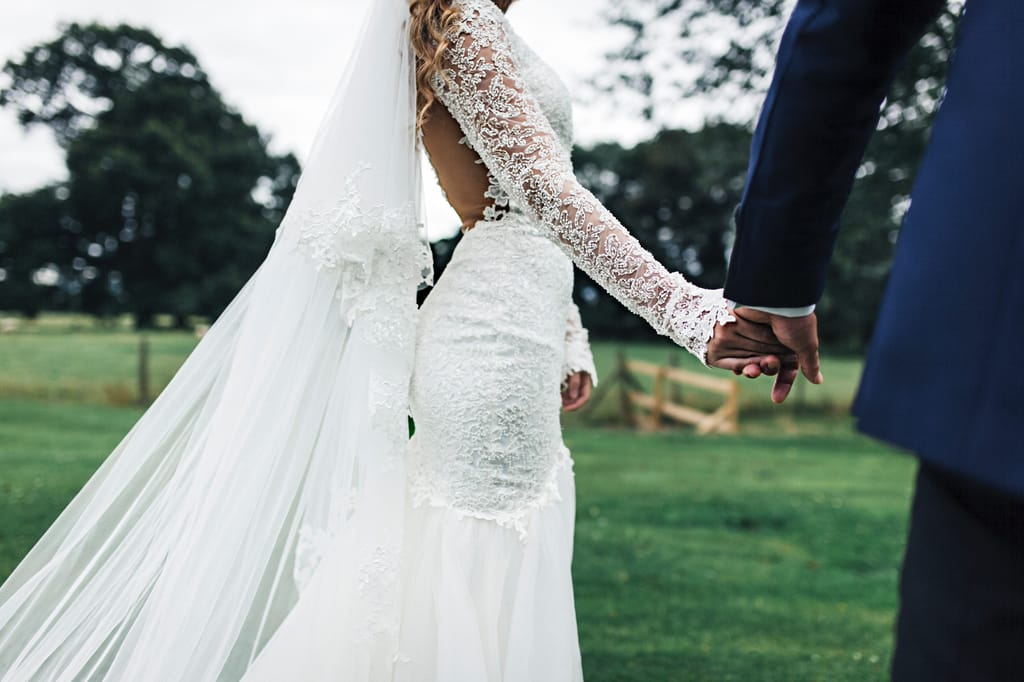
Wedding photography is often discussed from the perspective of the lead photographer. But for many professionals, second shooting is where real growth happens. It’s where you learn timing, pressure management, client dynamics, and workflow—without taking on the full responsibility of the day.
Being a great second shooter isn’t about showing off your creativity. It’s about being dependable, aware, and easy to work with. The photographers who get rehired aren’t just talented—they’re reliable. These are the wedding photography tips that matter most in the role.
For quick wedding photo tips and wedding photography tips: second shooting is about reliability and complementing the lead: anticipate needs, fill coverage gaps, and stay unobtrusive. Prepare by clarifying expectations, timeline, gear, and file delivery, and bring a dependable, redundant kit. On the day, capture complementary angles at the ceremony, candid interactions, and untouched details during cocktail hour, and balanced perspectives with appropriate lighting at the reception. Afterward, back up and deliver the files exactly as requested, and follow up professionally — consistency and teamwork are what get you rehired.
As a second shooter, your job is to support the lead photographer—not build your own highlight reel.
You’re there to capture what they physically can’t. While the lead focuses on the bride walking down the aisle, you’re watching for the partner’s reaction. When they’re tight on the ring exchange, you’re wide on the ceremony space. When they’re directing portraits, you’re scanning for in-between moments.
Strong second shooters think in terms of coverage and perspective. You’re filling gaps, protecting the timeline, and ensuring no key moment is missed.
This mindset starts before the wedding day.
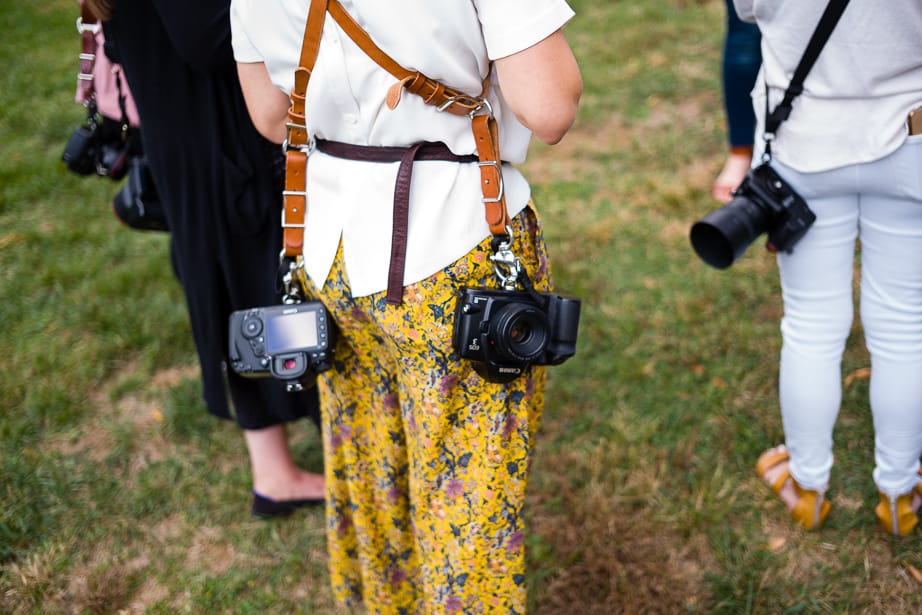
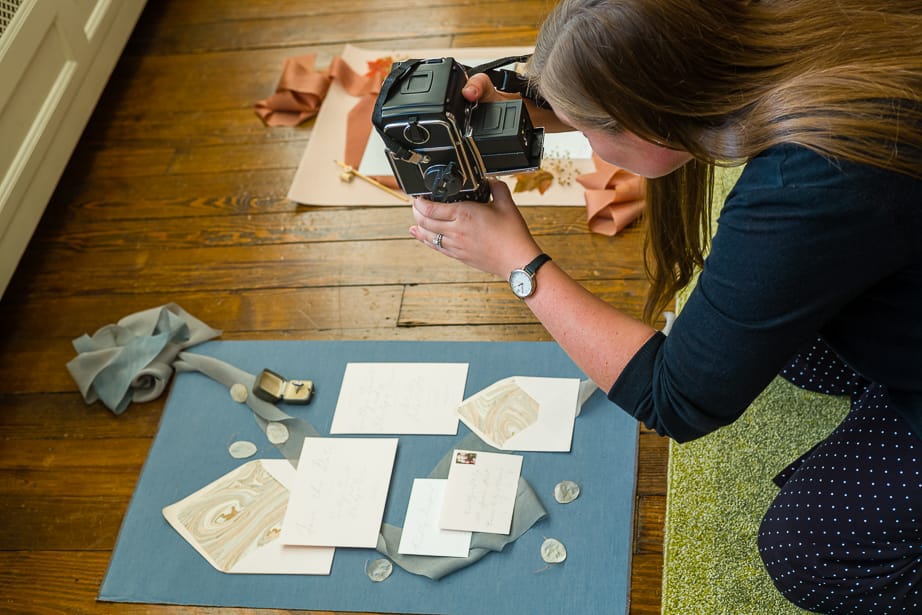
Professionalism begins with proactive communication. Many lead photographers will tell you the same thing: they rehire people who are prepared and low-maintenance.
Before the event, clarify:
These conversations prevent misunderstandings and signal that you take the role seriously. Weddings move quickly. The fewer questions you need to ask on the day of, the better.
Wedding days are long, unpredictable, and often dimly lit. Reliability matters more than novelty.
The most important items in your bag aren’t specialty lenses—they’re backup batteries and memory cards. Bring more than you think you’ll need. If your camera has dual card slots, use them. Redundancy is professionalism.
In terms of lenses, versatility is key:
You don’t need every lens available. You need gear you trust and know how to use confidently under pressure. And don’t overlook practical details: comfortable shoes, water, and a quiet snack. Energy and focus matter across an eight-to-ten-hour day.
Ceremonies require awareness and restraint. As the lead covers the processional, position yourself to capture reactions. Anticipate emotional beats: parents, grandparents, siblings. Often, those reactions are just as meaningful as the main event.
One general rule: avoid crossing the center aisle unless discussed beforehand. Stay mindful of sightlines and the lead’s framing. You should never appear in their shots or distract from key moments. Instead of constantly moving, let your focal length do the work. A longer lens allows you to capture a range of compositions while staying unobtrusive. Your goal is simple: comprehensive coverage without disruption.
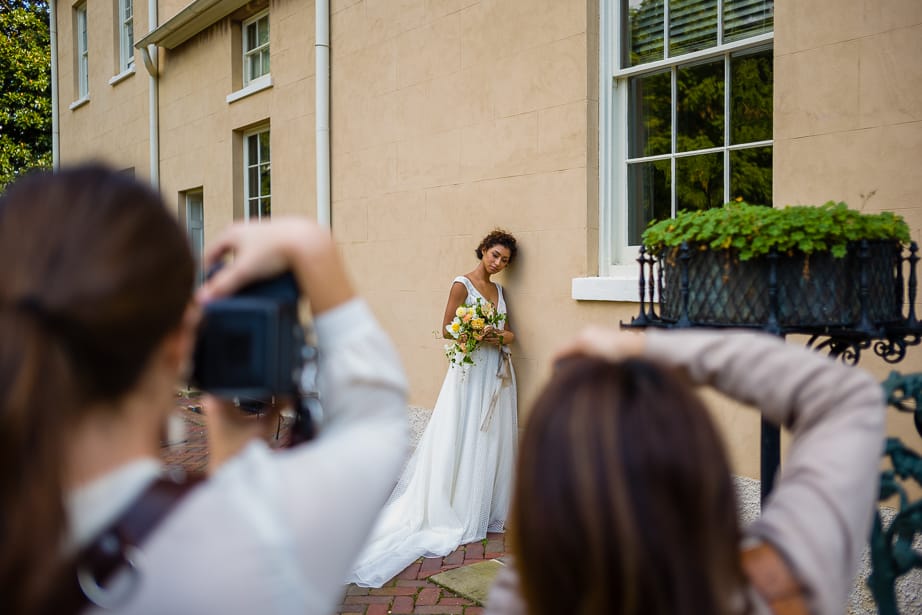
When the lead pulls the couple away for portraits, you often become the primary documentarian of the event.
This is where observation matters. Focus on candid interactions: laughter, reunions, and embraces. Resist the urge to over-direct. Genuine moments are more valuable than forced groupings. Before guests enter the reception space, capture untouched details—centerpieces, table settings, signage, and the cake. These images round out the final gallery and preserve the design work that went into the day.
This portion of coverage often defines how complete the final collection feels.
During speeches and formal dances, work in complementary roles.
If the lead is focused on the speaker, prioritize reactions. If they’re tight on the first dance, capture the wider scene—guests watching, hands clapping, the atmosphere of the room.
As the dance floor opens, lighting becomes more challenging. An on-camera flash can be essential, especially in dim venues. Bouncing flash off a neutral ceiling can help soften light and create a more natural look than direct flash.
Again, the priority is balance: dynamic images that match the lead’s style and elevate the overall gallery.
Your workflow matters as much as your shooting.
Immediately after the event:
Consistency in this stage builds trust. Many photographers decide whether to rehire based on how smoothly the post-event process goes.
Second shooting isn’t just about getting through a wedding day. It’s about building a reputation.
The photographers who thrive in this industry aren’t simply technically strong—they understand workflow, teamwork, and responsibility. They anticipate needs, minimize friction, and treat every role with professionalism. If you can make a lead photographer’s day easier, you become invaluable. And that’s what builds momentum in a wedding career—not one standout image, but consistent reliability over time.
A reliable kit is the foundation of great second shooting, and building one doesn’t have to mean buying everything brand new. With KEH Certified™ gear, you can confidently assemble a professional wedding setup—camera bodies, versatile zooms, fast primes, and backup equipment—without stretching your budget. Every piece of KEH Certified gear is carefully inspected, tested, and backed by a 180-day warranty, so you know it’s ready to handle long wedding days and low-light receptions. Whether you’re upgrading your first professional kit or adding dependable backups, KEH makes it easier to build a setup you can trust when every moment counts.
Into wedding photography? Check out these blogs you might like: