You
have no items in your shopping cart.
Under Exposed: Rare Camera Edition | Inside The KEH Vault
June 18, 2026
1 min read


Some cameras are built to take photographs. Others become part of photographic history.
Over the years, millions of pieces of gear have passed through KEH’s doors. Most find their way into the hands of photographers eager to put them back to work. But every so often, something extraordinary arrives—a camera so rare, historically significant, or culturally important that selling it doesn’t feel quite right.
That’s where The Vault comes in.
The Vault is a curated collection of photographic history, built not through acquisitions or museum purchases, but through decades of trusted relationships with photographers across the country. These cameras arrived the same way countless others have since 1979: photographers chose KEH when it was time to part with their gear.
These aren’t products. They’re milestones. Artifacts. Stories frozen in metal, glass, and leather. In this edition of Under Exposed, we’re opening the door to The Vault and highlighting four remarkable pieces from the collection. And while these cameras may be permanently retired from the market, their influence can still be felt today.
In This Blog, You’ll Learn:
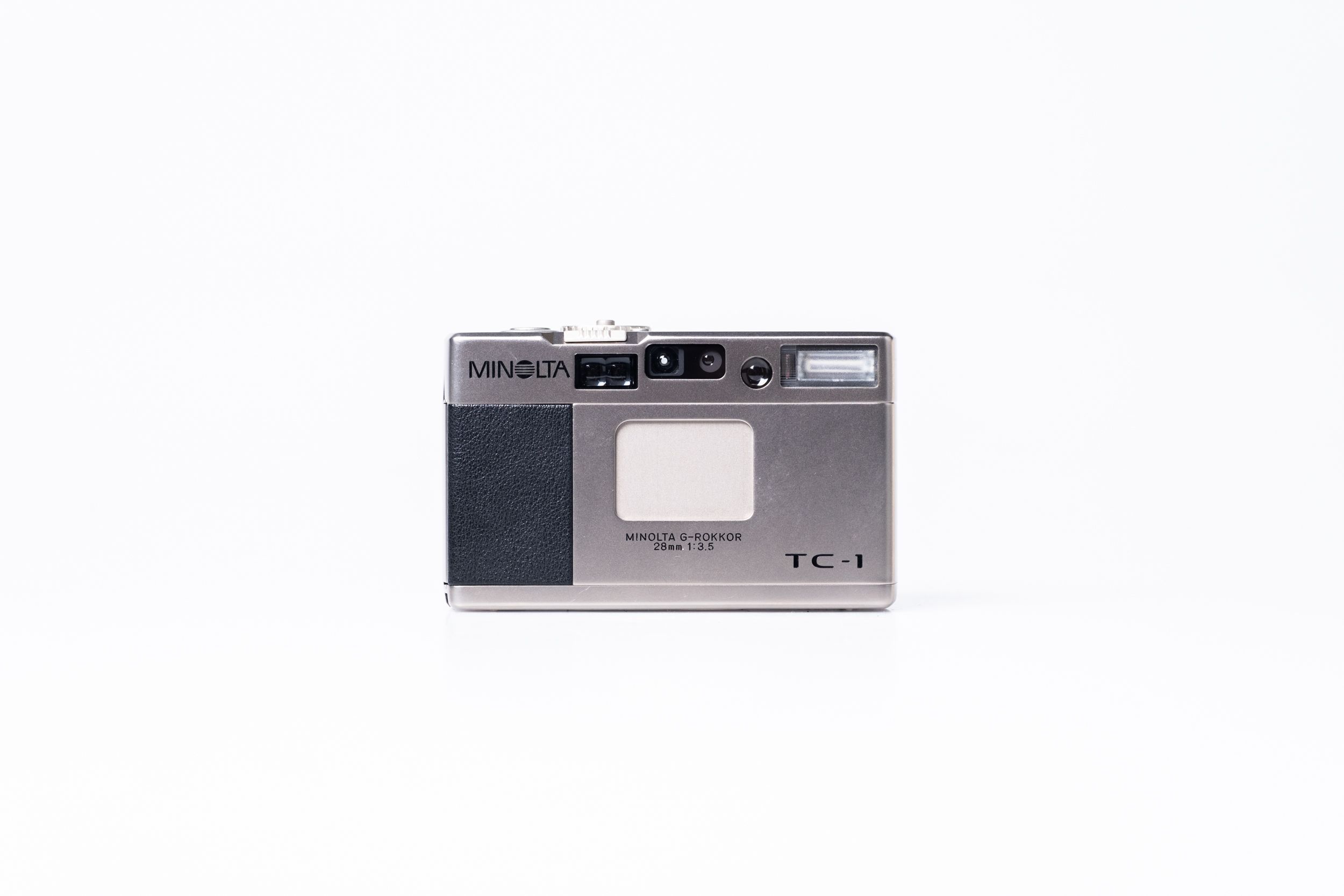
If there were a hall of fame for compact film cameras, the Minolta TC-1 would have its own exhibit. Released in 1996, the TC-1 was Minolta’s answer to the growing demand for premium compact cameras. Built around a razor-sharp 28mm f/3.5 G-Rokkor lens, it delivered image quality that rivaled that of much larger systems while fitting comfortably in a jacket pocket.
The camera’s titanium body, minimalist controls, and exceptional lens performance earned it a near-mythical reputation among street photographers and collectors. Today, finding a TC-1 in excellent condition is difficult enough. Finding one that still carries its original character and functionality is even rarer.
What makes the TC-1 special isn’t just its scarcity. It embodies a design philosophy that prioritizes simplicity without compromise. Every feature serves a purpose. Every control feels deliberate. It’s the kind of camera that reminds us why premium point-and-shoots continue to inspire modern photographers decades later.
Modern Alternatives:
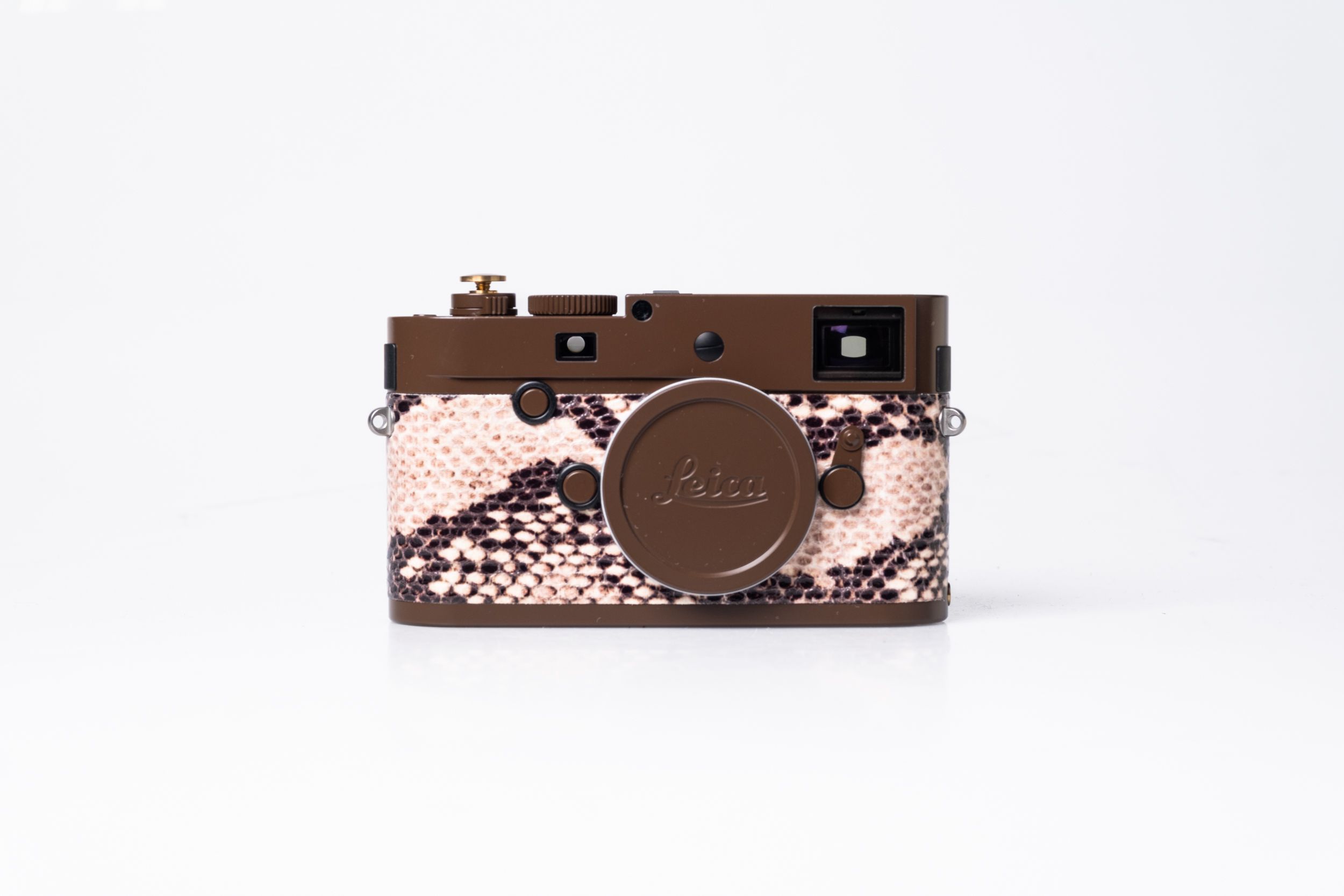
Some cameras are rare because few were made. Others are rare because they represent a unique moment in photographic culture. The Leica M Monochrom “Drifter” falls into both categories. Created as part of a limited-edition collaboration between Leica and musician, photographer, and designer Lenny Kravitz, the Drifter transformed Leica’s already distinctive monochrome rangefinder into something that looked equally at home in a gallery or on assignment.
Wrapped in distressed snakeskin-style leather and featuring a deliberately weathered aesthetic, the camera was inspired by well-traveled vintage gear that had spent decades documenting life on the road. Beneath its unconventional exterior sits the same dedicated black-and-white imaging system that made the M Monochrom series legendary. Without a color filter array, the sensor captures extraordinary tonal detail, producing images with remarkable depth and character.
The Drifter isn’t just a camera. It’s a statement piece that celebrates photography as both craft and art.
Modern Alternatives:
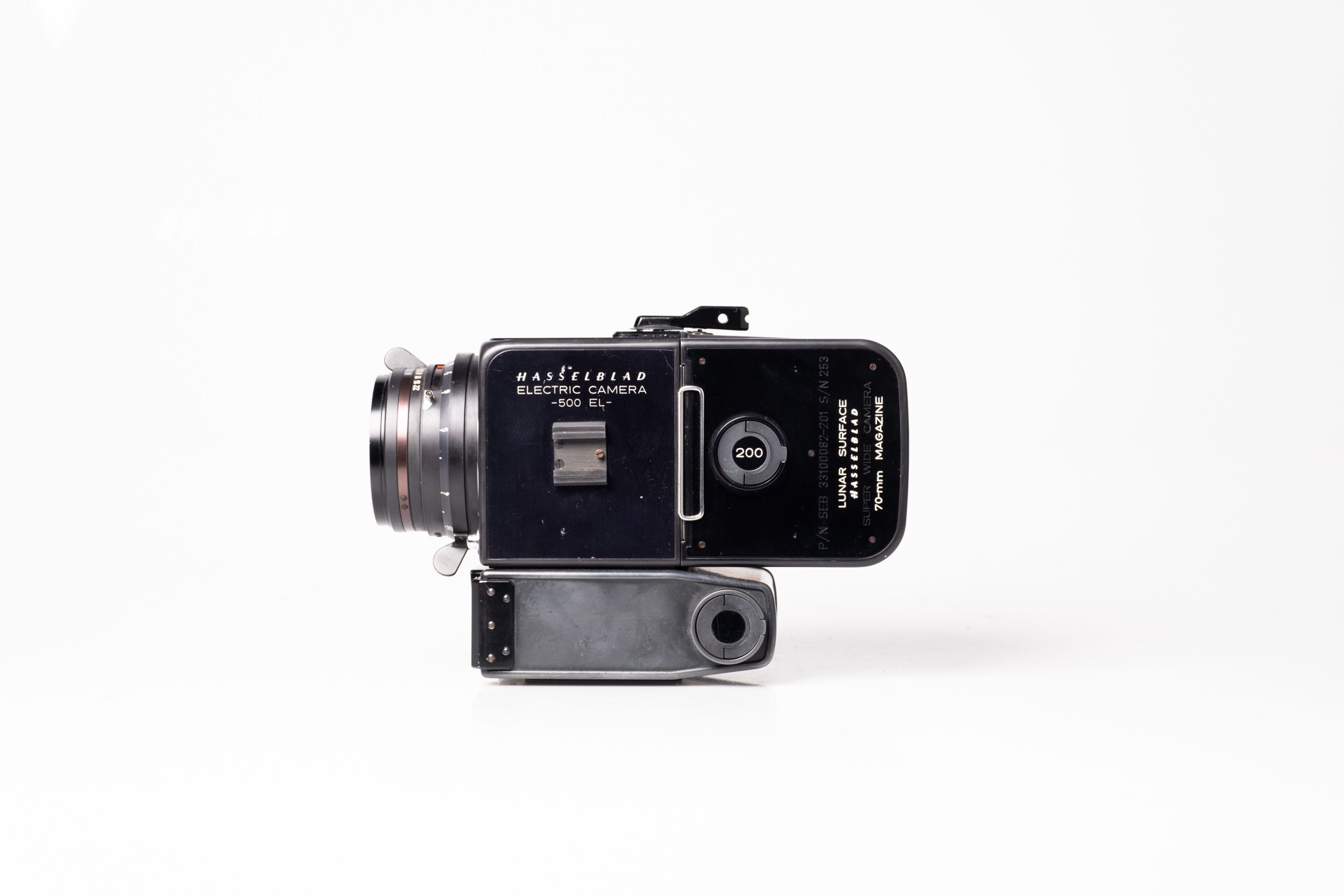
Most photographers know the Hasselblad story. It’s the camera system trusted by professionals, portrait artists, and even NASA astronauts. But some versions of the iconic 500-series cameras are considerably harder to find than others.
The Hasselblad 500 EL/M Lunar is one of them.
Created as a special commemorative edition celebrating humanity’s exploration of the moon, this camera combines the unmistakable design language of the 500-series with historical significance that extends far beyond photography.
The motorized EL/M platform was already an engineering achievement, bringing automated film advance to Hasselblad’s modular medium-format ecosystem. The Lunar edition elevated that foundation into a collector’s piece that connected one of photography’s most respected brands with one of history’s greatest technological accomplishments.
Holding it feels like holding two stories at once: the evolution of photography and the spirit of exploration that pushed both cameras and astronauts farther than ever before.
Modern Alternatives:
Want to learn more about gear for astrophotography? This blog is for you.
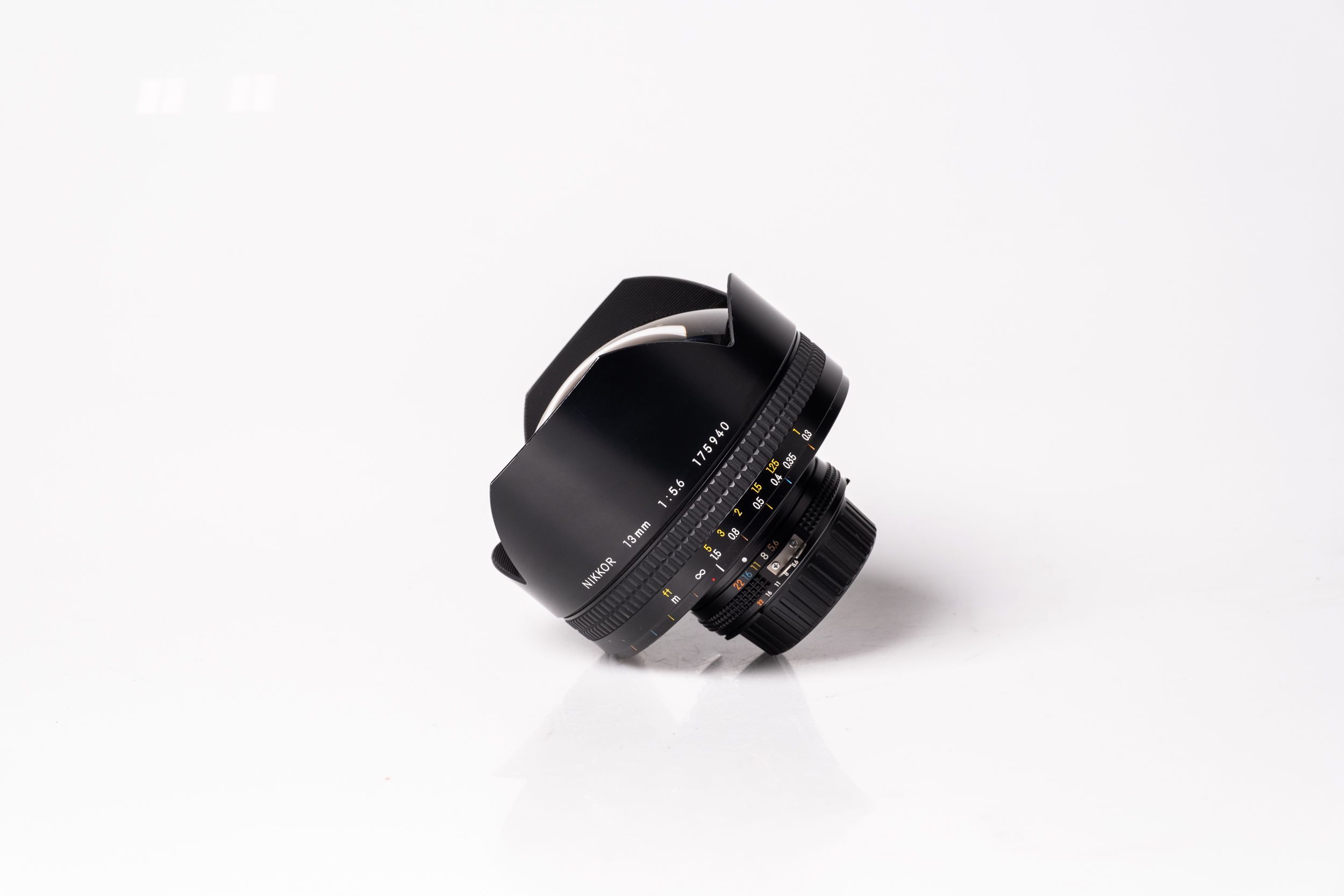
Some lenses are rare because they were expensive. The Nikon Nikkor AI-S 13mm f/5.6 is rare because it was almost impossible to make.
When Nikon introduced this ultra-wide-angle lens, it instantly became one of the most technically ambitious optics ever produced for the F-mount system. Covering an astonishing 118-degree field of view while maintaining rectilinear rendering, it achieved results that many photographers assumed weren’t possible at the time.
The lens contains an incredibly complex optical design, making production both challenging and expensive. As a result, relatively few examples were ever manufactured. For architectural, interior, and landscape photographers, it represented the pinnacle of wide-angle performance during its era. For collectors today, it remains one of Nikon’s most coveted lenses.
It’s the type of optic that showcases what happens when engineers pursue technical excellence without compromise.
Modern Alternatives:
The point of The Vault isn’t to make a sale. It’s a manifestation of our genuine love for cameras and the history they carry.
Photography’s history is built on objects that shaped how images were made, who could make them, and what was possible behind the lens. While most gear deserves a second, third, or fourth life in photographers’ hands, some pieces deserve preservation. The Vault allows us to protect those stories while sharing them with the community that appreciates them most.
And perhaps the most remarkable thing about these cameras is how they got here. We didn’t go looking for them. They found their way to us through the same trusted buying and selling process that brings thousands of cameras through KEH every year.
For every legendary unicorn that ends up in The Vault, there are countless cameras and lenses still waiting to begin their next chapter in the hands of photographers who will put them to work.
Whether you’re searching for your next creative tool, looking to sell a piece of gear with a story to tell, or wondering if you have something worthy of The Vault, KEH is here to help. Our team of experts can evaluate, repair, preserve, and connect exceptional equipment with the photographers who will appreciate it most.
Because every camera has a story—and sometimes, the next chapter is just beginning.