You
have no items in your shopping cart.
Best Used Cameras That Are Still Worth Buying Years Later
February 26, 2026
1 min read

Your smartphone takes great photos…until it doesn’t.
You notice it in low light when everything turns grainy. You see it when your kid scores the winning goal, but the photo is a blur. You feel it when portrait mode just cannot quite deliver that natural background separation. That is not a lack of skill. It is a limitation of size. Phone sensors and lenses are physically small, and there is only so much they can do.
The good news is you do not need the latest release or a huge budget to move beyond those limits. Some of the best upgrades available today are a few years old. Former flagship DSLRs and mirrorless cameras are now available at accessible prices, and they still produce beautiful, professional-quality images.
At KEH, we believe smart photographers buy for performance, not hype. When you choose KEH Certified™ pre-owned gear, every camera is inspected, graded, and backed by a 180-day warranty. That means you can focus on creating instead of worrying about what might arrive in the box.
Here are some of the best used cameras that are still absolutely worth buying years later.
A real camera gives you control. More importantly, it gives you consistency.
A larger sensor gathers more light. That simple fact makes a dramatic difference. Whether you are shooting indoors, at sunset, or during an evening event, a DSLR or mirrorless camera will produce cleaner files with richer color and less noise.
Full-frame cameras take this even further, offering exceptional detail and dynamic range even in low-light conditions.
True background blur comes from optics, not software simulation. When you attach a wide-aperture lens, such as a 50mm f/1.8, you can isolate your subject in a way that looks natural and dimensional. Portrait mode tries to imitate this effect. A real lens creates it.
Action photography requires fast shutter speeds and reliable autofocus. Whether you are photographing sports, pets, or candid street scenes, a dedicated camera gives you the responsiveness that phones often lack.
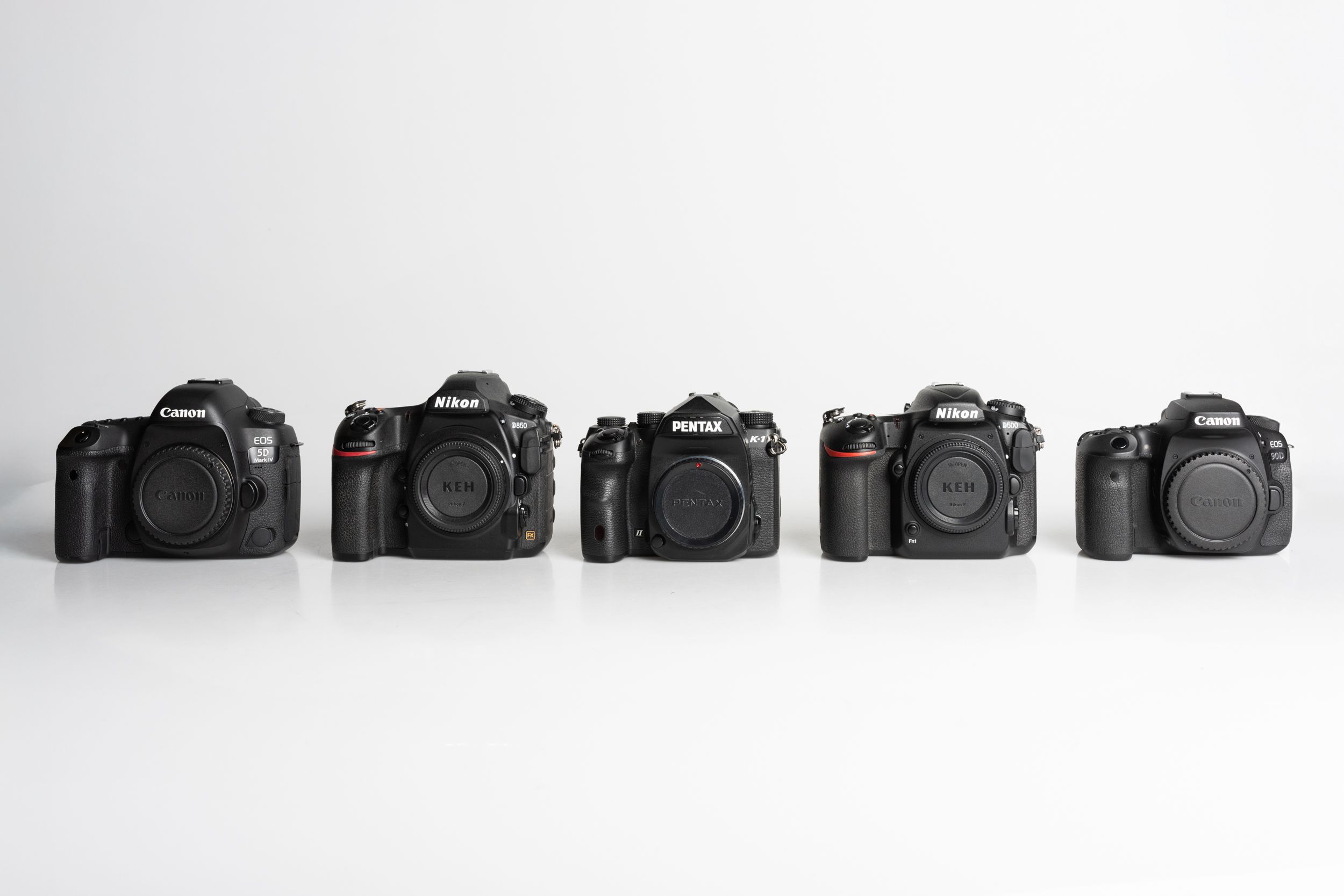
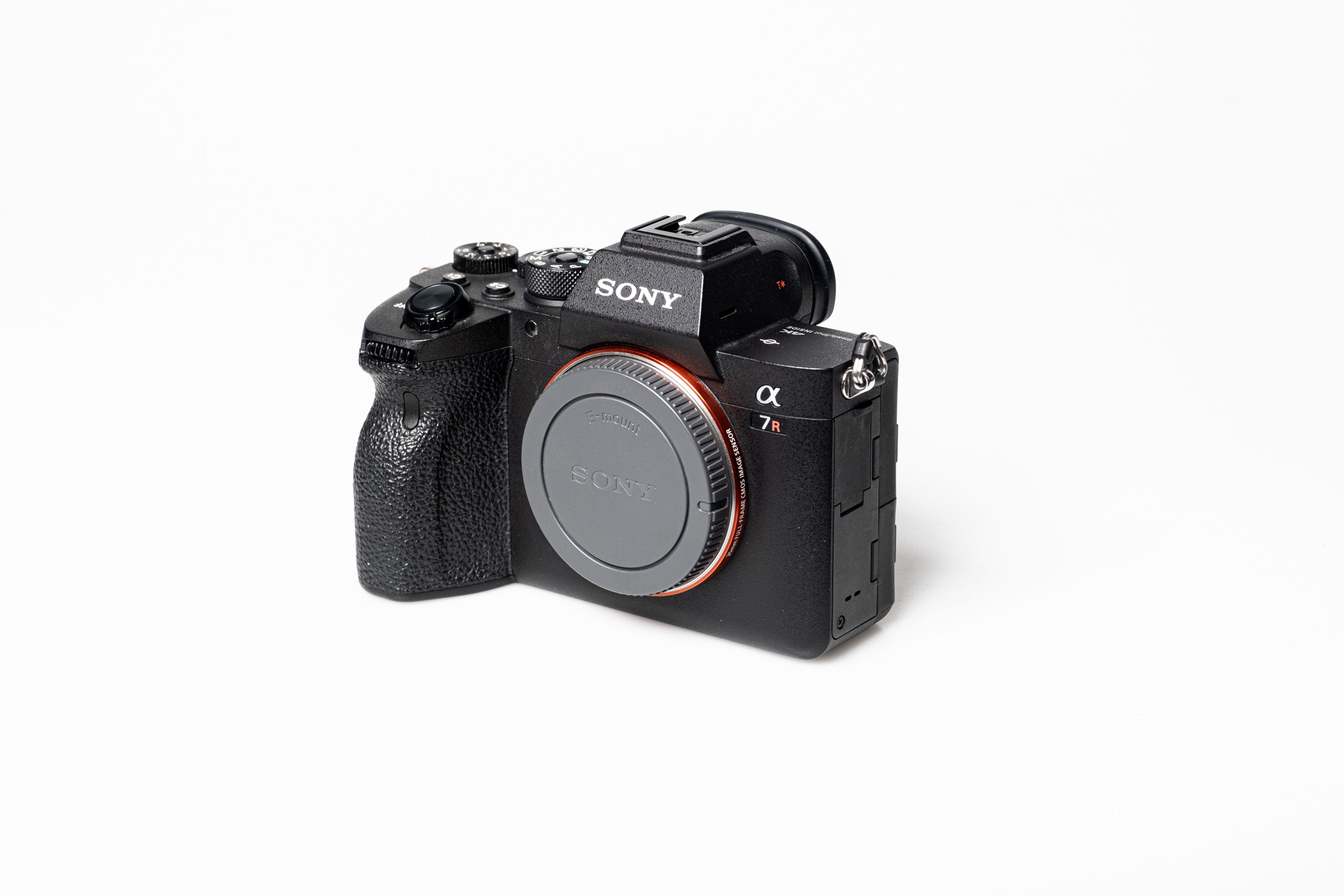
If you are shopping for used cameras, one of your first decisions will be whether to choose a DSLR or a mirrorless camera. Both are excellent options. The right choice depends on how you shoot.
If you want a comprehensive breakdown of features, strengths, and lens ecosystems, our Ultimate DSLR Camera Buying Guide walks through the details and helps you compare systems in depth.
DSLRs use an optical viewfinder, meaning you see directly through the lens via a mirror system. They are known for their long battery life and extensive, affordable lens lineups. For many photographers they offer a straightforward, dependable shooting experience.
Mirrorless cameras use an electronic viewfinder or rear screen to show you exactly what the sensor sees. Exposure, white balance, and depth of field are previewed in real time. They are typically smaller and lighter, which makes them popular for travel and everyday carry. Many also offer strong video features.
Both systems have matured. Both produce excellent results. Buying used simply allows you to step into a higher tier for less.
If you want a safe and proven starting point, entry-level DSLRs from major brands are still some of the smartest purchases you can make.
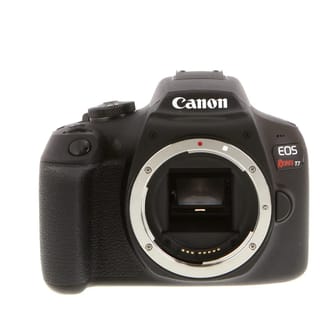
Two standout options are the Nikon D3500 and the Canon EOS Rebel T7.
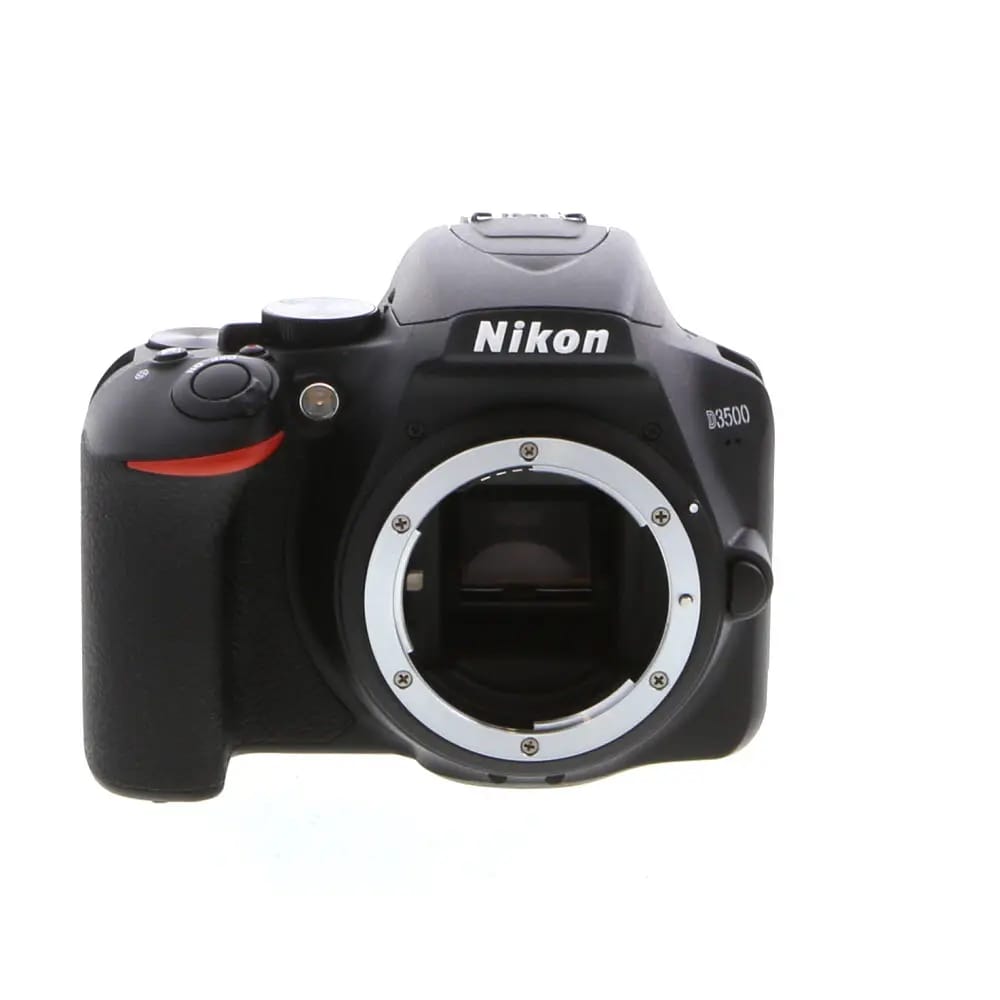
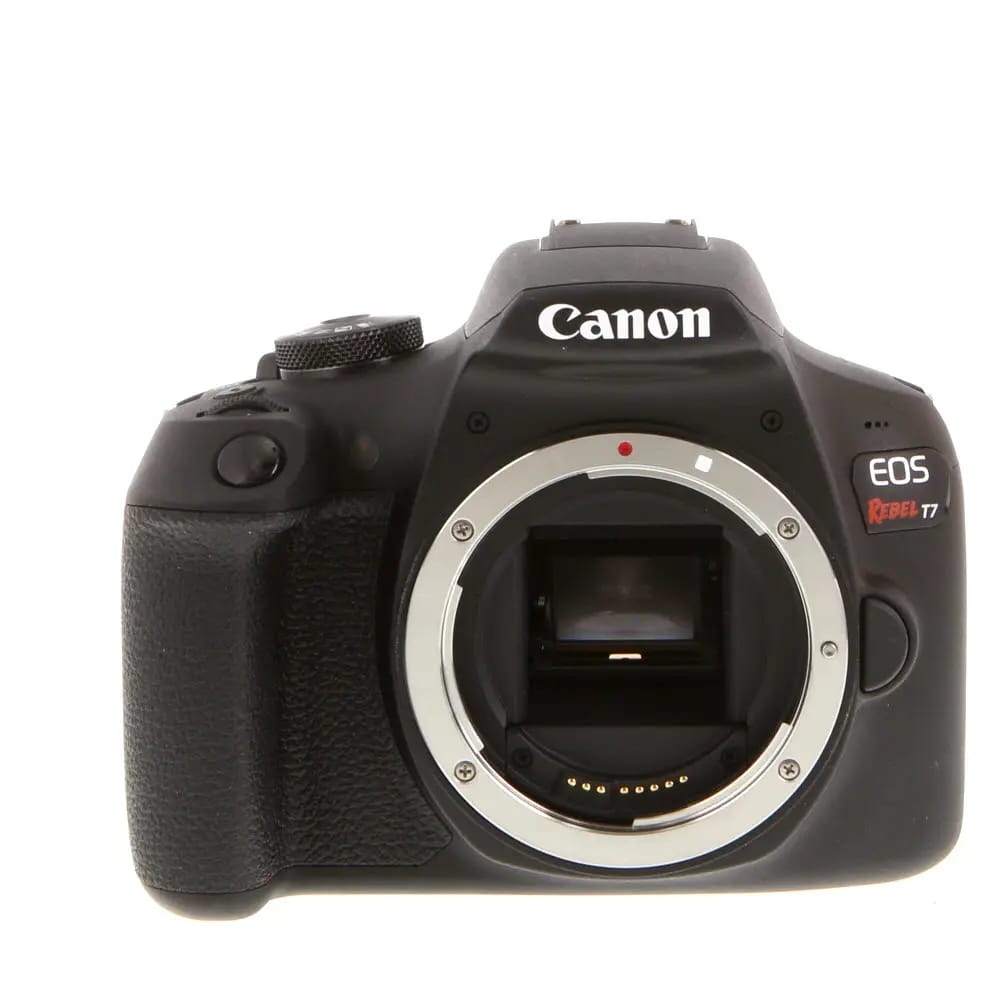
These cameras feature APS-C sensors that are dramatically larger than any smartphone sensor. They are intuitive to use, lightweight enough for everyday shooting, and supported by large lens ecosystems. For beginners, they strike the right balance between simplicity and creative control. Pair either one with a 50mm f/1.8 lens and you immediately unlock shallow depth of field and strong low-light performance. That single lens upgrade often transforms how new photographers see their work.
When purchased KEH Certified™, these bodies are professionally inspected and graded so you know exactly what to expect in terms of cosmetic condition and performance.
If portability is your priority, mirrorless cameras offer impressive performance in smaller bodies.
The Sony a6000 remains one of the most popular mirrorless cameras ever made. It delivers fast autofocus, strong image quality, and a compact design that fits easily into a small bag. For photographers interested in Sony systems, you can also explore our in-depth tips in Tips & Tricks with the Sony a7 II, which highlights features and techniques that apply broadly across Sony mirrorless bodies.
Another excellent option is the Olympus OM-D E-M10 Mark II. This camera is part of the Micro Four Thirds system, which was built around portability. Bodies and lenses are smaller, making it an appealing choice for travel and street photography. If you are curious about why this format deserves more attention, we break it down in Why Micro Four Thirds Might Be the Most Underrated System in Photography.
While mirrorless cameras tend to have shorter battery life than DSLRs, spare batteries are affordable and easy to carry. For many photographers, the size savings are worth it.
Full-frame sensors are based on the size of traditional 35mm film. They gather more light and often deliver superior dynamic range, smoother background blur, and excellent performance in low light.
Not long ago, full-frame cameras were out of reach for many hobbyists. Today, buying used makes them surprisingly attainable.
The Canon EOS 5D Mark III is a classic example. It built its reputation on durability and reliable performance in professional settings, from weddings to editorial work. Even years after release, it continues to produce rich, detailed files.
On the mirrorless side, the Sony a7 II brought full-frame capability into a more compact form factor. It remains a strong entry point for photographers who want to explore Sony’s full-frame ecosystem without paying current-generation prices.
If you prioritize portraits with beautiful separation, indoor events without flash, or expansive landscapes with strong dynamic range, a used full-frame camera offers remarkable value.
Buying pre-owned gear is smart. Buying it carefully is even smarter.
Here are a few practical checkpoints:
Look for signs of dust or damage. A simple image of a plain wall or sky can reveal spots. Sensor dust is usually cleanable, but it is helpful to know what you are starting with.
Cosmetic scuffs are common and usually harmless. Deep dents, cracks, or signs of impact are more concerning.
One advantage of shopping at KEH is that the inspection work is already done for you. Every item is graded clearly, from Like New to Bargain, and each grade reflects cosmetic condition while maintaining functional integrity. You know exactly what you are getting before you check out.
New gear launches constantly. It is easy to feel like you are falling behind.
In reality, cameras from five or even ten years ago are more than capable of producing professional results. Resolution has plateaued for many use cases. Autofocus systems are mature. Image quality remains excellent.
When you buy used, you can often afford a higher-tier body than if you purchased new. That might mean stepping up to full-frame instead of an entry-level crop, or choosing a more advanced model with better build quality and controls.
It is also a more sustainable way to shop. Extending the life of quality gear keeps it in the creative cycle and reduces unnecessary waste.
You do not need the newest camera to create meaningful work. You need a tool that matches your goals.
A dependable DSLR is a strong foundation for learning photography. A compact mirrorless camera makes everyday shooting easy and enjoyable. A used full-frame body opens the door to professional-level image quality at a far more approachable price. The key is to choose thoughtfully and buy from a source you trust. With KEH Certified™ gear, transparent grading, and a 180-day warranty, you can invest in used cameras with confidence and put your energy where it belongs: behind the lens.
Your best photos are not waiting for the next product launch. They are waiting for you to press the shutter.