You
have no items in your shopping cart.
Canon RF vs EF Lenses: Which Mount Makes Sense in 2026?
March 06, 2026
1 min read

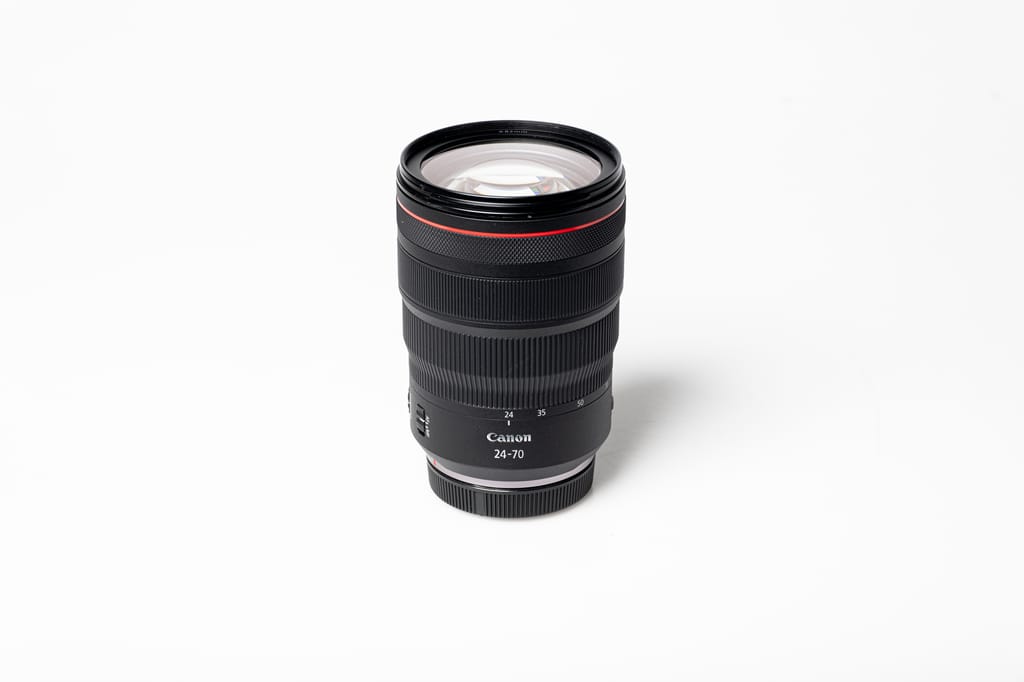
You’re ready to get serious about photography—but the Canon RF vs. EF decision can feel bigger than it needs to be. Lenses are a real investment, and choosing the “wrong” system sounds expensive.
At its core, this isn’t just about lenses. It’s about Canon’s shift from DSLR to mirrorless cameras. Canon EF lenses were built for Canon’s DSLR bodies. Canon RF lenses were designed specifically for Canon’s newer mirrorless cameras.
So which mount makes sense in 2026?
This guide breaks down what changed, what it means for your budget, and how to choose the system that fits your goals — whether you’re buying new or exploring used lenses for the best value.
If you’re buying new and planning long term, Canon RF lenses are the future. If you already own Canon EF lenses — or want maximum value — EF still makes a lot of sense.
The lens mount is the metal connection point where your lens attaches to the camera body. Think of it like a charging port: different designs can do similar jobs, but they aren’t interchangeable.
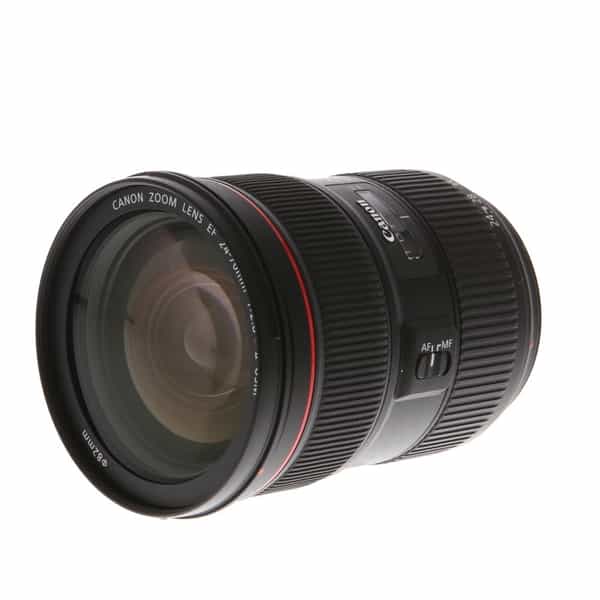
For decades, Canon DSLRs used the EF mount. Canon EF lenses became some of the most popular and widely supported lenses ever made.
Canon’s mirrorless cameras use the newer RF mount. By design:
Canon didn’t create a new system just to refresh the lineup. The internal camera design changed — and that opened up new possibilities.
The difference comes down to one key part inside older DSLR cameras: the mirror.
In a DSLR, a mirror reflects light from the lens into an optical viewfinder. When you take a photo, that mirror flips up so light can hit the sensor. It’s a clever system — but it takes up space.
Mirrorless cameras eliminate that mirror box entirely. Instead, they use an electronic viewfinder that shows exactly what the sensor sees in real time.
Without the mirror assembly, Canon could place the lens closer to the sensor. That shorter distance gives engineers more flexibility when designing Canon RF lenses. The result? Lenses that can be:
That design freedom is the foundation of the RF system.
The biggest upgrade isn’t just optical — it’s communication.
Canon RF lenses connect to mirrorless bodies with significantly faster data transfer between the lens and camera. Think of it as upgrading from a two-lane road to a multi-lane highway.
Here’s what that means in practice:
Canon RF lenses work closely with advanced autofocus systems, including subject tracking and eye detection. You’ll see faster, more accurate focusing — especially helpful for kids, pets, sports, and events.
Most Canon RF lenses include a programmable control ring. You can assign settings like ISO, exposure compensation, or aperture and adjust them instantly — without taking your eye off the viewfinder.
The RF mount allows for more ambitious designs. Some Canon RF lenses are noticeably sharper edge-to-edge. Others are surprisingly compact for their performance. And certain RF lenses offer ultra-wide apertures that weren’t feasible in older Canon EF lenses.
It’s not just “newer.” It’s structurally different.
If you already own Canon EF lenses, here’s the good news: they’re far from outdated.
Canon’s Mount Adapter EF-EOS R allows Canon EF lenses to mount directly onto RF mirrorless bodies — enabling full electronic communication. That means:
There’s no extra glass in the standard adapter. It simply bridges the physical gap.
In real-world use, adapted Canon EF lenses feel native on RF bodies. Many photographers upgrade to a mirrorless body first, then gradually transition to Canon RF lenses — or continue using their EF glass long term.
Canon EF lenses are not obsolete. In 2026, they’re still producing professional-quality images every day.
Here’s where the decision often becomes clearer.
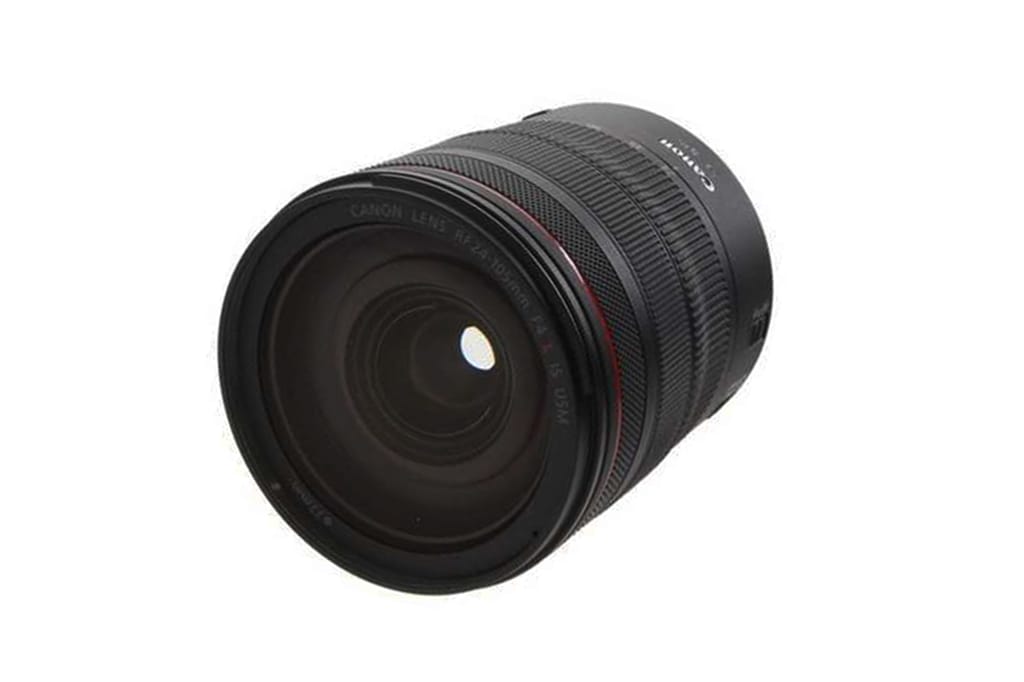
Canon RF lenses are newer and represent Canon’s future development. As a result, they’re typically priced higher — especially when buying new.
Canon EF lenses benefit from:
As more photographers move to mirrorless systems, the market for used lenses — especially Canon EF lenses — continues to grow. That creates real value opportunities.
For example:
For less than the cost of the new RF lens alone, you could purchase a Canon EF lens and the adapter.
For budget-conscious buyers — or anyone building a versatile kit — used lenses remain one of the smartest investments in 2026.
Read our blog to find the perfect Canon camera body to pair with these lenses.
Canon has officially shifted all new research and development to RF. They are no longer designing new Canon EF lenses.
But that doesn’t make Canon EF lenses irrelevant.
Think of EF as complete rather than discontinued. It’s a mature system with decades of proven lenses — many of which are still optically excellent and widely available as high-quality used lenses.
Canon RF lenses are where innovation is happening. Canon EF lenses are where value lives.
Both can produce exceptional images.
It comes down to your starting point and your budget.
Go with Canon RF lenses and an RF mirrorless body. You’ll be building directly into Canon’s future system and gaining access to the latest technology.
Upgrade to an RF mirrorless body and use the adapter. You’ll keep your investment while benefiting from mirrorless performance.
Canon EF lenses offer incredible value — especially on the used lens market. A used DSLR and quality EF glass remain one of the most affordable ways to get started.
Alternatively, an entry-level RF body paired with used lenses (via adapter) offers flexibility and long-term upgrade potential.
There’s no universal “winner” here. The best choice is the one that fits your goals, budget, and growth plans.
The key thing to remember: Canon RF lenses and Canon EF lenses aren’t isolated worlds. The adapter bridges them.
In 2026, you don’t have to choose between innovation and value — you can build a system that balances both, especially if you shop smart in the used-lenses market.