You
have no items in your shopping cart.
Capturing Portraits: Tips for Using Medium Format 6×7 Effectively
March 10, 2026
1 min read

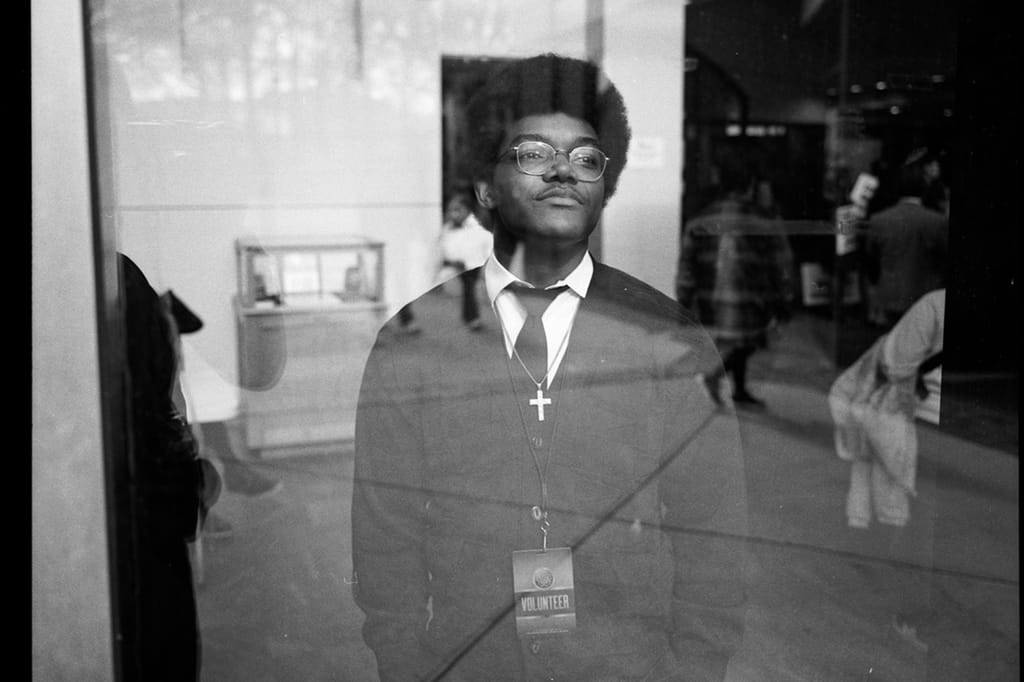
I shoot medium format 6×7 because of how it makes me feel. That’s the honest answer. Not the format answer. Not the technical one. The feeling.
When I pick up the RZ67 or the Mamiya 7, something happens before I even bring it to my eye. There’s a connection that forms between me, the camera, and whoever is sitting in front of me. These cameras make me want to photograph. They make me want to slow down and pay attention. They make me want to get better. And once you feel that kind of pull, you stop looking for something else.
What Makes Medium Format 6×7 Different
A medium format 6×7 negative is nearly five times the surface area of a 35mm frame. When you hold it up to the light, something in you slows down. There’s a presence to it. A kind of gravity. It’s hard to explain until you’ve seen it yourself. You have to stand in front of a large print made from one of those negatives to really understand what I mean. When you do, you don’t immediately reach for words. You just stand there for a moment and let it sink in.
The first time I shot the RZ67, there wasn’t much of a learning curve. It was immediate. The advance lever. The rotating film back clicks from landscape to portrait in one motion. The magnifying loupe dropped down so I could dial in focus. The bellows extend toward the subject. Everything about the camera made sense in a way I wasn’t expecting.
I bought that RZ67 in 2021 as my very first film camera, and I’ve never once thought about selling it. There was nothing like it then. There still isn’t.
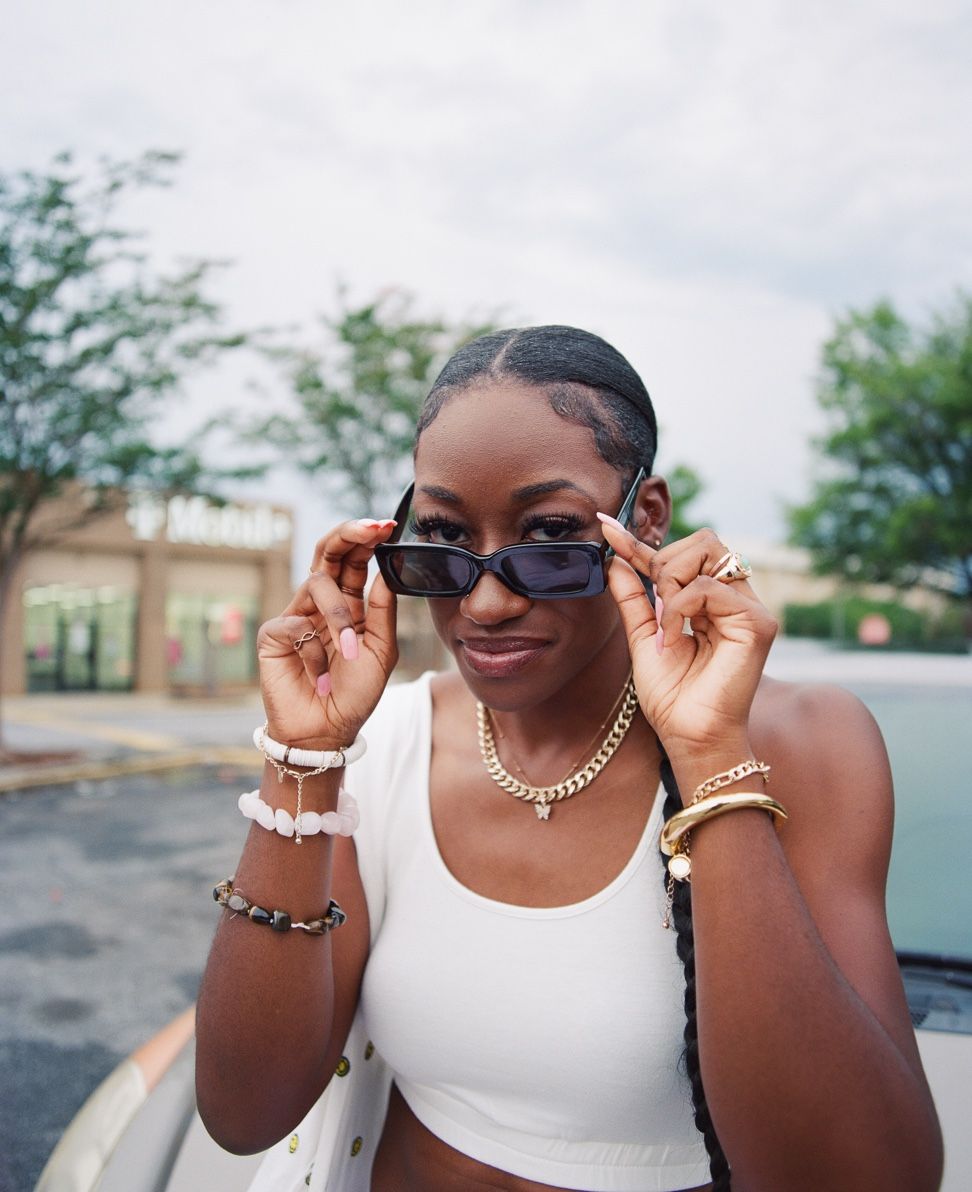
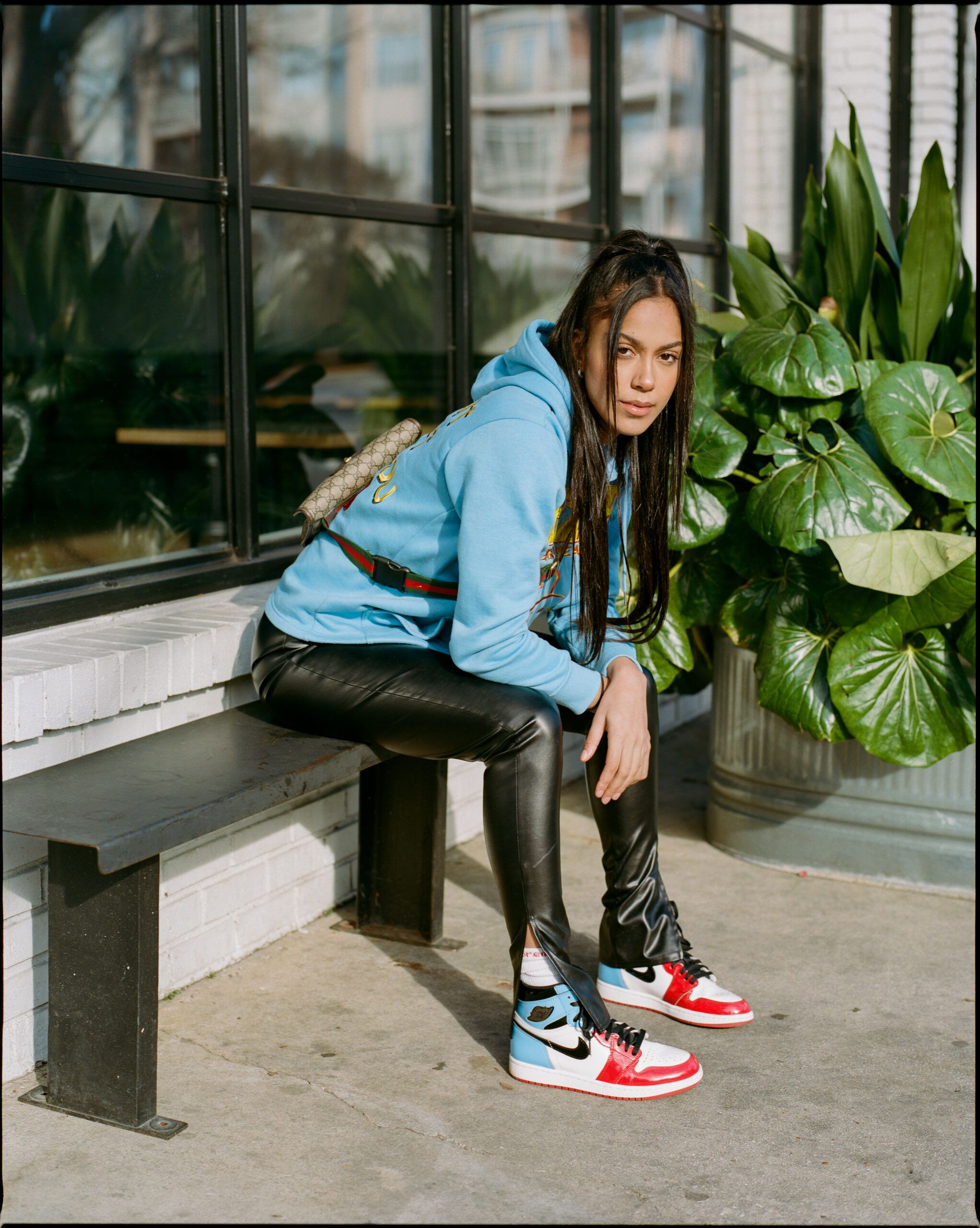
I shoot primarily with two cameras: the Mamiya RZ67 and the Mamiya 7. But before I got there, I started with the Mamiya 6, working in the square-frame before eventually moving into the 6×7 format. It was the beginning of how I learned to see in medium format. I eventually traded it in to KEH, put that money toward a Canon EOS-1V, and later traded that in too when it was time to move up to the Mamiya 7. That’s the honest version of how a film kit evolves. Gear funds gear, and KEH’s trade-in process makes those transitions straightforward.
Mamiya RZ67: For Studio and Close Portrait Work
It’s built for close portrait work where every millimeter of the negative has to earn its place. The bellows’ focusing changes how you think about the space between you and your subject. It isn’t just a technical adjustment. It becomes a physical awareness of distance and presence.
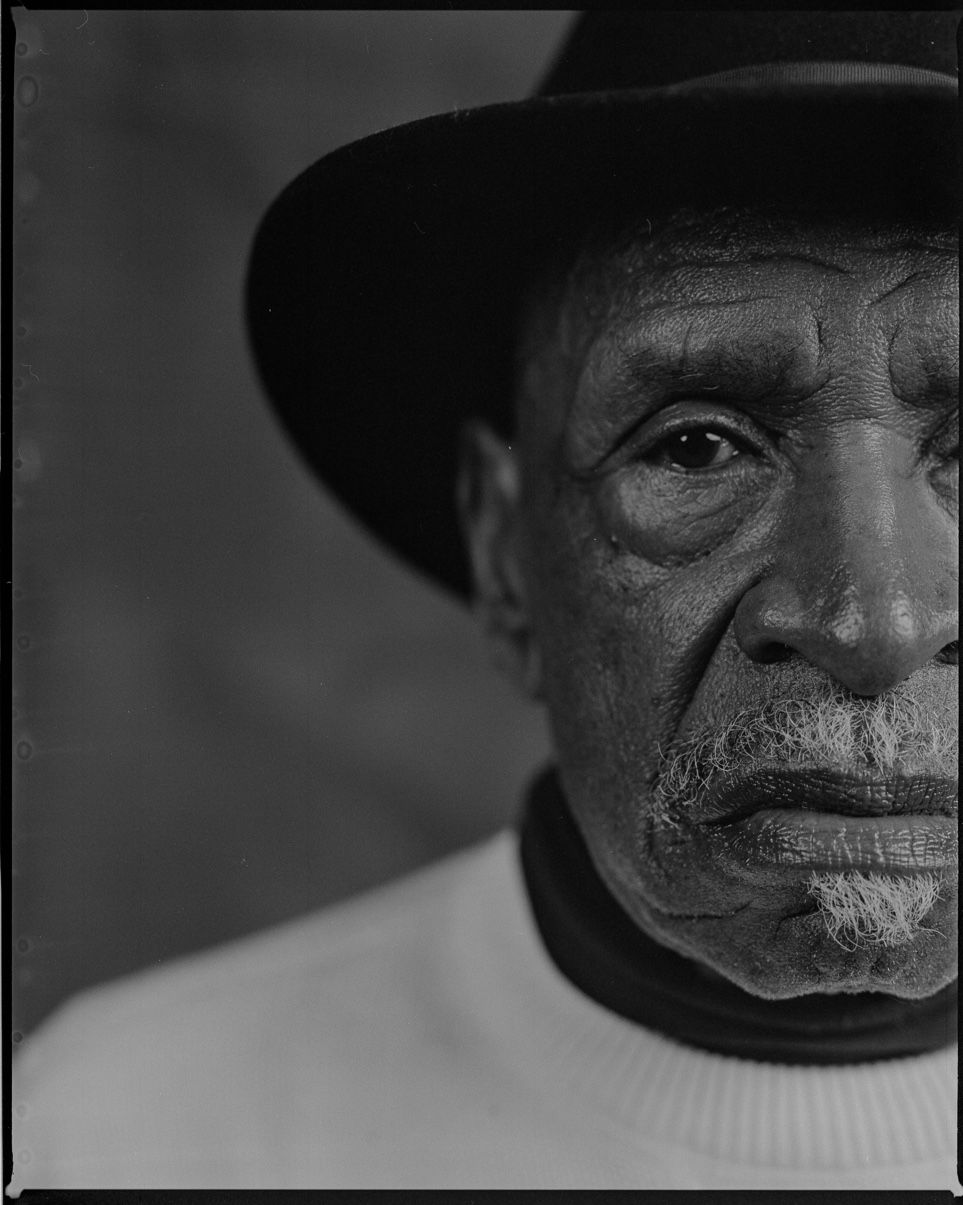
When someone sits down in front of me in the studio, the RZ67 sets the tone before I say a single word. The camera itself establishes a kind of quiet gravity in the room. At that point, my job is simply to show up and be present.
Mamiya 7: For Documentary and On-Location Shooting
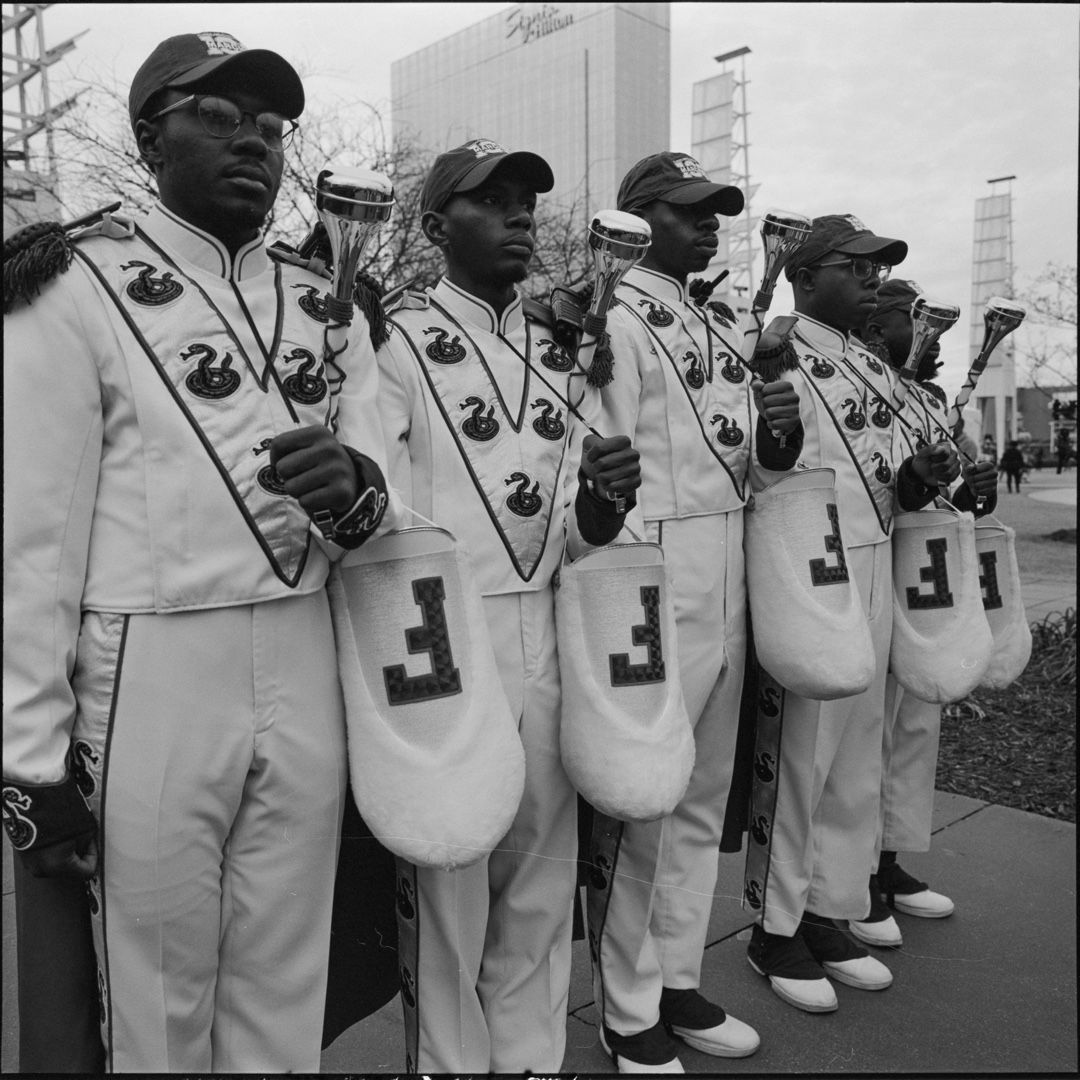
The Mamiya 7 is a completely different instrument. It’s a rangefinder—light, quiet, and fast. For documentary work or any situation where I need to move through a space without shifting the room’s energy, the 7 is the camera I reach for.
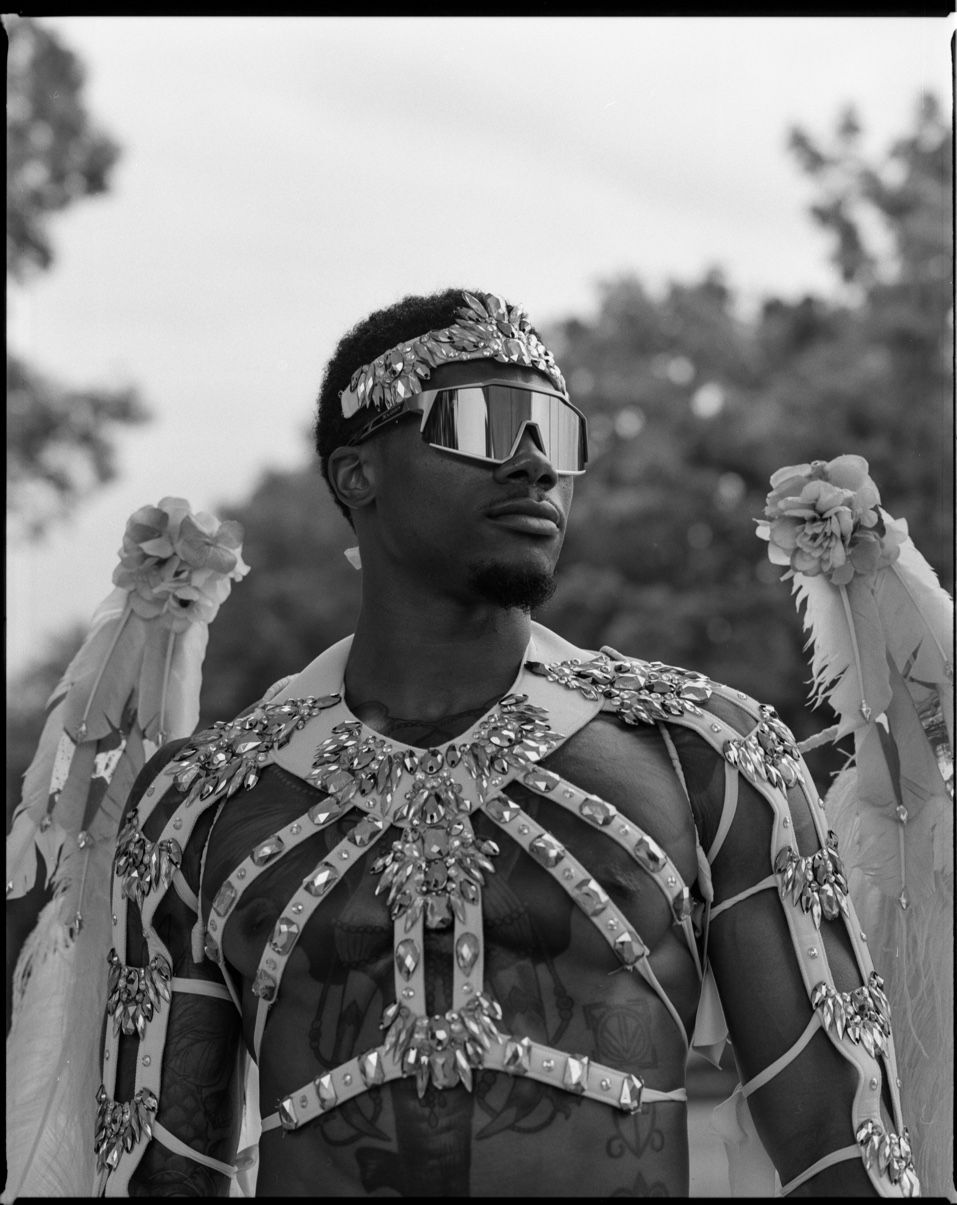
I’ve carried it into HBCU events, parades, and community gatherings across Atlanta. In those environments, the camera almost disappears. People move naturally around it, and the moment continues unfolding without interruption. Later, when I hold the negatives up to the light, the images still catch me off guard.
That’s the honest version of how a film kit evolves over time. You let go of the tools that no longer serve the work and use them to get closer to the ones that do. KEH made those transitions feel straightforward—their trade-in process is simple, their grading system gives you a clear sense of what you’re buying, and the entire process moves without the anxiety that often comes with selling gear on your own.
Most of the time I’m shooting Tri-X 400. But when I shoot color, it’s Portra 400.
Tri-X 400: Texture and Tonal Range in Black-and-White
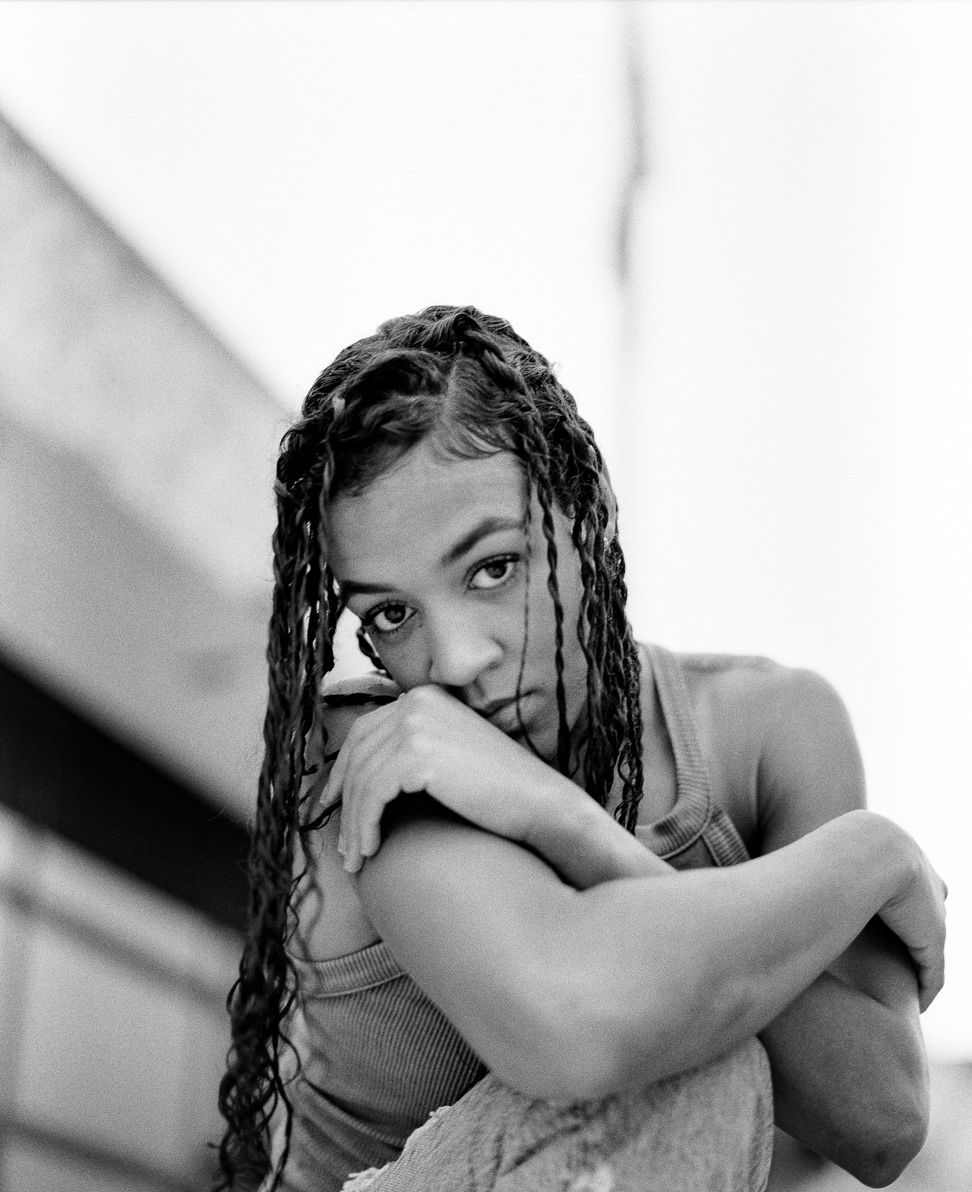
Tri-X is the reason I fell in love with black-and-white photography in the first place. The grain structure feels alive. There’s a texture to it that adds something emotional to the image rather than distracting from it. With a medium format 6×7, that grain has room to exist without overwhelming the frame.
The tonal range you get from Tri-X on a large negative—the way it moves from deep black through every shade of gray into the brightest highlights—is something that really has to be experienced in print.
I develop my own black-and-white film at home using D-76, and that process has become an essential part of the practice. Mixing the chemistry. Watching the temperature. Agitating the tank. And then, finally, opening it and holding that strip of negatives up to the light for the first time. It keeps me connected to the entire process from beginning to end.
Portra 400: Honest Color for Portrait Work
Portra 400 works differently. It’s generous with skin tones in a way very few color stocks are. That matters when your work centers on people. In the natural light that moves through Atlanta, Portra in the Mamiya 7 produces color that feels honest. Not exaggerated. Not overly polished. Just true to the moment.
For me personally, developing my own black-and-white film is one of the most meaningful parts of the entire practice. But it isn’t a requirement for everyone. If home processing isn’t realistic, find a lab you trust and build a relationship with them.
The important thing is that you remain invested in what happens to the negative after the photograph is made. In a format like this, that care always shows in the final image.
Embrace the 10-Frame Limit
You get ten frames per roll when you’re shooting medium format 6×7. Ten. If that sounds limiting, you haven’t yet experienced what those limits can do.
When you only have ten frames available, you stop guessing. You stop spraying and hoping something works. Instead, you wait. You watch the interaction between you and your subject develop until the moment feels real.
That shift changes everything about the workflow. You develop the film. You scan or print it. And instead of sitting down with four hundred images to sort through, you’re looking at ten. Ten decisions. Ten moments of intention. The workflow stops feeling like a hurdle and starts becoming part of the education.
Slow Down and Build the Connection
That’s why I say 6×7 isn’t just a technical choice. It’s a philosophical one. The image—and the person in front of the lens—deserve that level of attention.
The first time someone stands in front of a large print made from a 6×7 negative, the reaction is almost always the same. They move closer to the print. They start searching for the edge of the detail. And it takes them a moment to fully accept what they’re looking at. That moment is what I’m chasing every time I load a roll of film. Not the technical achievement. The experience of the person standing in front of the image.
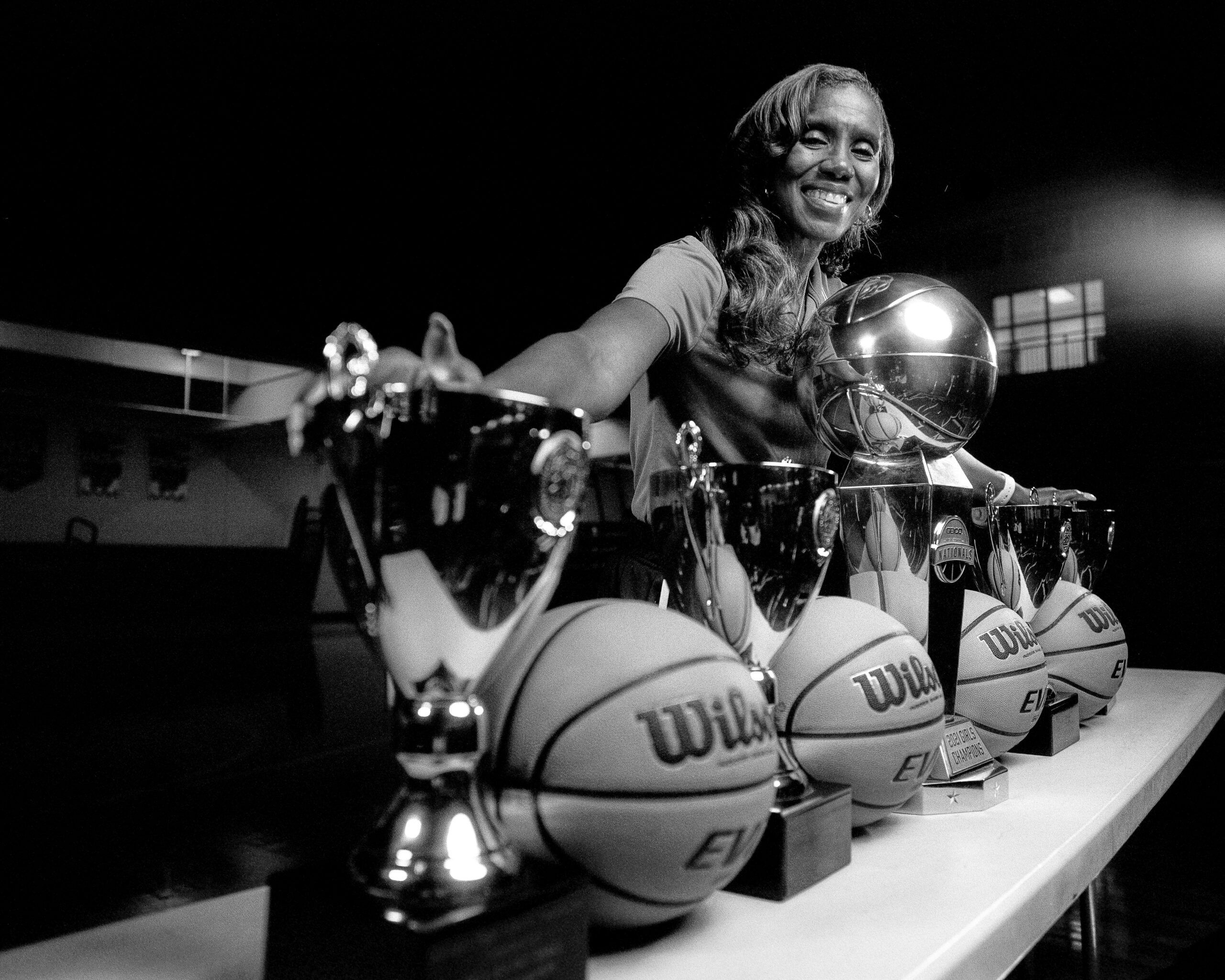
The most important thing I can tell someone who is curious about medium format 6×7 is this: find the camera that speaks to the way you actually see. Not the one with the most praise online. Not the one that shows up most often on YouTube. The one that, when you hold it in your hands, makes you want to go make something.
The market is wide enough that almost anyone can find an entry point. On the more accessible end, the Yashica Mat 124G and the Pentax 645 are both legitimate places to start. The Mamiya C-series TLRs are also worth considering if you want something flexible enough to move between documentary work and portraiture.
If the square frame calls to you, a Hasselblad 500-series system is the kind of investment photographers often make once and keep for life. And if studio portraiture is where your work lives, the RZ67 will meet you there and then some.
Regardless of which direction you choose, I would always start the search with KEH.
Their inventory covers nearly every corner of the used medium format 6×7 market, and the grading system gives you a clear understanding of the gear’s actual condition.
For photographers serious about experiencing the format for themselves, KEH is a great place to start exploring what’s out there. Their inventory makes it possible to get your hands on cameras like these and see what the medium format 6×7 frame can really do.
That’s why I shoot medium format 6×7. And why I’ll never stop.
About Stan
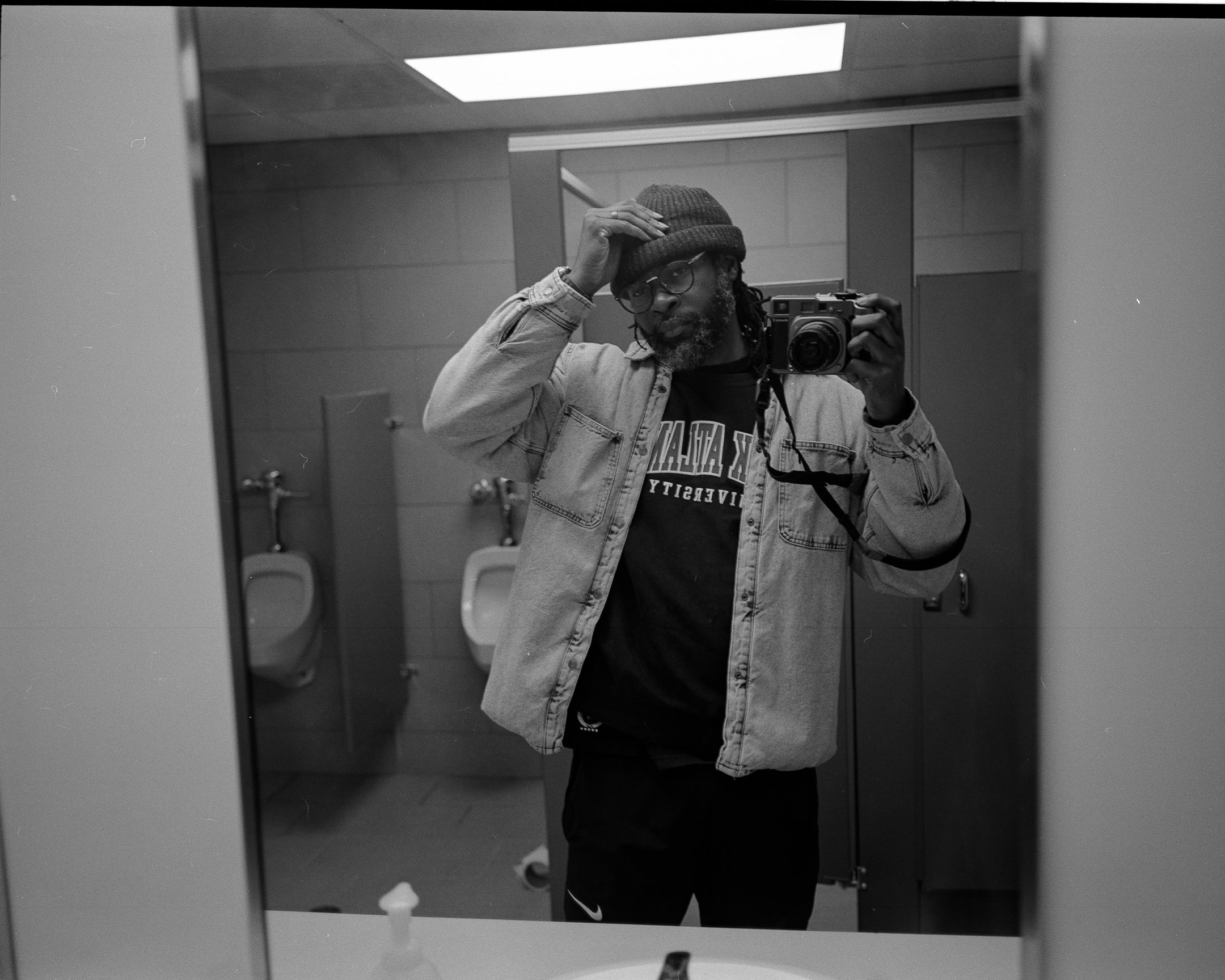
Stan Johnson is an Atlanta-based documentary and portrait photographer whose work centers on trust, memory, and everyday life within his community. He approaches people first and the photograph second, building a connection before raising the camera. Raised between Atlanta and Decatur, Johnson photographs the city from the inside. His images come from familiarity, from understanding how people gather, speak, and create a sense of belonging within a large city that often feels like a neighborhood.
Working with intention and care, he aims for his subjects to feel seen rather than observed. His photographs prioritize honesty over perfection, documenting moments with respect and love. Stan’s practice is ultimately about preservation—not constructing narratives, but holding onto what already exists.
Want to see more of Stan’s work? Check him out on his Instagram and website.
.