You
have no items in your shopping cart.
Camera Weather Sealing: What It Can (and Can’t) Handle in Fall Rain and Wet Weather
November 20, 2026
1 min read

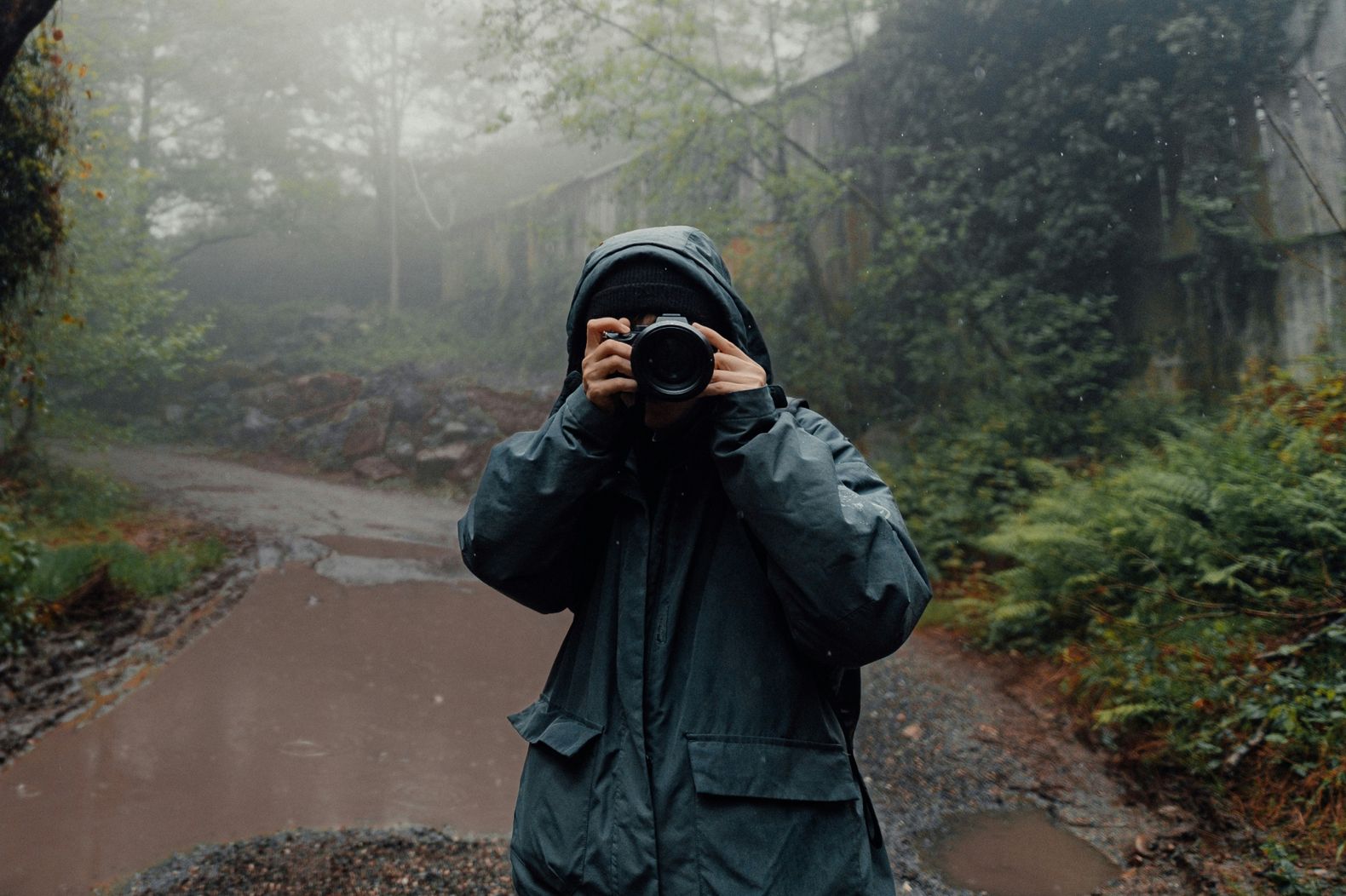
Fall weather can make for some of the best shooting conditions of the year. Misty trails, overcast skies, and rain-soaked foliage all offer opportunities for interesting images. But before heading outside, it’s worth knowing what your camera’s weather sealing can actually handle.
Here’s the distinction to keep in mind: weather-sealed does not mean waterproof. Weather sealing reduces the risk of moisture and dust entering your camera, but it doesn’t make your gear impervious to the elements. The protection you can expect depends on the specific camera body, lens, shooting conditions, and condition of the seals.
A light drizzle presents a different risk than hours of steady rain or constant waterfall spray. Understanding those differences helps you decide when your camera can handle the conditions, when to add protection, and when it’s time to put the gear away.
Weather sealing refers to design features that help reduce the amount of moisture and dust that can enter a camera. Manufacturers use a combination of materials and construction methods to protect vulnerable areas, including:
The exact design varies by manufacturer and model. Some cameras have more extensive protection than others, and weather sealing isn’t necessarily consistent across an entire camera lineup.
It’s also important to understand that weather sealing doesn’t always come with a standardized rating. Some cameras have published IP ratings, while many rely on manufacturer descriptions of their weather resistance. Check the specifications for the exact camera and lens you’re considering rather than assuming protection based on the brand or product family.
Terms like weather-resistant, splash-resistant, dust-resistant, and weather-sealed are often used to describe cameras designed for outdoor conditions. They don’t mean the same thing as waterproof.
Unless a manufacturer provides a specific tested rating, treat weather sealing as risk reduction rather than permission to expose your gear to water. A camera may tolerate a brief shower without an issue, but prolonged exposure can still lead to moisture intrusion, corrosion, or electrical problems. Some damage may not become apparent until later.
A weather-sealed camera body doesn’t automatically make the entire setup weather-resistant. The lens matters just as much.
A non-weather-sealed lens can leave your system vulnerable, even when attached to a well-protected body. Moisture can enter through the lens barrel, moving components, or the body-to-lens connection.
If you’re shopping for weather-sealed cameras, look at the complete body-and-lens combination. A sealed body paired with a lens that lacks comparable protection still has vulnerabilities.
Weather-sealed camera bodies and lenses are designed to make outdoor photography more practical. But the level of protection varies considerably, and the conditions themselves matter.
Light rain that falls vertically is different from wind-driven rain that pushes water toward every opening. Water pooling around buttons, doors, and ports is another warning sign that you’re asking more of the seals.
The following comparison offers a general way to assess exposure risk. These are relative risk categories, not manufacturer-approved exposure limits or guarantees that a particular camera will withstand the conditions.
| Shooting conditions | Relative exposure concern | Recommended approach |
| Light drizzle | Lower, but not risk-free | Check manufacturer specifications, limit exposure, and keep a cover handy. |
| Sustained rain | Elevated | Use a dedicated rain cover, even with a weather-sealed setup. |
| Heavy downpours | High | Stop shooting and protect your equipment. Don't rely on weather sealing alone. |
| Waterfall spray | High | Use a rain cover and keep your distance from constant mist and spray. |
| Saltwater exposure | Very high | Avoid direct exposure. Protect your gear from salt spray and seek professional evaluation if saltwater reaches the camera. |
Even light drizzle can become a problem if moisture collects around controls or enters through an unprotected connection. Likewise, a camera with extensive weather sealing may tolerate conditions that another model cannot.
When in doubt, use additional protection rather than testing the limits of your equipment.
Light drizzle is generally less demanding than sustained rain, but exposure time and your equipment’s specifications still matter. Choose your lens before heading outside, use a lens hood to help keep droplets off the front element, and keep a microfiber cloth handy. When you’re not shooting, tuck the camera under a jacket or protective cover.
Waterfall spray can be more demanding than it looks. Fine mist settles on the camera and lens, creating prolonged exposure even when it doesn’t feel like you’re standing in the rain. A dedicated rain cover is a better choice here. If you’re constantly wiping water from the camera, step back or find a more protected shooting position.
A downpour is not the time to test your camera’s limits. Stop shooting, cover your gear, and head for shelter. Avoid changing lenses or opening battery and card compartments until you’re somewhere dry.
For more practical ways to protect your equipment outdoors, see KEH’s 9 ways to protect your camera gear.
A dedicated rain cover is particularly useful in heavy or sustained rain, wet snow, coastal environments, and muddy or gritty conditions. It protects more of the setup, including the lens barrel, zoom and focus rings, and areas that are difficult to shield with a jacket or cloth. A plastic sleeve can work in a pinch, but a purpose-built cover generally makes it easier to operate your camera while keeping vulnerable areas covered.
A well-padded camera bag also matters when you’re moving between locations or packing up in bad weather. Browse KEH’s camera bags and cases for options to help protect and carry your gear. For additional protection around the front element, explore lens accessories, including lens hoods and filters. Keep in mind that neither replaces a rain cover or weather sealing.
Yes. Weather sealing relies on small, flexible materials that need to remain intact and properly positioned. With age and use, seals can dry out, compress, crack, or shift. Heavy use, heat, storage conditions, and previous repairs can all affect how well a camera resists moisture.
This is particularly relevant when buying pre-owned gear. A camera model may have originally been marketed as weather-sealed, but its original specifications don’t tell you the current condition of its individual seals.
These checks can help identify visible wear, but they can’t verify how well internal seals perform.
There’s an important distinction between a camera’s physical condition and its actual weather resistance. KEH Certified™ grading and condition assessments should not be interpreted as waterproof certification or confirmation that a camera will withstand rain, spray, or submersion. Unless a specific weather-resistance test is confirmed as part of an inspection process, buyers shouldn’t assume that one has been performed.
If dependable wet-weather performance is essential to your work, consider the manufacturer’s specifications, the condition of the individual camera and lens, and whether additional protection is necessary.
Good habits go a long way toward reducing the risk of moisture damage. A few practical steps before and during a shoot can help protect your equipment.
For more ideas on building a practical protection kit, read KEH’s camera accessories checklist.
A few surface droplets don’t necessarily mean your camera has been damaged. The concern is water that may have entered through a door, port, or lens mount, or exposure sufficient for water to collect inside the camera.
The right response depends on how much moisture reached your equipment. Surface moisture, suspected internal water intrusion, and condensation each require a slightly different approach.
If you’ve encountered light rain and only the exterior is wet, with no indication of water intrusion:
Avoid putting damp equipment in a sealed camera bag. Don’t use a hair dryer, heater, oven, or direct heat to speed up the drying process.
If the camera has been exposed to a downpour, significant spray, submersion, or water around its compartments, take a more cautious approach.
Saltwater, muddy water, and full submersion warrant particular caution. Salt residue and contaminants can contribute to corrosion and electrical problems, even when the equipment initially appears to function normally.
If your camera has been exposed to more than surface moisture, KEH’s camera repair services are worth exploring. You can also read The Truth About Water-Damaged Camera Gear: Can It Be Saved? for a closer look at what happens after water exposure and what to do next.
Rain isn’t the only moisture-related concern. Condensation can form when a cold camera moves into warm, humid air, such as when you step inside a heated building or vehicle after shooting outdoors.
Moisture may collect on the outside of the camera, but it can also form internally, where you can’t simply wipe it away.
The best way to reduce the risk is to let your gear warm up gradually:
This simple precaution can help reduce condensation, particularly when moving between significantly different temperatures.
For a closer look at routine gear care, see how to clean your camera and lenses.
Shopping for weather-sealed cameras is about more than finding a label in a product description. The goal is to understand what a specific camera-lens combination is designed to tolerate, then choose gear that fits the conditions you regularly shoot in.
KEH Certified™ pre-owned gear can make it easier to build a capable camera system without paying new retail prices. When shopping, look beyond the original feature list and consider the condition of the individual camera and lens.
KEH’s inspection and grading process helps buyers understand the assessed condition of pre-owned equipment. However, a condition grade isn’t a weather-resistance rating, and it shouldn’t be taken as confirmation that internal seals have been tested for water resistance.
If you’re purchasing a camera specifically for outdoor work, factor in the manufacturer’s original specifications, the condition of the equipment, and the cost of a dedicated rain cover. Even a well-maintained weather-sealed system benefits from additional protection in demanding conditions.
The terms are often used interchangeably, but neither means waterproof. Weather sealing generally refers to design features that help reduce the entry of moisture and dust. The level of protection varies by camera and lens.
A weather-sealed camera may tolerate some exposure to rain, but heavy or wind-driven rain presents a greater risk. Use a rain cover or find shelter rather than relying on the camera’s seals alone. Always check the manufacturer’s specifications for your specific equipment.
For a more protected setup, the lens needs to offer appropriate weather resistance as well. A non-sealed lens can leave the system vulnerable, even when attached to a weather-sealed body.
No. A protective filter can help shield the front element from scratches, dirt, and moisture, but it doesn’t seal the lens barrel or mount. It shouldn’t be treated as a substitute for weather sealing.
They may have originally been designed with weather sealing, but the condition of those seals can change over time. Age, use, storage, and previous repairs can all affect their effectiveness. Visible checks are useful, but they can’t confirm the condition of every internal seal.
Turn the camera off immediately and keep it powered down. Avoid opening wet compartments or attempting to test the camera after air-drying. Suspected internal water damage should be evaluated by a qualified repair technician before the equipment is used again.