You
have no items in your shopping cart.
Essential Camera Accessories: What You Actually Need
September 28, 2026
1 min read

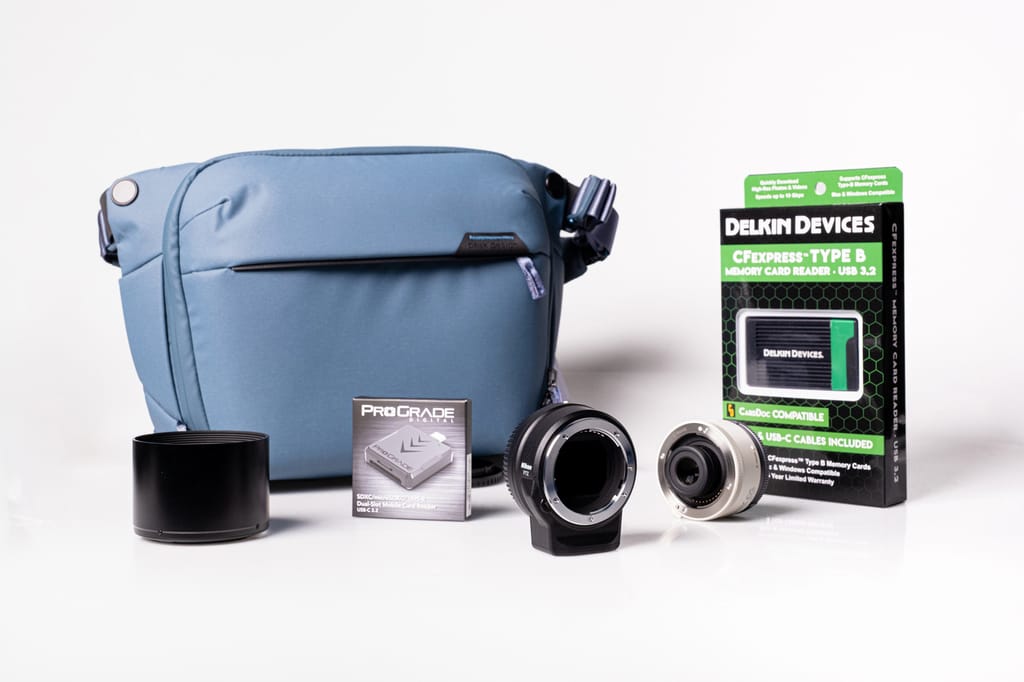
Ever packed your camera, headed out the door, and realized your spare battery is still on the charger? Or pulled out your camera only to find a full memory card, no good way to carry your gear, and a shutter speed that’s too slow to handhold?
Your camera may be the star of the show, but the right accessories can make the entire experience easier. From extra batteries and memory cards to a dependable camera bag and a tripod, a few well-chosen additions can help you stay ready, protect your gear, and spend less time troubleshooting so you can focus on shooting.
Think of this as your practical camera accessories checklist. You don’t need everything on the shelf. You need the gear that solves the problems you actually run into.
The best way to prioritize camera accessories is by what they do for your photography. Start with the gear that keeps you shooting, then add accessories that protect your equipment, make shooting easier, or expand what you can photograph.
A dead battery or a full memory card can stop a shoot before you get the shot. Extra batteries and memory cards are the first accessories to add to almost any camera kit.
Camera bags, lens and body caps, cleaning supplies, rain covers, and other protective accessories help keep your equipment in working condition wherever you take it.
A comfortable strap makes carrying your camera easier, a tripod adds stability when you need it, and a card reader can speed up your workflow when you’re moving files.
Once you’ve covered the basics, accessories like flashes, neutral density and polarizing filters, remote releases, and additional lighting can give you techniques and creative options your camera can’t provide on its own.
A good photography gear checklist isn’t about buying everything at once. It’s about filling the gaps in your setup in the order that actually matters.
These camera gear essentials cover the basics: keeping your camera powered, your images stored, your gear protected, and your setup comfortable to carry.
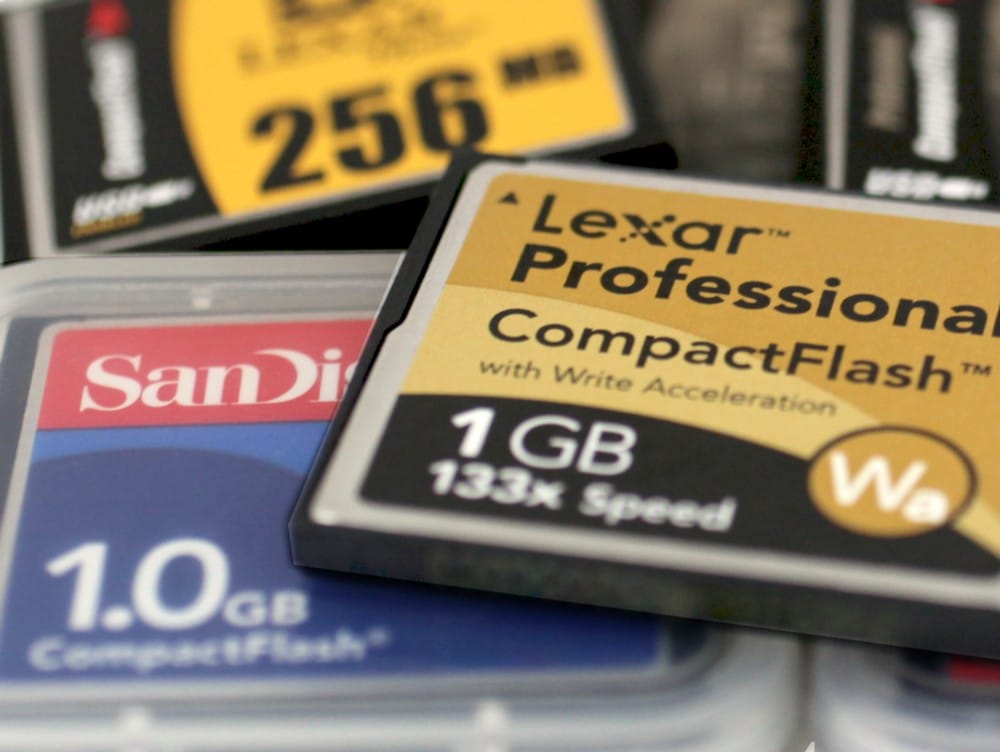
Memory cards may be small, but they’re one of the easiest things to overlook when you’re packing your gear.
It’s smart to carry more than one. If a card fills up or runs into an issue, having another ready means you can keep shooting. Multiple cards can also make it easier to organize shoots rather than putting an entire day’s worth of images on one card.
Pay attention to both capacity and write speed. If you’re shooting bursts, high-resolution RAW files, or video, you’ll want a card that can keep up with your camera. Always check your camera’s specifications to make sure the card format and speed are compatible.
And here’s a simple habit worth keeping: separate your blank cards from your full ones. A dedicated card case makes this easy, but even turning used cards around in the case can help prevent accidentally formatting the wrong one.
For photographers building a kit from scratch, a couple of reliable cards are usually a better starting point than one enormous card.
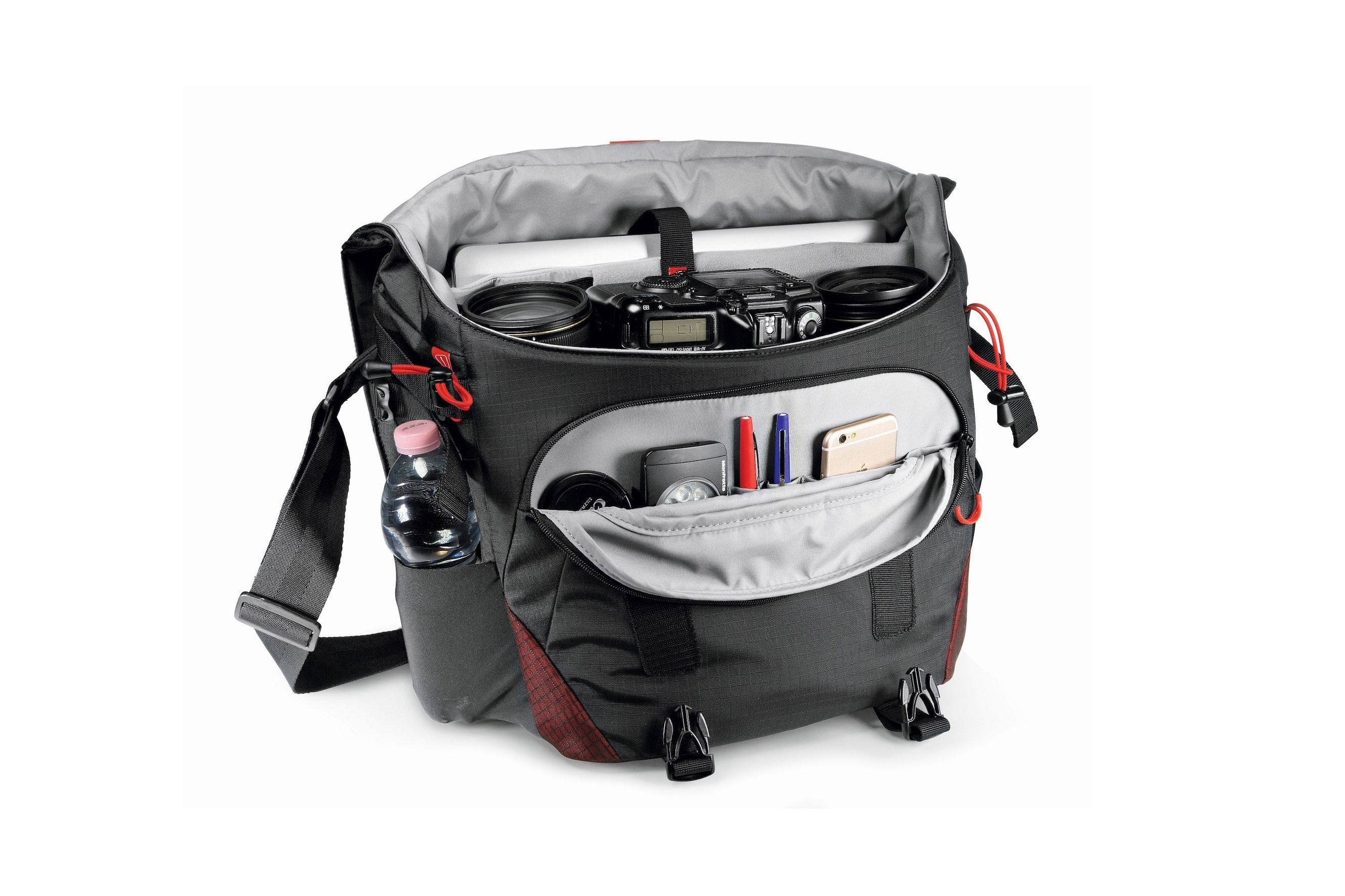
Your camera bag has two jobs: protect your gear and make it easy to get to.
The right choice depends on how much you carry and how you move. A compact shoulder bag can work well for a small street or everyday setup. A backpack makes more sense for longer walks, travel, or a larger kit. A sling can be a nice middle ground when you want quick access without committing to a full-size backpack.
Don’t automatically buy the biggest bag you can find. A bag that’s too large can encourage you to pack gear you don’t actually need, while a bag that’s too small can turn packing into a game of camera-bag Tetris.
Look for enough room for your camera, lenses, batteries, memory cards, and other essentials, with padding and organization that work for your setup.
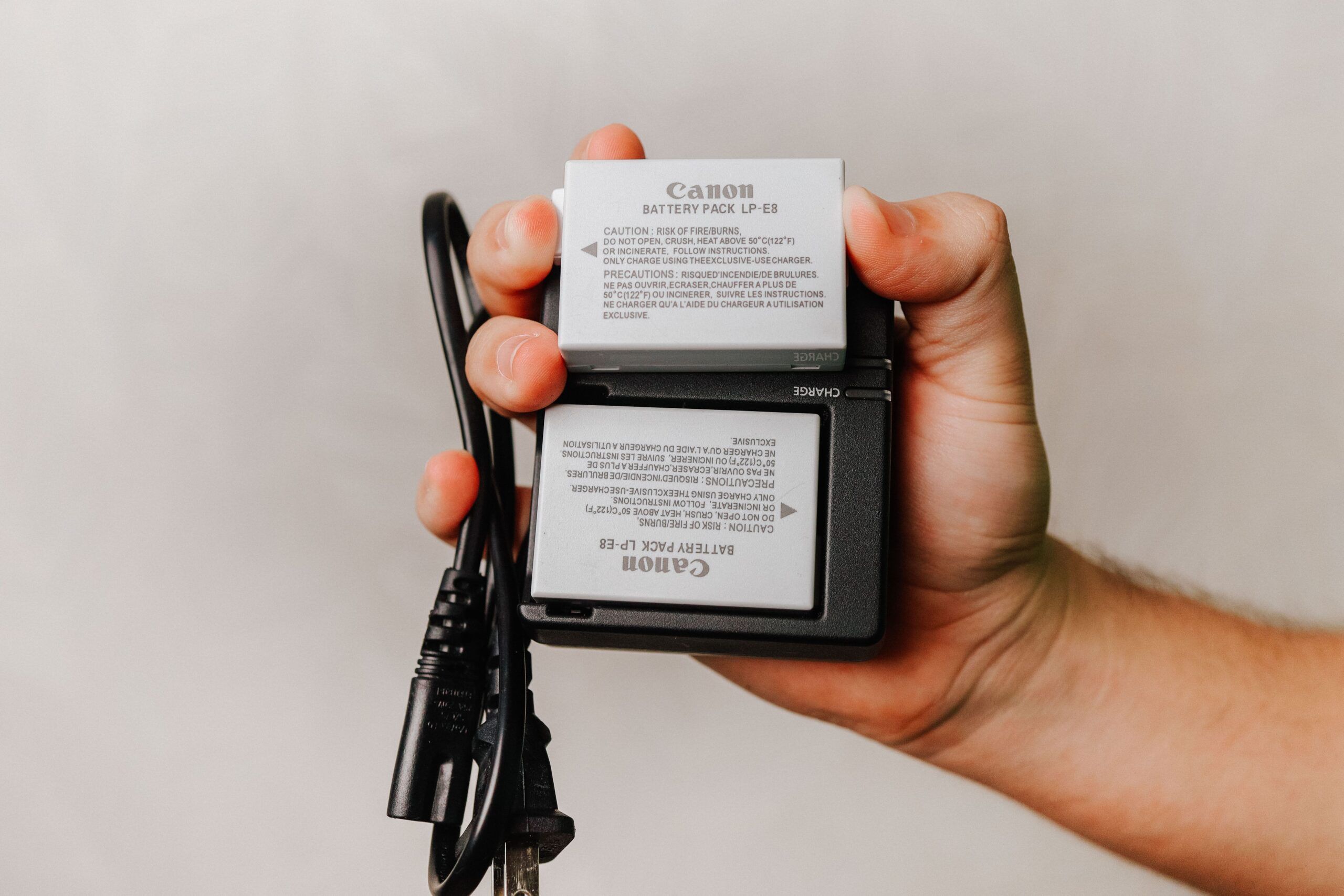
An extra battery might not be the most exciting addition to your camera bag, but it can be the difference between continuing a shoot and packing up early.
Before buying one, know the exact battery model your camera requires. Batteries aren’t universal, even within the same camera brand. The right battery depends on the specific camera model, and older cameras may use battery types that are no longer common.
You’ll also see meaningful differences between battery options:
Long shooting days, video, electronic viewfinders, image playback, cold weather, and other power-hungry features can drain a battery faster than expected. For most photographers, carrying at least one spare is a good rule.
If you’re shooting weddings, sports, wildlife, travel, or anything else that keeps you away from an outlet for hours, you may want to carry more.
The takeaway is simple: compatibility comes first. Check your camera’s manual or manufacturer specifications for the exact battery model and charging requirements before you shop.
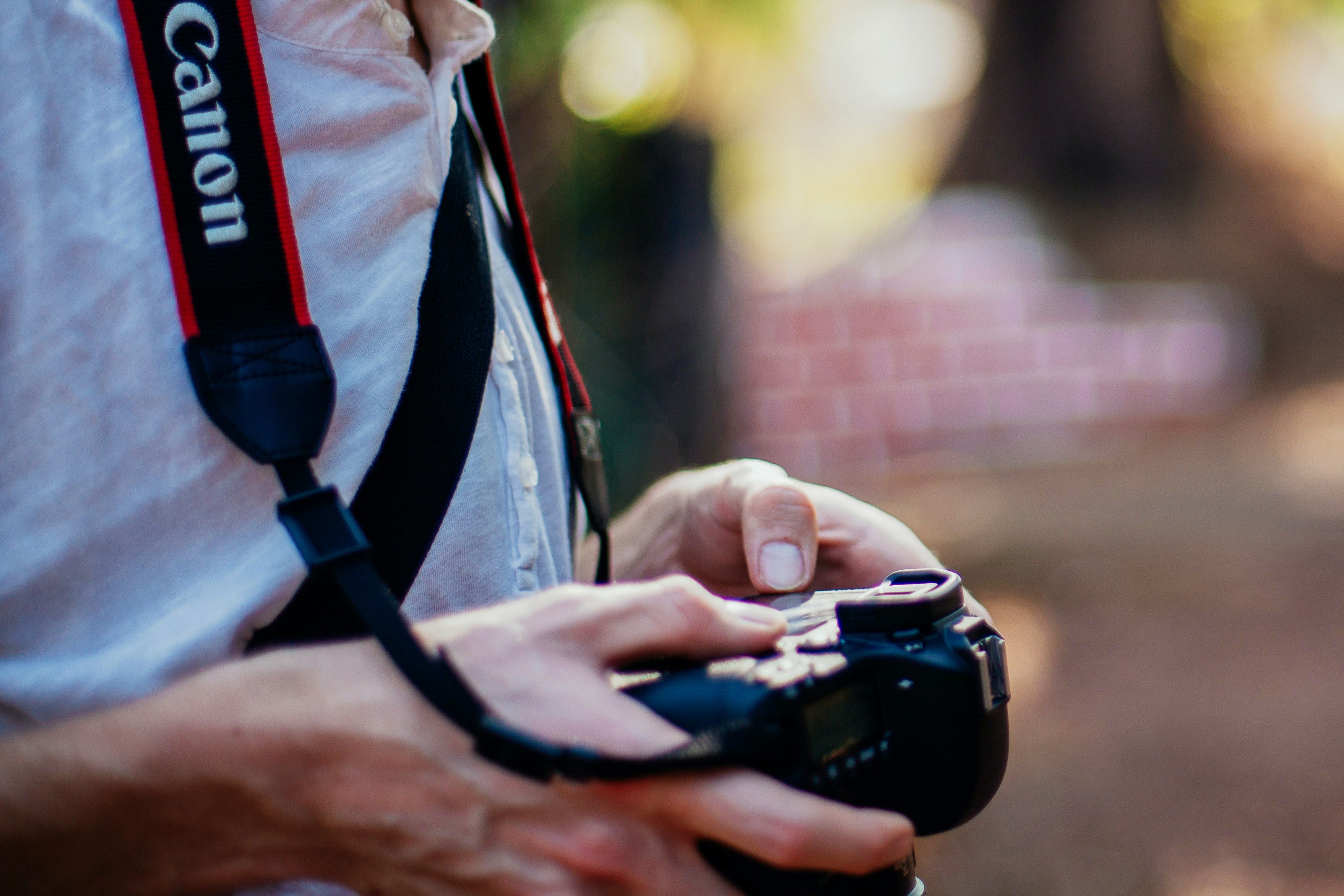
A camera strap is easy to overlook until you’re carrying a camera for several hours.
The strap that came with your camera may be perfectly functional, but a different design can make a noticeable difference in comfort and accessibility. Depending on your setup, you might prefer a traditional neck strap, a crossbody or sling-style strap, or a wrist strap for a smaller camera.
Think about the weight of your camera, how often you’re moving, and how quickly you need to access it. A wider strap can help distribute the weight of a heavier setup, while a smaller wrist strap can make sense for a compact camera.
The best strap is ultimately the one that makes carrying your camera feel less like a chore.
A little dust or a fingerprint on the front of your lens isn’t going to ruin every photo, but keeping your gear clean is still part of taking care of it.
A basic lens cleaning kit should include a blower, microfiber cloth, and lens-safe cleaning solution. A soft brush can also be useful for removing loose particles.
Start by blowing away loose dust before wiping anything. And skip the T-shirt or paper towel. Even small particles can scratch a lens surface or leave behind residue.
You don’t need an elaborate cleaning setup. A few basics tucked into your camera bag can handle most everyday messes and help keep your gear ready to go.
Photography gear gets carried through crowded streets, tossed into cars, taken on hikes, packed into luggage, and exposed to plenty of environments that aren’t exactly camera-friendly. A little protection can go a long way.
Depending on your setup and where you shoot, consider:
Protection doesn’t have to mean adding a bunch of bulky gear. Prioritize the accessories that make sense for where and how you shoot.
Not every photographer needs a tripod. But if you regularly shoot landscapes, long exposures, macro, low-light scenes, video, self-portraits, or product photography, a tripod can open up plenty of possibilities.
The key is finding one you’ll actually bring with you.
When comparing tripods, consider stability, maximum height, folded size, weight, and load capacity. A lightweight travel tripod is convenient to carry, but a larger setup may make more sense if you’re using heavier lenses or shooting in windy conditions.
Tripods are especially useful for:
If you’re new to photography, don’t feel like you need to start with the biggest, heaviest tripod available. Match it to your camera, lenses, and the places you actually shoot.
Once you’ve covered power, storage, protection, and the basics of carrying your gear, you can start adding accessories that change what your camera can do.
A few worth considering include:
The important thing is not to buy an accessory simply because someone else has it in their camera bag. Add gear when it solves a problem you regularly encounter or gives you a technique you actually want to try.
There’s no universal camera accessories checklist. The right kit depends on what you photograph, where you photograph it, and how you like to work.
A portrait photographer’s bag doesn’t need to look like a landscape photographer’s, and neither needs to look like the bag of someone who mostly photographs family and friends.
Your shooting style should determine which accessories move from “nice to have” to “need to have.” A landscape photographer may prioritize a tripod, CPL, and ND filters. An event photographer may need multiple batteries, memory cards, and quick access to their gear. A studio photographer may get more use out of lighting, a remote, and reliable file-transfer tools.
Building a camera kit can add up quickly, especially when you’re buying the camera, lenses, and accessories all at once. Shopping pre-owned can be a practical way to get more from your budget and build your setup over time.
Accessories like camera bags, tripods, flashes, straps, grips, and filter systems can be particularly useful to shop pre-owned. You may also find discontinued accessories that are a good match for older cameras and lenses.
The most important thing is compatibility.
Batteries, chargers, flashes, grips, remote releases, and filters aren’t universal. Before buying, confirm the exact camera model, battery type, lens filter thread size, connection type, or other specifications required by your setup.
This matters even more with older gear. A discontinued camera may require a battery, charger, flash, or other accessory that’s no longer used on current models. The accessory may look right, but the specifications are what determine whether it actually works with your setup.
It’s also worth paying attention to the condition and what’s included with the item. A tripod may need its quick-release plate. A camera bag may have a removable padded insert. A flash may require specific accessories to work with your system.
KEH Certified™ pre-owned gear is inspected and comes with a 180-day warranty, giving you added confidence when you’re building your kit piece by piece.
And that’s really the point of shopping pre-owned: getting the gear you need without automatically paying the price of new.
Explore why KEH is the best place to buy pre-owned.
The easiest way to overfill a camera bag is to shop for the photographer you think you’ll become instead of the photographer you are right now.
Maybe someday you’ll shoot landscapes every weekend, build a home studio, or start making videos. That’s great. But your current kit should first make your current photography easier.
A simple buying order can help:
This approach keeps your gear practical and your bag manageable. After all, the best camera accessory isn’t much help if it’s sitting at home because your bag is too heavy to carry.
A good camera kit isn’t about owning every accessory available. It’s about having the right tools when you need them.
Start with the things that can stop you from shooting: power and storage. Then protect your equipment, make carrying and shooting easier, and add accessories that expand what you can photograph.
When shopping pre-owned, compatibility deserves just as much attention as price or condition. Know the exact camera, battery, lens, and accessory specifications you’re working with before you buy.
Whether you’re adding a spare battery, upgrading your camera bag, or finally picking up that tripod you’ve been thinking about, focus on gear you will actually use.
Your camera captures the image. The right accessories help you stay ready for it.
Start with the basics: an extra camera battery, memory cards, a camera bag, a camera strap, and a lens cleaning kit. These cover the biggest everyday needs: staying powered, storing your images, protecting your gear, and carrying it comfortably.
Start with at least one spare battery, a compatible memory card, basic protection, and a comfortable way to carry your camera. If you’re planning to shoot landscapes, low-light scenes, video, or self-portraits, a tripod may also be worth adding early.
Not necessarily. A tripod is most useful for long exposures, low-light photography, macro, landscapes, video, and situations that require consistent framing. If you primarily shoot handheld in good light, you may not need one right away.
At least two is a good starting point: one in your camera and one spare. If you’re shooting events, traveling, working in cold weather, or recording video, carrying additional batteries can give you more flexibility. Most importantly, make sure you have the correct battery model for your camera before buying a spare.
At least two is a good idea, even for casual shooting. Carrying multiple cards gives you flexibility if one fills up or has an issue, and many photographers prefer several medium-capacity cards over relying on one very large card.
Yes. Pre-owned accessories can be a great way to get more value from your budget, particularly for durable gear like camera bags, tripods, straps, flashes, and other support equipment. Just make sure the item is compatible with your setup and check its condition and included components.
Start with compatibility. Make sure the accessory works with your exact camera, lens, or system. For batteries and chargers, confirm the exact battery model and charging method. For filters, check the lens filter thread size. For flashes, grips, remotes, and other electronic accessories, verify the specific system and connection requirements.
Then review the condition, included components, and any relevant wear. For items with moving or electronic parts, pay particular attention to connections, locks, zippers, tripod legs, plates, and other points that affect functionality.