You
have no items in your shopping cart.
The Pros And Cons Of Full-Frame Vs. Crop Sensor Cameras
October 30, 2026
1 min read

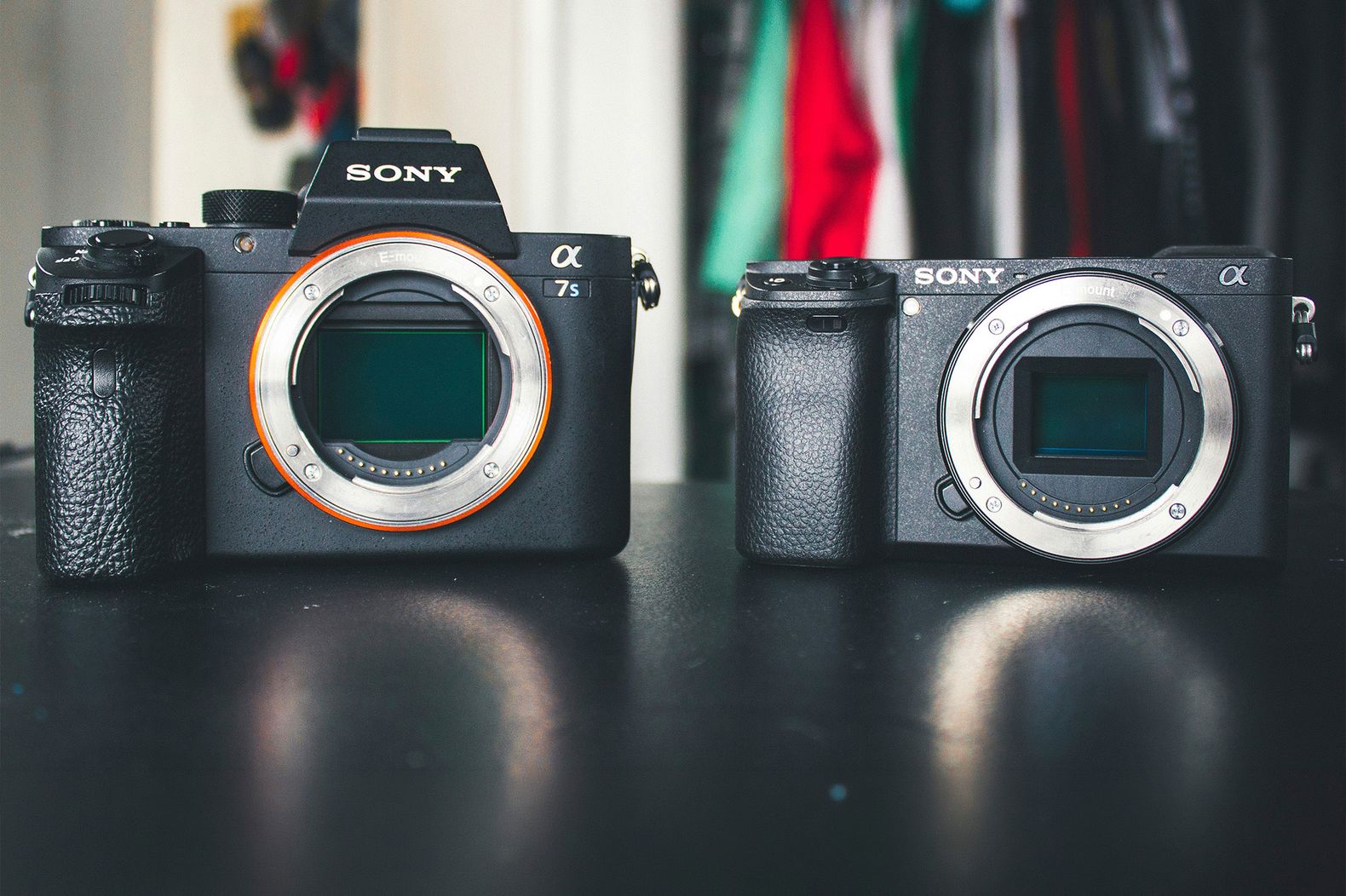
full-frame or APS-C camera. Full-frame models often get the spotlight for image quality and low-light performance, but APS-C cameras offer plenty of capability, a smaller footprint, and a more affordable way to build a serious camera kit.
The right choice comes down to what you shoot, which lenses you need, how much you’re willing to spend, and what you want from your gear over the next few years. A full-frame camera can be worth the investment if its advantages solve a real problem in your photography. An APS-C camera can be the smarter buy if it gives you the features and performance you need without the extra cost and weight.
Here’s how to compare the two formats, what each does best, and how to choose a camera system you’ll actually want to use.
If you’re comparing cameras and want a starting point, here’s the short version:
| If you prioritize… | Start with… | Why |
| Weddings, events, and low-light photography | Full-frame | More potential for clean high-ISO images, depending on the camera and lens |
| Portraits with pronounced background blur | Full-frame | More flexibility for shallow depth of field at comparable framing |
| Wildlife and outdoor sports | APS-C | The narrower field of view can help distant subjects fill the frame |
| Travel and everyday photography | APS-C | Often offers a smaller, lighter, more affordable kit |
| Landscapes and architecture | Either | Both can deliver excellent results; lens selection and shooting conditions matter |
| Learning photography on a budget | APS-C | Leaves more room in your budget for lenses and accessories |
| Building a professional kit for demanding assignments |
Full-frame, depending on your work | Can provide useful low-light and depth-of-field advantages, along with extensive lens options |
If you’re comparing cameras and want a starting point,here’s the short version. There are starting points, not hard rules. A full-frame camera can be excellent for wildlife, and an APS-C camera can handle professional portrait work. Your specific camera, lenses, and shooting conditions matter more than the label on the box.
A full-frame sensor measures approximately 36mm x 24mm, roughly matching the size of a frame of 35mm film. APS-C sensors are smaller, typically using a crop factor of around 1.5x on many camera systems and 1.6x on Canon APS-C bodies.
That difference affects the field of view you get from a lens. It also influences the size of the camera system, depth-of-field options, and potential low-light performance.
A smaller sensor isn’t automatically a lower-quality sensor. Camera generation, resolution, lens quality, exposure, and processing all affect the final image. Modern APS-C cameras can produce detailed, professional-quality photographs.
The important distinction is what each format offers for the way you shoot.
Full-frame cameras make the most sense when you can put their advantages to work. If you’re photographing weddings, working in dim venues, shooting portraits with soft backgrounds, or regularly editing challenging exposures, the extra flexibility can be valuable.
Low-light performance
Full-frame sensors often capture more total light than smaller sensors at comparable framing and exposure settings. This can translate into cleaner images at high ISO settings and more flexibility when working in dim conditions.
For wedding receptions, concerts, indoor events, and night photography, that extra margin can make a difference. However, a fast lens, effective stabilization, and the camera’s generation also play major roles.
Background blur and subject separation
Full-frame makes it easier to achieve shallow depth of field at comparable framing and aperture. If you want portraits with pronounced background blur or a subject that stands apart from a busy scene, this can be a real advantage.
Wide-angle photography
A lens gives you a wider field of view on full-frame than it does on APS-C at the same focal length. This can be useful for landscapes, architecture, interiors, and environmental portraits, where you need to fit more into the frame.
Room to build a larger system
Full-frame systems often offer extensive selections of professional lenses, including fast primes, specialized wide-angle options, and high-performance zooms. If you know you need that range, investing in the system can make sense.
The body price is only part of the investment. Full-frame lenses can be more expensive, and fast zooms or telephoto lenses can add considerable weight. Higher-resolution models may also require more storage and processing power.
Before upgrading, price out the entire kit you need, not just the camera body. A full-frame camera with an entry-level lens may not give you the results you expect, while an APS-C camera paired with a well-chosen lens could be a better fit for your work.
Browse digital cameras at KEH to compare available camera options and put your budget toward the features that matter most.
APS-C cameras are a strong choice for photographers who want capable gear without committing to a larger, more expensive system. They’re especially appealing for travel, wildlife, everyday photography, and anyone building a kit from scratch.
More camera for your budget
APS-C bodies and lenses are often less expensive than their full-frame counterparts. That can leave money for a better lens, an extra battery, a tripod, or lighting equipment that directly improves your photographs.
A lighter, more portable kit
Many APS-C systems pair compact camera bodies with smaller lenses. If you spend all day walking, travel frequently, or prefer to keep your camera close at hand, that difference matters. The best camera is one you have with you when the moment happens.
Tighter framing for distant subjects
The crop factor gives you a narrower field of view with the same focal length. For wildlife and field sports, that can help a subject occupy more of the frame without immediately investing in a longer lens.
More depth of field at comparable framing and aperture
APS-C can make it easier to keep more of a scene in focus at similar framing and aperture. That can be useful for travel, documentary photography, macro work, and situations where you want more detail across the frame.
You may have less flexibility in very low light than with a comparable full-frame setup, and achieving the same wide-angle framing or shallow depth of field may require different lenses.
Lens selection also varies by manufacturer. Some systems have extensive APS-C lens lineups, while others emphasize full-frame products. Check what’s available for the camera you’re considering before committing to a mount.
None of this makes APS-C a compromise by default. If the format meets your needs, there’s little reason to spend more just to move up a sensor size.
Not automatically. Full-frame has advantages in certain conditions, but sensor size alone doesn’t determine how good a photograph looks.
Consider the entire setup:
Full-frame may offer more flexibility when you’re pushing ISO or recovering detail from difficult exposures. But if you’re primarily photographing in daylight, sharing images online, or making standard-size prints, a capable APS-C camera may deliver everything you need.
Don’t upgrade because someone says your sensor is holding you back. Upgrade when you can identify what your current camera isn’t doing well enough.
Crop factor is one of the most practical differences between full-frame and APS-C, especially when shopping for lenses.
A lens’s focal length doesn’t change when you mount it on a crop sensor camera. Instead, the smaller sensor captures a narrower portion of the image, giving you a tighter field of view.
On a 1.5x APS-C camera, a 50mm lens frames similarly to a 75mm lens on full-frame. On a Canon APS-C body with a 1.6x crop factor, it frames similarly to an 80mm lens on full-frame.
Here’s how that works with common focal lengths:
| Actual Focal Length | Field of view equivalent on 1.5x APS-C | Common Uses |
| 16mm | 24mm | Landscapes, travel, interiors |
| 24mm | 36mm | Street photography, everyday shooting |
| 35mm | 52.5 mm | General photography, portraits |
| 50mm | 75mm | Portraits, details |
| 200mm | 300mm | Wildlife, outdoor sports |
These equivalents describe field of view, not a change in the lens’s physical focal length.
For wildlife photographers, the tighter framing can be useful. For real estate photographers or anyone who loves ultra-wide landscapes, it means checking that the APS-C system offers a lens wide enough for the shot.
When comparing systems, look at the lenses available for each mount. The right focal lengths can make a bigger difference to your everyday shooting than the sensor format alone.
Your main subject is one of the best ways to narrow down your options. Here’s where each format tends to make the most sense.
Start with full-frame if low light and pronounced background blur are priorities.
Full-frame is a popular choice for portrait photographers because it offers flexibility with shallow depth of field and a wide range of portrait lenses. It’s also useful for wedding photographers moving between bright outdoor ceremonies and dim receptions.
An 85mm lens is a classic full-frame portrait option. APS-C photographers can get excellent results with fast primes, including 30mm, 35mm, 50mm, and 56mm options, depending on the framing they want.
If you’re shooting portraits for clients, don’t overlook lighting, autofocus reliability, and lens selection. Those choices matter on either format.
Choose based on your lens needs, dynamic range requirements, and print goals.
Full-frame offers convenient wide-angle framing and can provide extra editing flexibility in demanding light. That’s useful when you’re balancing bright skies against shadowed foregrounds.
APS-C remains a capable landscape option, especially with a good wide-angle lens, a tripod, and careful exposure. If you mostly shoot in daylight and don’t need the widest possible field of view, full-frame may not offer enough of an advantage to justify the added cost.
Give APS-C a serious look if reach and portability matter.
A 400mm lens on a 1.5x APS-C body provides a field of view similar to a 600mm lens on full-frame. That tighter framing can be valuable when photographing birds, distant wildlife, or action from the sidelines.
Full-frame can still be an excellent choice, particularly for fast-moving subjects in low light. Autofocus tracking, burst rate, buffer capacity, and lens performance are also critical for action photography.
Compare those specifications alongside sensor size before making your decision.
APS-C is often the practical choice for a lightweight kit.
If you spend your time walking through cities, hiking, photographing family gatherings, or documenting everyday life, a compact camera and a few small lenses can be easier to carry.
Full-frame makes sense if you regularly photograph night scenes, want more control over background blur, or rely on wide-angle lenses. Just be honest about how much gear you’re willing to bring along.
Compare the actual video features rather than choosing by sensor size.
Both full-frame and APS-C cameras can be excellent for hybrid photo and video work. Look at resolution, frame rates, autofocus, stabilization, recording limits, heat management, and available lenses.
Full-frame can offer more flexibility for shallow depth of field and low-light scenes. APS-C can make it easier to build a compact setup, particularly if you’re also carrying audio equipment, a monitor, or other accessories.
Your recording requirements should determine which camera makes sense.
Knowing which sensor size suits your photography is one thing. Finding the right camera is the next step. These models are good starting points across several major brands, whether you’re building your first kit or upgrading your current setup.

With a 40.2MP sensor, in-body image stabilization, and dedicated exposure dials, the X-T5 is a strong choice for landscape, travel, street, and everyday photography. It’s particularly appealing if you want high resolution without moving to a full-frame system.

The a6700 combines a 26MP APS-C sensor with advanced subject recognition, strong autofocus, and capable video features. It’s worth considering if you photograph moving subjects or want one camera for both stills and video.
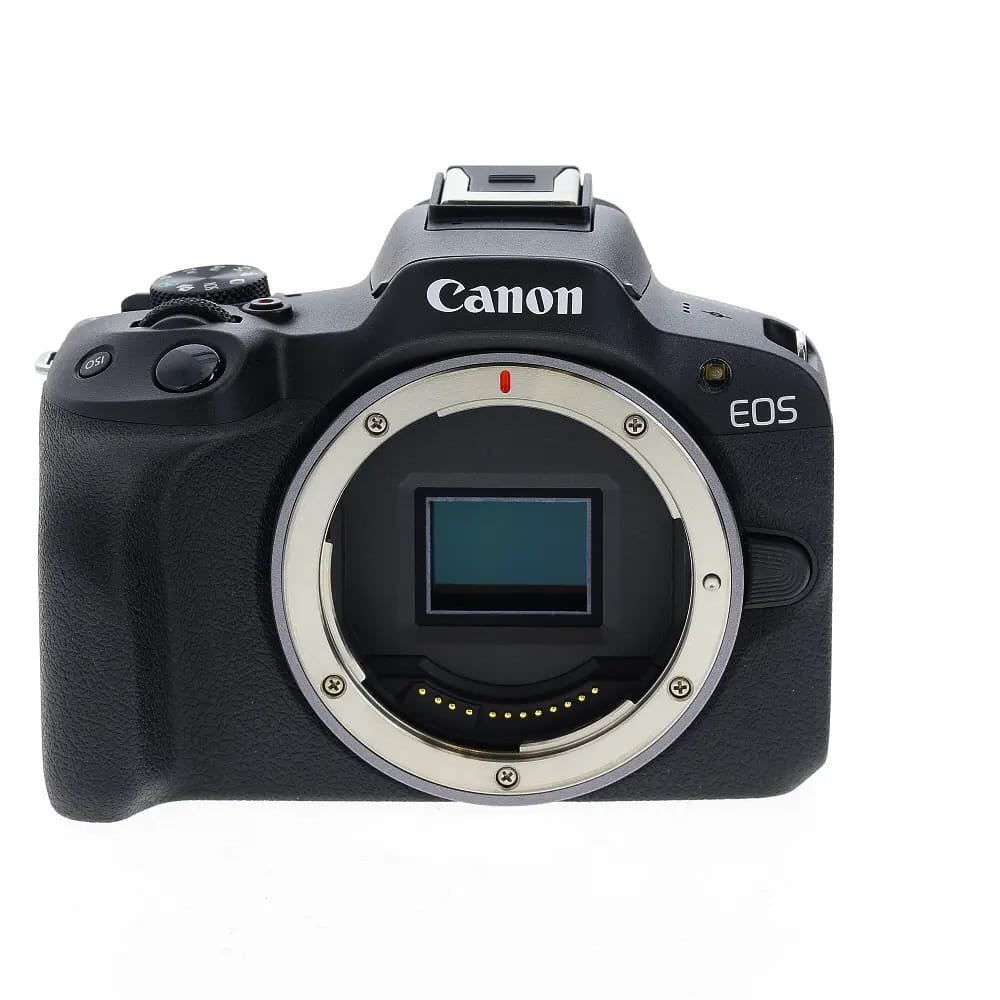
The EOS R50 offers a 24.2MP APS-C sensor, effective subject detection, and an approachable design. It’s a practical starting point for travel, family photography, and learning to work with interchangeable lenses.
Best Full-Frame Cameras to Consider
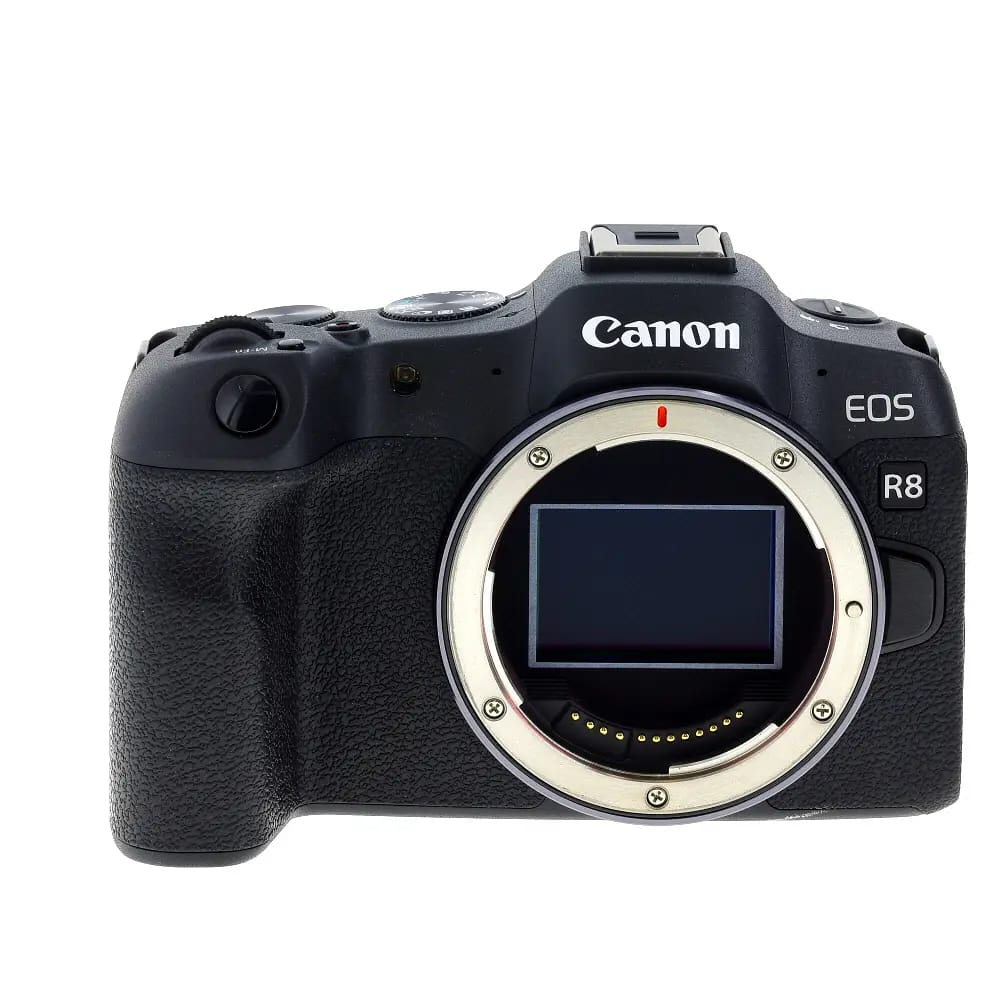
The EOS R8 pairs a 24.2MP full-frame sensor with capable autofocus in a relatively lightweight body. It’s a good option for portraits, events, and hybrid shooting if you want full-frame performance without carrying a larger professional body.
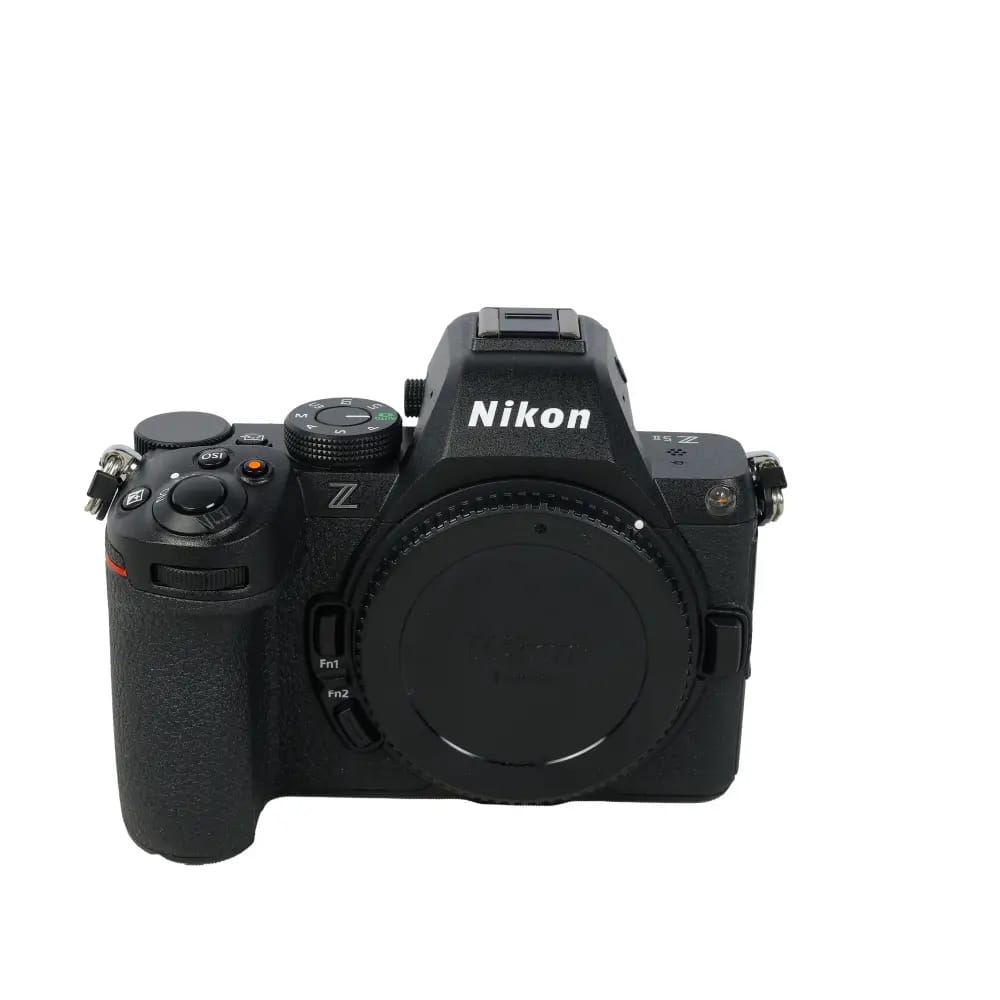
The Z5II combines a 24.5MP full-frame sensor, in-body image stabilization, and modern subject-detection autofocus. It suits photographers who want a versatile camera for portraits, landscapes, travel, and everyday work.
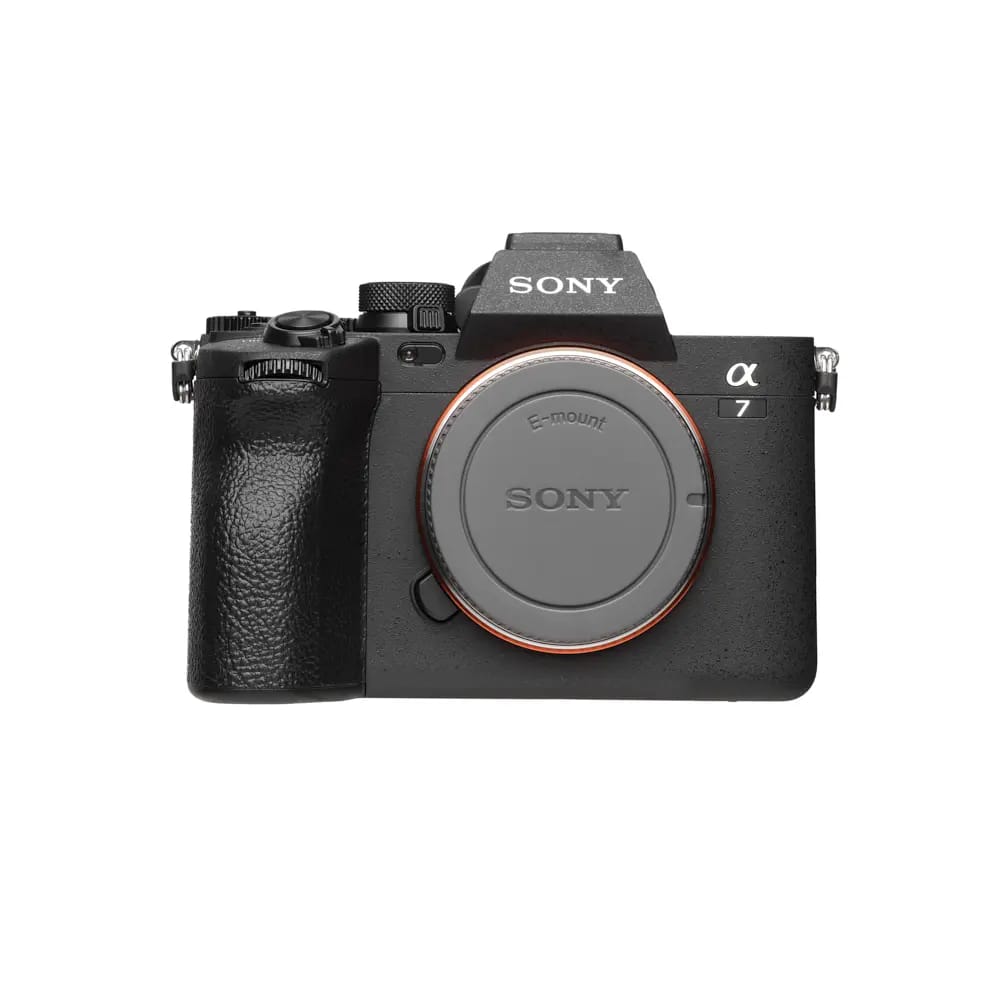
With a 33MP full-frame sensor, the a7 IV offers a useful balance of resolution, still-image performance, and video capabilities. It’s worth a look if you shoot portraits, commercial work, events, or content that needs to work across multiple formats.
Not necessarily. If your current APS-C camera produces the images you need, changing formats may be an expensive way to solve a problem that doesn’t exist.
An upgrade is worth considering when you can point to a specific limitation, such as:
Before making the switch, check which lenses you already own. Some APS-C lenses won’t cover a full-frame sensor, while others may force the camera into a crop mode. Full-frame lenses can often be used on compatible APS-C bodies, but compatibility depends on the camera mount and lens.
If you’re planning a gradual upgrade, buying compatible full-frame lenses for your current system may be an option. Just weigh that future flexibility against the extra size and cost.
A camera body is only one part of the kit. Before you buy, price out the gear you’ll need to do the work you actually want to do.
Use this checklist to make the decision:
If you’re starting from scratch, don’t spend your entire budget on the most expensive body you can afford. A well-matched camera-and-lens combination will serve you better than a premium body paired with glass that doesn’t suit your work.
Full-frame and APS-C both have a place in a photographer’s kit. The right choice depends on the advantages you need, the lenses you plan to use, and the budget you want to maintain.
Choose full-frame if low-light flexibility, shallow depth of field, wide-angle coverage, or specific professional features make a meaningful difference to your photography.
Choose APS-C if you want strong image quality in a more affordable, portable setup, particularly for travel, wildlife, sports, everyday photography, or learning the craft.
And if you’re already shooting with APS-C, don’t treat full-frame as an automatic next step. Spend your money where it will make the biggest difference to your images.
No. Full-frame can offer advantages in low-light performance, dynamic range, and shallow depth of field, but APS-C can be the better choice for portability, affordability, and tighter framing with telephoto lenses. The best format is the one that meets your needs.
Yes. APS-C cameras are capable of professional-quality results across portrait, wildlife, sports, travel, and commercial photography. Choose a body with the autofocus, resolution, and other features your work requires, and pair it with the right lenses.
No. The physical focal length stays the same. A crop sensor captures a narrower field of view, making a 50mm lens frame similarly to a 75mm lens on full-frame with a 1.5x crop factor.
Full-frame often has an advantage because its larger sensor can capture more total light at comparable framing and exposure settings. However, sensor generation, lens aperture, stabilization, subject movement, and exposure all affect low-light results.
APS-C is an excellent starting point for many beginners because it typically costs less and offers a lighter system. Full-frame can also be a good first camera if its advantages suit your photography and fit your budget. Neither format is a requirement for learning photography.
It depends on the lens mount and camera system. Some APS-C lenses are compatible with full-frame bodies but may trigger a crop mode or fail to cover the entire sensor. Check compatibility before upgrading.
Upgrade when full-frame solves a specific limitation in your current setup, such as low-light performance, depth-of-field control, or lens availability. If your current camera meets your needs, investing in a better lens or lighting setup may deliver more noticeable results.