You
have no items in your shopping cart.
Accessories Every Photographer Needs Before the Holidays
October 27, 2026
1 min read

The holidays put your camera gear to work. You’re shooting family portraits in dim living rooms, catching candid moments between courses, photographing holiday lights after dark, or packing for a winter getaway. The last thing you need is a dead battery, a full memory card, or a tripod that can’t handle your setup.
The right camera accessories help you spend less time troubleshooting and more time shooting. Some belong in every camera bag, while others are worth adding based on what you’re photographing. Here’s what to pack before the holiday rush, plus how to choose gear that fits your plans and budget.
Before you shop, start with the gear that solves your biggest problems. You don’t need all ten accessories to take great holiday photos.
| Accessory | Priority | Best For |
| Extra batteries | Essential | Long shooting days, travel, and cold weather |
| Memory cards | Essential | Family gatherings, events, and travel |
| Camera bags | Essential | Protecting and organizing your gear |
| Tripod | Situational | Night scenes, landscapes, and posed group photos |
| Lens filters | Situational | Managing reflections and protecting against certain environmental hazards |
| External flash | Situational | Indoor portraits and dimly lit gatherings |
| Cleaning kit | Essential | Keeping lenses and viewfinders clear |
| Camera strap or harness | Situational | All-day shooting and heavier setups |
| Card reader & backup storage | Essential for travel and paid work | Protecting and transferring images |
Shop Smarter: Identify the accessories your current kit is missing before buying anything new. Browse camera accessories at KEH to find options for your setup, including KEH Certified™ pre-owned gear.
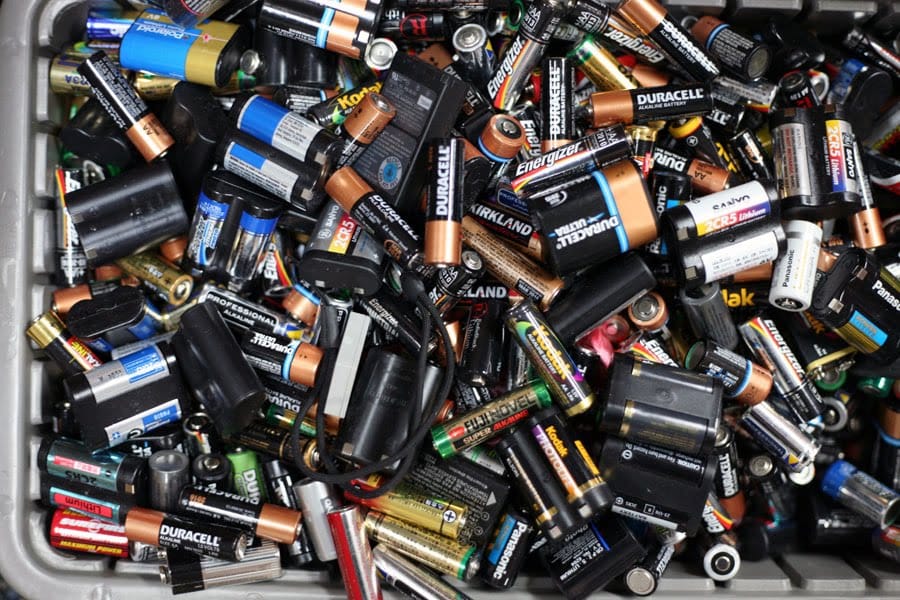
A battery that dies halfway through Thanksgiving dinner is a pretty good reason to keep a spare in your bag.
Cold temperatures can reduce battery performance, while video recording, electronic viewfinders, image review, and long shooting sessions can drain power. If you’re photographing a family gathering, traveling all day, or covering a holiday event, bring at least one fully charged spare. Two or more may make sense for longer assignments or trips without convenient charging.
Start with camera batteries compatible with your exact camera model. Similar-looking batteries aren’t necessarily interchangeable, and third-party options can vary in communication and performance.
If you buy a pre-owned battery, choose a reputable seller that evaluates and grades its inventory. Check its condition, charging behavior, and fit before relying on it for an important shoot. Test every battery before leaving home, and keep spares somewhere protected from extreme cold.
Best For: Every photographer, especially anyone shooting all day or traveling during winter.
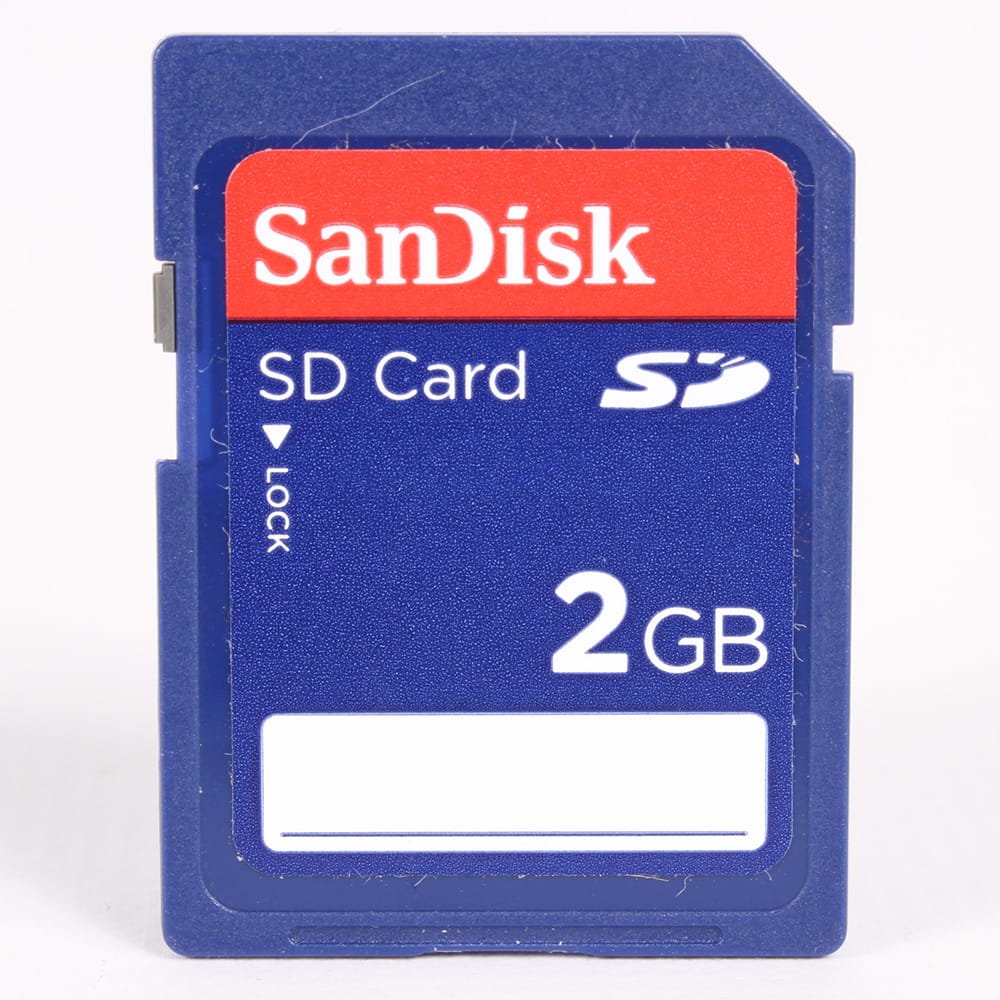
Between family portraits, candid moments, video clips, and bursts of action, holiday shoots can fill a memory card faster than expected. Bring enough storage for your planned shooting, plus a spare in case a card fills up or develops a problem.
A few things matter when choosing memory cards:
If your camera has dual card slots, check whether it can record the same images to both cards simultaneously. That provides an additional layer of protection for important work. For travel, transfer your images to a separate storage device whenever possible.
Format cards in-camera after confirming that existing files are safely backed up. Label cards if you rotate between several, and keep exposed cards separate from empty ones.
Best For: Everyone, particularly travelers, event photographers, and anyone shooting high-resolution images or video.
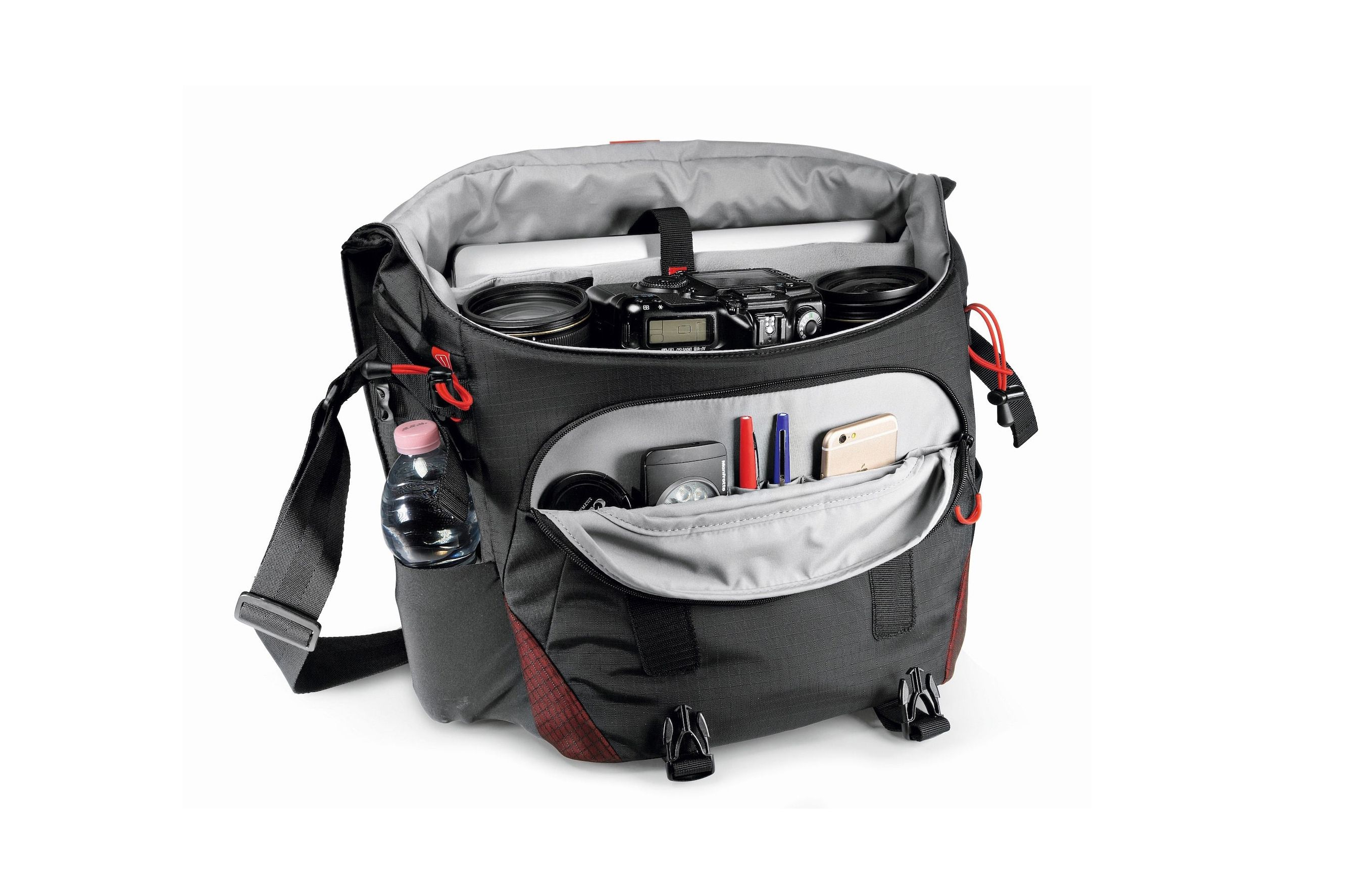
A good camera bag protects your equipment and keeps everything accessible. The right one should fit your camera, lenses, batteries, memory cards, charger, and other essentials without forcing you to carry unnecessary weight.
Choose a bag based on the day ahead:
Look for padded compartments, secure closures, comfortable straps, and weather-resistant materials. If you’re traveling by air, check your airline’s carry-on requirements and make sure your camera gear fits comfortably.
Browse camera bags and cases to find a setup that works for your equipment and travel plans.
Best For: Every photographer who needs to carry or transport gear regularly.
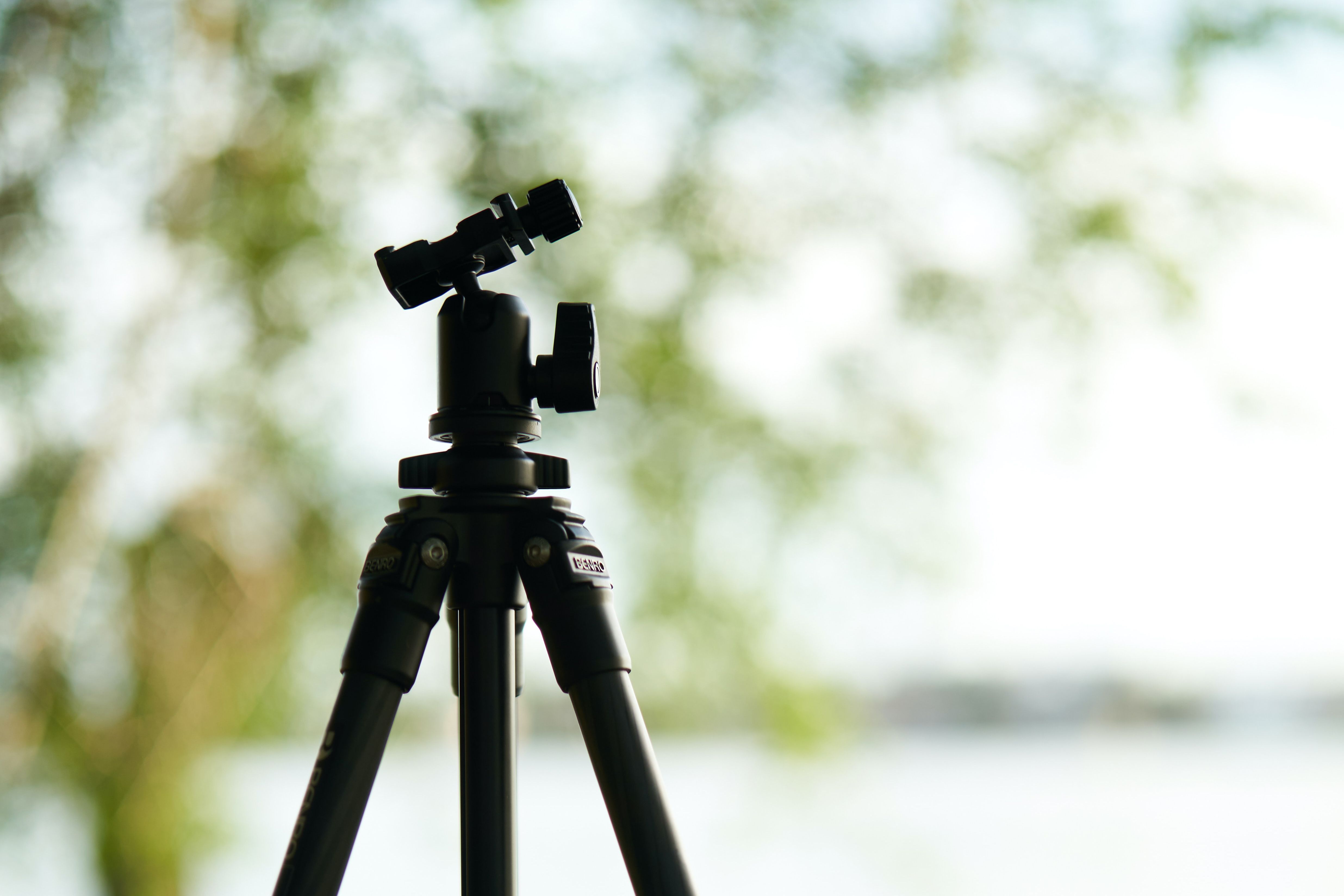
Holiday lights, candlelit dinners, snowy landscapes, and evening decorations can all challenge your camera in low light. A tripod keeps your camera steady, allowing you to use slower shutter speeds when photographing stationary subjects.
That can help you capture a nighttime light display, photograph a family group with everyone posed, or create a long exposure of a winter street scene.
Tripods aren’t a fix for every low-light situation, though. If people are moving, a slow shutter speed can still produce motion blur even when the camera is perfectly steady. For candid family moments or active children, a faster shutter speed, a wider aperture, or additional light may be more useful.
When choosing a tripod, consider its weight, folded size, maximum height, head style, and load capacity. Make sure it can safely support your camera and heaviest lens together.
For travel, a compact tripod may be worth the trade-off in stability. For studio work or heavier equipment, a larger, sturdier model is usually the better choice.
Explore tripods and monopods to find support for your shooting style.
Best For: Night photography, landscapes, posed group portraits, and long exposures.
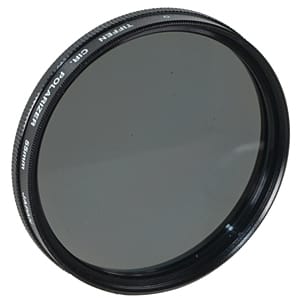
Not every photographer needs a collection of filters, but the right one can make a noticeable difference in certain conditions.
A circular polarizer reduces reflections on nonmetallic surfaces, such as windows and water, and can deepen skies depending on the angle of the light. It’s useful when photographing holiday displays behind glass or capturing outdoor scenes with reflective surfaces.
Neutral density filters reduce the amount of light reaching the sensor. They’re helpful when you want a slower shutter speed in bright conditions, such as creating motion blur in a daytime travel scene.
Clear and UV filters are sometimes used to protect a lens’s front element from dust, fingerprints, and minor environmental exposure. However, they aren’t necessary for every lens, and adding one can introduce reflections or reduce image quality. A lens hood and a well-fitting lens cap are also useful forms of protection.
Before buying, check your lens’s filter thread diameter. It is usually marked on the lens or indicated by the diameter symbol followed by a number, such as Ø67mm. Step-up rings can let you use a larger filter on multiple lenses.
Shop lens filters at KEH if your holiday plans call for more control over light or reflections.
Best For: Outdoor travel photography, reflective scenes, and photographers with a specific creative goal.
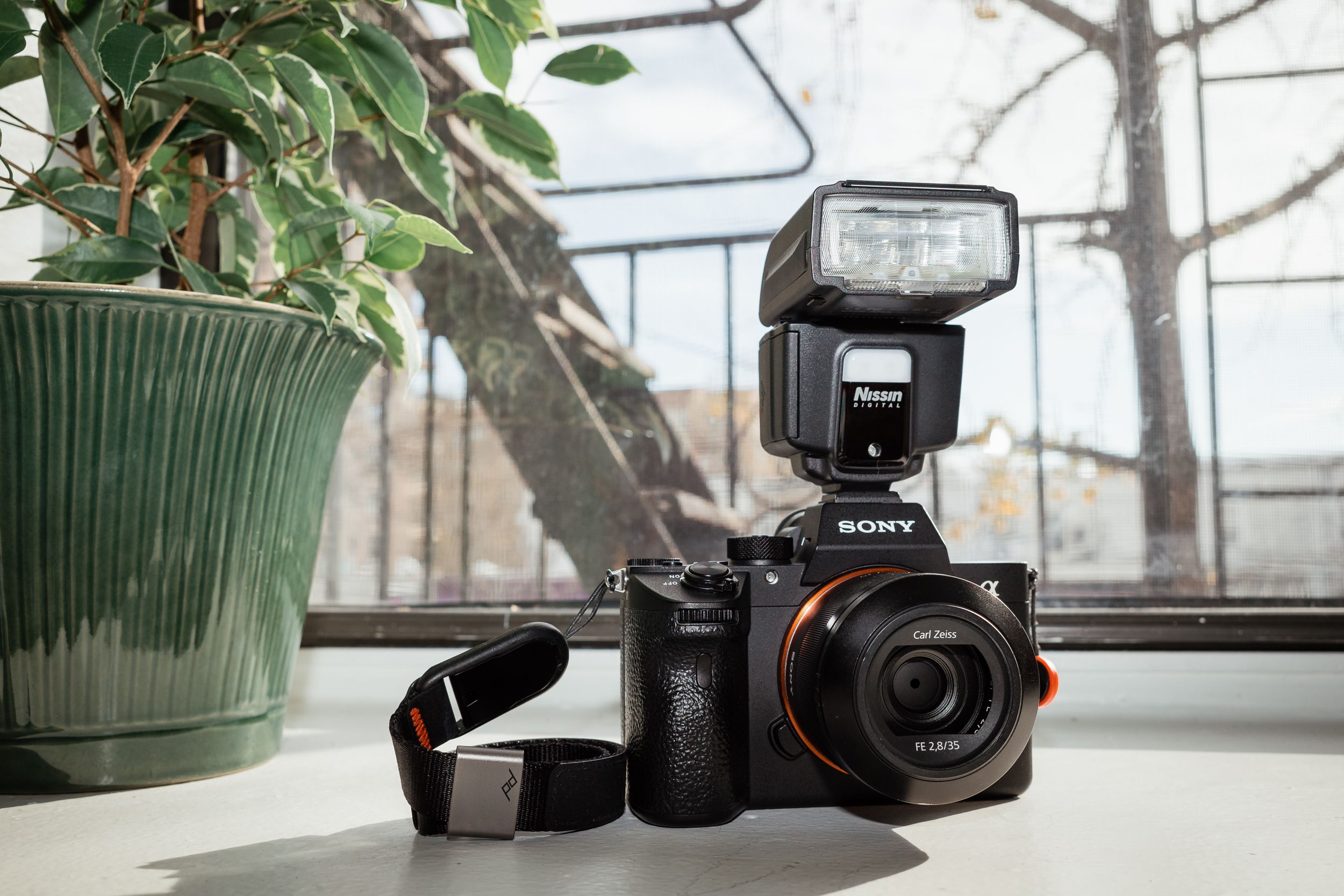
Holiday gatherings often combine dim rooms, overhead lighting, and bright decorations. That mix can leave portraits with harsh shadows, uneven skin tones, or motion blur.
An external flash gives you more control over the light. Models with a tilting or swiveling head can bounce light off a suitable ceiling or wall, creating softer illumination than pointing the flash directly at your subject. When bounce flash isn’t possible, a diffuser or other appropriate modifier may help, depending on the setup.
Before buying, confirm compatibility with your camera. TTL metering, high-speed sync, and other advanced features depend on the camera and flash system working together. A flash that physically fits your camera’s hot shoe may not support every function.
For family portraits, a compatible flash with bounce capability is a practical starting point. For paid sessions, consider whether you need off-camera flash, a wireless trigger, or more powerful lighting.
Browse on-camera lighting to find a flash that matches your camera and shooting needs.
Best For: Indoor portraits, family gatherings, and event photography in challenging light.
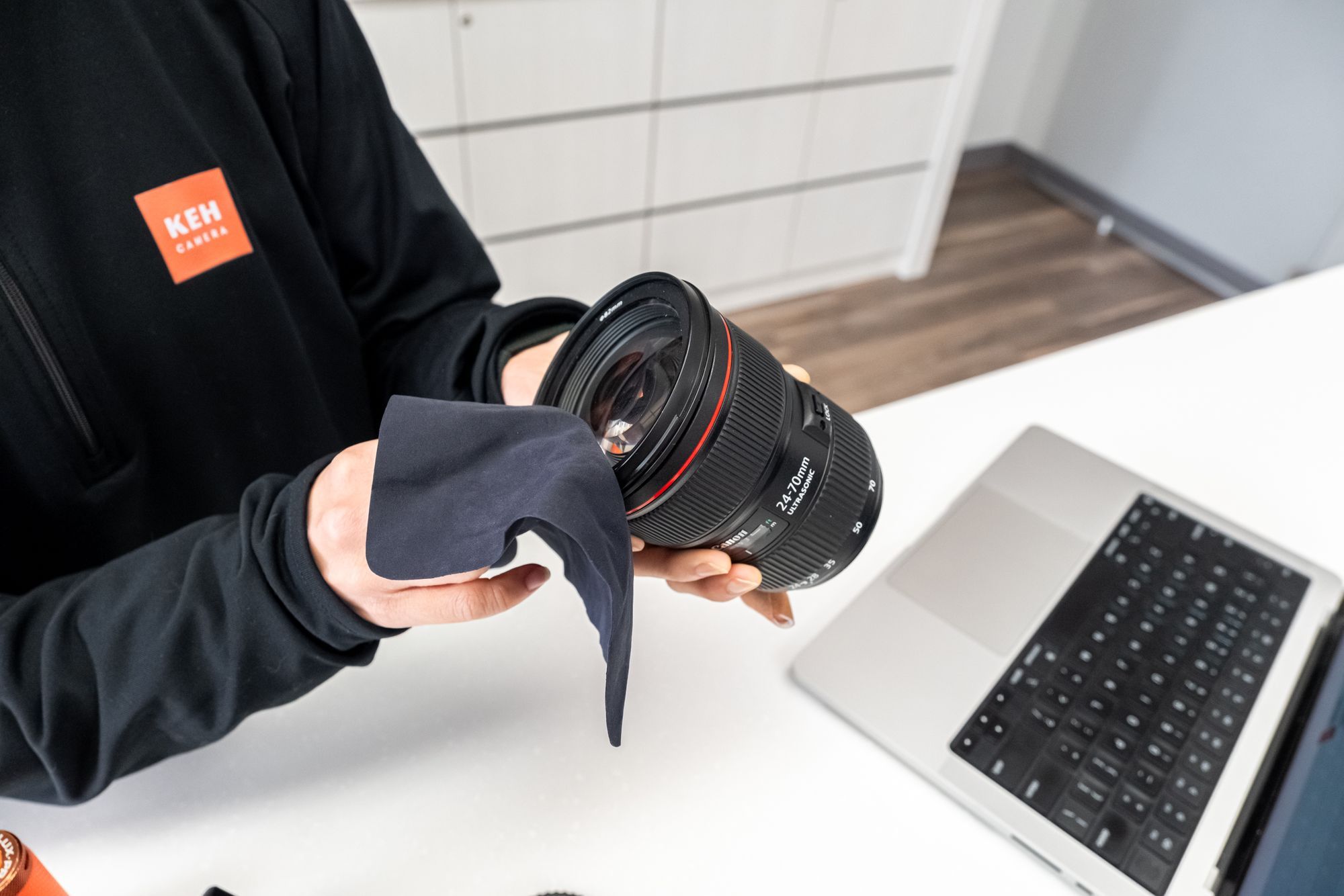
Dust, fingerprints, snow, and condensation can find their way onto your equipment during winter outings and busy holiday gatherings. A small cleaning kit helps you handle minor issues before they interfere with your photos.
Start with three basics:
Avoid wiping a lens when grit is still on the surface, since that can cause scratches. Blow away loose particles first, then follow the lens manufacturer’s cleaning guidance.
Cold-weather travel requires a little extra care. Moving a cold camera into a warm, humid room can cause condensation. Keep gear in a closed bag while it gradually adjusts to the indoor temperature, and avoid using equipment while moisture is present.
Sensor cleaning requires a different approach from cleaning a lens. If you aren’t comfortable doing it yourself, professional cleaning is the safer option.
Best For: Every photographer, especially anyone shooting outdoors or moving between cold and warm environments.
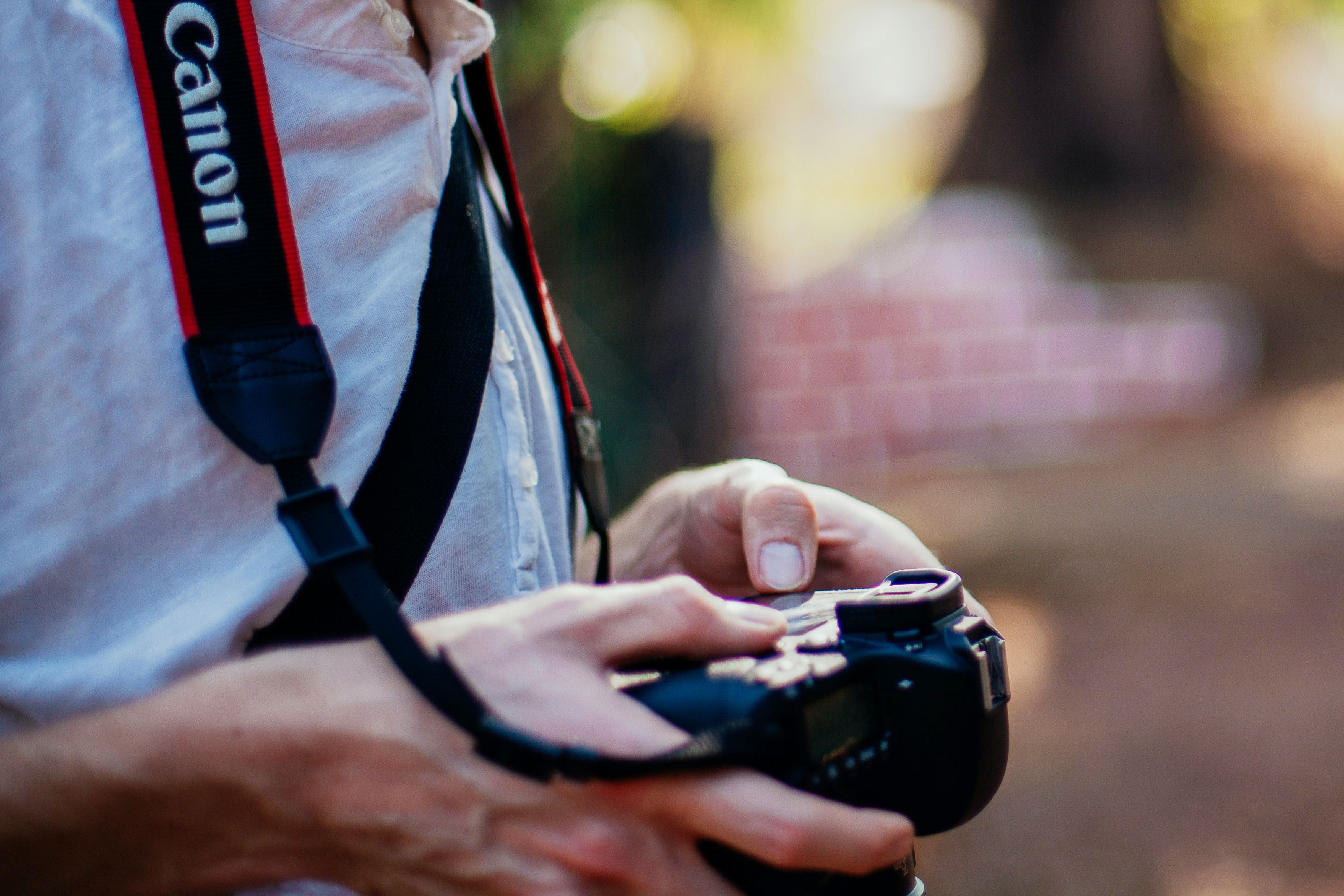
A camera strap might not be the most exciting purchase, but you’ll notice a bad one after several hours of carrying a camera.
A few options are worth considering:
Choose a strap based on your camera’s weight, how you carry it, and how quickly you need to access it. Check attachment points and connectors regularly, especially if you use a heavy camera and lens combination.
If you’re photographing family gatherings, a comfortable sling or neck strap may be all you need. For a full day of paid sessions, a setup that distributes weight well can make a real difference.
Explore camera straps at KEH to find a comfortable option for your gear.
Best For: Photographers who carry their cameras for extended periods, particularly during events and travel.
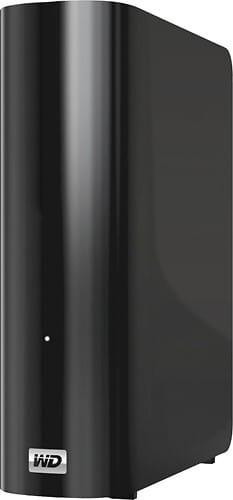
Taking great photos is only half the job. You also need a reliable way to transfer and protect them.
A card reader makes it easy to import images to a laptop or compatible tablet. For longer trips and paid work, a portable external drive adds another storage option when you can’t rely on your usual home setup.
Build a simple backup routine before your trip:
Two copies on the same drive don’t protect against drive failure, and keeping several cards in the same bag doesn’t eliminate the risk of loss or theft. For important assignments, maintain copies on separate devices and keep them physically separate when practical.
If you’re photographing a paid holiday session, back up the files as soon as your workflow allows. For a family trip, a quick backup at the end of each shooting day is a good habit.
Best For: Travel photographers, event photographers, and anyone capturing images they can’t easily recreate.
A few inexpensive accessories can save time when something goes wrong. You don’t need to carry an entire repair shop, but a compact kit can help you handle minor problems away from home.
Consider packing:
Your kit should match your plans. A photographer walking through snowy streets may prioritize weather protection, while someone covering a family event may want spare caps, tape, and a flashlight.
Keep small accessories together in a pouch so you can find them quickly. Check the contents before each trip and replace anything you’ve used.
Best For: Travel, outdoor photography, and paid sessions where a minor equipment problem could interrupt the shoot.
Buying camera accessories doesn’t have to mean starting from scratch. Pre-owned gear can be a practical way to build a more capable kit, especially when you’re shopping for durable equipment.
Here’s how to approach the decision.
Good Candidates for Pre-Owned Gear
When to Be More Selective
Memory cards are generally best purchased new from reputable sources because their history, reliability, and remaining lifespan can be difficult to establish. Cleaning supplies should also be new and suitable for the surfaces you’re cleaning.
Batteries require particular attention to condition and performance. Buy from a reputable seller that evaluates its inventory, and test them before relying on them for important work.
At KEH, KEH Certified™ pre-owned gear is inspected, graded, and backed by a 180-day warranty. It’s a practical way to shop for camera accessories without automatically paying retail for everything.
If you’re upgrading before the holidays, you can also sell or trade in your camera gear to KEH to help fund the accessories your kit actually needs.
Before you head out, run through this quick list.
Start with extra batteries, memory cards, a suitable camera bag, and a basic cleaning kit. These cover the most common problems: running out of power or storage, transporting equipment, and keeping your gear clean. Add a tripod or external flash based on your low-light needs.
Extra batteries, spare memory cards, and a comfortable strap are the basics. An external flash can help with indoor portraits, while a tripod is useful for posed group photos and family pictures that include the photographer. You don’t need every accessory on the list to capture great memories.
Bring your camera, the lenses you’ll actually use, extra batteries, memory cards, a charger, a protective camera bag, and a compact cleaning kit. Add weather protection if you’re shooting outdoors. A lightweight tripod, card reader, and backup drive are useful for night photography and longer trips.
Not always. A tripod helps when photographing stationary subjects with slower shutter speeds, such as holiday lights or nighttime landscapes. For moving subjects, you still need a shutter speed fast enough to prevent motion blur. A wider aperture, higher ISO, or additional light may be more effective.
No. A circular polarizer can reduce reflections, and a neutral density filter can help create motion blur in bright conditions. Clear or UV filters are optional protective accessories, not a requirement for every lens. Always check filter compatibility and choose quality glass that won’t compromise your images.
Yes, particularly for durable accessories such as tripods, bags, flashes, and certain filters. Check condition and compatibility, and choose a reputable seller. KEH Certified™ pre-owned gear is inspected and graded, with a 180-day warranty, giving you another option when building your kit.
The best camera accessories are the ones that solve real problems for the way you shoot. Start with reliable power, enough storage, and a bag that protects your gear. Then add the tools that fit your plans, whether that’s a tripod for holiday lights, a flash for indoor portraits, or a backup drive for a winter trip.
Shop KEH for the camera accessories you need to make the most of the holiday photo season. Find KEH Certified™ pre-owned gear that fits your setup and budget, and get ready for the moments worth capturing.