You
have no items in your shopping cart.
5 Types of Lenses for Better Fall Landscape Photography
October 02, 2026
1 min read

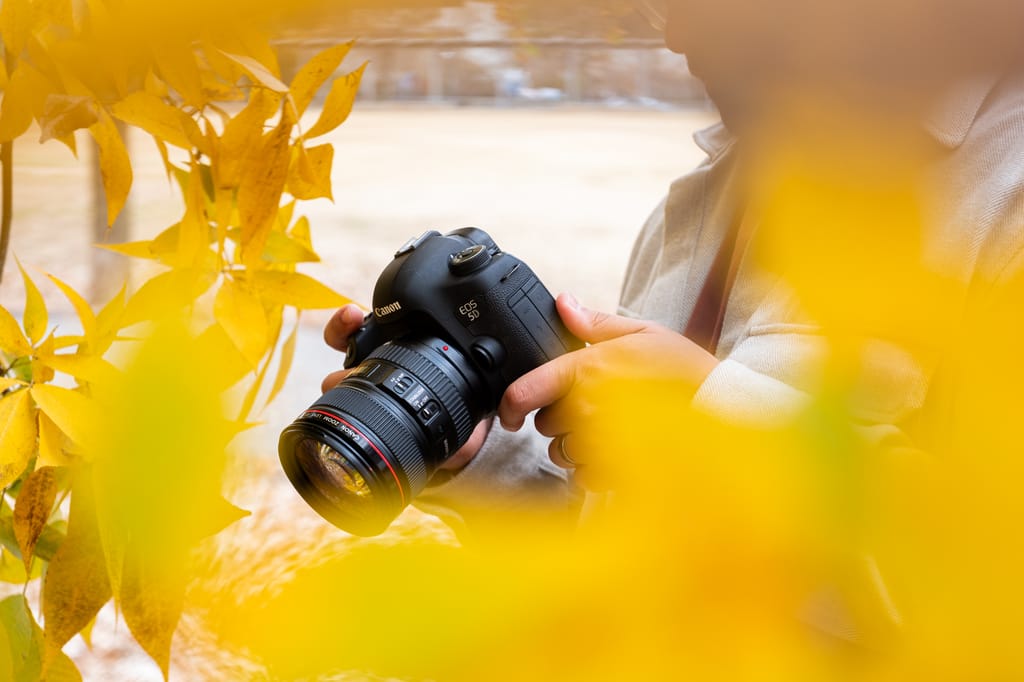
A 16mm lens can make a glowing maple canopy feel huge, pulling the viewer into the path, sky, and sweep of color. A 200mm lens can stand in the same spot and create a completely different frame, compressing distant ridgelines into stacked bands of gold, orange, and red. That is the power of lens choice in fall photography: you are not just deciding how much fits in the image, you are deciding what the season feels like.
What you’ll learn
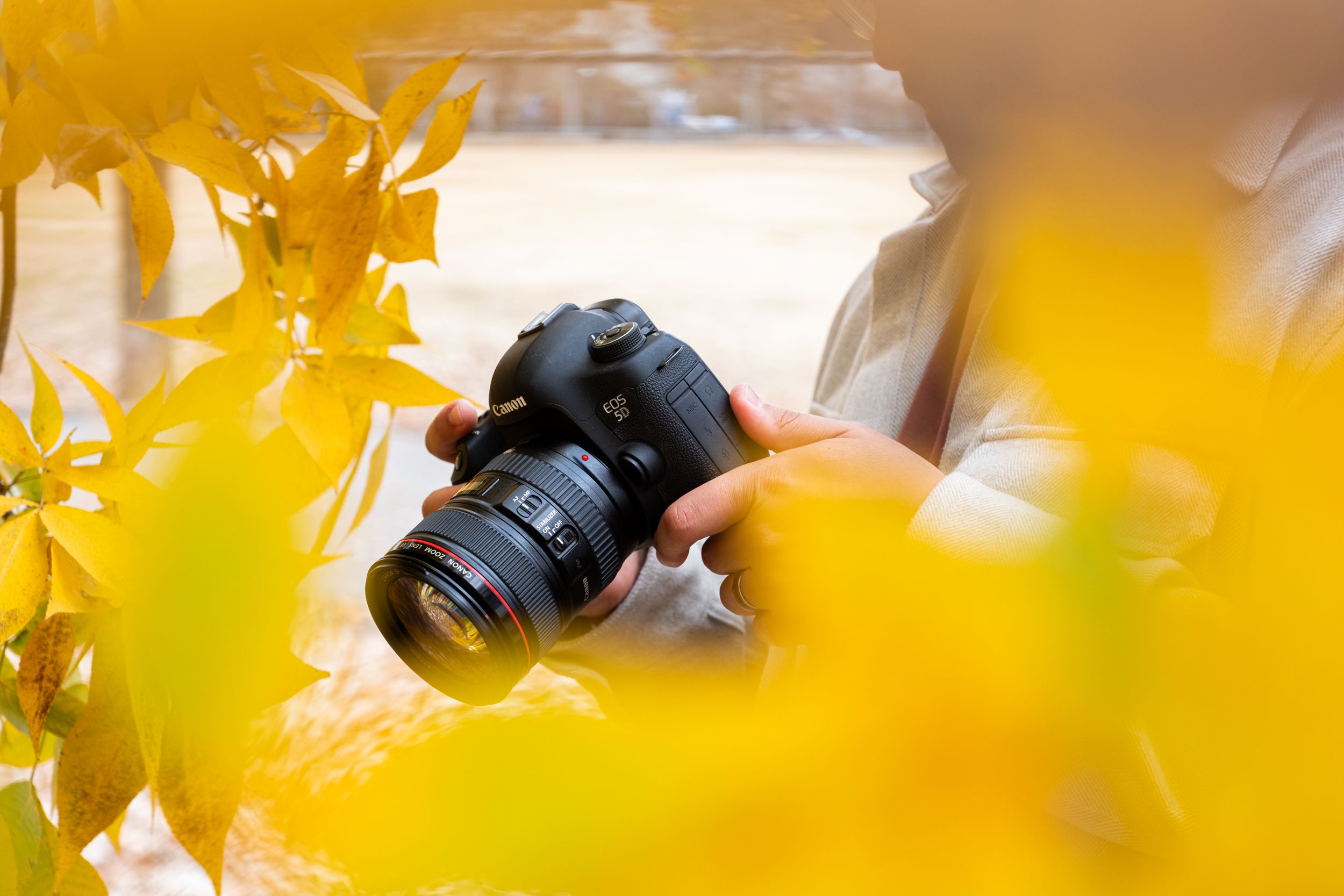
Lens choice matters because fall is full of competing details: bright leaves, dark trunks, mist, water, mountains, trails, and tiny textures. The right lens helps you simplify the scene, emphasize the strongest subject, and control the relationship between foreground, background, and color. Instead of looking for one “best lens for landscape photography,” think in terms of purpose: wide, normal, telephoto, macro, or flexible zoom.
For fall foliage photography, that purpose becomes even more important. A wide-angle lens for landscape photography can exaggerate foreground leaves and dramatic skies, while a telephoto lens can isolate a single glowing tree on a hillside. The best lenses for landscape photography are the ones that help you frame the story you actually want to tell.
| Lens | What it does | Best for |
| 14–24 / 16–35mm | Creates depth and emphasizes foreground | Forests, waterfalls, immersive scenes |
| 24–70mm | Covers wide to natural perspectives | Travel, general landscapes, one-lens kits |
| 70–200mm | Isolates and visually compresses scenes | Ridgelines, layers, distant foliage |
| 100–400mm+ | Pulls out distant details | Mountains, patterns, abstract landscapes |
| 90–105mm macro | Reveals small seasonal details | Leaves, frost, mushrooms, textures |
An ultra-wide-angle lens expands the frame, making near objects feel larger and distant elements feel farther away. In scenic landscape photography, this creates depth and drama, especially when you want to include a strong foreground, a winding trail, a reflective pond, or a sweeping canopy. It is one of the most expressive camera lenses for landscape photography because it turns space itself into part of the composition.
For fall landscape photography, an ultra-wide lens is especially useful when color surrounds you. It lets you place fallen leaves, mossy rocks, or a stream in the foreground while still showing the forest, mountain, or sky beyond. Specific options include the Canon RF 15-35mm f/2.8 L IS USM for Canon RF shooters, the Sony FE 16-35mm f/2.8 GM for Sony E-mount, and the Fujifilm XF 8-16mm f/2.8 R LM WR for Fujifilm X-mount. For Nikon Z shooters, a 14-24mm f/2.8 is another excellent focal-length range to look for.
Best for: Big foregrounds, forest paths, waterfalls, dramatic skies, and immersive fall foliage photos.
Expert tip: Keep the camera level when possible. Ultra-wide lenses can stretch trees and horizons, so use that distortion intentionally rather than letting it distract from the fall color.
A 70–200mm lens narrows your angle of view, helping you isolate smaller portions of a landscape and create the visually compressed, layered compositions often associated with telephoto photography. Instead of showing everything, it helps you select the strongest part of the landscape. This is valuable when the wider scene feels chaotic, but one tree, ridge, reflection, or patch of light stands out.
For fall foliage photography, a telephoto zoom is excellent for creating layers. It can stack distant hills, isolate patterns of orange and evergreen, or pull attention to sunlight hitting one section of a forest. The Canon RF 70-200mm f/2.8 L IS USM is a strong Canon RF option, while the Nikon NIKKOR Z 70-200mm f/2.8 VR S gives Nikon Z shooters the same versatile range. Sony shooters can look to the Sony FE 70-200mm f/2.8 GM OSS II.
Best for: Layered hills, isolated trees, distant color, compressed ridgelines, and clean compositions.
Expert tip: Watch your shutter speed. Longer focal lengths magnify camera shake, so use a stable stance, image stabilization when available, or a tripod when the light drops.
A super-telephoto lens extends beyond the typical landscape range, turning distant subjects into strong compositions. It is not just for wildlife. In autumn landscape photography, it can isolate a glowing tree on a far ridge, compress repeating hills, or frame abstract patches of foliage that would disappear in a wider view.
This lens suits fall because the season creates color blocks, contrast, and patterns across large distances. A 100-400mm lens lets you work with those patterns as graphic elements. Canon RF shooters can step up to the Canon RF 100-500mm f/4.5-7.1 L IS USM for even more reach, while the Nikon NIKKOR Z 100-400mm f/4.5-5.6 VR S and Sony FE 100-400mm f/4.5-5.6 GM OSS give Nikon and Sony shooters comparable options.
Best for: Distant ridges, abstract foliage patterns, mountain details, isolated subjects, and minimalist scenic landscape photography.
Expert tip: Look for contrast before you raise the camera. Super-telephoto compositions work best when color, light, shape, or texture clearly separates the subject from the background.
A macro lens focuses close, revealing details that broader landscape photography lenses often miss. It is designed for small subjects such as leaves, frost, mushrooms, bark, seeds, raindrops, and patterns in the forest floor. While it may not be the first lens people mention for landscape photography gear, it can produce some of the most intimate fall foliage photos of the season.
Macro lenses are useful because fall is not only about grand overlooks. The small stuff often carries the mood: a curled brown leaf, a red maple leaf on wet stone, or frost on the edge of grass at sunrise. For lenses for foliage photography, macro gives you a slower, more observant way to work when wide scenes are too busy or the light is harsh. Options include the Canon EF 100mm f/2.8L Macro IS USM, the Nikon NIKKOR Z MC 105mm f/2.8 VR S, and Sony’s FE 90mm f/2.8 Macro G OSS for E-mount shooters.
Best for: Leaf details, frost, mushrooms, textures, raindrops, and quiet autumn photography studies.
Expert tip: Use small adjustments instead of chasing every subject. Macro depth of field can be thin, so shift your camera position carefully and check the edges of the frame for distractions.
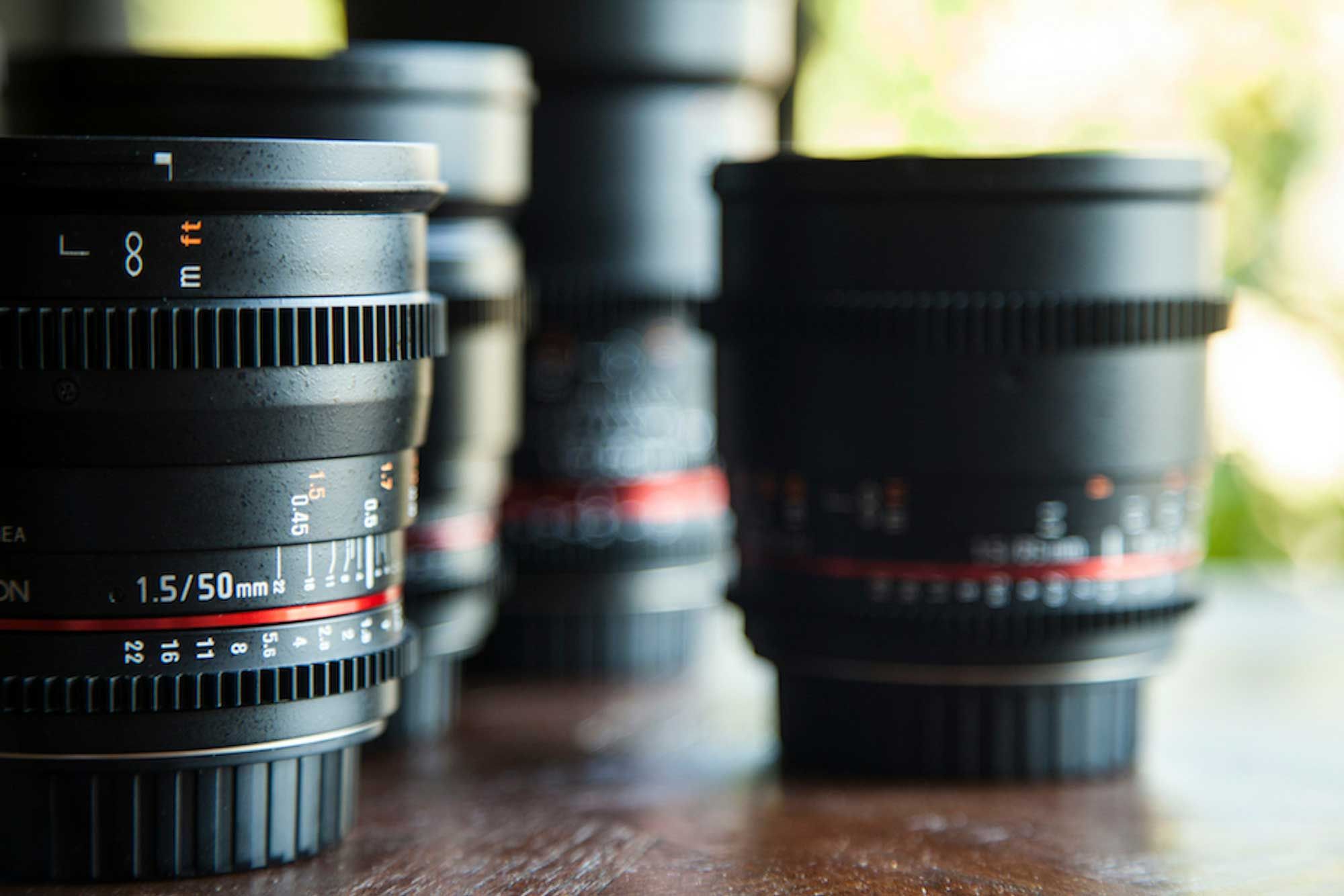
Choosing between lenses is easier when you match the lens to the kind of fall scene you expect to photograph. Use this quick comparison as a practical guide, not a ranking. The right lens depends on your location, walking distance, weather, and the way you prefer to compose.
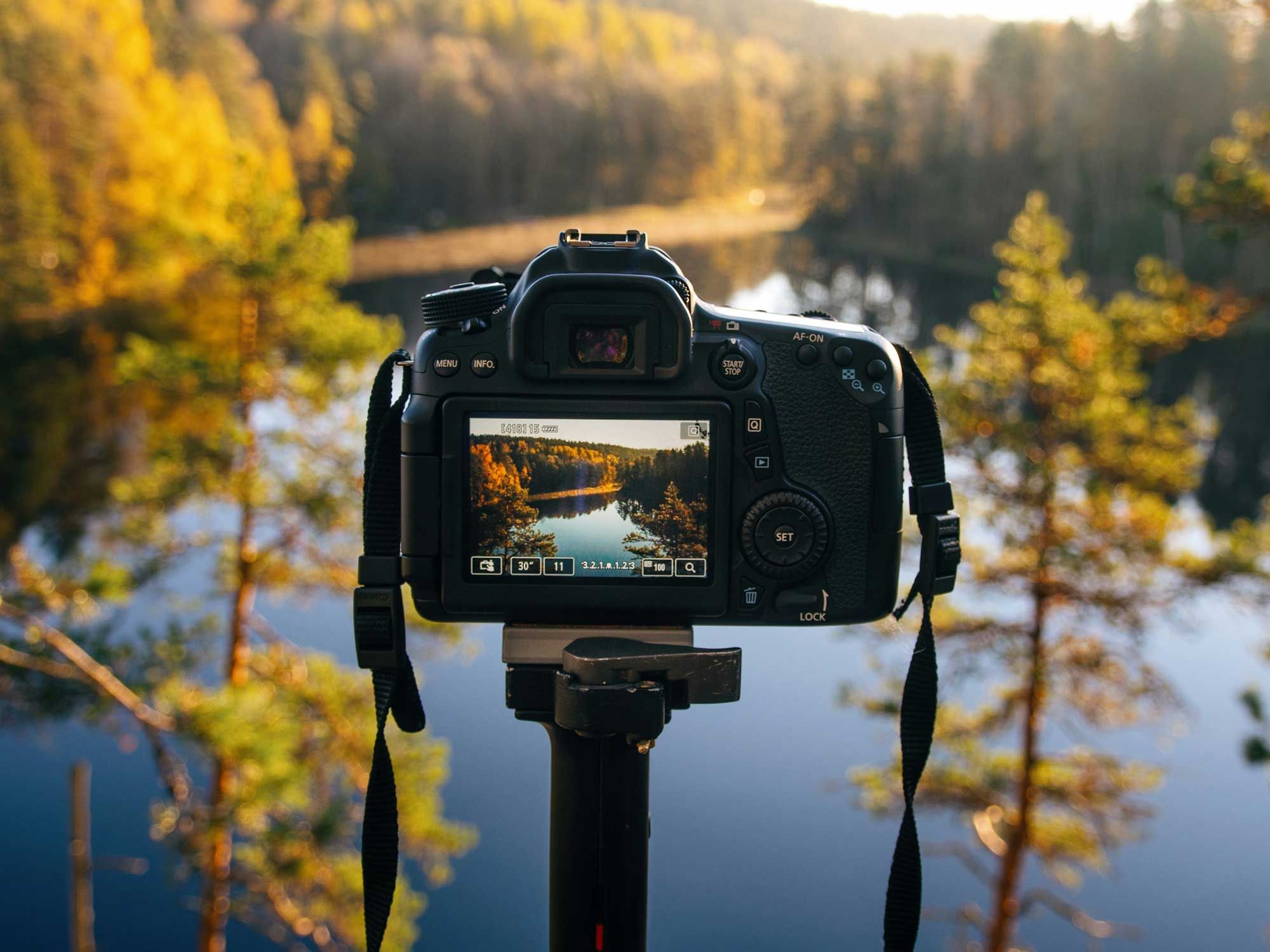
Strong autumn landscape photography is less about chasing the most colorful tree and more about controlling light, shape, and timing. These fall photography tips work with any of the lenses above and can help you come home with more thoughtful images.
Absolutely not. If you are building camera gear for fall photography from scratch, start with the lens that fits your most common subjects. A 24-70mm is a practical first choice if you want a single flexible lens for travel, landscapes, and general use. If you love big foregrounds, choose an ultra-wide zoom; if you prefer distant ridgelines and clean compositions, start with a 70-200mm.
A simple two-lens fall kit might be a 16-35mm and a 70-200mm, giving you both immersive scenes and isolated details. A lighter option is a 24-70mm plus a macro lens, especially if you enjoy hiking slowly and photographing both views and textures. Add a super-telephoto only when you often find yourself wanting more reach for distant foliage, mountains, or compressed layers.
The smartest landscape photography gear is gear you will actually carry. Fall weather can mean long walks, wet ground, cold mornings, and fast-changing light, so a smaller kit often leads to more attentive work and better photographs.
There is no single best lens for fall foliage. A wide lens captures immersive forests, a 24-70mm handles changing scenes, and a telephoto isolates color on distant hills. Choose based on how you want the viewer to experience the season.
Yes. A telephoto lens is useful for landscape photography because it simplifies busy scenes, helps create visually compressed compositions, and highlights layers. In fall, that can turn scattered color into a strong, organized composition.
A standard zoom such as a 24-70mm is often the most practical one-lens choice. It gives you enough range for wide views, natural scenes, and tighter foliage details without constant lens changes.
Fall is a great time to rethink your lens kit because every focal length changes how color, light, and distance appear. Landscape photography is also one category where previous-generation lenses can offer exceptional value. If autofocus speed and the latest video features aren’t priorities, an older professional zoom may give you the focal range and optical performance you need at a significantly lower cost than the newest version.
With KEH Certified™ pre-owned gear, you can shop a wide selection of professionally inspected camera equipment and find a lens that fits the way you actually shoot. And if you have gear sitting unused, you can sell or trade it and put that value toward your next lens. Shop KEH Certified™ pre-owned lenses, or sell or trade your gear before your next fall photo adventure.