You
have no items in your shopping cart.
Pack Light, Shoot More: The Best Compact Cameras for Travel and Pancake Lenses for Family Trips
November 04, 2026
1 min read

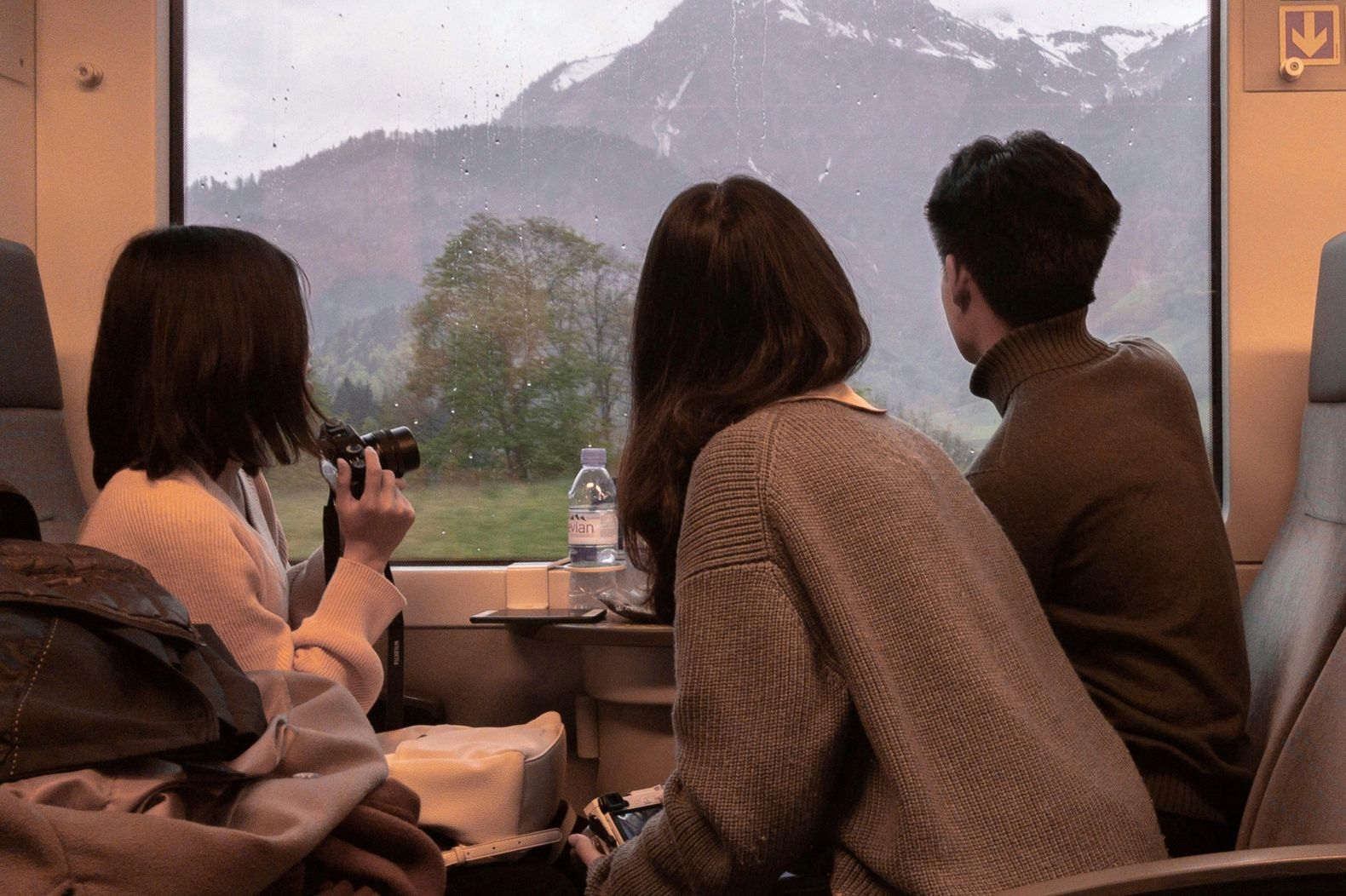
When you’re traveling with kids, the camera you want to use is often the one you’ll actually carry. The challenge is finding a setup that delivers better vacation photos without requiring a full camera bag, constant lens changes, or a complicated learning curve.
Fortunately, you don’t have to sacrifice image quality to travel lighter. A premium point-and-shoot can give you an all-in-one solution, while a compact mirrorless camera paired with a pancake lens offers interchangeable-lens flexibility in a surprisingly small package.
This guide breaks down the best compact camera options for family travel, compares specific setups by customer need, and explains the technical trade-offs worth understanding before you buy.
A great family travel camera should fit your actual routine: quick pictures between activities, unpredictable subjects, and limited room beside snacks and spare clothes. Prioritize reliable focusing, useful framing, and comfortable handling over specifications you rarely use.
Before buying, think about who will carry the camera, what you’ll photograph most, and whether another adult needs to be able to pick it up and use it without a tutorial.
Photographing a landscape and photographing a child running toward you are two very different autofocus challenges.
Look for continuous autofocus (AF-C or Servo AF), face detection, and eye detection. These features help the camera maintain focus as a subject moves, but not every camera handles tracking equally well. Newer mirrorless systems generally offer more sophisticated subject recognition than older entry-level bodies or compact cameras designed primarily for still photography.
For families with active kids, a camera with dependable subject tracking is worth prioritizing. A premium compact like the Sony RX100 VII offers advanced tracking in an all-in-one package, while the Canon EOS R50 brings modern subject detection to an interchangeable-lens system.
A camera with basic autofocus can still capture excellent family photos. You’ll just need to be more deliberate about focus placement and timing. For stationary portraits, landscapes, and everyday snapshots, that may be a perfectly reasonable trade-off.
Remember that autofocus can’t freeze motion on its own. For lively play, start around 1/500 second and adjust based on how quickly your subject is moving and how much light you have.
For family travel, a 24–35mm-equivalent wide view is a useful starting point for groups, architecture, and environmental portraits. Longer focal lengths are better for isolating expressions or photographing someone from farther away.
A fixed focal length means you’ll need to move your feet to change your composition. A zoom gives you more flexibility without requiring a lens change.
Aperture matters, too. A lens with an f/1.8 maximum aperture lets in more light than an f/2.8 lens at the same shutter speed and ISO. That’s useful for indoor dinners, evening walks, and dimly lit attractions.
However, brighter apertures also produce shallower depth of field. When photographing a group, you may need to stop down to keep everyone in focus.
Image stabilization helps reduce blur caused by your own camera movement. It’s especially useful when shooting handheld in lower light or recording video while walking.
There are three common approaches:
Not every compact camera or pancake lens includes stabilization. Some mirrorless bodies rely on compatible stabilized lenses, while others have no stabilization system at all.
There’s another important distinction: stabilization won’t freeze a moving child. If your subject is running, you’ll still need a sufficiently fast shutter speed. Stabilization is most useful for steadying the camera when the subject isn’t moving much.
Decide whether you want quick vacation clips or more deliberate video. Check your must-haves, including 4K versus Full HD, autofocus behavior, stabilization, and how easily you can switch between photo and video.
Battery life deserves attention, too. Plan around your busiest travel day rather than relying entirely on a published battery rating. Budget for a spare battery and confirm the charging method for the exact model.
Finally, consider handling. Try changing focus settings and reviewing pictures while wearing your travel bag. A camera that’s technically impressive but frustrating to operate isn’t going to make a great everyday travel companion.
The appeal of a point-and-shoot is straightforward: one camera, one built-in lens, and no lens decisions during an outing.
Within this category, a small-sensor travel zoom and a larger-sensor premium compact solve different problems. Choose based on what you photograph most: distant details and framing flexibility, or image quality and portability.
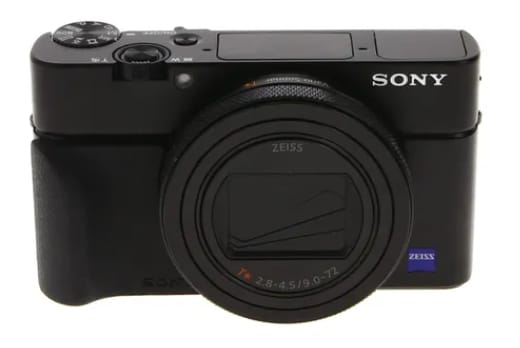
The Sony Cyber-shot DSC-RX100 VII is a strong all-around travel option. It combines a 1-inch-type sensor with a 24–200mm-equivalent zoom, built-in viewfinder, and advanced autofocus. That zoom range is the real advantage for family travel. You can move from a wide vacation scene to a tighter candid without changing lenses or physically approaching your subject.
Its autofocus system includes phase-detection and contrast-detection points, subject tracking, and human and animal eye detection for still photography. Optical stabilization also helps reduce camera shake.
The compromise is the lens aperture. It starts at f/2.8 at the wide end and narrows to f/4.5 when zoomed in. That means less light reaches the sensor as you move toward 200mm, making it less ideal for dim indoor settings. Its smaller sensor also gives you less low-light flexibility than an APS-C camera.
Best for: Families who want one camera for sightseeing, outdoor activities, and distant details without carrying additional lenses.
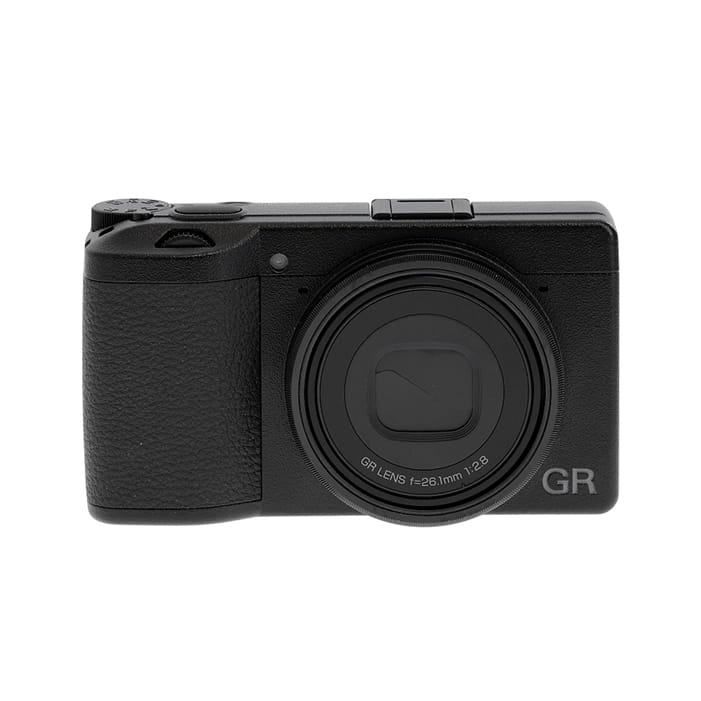
The Ricoh GR III and GR IIIx are designed for photographers who prioritize true pocketability and image quality over zoom flexibility. Both feature an APS-C sensor in a remarkably compact body.
The GR III has a 28mm-equivalent lens, while the GR IIIx offers a tighter 40mm-equivalent view. Both have a fixed f/2.8 lens and three-axis sensor-shift image stabilization.
That stabilization is a useful advantage for handheld still photography, particularly when you’re shooting stationary subjects in lower light. However, the GR series isn’t the strongest choice for photographing fast-moving kids. Its autofocus tracking is less dependable than the subject-tracking systems in newer mirrorless cameras, and it doesn’t offer the same versatility for video.
The fixed focal length is another consideration. You’ll need to choose between the wider GR III and the tighter GR IIIx before you buy. Neither offers optical zoom.
Best for: Parents who want a genuinely pocketable camera for everyday family moments, street photography, and travel details, and who don’t need advanced action tracking.

The Fujifilm X100 series combines an APS-C sensor with a fixed wide-angle lens, an integrated viewfinder, and physical exposure controls. It’s a good fit for travelers who enjoy the photography process and want a camera that feels like a complete everyday kit.
Most X100 models feature a 23mm lens, equivalent to approximately 35mm on a full-frame camera. That field of view works well for street scenes, food, environmental portraits, and family moments.
Autofocus, video capabilities, and stabilization vary by generation, so it’s important to compare the exact model rather than treating the entire X100 series as one camera. In particular, don’t assume an older X100 has the same in-body stabilization as a newer generation.
The fixed lens also means there’s no optical zoom. Some models support optional conversion lenses, but those add cost and bulk.
Best for: Travelers who enjoy a consistent field of view, want an APS-C sensor in a self-contained camera, and value the shooting experience as much as portability.
A pancake lens is a shallow lens designed to keep the camera-and-lens combination compact. Most are small prime lenses, which means you’re trading zoom convenience for a setup that’s easier to carry and quicker to pull out.
The advantage of mirrorless is flexibility. You can travel with a pancake lens most days, then add a small zoom or faster prime when you know what you actually need.
Just remember that a compact lens doesn’t automatically make every camera body pocketable. Check the dimensions and weight of the complete combination, not just the lens.
The same focal length can produce different framing depending on the camera’s sensor size. When comparing lenses, look at their full-frame-equivalent focal lengths.
| Lens and camera format | Equivalent field of view | Suggested family use |
| Panasonic 14mm on Micro Four Thirds | 28mm | Groups, streets, kids with surroundings |
| Fujifilm 27mm on APS-C (X-mount) | 41mm | Everyday scenes, smaller groups, candids |
| Canon RF 28mm on APS-C | About 45mm | Expressions, details, tighter framing |
These equivalents describe framing, not aperture or actual focal length. A 27mm lens remains a 27mm lens; its field of view simply changes with the sensor format.
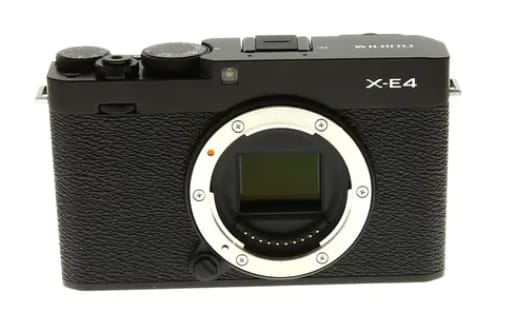
Pair a Fujifilm X-E series body, such as the X-E4, with the Fujifilm XF 27mm f/2.8 for a compact, walkaround-friendly setup. The combination offers a 41mm-equivalent field of view, making it a natural fit for everyday moments, food, and tighter family portraits.
The X-E4 uses Fujifilm’s X-mount system, so you can expand into other compatible Fujifilm X-mount lenses as your photography needs change.
There are a couple of trade-offs to understand. The X-E4 does not have in-body image stabilization, and the XF 27mm f/2.8 does not have optical stabilization. You’ll need to pay attention to shutter speed when shooting handheld in lower light. Its hybrid autofocus supports continuous focusing, but it doesn’t offer the same level of modern subject recognition as a newer camera such as the Canon EOS R50.
The 41mm-equivalent view can also feel tight in cramped indoor spaces. If your family trips involve plenty of restaurant tables and small hotel rooms, a wider lens may be more practical.
Best for: Photographers who want an interchangeable-lens APS-C camera with excellent portability and room to build a Fujifilm lens collection over time.
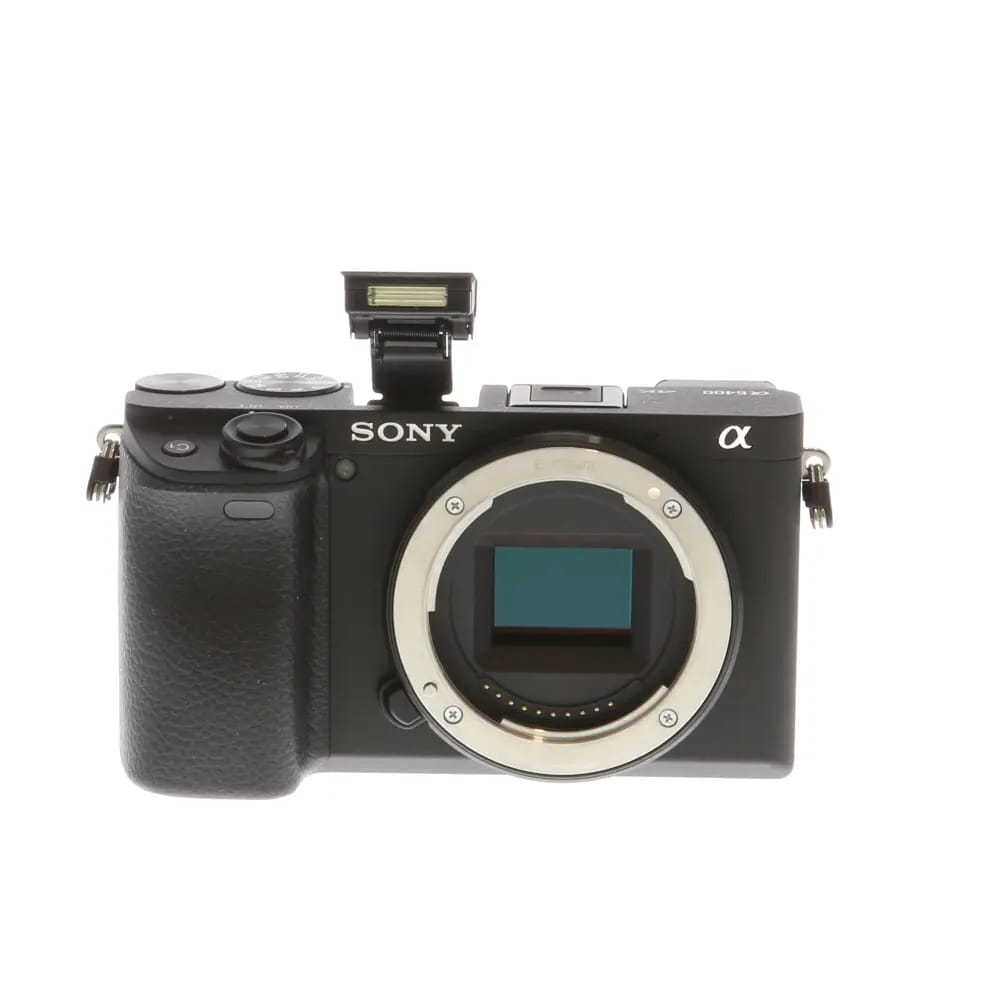
A Sony a6000-series APS-C body can be an excellent value, particularly when shopping KEH Certified™ pre-owned. These cameras give you access to Sony’s E-mount lens system, with a broad range of compatible lenses across different sizes, focal lengths, and budgets.
For a lightweight travel kit, pair the body with a compact E-mount prime rather than a full-size zoom. Choose a wider focal length for groups and travel scenes or a more normal field of view for everyday candids.
One important distinction: the original Sony a6000 does not have in-body image stabilization. Stabilization depends on the lens you choose. If you regularly shoot handheld video or photographs in lower light, look for an E-mount lens with Optical SteadyShot (OSS).
Autofocus capabilities also depend on the specific a6000-series generation. The original a6000 offers hybrid phase-detection and contrast-detection autofocus, but newer models in the series bring more advanced subject tracking and recognition. Don’t assume every a6000-series body offers the same performance.
Best for: Budget-conscious photographers who want interchangeable lenses, a compact everyday setup, and the flexibility to upgrade their lens collection without replacing the entire system.
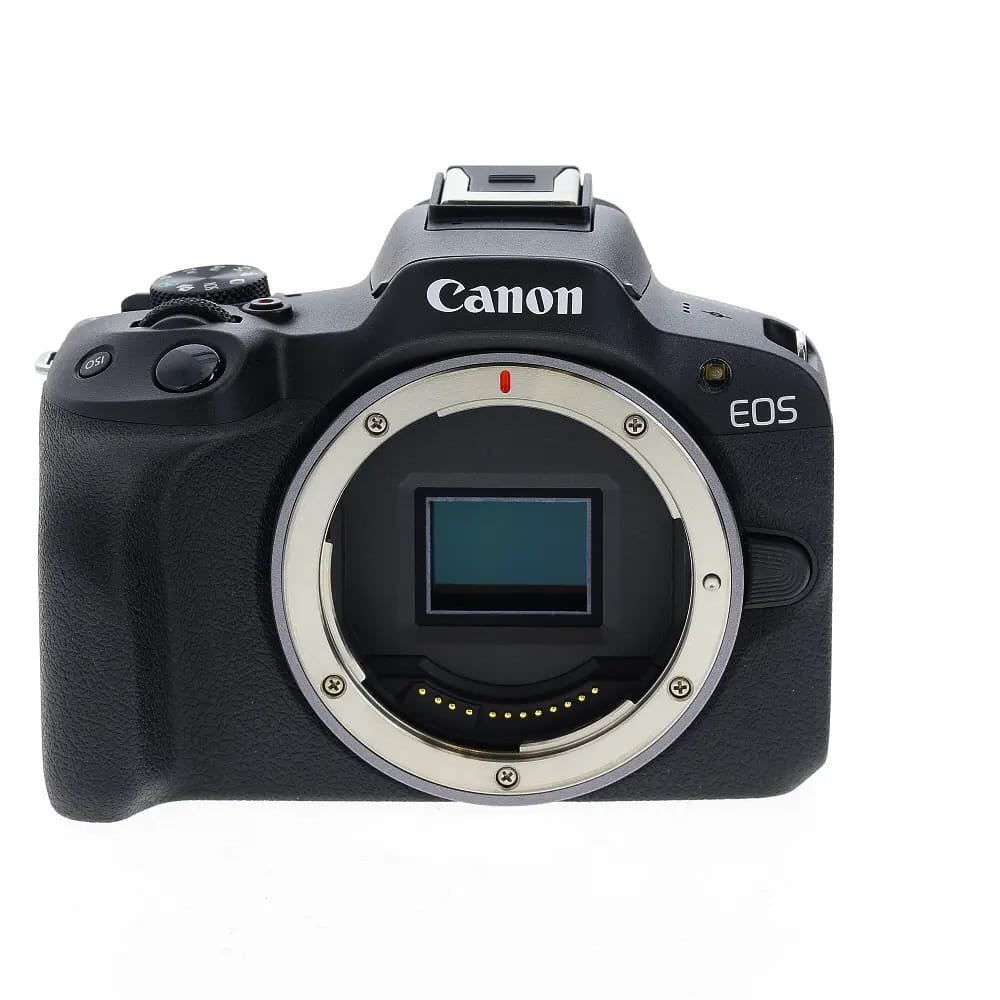
The Canon EOS R50 paired with the Canon RF 28mm f/2.8 STM is a strong option for families who prioritize quick subject detection and straightforward operation.
The R50 uses Canon’s Dual Pixel CMOS AF system, with subject detection for people, animals, and vehicles. That makes it particularly appealing for parents photographing active kids, pets, and everyday family moments.
On the R50’s APS-C sensor, the RF 28mm lens provides approximately a 45mm-equivalent field of view. It’s a useful choice for expressions, portraits, and tighter everyday compositions.
The trade-off is that the R50 doesn’t have in-body image stabilization, and the RF 28mm f/2.8 STM doesn’t include optical image stabilization. For handheld video, you’ll need to account for that limitation. The lens is also relatively tight for groups in small spaces.
Canon’s RF mount gives you access to RF and RF-S lenses, with EF and EF-S lenses available through a compatible EF-EOS R adapter. EF-M lenses are not compatible. That distinction matters if you’re considering building a system around existing Canon lenses.
Best for: Families who want modern autofocus, an approachable camera body, and the option to expand into Canon’s RF lens system.
Pancake lenses earn their keep when you value a low-profile camera, a simple setup, and fewer decisions. But a small zoom can be more practical for families who want flexibility without changing lenses.
If you’re routinely torn between capturing a wide scene and getting a tighter candid, a compact zoom may lead to more keepers than a prime, even if it’s slightly bulkier.
It’s also worth checking whether a lens has optical stabilization before buying. A pancake lens may be compact, but if neither the lens nor the camera body offers stabilization, you’ll need to be more deliberate with shutter speeds and handheld video.
Not sure which direction to take? Start with the kind of photography you expect to do most often. These recommendations prioritize practical use over simply choosing the camera with the longest feature list.
| Your priority | Recommended setup | Why it makes sense | Main trade-off |
| One camera for the entire trip | Sony RX100 VII | 24–200mm-equivalent zoom and advanced autofocus in one compact body | Smaller sensor and slower aperture at the telephoto end |
| Truly pocketable everyday photography | Ricoh GR III | APS-C image quality, 28mm-equivalent lens, and sensor-shift stabilization | Fixed lens and less dependable moving-subject tracking |
| A classic everyday photography experience | Fujifilm X100 series | APS-C sensor, integrated viewfinder, and a versatile 35mm-equivalent view on most models | No optical zoom; stabilization varies by generation |
| Compact interchangeable-lens setup | Fujifilm X-E4 + XF 27mm f/2.8 | Slim combination with access to the Fujifilm X-mount system | No IBIS or lens stabilization; tighter field of view |
| Budget-friendly mirrorless flexibility | Sony a6000 + compact E-mount prime | Access to a broad lens system and affordable pre-owned bodies | Older autofocus; stabilization requires a compatible lens |
| Best autofocus for active families | Canon EOS R50 + RF 28mm f/2.8 | Modern subject detection and an approachable interface | No IBIS or lens stabilization; limited flexibility with a fixed prime |
The best choice isn’t necessarily the newest or most expensive camera. It’s the one that gives you the features you actually need without adding unnecessary weight or complexity.
Building a lightweight travel kit doesn’t mean you have to start with the newest equipment. In fact, buying pre-owned can make it easier to get the features you want without stretching your budget.
A higher-tier compact camera or a better lens from an earlier generation may be a smarter purchase than a brand-new entry-level body with a kit lens. You can also put the savings toward a spare battery, memory cards, or a second lens that gives you more creative flexibility.
The important part is knowing what you’re buying. Condition matters, especially when you’re purchasing equipment you plan to take on family trips. Check the camera’s specific condition description, confirm what’s included, and pay attention to the condition of the lens, screen, buttons, dials, and battery compartment.
That’s where KEH Certified™ pre-owned stands apart. Camera bodies and lenses are inspected, graded, and tested by experienced gear professionals before they’re offered for sale. You get a clear condition grade, a 180-day warranty, and access to a curated selection rather than taking a gamble on an individual seller’s description.
Pre-owned also gives you more room to explore different camera systems. You can invest in a compact Fujifilm setup, try a Sony E-mount body, or build a Canon RF kit without automatically paying the premium for the newest release.
And because mirrorless systems offer different lens-mount ecosystems, your purchase can be the beginning of a setup that grows with you. Just make sure every lens is compatible with the body you’re buying, including any adapters required.
Better for your budget. Better for your next adventure. And better than letting good camera gear sit unused.
Explore compact cameras, mirrorless cameras, and pancake lenses at KEH.com.
Build the smallest kit that supports a full day, not every hypothetical photograph.
If you’re upgrading, consider selling or trading the gear you no longer use. KEH’s Better Trade™ program makes it easier to put equipment you’re ready to move on from toward a setup that better suits your travel style.
Start with the exact model, condition grade, and included accessories. Check whether the camera comes with a battery, charger, body cap, and any other accessories you need.
For lenses, pay attention to the glass, focusing operation, zoom and aperture rings, and mount condition. For camera bodies, check the screen, buttons, dials, card slots, battery compartment, and autofocus.
When buying from KEH, review the individual condition description and included items. KEH Certified™ pre-owned equipment is inspected and tested, and comes with a 180-day warranty.
Agree on a simple default setup and practice handing the camera off. Make sure both people know how to return to that baseline quickly, including focus mode, drive mode, exposure compensation, and photo/video switching.
A straightforward autofocus setting and automatic exposure mode can make sharing a camera much easier.
Shoot JPEG if you want easy sharing and minimal editing. Shoot RAW if you already edit your photographs and want more flexibility with tricky lighting.
RAW+JPEG can be a good compromise if you’ve tested your workflow and have enough memory card space.
Absolutely, provided you like the focal length. The biggest benefit is that a pancake makes a mirrorless camera easier to carry and less cumbersome to use.
The main downside is losing zoom flexibility. Some families rely on that flexibility to photograph unpredictable moments without constantly repositioning themselves. Also check whether your camera body or lens provides stabilization before assuming the combination is suitable for handheld low-light shooting.
Not by itself. Image stabilization reduces blur caused by camera movement, but it cannot freeze a moving subject. You’ll still need a fast enough shutter speed to capture sharp action. For children running or playing, continuous autofocus and a shutter speed around 1/500 second are useful starting points.
No. Lenses are designed for specific mounts and sensor formats. A Fujifilm X-mount lens won’t mount directly to a Canon RF body, for example. Some lens and camera combinations require an adapter, and adapters don’t guarantee that every autofocus or stabilization feature will work as expected.
Before purchasing, confirm the exact camera mount, lens mount, sensor format, and adapter compatibility. Also remember that a full-frame lens used on an APS-C camera will have a narrower field of view than it would on a full-frame body.
A premium compact with a useful zoom range is usually the least complicated option. The Sony RX100 VII, for example, combines a wide-to-telephoto zoom with advanced autofocus in one camera. You get plenty of framing flexibility without carrying extra lenses.