You
have no items in your shopping cart.
How to Start a Pet Photography Business: Gear, Pricing, and Tips
October 29, 2026
1 min read

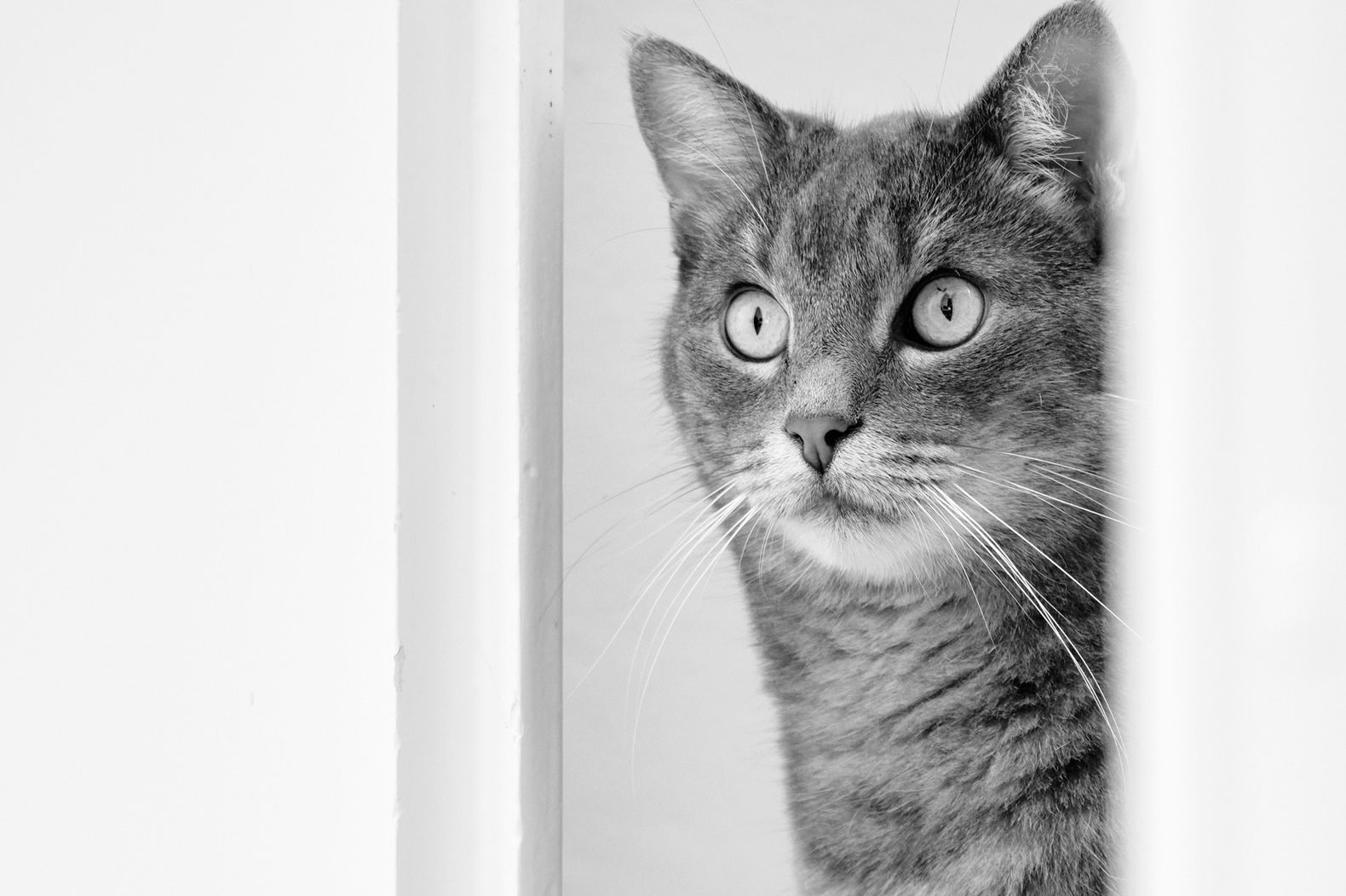
Pet photography is more than pointing a camera at a cute dog. It’s a specialty that combines technical skill, patience, animal handling, and a solid business plan. From puppy milestones and outdoor action portraits to fine-art images of beloved companions, photographers can build a range of services around the way people connect with their pets.
But turning that interest into a profitable business takes more than a good eye. You need to know who you’re photographing for, what your services cost to deliver, which equipment you actually need, and how to create an experience clients want to recommend.
Here’s how to build a pet photography business, from your first portfolio images to your first paying clients.
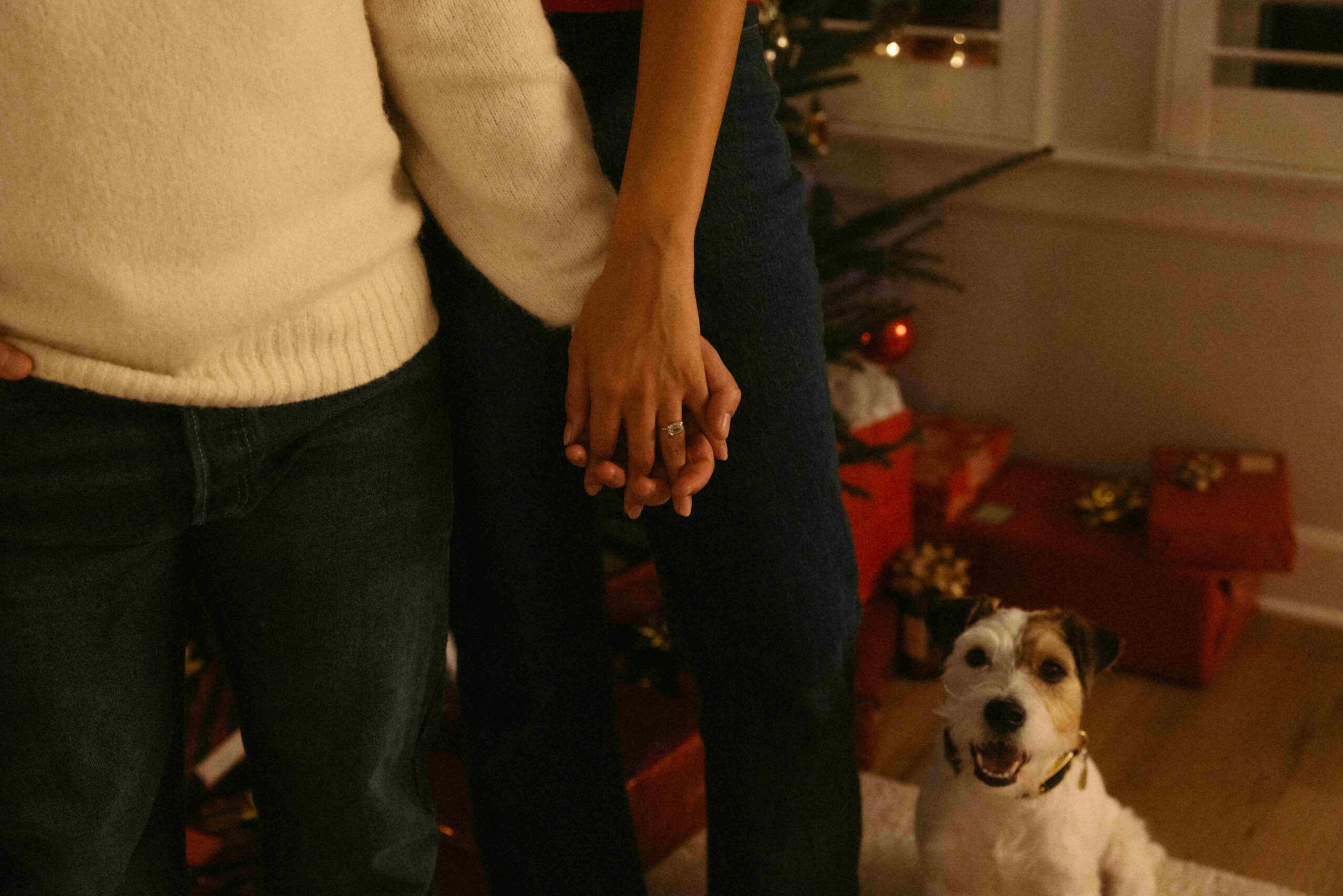
Before investing in equipment or advertising, decide what kind of pet photography you want to offer. Your specialty influences everything from the camera kit you need to how you price sessions and find clients.
Pet photography covers several distinct services:
You don’t need to offer all of these services at once. Start with the work that interests you most and the clients you can realistically reach.
For example, if you want to photograph active dogs at local parks, your business will look different from one focused on studio portraits for pet owners who want framed artwork. The first may depend on action-focused portfolio work and relationships with trainers, while the second may require a consistent studio setup and a clear print-ordering process.
Research photographers in your area, look at their offerings and pricing, and identify where your style and services fit. You’re not trying to be the photographer for every pet owner. You’re building a business with a clear reason for clients to choose you.
Your portfolio needs to demonstrate that you can consistently produce strong images under real-world conditions. One perfect shot of your own dog won’t tell prospective clients much about what a full session with you will look like.
Start by photographing friends’ and family members’ pets, or partner with a local rescue organization to create adoption portraits. Build variety into your portfolio by including:
Pay attention to consistency as you build your gallery. Clients should be able to see your approach to composition, focus, lighting, and editing, not just a collection of lucky frames.
Choose locations that suit the animal. A quiet backyard may work better than a busy public park for a nervous dog. A familiar living room may be the right choice for a cat that doesn’t tolerate travel. For outdoor portraits, look for open shade, clean backgrounds, and safe spaces where you can work without putting the animal at risk.
Even portfolio-building sessions deserve a professional workflow. Agree on the session length, discuss expectations, and obtain written permission to use selected images in your marketing. When working with shelters, rescues, private venues, or businesses, confirm their photography and image-use requirements before the session.
Your early portfolio should do two jobs: demonstrate your style and show prospective clients that you can handle the practical realities of photographing pets.
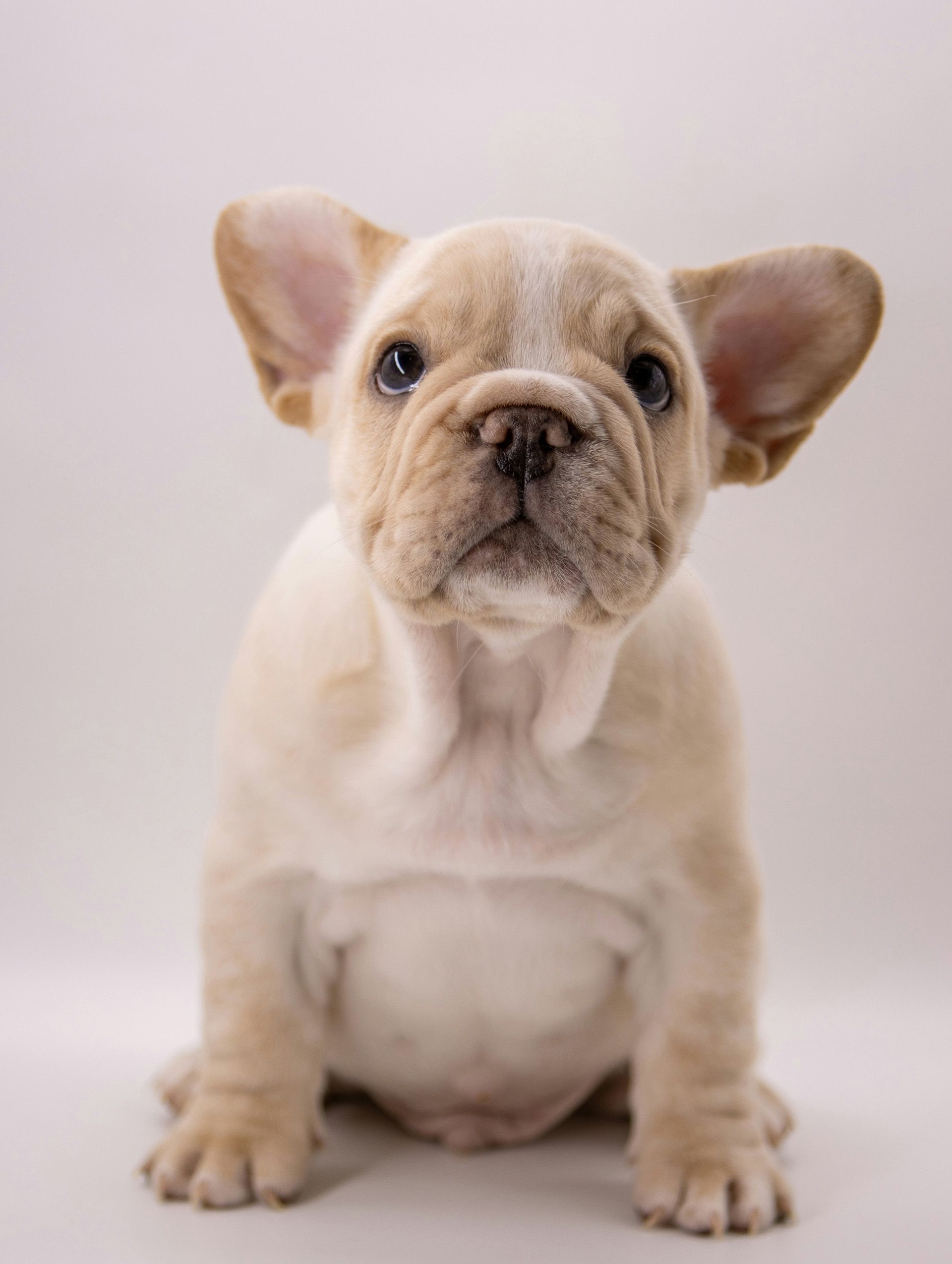
A full calendar doesn’t automatically mean a profitable photography business. Your pricing needs to cover the work clients see and the work they don’t.
A one-hour session might require additional time for client communication, travel, location planning, setup, culling, editing, gallery delivery, and ordering support. Add equipment maintenance, software, insurance, taxes, and product costs, and the actual cost of delivering a session becomes clearer. Start by calculating your business expenses and the time required to complete a typical job. Then establish a pricing structure that leaves room for profit.
Common pet photography pricing models include:
Session fee plus product sales
Clients pay a booking fee, then purchase digital images, prints, albums, or wall art separately. This model can work well for photographers who want to offer a personalized ordering experience, but it requires a clear process for presenting and selling finished work.
All-inclusive packages
A package combines session time with a defined number of edited images or products. Clients know what they’re getting upfront, and you can estimate the time and cost involved in delivering each package.
Mini sessions
Shorter sessions work well for seasonal events, adoption days, or limited portrait dates. The key is efficiency: plan the location, schedule, setup, and delivery process so the price covers the work involved.
Premium portrait experiences
Consultations, multiple-pet sessions, owner portraits, custom artwork, and guided print selection can create a more comprehensive service. These offerings need to deliver a genuinely better client experience, not simply a higher price. When setting rates, don’t base your entire pricing strategy on what another photographer charges. Their costs, experience, market, and service model may be completely different from yours.
Profitability also depends on demand, bookings, repeat business, and how efficiently you work. Premium pricing won’t fix a service that takes too many hours to deliver, and a low price won’t help if you’re spending more time and money on every session than you earn back. Build your packages around the service you can deliver consistently. Review your actual costs as you gain experience, and adjust your pricing when the numbers call for it.
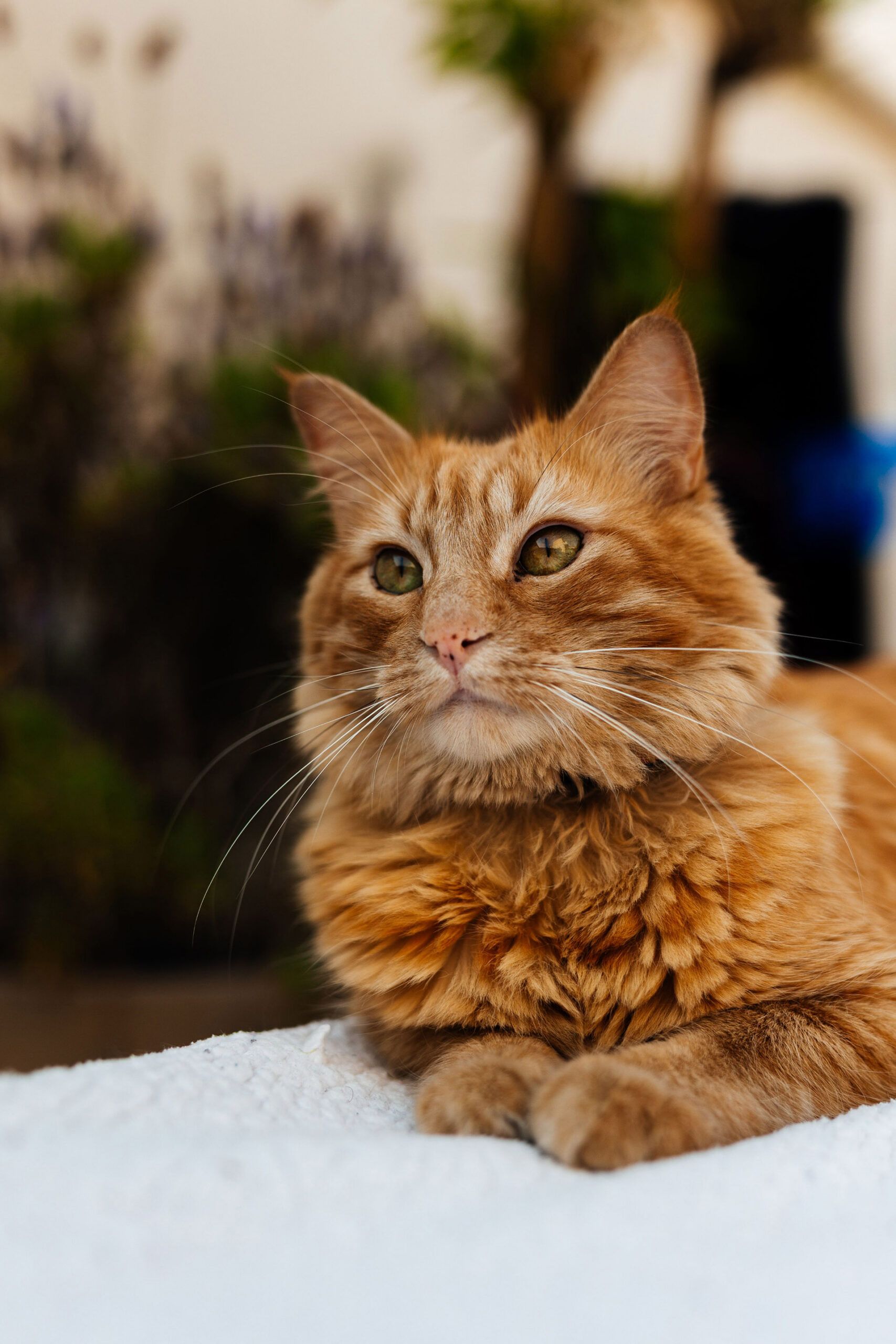
You don’t need every lens or accessory on the market to photograph pets professionally. You do need equipment that suits your subjects, shooting conditions, and workflow.
Autofocus performance, shutter speed, lens choice, and dependable accessories all play a role. The right setup for a running dog isn’t necessarily the right setup for a cat in a dim living room or a controlled studio portrait.
| Photography Need | Equipment Priority | Why It Matters |
| Outdoor action portraits | Reliable tracking, autofocus and a fast telephoto lens | Keeps moving subjects sharp without requiring you to work right beside them |
| Indoor pet portraits | Fast prime lens and appropriate lighting | Helps you work in limited light while maintaining control over exposure |
| Studio portraits | Flexible focal lengths, lighting, and backgrounds | Makes it easier to produce consistent, repeatable results |
| Nervous or reactive animals | Longer working distance | Lets you photograph without crowding or unsettling the animal |
| Paid client sessions | Backup batteries, memory cards, and reliable equipment | Reduces the risk of interruptions or lost deliverables |
When choosing a camera for pet photography, look for dependable continuous autofocus, subject tracking, and a burst mode that suits your work. Animal eye detection can also be useful when your camera supports it.
These features matter most when your subject is moving unpredictably. A dog running toward the camera presents a different focusing challenge than a cat sitting near a window.
You don’t necessarily need the newest camera body. A capable camera with reliable autofocus and the controls you need can be a better investment than an expensive upgrade that doesn’t improve your actual workflow.
Lens choice affects more than image sharpness. It determines how much room you have to work, how the background looks, and whether you can photograph an animal without getting too close.
You don’t need to buy all three immediately. Start with the focal length that fits your specialty, then add another lens when your work gives you a clear reason to do so.
Natural light can be an excellent starting point for pet photography. Window light, open shade, and softer late-day light help preserve detail in fur and avoid harsh shadows.
For studio work or indoor sessions with limited natural light, an external flash or continuous light can give you more control. Introduce artificial lighting carefully, especially around sound-sensitive or anxious animals. The animal’s comfort matters more than getting a particular lighting setup to work.
A few practical accessories can make paid sessions run more smoothly:
For paid work, carry backups of the essentials whenever possible. A spare battery and memory card take up little space compared with the cost of a disrupted session.
KEH Certified™ pre-owned cameras and lenses can help you build a capable kit without paying new-gear prices across the board. Start with the equipment that directly supports your services, then expand as your business and client needs grow.
Want more pet photography tips? Explore our guide to getting best-in-show images.
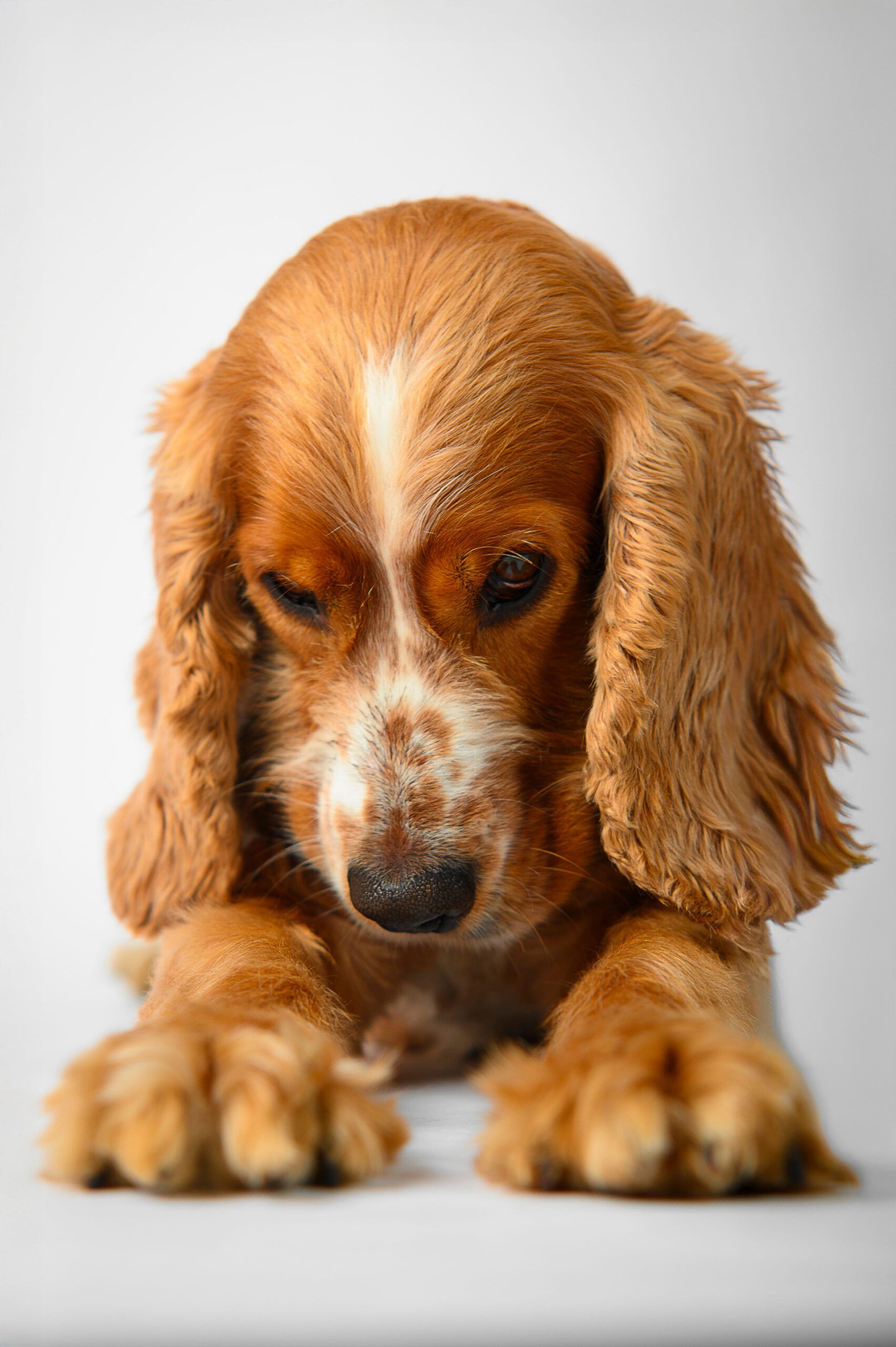
Good pet photography takes patience, preparation, and an understanding that animals don’t follow a shot list. A reliable process helps you work efficiently without making the session stressful for the pet or its owner.
Ask clients about their pet’s temperament, triggers, mobility, favorite toys, and treat preferences. Find out whether the animal is comfortable around strangers, other pets, unfamiliar locations, or camera equipment.
Share preparation instructions in advance. Depending on the session, these may cover grooming, exercise, feeding, leashes, treats, and what the owner should bring.
Choose a location with the animal’s safety and comfort in mind. Avoid extreme heat, crowded environments, unsafe props, and uncontrolled off-leash areas. Follow local rules and the owner’s guidance, and never put a pet in an uncomfortable situation just to get a particular image.
Start with easy, low-pressure frames while the pet explores. Use owner-assisted posing, treats, or toys when appropriate, and save more demanding shots for when the animal has settled.
Watch for the small expressions that make a portrait feel personal: alert ears, relaxed eyes, a head tilt, or an unexpected burst of energy. Keep your camera settings ready so you can respond quickly without constantly interrupting the session.
Give animals breaks when they need them. Puppies may lose focus quickly, senior pets may need more rest, and nervous animals may need time to get comfortable. A flexible approach often produces better images than forcing a rigid schedule.
A professional experience continues after the camera goes away.
Back up your files promptly, cull for focus and expression, and apply a consistent editing style. Set clear expectations for gallery delivery, revisions, finished files, and product orders.
If you offer prints or wall art, guide clients through the available sizes and finishes. Your job isn’t finished when you deliver a gallery; a clear ordering experience can help clients get more from the images they’ve paid for.
Use written agreements covering payment, cancellation policies, image delivery, editing scope, safety expectations, and image-use permissions. Confirm location permissions when working at private properties, shelters, rescues, or commercial venues.
A repeatable workflow protects your time, helps clients know what to expect, and makes it easier to deliver the same standard of service from one session to the next.
Pet owners already have communities, routines, and trusted businesses. Those connections can become a practical source of visibility for your photography business.
Start by identifying local businesses that serve the same customers you want to reach. Groomers, trainers, pet boutiques, boarding facilities, dog walkers, veterinarians, and rescue organizations may all be relevant partners.
Look for collaborations that offer something useful to both sides:
Make the partnership easy to manage. Agree on scheduling, responsibilities, payment if applicable, image permissions, and how each business can use the resulting photographs. For charity or adoption events, establish clear boundaries so the arrangement works for everyone involved.
Your online presence should support those local relationships. Keep your Google Business Profile current, share recent work on Instagram and Facebook, and make your services, location, and booking process easy to find.
Show more than finished portraits. Preparation tips, behind-the-scenes images, and examples of how you work safely with different animals can help prospective clients understand your approach before they book.
Email can also bring previous clients back for seasonal portraits, senior-pet sessions, or milestone updates. Keep reminders relevant rather than sending constant promotions.
Pet photography can create natural opportunities for repeat business. Puppies grow, families adopt additional pets, and owners may want new portraits as their companions age. A positive experience can also lead to referrals from friends, neighbors, and other pet owners.
That doesn’t mean repeat bookings are guaranteed. They depend on the quality of your work, your communication, your pricing, and whether clients have a reason to return.
Make it easy for satisfied customers to share their experience, refer friends, and book again. A business built on strong relationships is more likely to develop steady demand than one that relies entirely on finding new customers for every session.
Pet photography can be profitable, but income varies with your market, pricing, booking volume, expenses, and service model. Photographers offering finished artwork or premium portrait experiences may have different revenue opportunities from those selling individual digital files. Calculate the full cost of delivering your services before setting prices, and track actual profit rather than bookings alone.
Look for a camera with dependable continuous autofocus, subject tracking, and a burst mode suited to your work. Animal eye detection can be useful, particularly for moving subjects. The best camera is one that performs reliably in your shooting conditions and works with lenses suited to the types of portraits you offer.
A 50mm prime is a versatile option for lifestyle portraits and indoor photography, while an 85mm prime works well for classic portraits and softer backgrounds. Telephoto zoom lenses are useful for action and for maintaining distance from nervous animals. Your location, lighting, and subject should guide the choice.
Start with a focused portfolio, then connect with pet owners through friends, local community groups, groomers, trainers, pet boutiques, and rescue organizations. Share your work consistently, make your booking process clear, and ask satisfied clients to recommend your services.
Discuss behavior, triggers, mobility, and leash requirements with the owner before the session. Choose an appropriate location, avoid stressful or hazardous conditions, and allow the animal to take breaks. Never prioritize a photograph over the pet’s comfort or safety.
Written agreements are strongly recommended. They should explain payment, cancellation policies, image delivery, editing, safety expectations, and permission to use photographs in your portfolio or marketing. Obtain any additional permissions required by the property owner, shelter, rescue organization, or business where you plan to shoot.
A successful pet photography business starts with a clear specialty, a portfolio that demonstrates your skills, and pricing that accounts for the real cost of your work. From there, reliable equipment, a safe client experience, and strong local relationships can help you build a business that grows with your experience.
You don’t need a studio full of gear or a long list of services to get started. Invest in the equipment that supports your work, develop a process you can repeat, and let your portfolio and client relationships do the talking.