You
have no items in your shopping cart.
In Conversation with Sed Baliem
October 29, 2026
1 min read

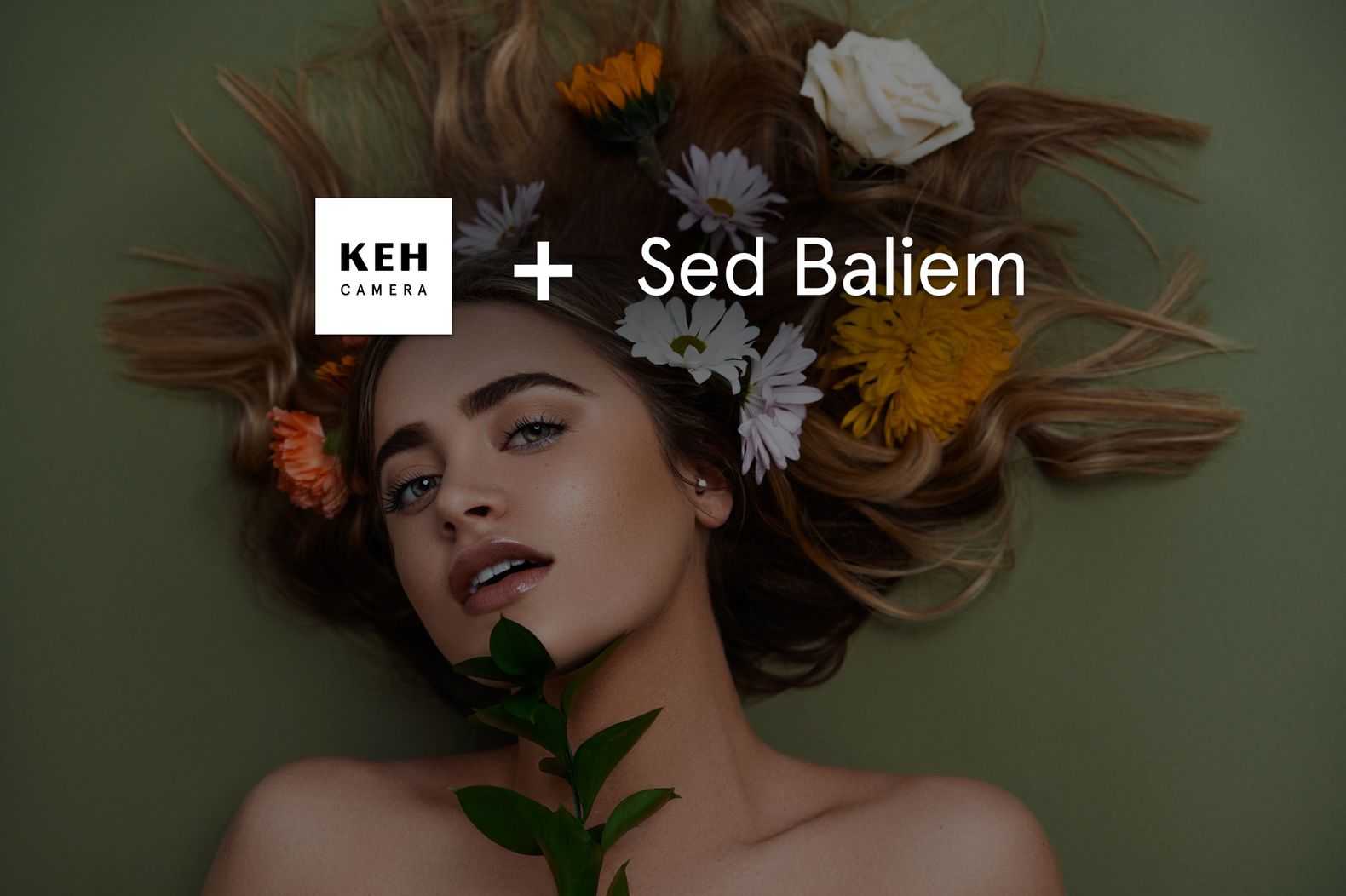
Every photographer develops their own way of seeing the world, but building a signature style takes time, experimentation, and a willingness to work with what you have. From learning to shape light with a single flash to turning everyday locations into striking portraits, the best creative breakthroughs often come from mastering the fundamentals and making them your own.
In this edition of In Conversation, we sat down with Atlanta-born photographer Sed Baliem, better known as ShotBySed, to talk about developing his signature flash portraiture, building a photography career from the ground up, and creating professional work without an expensive gear setup. Sed also shares advice on finding your creative voice, mentoring the next generation of photographers, and why mastering the gear you already own can take you further than chasing the latest upgrade.
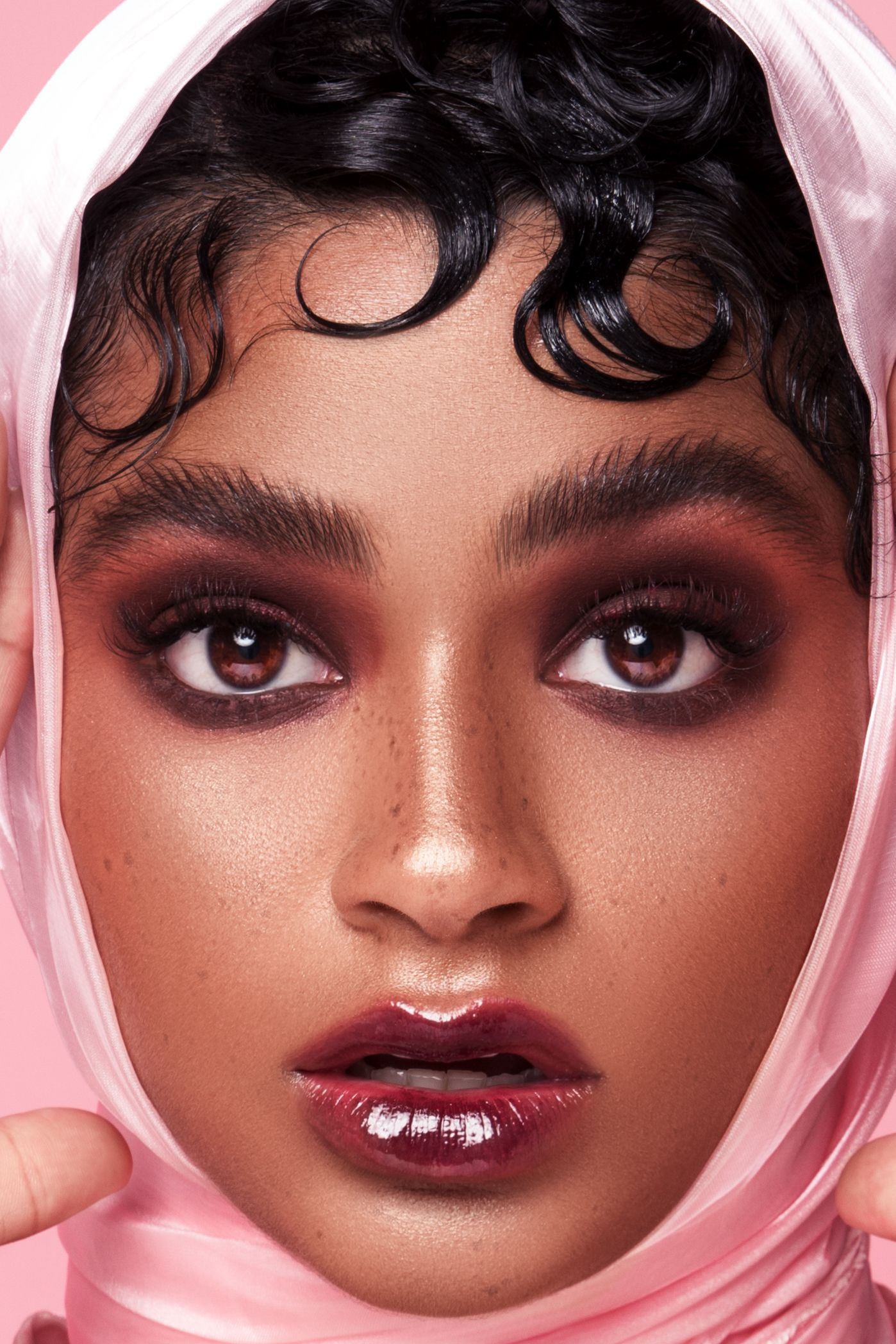
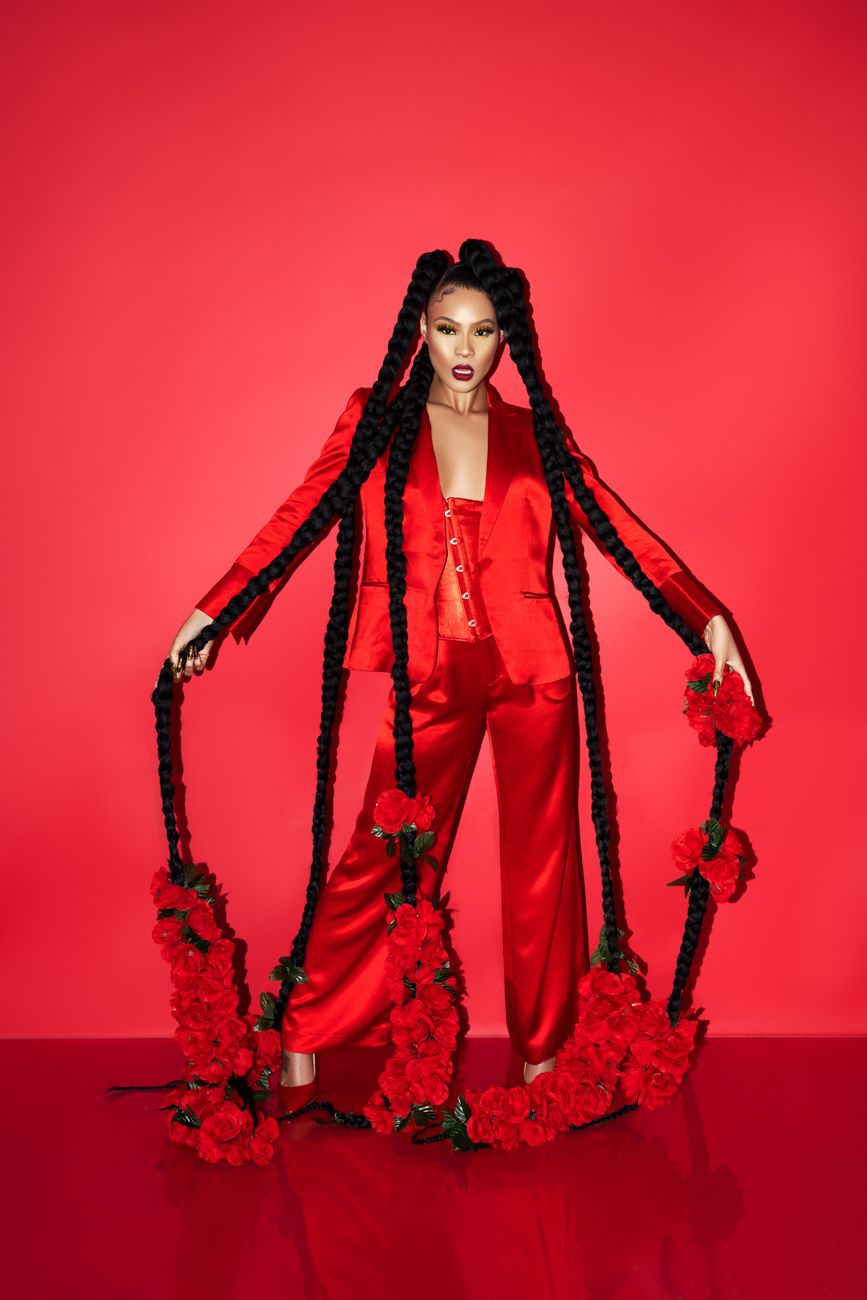
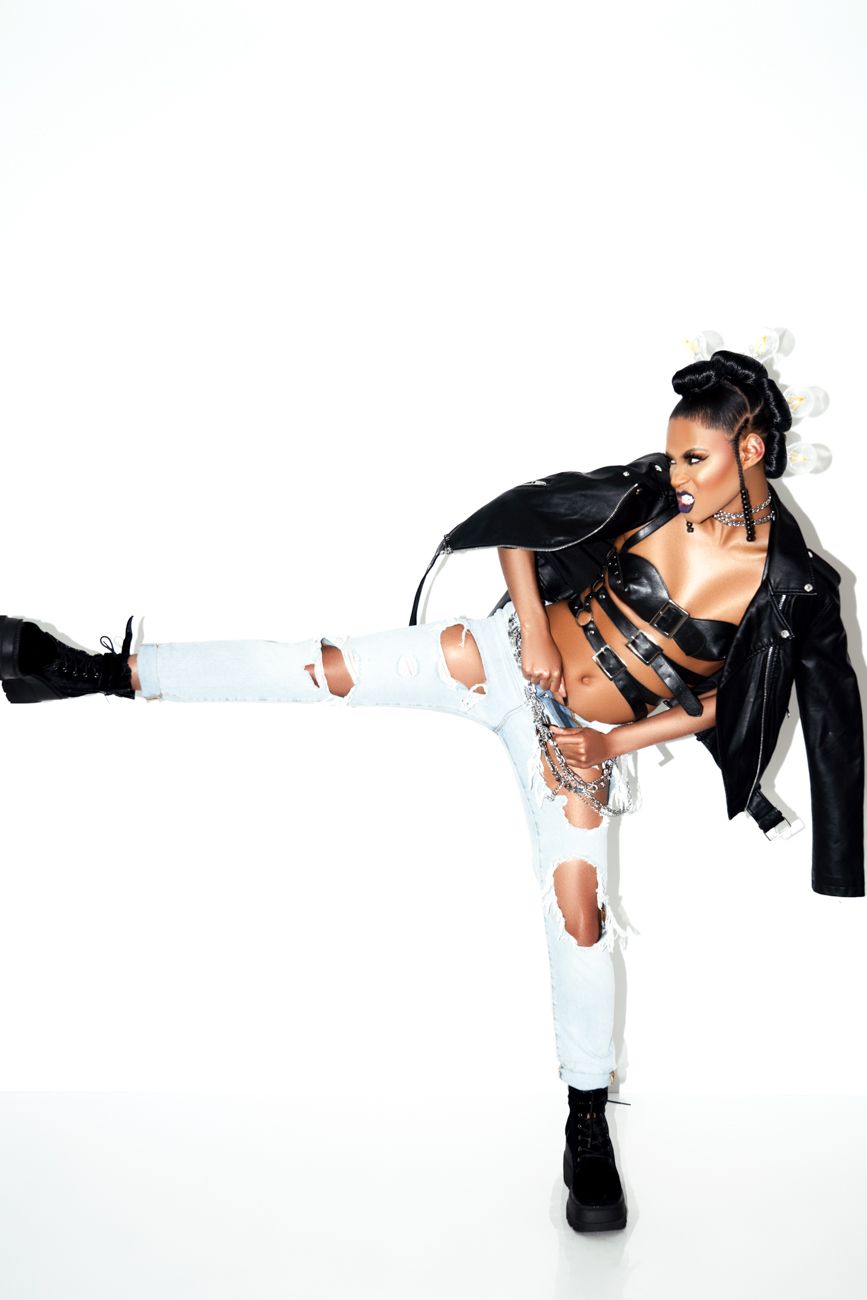
Hey Sed, thanks so much for chatting with us! To start, tell us a bit about yourself and your photography journey. How’d you get into this, and when did it become the thing for you?
I’m Sed Baliem, but most people know me as ShotBySed. I was born and raised in Atlanta, Georgia. I fell in love with photography as a kid, though I didn’t think it could be a real career at first. My mom bought me my first camera in 9th grade, a Fujifilm FinePix S4200, to help me get started. That camera gave me the opportunity to experiment, learn, and discover what I could create.
By sophomore year, I had already started building a name for myself around school, so I saved the checks from my grocery store job and bought a Canon T3i, a speedlight, and eventually an AlienBee B800. During my senior year of high school, I decided to commit to photography.
I started by photographing my friends, and then I began taking clients in my grandmother’s basement. That basement became famous. People couldn’t believe I was creating those kinds of portraits down there. That was the beginning. That’s where it all started.
You’ve talked about photography being less about what you see and more about how you see it, that it’s really an art of observation. What does that look like in practice when you’re out shooting?
I think that applies to life in general. It’s all about how you see things. Photography gives you the ability to turn something ordinary into something extraordinary.
I can take a plain white wall, put someone in front of it, and suddenly that person becomes the artwork. We can walk down 11th Street, pass a few ordinary storefronts, and find one that complements the subject’s wardrobe or aesthetic. Now that building every day has become part of an editorial photograph.
That’s what observation looks like for me. I’m always looking beyond what something is to what it could become.
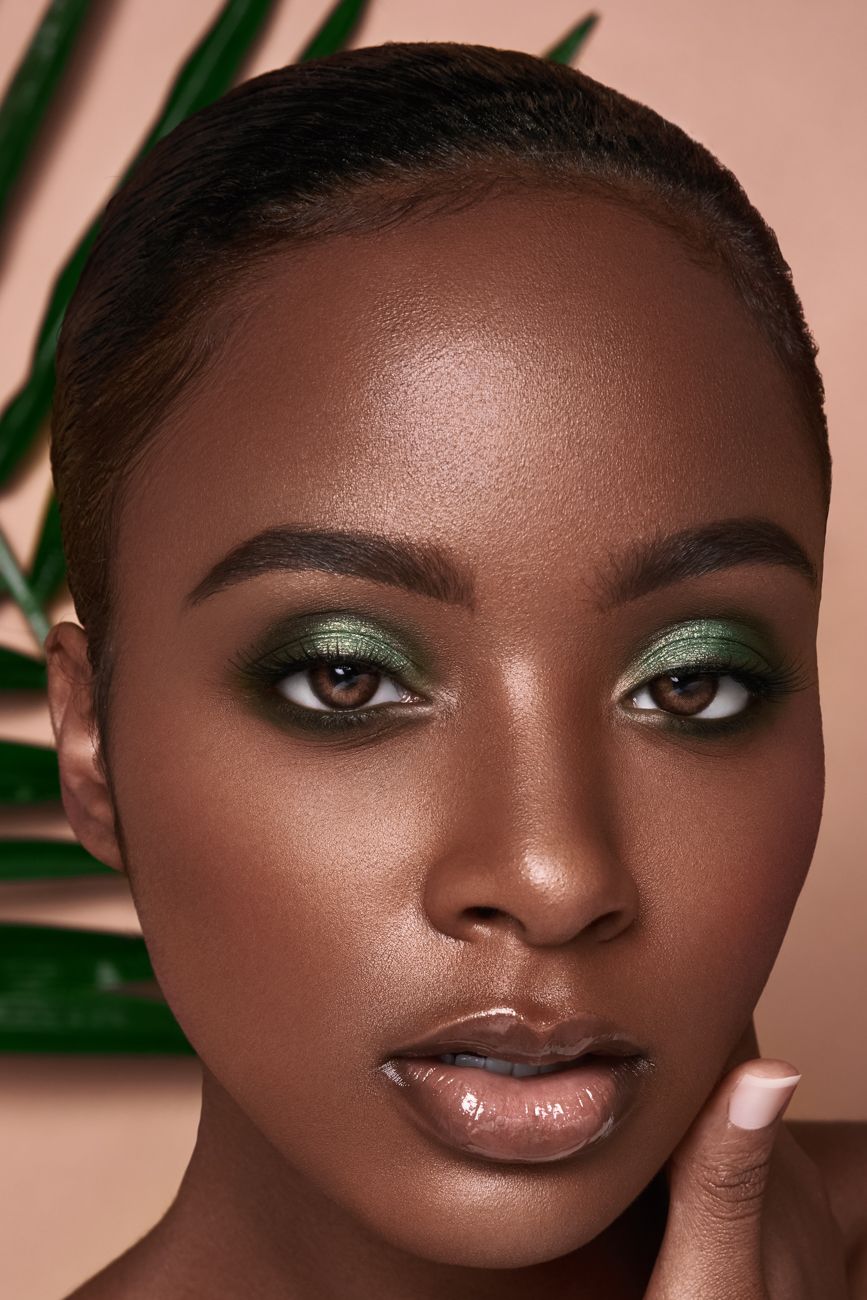
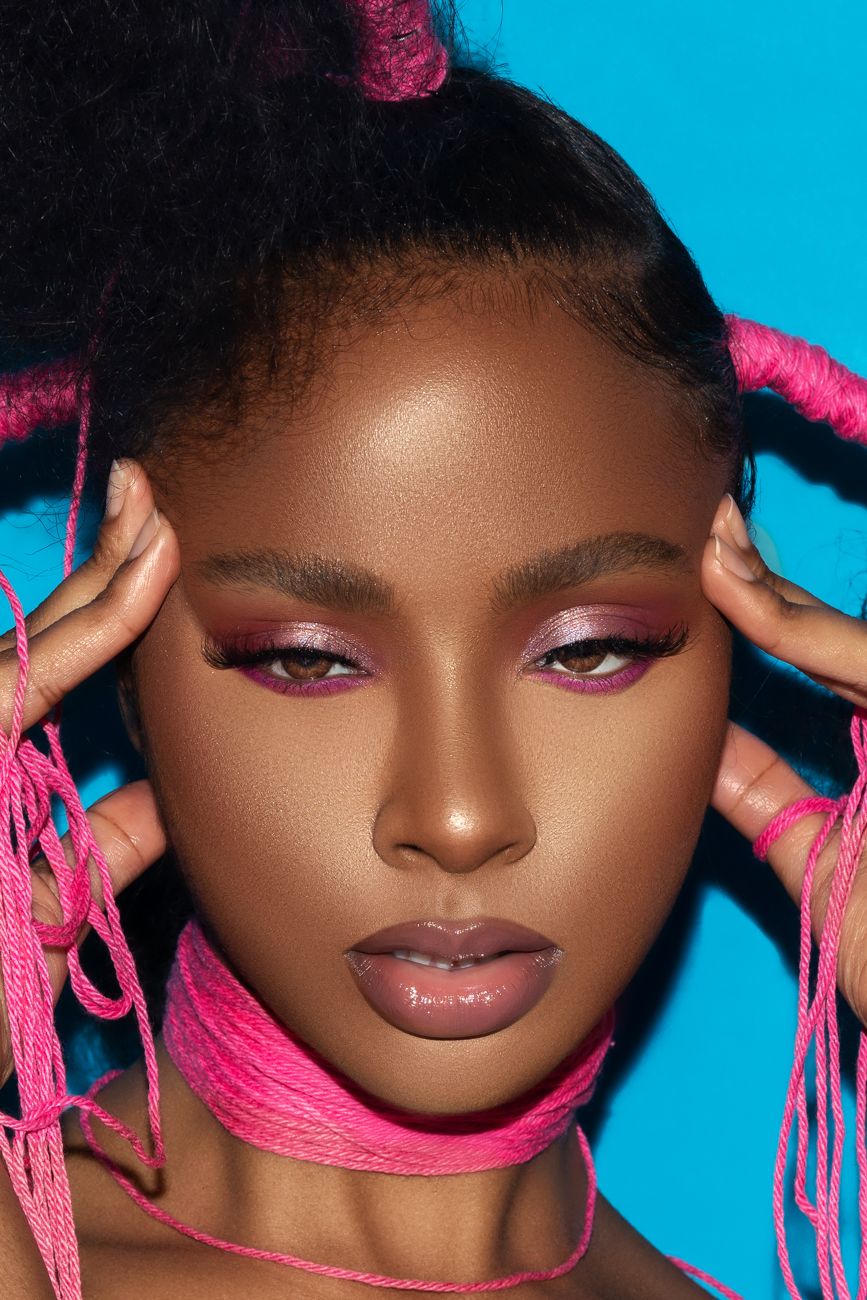
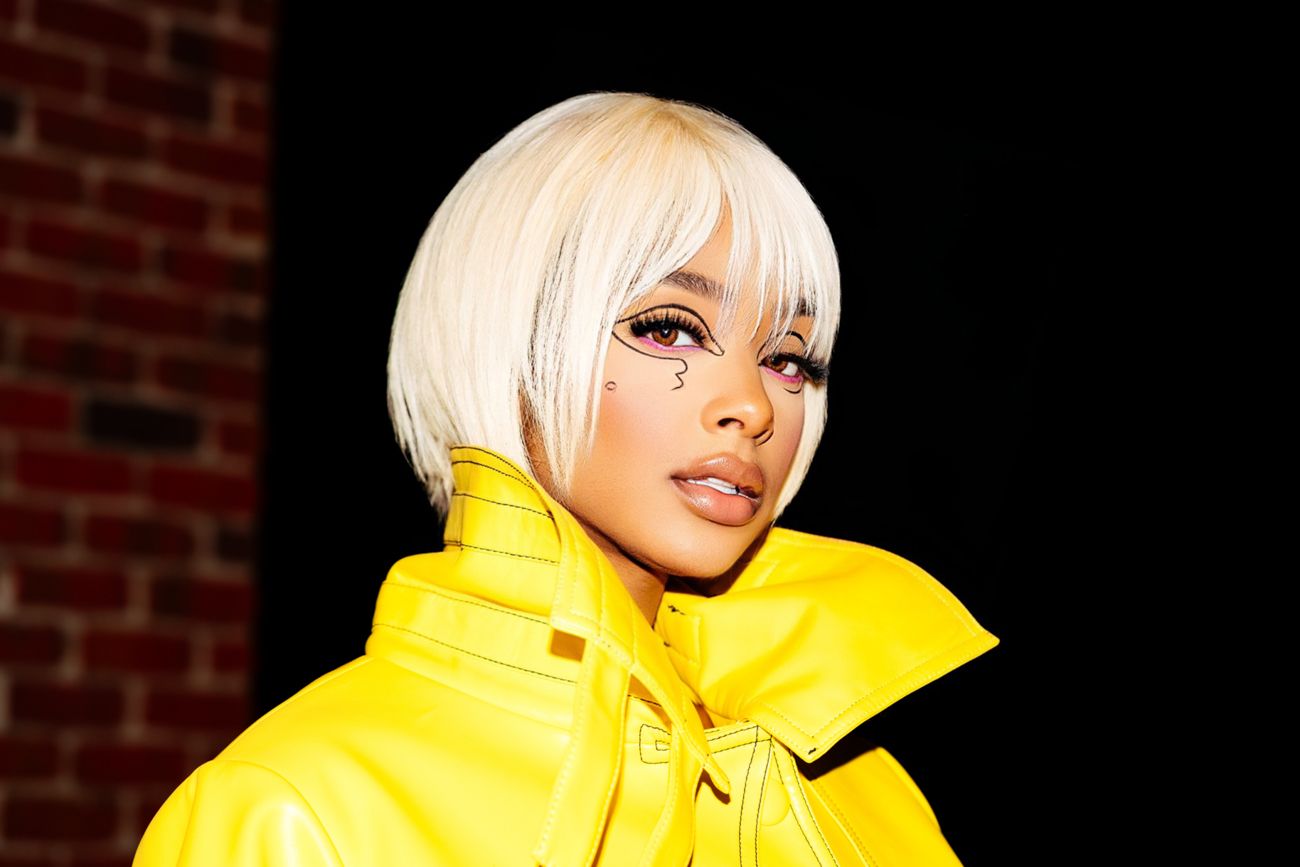
That vibrant, direct flash portrait look is basically your signature at this point. What originally drew you to that approach, and how did you develop it into what feels like the signature “Shot by Sed” look?
When I was a kid, I collected fashion magazines. I was always drawn to the designer advertisements because the portraits were bold, vibrant, polished, and full of life. I studied that style before I even completely understood what I was studying.
When I began shooting professionally, I couldn’t afford elaborate three- or four-light setups. I had to master the equipment that I already owned. That limitation pushed me to become extremely intentional about flash placement, direction, color, and how close I positioned the light to my subject.
Over time, that direct, vibrant approach became part of my visual language. What began as me mastering the tools I could afford eventually became the signature ShotBySed look.
You move between beauty and portrait work, weddings, events, and even landscape. How does your mindset change when you go from something intentional and intimate, like a portrait session, to something fast-paced and unpredictable, like an event?
With portrait work, I can slow down and be intentional about every detail, including the lighting, pose, expression, wardrobe, and composition. At an event, everything happens much faster. You have to anticipate moments, read the room, and connect with people quickly.
I still try to bring the same level of intention into the event space. I love connecting with people and making them feel comfortable, even if I only have a few seconds to capture them. Events keep me on my toes, but seeing the complete story at the end makes the pace worth it.
The environment may change, but my goal stays the same: create flattering light, capture personality, and make people look and feel their best.
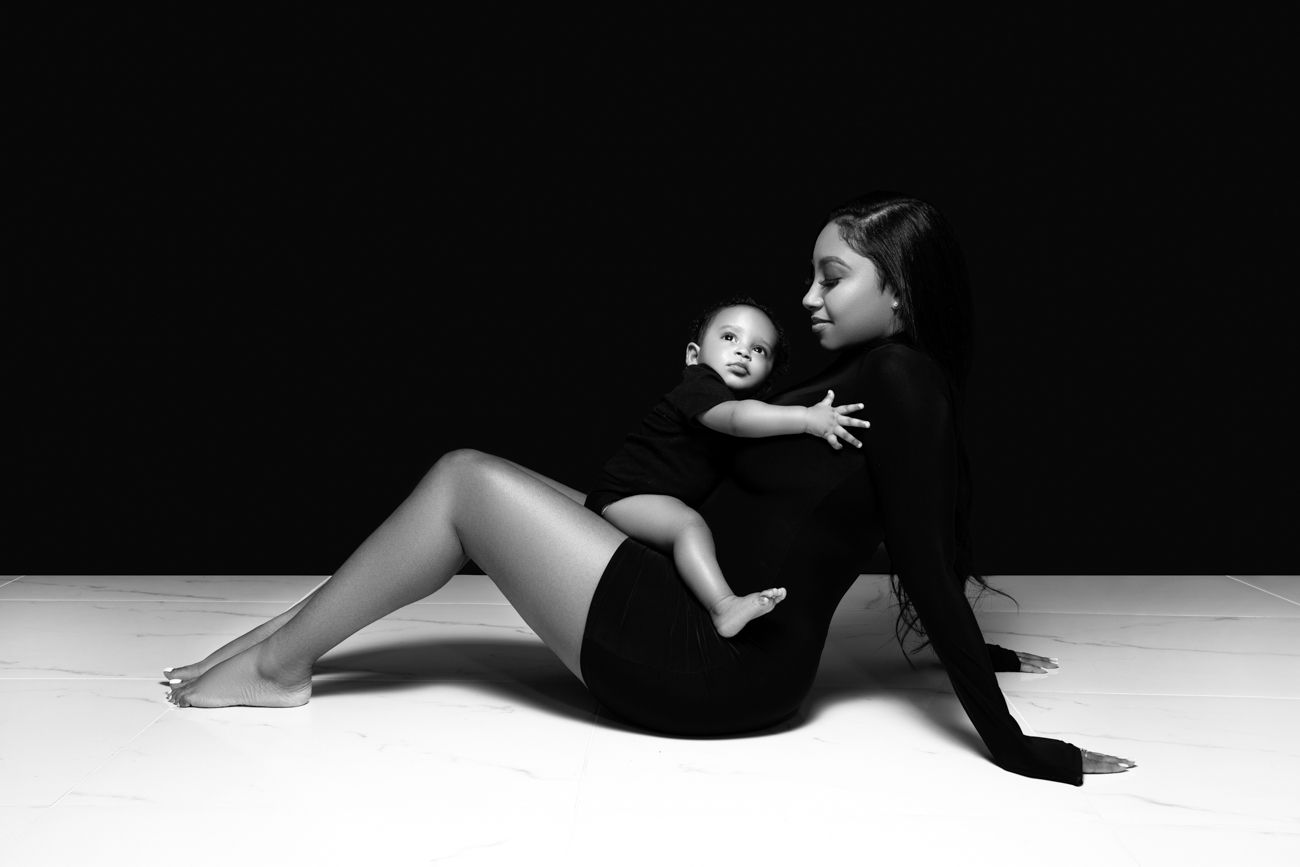
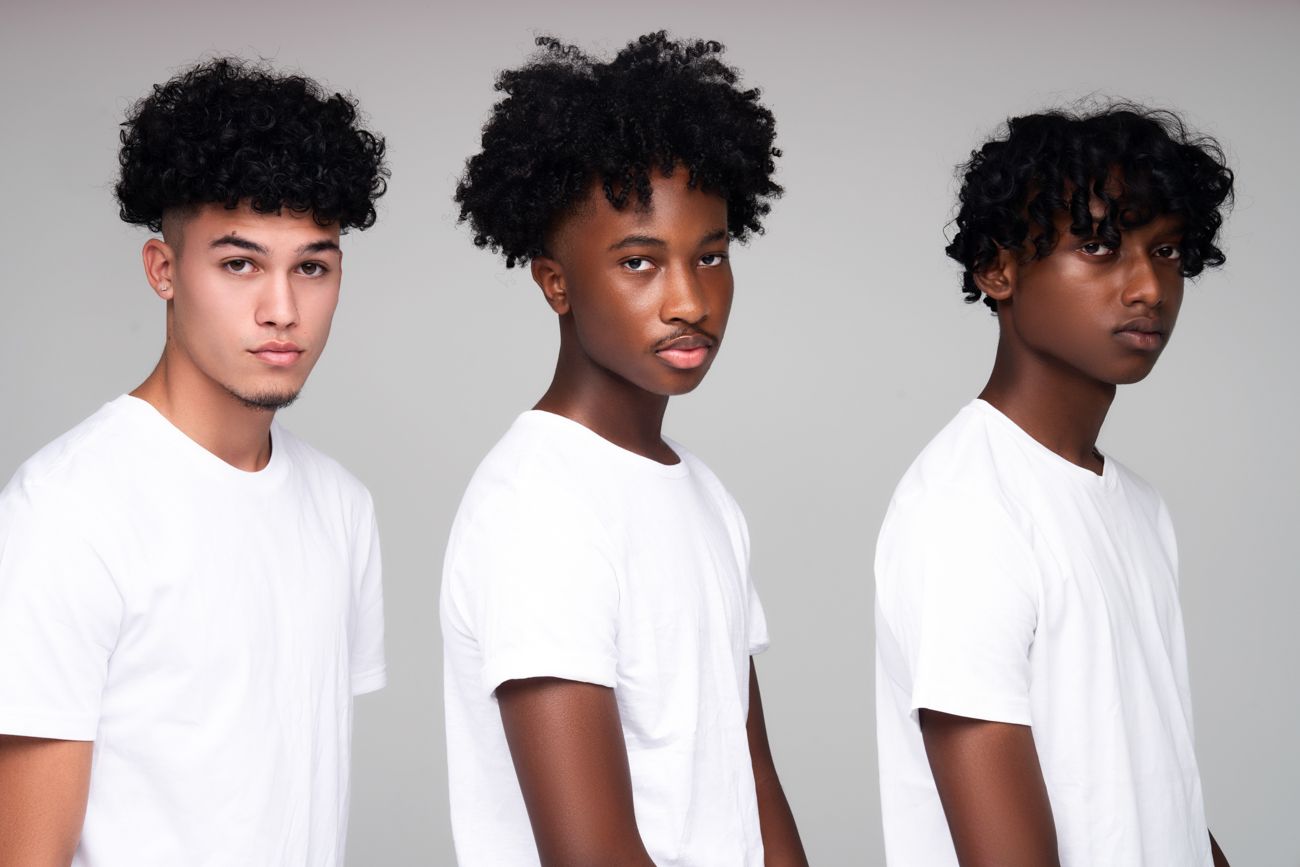
You’ve built a whole signature style around flash portraiture; has your gear setup evolved a lot to get there, or have certain pieces stuck with you the whole way? Any go-to camera bodies or flashes you’d point people toward if they wanted to start chasing that look?
My gear has definitely evolved, but the fundamentals have remained the same. My current go-to camera body is the Canon EOS R5 Mark II, typically paired with a 35mm or 50mm lens. My favorite on-camera flash is the Profoto A10.
However, you don’t need that exact setup to create this kind of work. Any capable camera body, a solid 35mm or 50mm lens, and a powerful, reliable flash can get you started.
The equipment helps, but the look really comes from understanding the light, including its direction, distance, intensity, and how it interacts with your subject. I started with a Canon T3i, a speedlight, and one AlienBees strobe. Mastering what I had mattered more than owning the most expensive setup.
For someone just starting out and trying to build a kit without spending a fortune, what advice do you have? Any tips on where to actually invest versus where you can save?
Building a photography kit doesn’t have to be expensive, especially in 2026. At this point, almost every modern camera is great.
I’ve been shopping with KEH since 2014, and I always recommend that upcoming photographers shop there before paying full price for brand-new equipment. Give me a budget, and I can build a complete kit around it, from the camera and lens to the flash.
I would start with a reliable used camera body, one versatile lens, and one dependable flash. Invest in quality lenses and lighting because those pieces can stay with you through multiple camera upgrades. You can save on the body by purchasing a slightly older model in good condition. Most importantly, learn everything your current kit can do before deciding that you need more equipment.
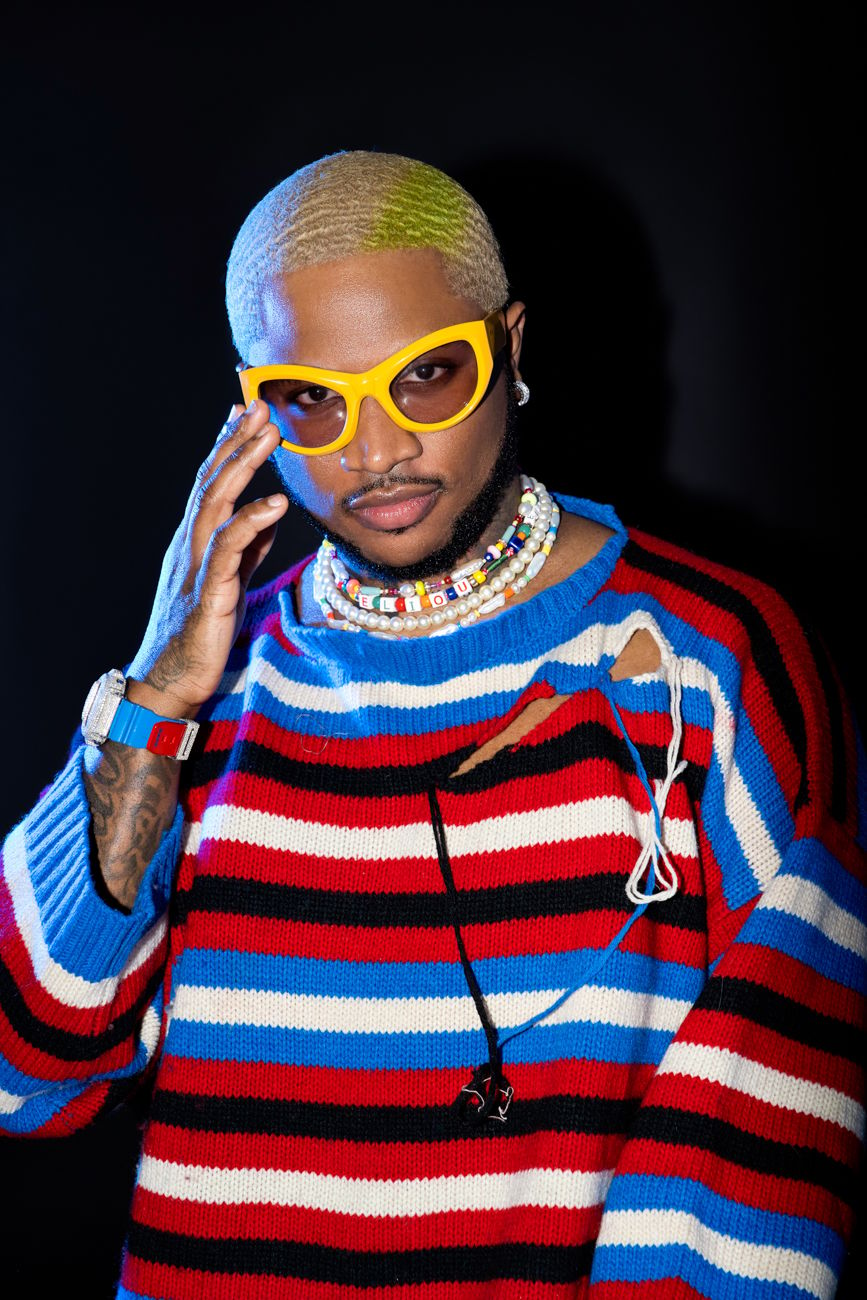
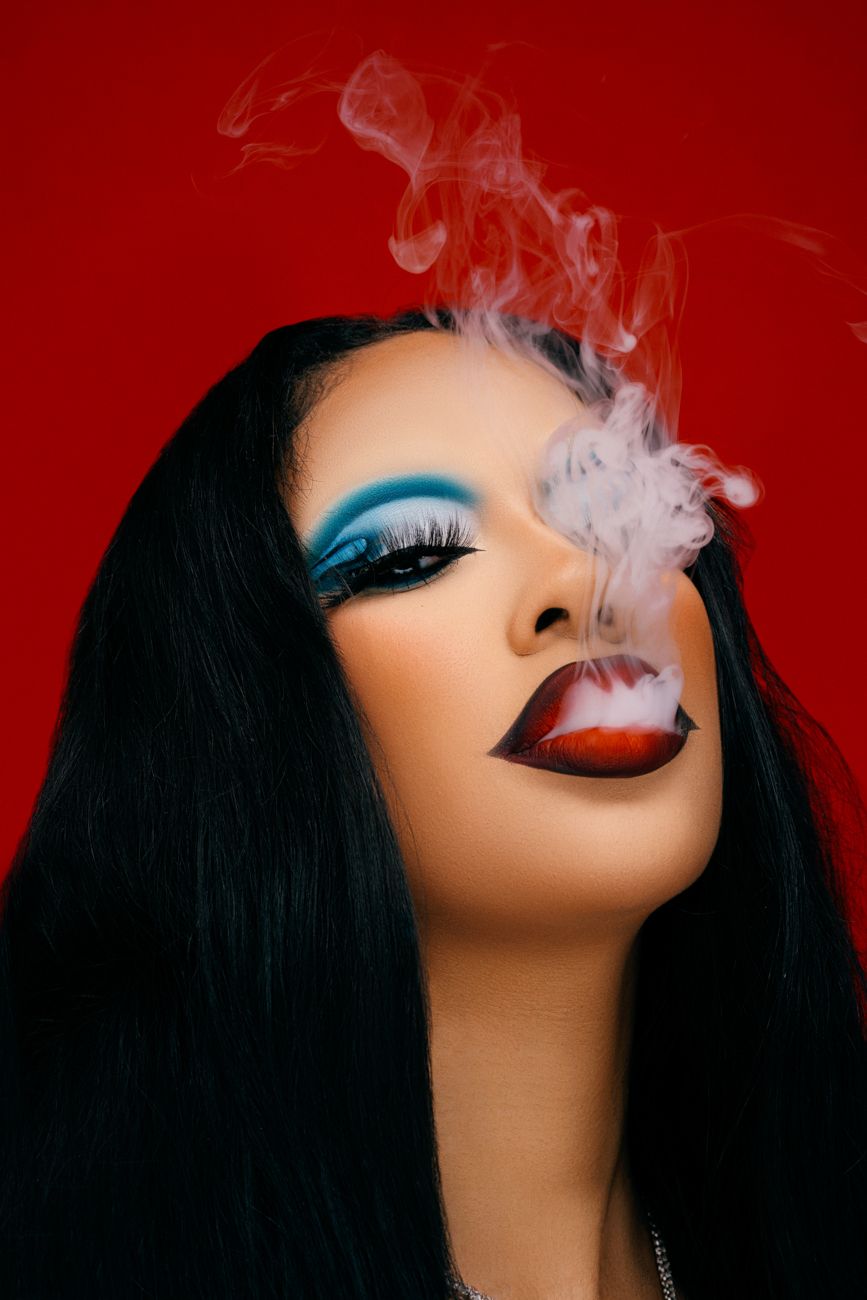
You’ve packaged your editing process into your own Lightroom presets. How much of your final look happens in-camera versus in post, and what made you want to put your process out there for other photographers to use?
I try to get the image as close to perfect as possible in-camera, especially with lighting, exposure, and color. I would say the finished look is already about 80-90% there before I begin editing. Post-production is where I refine the color, clean up blemishes, and add the finishing touches.
Coloring in Lightroom used to be one of the most challenging parts of the process for me. When I released my presets around 2015 or 2016, I knew there were other photographers facing that same challenge. I wanted to give them a stronger starting point so they could get past the frustration and spend more time creating.
The presets aren’t meant to replace good lighting or exposure. They’re tools that help photographers reach the look they envision more efficiently.
You wear a lot of hats—serial entrepreneur is one you’ve claimed for yourself. What’s the biggest lesson from jumping between ventures while keeping photography at the center of it all?
I call myself a serial entrepreneur because my mind never stops thinking or creating. I can imagine a brand out of thin air, or an idea will come to me, and I immediately want to figure out how to execute it.
The biggest lesson I’ve learned is that photography is what allows everyone else to see the vision. You can explain an idea all day, but once people can see it, it becomes real to them. Photography has helped me build, communicate, and market every venture I’ve created.
Even when I’m exploring different businesses, photography remains central because it gives each idea its visual identity.
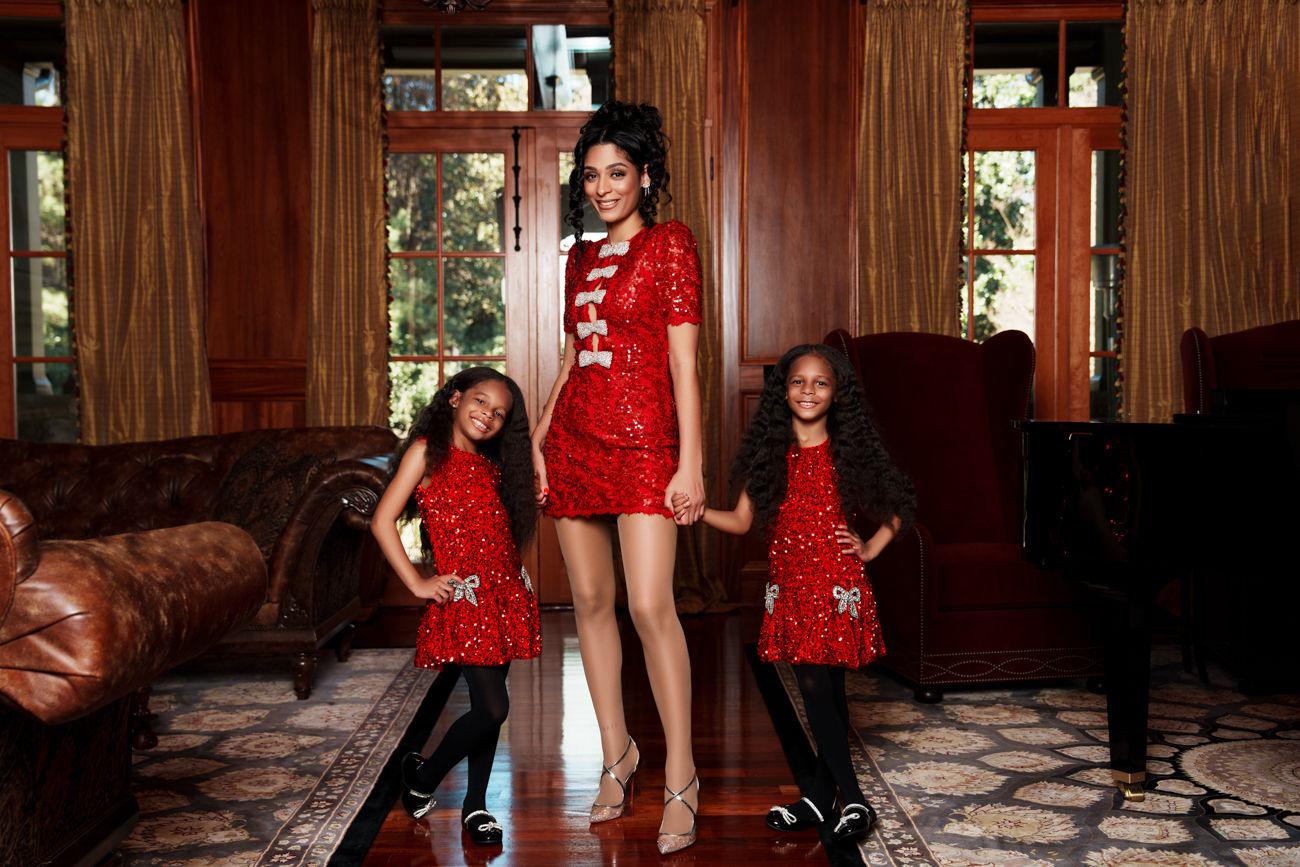
You’re also a mentor to other photographers. What does that actually look like day to day, and what’s something you find yourself repeating to the people you mentor?
My day-to-day mentorship involves a lot of coaching. We go over equipment, camera settings, lighting, and how to approach different shooting conditions. That could mean learning how to work in harsh sunlight, understanding studio lighting, or figuring out how to create professional results with limited gear.
A lot of photographers don’t have access to a studio or professional studio equipment. Whenever possible, I give them access to those tools and show them how everything works in a real shooting environment.
One thing I repeat often is to master what you already have. Don’t allow the lack of a studio or expensive gear to stop you. Learn how light works, and you’ll be able to create almost anywhere.
For someone trying to build a signature style, as you have with flash portraiture, what’s your advice for finding their own voice rather than copying someone else’s?
Copying can be part of learning. If you genuinely enjoy recreating a certain type of art, go for it, but don’t stop there. Take it up a notch and put your own touch on it.
Study what you like about someone else’s work. Is it the lighting, color, posing, styling, composition, or the feeling it gives you? Once you understand what connects with you, experiment with those elements until they begin reflecting your own experiences and personality.
Your signature style develops through repetition. The more you create, the more you’ll recognize the choices that consistently feel like you. Inspiration may give you a starting point, but your perspective is what makes the work your own.
What’s next for you? Any exciting plans, projects, or directions you’re looking forward to that you’d like to share?
What’s next for me is a series of portrait books. I released my first book years ago, and it became a great conversation piece. It reminded me of how powerful photography can be when it lives somewhere beyond a screen or social media feed.
I want to continue creating and releasing more books with more portraits, more stories, and more physical collections of the work. I’ve created so many images throughout my career, and I’m excited to give those images a permanent place where people can experience them differently.
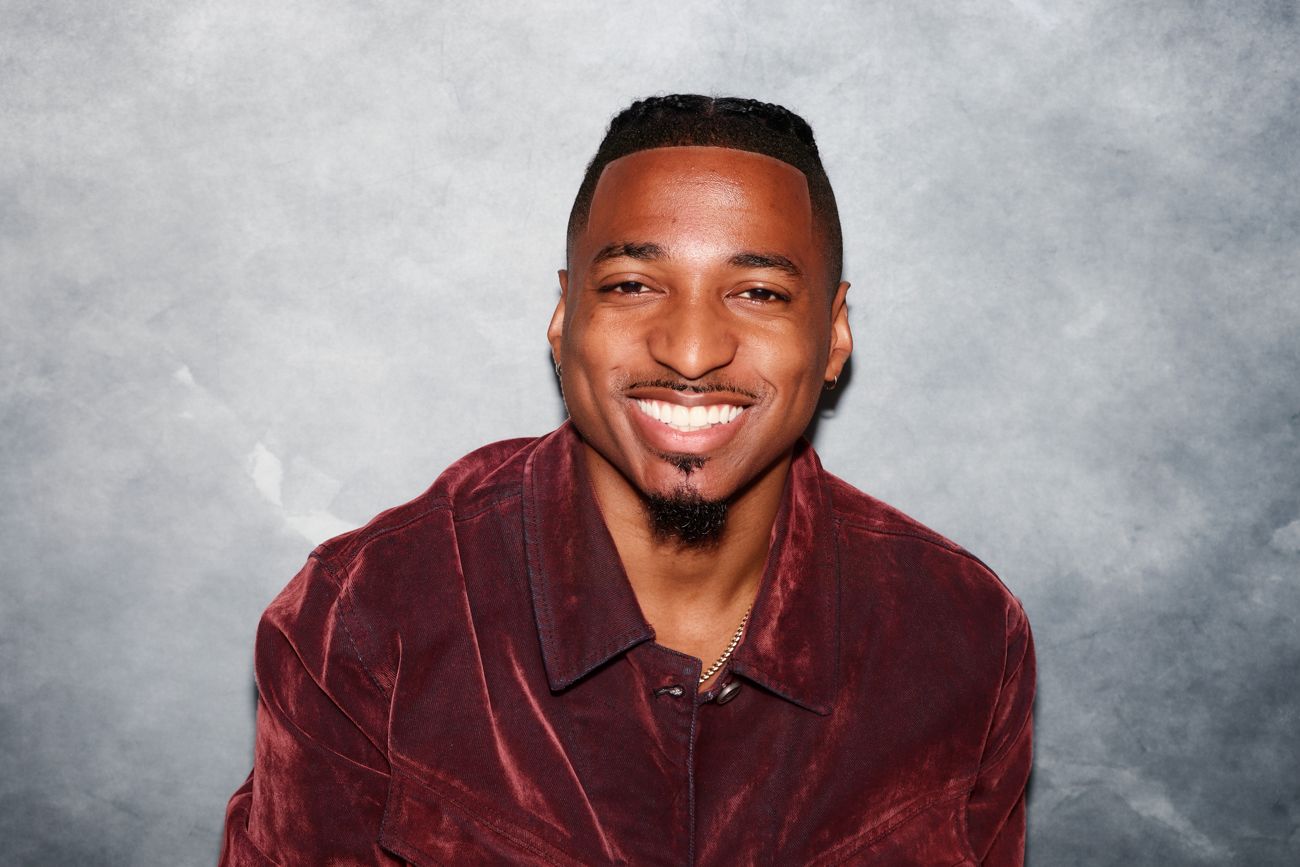
About Sed Baliem
Sed Baliem, better known as ShotBySed, is an Atlanta-born visual artist, photographer, and content curator known for his striking flash portraiture and polished imagery that blends beauty, culture, and brand storytelling. Through portraits, event coverage, and creative photo solutions, ShotBySed creates elevated visuals that help people and brands stand out, whether in the studio, on location, or anywhere the work travels.