You
have no items in your shopping cart.
In Conversation with Elianel Clinton
June 29, 2026
1 min read

If you’ve ever come across an Elianel Clinton photograph and found yourself stopping to look a little longer, you’re not alone. His work—spanning editorial, commercial, and personal projects—is rooted in culture, identity, and a deep commitment to authentic storytelling. We sat down with him to talk about where that comes from, how he works, and what it means to build a body of work that’s genuinely, unmistakably yours.
My journey with photography started long before I understood it as a practice. Growing up, my father documented everything—my mother, my brother, me, family members, and friends—through point-and-shoots, disposables, and VHS tapes. It wasn’t just birthdays or milestones, it was everyday life too. I always say that the first thing I saw after coming out of my mother’s womb was a camera. Quite literally, too.
What really shifted things for me was going through his archives as a kid. I remember being around seven or eight and discovering bins of printed photos and Polaroids. Seeing my life before I had any memory of it was powerful. Then there were the baby albums my parents made for us; seeing myself as a newborn and realizing how much meaning a single image can hold stayed with me. That’s when I started to understand photography less as taking pictures and more as memory, preservation, and time itself.
From there, I started shooting on my own camera and slowly realized I wasn’t just documenting what I saw. I was trying to understand people, environments, and connections through images. That curiosity eventually led me to study photography formally at the Fashion Institute of Technology.
But it really all traces back to those early archives and learning that photographs aren’t just moments, they’re proof that something existed.
What first drew me to storytelling through photography was realizing how much a single image could hold—not just what something looked like, but what it felt like to exist in that moment. Growing up around my father’s photographs, I started to understand that images weren’t just documentation; they were emotional records of life.
As I got older and started making my own work, that idea stayed with me. I wasn’t just interested in taking photos of things that looked interesting; I was drawn to people, environments, and moments that carried something deeper beneath the surface. Photography became a way for me to understand the world and the people in it.
What continues to guide the stories I choose to tell is connection. I’m always thinking about lived experience. How people move through the world, what shapes them, and what often goes unseen or unheard. A lot of my work is rooted in personal experience and in community. I’m interested in stories that feel honest, layered, and human.
As a queer Black and Hispanic photographer, I also think about visibility in a very real way. Not in a performative sense, but in a way that allows people—especially those from communities like mine—to feel recognized and less alone. I’m drawn to work that expands how people are seen, not reduces them.
At the core, I think I’m always trying to tell stories that make people feel a little more understood, whether that’s through my own perspective or someone else’s.
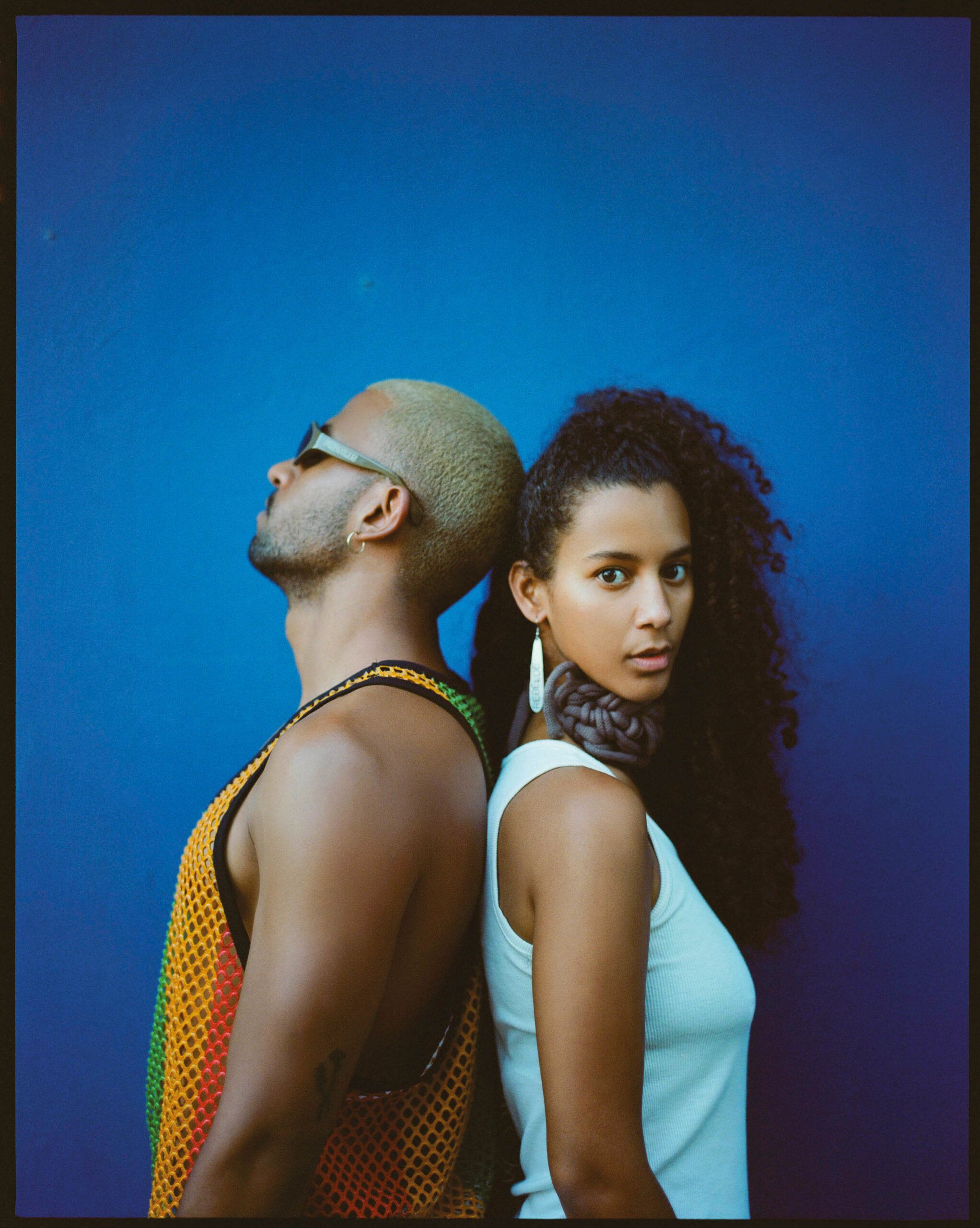
When I look across my body of work, I think the common thread is curiosity about people and the emotional weight they carry, whether that’s visible or not.
I don’t really approach projects thinking in separate categories like personal, editorial, or commercial. For me, it all comes from the same place: trying to understand something about a person or a moment that isn’t immediately obvious on the surface. I’m drawn to the in-between—those quieter, more human details that often get overlooked.
There’s also a strong sense of preservation in everything I do. I think a lot about time, memory, and what it means to document someone’s presence in a way that feels honest. Growing up around my father’s photographs made me very aware early on that images don’t just reflect a moment. They become evidence that it happened at all. That idea has stayed with me in every project I take on.
So whether I’m working with a collaborator in a personal series or on a set for a client, I’m always trying to create space for something real to come through. Something that feels lived in, not performed.
At its core, my work is about paying attention to people, to energy, and to the small details that make someone who they are.
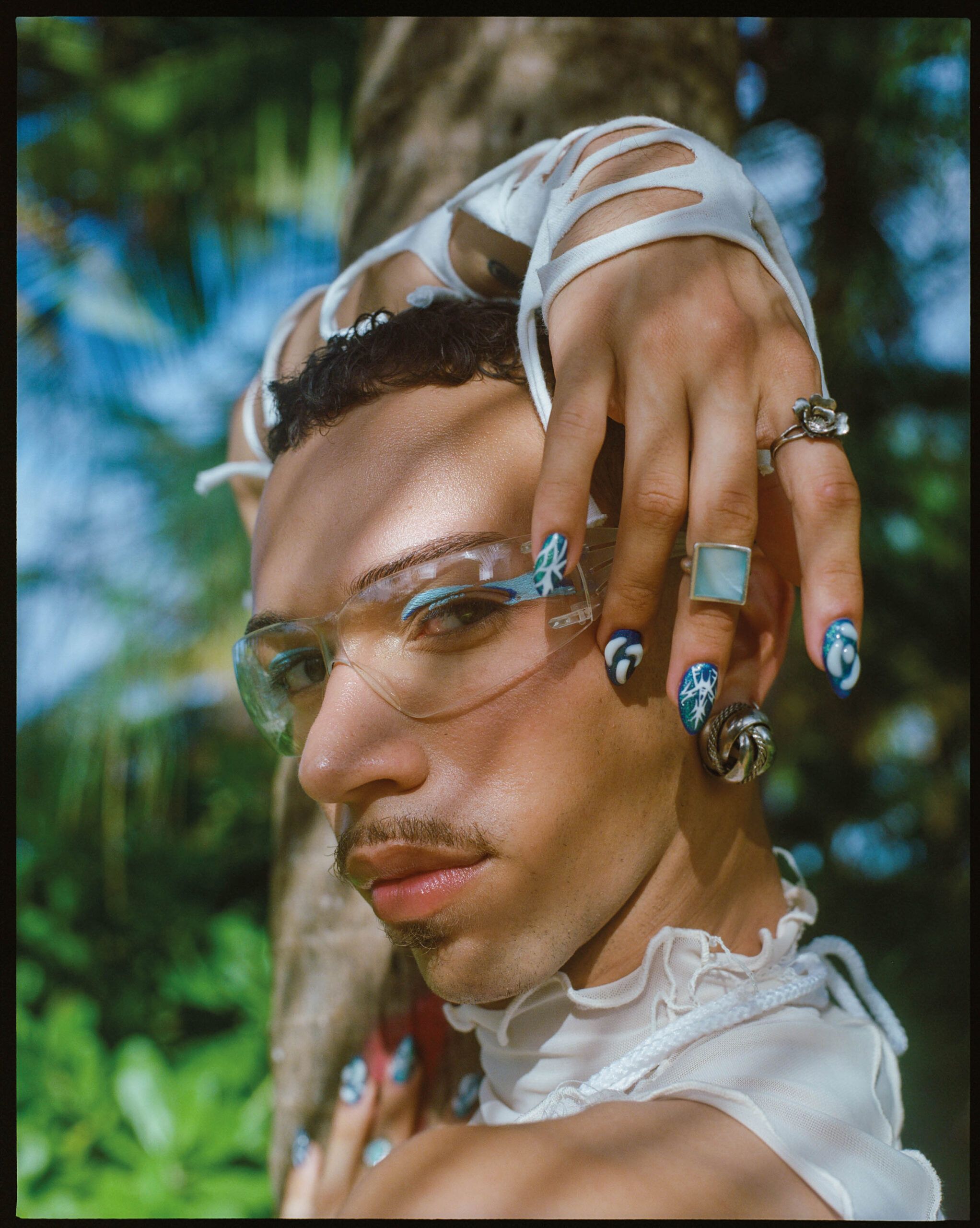
I think about my place in that conversation less as someone trying to define representation and more as someone trying to contribute to it responsibly. For me, photography has always been about preservation—of people, of presence, of moments that might otherwise go unseen or unremembered. So when I think about representation, it’s not just about visibility in the present moment, but what that visibility becomes over time. What gets carried forward, and what gets lost if it isn’t documented with care.
A lot of my work comes from a desire to make sure people feel seen in ways that feel true to them, not filtered through an outside lens or simplified into a single narrative. That’s especially important when working with communities that are often misrepresented or reduced in mainstream media. At the same time, I don’t see myself as speaking for anyone. I’m more interested in creating space for people to speak for themselves and then using photography to hold on to that exchange.
I think my responsibility as a photographer is to be attentive, approaching people and their stories with care, and to understand that what I’m documenting has a life beyond the moment it’s made. These images don’t just live on a screen or in a publication; they become part of how people are remembered. That awareness shapes how I move through every project.
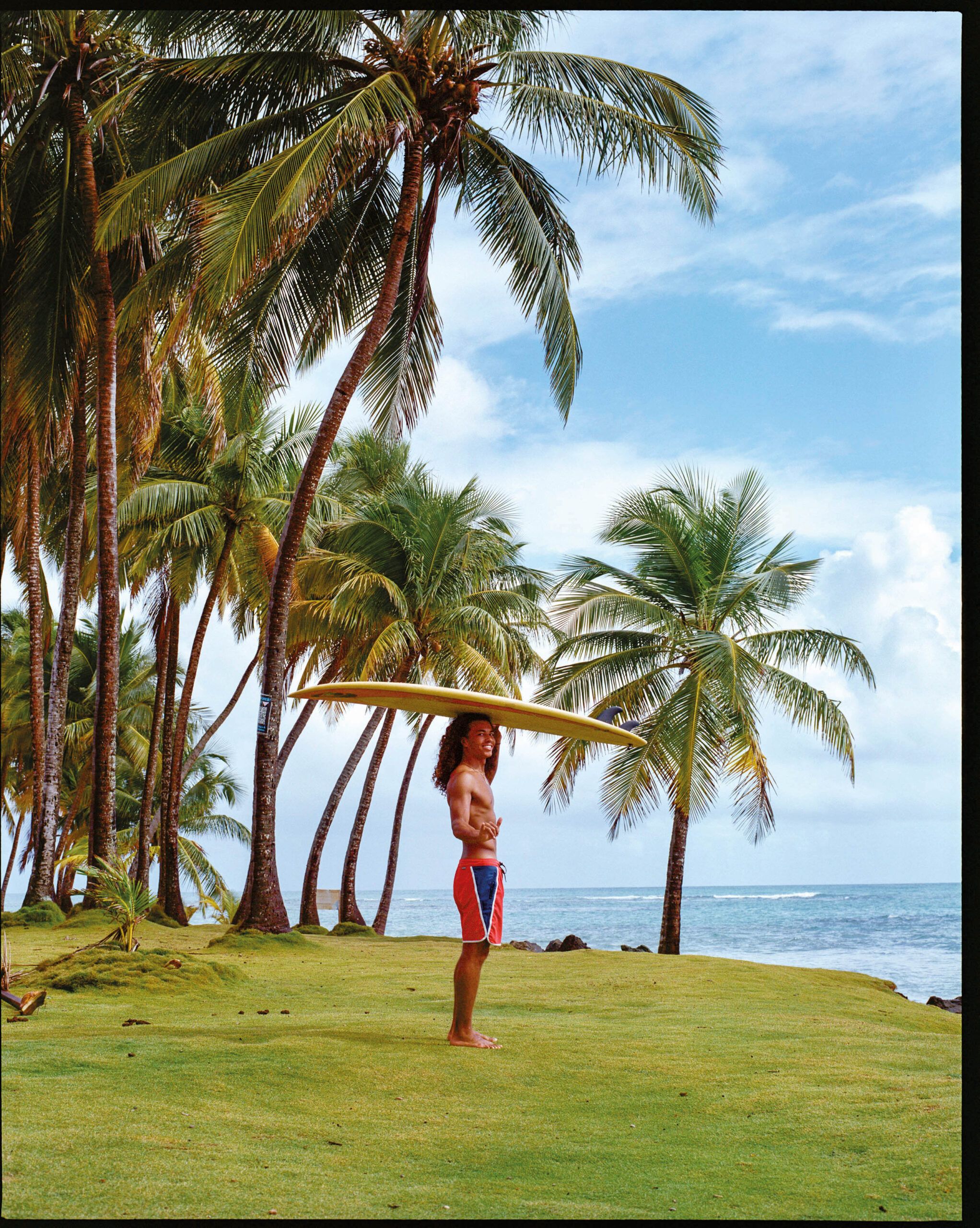
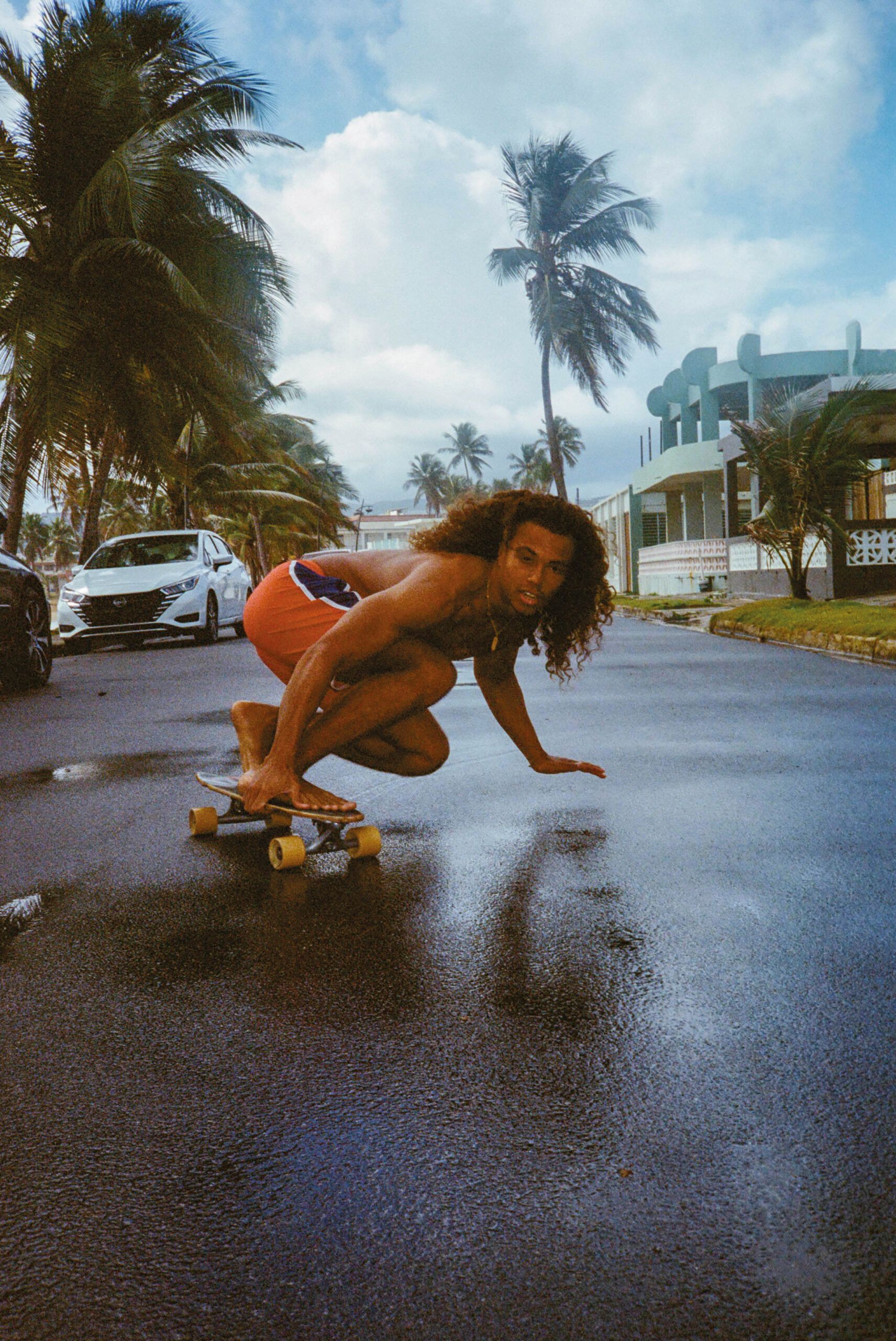
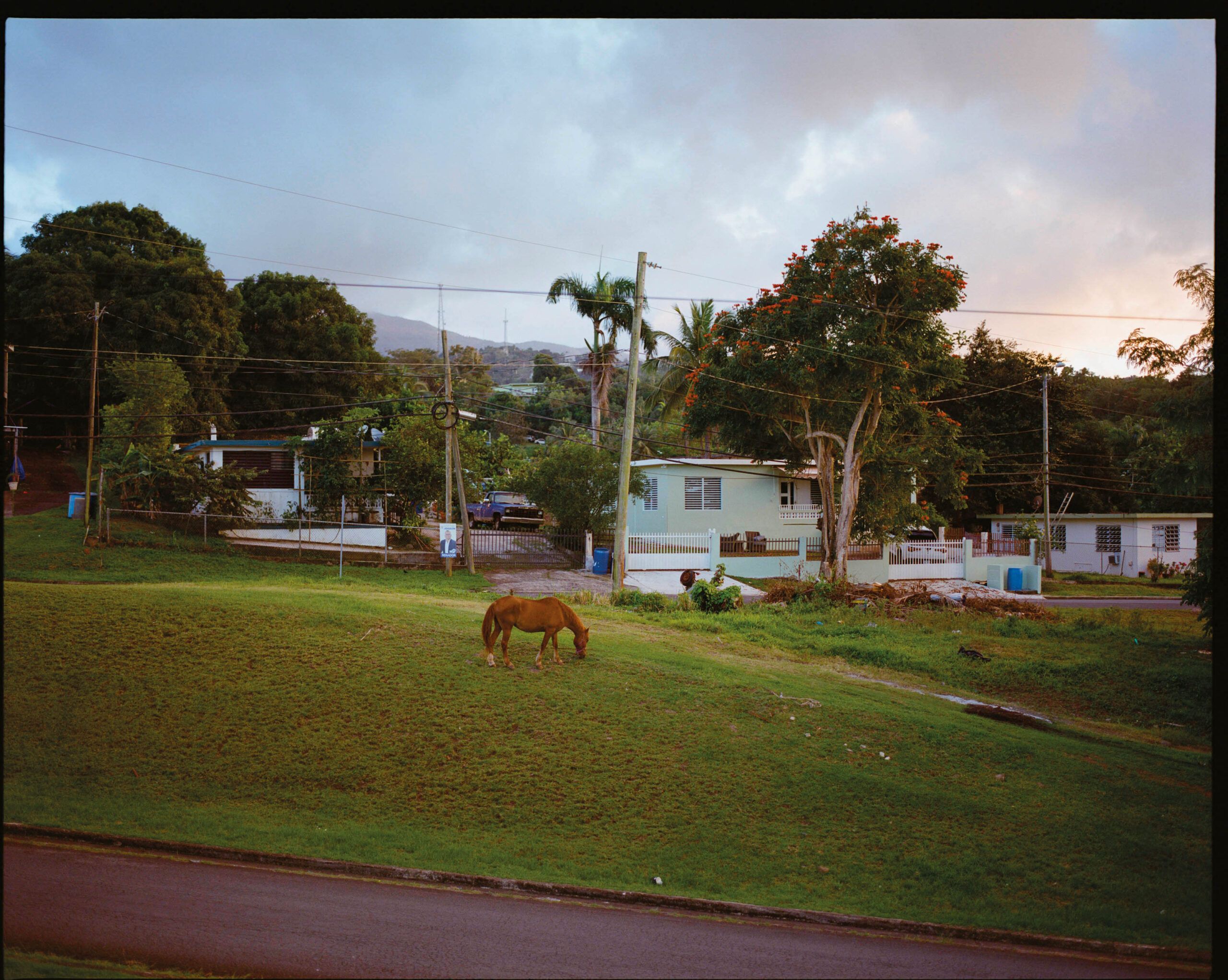
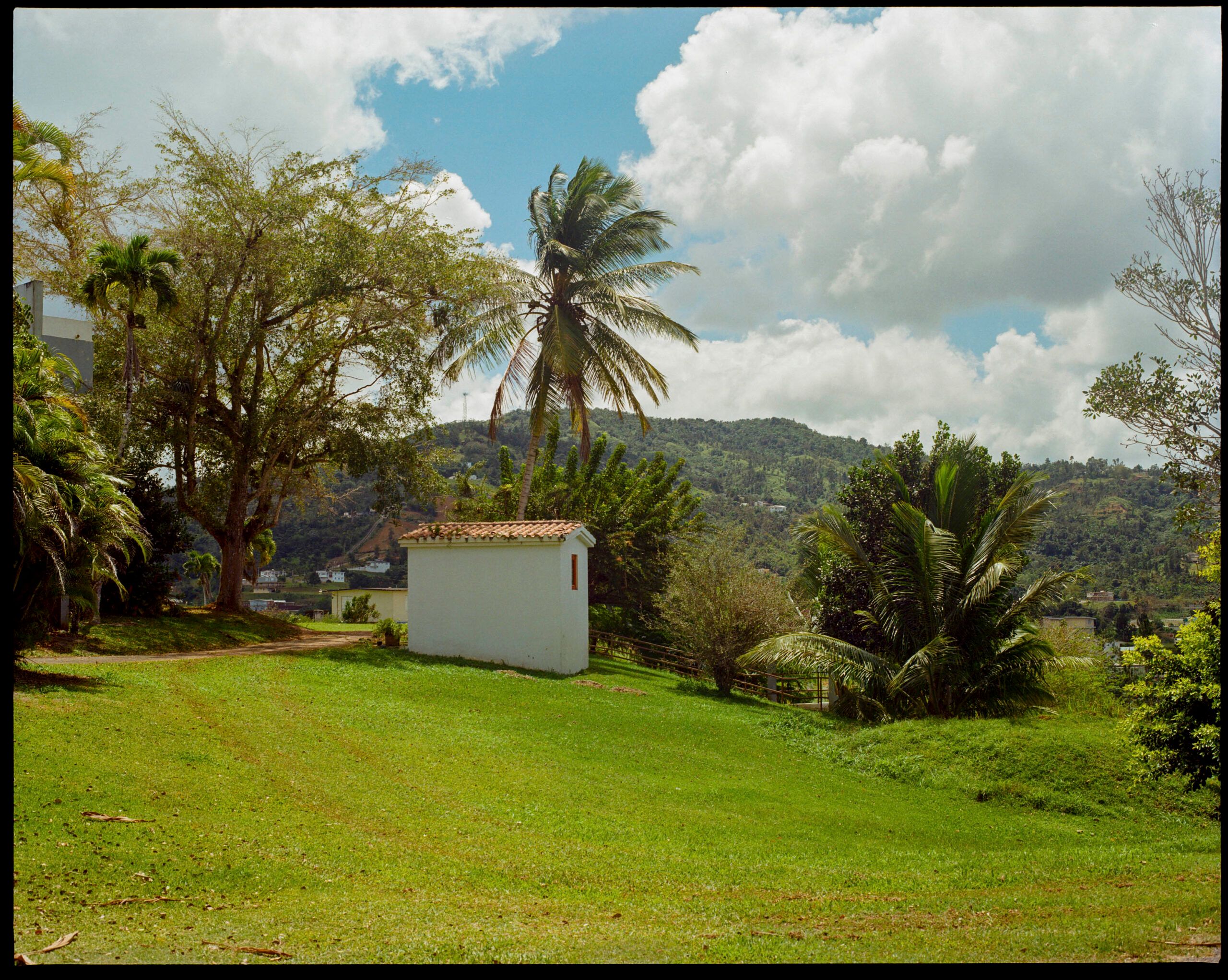
Espejo really began from a place of loss and unanswered questions. In 2023, I returned to Puerto Rico with my family to bury my last living grandparent. That moment shifted something in me. It surfaced a lot of emotions, but also a realization that there were so many things about my family, my history, and my heritage that I didn’t fully understand—and at that point, I no longer had the ability to ask those questions directly.
That experience stayed with me. It wasn’t just grief; it was also distance and language barriers. A sense of all the conversations I wish I had had, and the knowledge I didn’t realize I was missing until it was too late. I wanted to use Espejo as a means of communicating with them—a way to stay in conversation even after they were gone.
As I began working on the project, I started to understand it wasn’t only about looking backward. It became about creating space for reflection in the present—for both myself and the people I was photographing. Letting collaborators choose the places that felt meaningful to them opened the work up in a way I didn’t expect. It shifted the project from something internal into something shared.
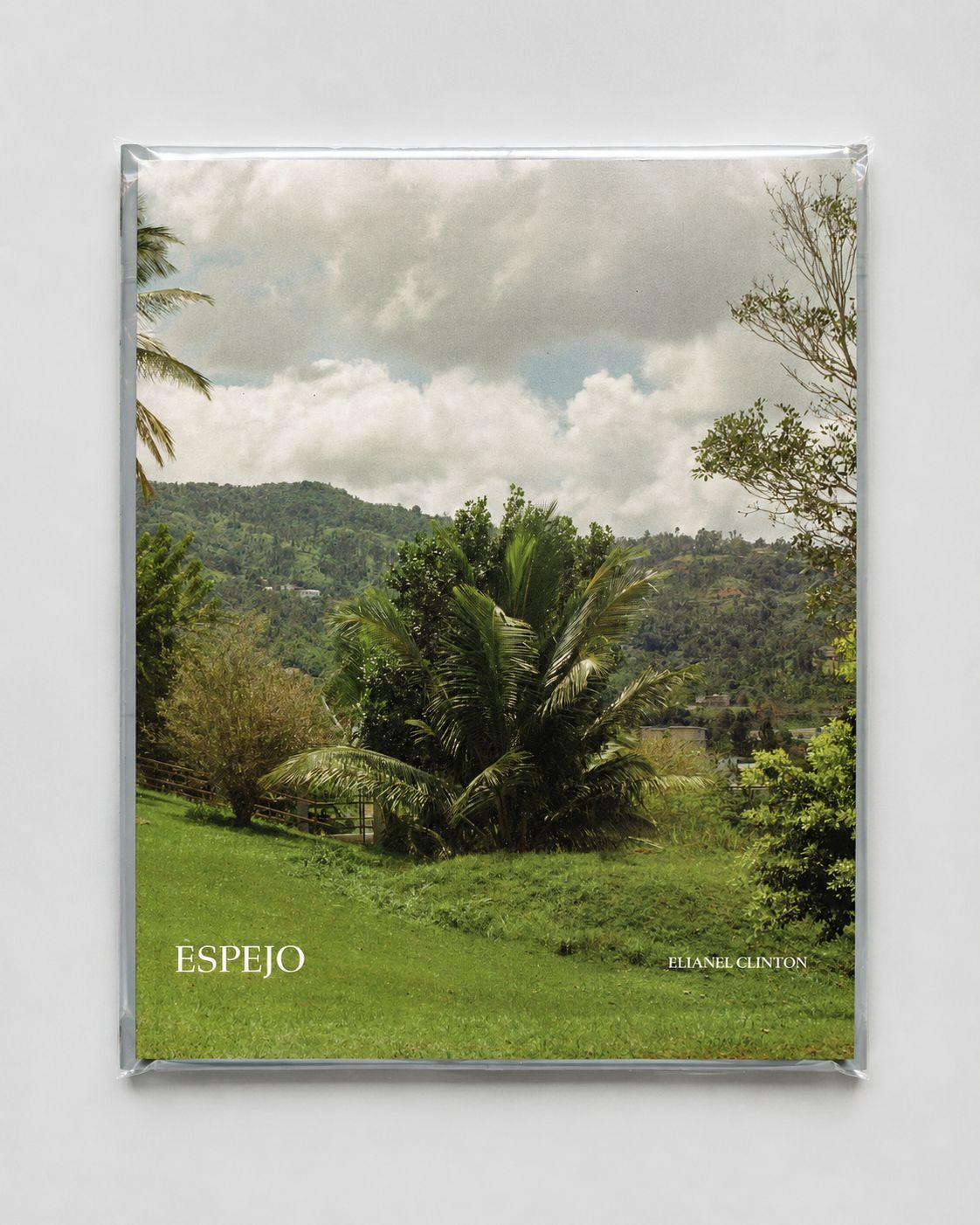
One of the most meaningful moments for me came around the time of the exhibition’s opening. It was early that morning—around 4 a.m.—and I was holding the book in silence, just sitting with it before everything began. It wasn’t until that moment that I realized my art director/book designer, Raymond Croft, and I had selected the cover image months earlier, and I was only now fully recognizing what it was. That image had been made at my grandparents’ gravesite.
At that moment, everything paused. I remember thinking, “What are the odds?” It felt like something beyond coincidence—something spiritual, like they were communicating back in their own way. I was completely speechless. The cover had been chosen long before I ever saw it in that context, and yet it was only on the morning of the exhibition that it came back to me with that clarity.
It made me think deeply about the ways we stay connected to people even after they’re gone, and how images can carry those connections forward in ways we don’t always understand until much later.
In many ways, Espejo taught me that heritage isn’t something you arrive at or fully solve. It’s something you’re constantly in conversation with. And sometimes, the questions you’re left with become just as important as any answers you might have found.
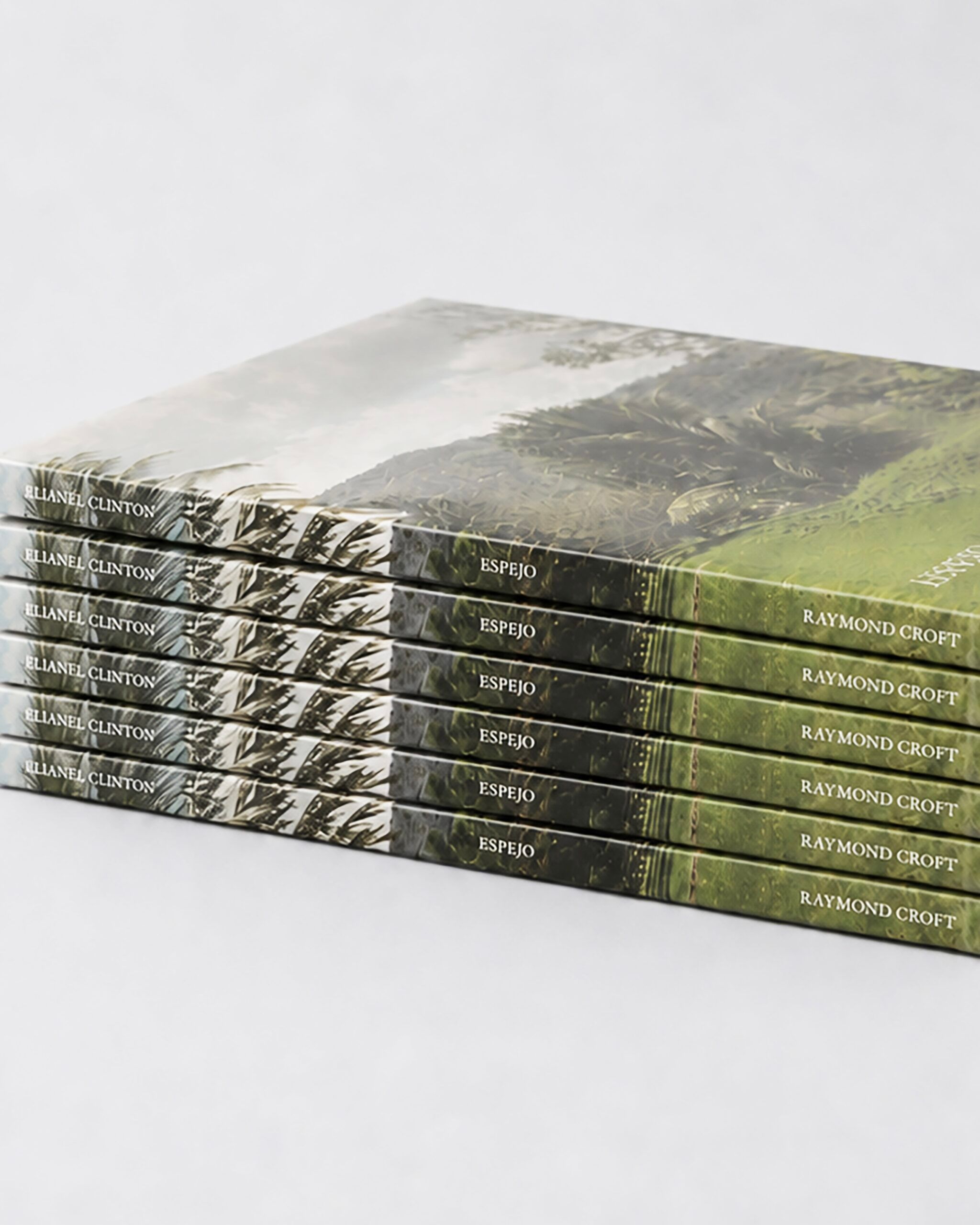
There isn’t just one image from Espejo that stands out to me in isolation, because the project is really built on relationships and shared moments. Every portrait carries its own weight because of the person behind it and the conversation we had while making it.
But there is one image that has taken on a different kind of meaning for me over time.
It’s the photograph that later became the book’s cover, taken at my grandparents’ gravesite. At the time I made it, I understood it as part of the process; another moment within the larger body of work. I didn’t fully realize its significance until much later.
When I saw it again in the context of the book, everything shifted. It stopped feeling like just a photograph I had taken and became something more reflective. It holds a kind of stillness and weight that I can’t fully separate from my personal history.
What makes it stand out to me now isn’t just the image itself, but what it represents…the way photography can quietly carry meaning that you only fully understand after time has passed. It feels like a reminder of why I make this work in the first place.
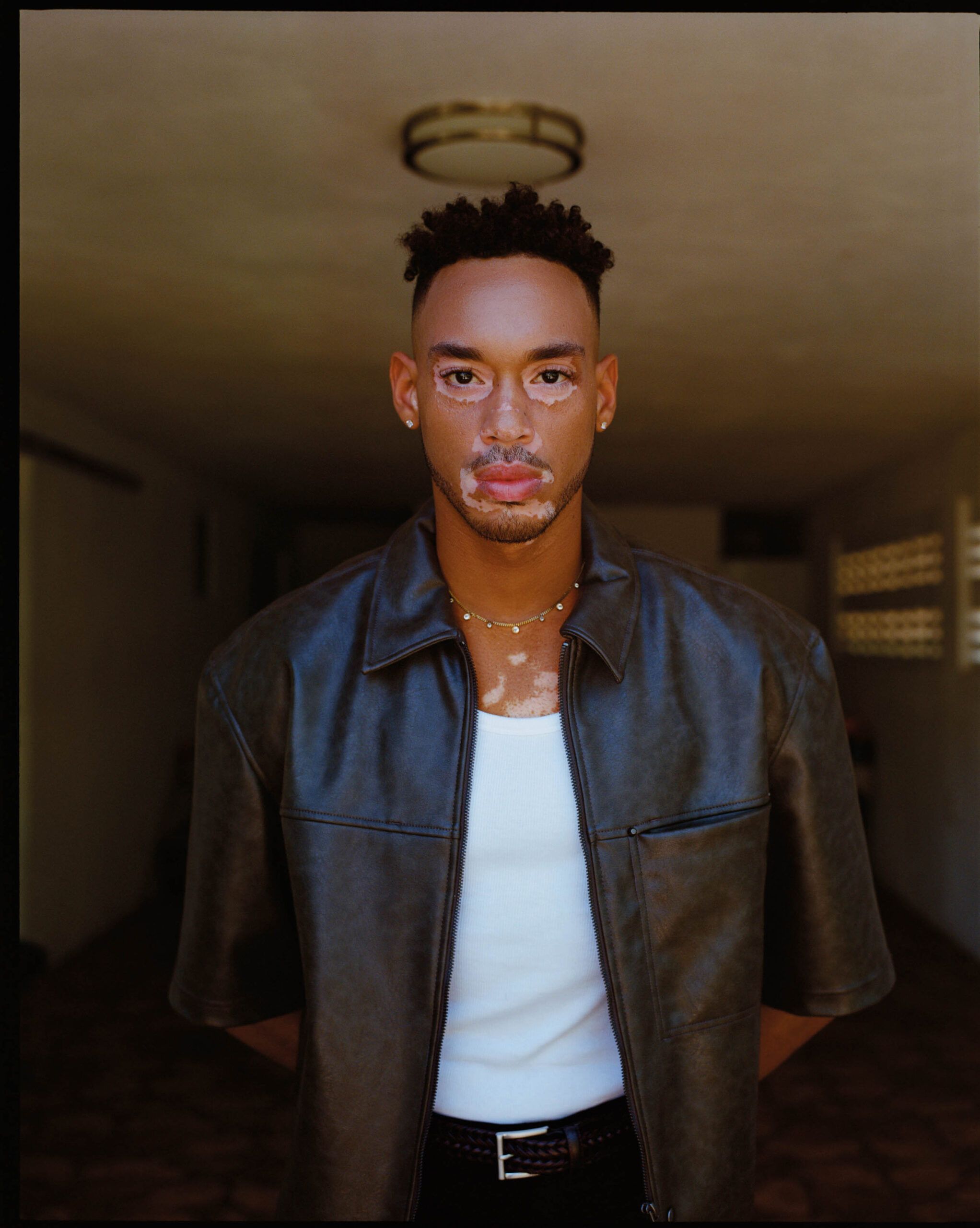
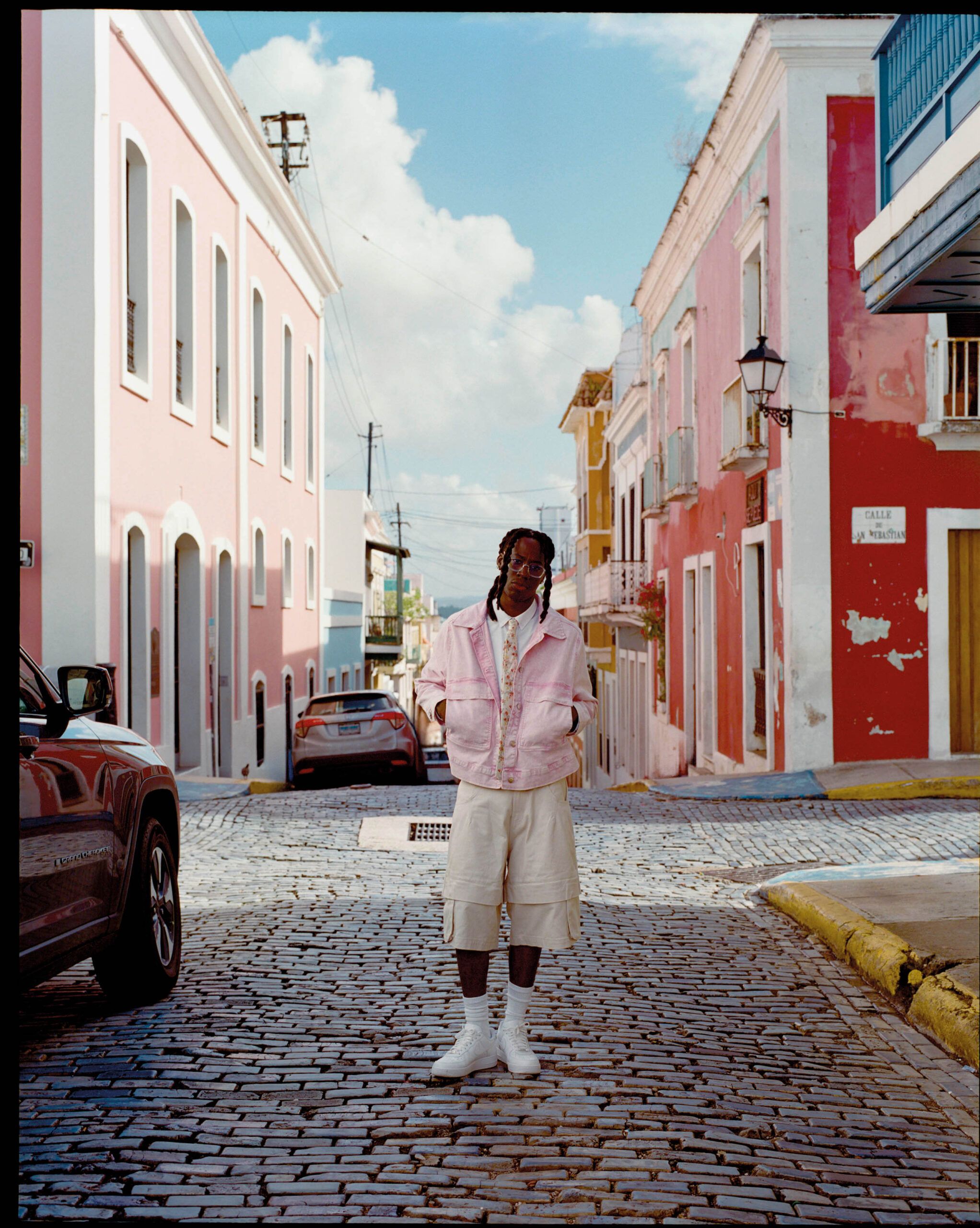
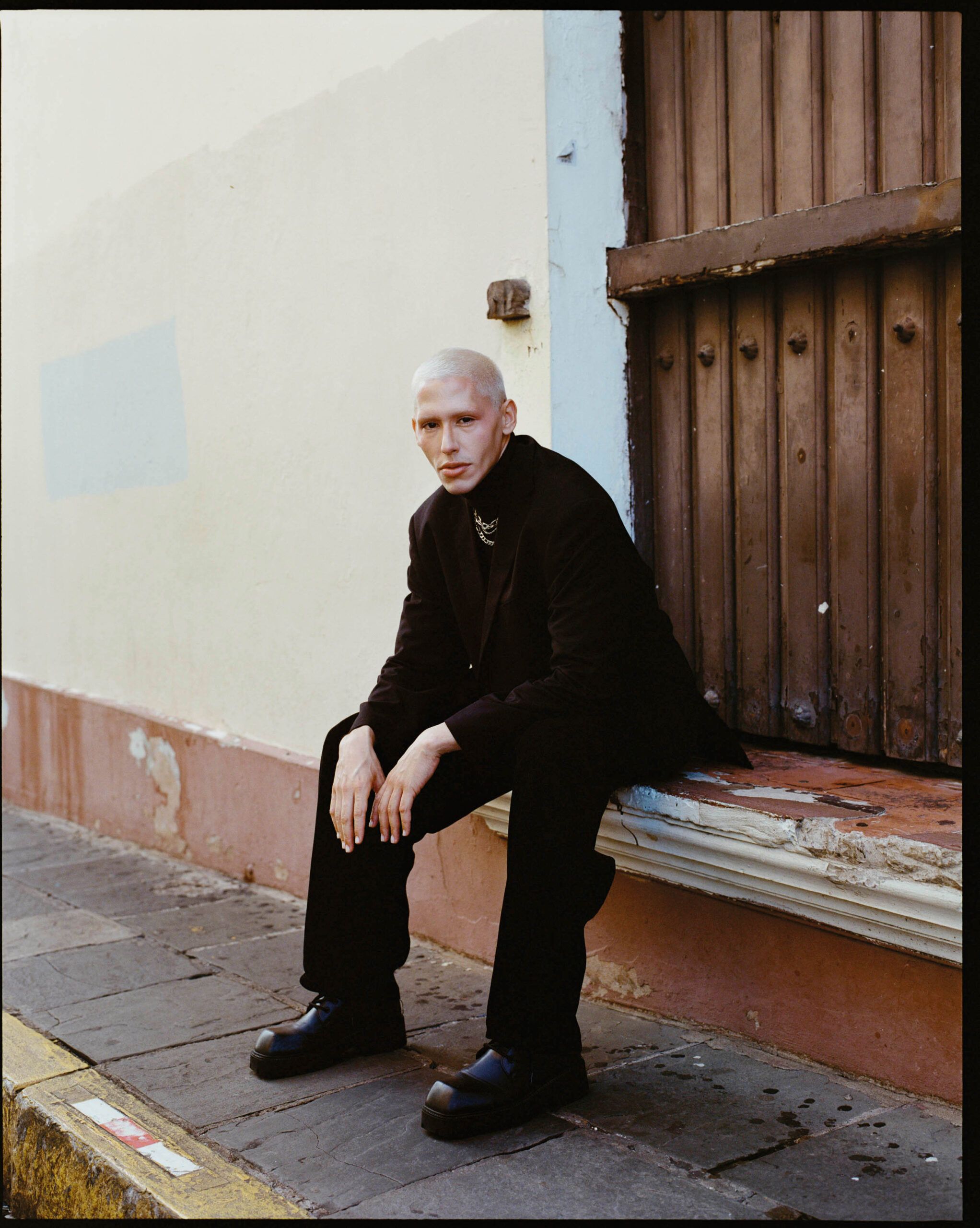
My process really depends on the type of project I’m working on—whether it’s editorial, commercial, or personal work.
For commercial and editorial assignments, I’m usually brought in once a brief or direction is already in place. From there, I spend time understanding the project’s goal, but I also look for ways to bring my own perspective to it. Sometimes clients come to me with a very clear vision, and other times they’re more open to my approach, which allows for a more collaborative shaping of the final direction.
For personal work, my process is a bit different; I’m fully involved from start to finish. I really enjoy building out a creative deck. I’ll spend a lot of time in Keynote mapping out ideas, references, tone, and visual direction—sometimes even sketching out what I want to capture and exploring color palettes. It helps me create a world for the project before I pick up the camera. I can get very hands-on in that stage, sometimes obsessively so.
Collaboration is also a big part of how I work, especially when I’m developing personal or larger conceptual projects. I like working closely with stylists, hair and makeup artists, and other creatives early in the process so everyone is aligned on the vision. It never feels like I’m building something alone—it’s always a team effort.
Before I pick up a camera, I usually already have a strong sense of the feeling I’m trying to create—not necessarily every shot, but the energy of the space, the tone of the interaction, and what I want people to feel when they look at the final images. That emotional direction is what guides everything else.
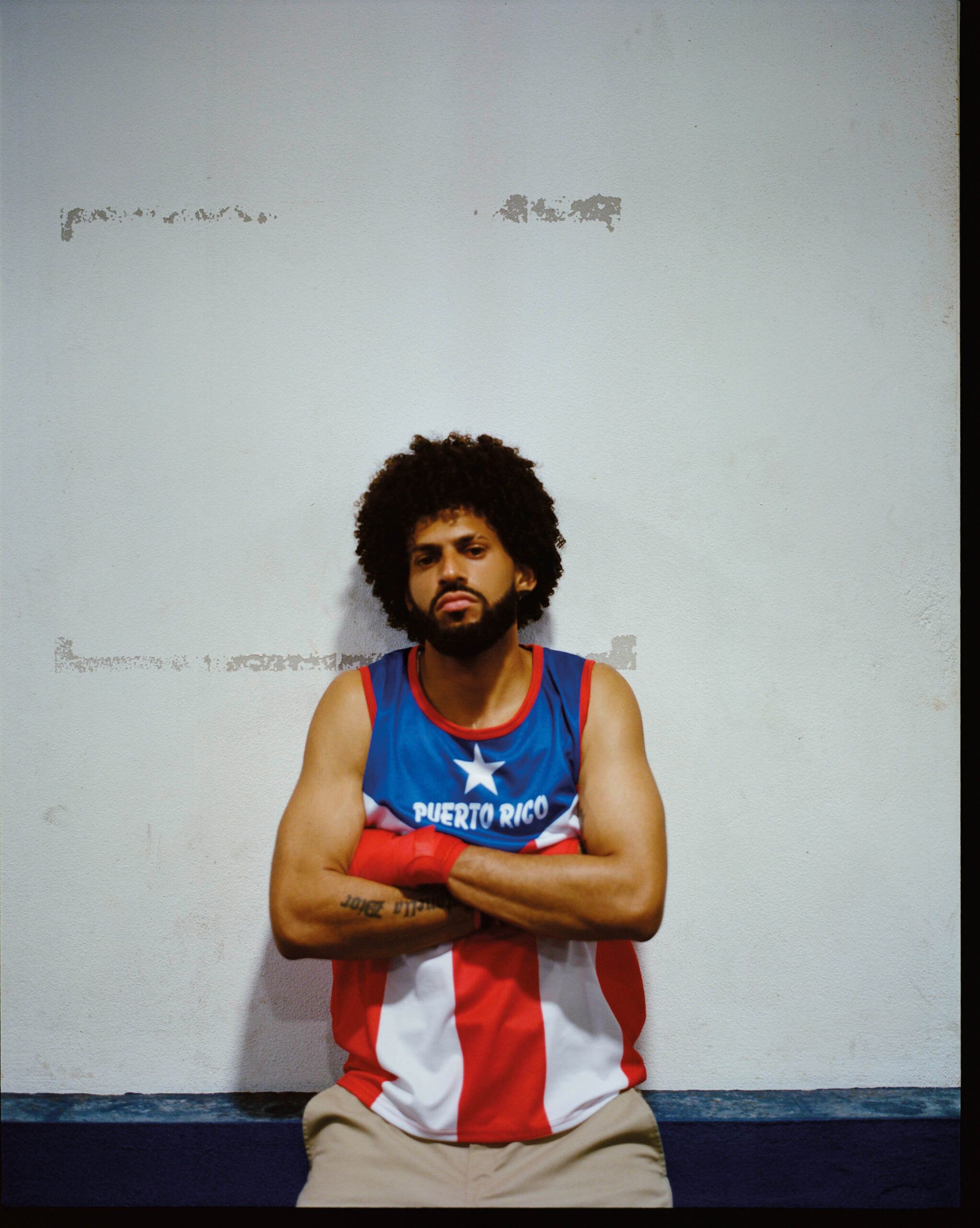
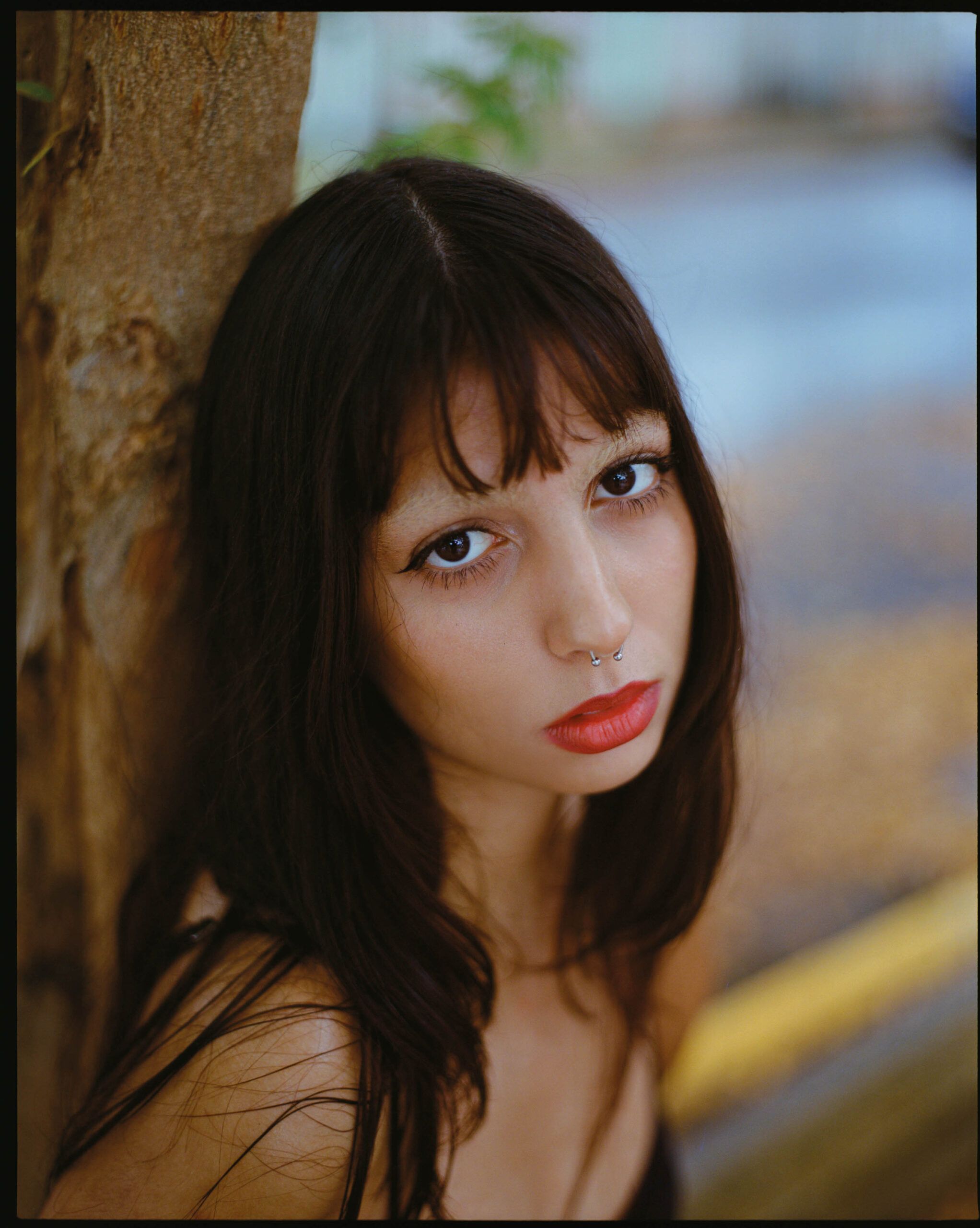
Beyond lighting, composition, or expression, I’m really looking for a moment where something feels honest between me and the person in front of my camera.
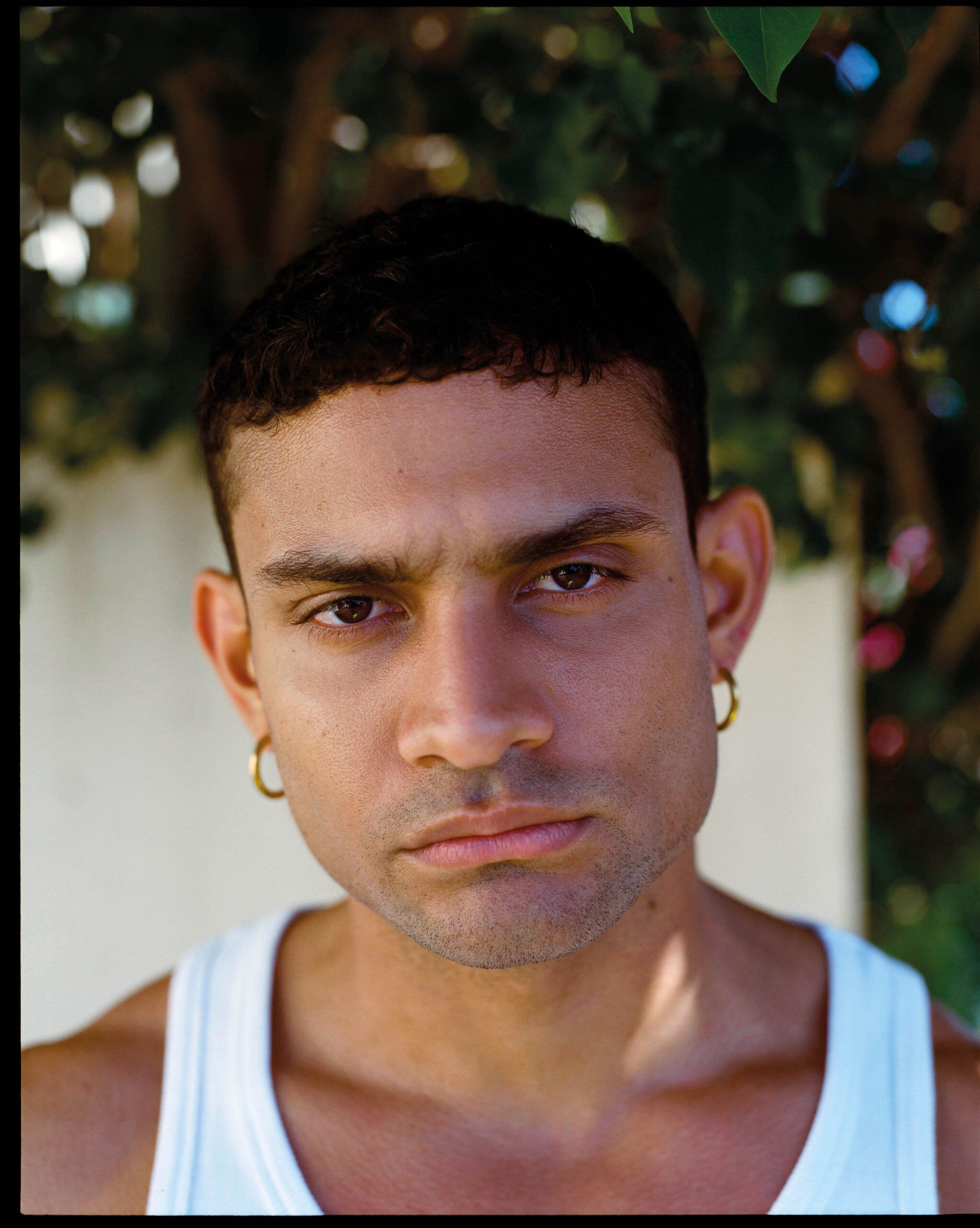
For me, a strong portrait isn’t just about how someone looks, but how they exist in that moment. I’m always looking for that moment when someone stops performing for the camera and simply starts being themselves, even if it’s just for a second.
I also think about portraits as a kind of exchange. It’s not just me observing someone—it’s a shared space where both of us are present. The best images usually come from that mutual awareness. It’s almost like a silent conversation happening while I’m shooting.
What I want most is to be able to look back at an image years later and still feel the energy of that moment—the connection, the atmosphere, the spoken and unspoken things that were happening in the room. That’s what makes a portrait stay with me.
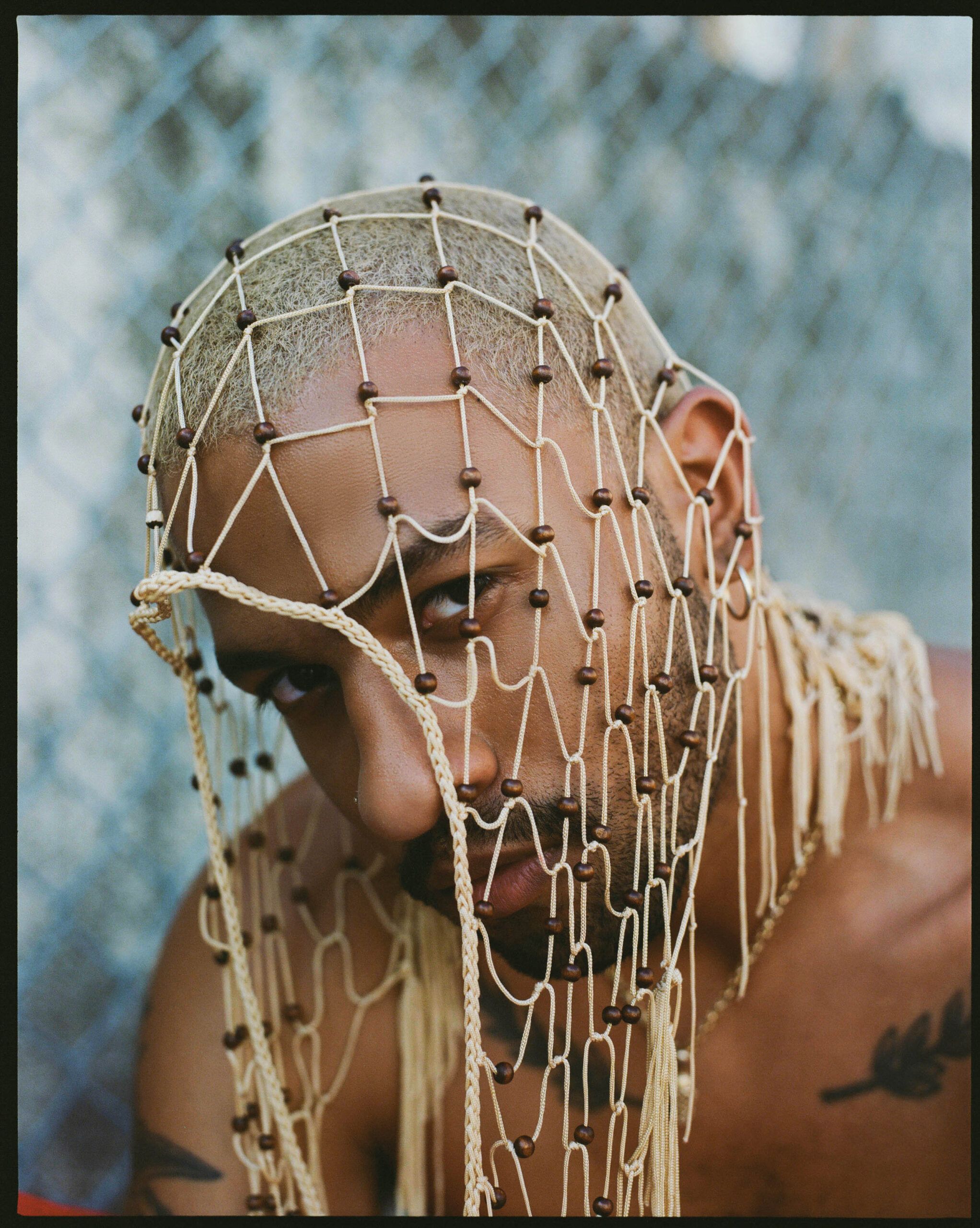
For me, it’s less about balancing two separate worlds and more about understanding how they support each other.
On the commercial and editorial side, I’ve been really fortunate to work with clients and teams that align with my perspective and trust me to bring something of myself into the project. There’s still a structure and a goal to meet, but within that, there’s usually room to interpret and contribute creatively, which I really value.
My personal work, on the other hand, is where I have complete freedom to explore ideas without constraints. It’s also where I tend to challenge myself the most, because there’s no brief or external direction—just an idea I feel compelled to follow. Those projects are often slower, more experimental, and more emotionally driven.
At the same time, my personal work has also made me more intentional about the commercial projects I take on. I’m more selective now about the kinds of collaborations I say yes to, because I want the work to feel aligned with how I see things.
And honestly, the relationship goes both ways. Commercial work has taught me structure, collaboration at scale, and how to execute ideas with large teams under real timelines. It’s also helped me understand the importance of communication and clarity in a way that directly feeds back into my personal projects.
On a very real level, commercial work also supports my ability to continue making personal work. It allows me to fund those projects and keep building in a way that stays true to my perspective.
So I don’t really see them as separate lanes. They constantly inform each other, just in different ways.
I think building a kit takes time, and it evolves with you rather than something you figure out all at once.
For me, I still have gear I want to add over time, but I’ve learned that it’s not really about having every piece of equipment—it’s about understanding what you actually need for the way you shoot. The most important thing is the eye behind the camera, not the camera itself. I always recommend taking your time before investing heavily in gear. Renting equipment is a great way to understand how different cameras and lenses actually feel in your hands and how they affect your work. It gives you space to experiment without pressure.
Going into camera stores and talking to the people who work there is also really helpful. In my experience, most of them are more than willing to share knowledge and help you figure out what makes sense for you. That kind of hands-on learning goes a long way, and I’m big on that. I also think buying pre-owned gear is completely valid and often a smart way to build your kit. It allows you to access tools you might not be able to afford brand new, while still learning and growing.
At the end of the day, your kit should serve your vision—not define it. The gear will change over time, but your perspective is what actually shapes the work.
One of my biggest milestones has been working as a full-time freelancer for over six consecutive years. That decision was honestly one of the scariest things I’ve ever made, especially early on in my career. There was a lot of uncertainty, and I had to really trust myself without knowing exactly how everything would unfold. Looking back now, I don’t regret it at all—it’s been one of the most important and defining choices I’ve made for myself.
That decision laid the foundation for everything I’ve built since then, including Espejo. Being able to fully commit to my practice allowed me to take on personal work in a way that felt intentional and sustained, not just occasional.
Creating the ‘Espejo’ book has also been a major milestone for me. I had always wanted to make a photography book, but for a long time, it never felt like the right moment. With this project, I knew it couldn’t just exist online or as a series of images people scroll past. It needed to live beyond that—it deserved to be preserved in a physical form that could exist in libraries, bookstores, and people’s homes. Something tangible that could continue to exist and be referenced in the future.
Looking ahead, I want to keep building work that travels in that way—projects that create conversation, hold memory, and connect with people beyond the moment they’re made. I’m excited to continue developing long-form bodies of work, collaborating with new people, and pushing my practice into spaces I haven’t explored yet, while still staying grounded in why I started visual storytelling in the first place.
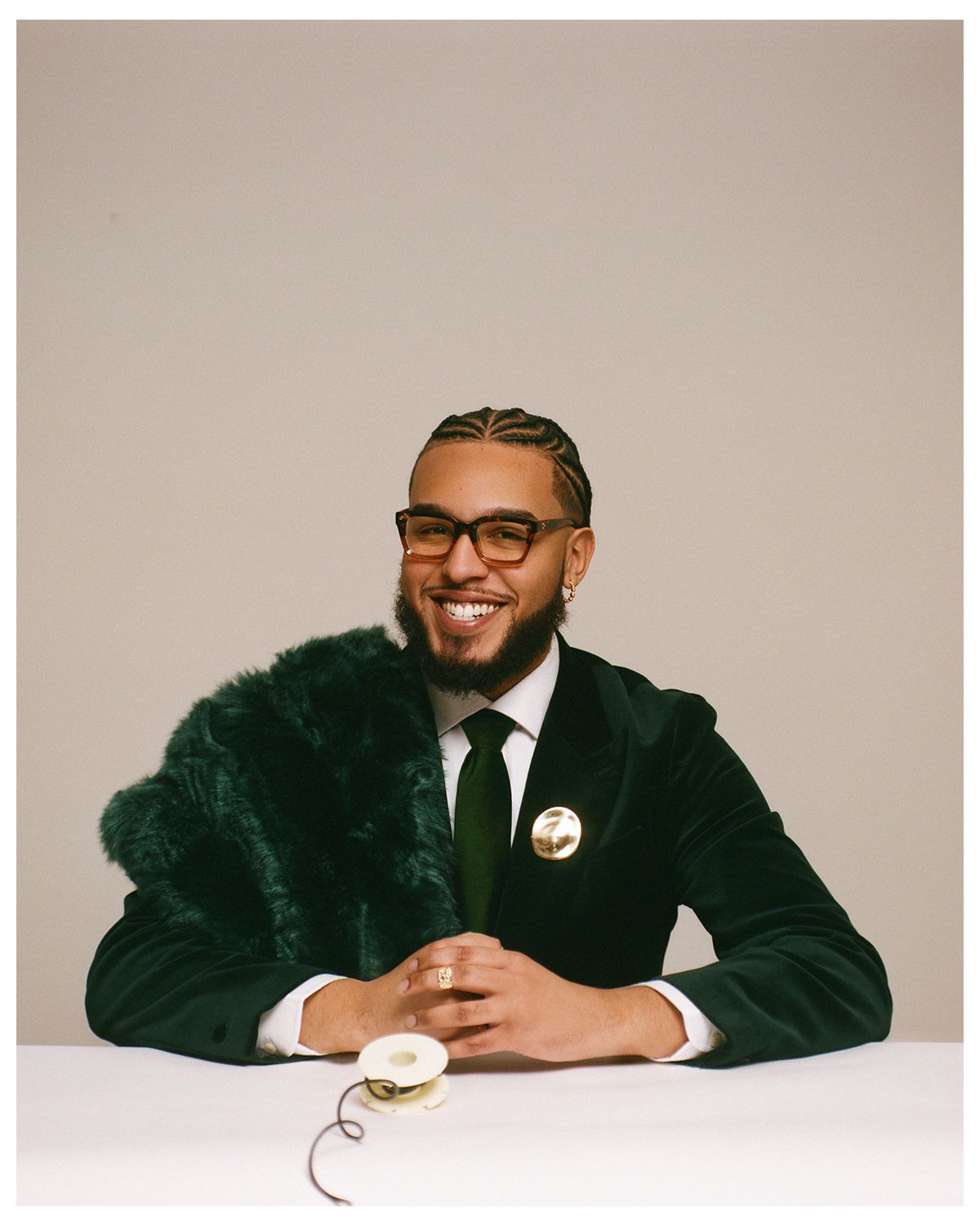
Elianel Clinton is a photographer and director based in New Jersey whose multicultural background informs a distinctive approach to visual storytelling. Through editorial, commercial, and personal work, he explores themes of identity, culture, and community, creating images that celebrate representation and human connection. Eli has collaborated with clients including The New York Times, The Washington Post, Converse, Coach, KidSuper, and more. His work has appeared in Vogue Italia, W Magazine, Essence, Billboard, Rolling Stone, and Teen Vogue. His photography has also been exhibited at Photoville, Rockefeller Center, and the Converse All-Star Pop-Up. Whether working with global brands or documenting local communities, Eli is committed to creating compelling narratives that amplify diverse voices and perspectives.
Want to see more of Elianel’s work? Check him out on his official website and Instagram.
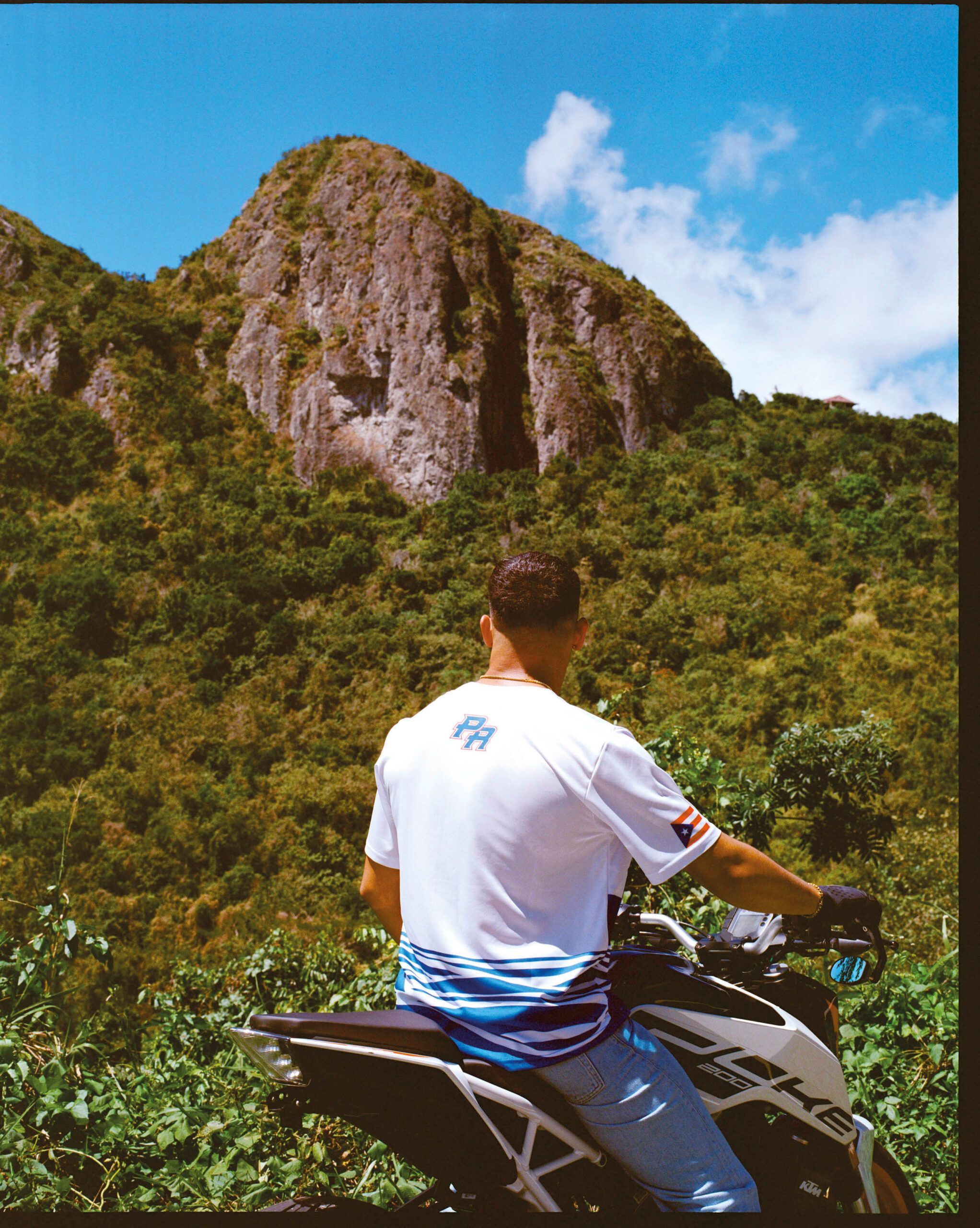
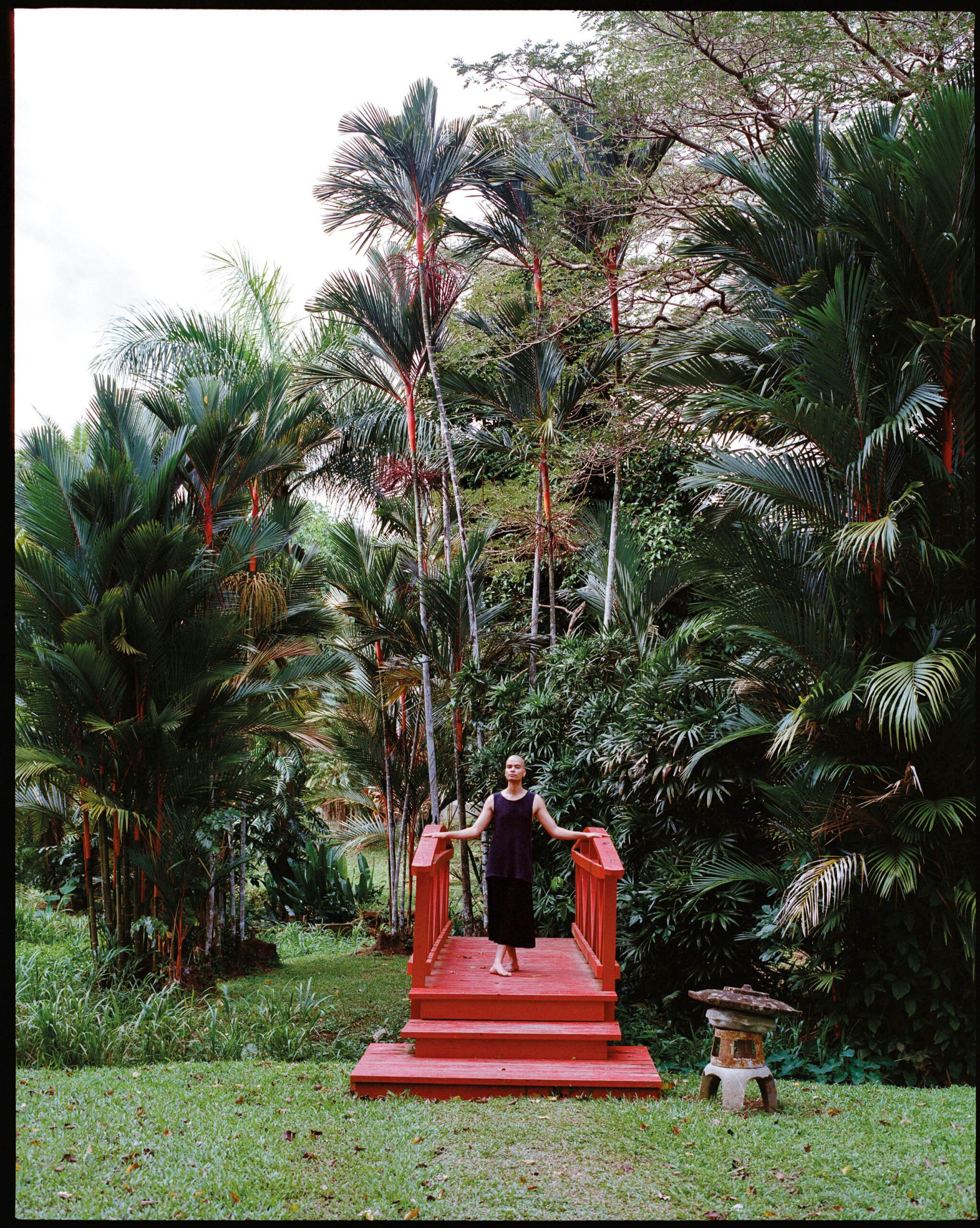
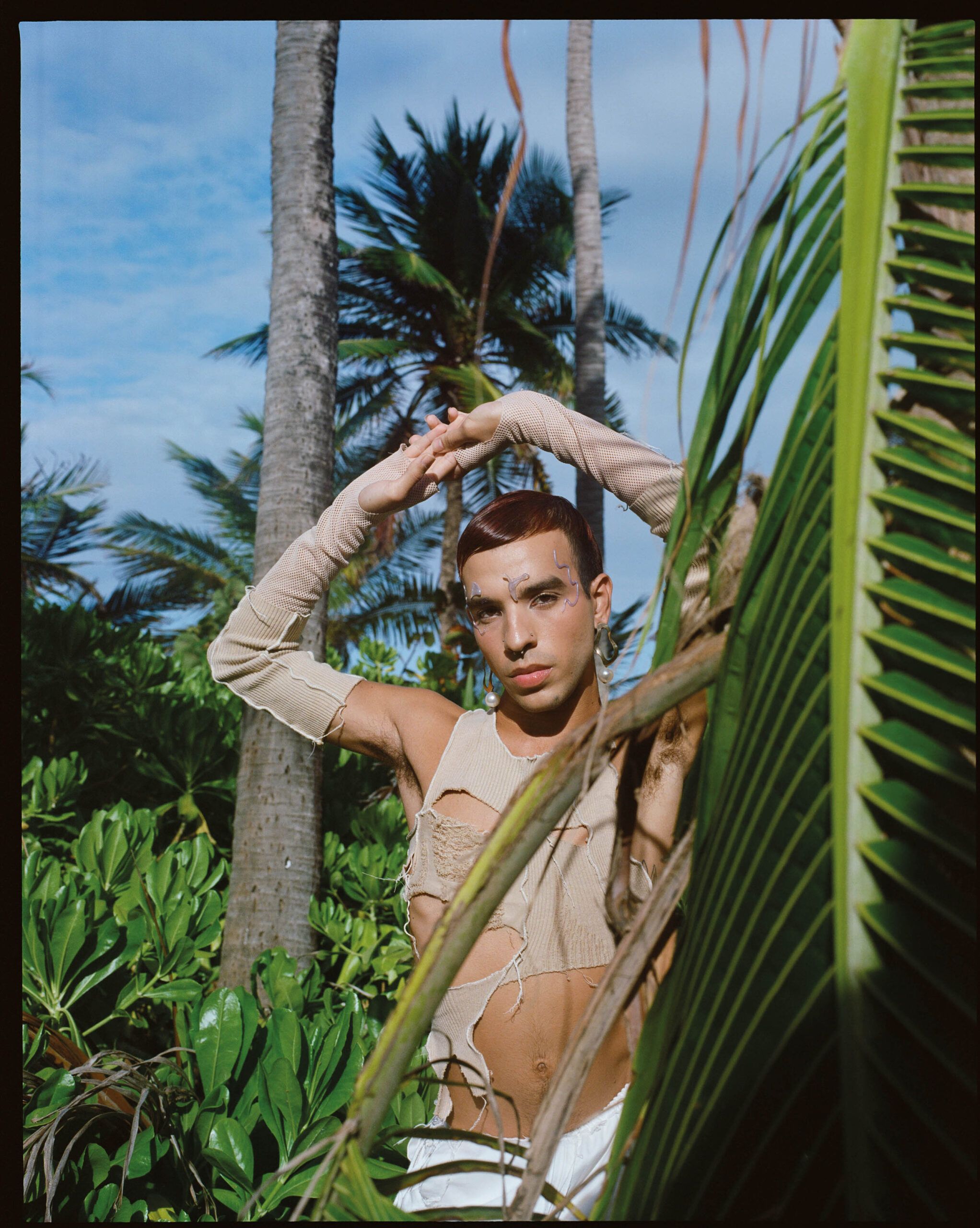
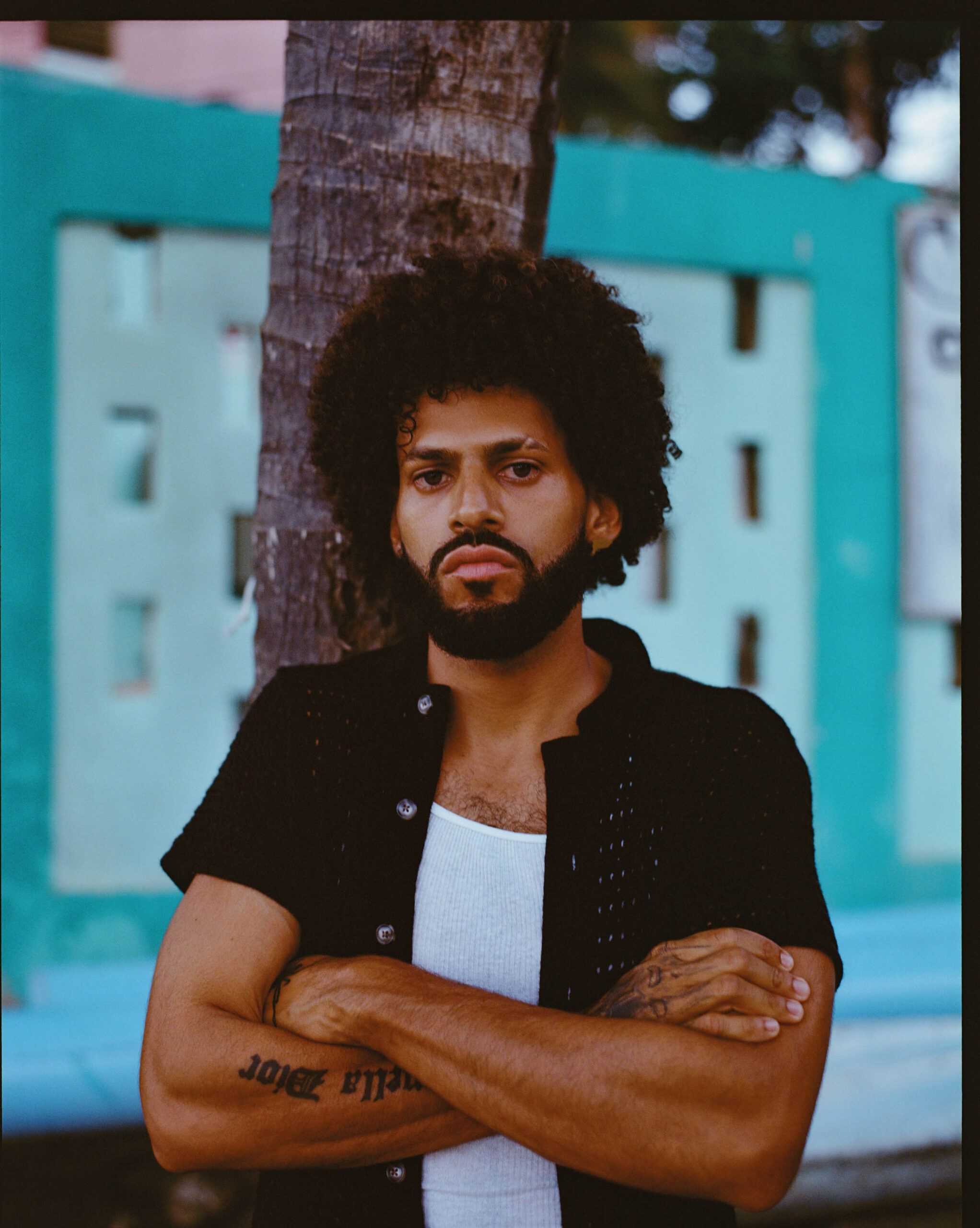
Earlier this month, Elianel Clinton debuted Espejo, his first solo exhibition at Photodom in Brooklyn. Named after the Spanish word for “mirror,” the exhibition explored Puerto Rican identity through portraiture and family archival photographs, bringing together nineteen Puerto Rican subjects whose stories reflect themes of diaspora, memory, belonging, and heritage.
The opening reception welcomed guests for an evening of photography, conversation, and community, complete with an interactive Polaroid photo activation. KEH was proud to support Espejo alongside Aries Rising Projects and Polaroid, celebrating Elianel’s powerful body of work and the meaningful conversations it sparked.
Congratulations to the winners of the Espejo opening night giveaway!
KEH Winners
Photodom Winners