You
have no items in your shopping cart.
In Conversation With Marcus Lloyd
July 30, 2026
1 min read

Marcus Lloyd’s photography is rooted in movement, but his images encourage you to slow down. Through travel, film, and intentional storytelling, he captures the feeling of a place as much as the place itself. As his creative journey has evolved, so has his approach to photography, shifting from simply documenting moments to creating a lasting body of work. We sat down with Marcus to talk about the power of film, building community through the Negroni Photo Walk series, and finding a creative path that feels authentic.
I’m Marcus Lloyd, a lifestyle and travel photographer based in Brooklyn, New York. The journey has been a fascinating one, mostly because it started so much later than most people do.
I’m entirely self-taught, and if you knew me in my earlier years, you never would have guessed I’d become a photographer. It wasn’t something I talked about or even thought about. Growing up in Dallas, Texas, I don’t think I even knew photography was a career path. I moved to New York in 2007 and spent over a decade as a male model, which gave me a real familiarity with the camera, even if I was always on the other side of it. But what actually launched my photography career was a meeting that came through a friend. I was running social media for brands in the early days of Instagram, and I sat down with a menswear company. At the end of the meeting, they asked if I could also create content. I said yes without hesitation, went home, hopped on Craigslist, took the A train to the last stop, and bought a Canon T3i with a kit lens.
I brought it back to my apartment in Harlem, and my now wife looked at me and said, “You’re going to become a photographer one day.” I laughed it off completely. And yet, here we are.
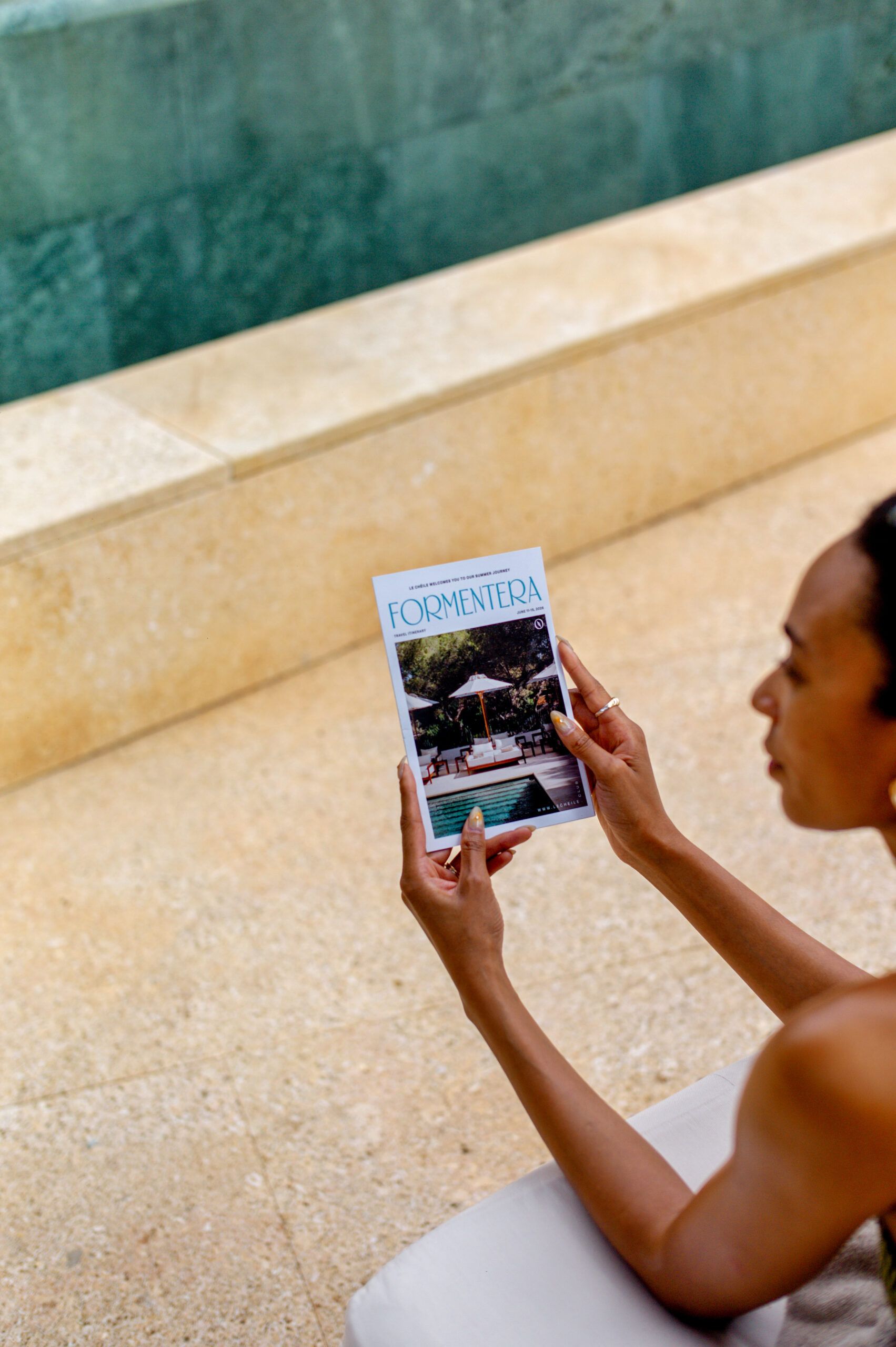
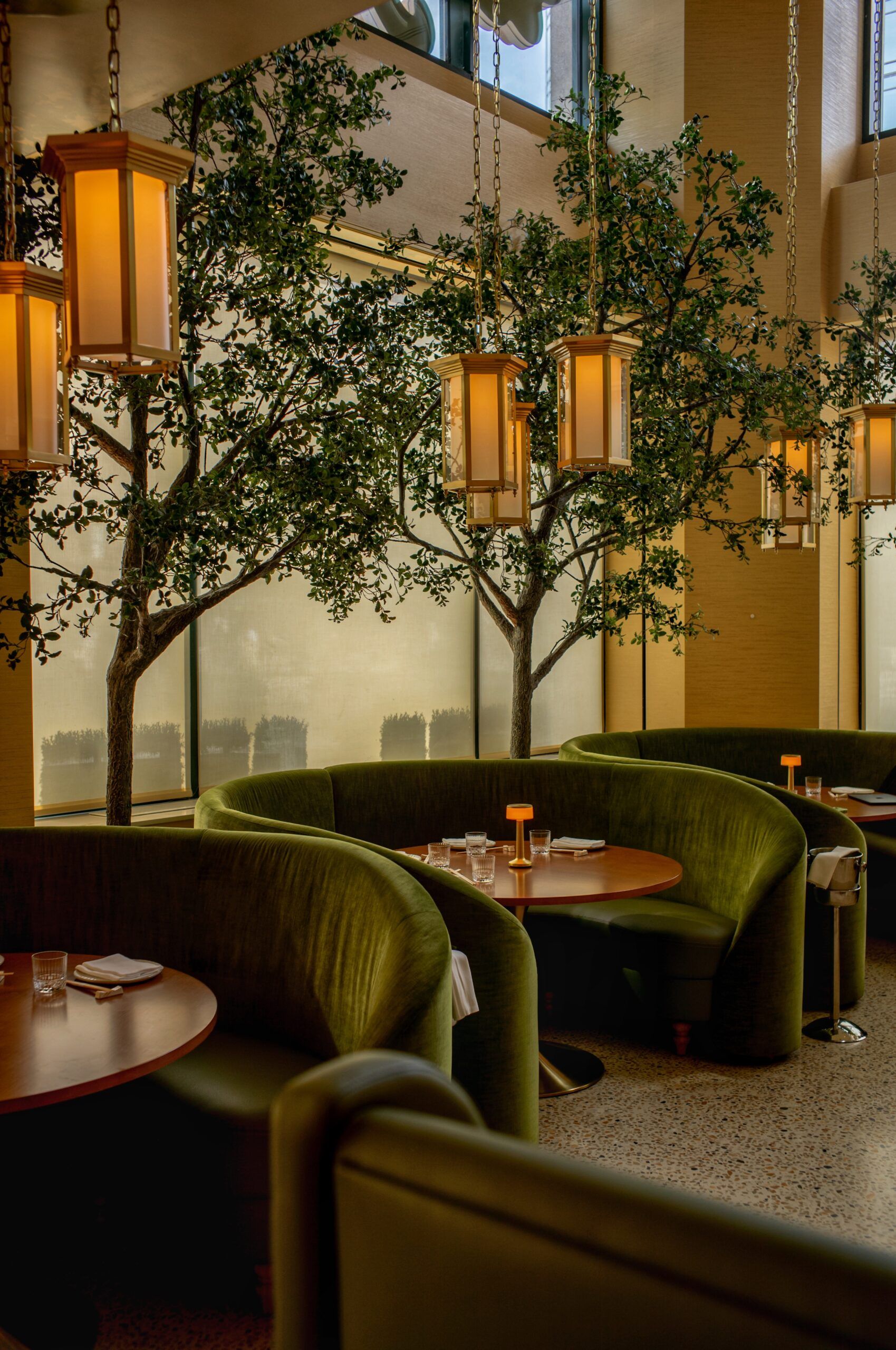
Honestly, what drew me to travel photography wasn’t wanderlust in the traditional sense. It was more deliberate than that. I saw the camera as a way to enter worlds I was genuinely interested in, whether that was hospitality, interiors, food, or hotel work. These were the spaces I wanted to be a part of, and photography gave me a reason to be in them. Travel became the natural extension of that.
In the beginning, like a lot of photographers, I was chasing postcard moments. The hot spots, the trending locations, whatever people were posting on Instagram. I wanted to show that I had been somewhere, and I was using those familiar images as my proof of presence. I look back on that phase with a lot of affection now, but it was very much about mimicking what already existed.
Over time, my own interests started to take over. I’d find myself in Mexico City thinking, I’m really into architecture, what if we go to Luis Barragán’s house? Or I’d want to follow a chef to the market for the day and photograph the process. My own curiosity started steering things, and that shift changed everything.
Now I’m far more drawn to the things that make a place feel like itself. The mundane moments. The produce at a market stall. A couple running a small café. The staff at a restaurant. These quieter scenes have so much more pull for me now than any landmark ever did. And honestly, once you’ve developed a strong enough eye, getting the postcard shot becomes almost automatic. You can move through it quickly and then get back to what actually interests you.
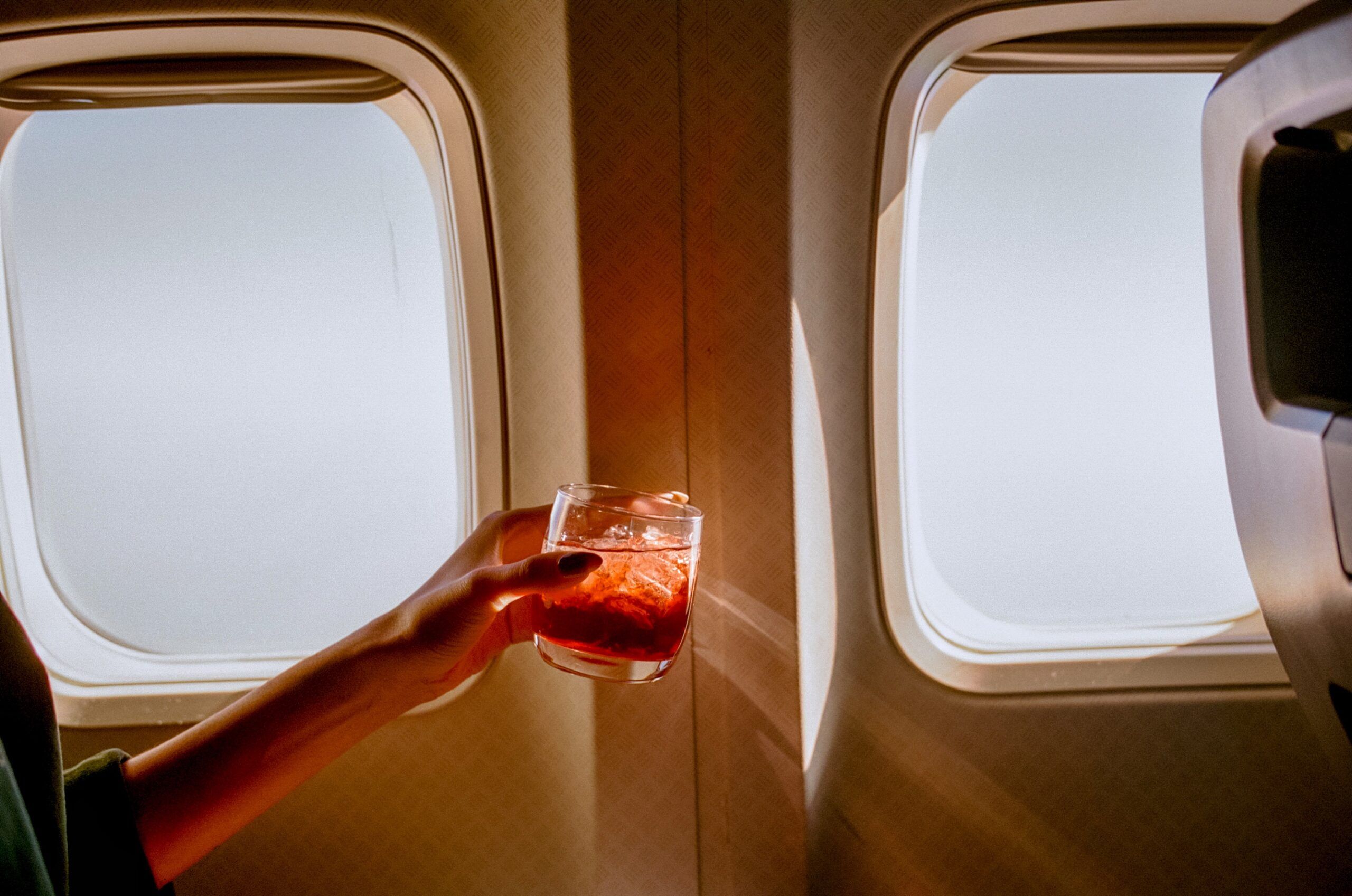
Every single element of the film process resonates with me, and I mean that genuinely. It starts with the materials themselves. The rolls, the packaging, gathering what you need before a trip, thinking about how you’re going to transport it, remembering to ask for hand scans at the lab. There’s this whole ecosystem of care and intentionality that surrounds film before you even press the shutter, and I find that deeply satisfying.
I think that care seeps into the work itself. When something costs you something, whether that’s money, time, or attention, you approach it differently. You’re more present. You’re more deliberate. And that shows up in the images in ways that are hard to fully articulate but easy to feel when you look at the final results.
And then there’s the actual look of a film photograph. The way highlights retain and roll off rather than clip. The depth and texture that comes from grain. The sense that an image could have been made anytime, anywhere, that you can’t quite place it in a decade. That timelessness is something I’m genuinely chasing in my work. I want to create images that feel classic and lasting, and film is the most direct path to that for me. I do shoot digital, and I enjoy it. But every opportunity I get to push film, even on client work, I take it.
Shooting film keeps you completely in the moment, and that’s one of my favorite things about it. There’s something almost meditative about pressing the shutter, advancing the roll, and knowing that moment has been sealed. You can’t go back and review it. You can’t second-guess it. It’s done, and now you move forward.
I’m also not a photographer who shoots a scene extensively. I might take one frame of something. So that discipline of being present and committing to what you see feels very natural to me with film. There’s no temptation to bury your face in a screen and scroll back through what you just made. You see it, you feel it, you capture it, and you’re still right there in the experience.
That uninterrupted presence is one of the most valuable things film gives me, especially while traveling. You have no choice but to let go and be free in that moment. And honestly, that freedom is one of the things I love most about this whole process.
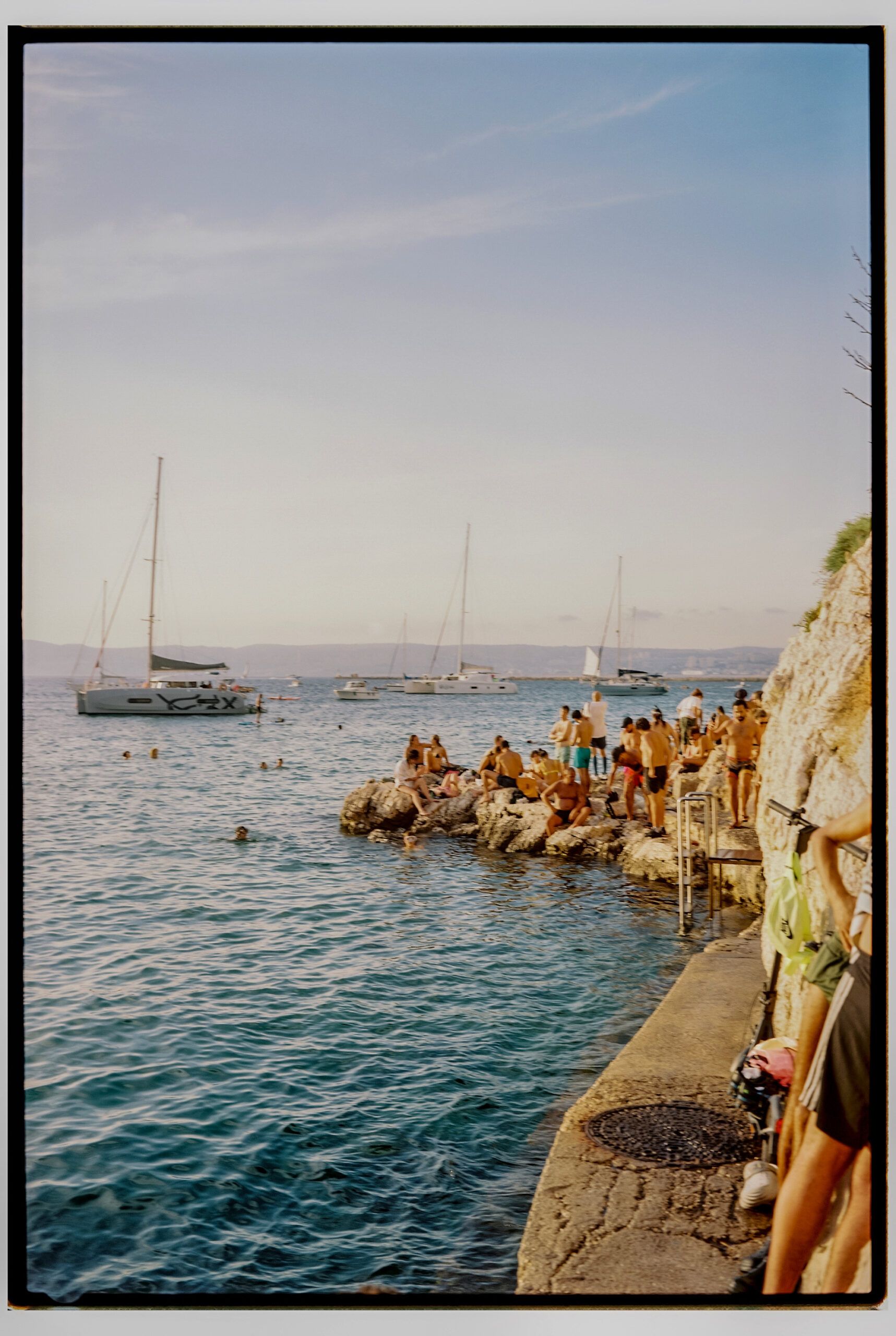
It’s changed quite a bit. In the beginning, I was genuinely reluctant to even call myself a photographer. The title felt so weighty and respected that I wasn’t sure I had any right to it, let alone the title of artist.
But when I look back now, I see a lot of consistency in how I’ve approached things. A kind of stubbornness, really. I’ve always been deliberate about not chasing trends, about sticking with what I believe in even when it isn’t fashionable. That’s been true with gear, with film, with the kind of work I pursue. I find something I love, and I commit to it.
What has genuinely shifted my perspective is seeing which images resonate with collectors and print buyers. A lot of them were made on quiet mornings when I just wanted to walk around and see what I found. A photo from the Upper East Side was taken on a spontaneous walk. A moment with cherry blossoms because I wanted to get outside early. There’s a humility to those images, and seeing that they’re the ones that connect most deeply with people has been freeing in a way that’s hard to fully describe.
It’s taught me to trust the process even when I don’t know the outcome. You don’t always know which image will be the one someone needs on their wall. But you do know that when you go out and trust what you see and press the shutter when something moves you, things tend to work out.
Being a photographer who came up through the Instagram era puts you in this interesting hybrid position. And I think for a long time, everything I did was filtered through the lens of content creation. There’s nothing wrong with that. It’s actually remarkable that I was able to build a career through that platform. But over time, I started to see where it was pulling me in directions that didn’t feel right.
Chasing the algorithm starts to feel like a fool’s errand at some point. You find yourself subtly bending your work toward what performs, even if you’re not directly copying anyone. You know which photos will do well, and the temptation is to lean into those and move away from the things that feel truer but quieter. That’s where I think the danger lies for a photographer who wants to develop as an artist. When you start making work to fit in, you start losing the thread of what makes your work yours.
What helped shift my perspective was realizing that there are incredibly accomplished photographers out there who barely have an Instagram presence. That opened something up for me. It confirmed that the work itself is the thing, not the platform. And I’ve tried to let that guide me more and more. Creating for feeling rather than for engagement. That’s the distinction that matters to me now.
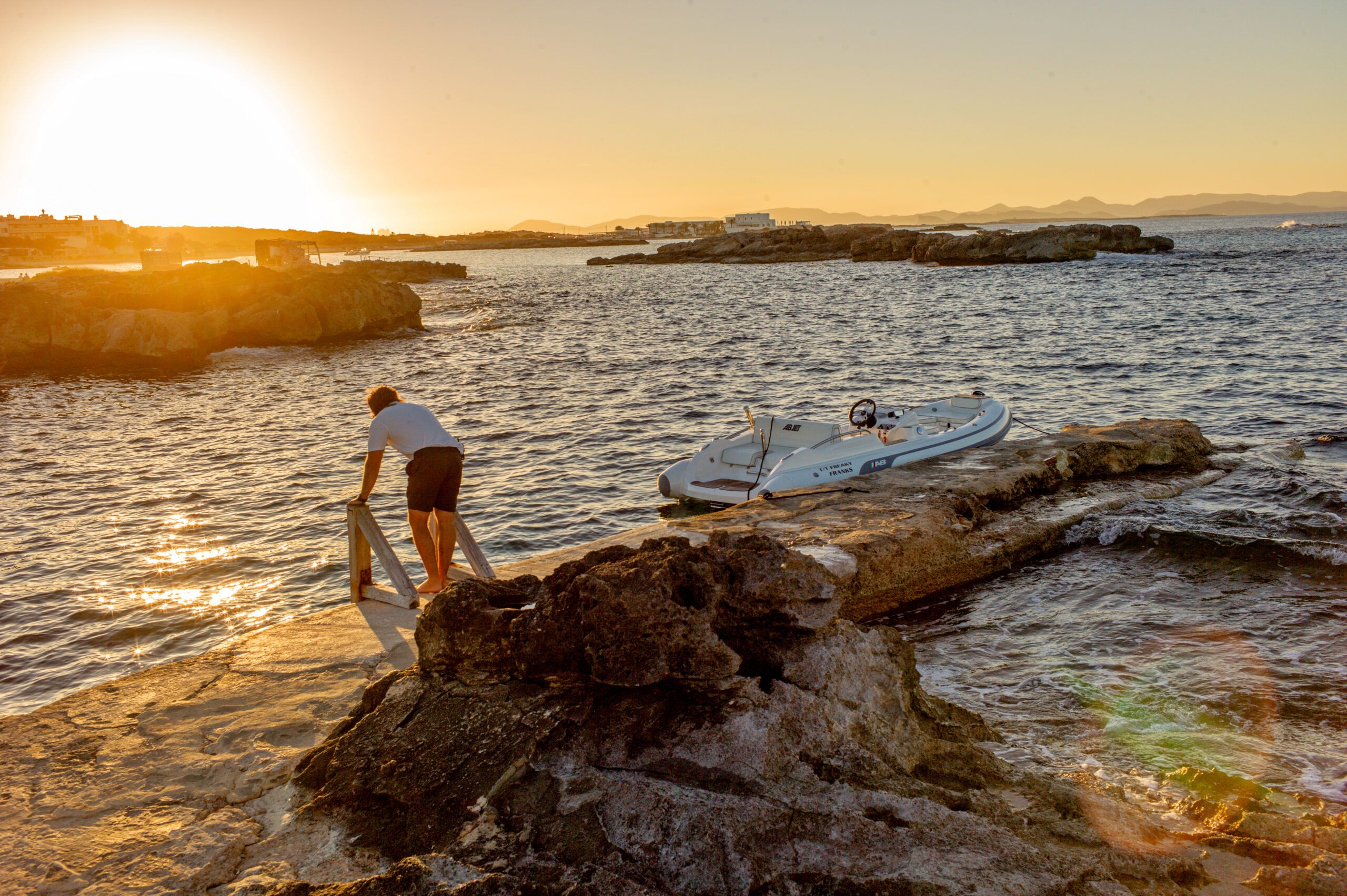
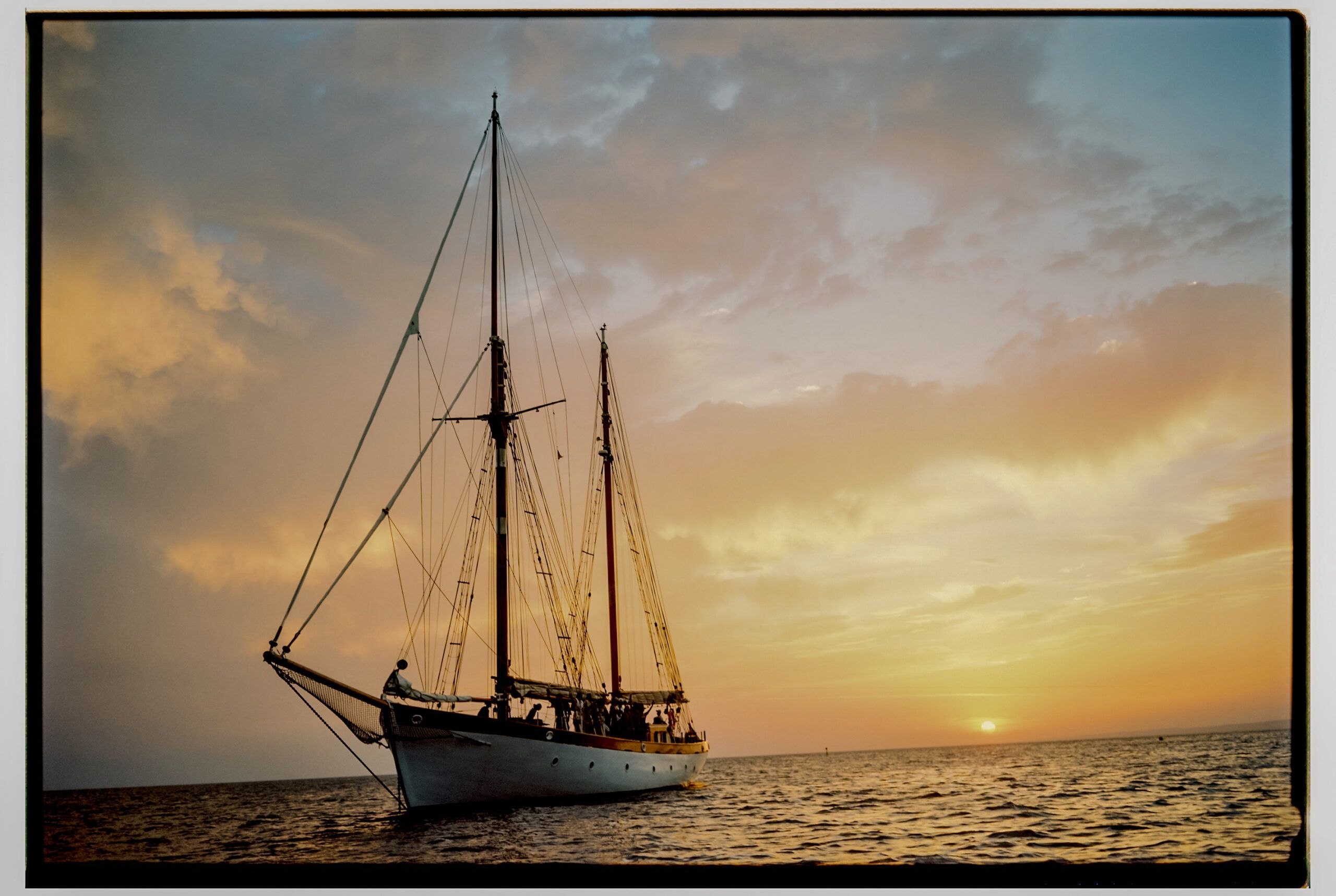
It started in the most organic way possible. My co-founder Mark and I were already doing this naturally. We’d meet up, walk around with our cameras, stop somewhere for a Negroni, and just talk. About our work, our careers, creativity, the industry, all of it. Those conversations always left me feeling genuinely energized and creatively full in a way that’s hard to manufacture.
Over time, other people would join us, and everyone kept walking away with the same feeling. People would say, when are we doing that again? And that’s when we knew there was something real there.
What I want people to understand is that the photo walk concept isn’t new. It’s been around forever. But when you put yourself honestly into something, it comes out differently. I genuinely love Negronis. That’s where the name came from. And when you lead with something that’s actually true to who you are, people feel that.
The thing that surprised me most is how much the conversation leads the day. Yes, we’re photographers, and we have our cameras out. But the real value is in what gets said between frames. The connections that happen when creative people are out moving together in a city with no agenda other than to see what’s there.
Photography is a surprisingly gatekept industry. A lot of the real information, how people get clients, how they build sustainable careers, how they navigate the business side of things, is rarely shared openly. You often have to figure it out the hard way, through your own mistakes and your own trial and error.
What an in-person community can do is short-circuit some of that friction. When you’re standing next to someone, watching how they work, having a real conversation with them, you can access things that would never make it into a caption or a tutorial. The nuances. The honest parts. The things people don’t post about.
Beyond that, there’s something irreplaceable about seeing how another photographer actually sees. The way they move through a space, what draws their eye, when they choose to raise the camera, and when they don’t. That’s where so much of the learning lives, and it only happens in person. I hope people leave feeling energized and creatively refueled. That’s always been the whole point.
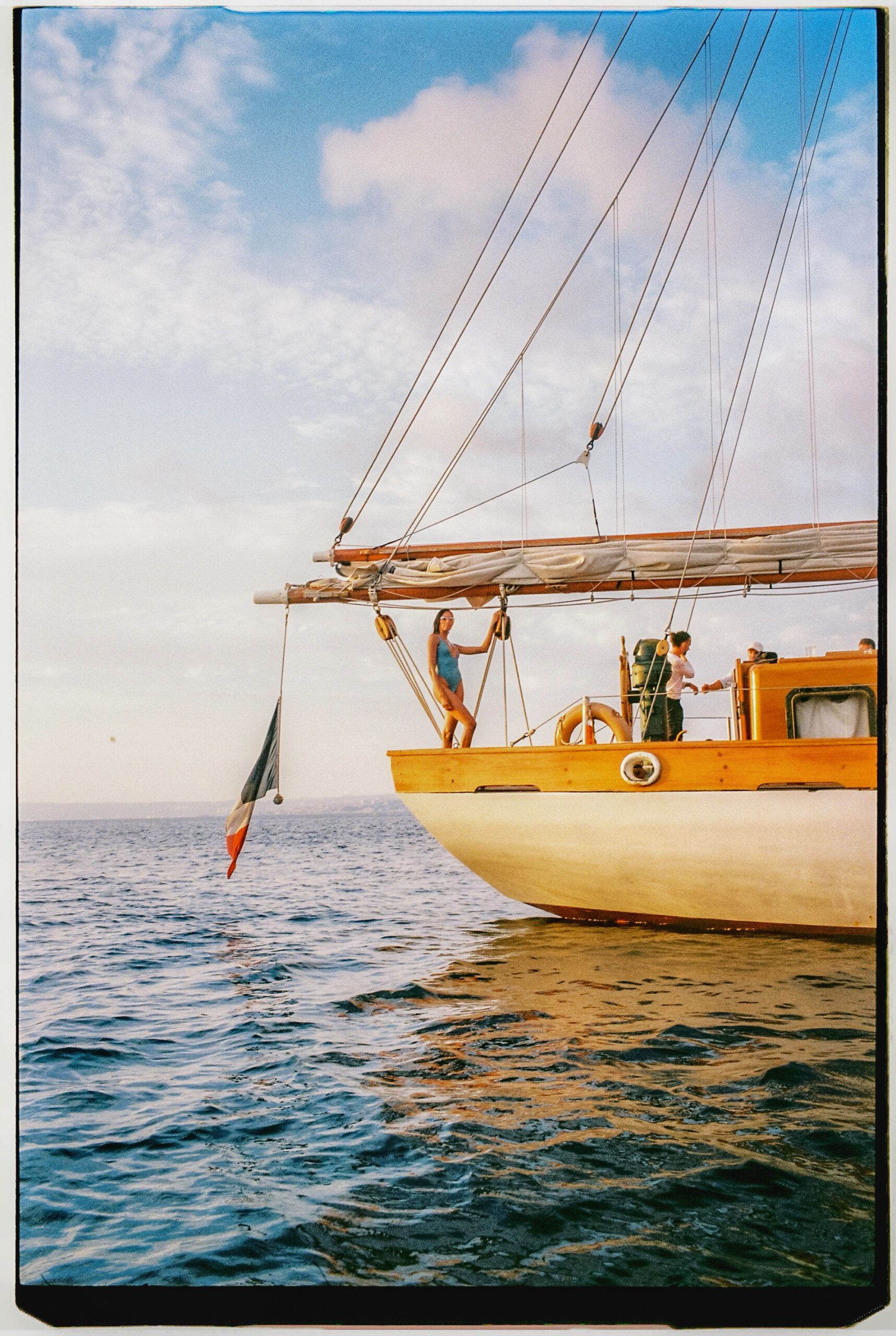
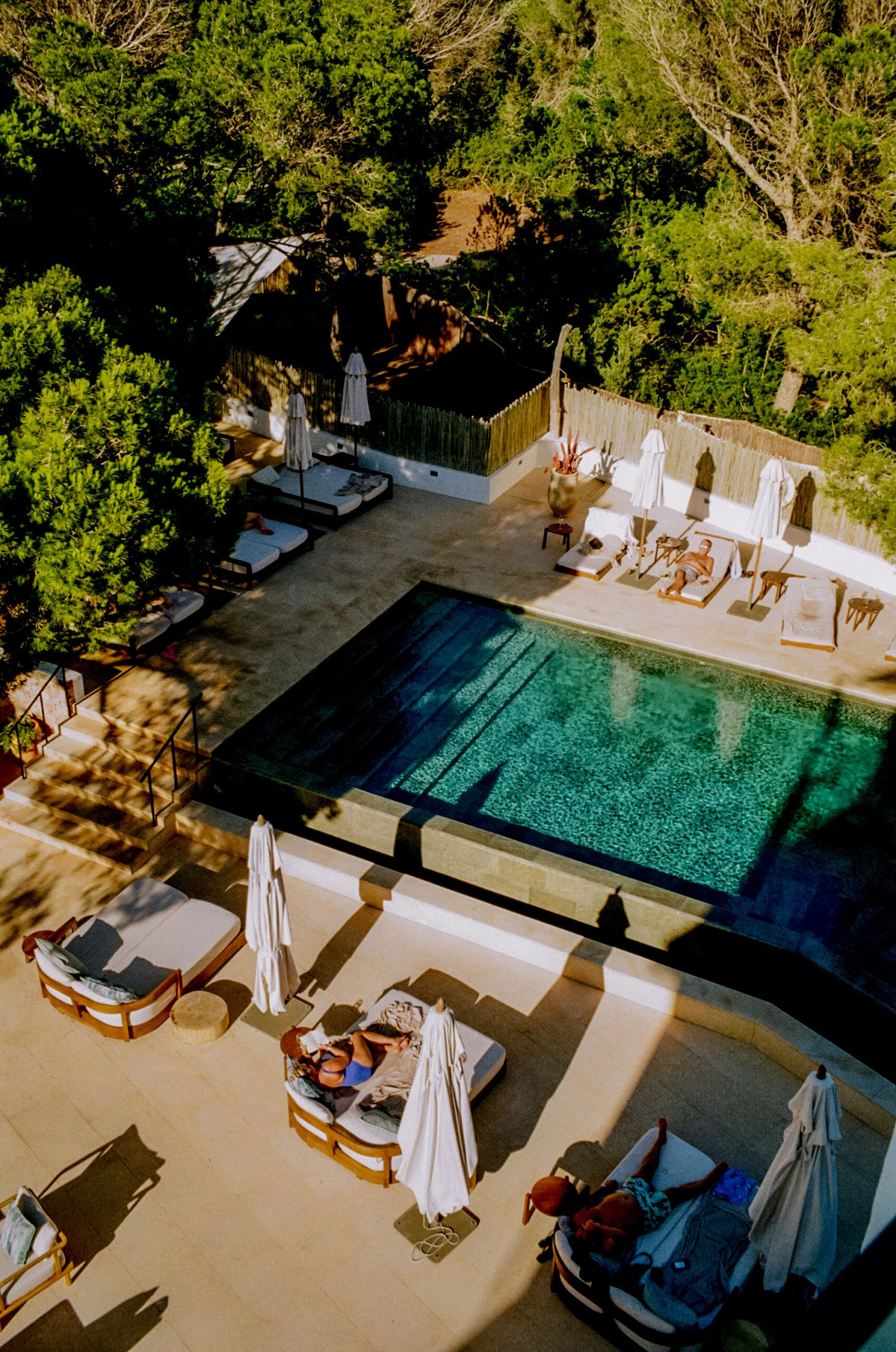
Working together has taught me as much about life as it has about photography. Maybe more. The most important thing I’ve learned is that your ego has to be checked at the door constantly. When you work with your partner, there is no clean separation between work and home. If you’re dismissive or closed off during a creative conversation, that energy doesn’t disappear when you close the laptop. It follows you into dinner, into the evening, into the relationship. So you have to be much more conscious of how you show up.
The other thing it’s taught me is to trust your collaborator even when you can’t see it yet. There have been plenty of times where R’el was excited about an idea I wasn’t fully feeling. I’d go along with it out of trust, and it would turn out to be exactly right. Those moments are humbling in the best way. They remind you that you don’t have the whole picture, and that the reason you’re collaborating with someone is that you already believe in them.
It’s also made me a better collaborator across the board. Working in that kind of constant creative dialogue, where you have to be generous and open and honest, translates into everything else.
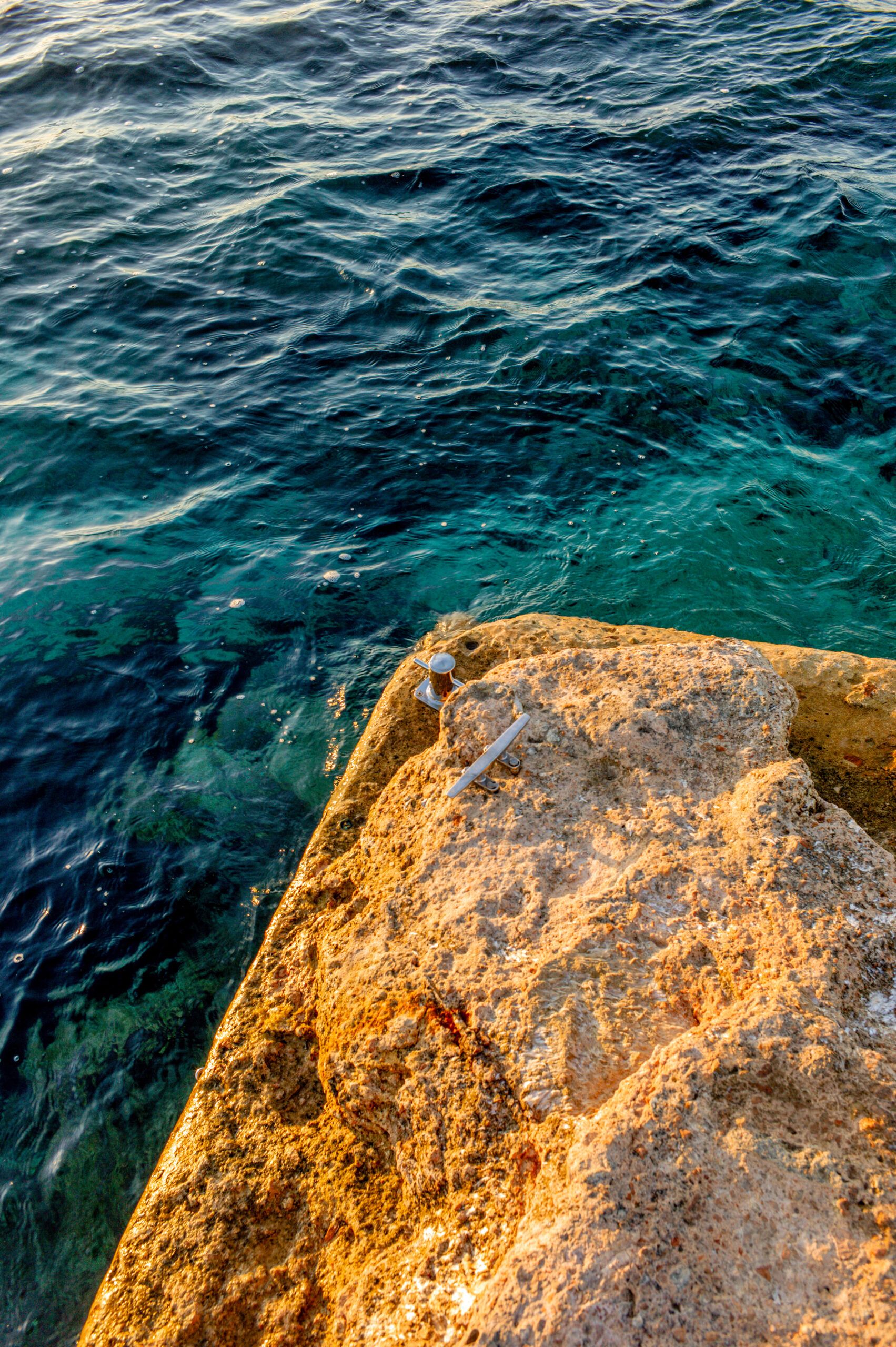
Film solved this problem for me almost completely, even though that wasn’t the reason I picked it up. Early on, especially when traveling for work, I’d find myself back at the hotel at the end of the day uploading SD cards, editing in Lightroom, trying to post something to stories, going through video. And I’d realize that a big part of being somewhere had slipped away in the process of documenting it.
With film, that entire digital workflow disappears. There’s nothing to upload at the end of the night. Nothing to scroll through, edit, or share. The images are out there somewhere on a roll, and you won’t see them for days. And rather than feeling like a loss, it’s become one of the most freeing parts of the process.
You might never come back to a place. That’s something I try to hold onto when I travel. The presence you have right now, in this city, on this street, at this dinner, is the most valuable asset you have. Posting can wait. Sharing can wait. Engaging can wait. Now is what you actually have.
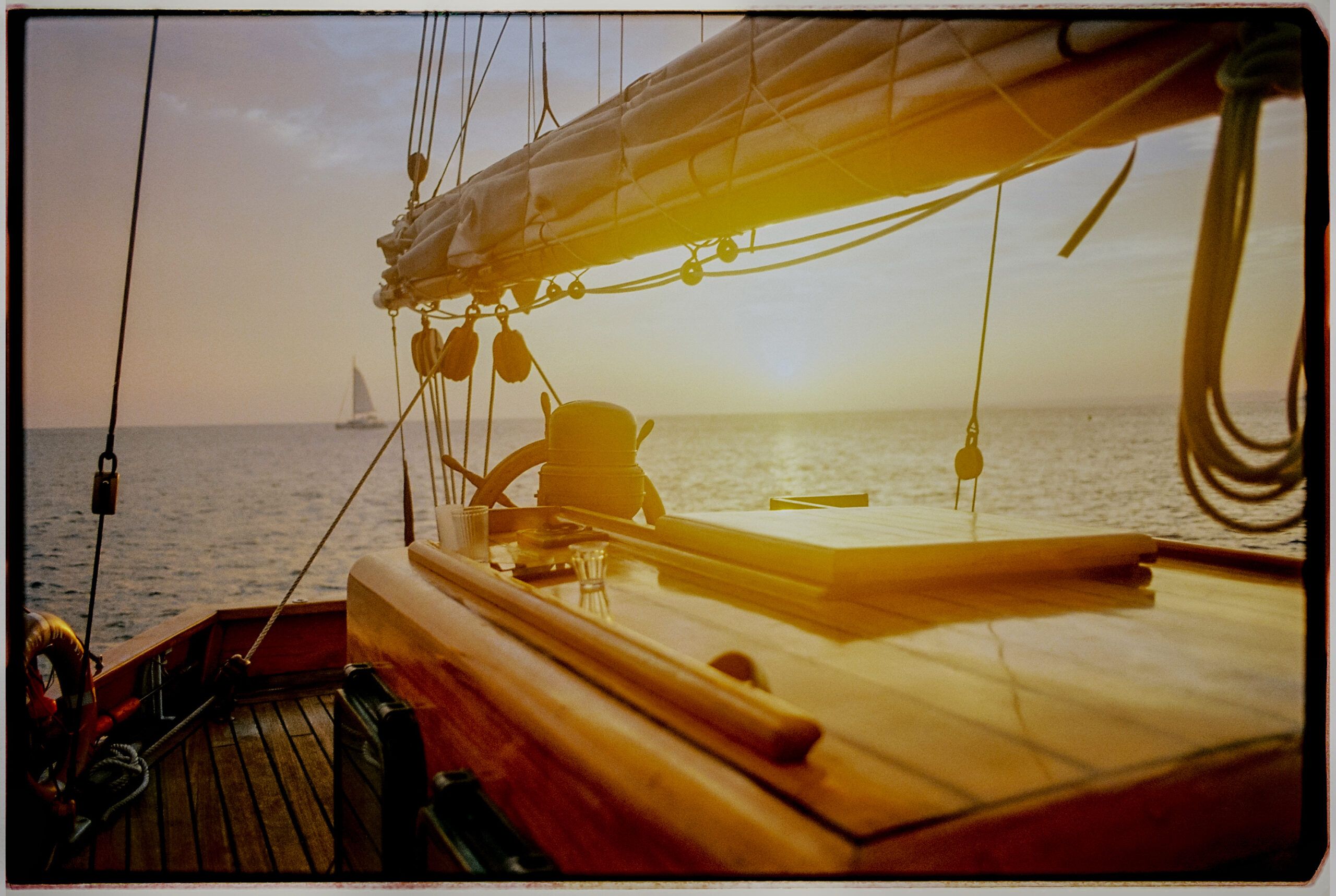
The Leica M6, without question. It’s the camera that has played the most significant role in my work up to this point. But getting there was a journey in itself. An earlier milestone was the Konica Hexar AF, which was the first film camera I took on a trip where I shot film exclusively. That was Cuba, around 2014. It was a bit of a leap of faith at the time, leaning entirely on film somewhere, that far from home with no digital backup. But you figure it out, and that experience built a kind of confidence in the process that I’ve carried ever since.
What I love about the M6 specifically is the form factor. It’s small enough that you always want it with you, which means it’s always with you. And there’s a lot of truth to the idea that the best camera is the one you actually have on you. The M6 earns that title every time.
Trust your gut more than you trust the algorithm. That’s the foundation of everything. If you find yourself making images because you think they’ll perform well rather than because they genuinely interest you, that’s a signal worth paying attention to. The work that lasts, the work that actually defines you, comes from following your own curiosity, not from reverse-engineering what’s popular.
On the technical side, the most important thing you can do when you’re starting with film is to eliminate the variables that lead to disappointment. Expose for the shadows. Rate your film at half box speed. If your camera doesn’t have a built-in light meter, invest in one or use an app on your phone. These aren’t complicated adjustments, but they make an enormous difference in what you get back from the lab.
There’s nothing more discouraging than waiting a week for your film to come back and opening a set of muddy, underexposed images. So strip away those early mistakes, build the habit of exposing correctly, and then you can press the shutter with real confidence. From there, the surprises become pleasant ones. And that’s when film stops feeling like a challenge and starts feeling like home.
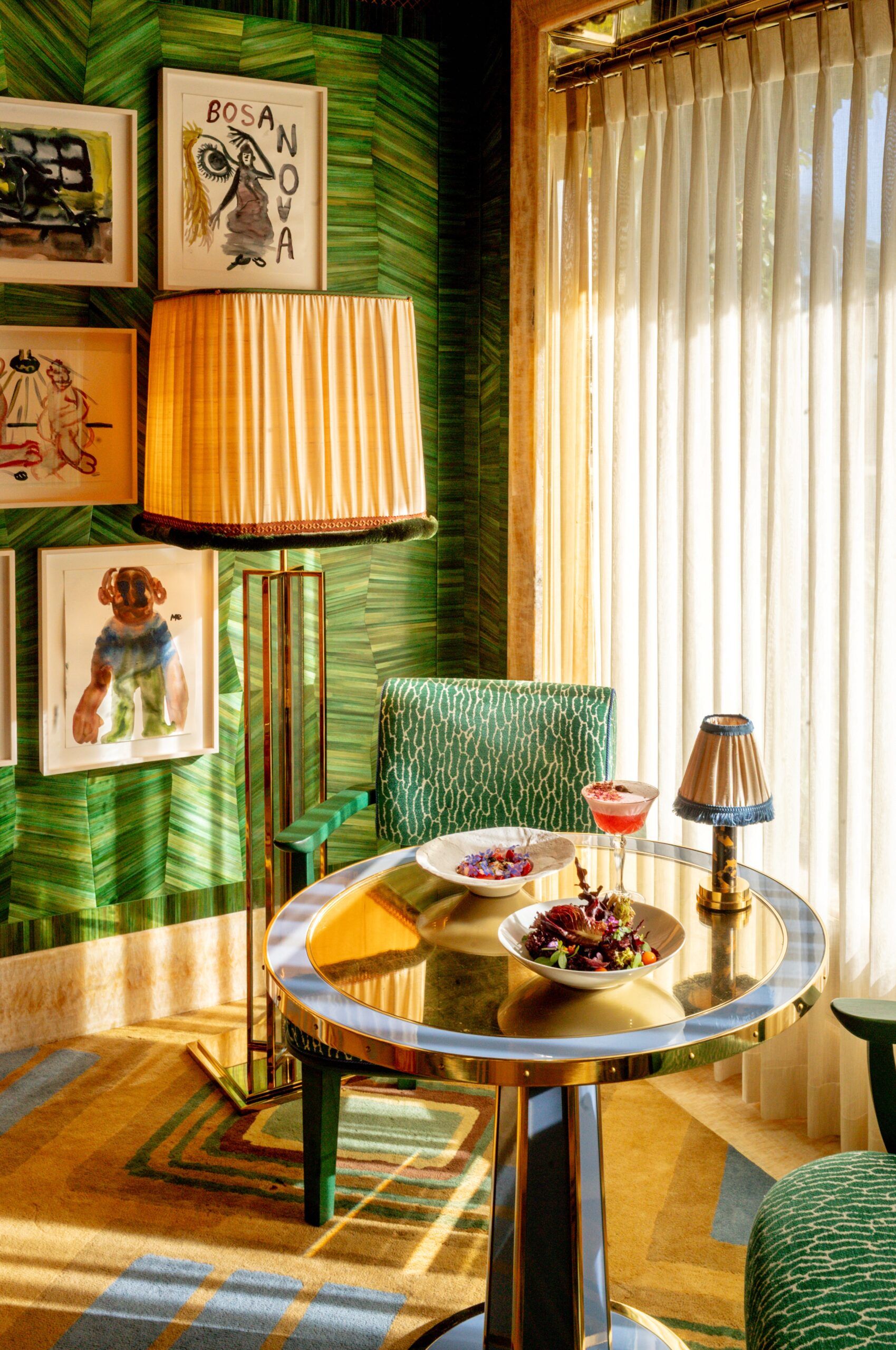
So much of this career is serendipitous. Doors open that you couldn’t have predicted six months ago. Clients reach out from directions you never anticipated. That’s one of the things I love most about it, and also one of the things that requires the most trust.
What I can tell you is what I’m working toward. Every morning, I sit down with my coffee and do my morning pages, and one of the things I write is: I am a legendary, prolific photographer. I write that because I genuinely believe that’s the standard I’m building toward. Not fame for its own sake, but a body of work and a creative legacy that means something. Consistency, longevity, depth. That’s what legendary means to me. Right now, I’m living in a really interesting space where fine art and commercial work are informing each other. I might shoot a campaign for a client one day and then go out the next morning with the same camera to explore the city on my own terms. The fact that clients are increasingly trusting my vision and my approach rather than asking me to conform to something else has been one of the most meaningful developments in my career. It took time to get there, but the reward is real.
On the horizon: more Negroni Photo Walks, and Mark and I are exploring the possibility of taking those into workshop territory. The print side of my work is expanding in ways I’m really excited about, including some things I can’t talk about yet but that feel significant. Books are on my mind. Editorial work continues to be something I love. And through it all, I want to stay present in every lane, whether I’m shooting for a major brand or making a YouTube episode or walking around a neighborhood with no agenda. I never want to feel too important for any of it. That holistic approach to the craft is something I plan to protect.
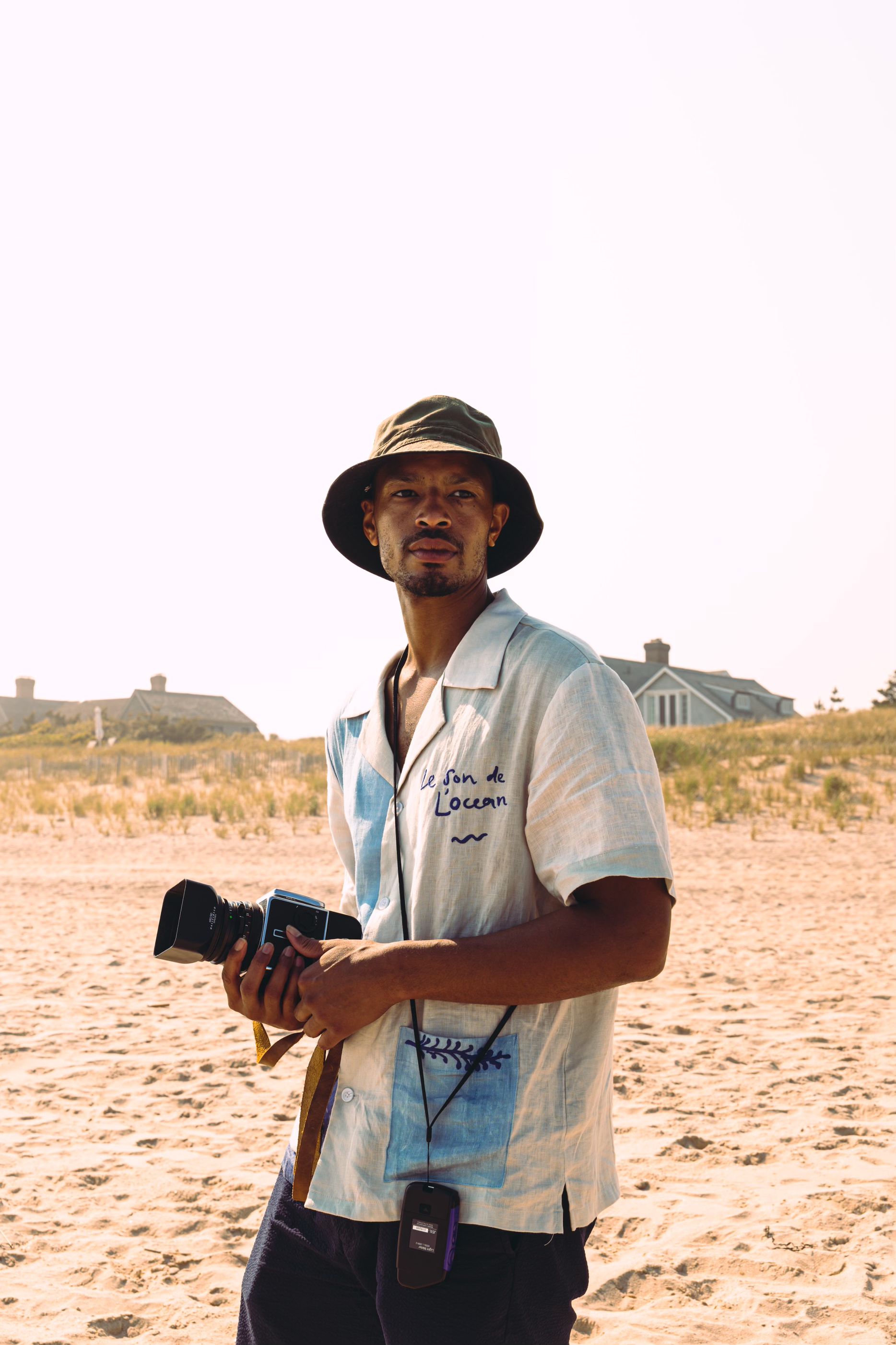
Marcus Lloyd is a New York City-based photographer working across interiors, travel, and lifestyle. His work is defined by a refined, contemporary approach that uses natural light to shape atmosphere, texture, and tone.
With a strong sense of composition and color, his images feel cinematic yet grounded, capturing spaces and moments in a way that invites the viewer in. Whether documenting a hotel, a city, or a fleeting interaction, his work is rooted in a sensitivity to place and detail. His clients include American Express, Small Luxury Hotels, Four Seasons, Expedia, The Ritz Carlton, Condé Nast Traveler, Soho House, Vrbo, Type 7, and Veuve Clicquot.
Want to see more of his work? Check out his Instagram and YouTube channel.