You
have no items in your shopping cart.
Sports Photographer Starter Kit: What’s in My Bag Guide
June 16, 2026
1 min read

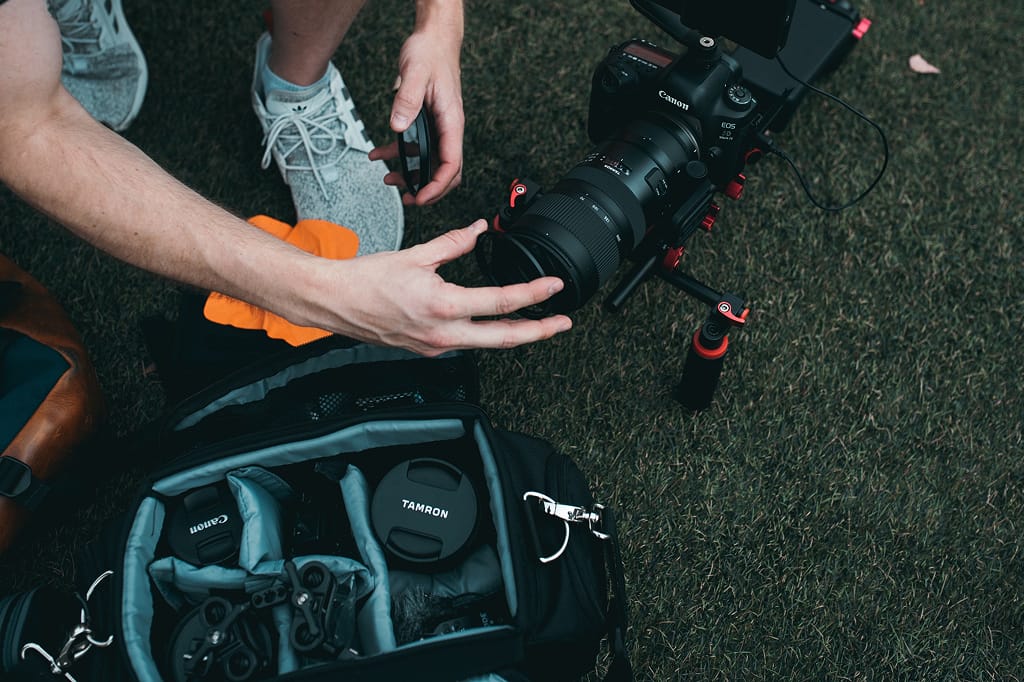
If you’ve ever watched a professional sporting event and wondered what’s inside those camera bags lining the sidelines, the answer is surprisingly simple: a handful of carefully chosen tools built for speed, reliability, and adaptability.
Sports photographers don’t have the luxury of asking an athlete to do it again. The decisive moment happens once. Whether it’s a game-winning goal, a diving save, or the emotion that unfolds after the final whistle, your gear needs to be ready before the action starts.
With sports fans and photographers heading to Atlanta for some of the biggest matches in the world, there’s renewed interest in action photography and the equipment that makes it possible. But despite what those massive telephoto lenses might suggest, building a capable sports photography kit isn’t reserved for professionals with unlimited budgets.
So what’s actually in a sports photographer’s bag? Let’s unpack the cameras, lenses, accessories, and game-day essentials that help photographers capture the moments everyone else misses.
Before you can capture a game-winning goal or a decisive defensive stop, you need a camera that can keep up with the speed of the action.
Sports photography pushes gear harder than almost any other genre. Fast autofocus, reliable subject tracking, strong low-light performance, and high continuous shooting speeds can make the difference between capturing the moment and missing it entirely.
For years, DSLRs dominated professional sports photography. Today, mirrorless cameras have become the preferred choice for many action photographers thanks to advances in autofocus performance, burst shooting speeds, and subject-tracking technology.
Modern mirrorless cameras offer edge-to-edge autofocus coverage, advanced athlete detection, and blackout-free shooting that helps photographers stay locked onto the action from kickoff to the final whistle.
That doesn’t mean DSLRs are obsolete. Proven workhorses like the Canon EOS-1D X Mark III and Nikon D6 are still capable of delivering outstanding results. However, photographers building or upgrading a kit today will generally find the most future-proof options within a mirrorless system.
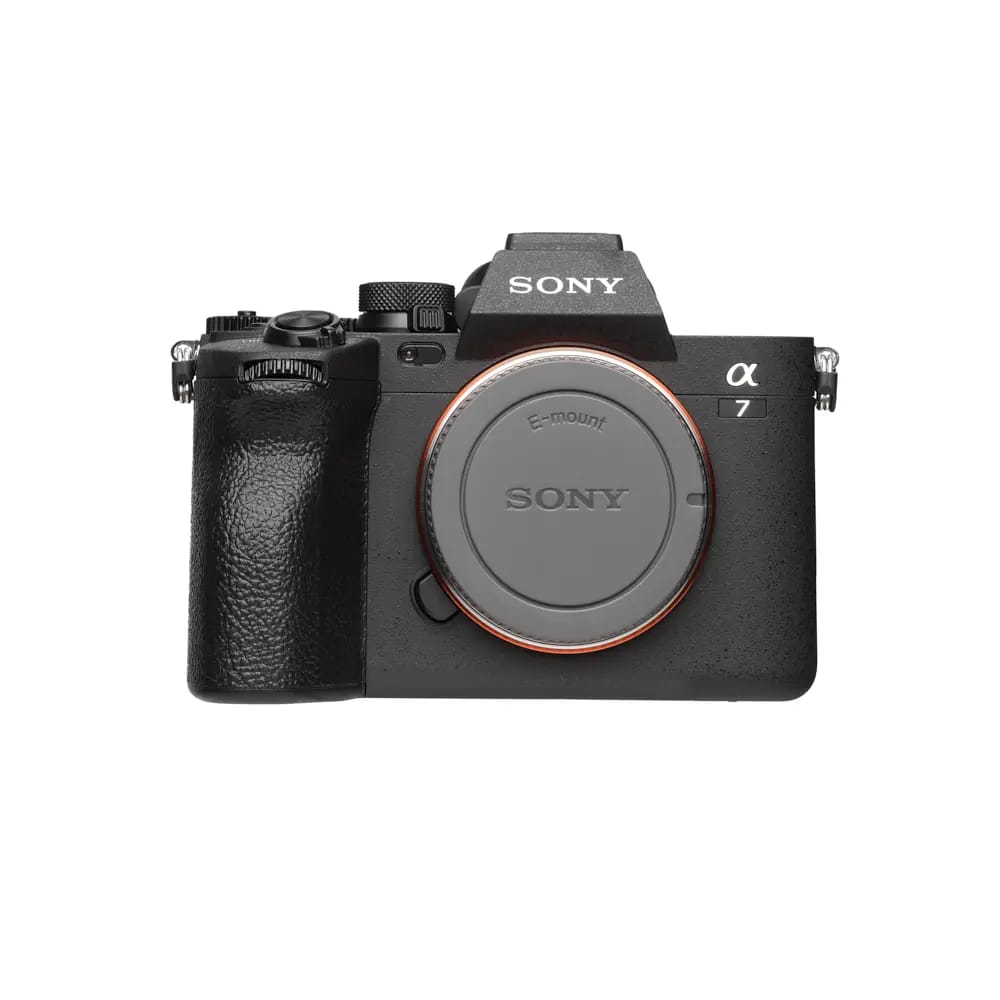
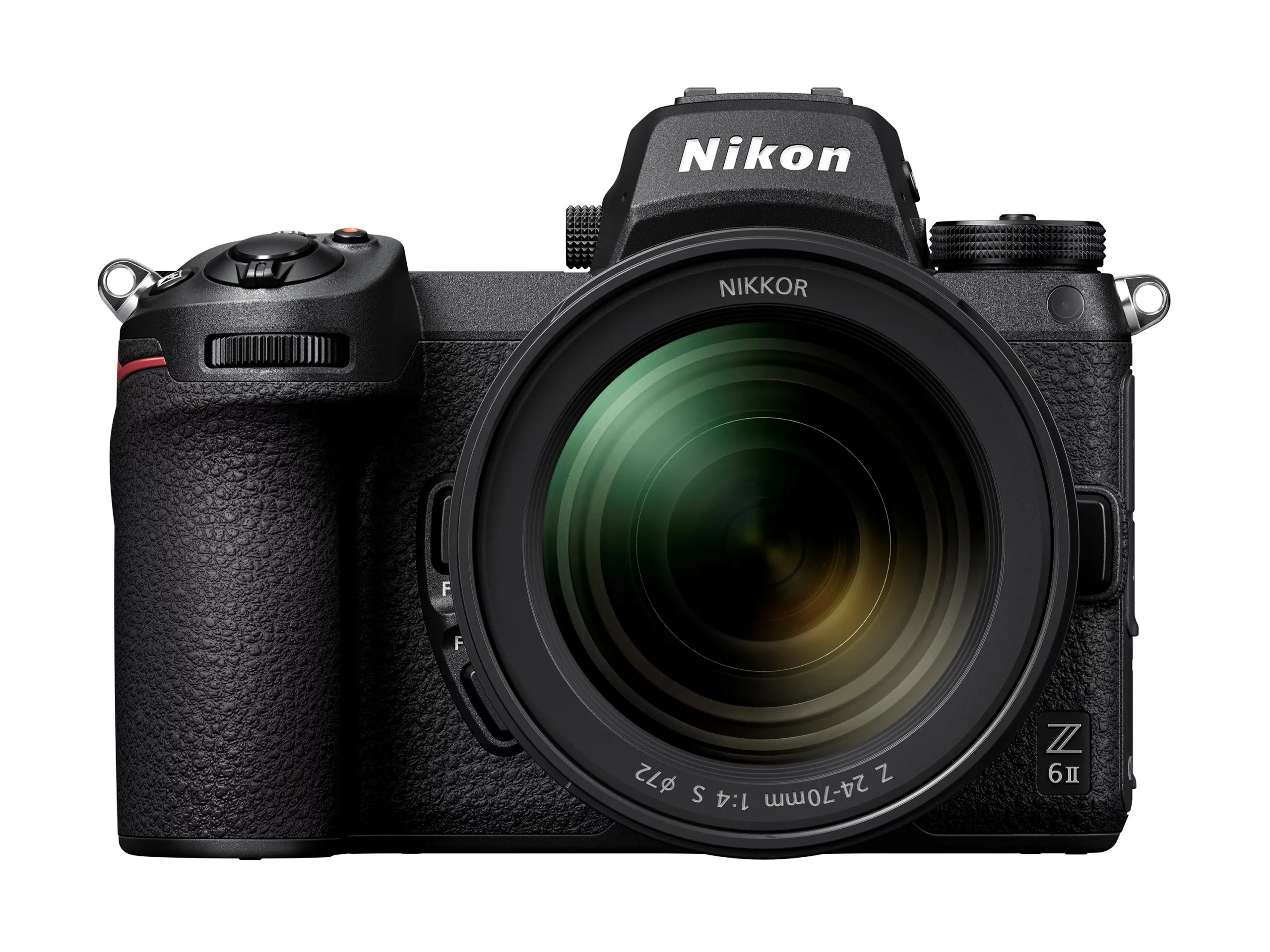
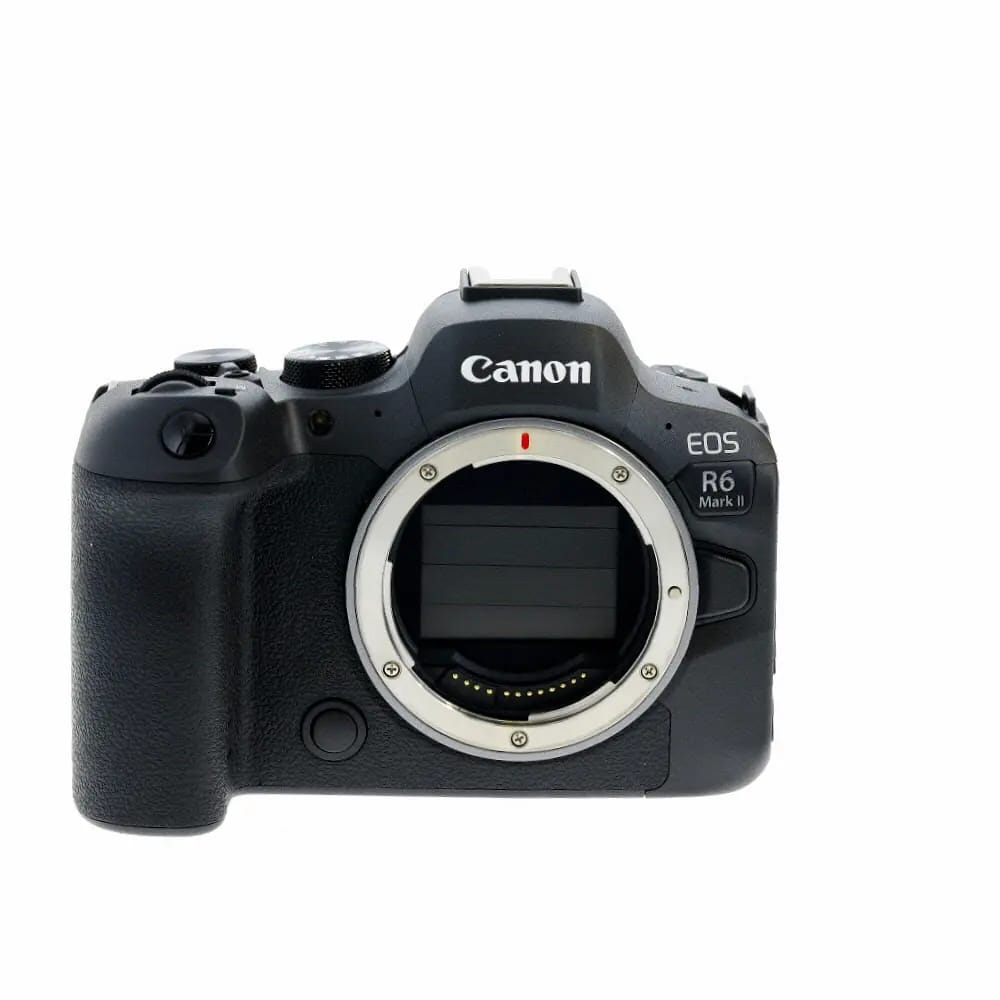
These cameras deliver fast autofocus, strong low-light performance, and reliable burst shooting without requiring a flagship-level investment.
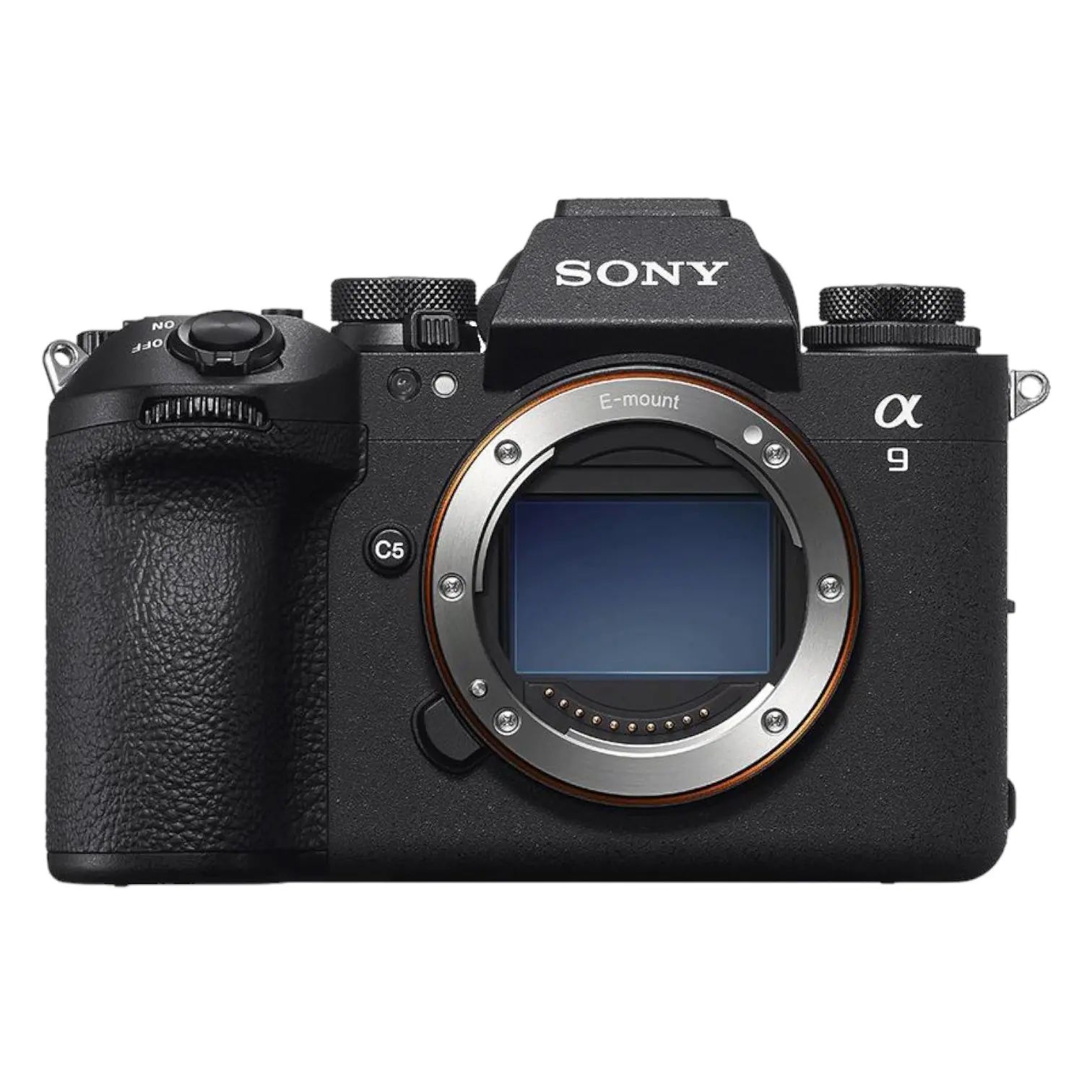
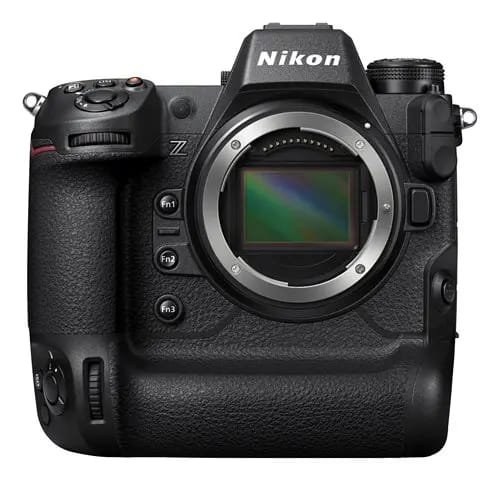
These professional-grade bodies are built for demanding sports environments, delivering exceptional tracking performance and the reliability professionals depend on.
No matter which camera you choose, prioritize dual card slots. Recording images to two memory cards simultaneously provides an instant backup—an important safeguard when there are no second chances for a game-winning moment.
When it comes to sports photography, lenses often have a greater impact on your results than camera bodies.
Because you’re typically restricted to sidelines, stands, or designated shooting areas, you can’t simply move closer to the action. Your lens determines what moments you’re able to capture.
To capture tight, emotional images of athletes from across a field, you’ll need a lens with enough reach to bring the action closer.
Fast telephoto lenses with maximum apertures of f/2.8 or f/4 remain the gold standard because they allow more light to reach the sensor during evening games while creating the background separation that helps athletes stand out from busy stadium environments.
One of the biggest decisions sports photographers face is choosing between zoom and prime lenses.
Lenses like a 400mm f/2.8 or 600mm f/4 are staples of professional sports photography. They deliver incredible sharpness, excellent low-light performance, and lightning-fast autofocus.
The tradeoff? Size, weight, cost, and a fixed field of view.
A 70-200mm f/2.8 or 100-300mm f/2.8 offers greater flexibility as the action moves around the field. For many photographers, a fast telephoto zoom is the most versatile sports lens they can own.
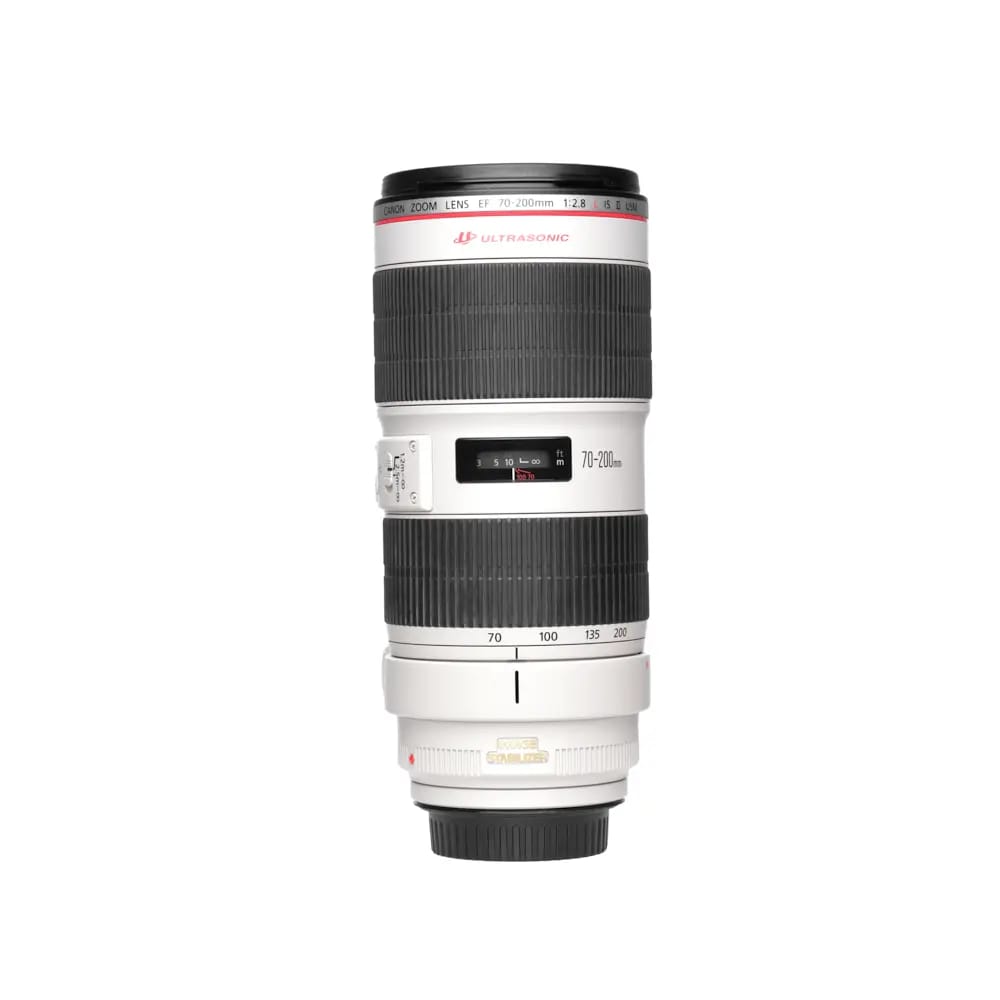
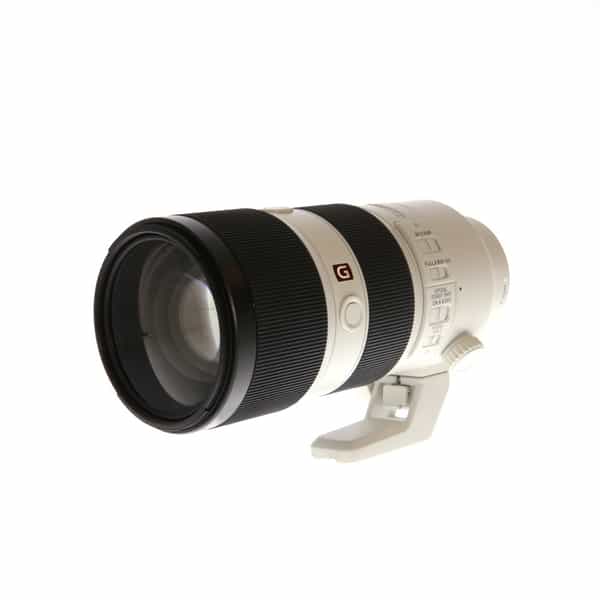
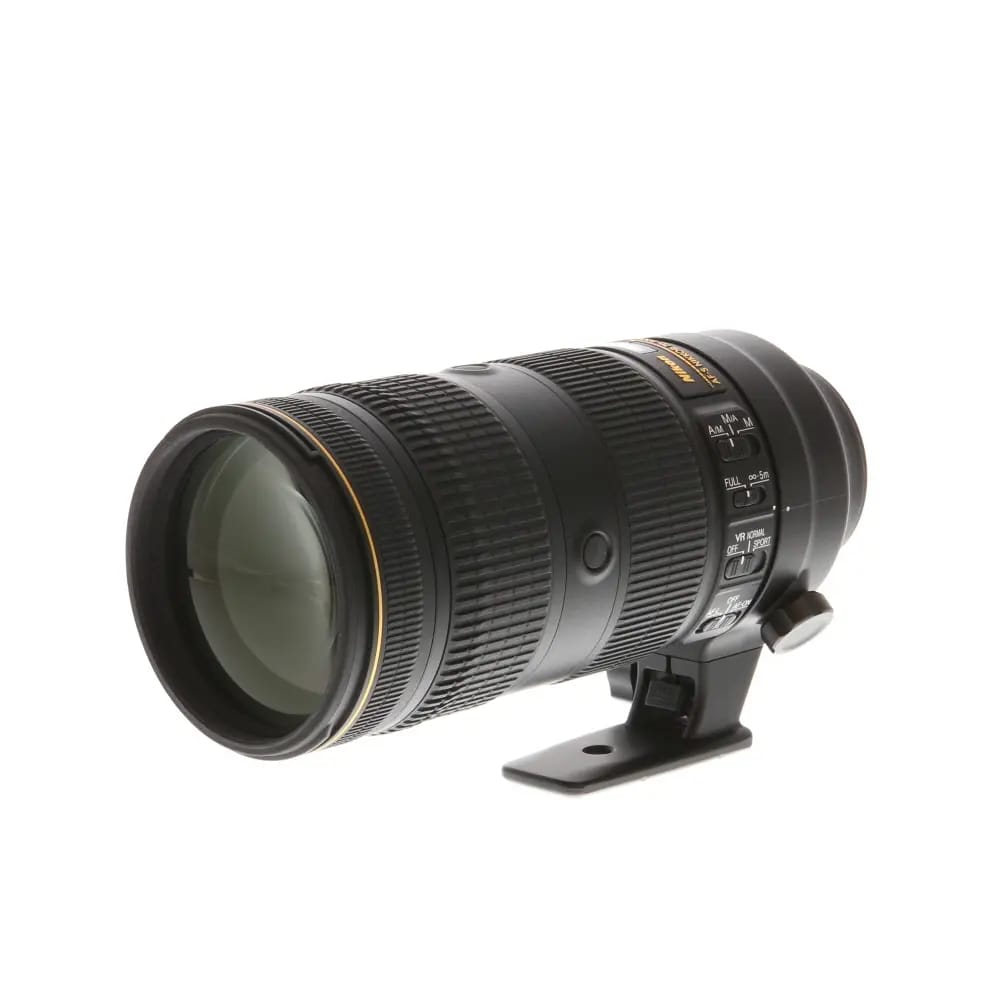
If you’re building a sports photography kit, start here.
A 70-200mm f/2.8 can handle everything from youth sports and high school football to professional events.
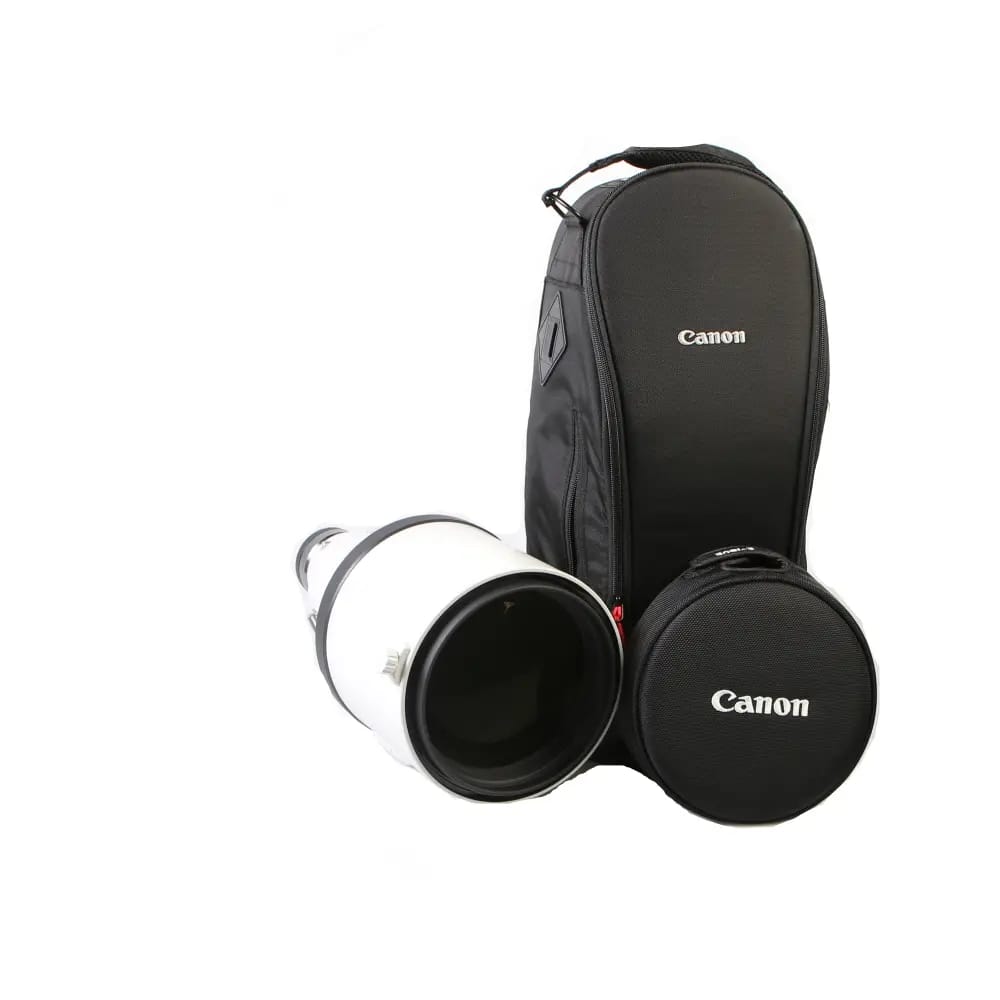
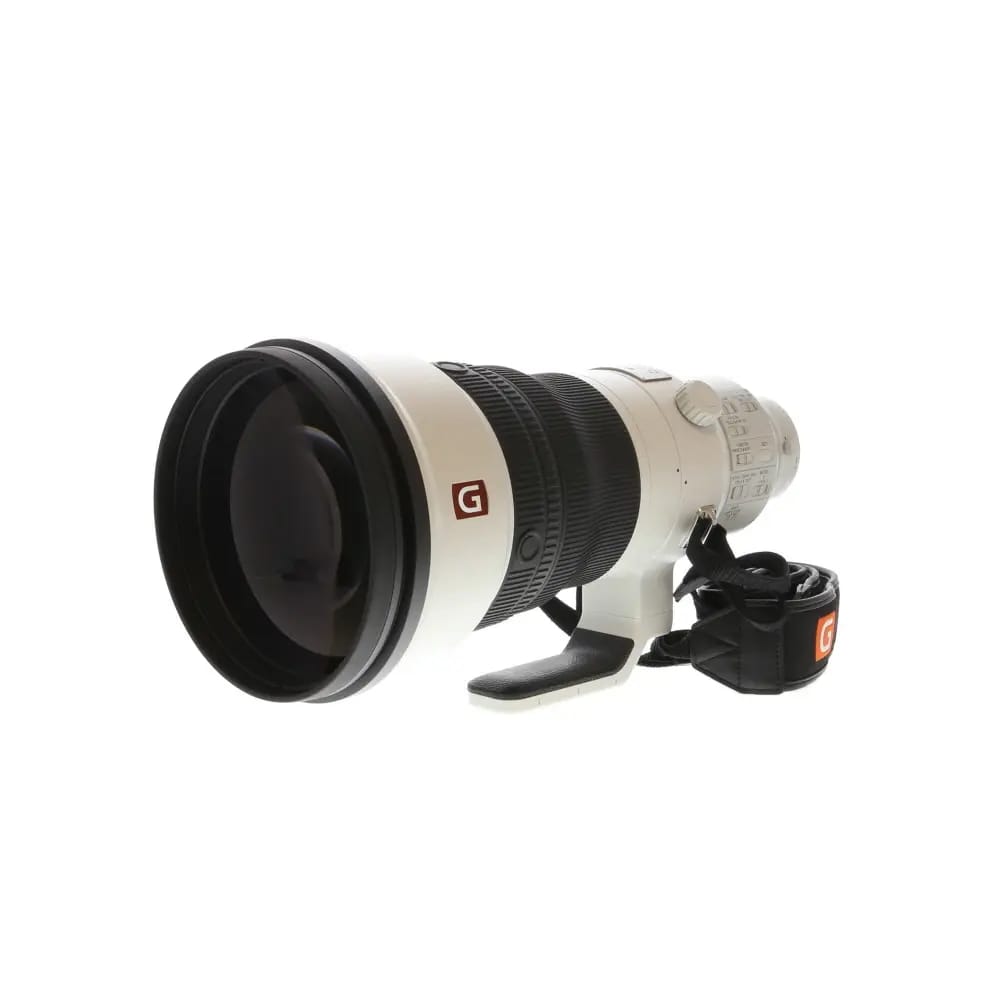
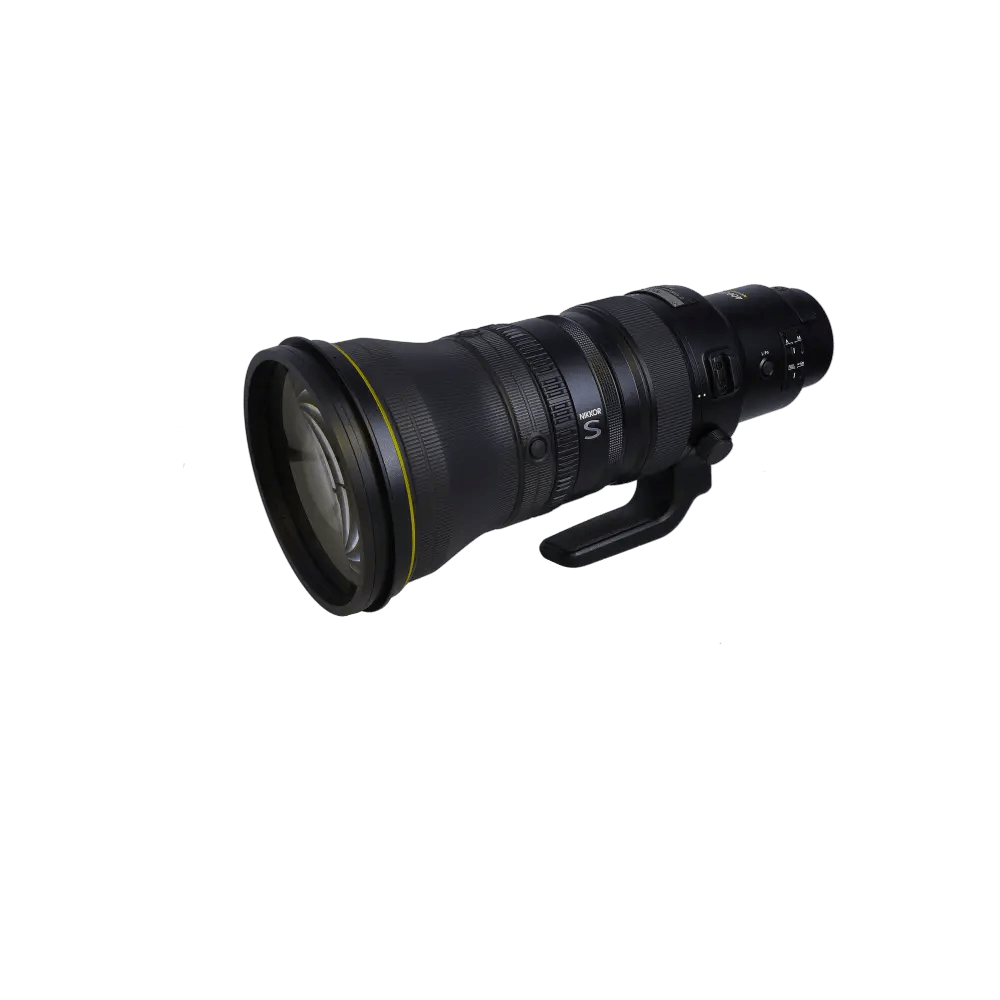
These lenses remain the benchmark for covering field sports and isolating athletes from distracting backgrounds.
Most professional sports photographers carry multiple camera bodies equipped with different focal lengths.
A common setup includes:
Body A: 400mm f/2.8 for midfield and distant action
Body B: 70-200mm f/2.8 for nearby action and celebrations
Body C (Optional): 24-70mm f/2.8 or 16-35mm f/2.8 for stadium scenes, crowd shots, and post-game moments
This combination allows photographers to react quickly without changing lenses during critical moments.
Holding a large telephoto lens for an entire match quickly becomes exhausting.
That’s why monopods are a staple of sports photography. A lightweight carbon-fiber monopod provides stability while allowing enough mobility to follow the action across the field.
Modern cameras can shoot 20, 30, or even more frames per second. Without fast memory cards, your camera’s buffer can fill at exactly the wrong moment.
Look for:
Fast cards help your camera keep shooting when the action doesn’t stop.
Great gear helps, but technique still matters.
For most sports photography situations, freezing motion should be your top priority.
As a starting point, avoid dropping below 1/1000 second.
For faster sports such as soccer, football, lacrosse, or motorsports, 1/1250, 1/1600, or even 1/2000 second often produces sharper results.
To achieve those shutter speeds, photographers commonly shoot:
Modern cameras handle higher ISO settings remarkably well, making it easier to prioritize sharpness and timing.
Sports happen in every season, and your equipment needs to be ready.
Even weather-sealed cameras benefit from additional protection during extended periods of rain or humidity.
Pack:
A little preparation can save thousands of dollars in equipment and prevent missed opportunities on game day.
Pro Tip: Allow your gear to acclimate gradually when moving between heavily air-conditioned spaces and hot, humid outdoor environments to reduce lens fogging.
A successful game day starts with staying organized.
Many sports photographers use a two-bag system:
Used for transporting large lenses, camera bodies, and accessories through airports and stadium concourses.
Used during the event itself to keep essential gear close and accessible without sacrificing mobility.
If you’re attending a major sporting event as a fan rather than credentialed media, camera restrictions can vary significantly by venue.
Always review current stadium policies before arriving.
In general, compact cameras and smaller mirrorless setups are more likely to meet venue requirements than large telephoto lenses.
Explore these stadium-approved camera bodies.
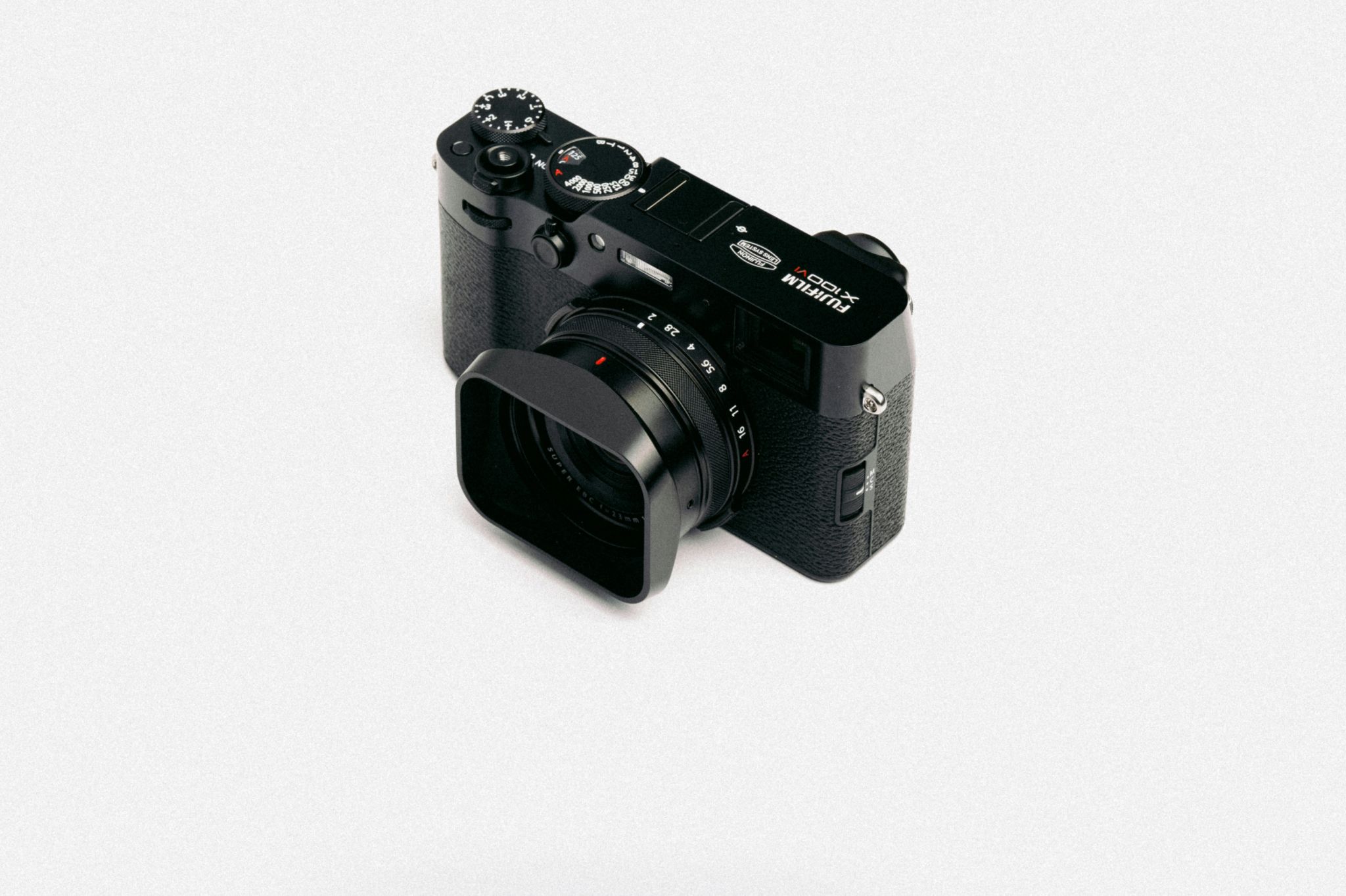
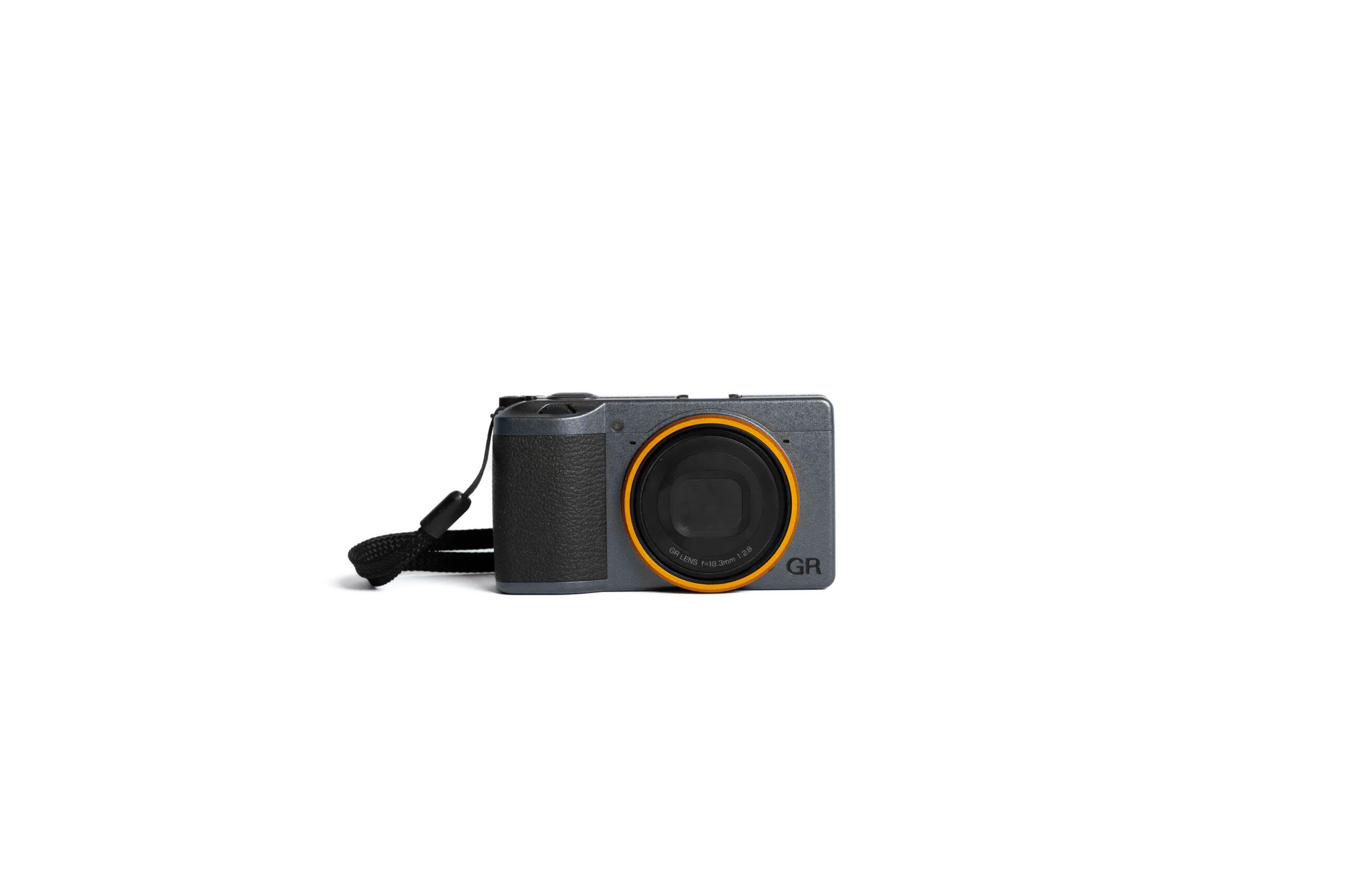
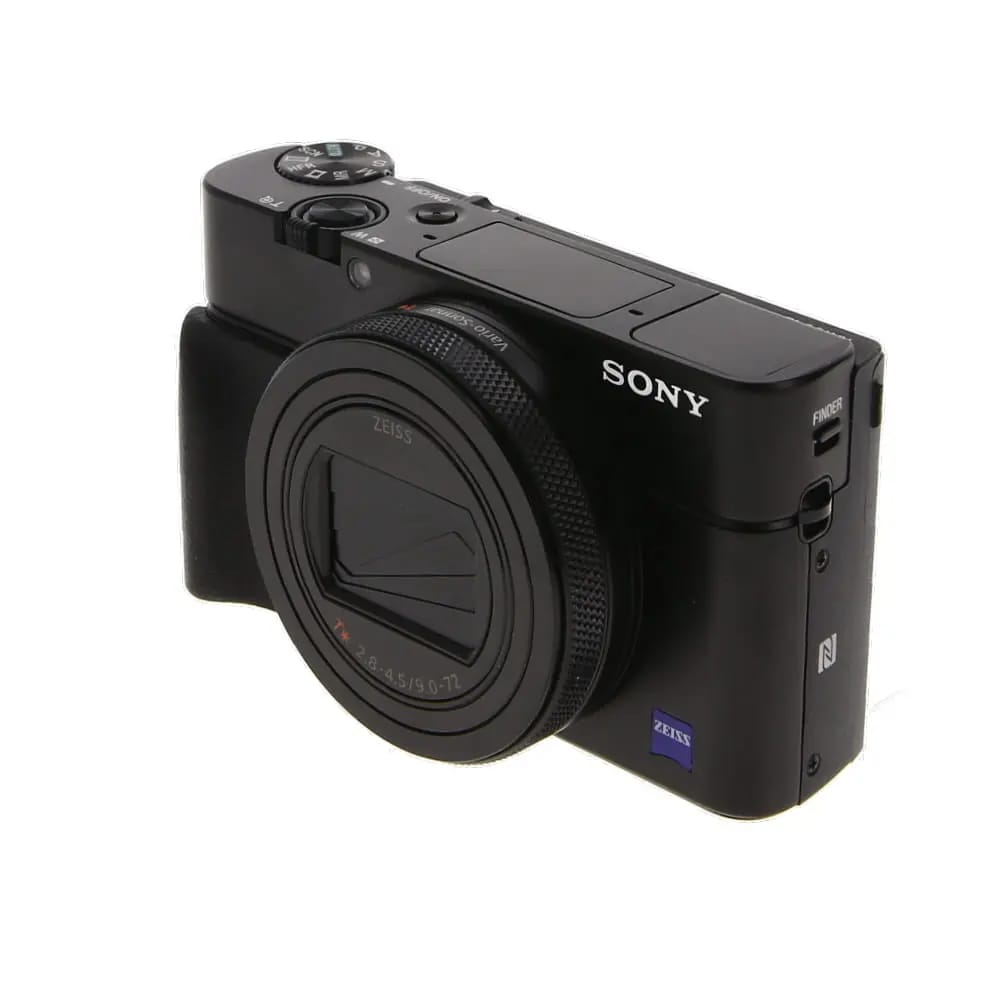
These options make it easier to capture the atmosphere and excitement of game day while traveling light.
Building a sports photography kit doesn’t happen overnight, and it doesn’t require the same equipment you’ll find on the sidelines of a professional championship match. Focus first on reliable gear, strong fundamentals, and learning how to anticipate the action. As your skills grow, your kit can grow with you.
Whether you’re photographing local matches, school sports, or major sporting events in Atlanta, having equipment you trust allows you to stay focused on capturing the moments that matter most.
The right gear won’t create great images on its own—but it can help ensure you’re ready when the perfect moment unfolds. When you’re ready to upgrade, buy, sell, trade, or repair gear, KEH Certified™ cameras and lenses offer a trusted way to build your kit with confidence.
Question: Why is mirrorless preferred over DSLR for sports, and are DSLRs still viable?
Short answer: Mirrorless systems have largely won the action game thanks to edge-to-edge autofocus, advanced subject tracking (eye/body detection tuned for athletes), blackout-free electronic viewfinders, and blistering burst rates. That combination makes it easier to keep fast-moving players and the ball in frame and tack-sharp. Flagship DSLRs like the Canon EOS-1D X Mark III and Nikon D6 are still excellent workhorses, but if you’re building or upgrading a kit today, investing in a mirrorless ecosystem is the smarter long-term move.
Question: I can’t afford a flagship body—what should I look for in a starter camera?
Short answer: Pick a mid-tier mirrorless body with strong continuous autofocus, a healthy buffer, and—crucially—dual card slots. Bodies like the Canon EOS R6 Mark II or Sony A7 IV are great entry points. Dual slots let you write to two cards at once so a single card failure doesn’t cost you a decisive goal or game-winning play. Good low-light performance is also key for night games.
Question: Prime vs Zoom: which should I prioritize for field sports, and how do pros cover a full field?
Short answer: Use a mix. Primes (e.g., 400mm f/2.8 or 600mm f/4) deliver elite sharpness, fast AF, and background separation for far-field action but lock you into one framing. Zooms (e.g., 70–200mm f/2.8 or 100–300mm f/2.8) give you flexibility as the play rushes toward you. Pros typically run two bodies: Body A with a 400mm f/2.8 for opposite-end and midfield coverage; Body B with a 70–200mm f/2.8 for near-side action. Many add Body C with a 24–70mm f/2.8 (or 16–35mm f/2.8) for stadium wides, corner kicks right in front of you, and celebrations.
Question: What shutter speed and settings should I use to freeze action under stadium lights?
Short answer: Don’t go below 1/1000s. For truly frozen action—crisp faces and a stopped ball—aim for 1/1250s to 1/2000s. To get there, shoot wide open (often f/2.8) and raise ISO as needed; modern bodies handle the noise well. Prioritize freezing motion first, then balance aperture and ISO to maintain exposure.
Question: I’m a fan in the stands, not credentialed—what can I bring without getting stopped at the gate?
Short answer: Most venues restrict bag size and often ban “professional” cameras—typically anything with a detachable lens beyond about 3–6 inches. Leave big telephotos at home. Instead, bring a premium compact (e.g., Fujifilm X100 series or Ricoh GR) or a small mirrorless with a low-profile pancake lens. You’ll capture high-quality memories of the atmosphere while staying within stadium rules.