You
have no items in your shopping cart.
In Conversation with Norman Thomas III
August 31, 2026
1 min read

There are plenty of ways to learn photography, but some of the best lessons come from photographers who have already been where you are. Whether you’re balancing classes, building a portfolio, or trying to land your first paid shoot, hearing how someone else navigated those challenges can make the path ahead a little clearer.
In this edition of In Conversation, we sat down with recent Morehouse College graduate and photographer Norman Thomas III to talk about turning a passion into a profession, making the most of campus opportunities, building a portfolio on a budget, and why mastering the fundamentals will always matter more than chasing the latest gear. If you’re looking for inspiration and practical advice to help you grow behind the camera, this conversation is a great place to start.
Hi, I’m Norman Thomas III, a recent graduate of Morehouse College with a degree in Marketing. My love for photography actually started with my grandfather. He was always the one documenting our family, always had shelves full of photo books capturing every gathering, every good time, every small moment worth remembering. I admired that about him long before I ever picked up a camera myself. As he got older and it became harder for him to shoot as often, I asked if I could have his camera, and that was the beginning of everything for me. That camera became the bridge between his story and mine. Starting college at Morehouse, the same school my father and grandfather once walked through, gave that bridge even more meaning. I wanted to capture my own journey the way my grandfather had captured his, so I started documenting my college years through my lens: the people, the moments, the growth.
What began as admiration for a man who never let a memory go undocumented turned into my own way of telling stories, one frame at a time.
What first drew me in was the storytelling. I loved the idea that a single frame could hold an entire moment, an entire feeling, without needing a caption to explain it. But the real turning point came when I got my first paid booking. I never set out to shoot for money; I was just capturing what I loved. Once people started seeing my images, they began reaching out and asking me to capture their own moments and stories. That’s when it clicked that this could actually be something more than a pastime.
What really confirmed it, though, was realizing I never got tired of it. Normally, when you do something over and over, eventually it starts to feel like a chore. That never happened with photography. No matter how many shoots I did, I still felt that same excitement picking up the camera. That’s when I knew this wasn’t just a hobby, it was something I was meant to keep doing.
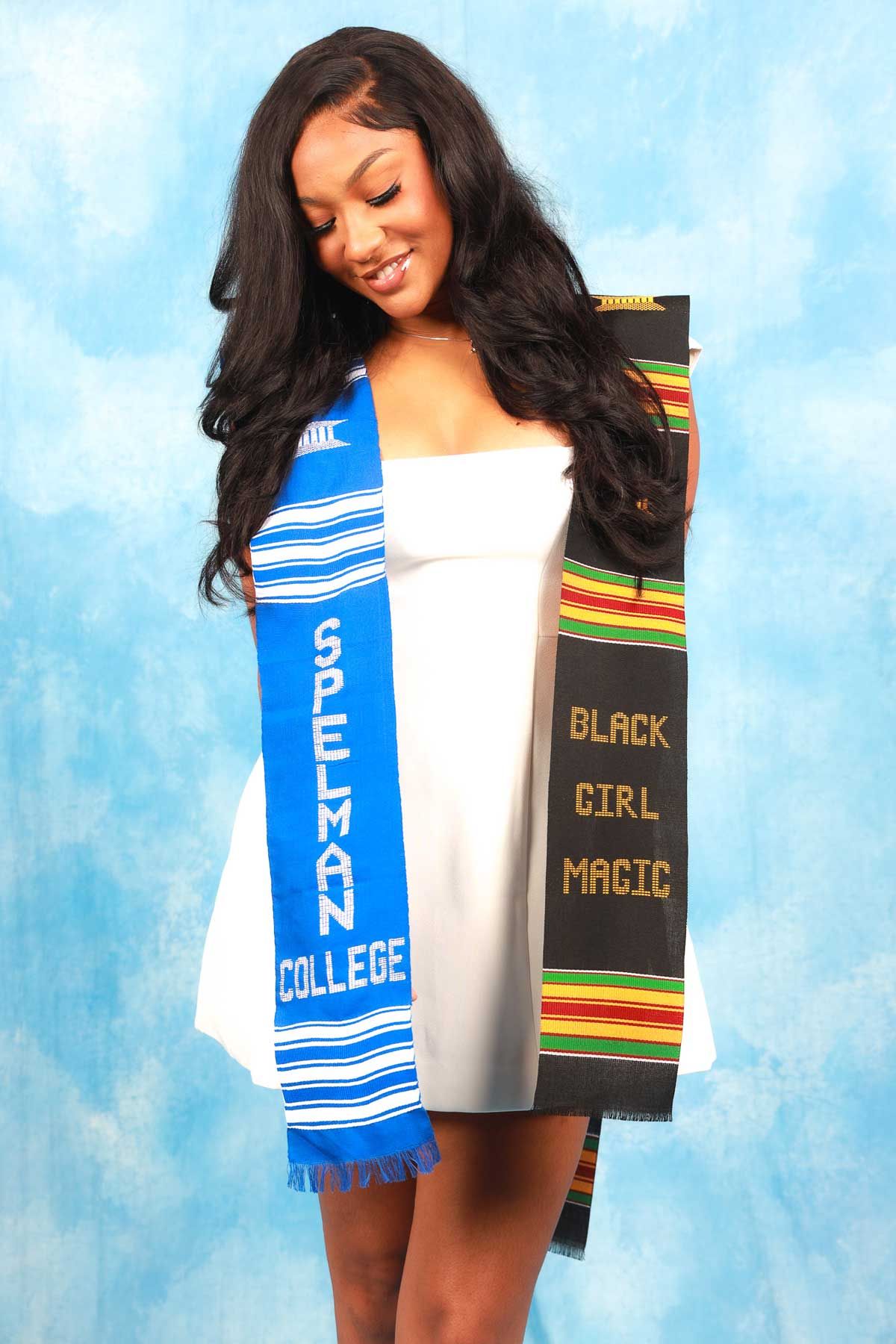
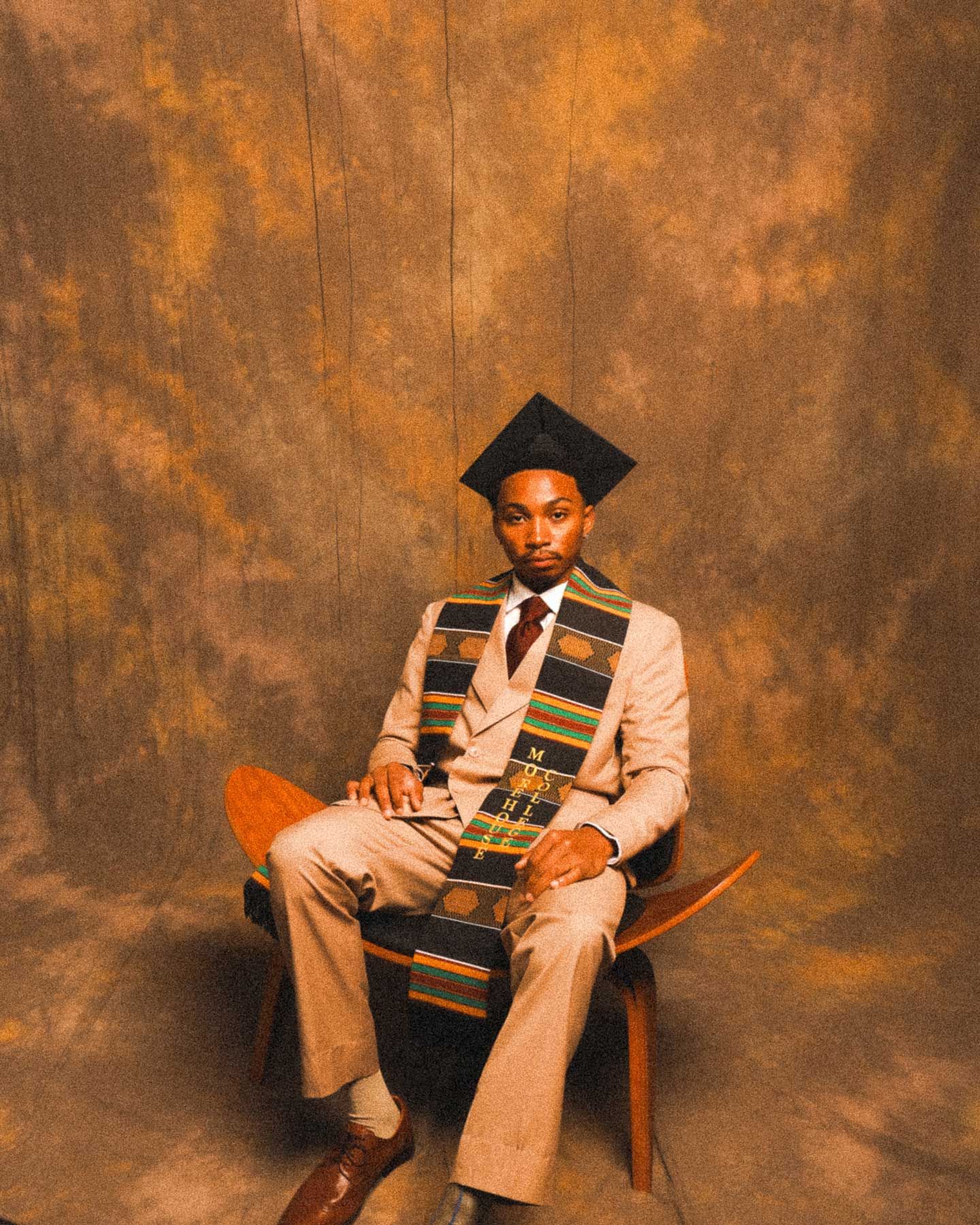
Man… Morehouse was everything for my photography journey. I came in as a young, inexperienced photographer and left a completely different person. My time there taught me cultural appreciation and how to interpret culture and weave it into my work. Morehouse was also like a hub for creatives; everyone around me was creating something, and that gave me constant inspiration to collaborate and connect with others. In my freshman year, a few friends and I even started a creative collective called First Degree Studios. It’s no longer around, but that experience pushed me to explore my creativity in ways I hadn’t before. Beyond that, Morehouse taught me that there’s always a story to tell, no matter the lens or approach. Everything is a story, and everyone has a voice.
As far as the person I am today, Morehouse shaped that just as much. It taught me discipline and to never stop challenging myself. It instilled in me the belief that I could do anything I put my mind to and that creativity has no limits. It unlocked a hunger in me I’d never felt before. Morehouse shows you the potential you have, encourages you to tap into it, and reminds you to lean on the connections you make along the way.
The camera you carry says a lot about you. Discover your campus character analysis today!
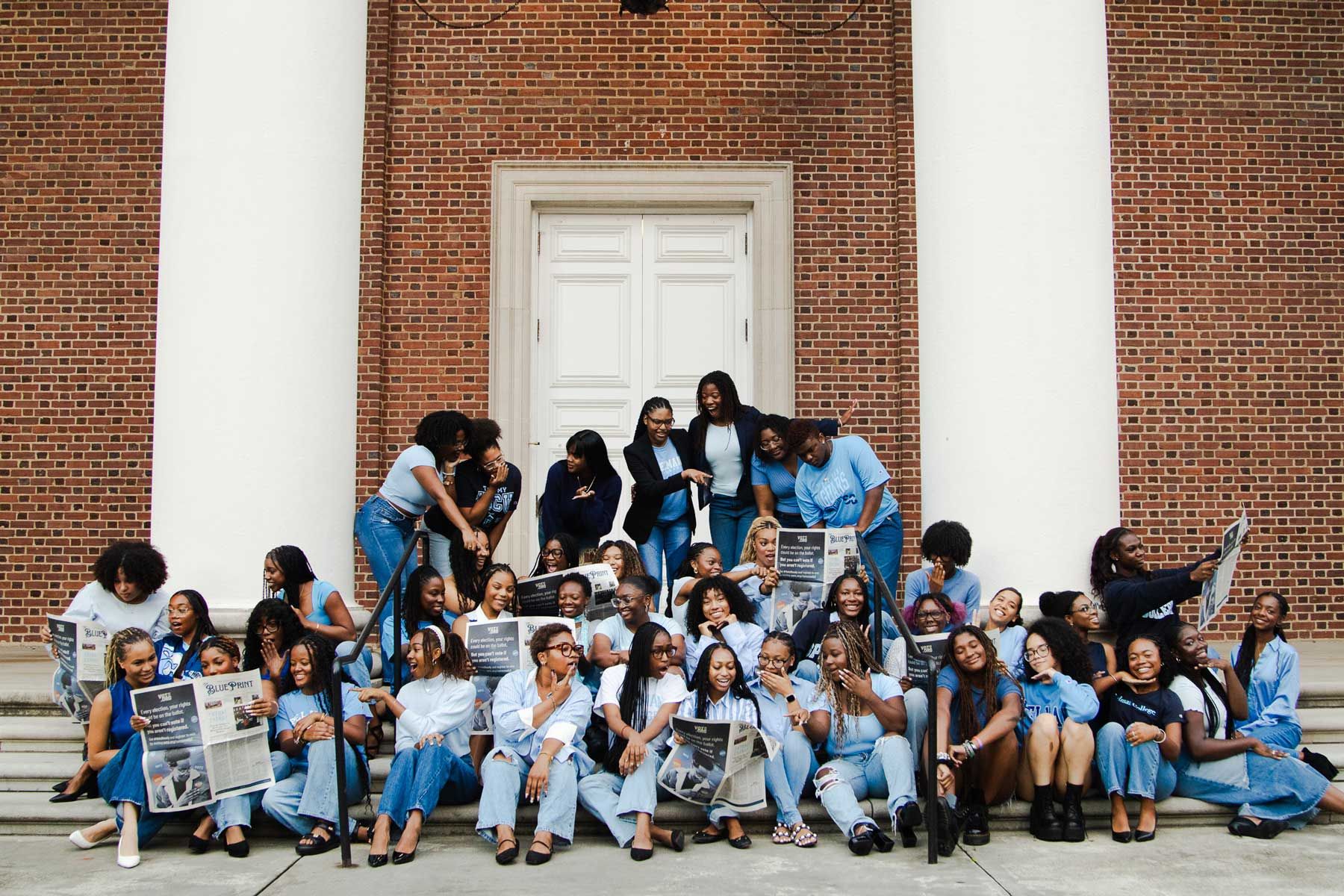
When people look at my images, I want them to feel my brand, NotTheNorm. Whenever I shoot, I try to think of creative and unorthodox ways to capture a moment, something that makes people pause and have that “wow” reaction. NotTheNorm isn’t just a name, it’s the whole philosophy behind my work: refusing to shoot the expected way, refusing to settle for the standard angle or the safe idea.
Beyond the visual impact, I want my work to inspire people. I want them to know I’m nodifferent from them. I don’t have the fanciest equipment or the wildest ideas every single time, but I don’t let that limit me. I still go out, shoot, and push my own boundaries, and that’s something every creative can do regardless of what tools they have. At the end of the day, the only thing that can hold you back is you. That’s the feeling I want people to walk away with when they see my work: not just admiration for the image, but a nudge toward their own creative potential.
One of the most defining moments actually happened very recently: my graduation season campaign. Before that season hit, I was honestly in a bit of a creative slump. I hadn’t been creating as much as I wanted to, and I could feel that itch to shoot fading a little. But once graduation season arrived, everyone started reaching out for pictures, and it pulled me right out of that slump. It forced me to be creative again, on demand, under pressure, and reminded me why I fell in love with this in the first place.
What made it even more defining was the fact that I was graduating too. These weren’t just clients, they were peers I had matriculated through college with, people I’d shared classes, late nights, and this entire journey alongside. Capturing their moment while living my own made the whole season hit differently. There were days I was doing three to four shoots while still managing coursework, and looking back, that’s what made it so defining. It meant so much that my peers trusted me to capture such a meaningful moment in their lives, and it reminded me what a gift God has given me through photography. That season showed me how capable I really am, that when I push myself to the limit, I can handle far more than I give myself credit for, and that anything is possible when I lean into the work instead of away from it.
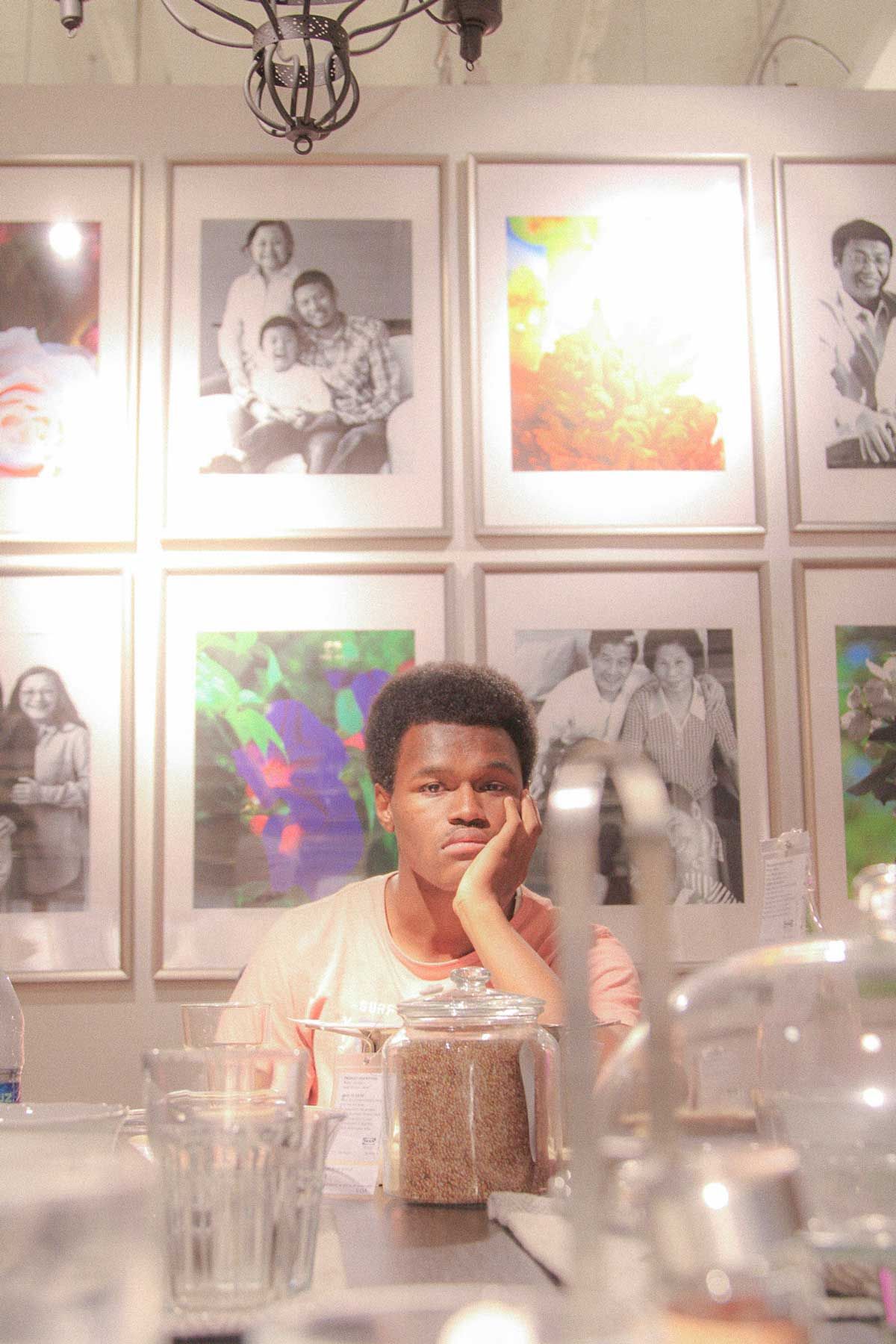
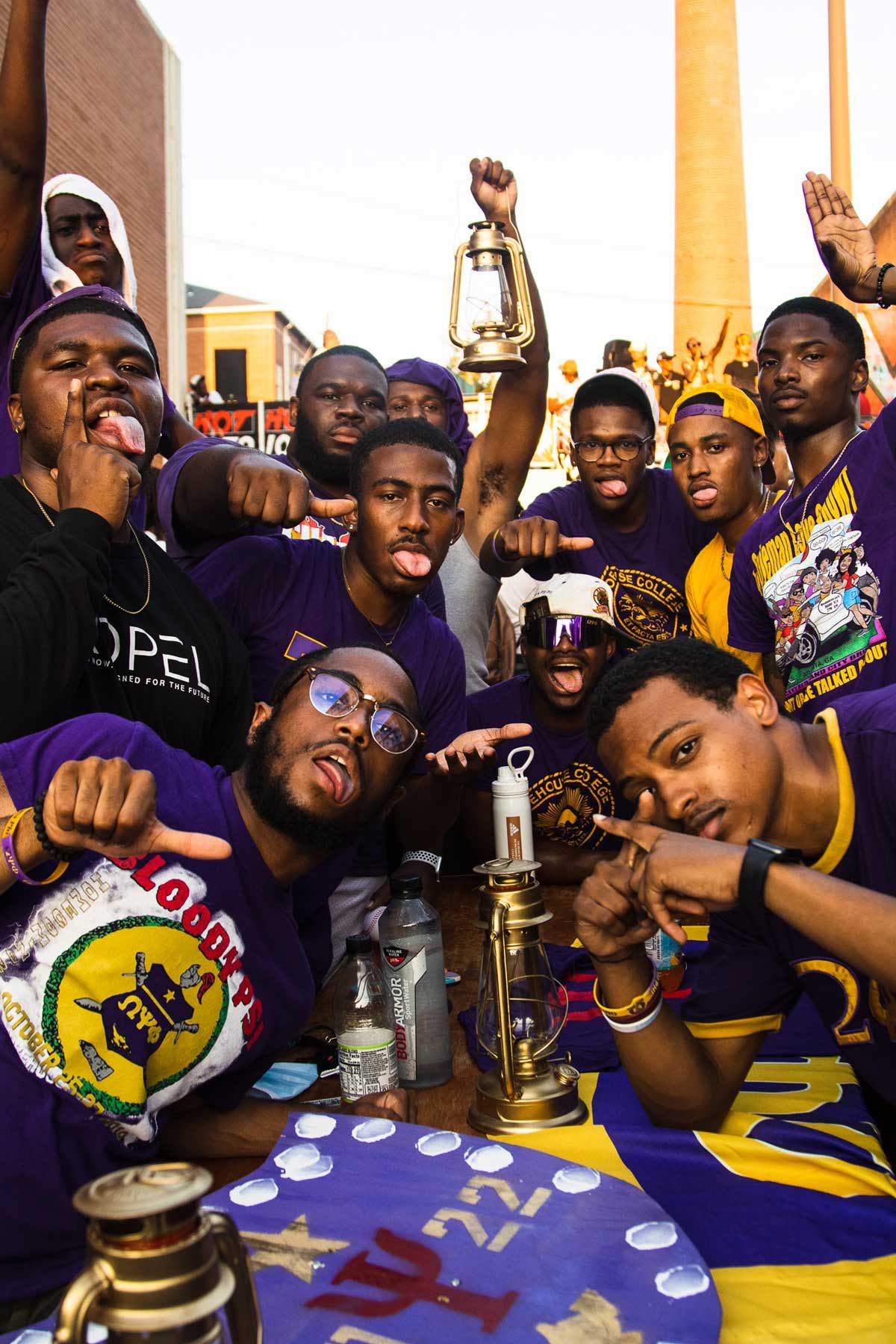
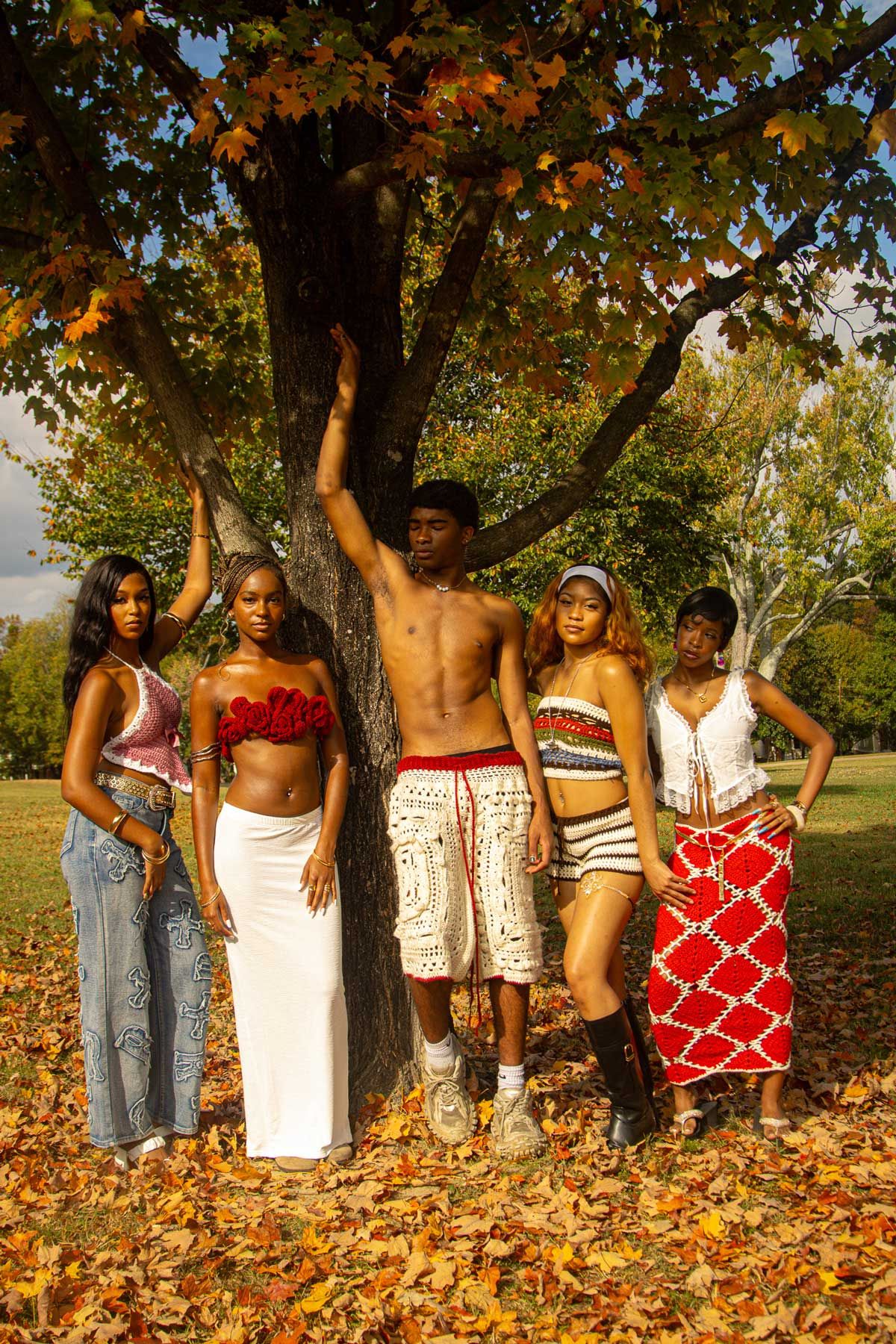
Being in college as a photographer is honestly one of the best times to grow your portfolio and build a business. First, it taught me how to meet your market where they are. In college, most people are broke and budgeting carefully, but everyone still needs pictures. I learned to start with lower prices to bring clients in, and once they trusted my work, I could raise my rates from there.
On top of that, opportunities are everywhere on a college campus: events, clothing brands, e-boards, organizations, all of it needs content. I took advantage of that by walking around with my camera at all times, ready for someone to notice. I’d shoot campus events, post them, and let the work speak for itself. The opportunity is there; you just have to put yourself in a position to be seen.
Second, being at a place like the AUC means the connections are vast. I remember mentioning to my resident director that I was a photographer, and the next week, he connected me to a gig shooting for Target. That’s the power of building relationships, staying visible, and being willing to shoot anything that comes your way. Your portfolio grows fast when you say yes and show up. The one thing you can’t do is get too money hungry or overcharge early on, because that’s a quick way to lose out on college clients before you’ve even built trust.
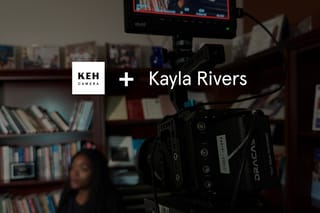
Right now, my bag consists of a Canon RP paired with a 24-105mm f4 lens, big shoutout to KEH for gifting me that kit. I also carry my Canon AE-1 Program with a 50mm lens for when I want to shoot film and slow things down a bit. And I always have my DJI Osmo Pocket 3 Creator Combo on me for quick, on-the-go content. It’s a great combo for where I’m at right now in my photography journey, versatile enough to handle digital, film, and video without feeling like I’m carrying too much.
As for what gets used the most, it’s honestly the Canon RP with the 24-105mm. It’s my go-to for portraits, events, and lifestyle work because of its versatile focal range; I can go wide for environmental shots or zoom in for tighter portraits without switching lenses. It’s become the backbone of my kit. Honestly, the 24-105 might be one of the most slept-on lenses out there.
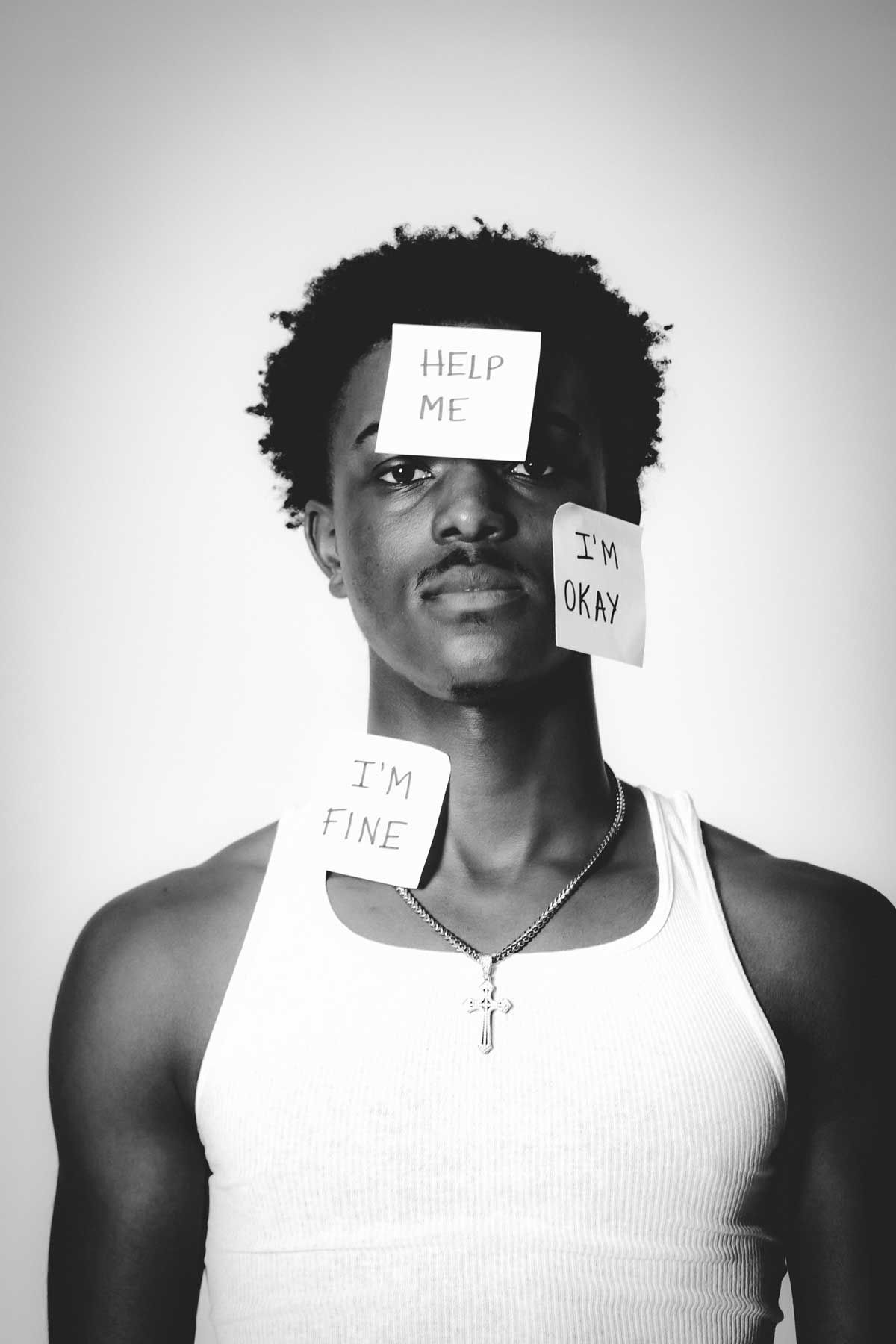
My philosophy is simple: as long as the camera shoots, you can make it work. Equipment plays a factor in the outcome, but the person behind the camera has way more control than people realize. We’re the ones with the vision, so as long as you know what you’re trying to capture, you can make the shot happen with almost anything. I actually started off shooting with my grandfather’s camera, which by that point was fifteen, sixteen years old, and I was still able to get great images because I had a clear vision going into every shoot.
If it really came down to prioritizing equipment, I’d tell a student to invest in a higher-quality lens before a newer body. Lenses affect image quality far more than people expect: sharpness, how it handles light, and the way it renders depth. A great lens on an older body will outperform a mediocre lens on the newest camera every time. So don’t chase specs, chase glass, and trust your eye to do the rest.
I’d definitely say learning how to shoot manually. Learn the true basics of a camera: exposure, aperture, white balance, framing a shot, and working with different lighting. These are the fundamentals that actually determine the quality of your image, not the camera itself. So many people skip over this and blame the equipment when a shot doesn’t turn out right, when really it comes down to not understanding the tools they already have in their hands. Master the basics, and that knowledge carries you for your entire photography journey, no matter what gear you eventually pick up.
Looking back, how did you balance classes while saying yes to photography opportunities? Is there anything you’d do differently? Surprisingly, I never really had conflicts between classes and shoots. I’m a morning person, so I’d usually be done with classes by 1pm, which left me plenty of room to schedule shoots for the afternoon and evening. The timing just worked in my favor. And if I’m being fully honest, on the rare occasion a shoot did land during class, I’d skip class. Don’t be like me, lol, but that’s the truth.
Looking back, though, I don’t think I took enough photography opportunities while I was in school. That’s the one thing I’d do differently. I’d stack my schedule with as many shoots as I could to deepen my portfolio even further, because that season of unlimited access to people, events, and opportunity doesn’t come back the same way once you graduate.
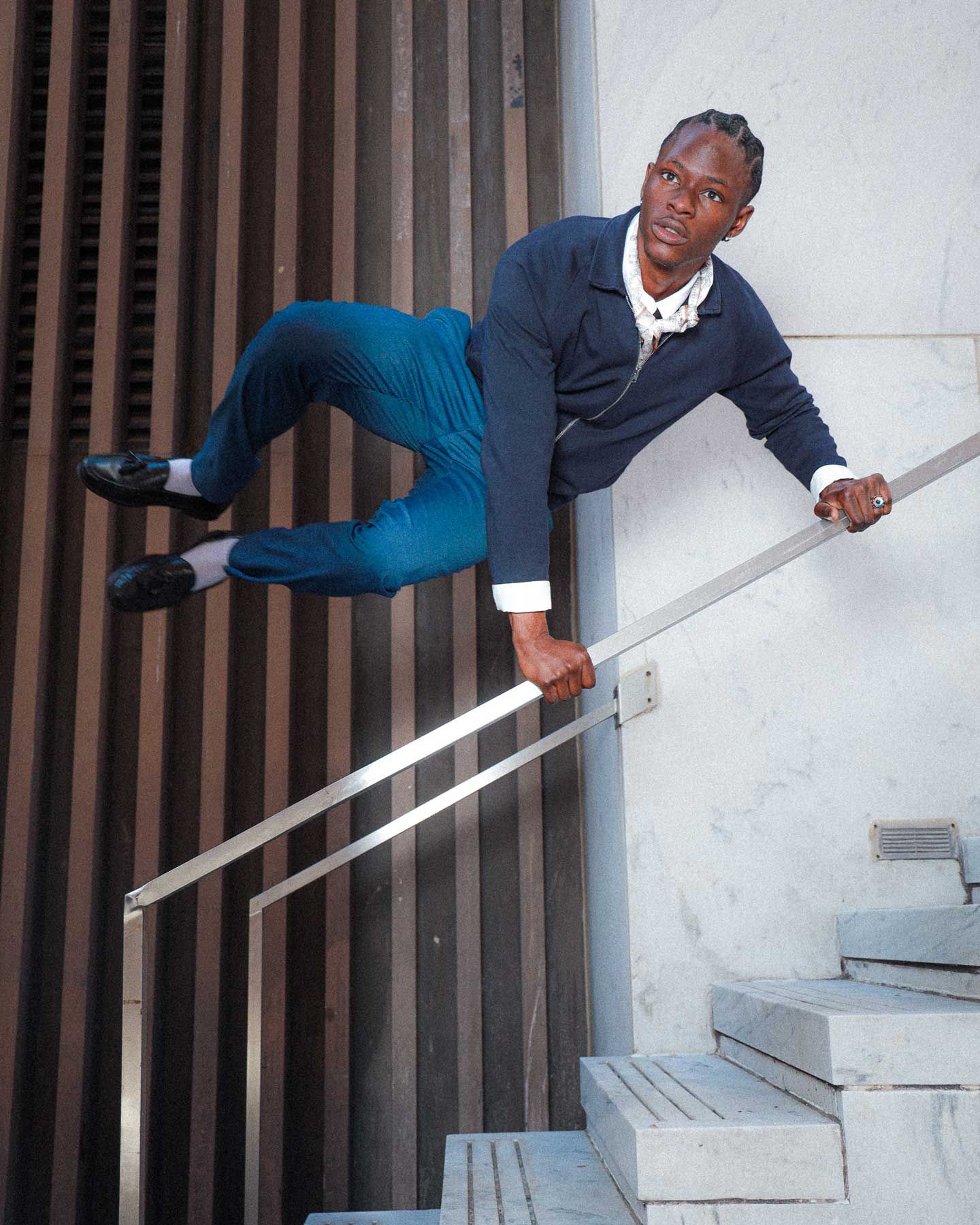
Piggybacking off the last question, honestly, my biggest lesson was learning that I should have shot more. Like, until my hands fell off. I spent a lot of time and energy on things I wasn’t truly passionate about, and that left less room for photography than there should have been. I’d even make excuses for why I couldn’t shoot when there was really no valid reason behind it, just a limiting belief holding me back.
I blew past way too many opportunities that could have taken my photography to the next level. Honestly, if I had taken advantage of even half the opportunities I passed on, I think I could be a full-time photographer right now instead of working elsewhere. But you live, and you learn. My advice to any student photographer is simple: take advantage of every opportunity you get, because college is one of the only seasons in life where you’ll have that many chances stacked in one place.
If you want to leave campus with more than a degree, treat your time there like a window that won’t stay open. You’re surrounded by thousands of people who all need something or know somebody, and that density disappears fast after graduation.
For your portfolio, don’t wait to feel “ready.” Growth comes from reps, not gear, and I’m proof of that. Say yes to everything early: campus events, brands, org headshots, whatever comes up, and price yourself for the audience you’re actually in front of. Raise your rates once your reputation starts doing the talking for you.
Connections matter just as much as the work itself. Stay visible wherever you go; that habit alone is what led to my first real paid gigs. You never know who’s one conversation away from an opportunity, so talk about what you do, often, and to everyone, not just other creatives.
Get your fundamentals locked in before you chase equipment. Exposure, lighting, composition… these are the things that outlast any camera you’ll ever own. And don’t let convenience decide what you take on. My biggest regret isn’t a specific mistake; it’s the opportunities I let slide for no real reason. Say yes more than feels comfortable, because college won’t hand you this kind of access again.
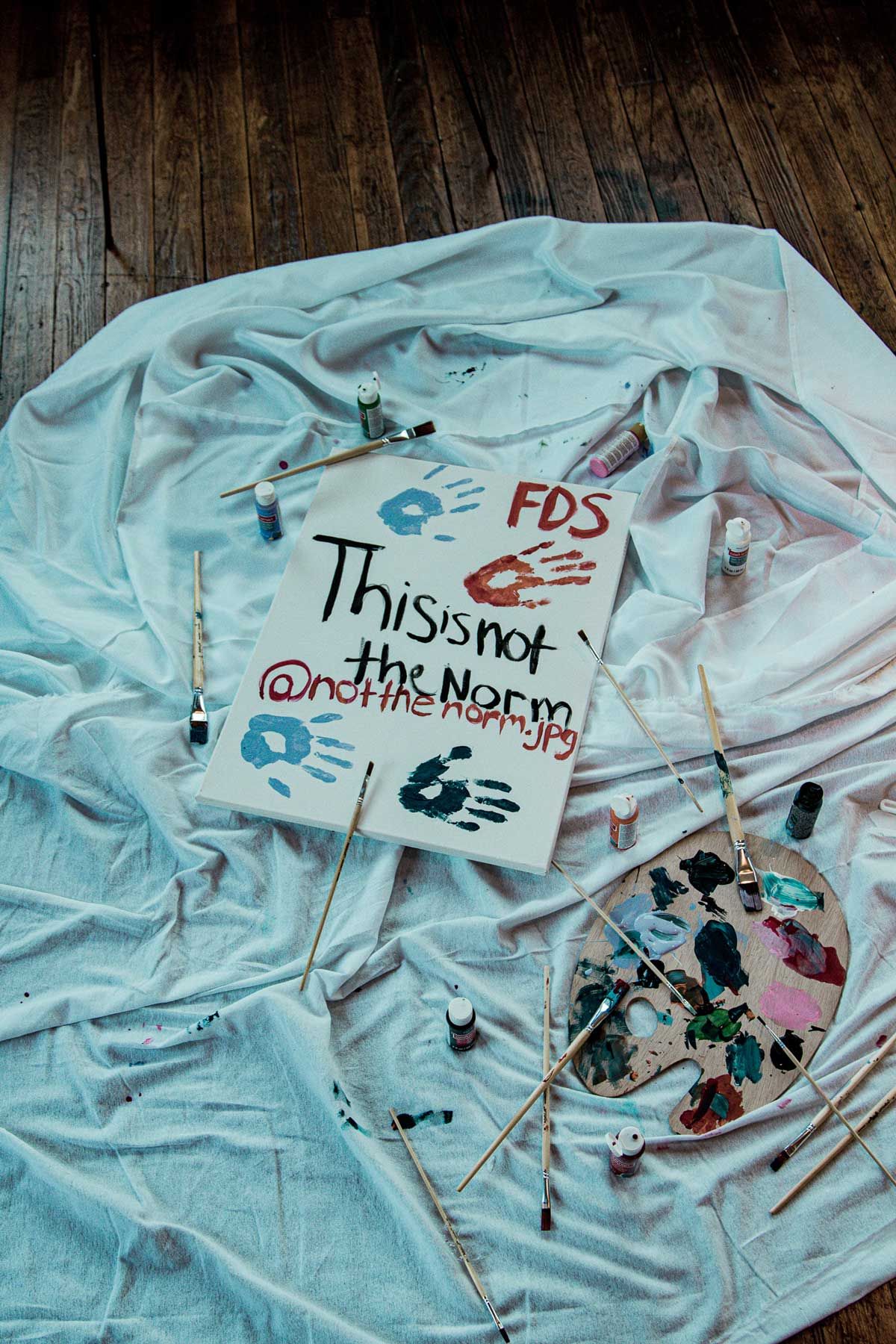
Yeah, of course. Lately, I’ve really been leaning into shooting on my film camera more, whether it’s nature and scenery or portraits. I fell in love with the aesthetic film gives you, so be on the lookout for a lot more film content coming from me. I’ve also been diving deeper into cinematic video and editing. I’ve been using my DJI Osmo Pocket 3 to help me learn and experiment with that side of things, so keep an eye out for more video work too.
And lastly, I’m launching a series called Content 4 Christ, which highlights my walk with Christ and how He’s been moving in my life. It’ll be a mix of photo and video content, and it’s something really close to my heart, so I’d love for you all to follow along on that journey.
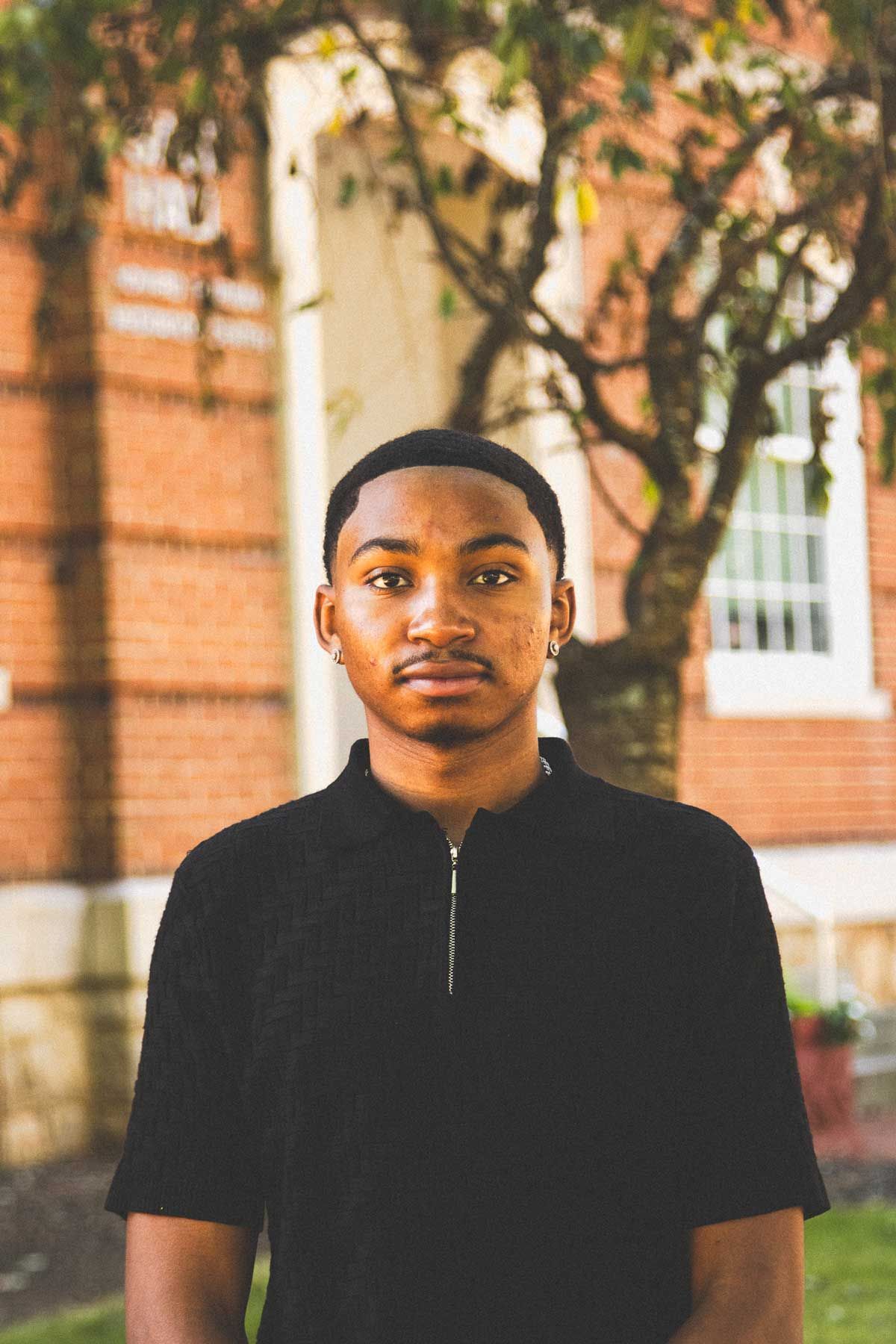
Norman Thomass III is a recent Morehouse College graduate and the photographer behind NotTheNormPhotography. Inspired by his grandfather, Norman developed a passion for photography that has grown into a portrait, event, and lifestyle photography brand focused on telling stories from a different perspective. His work aims to move beyond expected angles and conventional shots, capturing people and moments in ways that feel authentic and true to who they are.
Alongside his corporate communications work at Southern Company, Norman is expanding his creative work into video, film photography, and a series documenting his journey with Christ. Across every medium, his goal remains the same: to tell the story that is actually there, not the one everyone expects.