You
have no items in your shopping cart.
KEH U: 10 Legendary Photographers Every Student Should Know
October 06, 2026
1 min read

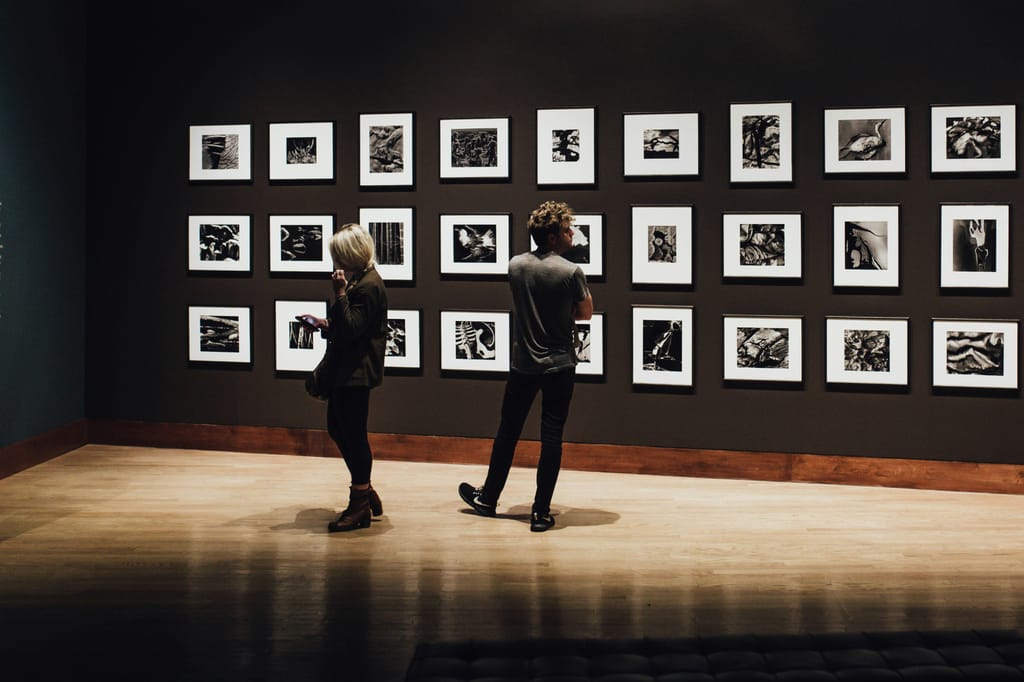
Photography is a moving target—an evolving mix of art, technology, journalism, and personal expression. The influential photographers below didn’t just make iconic photographs; they pushed how the medium works. Before you lock in your own style, it helps to know the people who helped create the visual language you’re learning today.
Henri Cartier-Bresson co-founded Magnum Photos and helped define modern street and documentary photography. His best-known idea, the “decisive moment,” is less a catchphrase than a working method: build a composition first, anticipate movement inside it, then release the shutter when gesture and geometry align. Students should look at his contact sheets and sequences to see how he edited—what he rejected is as instructive as what became iconic.
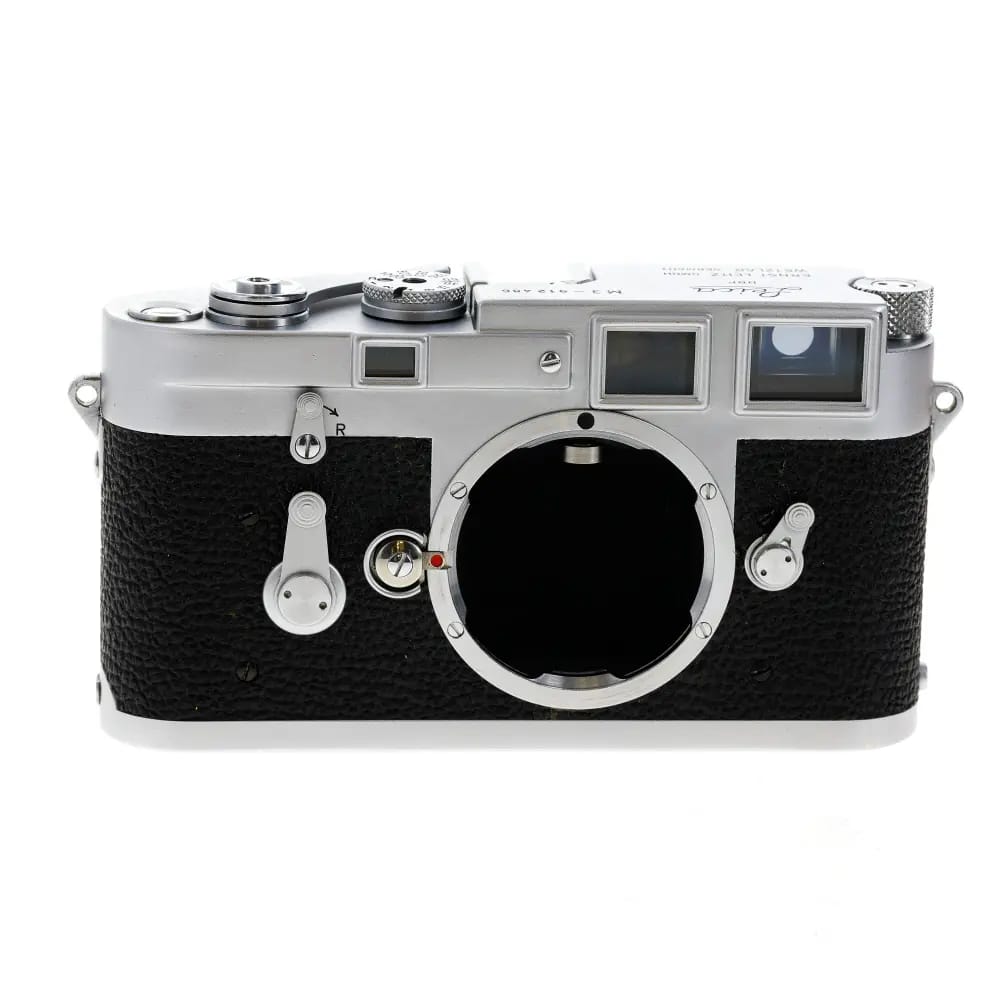
Cartier-Bresson’s long association with rangefinders—especially the Leica M3—makes a technical point that still matters: a quiet, compact 35mm workflow encourages discretion, zone-focusing habits, and staying present in the scene. The takeaway: you don’t need complicated gear to make sophisticated images, but you do need timing, framing, and patience.
Dorothea Lange helped shape American documentary photography through her Farm Security Administration work during the Great Depression. Images like Migrant Mother remain influential because they balance portrait craft with clear social context—a reminder that documentary photography is about what the frame implies as much as what it shows. Students should study how she places subjects within their environments, using gesture, clothing, and surrounding details to turn a single portrait into a readable historical document.
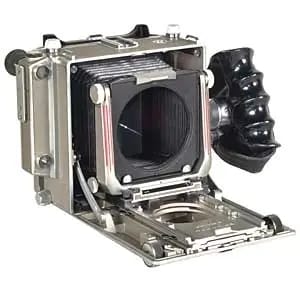
Technically, Lange’s era highlights the deliberate pace of large-format field work: slower setup, careful framing, and fewer exposures. That constraint can be a useful student exercise today—slow down, commit to a composition, and ask whether the photograph communicates lived experience rather than just appearance.
Gordon Parks was the first Black staff photographer at Life magazine and later expanded into writing and film (including directing Shaft). His photographs are a master class in editorial storytelling: images that read quickly, carry emotional weight, and still hold up on a second look for their structure, lighting choices, and sequencing. Students should study projects like American Gothic and his Harlem work to see how portraits and reportage can function as one narrative system.
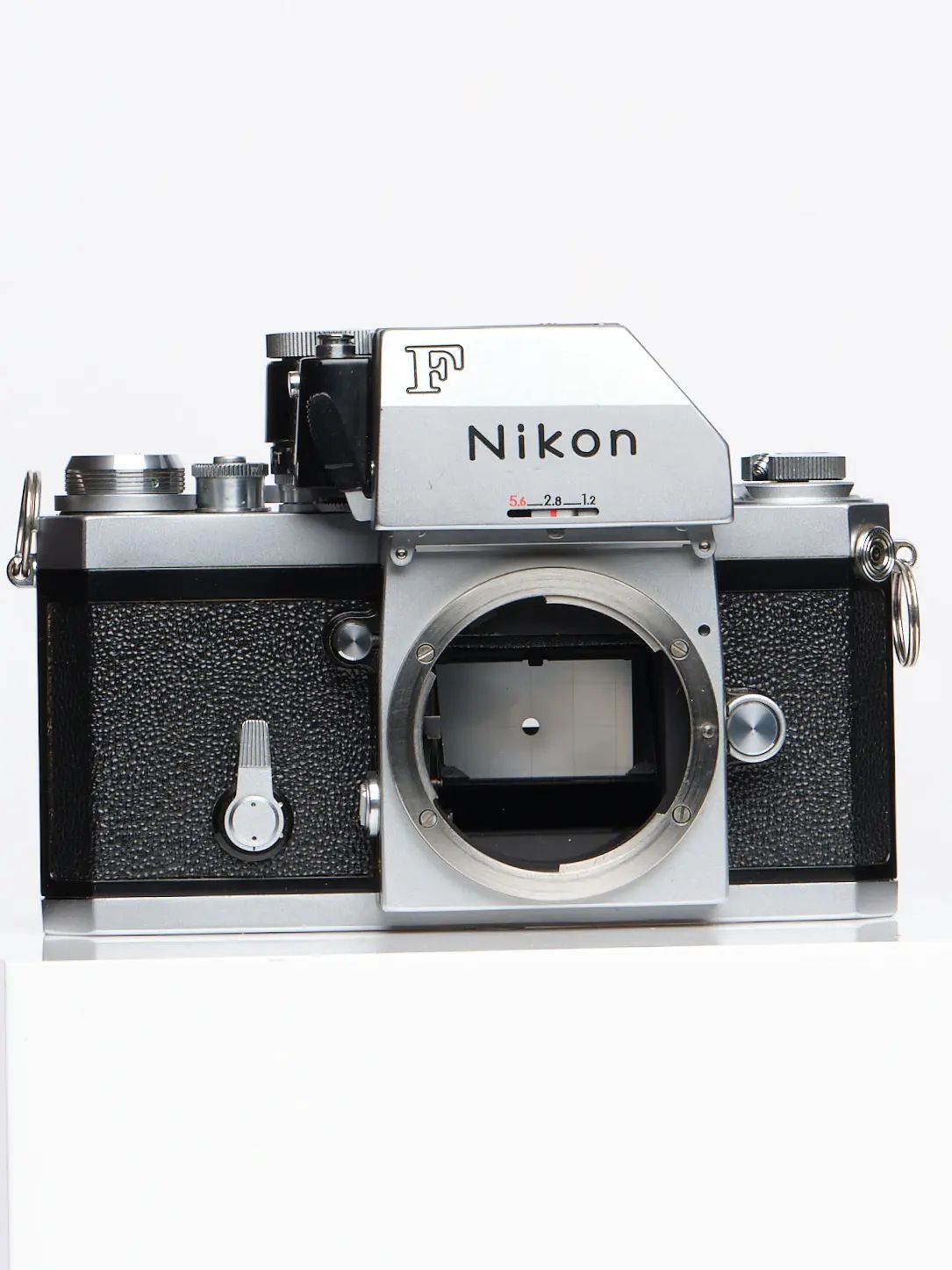
Parks worked during the rise of professional 35mm photojournalism, where durable SLRs became standard for speed and reliability. A representative tool from that era is the Nikon F. The technical lesson isn’t brand—it’s repeatability: consistent lenses, predictable metering, and a camera you can operate without thinking frees your attention for story, timing, and point of view.
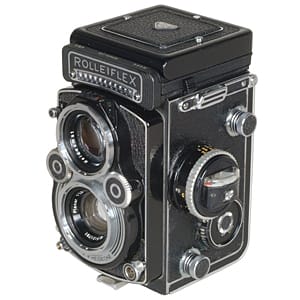
Vivian Maier made an enormous body of street photographs that were largely discovered after her death—a reminder that meaningful personal work doesn’t require an audience at the start. Her pictures are rich with everyday observation: reflections, gestures, children, workers, and small collisions of light and shadow. Students should study her self-portraits and the way she uses windows and mirrors to turn ordinary surfaces into compositional devices.
Maier is strongly associated with the Rolleiflex twin-lens reflex. The waist-level finder changes the photographer-subject relationship, and the square format forces different decisions about subject placement and edge control than a 3:2 frame. Her bigger lesson is technical in a different way: consistency builds instinct. Shoot regularly, edit honestly, and let repetition train your eye.
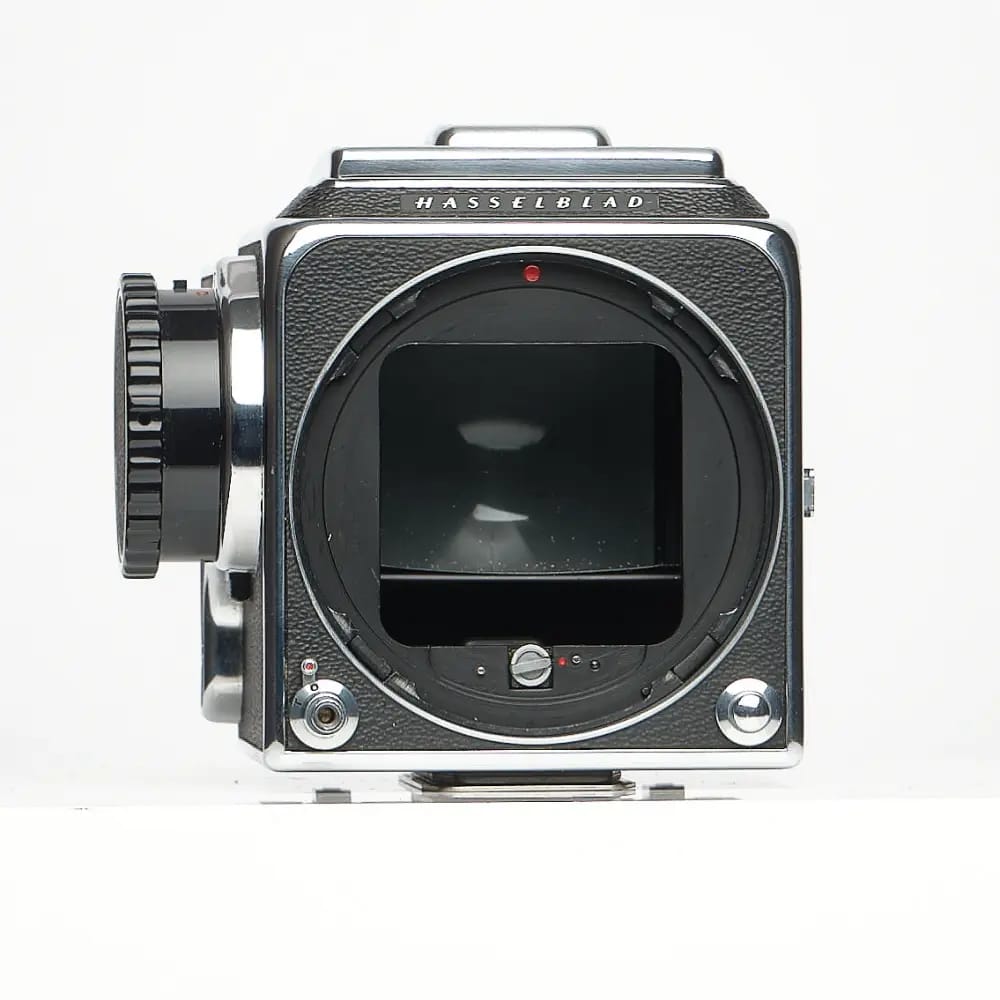
Ansel Adams (and Group f/64) helped cement photography as a fine-art practice and left students a technical framework that still holds up: the Zone System. At its core is previsualization—deciding what you want the print (or final file) to look like, then controlling exposure and development to place tones where you intend. Students should study Moonrise, Hernandez, New Mexico, his Yosemite work, and his writing on exposure, development, and printing to understand that capture is only one stage in the photographic process.
Adams is often linked with large-format cameras, but exploring medium-format discipline can be a practical bridge for students; a classic modular system is the Hasselblad 500C/M. The takeaway: technical control doesn’t reduce creativity—it makes your intent repeatable across changing light and scenes.
Want to explore more medium format film content? This blog is for you.
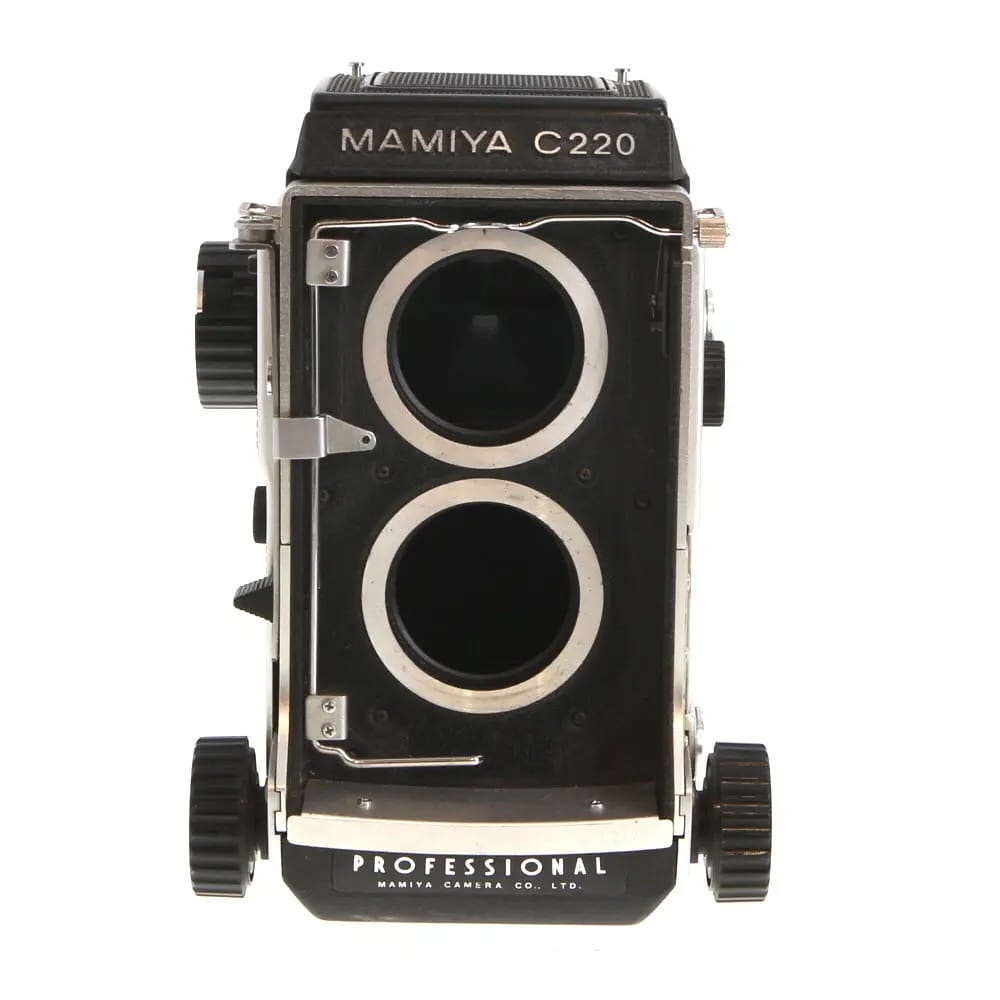
Diane Arbus challenged what (and who) mainstream photography paid attention to, with a major milestone being her inclusion in MoMA’s 1967 New Documents exhibition. Her portraits are often confrontational in the best way: direct gaze, frontal framing, and a refusal to smooth out complexity. Students should study how her pictures create psychological distance (or closeness) through camera position, lens choice, and the subject’s awareness of being photographed—and then sit with the ethical questions that come with that intimacy.
Much of Arbus’s signature look sits in medium-format practice—bigger negatives, different depth-of-field behavior, and square compositions that change how a viewer reads a face and its surroundings. The takeaway: portraiture isn’t only about making someone look good; it’s about deciding what the image is actually saying, and whether you’ve earned the right to say it.
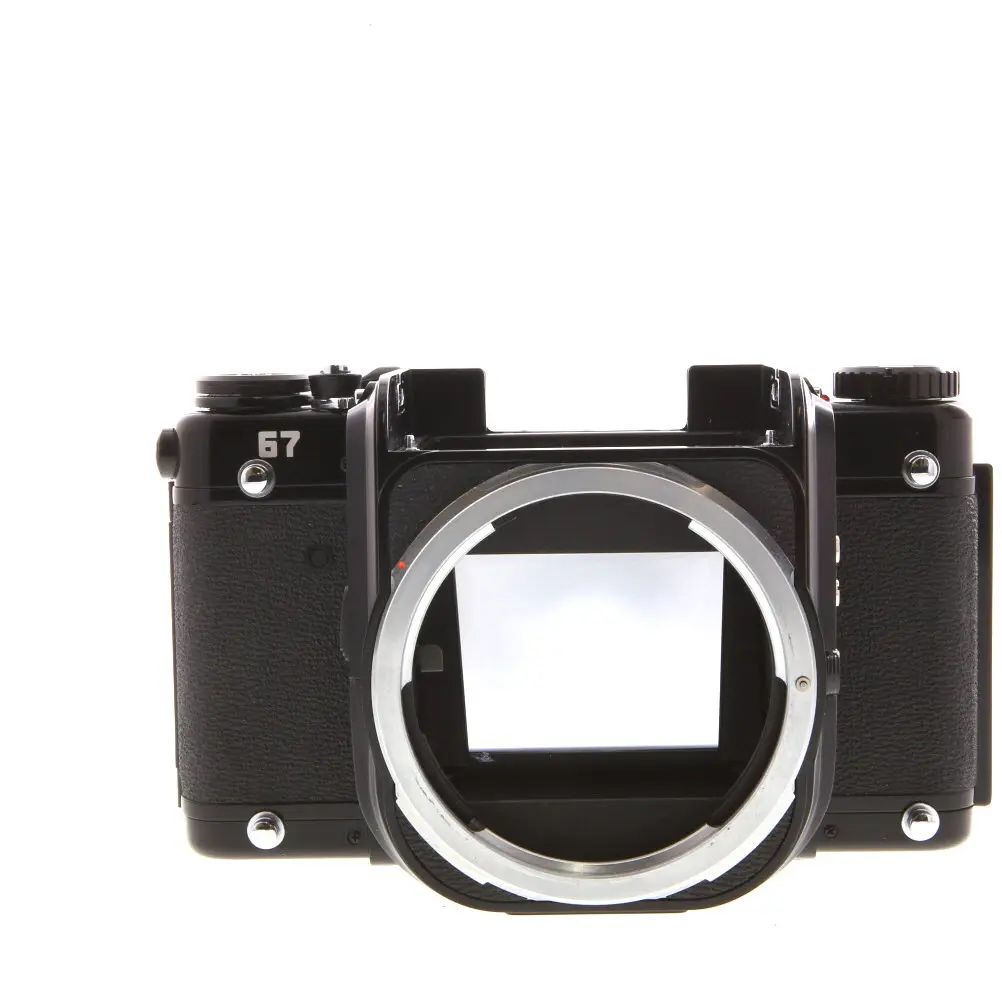
Richard Avedon is a bridge between fashion, portraiture, commercial work, and fine art. He proved that a clean background can be aggressive rather than neutral—it strips away context and forces everything onto expression, posture, and the photographer’s direction. Students should study his minimalist portraits and In the American West for sustained, high-intensity portraiture that relies on consistency of approach rather than visual clutter.
Many of Avedon’s portrait workflows emphasize studio precision: controlled lighting, repeatable distance, and a demand for micro-gesture. For students who want to experience medium-format editorial pacing (and its practical constraints), a pre-owned Pentax 67 is a direct way to learn how fewer frames per roll, flash sync limits, and larger negatives affect decision-making. The takeaway: simplify the set, then get serious about direction.
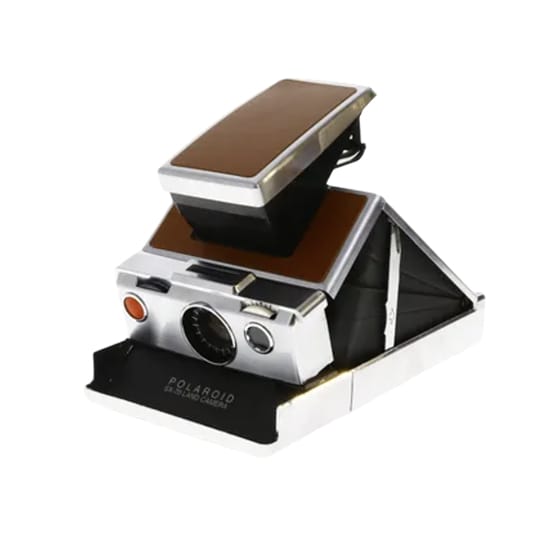
Cindy Sherman is essential for understanding conceptual photography and staged image-making. Her Untitled Film Stills and later series show that photography doesn’t have to document reality—it can manufacture it, using costume, pose, set design, and repetition to build meaning. Students should study how character and framing work together, how ambiguity functions as content, and how a body of work can be built through controlled variation rather than constant novelty.
Sherman’s most transferable lesson is that the concept can drive the look more than the camera. If you want a hands-on way to practice rapid iteration and visual testing, instant photography is a useful sandbox; an iconic tool is the Polaroid SX-70. The takeaway: build the picture on purpose—then refine it through repetition.
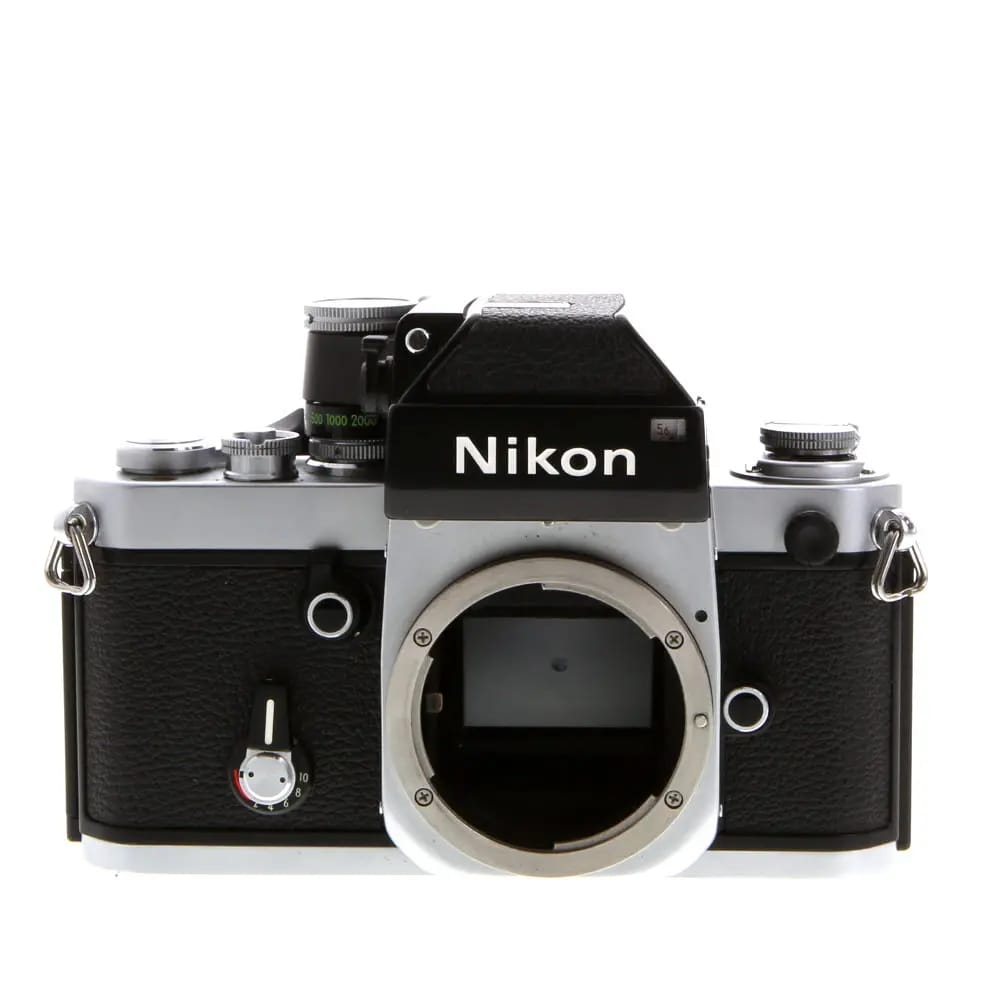
Sebastião Salgado is known for long-form documentary projects with a strong, consistent visual signature. His work matters to students because it demonstrates what “project photography” looks like in practice: years on a theme, disciplined shooting parameters, and editing that turns images into an argument. Study Workers and Genesis for how he maintains continuity across countries and time—consistent tonality, repeatable exposure decisions, and sequencing that builds meaning across many frames.
Technically, Salgado’s approach sits in the professional documentary tradition: dependable cameras, consistent lenses, and workflow discipline. A classic example of pro 35mm build quality from that era is the Nikon F2. The takeaway: a strong portfolio isn’t just your best singles—it’s a story that holds together.
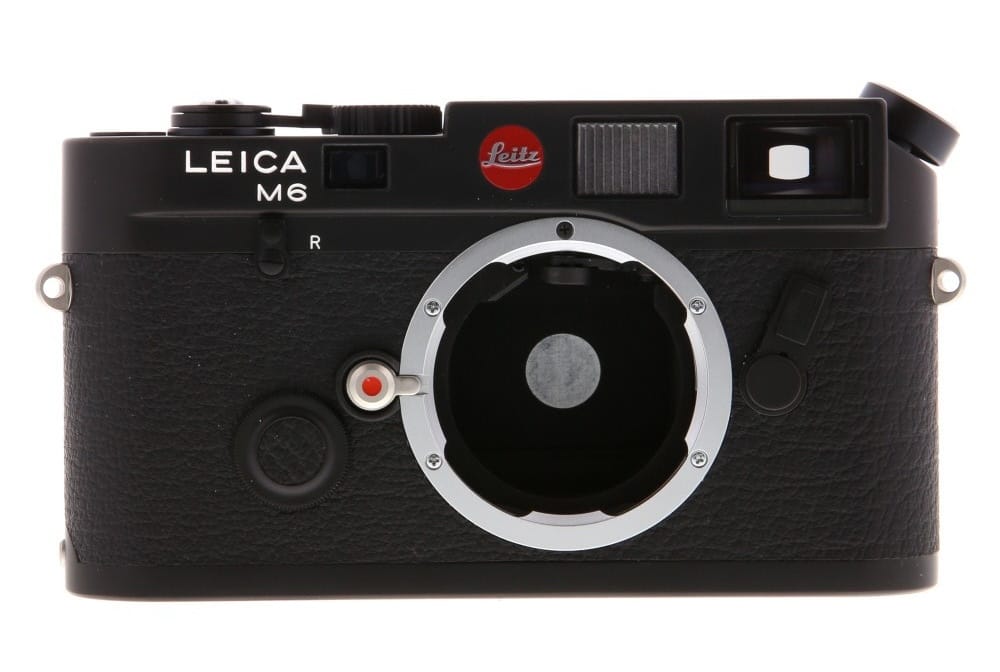
Mary Ellen Mark built a career around immersive documentary and portrait projects, often returning to subjects and communities for extended periods. Her work is a technical and ethical model: proximity without spectacle, trust built over time, and portraits that function within a broader narrative. Students should study Ward 81 and Streetwise for how she balances intimacy with context—images that feel specific because she stayed long enough to understand what “specific” actually is.
Mark’s practice points to responsive tools and a photographer’s ability to stay engaged with people. For students exploring the rangefinder tradition in a modern, still-film workflow, a pre-owned Leica M6 is a direct way to experience that pace: manual focus, deliberate metering, and a quiet camera that keeps you present in the moment. The takeaway: some photographs take seconds; the trust behind them can take months.
Discover our breakdown of Leica’s expansive digital & film lineup.
The point isn’t to hunt down the exact camera a legend carried. It’s to understand how technologies shape behavior—and how behavior shapes images.
The best camera isn’t necessarily the newest one. It’s the one that helps you pay attention, experiment, and make photographs with intent.
That’s also why preserving older cameras matters. When a classic body ends up on a shelf forever (or in a landfill), we lose more than a gadget—we lose a working piece of photography history and a hands-on way to understand how earlier photographers saw, metered, focused, and committed to a frame. KEH helps keep that history in circulation by inspecting, grading, and re-homing pre-owned cameras and lenses, so students can explore vintage tools as learning instruments—not collectibles. If you want to try a format that shaped the craft, start by browsing vintage film cameras on KEH.com and treat it like an experiment: pick one constraint and build a small project around it.
Photography gear isn’t disposable tech—it’s a record of how photographers solved problems in different eras. Pre-owned cameras keep those solutions available, which matters if you’re a student trying to learn fundamentals without treating every curiosity as a brand-new purchase.
Older tools can slow you down (in a good way): fewer frames per roll, manual focus, and limited automation push you to meter, pre-focus, and commit to composition. Even older digital bodies can be creatively useful because they change how you think about dynamic range, noise, and exposure discipline.
If you want a hands-on connection to photography history, explore vintage and pre-owned gear at KEH.com and treat it like a lab: pick a format, set a constraint, and build a small project. That’s how history turns into skill.
There isn’t one definitive answer. Influence depends on genre, era, and what you’re measuring—technical innovation, cultural impact, or the number of photographers who adopted a similar visual approach. It’s more useful to study several photography pioneers across different traditions.
Try a mix: Cartier-Bresson for timing and composition, Lange for documentary empathy, Adams for exposure and tonal control, Avedon for portrait direction, and Sherman for conceptual image-making. That variety keeps your learning from turning into one narrow style.
Because photography history is a shortcut to better decisions. You see how composition, light, sequencing, and technique create meaning—and you learn which problems have already been solved (and how) by influential photographers before you.
No. The valuable part is understanding why a tool fit a photographer’s process—speed, negative size, lens options, viewfinder style, or workflow—not owning the exact model.
Often, yes. Vintage cameras can be excellent teachers because they make exposure, focus, and composition more deliberate. They also help you understand how format choices (35mm vs. medium format vs. large format) affect the look and the process.
Yes—as an exercise. Focus on the variables that actually created the result: light direction and quality, camera position, lens perspective, timing, and the relationship to the subject. Use the study to build your own image, not to clone someone else’s work.