You
have no items in your shopping cart.
Do You Actually Need 60+ MP? How to Decide
September 20, 2026
1 min read

Camera specs have a funny way of turning photography into a numbers game. 24MP used to feel impressive, then came 36MP, 45MP, then 60MP, and now we’re casually shopping in a world where “high resolution” keeps getting higher. So… do you need 60MP?
Here’s the expert advice from our KEH pros: 60+ MP isn’t overkill for everyone, but it’s unnecessary for plenty of photographers. More megapixels can be incredibly useful when your photography actually benefits from them.
Megapixels are simply the number of pixels in your image file. More pixels can mean more potential detail, more room to crop, and more flexibility when printing large.
But here’s the myth worth busting: more megapixels don’t automatically mean better-looking photos. A high-resolution sensor can’t fix missed focus, camera shake, harsh light, or a lens that isn’t resolving much detail in the first place.
The most useful way to think about resolution is in terms of headroom. More pixels give you more room to crop, enlarge, and preserve fine detail, if your technique, lens, and subject support it.
60+ MP is genuinely valuable in a few very practical situations.
If you’re regularly printing big, especially for fine art, commercial work, exhibitions, or detailed landscapes, higher resolution can help your images hold up when viewers step closer. Print size, viewing distance, and subject detail all matter, but the bigger you go, the more resolution can help.
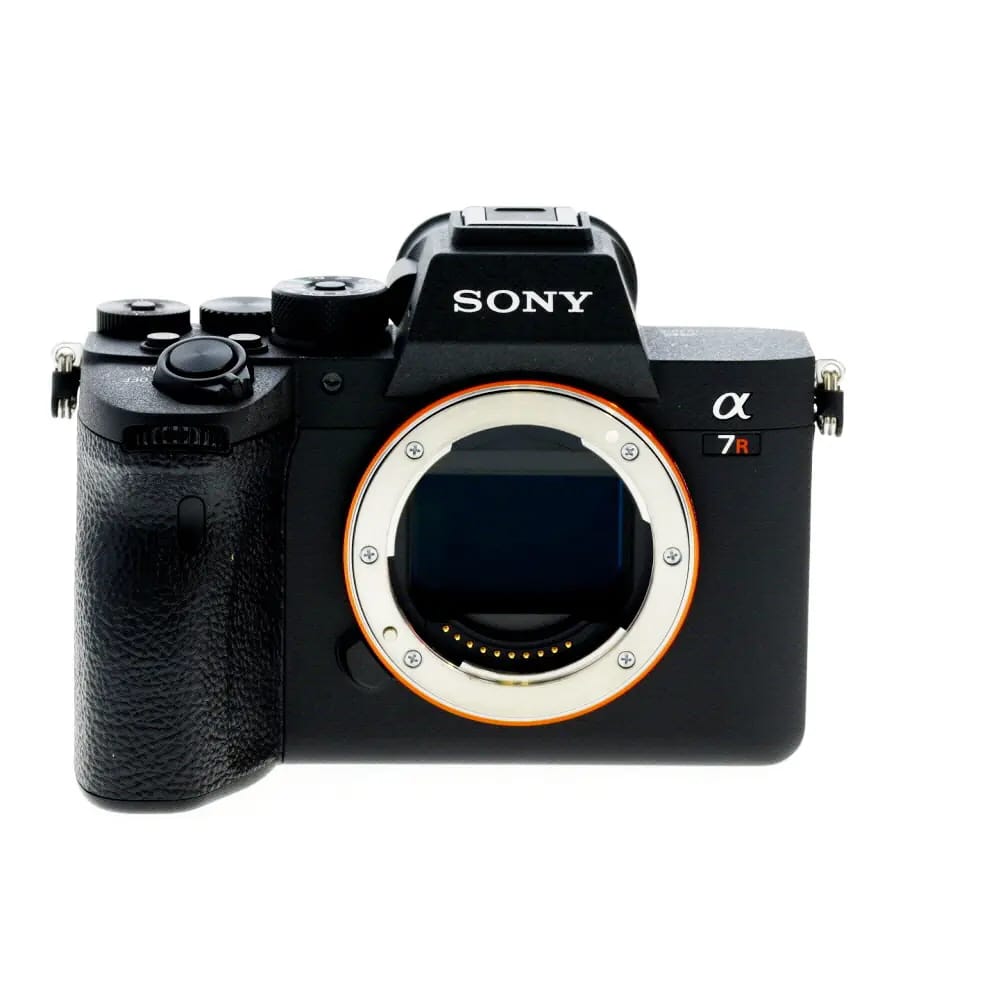
This is one of the strongest real-world cases for 60+ MP. If your subjects are far away, like wildlife, stage performances, or sports, or you often reframe after the fact, extra pixels give you more breathing room when you need to crop.
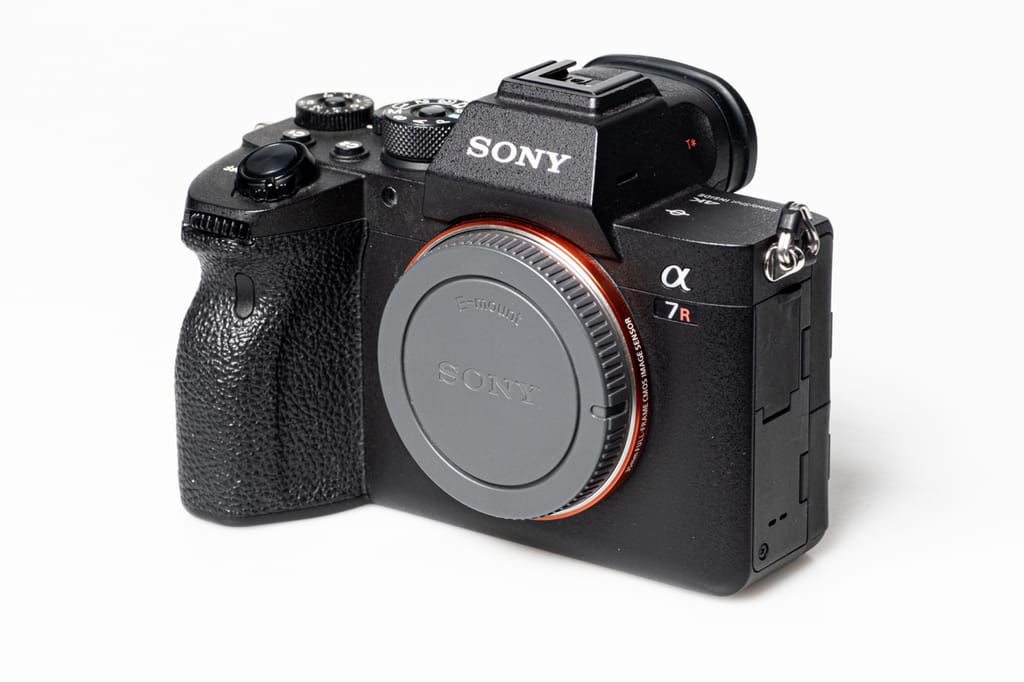
For example, a 61MP body like the Sony a7R IVa gives you significantly more room to crop while still keeping a high-resolution final image. That can be especially helpful when you can’t get the framing exactly where you want it in the moment.
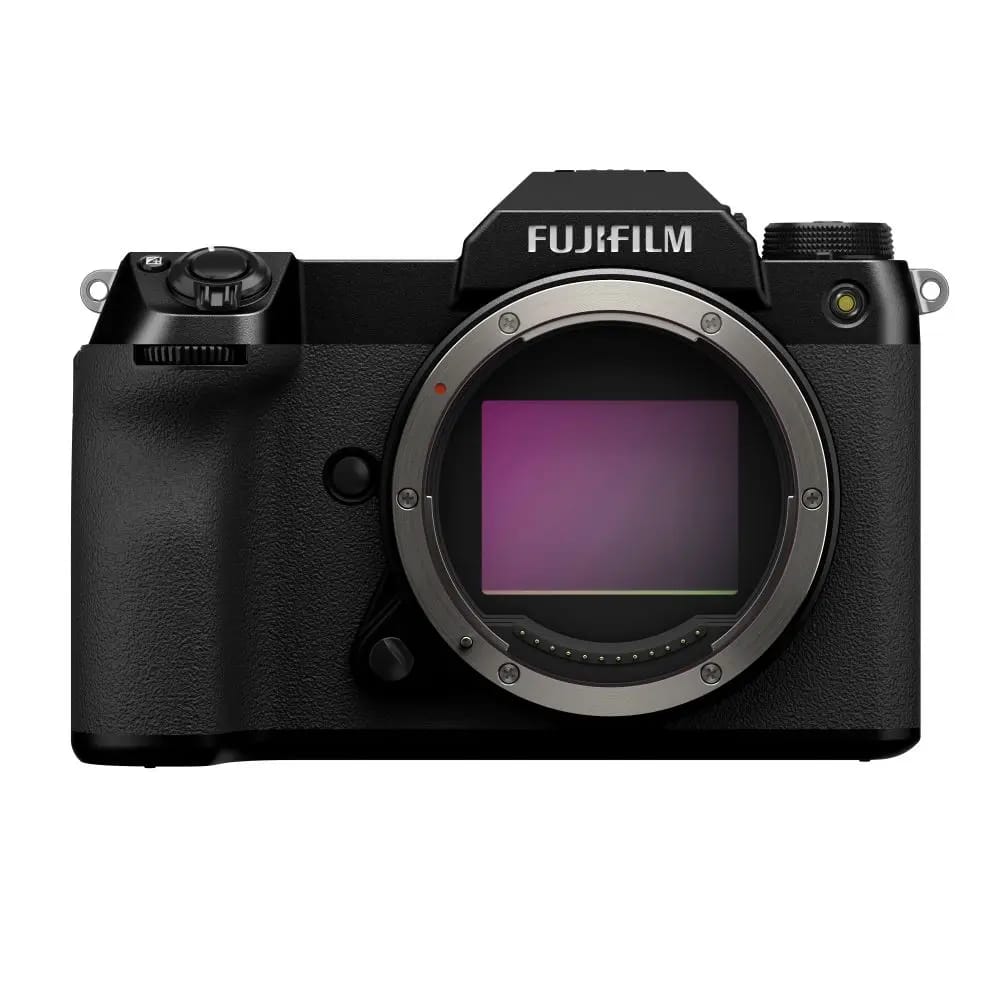
Architecture, landscapes, studio portraits with lots of texture, product photography, and fine-art work can all benefit from higher resolution because tiny details actually matter to the final image.
Megapixels aren’t the whole story, either. Sensor size, lens performance, dynamic range, and how you shoot all contribute to the final image. A medium format option like the Fujifilm GFX 50S II is a good example. Its 51.4MP sensor combines high resolution with a larger sensor format, making it a compelling option for photographers working in studio, landscape, and fine-art photography.
If your photography doesn’t regularly run into the limits of your current resolution, 60+ MP can be a lot of files to carry around and pay for, without a big payoff.
Instagram, websites, and everyday digital viewing don’t need massive files. In most cases, the final display size matters more than the maximum resolution your camera can capture. If your images live on screens more than they live on walls, extreme resolution often goes unused.
For many photographers, the priorities are portability, low-light performance, responsive handling, and a smooth workflow. Higher resolution can be fantastic, but it can also mean larger storage needs, heavier editing, and more visible motion blur if your shutter speed slips.
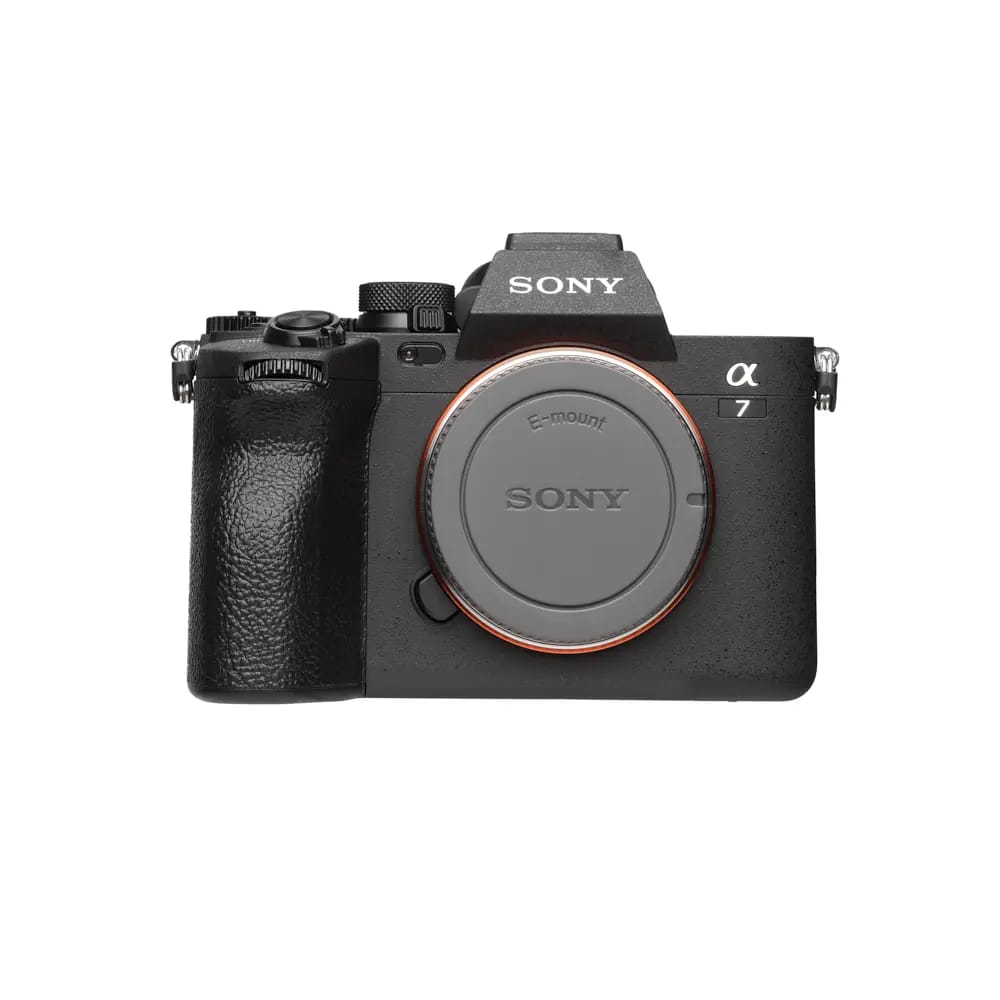
If you generally compose in-camera carefully and don’t rely on heavy crops, extra pixels may simply sit there. A 33MP camera like the Sony a7 IV is a great option for photographers who want plenty of resolution without stepping into 60+ MP territory. You get plenty of detail, manageable files, and strong all-around performance.
There’s no magic megapixel number. The right resolution is the one that supports what you shoot, how you deliver images, and how much flexibility you actually use.
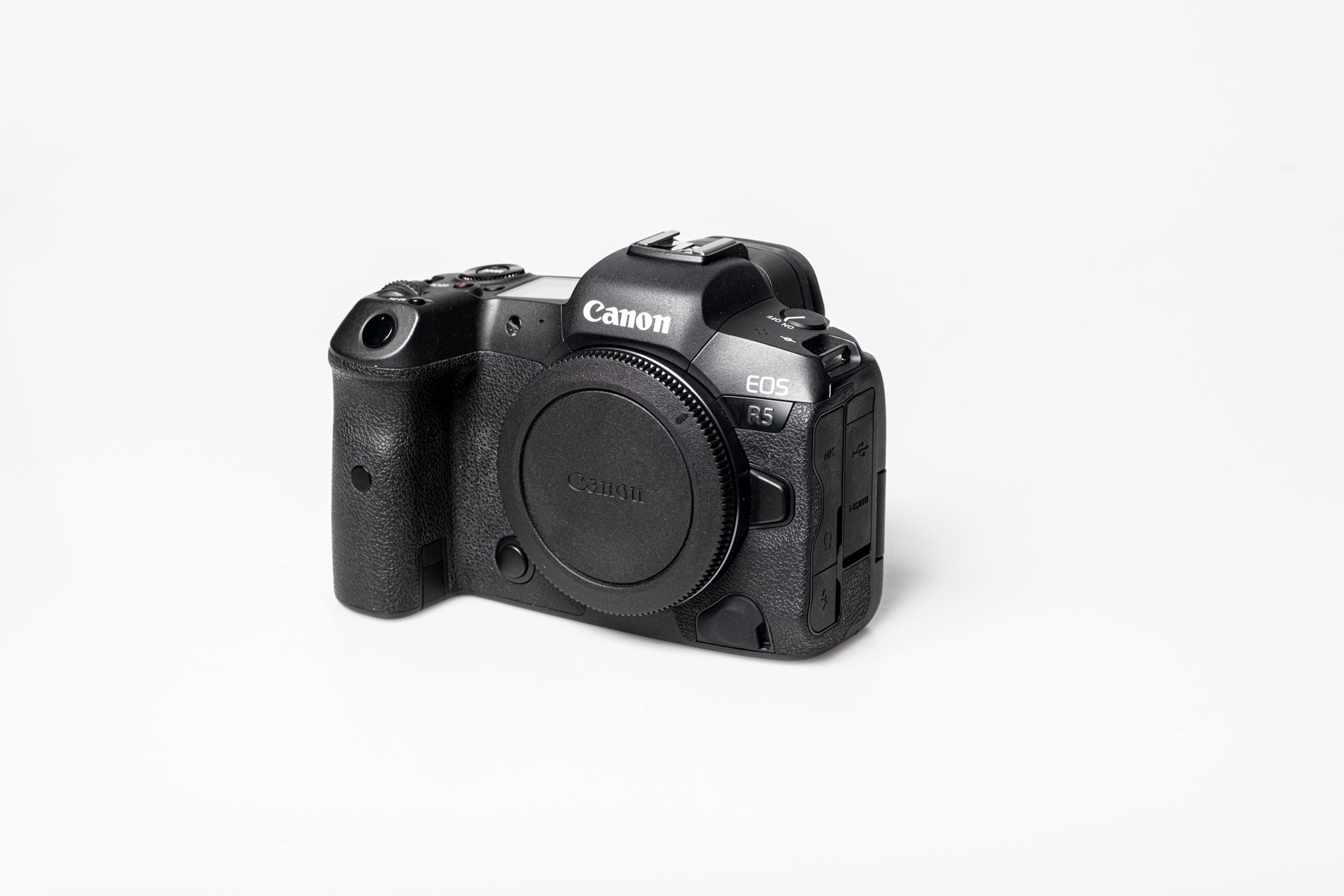
If you want high resolution without going all the way to 60+, 45MP can be a sweet spot. The Canon EOS R5 is a great example of a practical middle ground for photographers who want more resolution without moving all the way into 60+ MP territory.
The takeaway: buy the amount of headroom you’ll actually use. If your current files already print the way you want and you rarely crop hard, you may be better off putting that budget into lenses, lighting, a tripod, education, or simply more time shooting.
It’s easy to obsess over camera resolution, but megapixels are just one part of making a great photograph. Depending on what you shoot, you may feel a bigger improvement from:
A slightly lower-resolution camera that you enjoy using can produce far more useful photographs than a 60MP body whose extra detail you never actually need.
High-resolution files can be significantly larger, which means more storage, bigger backups, and potentially a more demanding editing workflow. If your computer struggles with large RAW files or you shoot thousands of images at a time, this is a real cost and a real headache to factor in.
We’re not here to tell you “buy fewer megapixels.” We’re here to help you buy smarter.
Buy the resolution that solves a problem you actually have. If you’re constantly cropping, making huge prints, or shooting detail-critical work, 60+ MP can be an incredible tool. If you’re mostly sharing online, shooting everyday subjects, or want a responsive all-around camera, 24–45MP may already give you everything you need.
And if you’re upgrading, it’s worth asking one last question: would that budget make a bigger difference as a better lens, lighting, storage, or a trip where you’ll come home with photographs you actually love?
No. Professional photographers work successfully across a wide range of resolutions. The right choice depends on the type of photography, final output, and workflow.
For many photographers, yes. 24MP is enough for everyday photography, portraits, events, travel, social media, and many professional applications.
Not necessarily. A 60MP camera offers more resolution and cropping flexibility, but other camera features may matter more depending on how you shoot.
Not automatically. Resolution is only one part of image quality. Lens performance, lighting, focus, camera technique, dynamic range, and processing all play a role.
They can be significantly larger than lower-resolution files, which means more storage and potentially more demanding editing workflows. For photographers who don’t need the additional resolution, that extra file size may not be worth the tradeoff.
There’s no single answer, but 24–33MP is a very comfortable range for many beginners and enthusiasts. It provides plenty of resolution while keeping file sizes and camera costs more manageable.