You
have no items in your shopping cart.
KEH U: Build Your Student Photography Kit (Pre-Owned Picks Under $800–$2000)
July 19, 2026
1 min read

KEH U is our commitment to equipping, educating, and mentoring aspiring photographers, from the first camera you ever pick up to the kit that carries you into a career. Through gear guides, buying advice, and lessons pulled from real working photographers, KEH U is here to help you build both your skills and your kit, one step at a time.
Move-in day, first football game, that friend group you haven’t met yet — this is the semester you start actually documenting things instead of just scrolling past them. The hard part is knowing what to buy without blowing your book budget on gear you’ll outgrow in a semester.
Here’s how to build your student photography kit on a budget at three price points, whether you’re just getting started or ready to shoot like it’s your side hustle.
In this blog, we’ll cover:
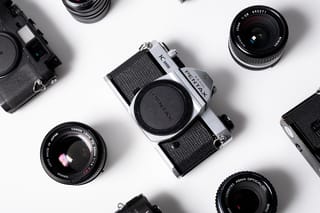
For a student budget, pre-owned isn’t a compromise; it’s how you afford gear that would otherwise be out of reach. And when you’re trying to build your student photography kit on a budget, every dollar counts. Every camera and lens sold at KEH goes through a multi-point inspection process and gets a condition rating, so you know exactly what you’re getting before you buy. Everything is backed by a 180-day warranty, and you get free shipping on most orders. Add in the student discount through Student Beans, and you’re looking at pro-level gear for a fraction of retail, with the same protection you’d expect from buying new.
And buying pre-owned isn’t just easier on your wallet, it’s a win for the planet too. Every camera that gets a second owner is one that didn’t need to be newly manufactured and isn’t sitting in a landfill. Think of it like thrifting (without the gamble): the same instinct that has you scrolling Depop for a vintage jacket applies here, you’re just getting a better camera for less, and keeping something good in circulation instead of letting it go to waste.
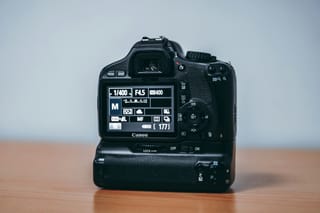
This is the tier for anyone picking up a “real” camera for the first time — a step up from a phone, without the learning curve (or price tag) of pro gear. Any of these three bodies will get you through your first year of shooting comfortably.
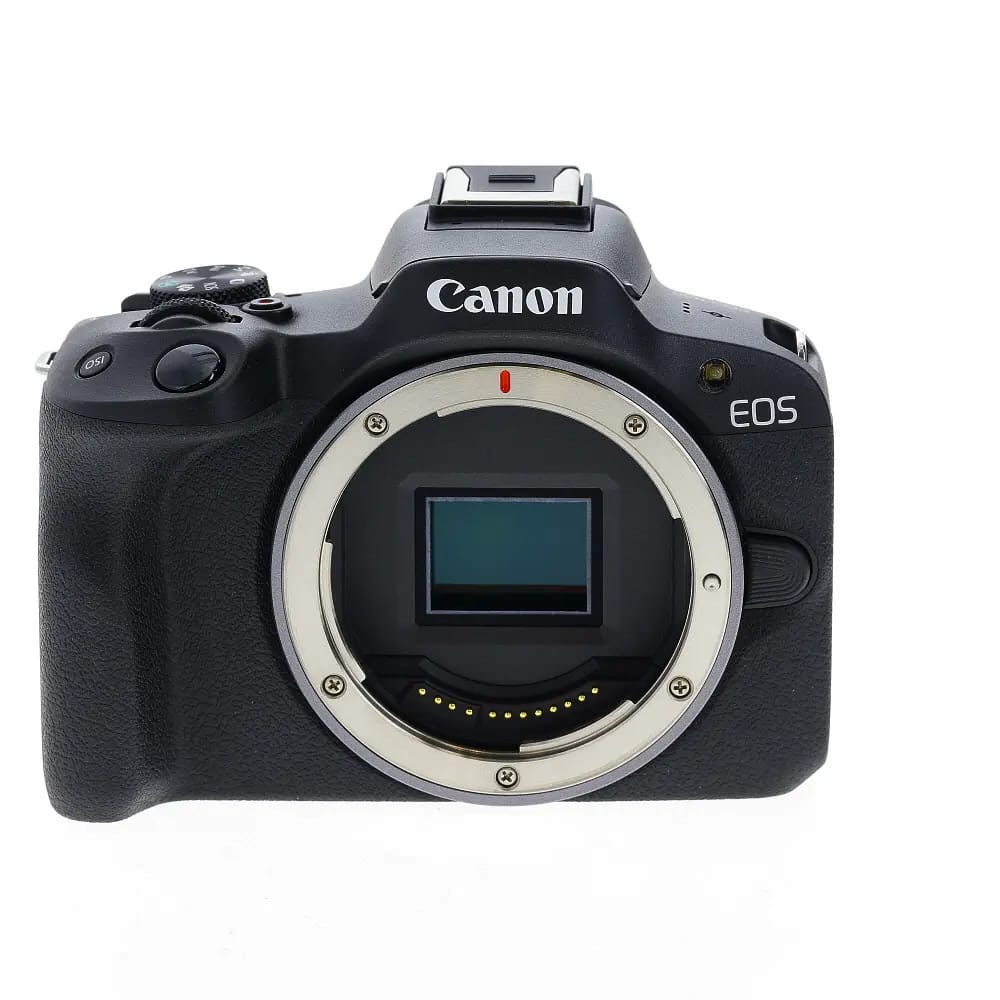
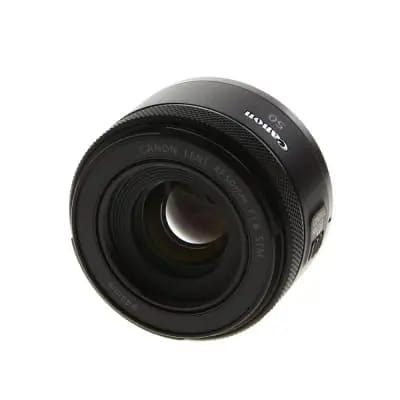
A 24.2MP APS-C sensor paired with Canon’s Dual Pixel CMOS AF II, which breaks the frame into up to 651 autofocus zones for reliably sharp shots even when your subject’s moving. It also shoots 4K video oversampled from 6K, so footage stays crisp even if you crop in during editing. The kit lens covers a versatile 29-72mm full-frame equivalent range with built-in image stabilization.
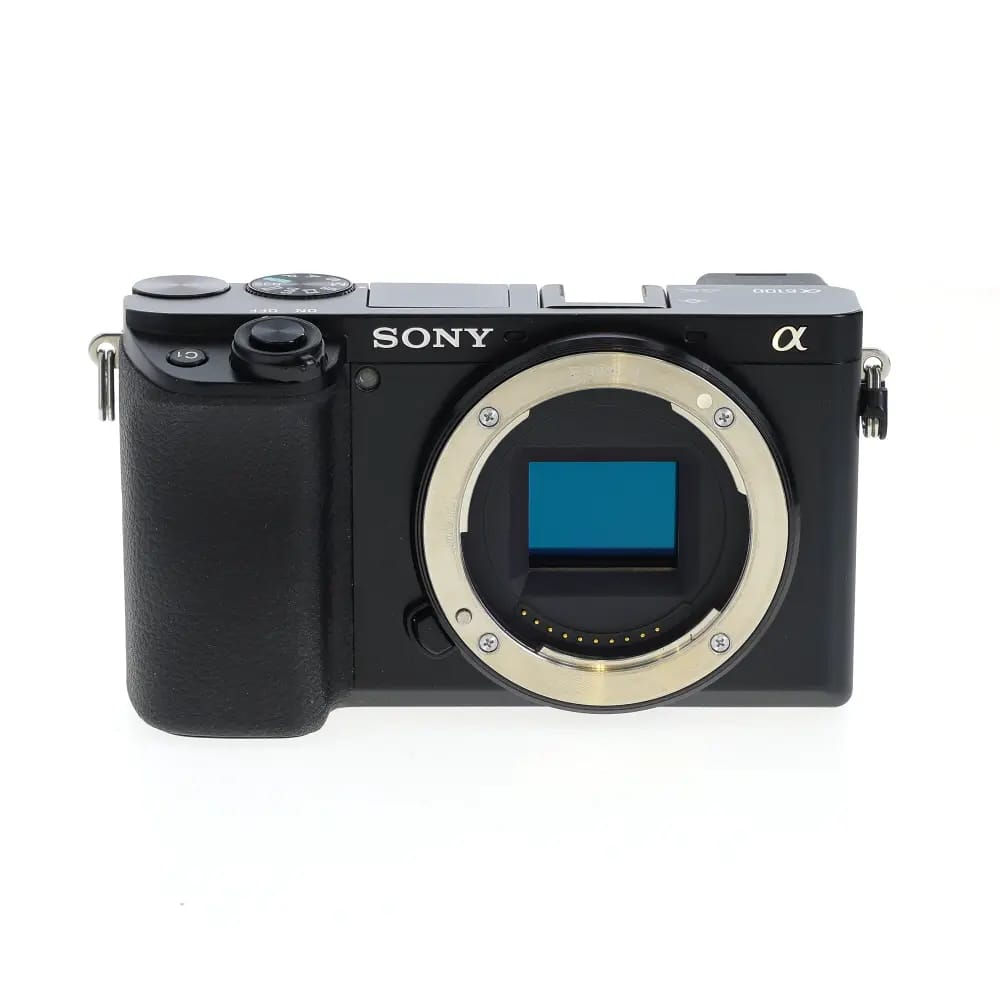
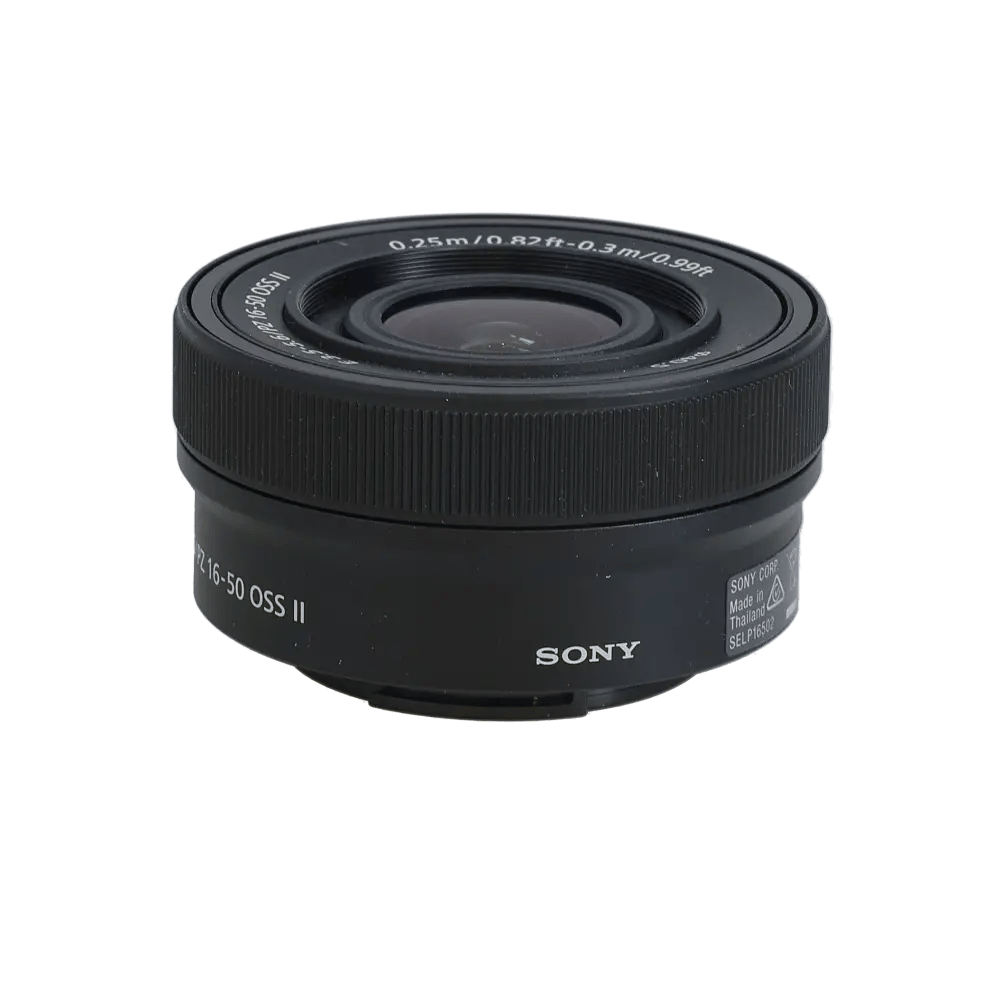
A 24.2MP APS-C sensor backed by 425 phase-detection autofocus points covering roughly 84% of the frame, with real-time Eye AF that locks onto faces in a fraction of a second. Shoots 11 fps bursts and 4K video, so it keeps up whether you’re photographing a friend or shooting b-roll for a class project. The compact power-zoom lens retracts for easy pocketing.
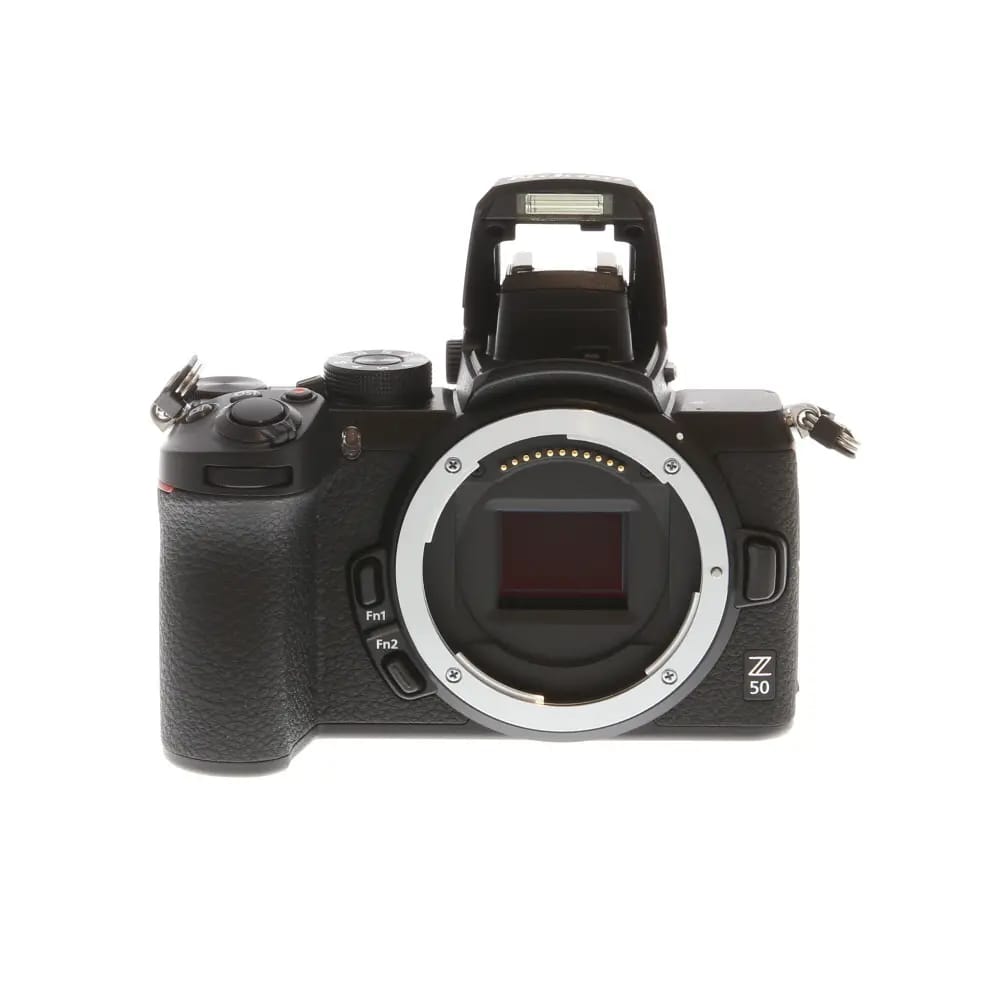
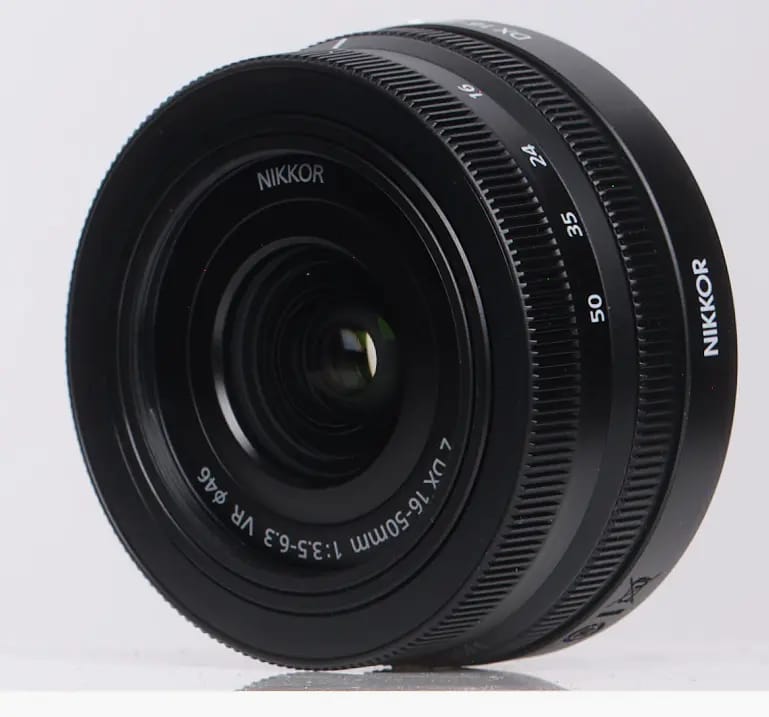
A 20.9MP DX sensor with a 209-point hybrid autofocus system covering about 90% of the frame, plus 11 fps continuous shooting for anything that moves fast. Records uncropped 4K UHD video at up to 30p, and the retractable kit lens keeps the whole setup slim enough to toss in a daypack.
Round it out: Add a camera strap. It sounds minor until you’re walking across campus with a few hundred dollars of gear around your neck instead of stuffed in a backpack.
Once you know you’re sticking with photography, this tier gets you into full-frame territory or a more refined APS-C setup — better low-light performance, nicer image quality, and lenses that’ll stay useful even as your skills grow.
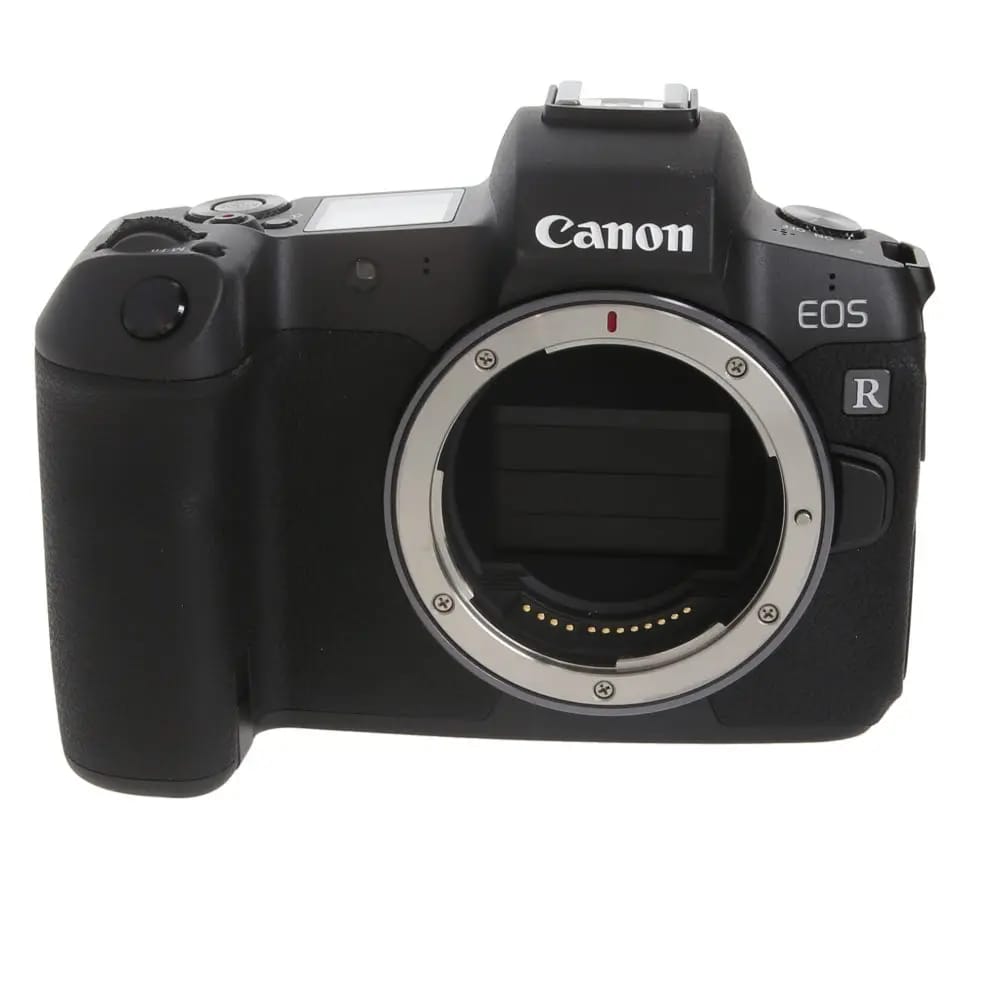
A 30.3MP full-frame sensor with up to 5,655 selectable autofocus points, giving you pinpoint control over focus placement for portraits and detail work. The vari-angle touchscreen makes low- and high-angle shots easy, and it shoots 4K video with Canon Log for more flexibility when color grading. Paired with a fast, lightweight 50mm prime that’s a natural fit for portraits.
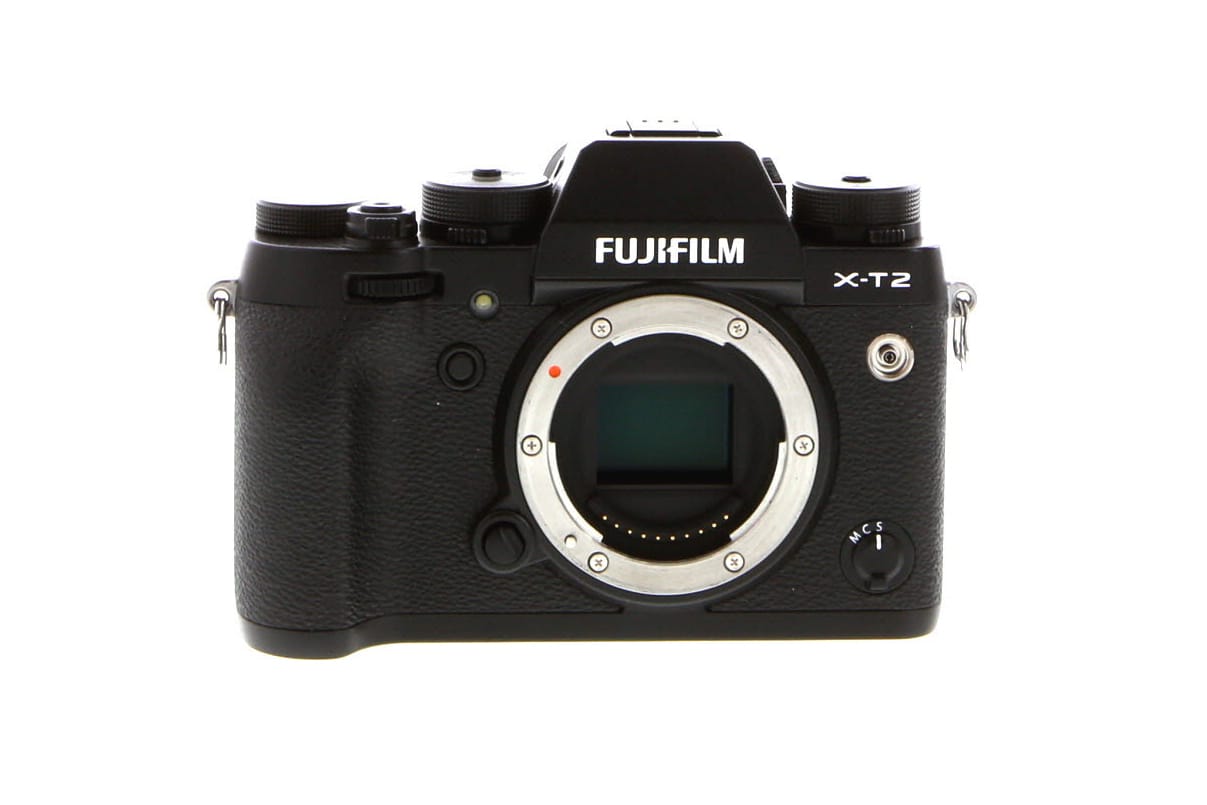
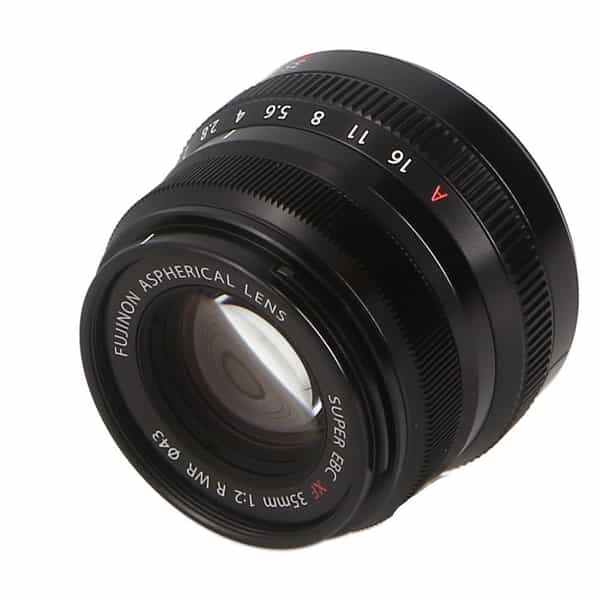
A 24.3MP X-Trans sensor with a 325-point hybrid autofocus system, housed in a weather-sealed magnesium alloy body that can handle rain or dust without hesitation. Dual UHS-II SD card slots and up to 8 fps continuous shooting (14 fps electronic) make it a dependable choice for street and documentary work. The 35mm lens is also weather-resistant and has a 53mm equivalent field of view, close to how the human eye sees.
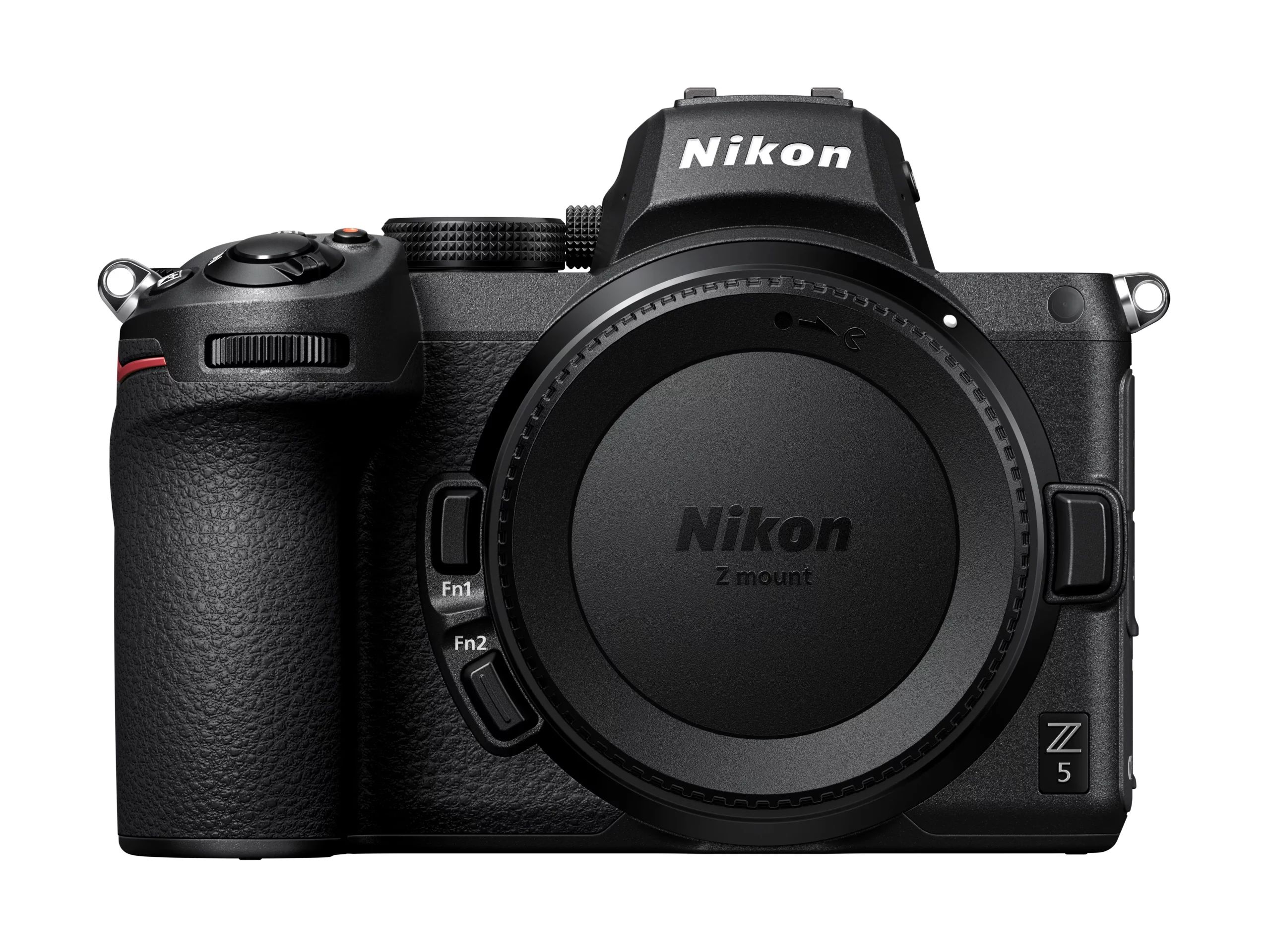
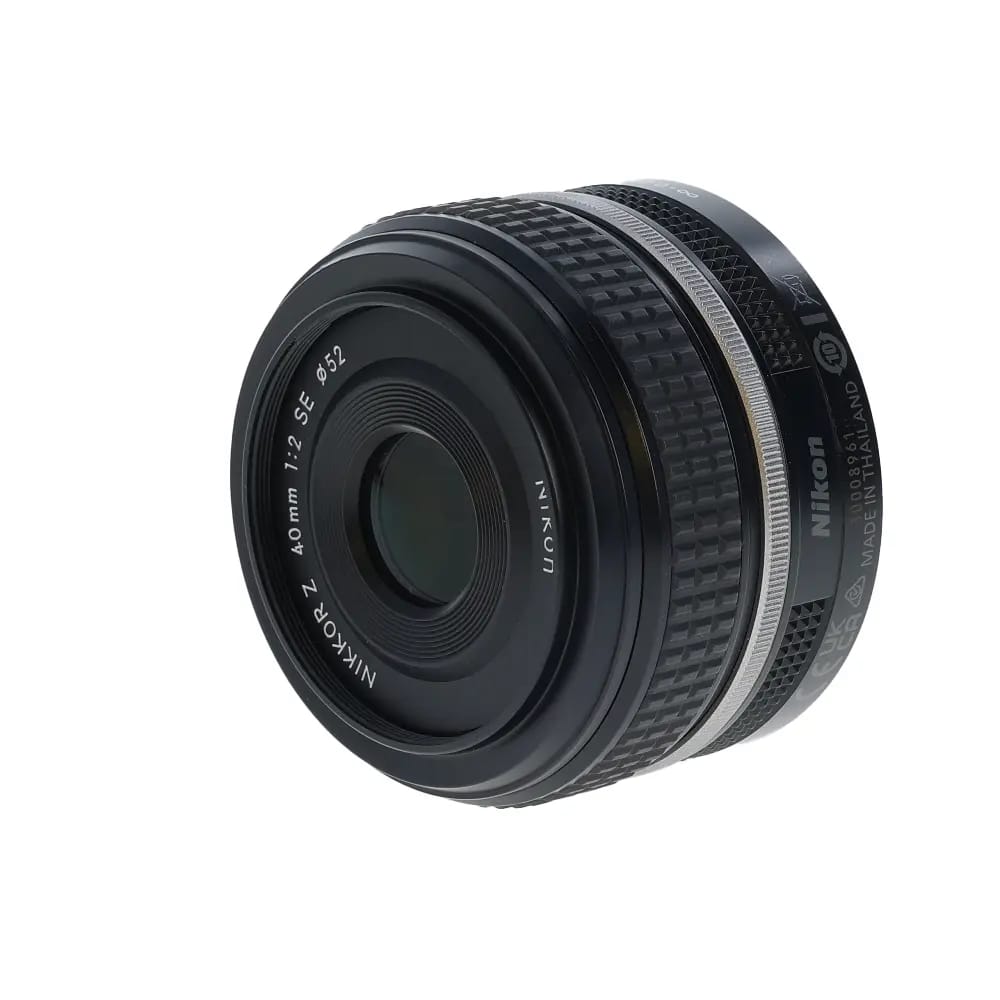
A 24.3MP full-frame sensor with 273-point hybrid autofocus covering about 90% of the frame, plus 5-axis in-body image stabilization rated to 5 stops, so handheld shots stay sharp even in dimmer campus buildings. Dual SD card slots add a layer of backup you won’t get on most cameras at this price. The compact 40mm prime is an easy walk-around lens for everyday shooting.
Round it out: Add a flash or speed light. Once you’re shooting indoors, at events, or after dark, this is what actually makes the photos usable.
Gear at this level is worth protecting, too. KEH is the only reseller with manufacturer-approved repair capabilities, so if your camera takes a hit on the way to class (it happens), you can get it fixed instead of replaced.
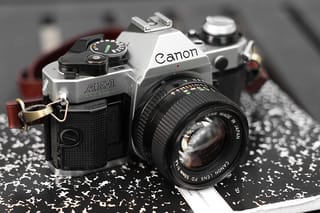
This is the range for photography majors, aspiring creators, or anyone shooting for clients on the side. These bodies and lenses can carry you well past graduation.
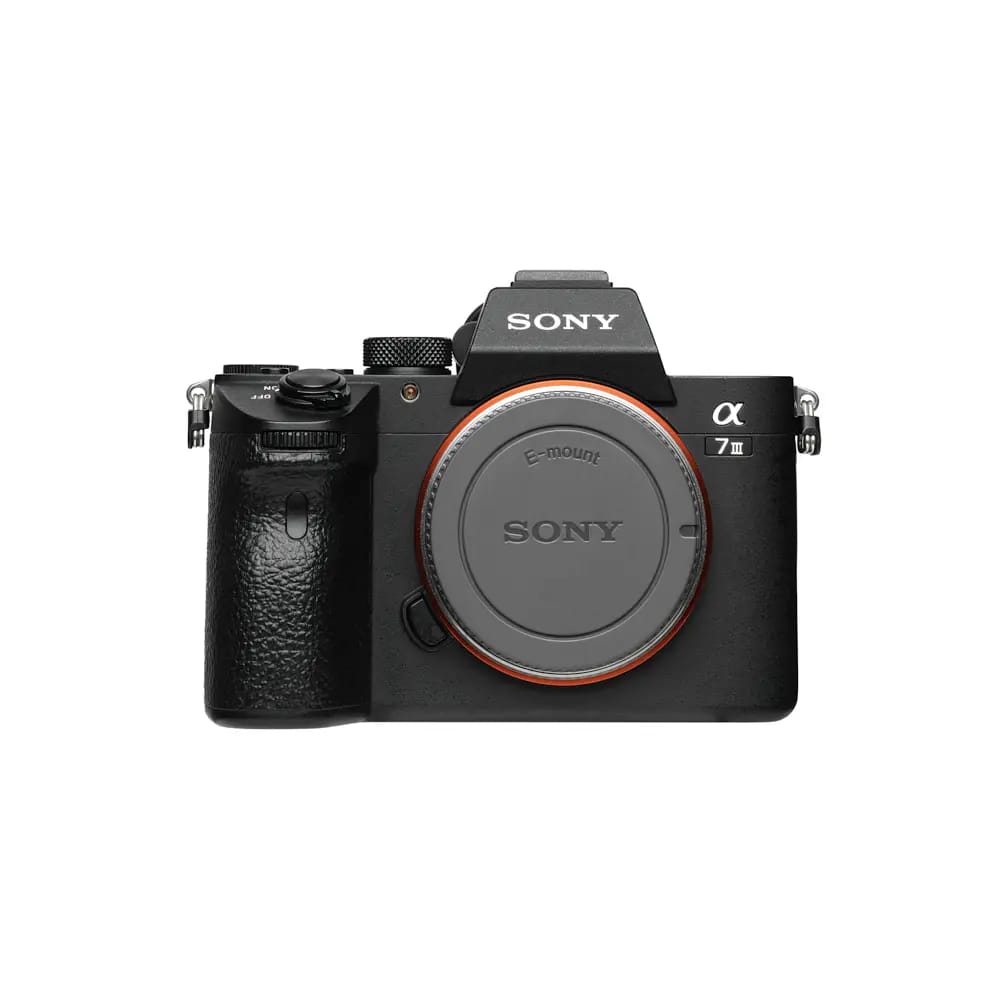
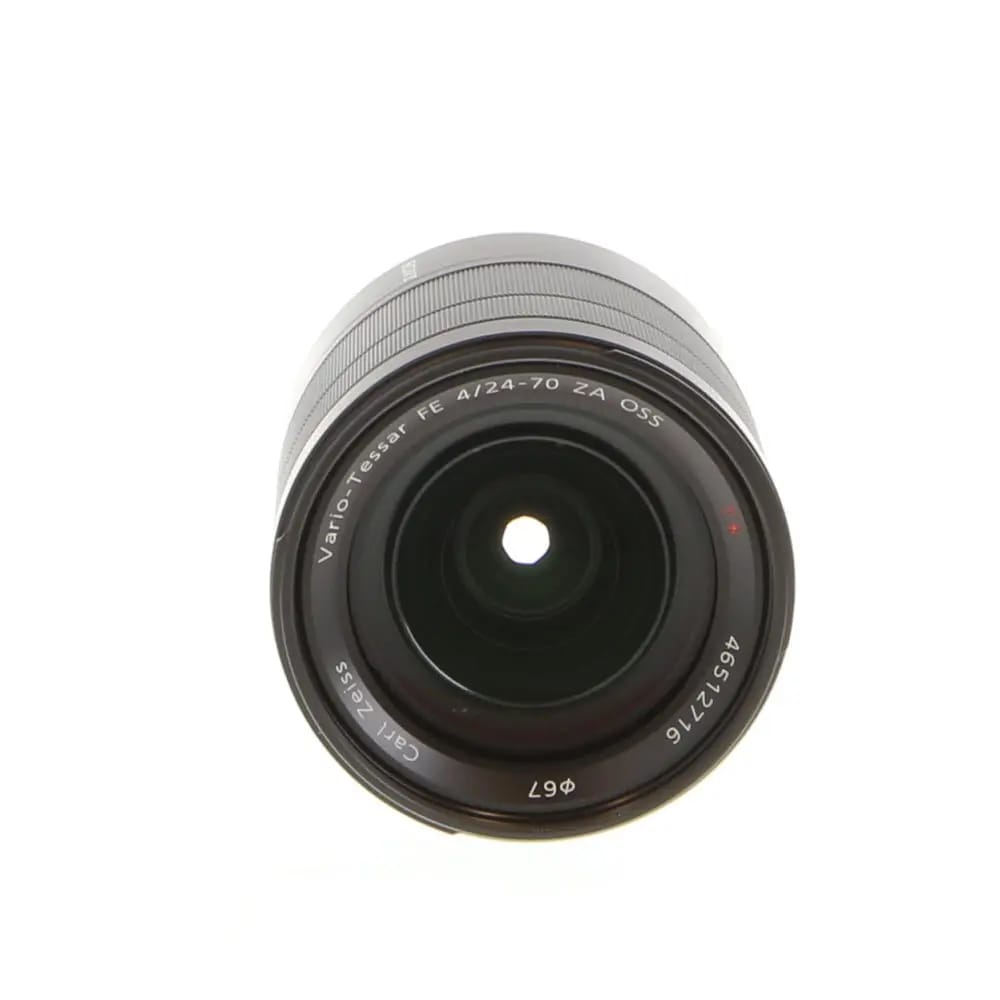
A 24.2MP full-frame BSI sensor with a 693-point phase-detection autofocus system covering 93% of the frame, one of the most trusted tracking systems in its class. 5-axis in-body stabilization, 10 fps bursts, and 4K video oversampled from 6K round it out as a true workhorse. The constant f/4 Zeiss-branded zoom covers a wide-to-short-telephoto range in a single lens.
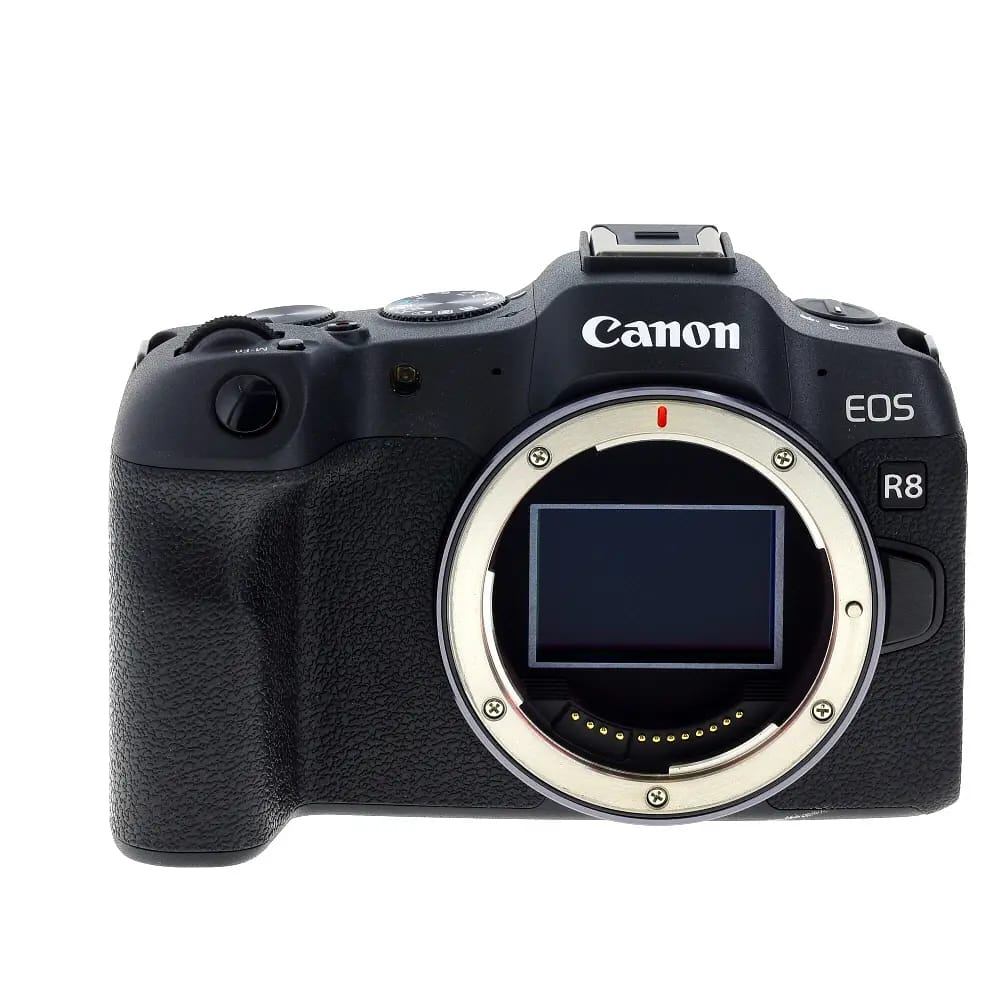
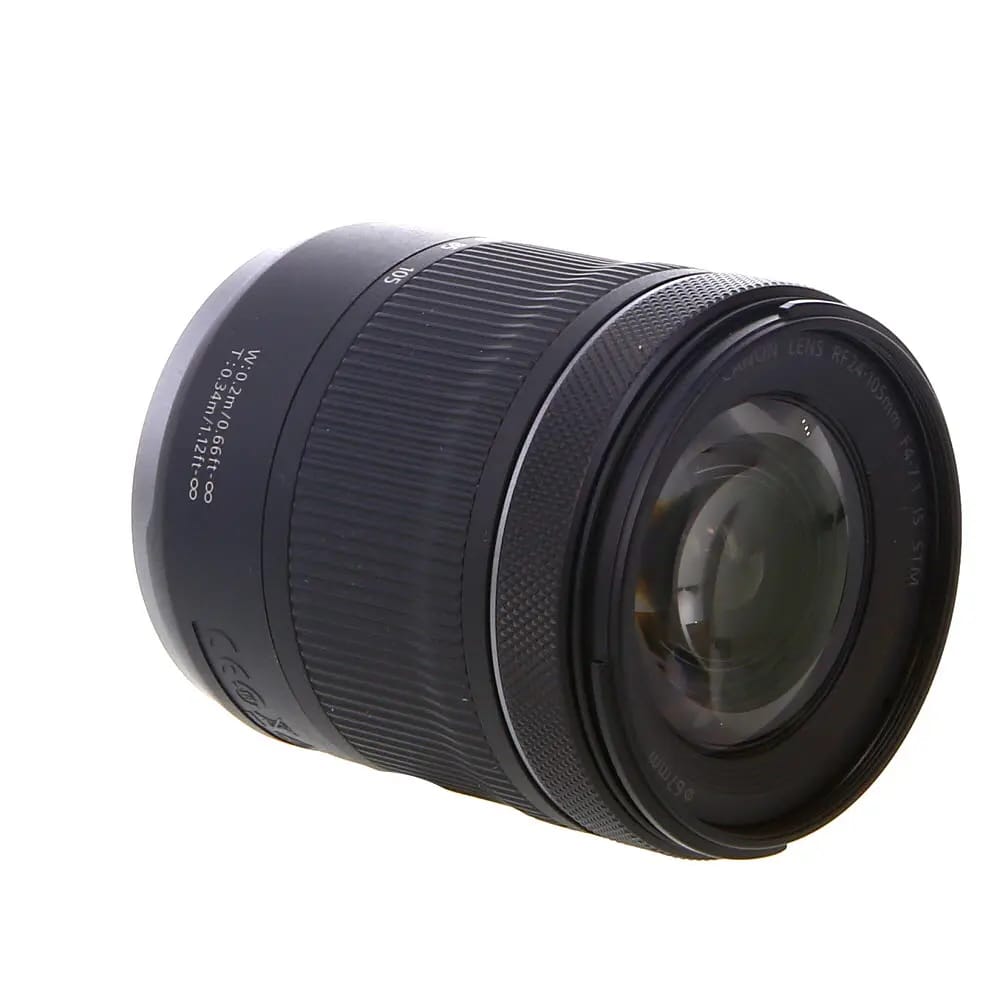
A 24.2MP full-frame sensor with Dual Pixel CMOS AF II spanning 1,053 autofocus zones across the entire frame, plus burst shooting up to 40 fps with the electronic shutter. It records uncropped 4K at up to 60p oversampled from 6K, making it a strong pick for anyone shooting as much video as stills. The 24-105mm zoom is a genuine one-lens-does-it-all option for campus life.
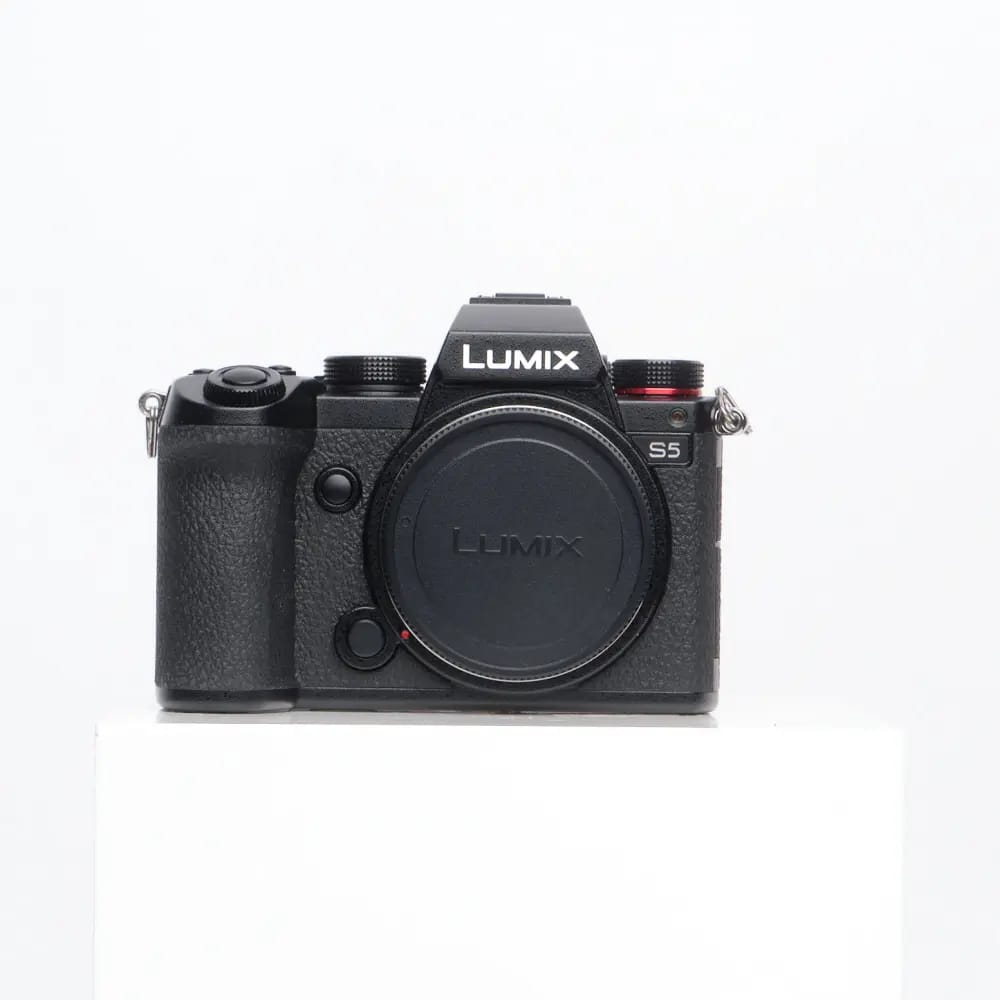
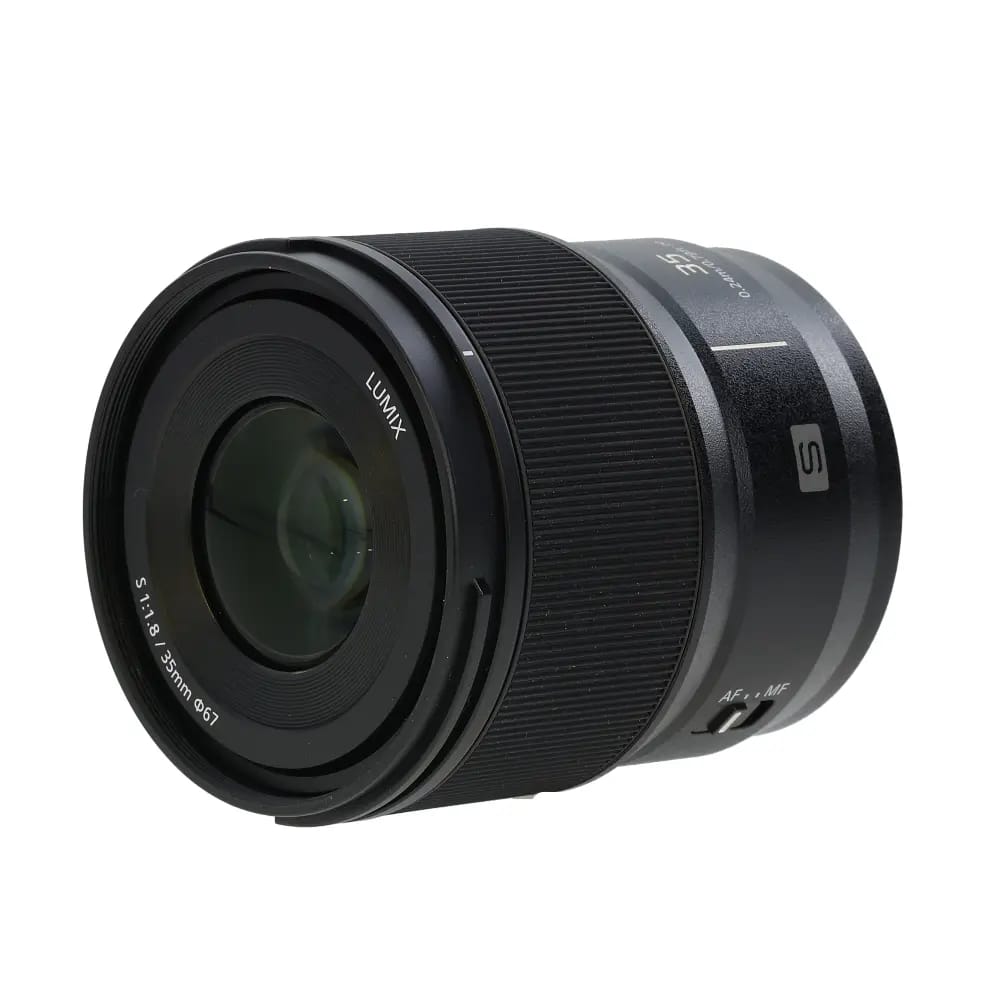
A 24.2MP full-frame sensor with 5-axis Dual I.S. rated to 6.5 stops of correction, plus subject-detection autofocus that tracks eyes, faces, heads, and bodies. It records internal 4K with no time limit thanks to Panasonic’s heat-dispersion design, which matters if you’re shooting long-form video projects. The weather-resistant body pairs with a fast, compact 35mm prime built for low light.
Round it out by adding extra SD cards. At this level, you’re shooting more — and in much higher resolution. Add a few extra SD cards to your kit, but don’t just focus on capacity. Fast read and write speeds matter just as much as storage. Slower cards can bottleneck burst shooting and struggle to keep up with high-resolution photos or 4K video, leading to longer buffer times and interrupted recording. The right card helps your camera perform at its best, so you can keep shooting without missing a moment.
And if your needs shift mid-degree, as they often do, Better Trade by KEH™ lets you trade in gear toward your next upgrade instead of letting last semester’s setup sit in a drawer.
Every kit above starts with certified pre-owned gear, which means you get more camera for your budget — not less. Shop student camera gear at KEH and use your student discount to build your student photography kit that fits where you are right now, with room to grow into where you’re headed.
Verify your student or educator status through Student Beans, and your discount applies automatically at checkout on eligible gear.
Every item is inspected and assigned a condition rating, from like-new to well-loved, so you know exactly what you’re buying before it ships. Listings include photos of the actual gear when relevant, not stock images.
If something stops working the way it should within 180 days of your purchase, KEH will repair or replace it. It’s the same kind of coverage you’d expect from buying new, just applied to pre-owned gear.
Yes. Better Trade by KEH™ lets you trade in cameras, lenses, and accessories toward your next purchase, so your kit can evolve as your skills (and your major) do.
KEH offers manufacturer-approved repair services, so a drop or a spill doesn’t mean starting over. You can send it in and get it back in working order instead of buying a replacement.
Why Photography Students Should Invest in Used Cameras
Tools for Photography Students