You
have no items in your shopping cart.
35mm vs 50mm vs 85mm for Portraits: Which Should You Choose?
April 10, 2026
1 min read

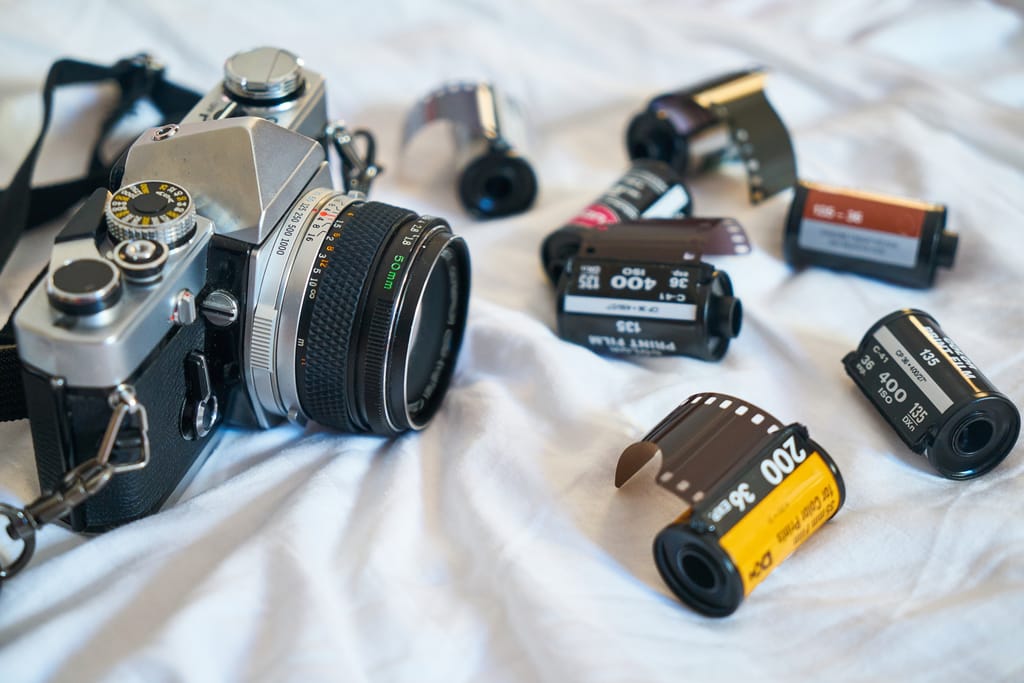
What You’ll Learn
Have you ever taken a portrait where the subject looks slightly “off,” even though the lighting is perfect? Often, the issue isn’t skill—it’s the glass in front of your sensor. Beginners may treat lenses as just a way to zoom, but focal length acts like a personality: it sets the entire mood of your photo. That’s why a careful portrait lens comparison matters as much as lighting when selecting your gear.
Think of your camera as a mirror, reflecting different ways of seeing the world. Wide lenses stretch facial features, while longer focal lengths flatter by compressing them. This makes a camera lens comparison crucial for capturing natural, true-to-life images. Exploring the “Big Three”—the 35mm storyteller, the 50mm all-rounder, and the 85mm specialist—reveals some of the best portrait lenses for various styles.
By the end, you’ll know exactly the right choice between 35mm vs 50mm vs 85mm for portraits.
Focal length shapes portraits through perspective, working distance, and background compression:
Crop sensors effectively “zoom” your lenses (35≈50mm, 50≈85mm), changing how tight they feel indoors. Choose based on space, subject, and budget, and always test or rent before buying to match your creative vision.
Facial distortion is about more than background choice—it’s often the lens. Wide lenses stretch features when you stand too close, creating subtle fisheye effects.
An 85mm lens naturally fixes this by forcing you to back up, flattening and flattering facial proportions. This distance also creates background compression—the “background hug”—bringing distant scenery closer while separating it from your subject.
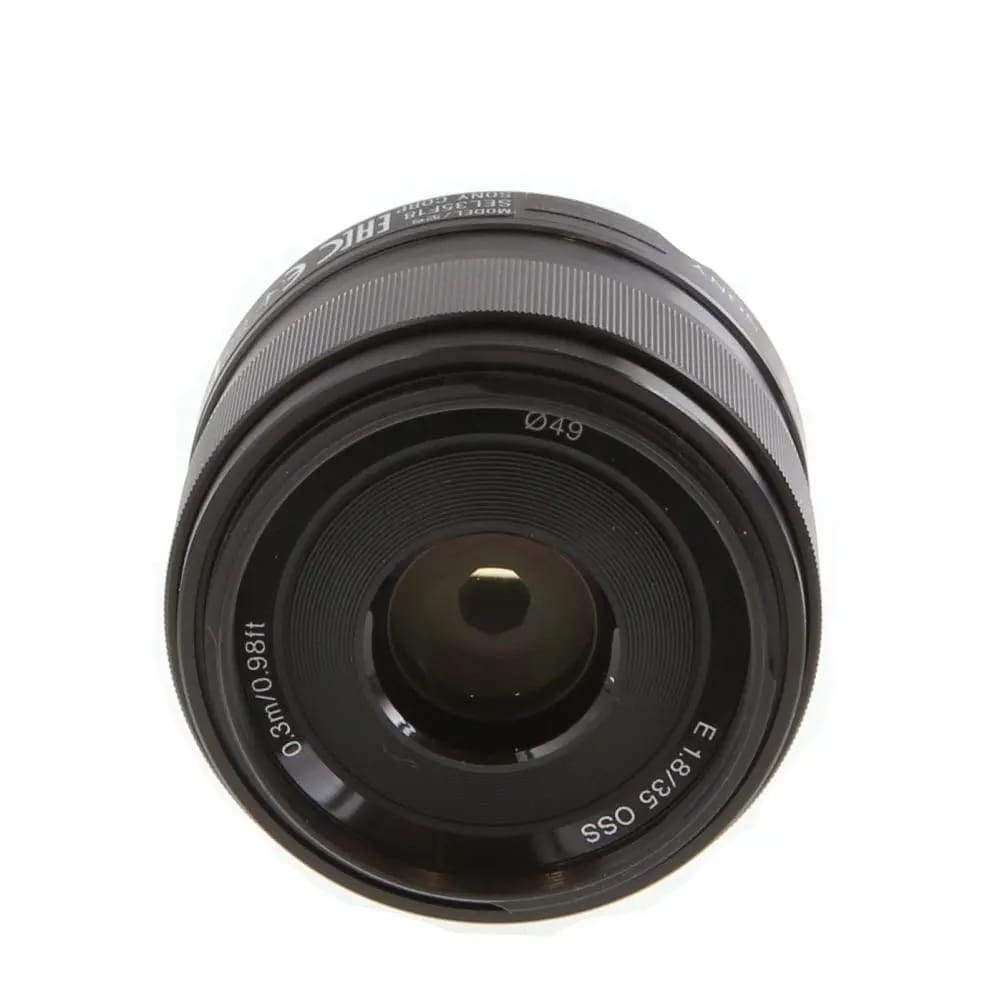
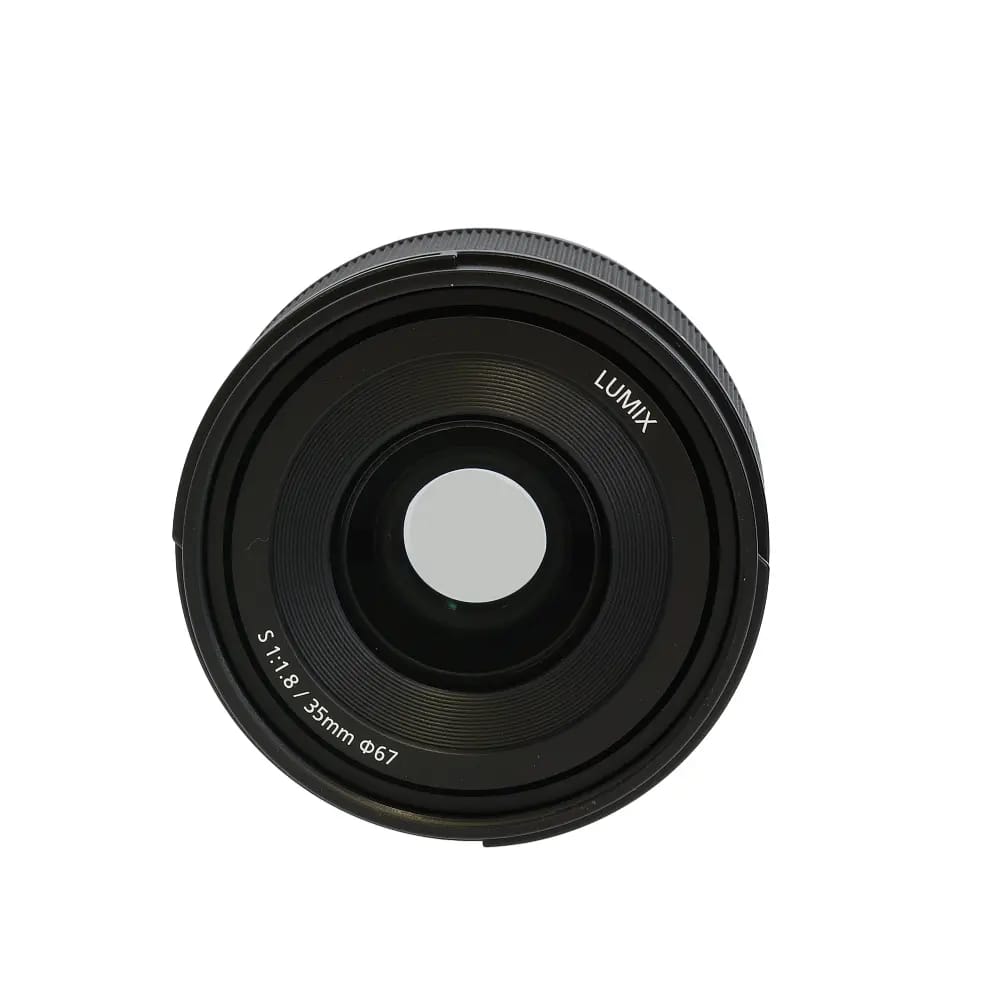
A 35mm lens captures more of the room or landscape, making it perfect for environmental portraiture. It tells a story about your subject and their surroundings: sipping a latte at a café or hiking a trail.
35mm Portrait Tips:
KEH Certified™ 35mm Picks:
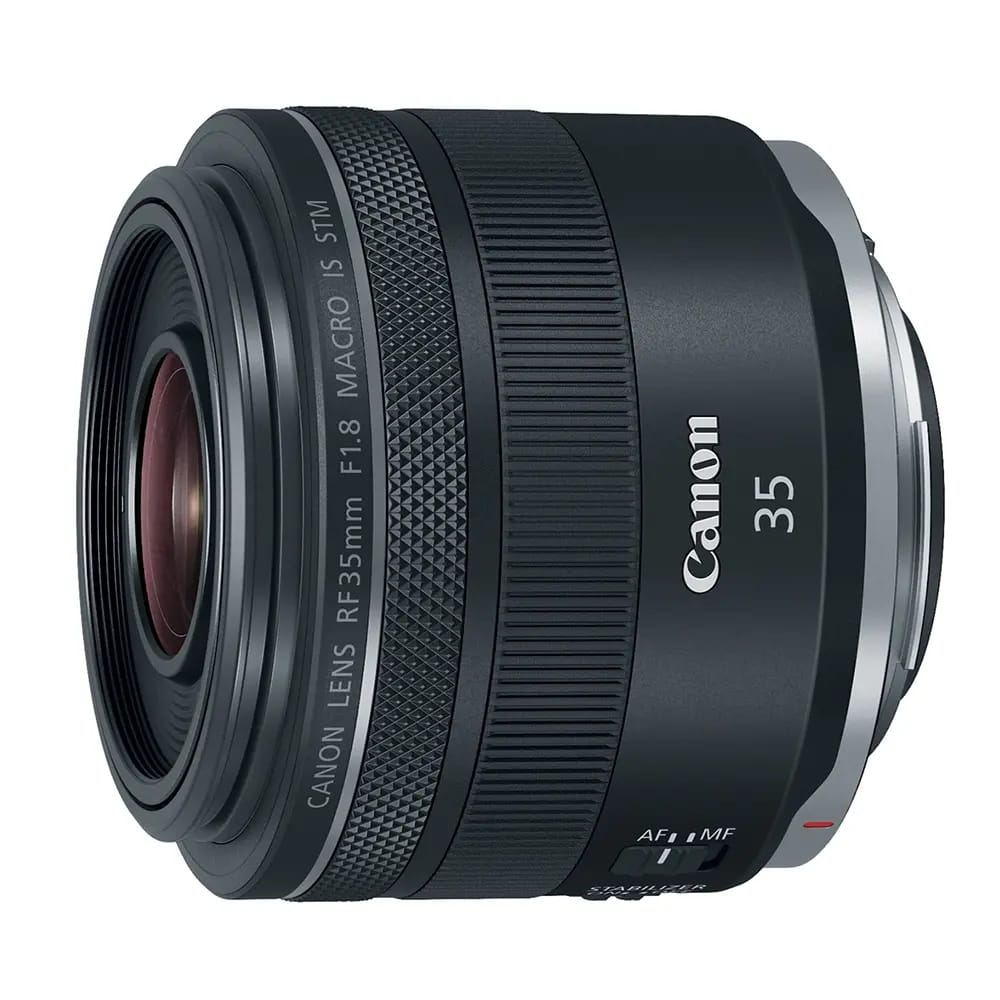
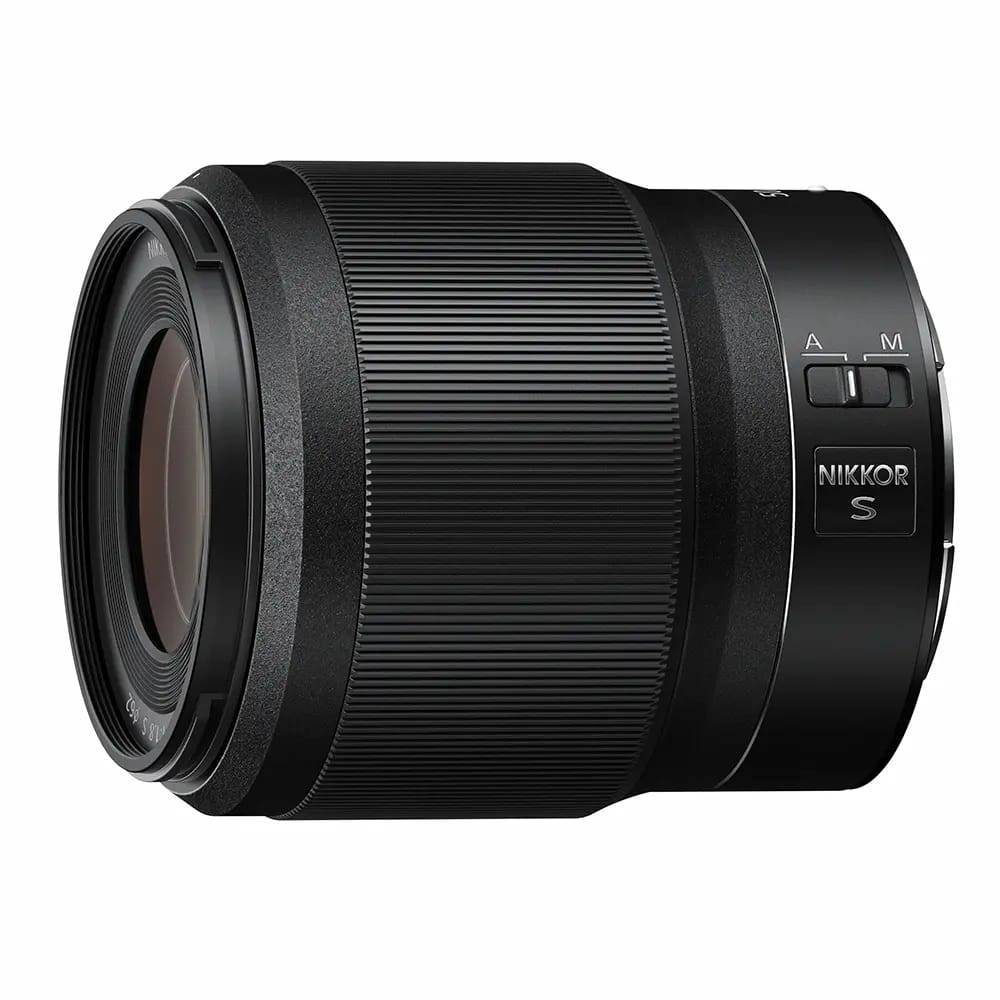
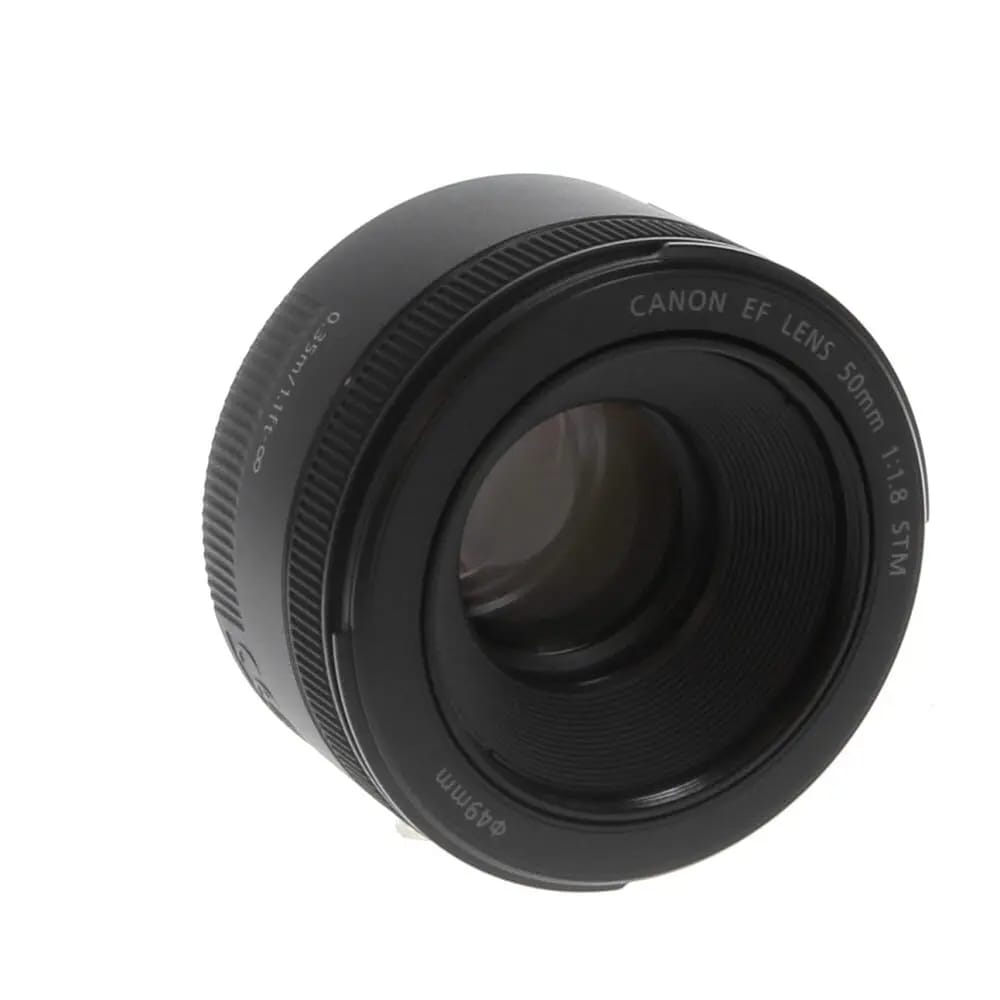
A 50mm lens mimics human vision, providing a standard perspective that feels natural. It’s the “Goldilocks” lens: not too wide, not too tight.
Why it works:
KEH Certified™ 50mm Picks:
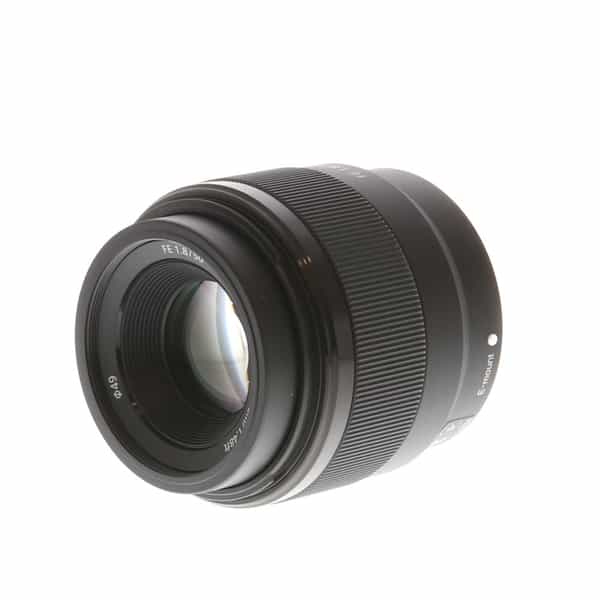
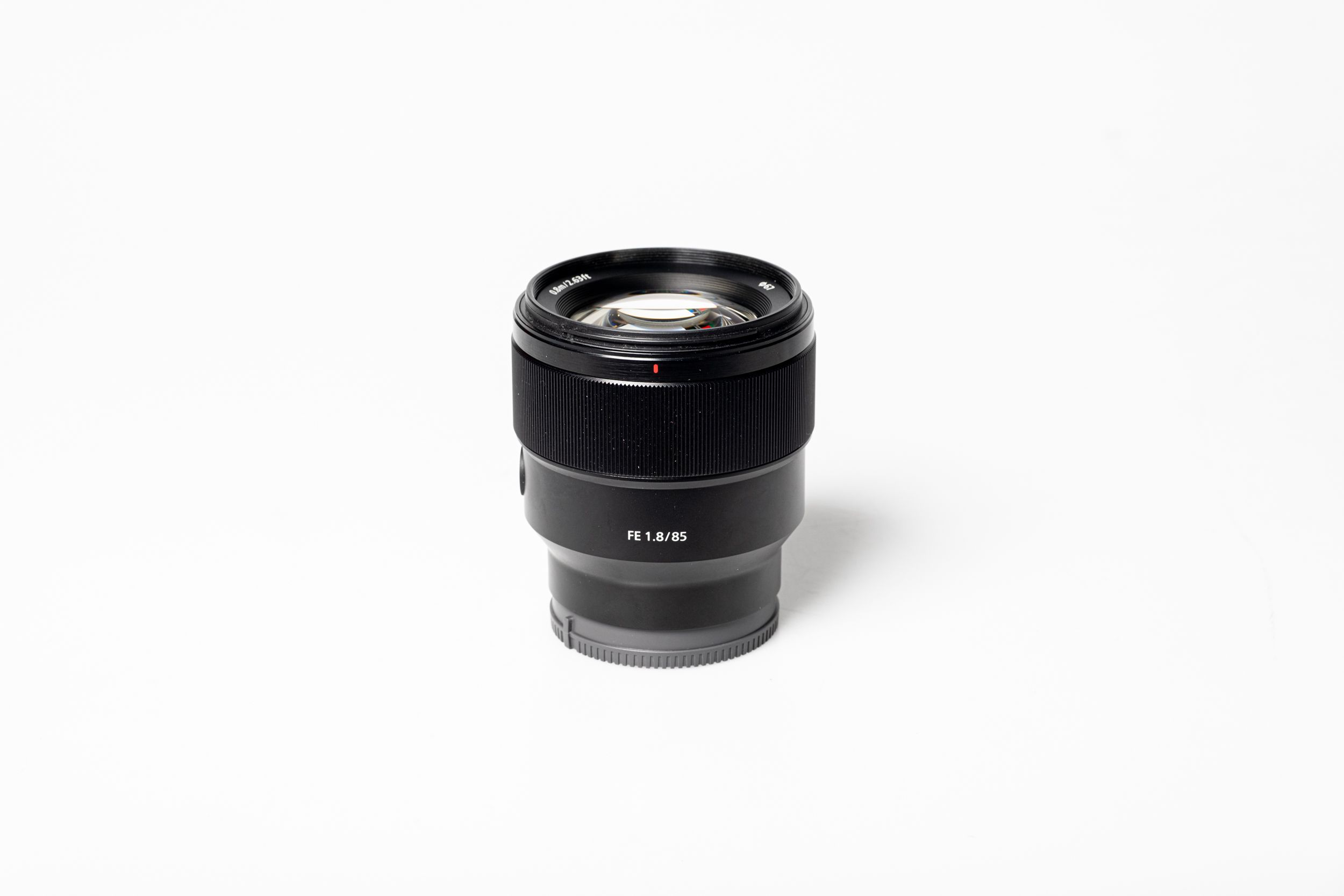
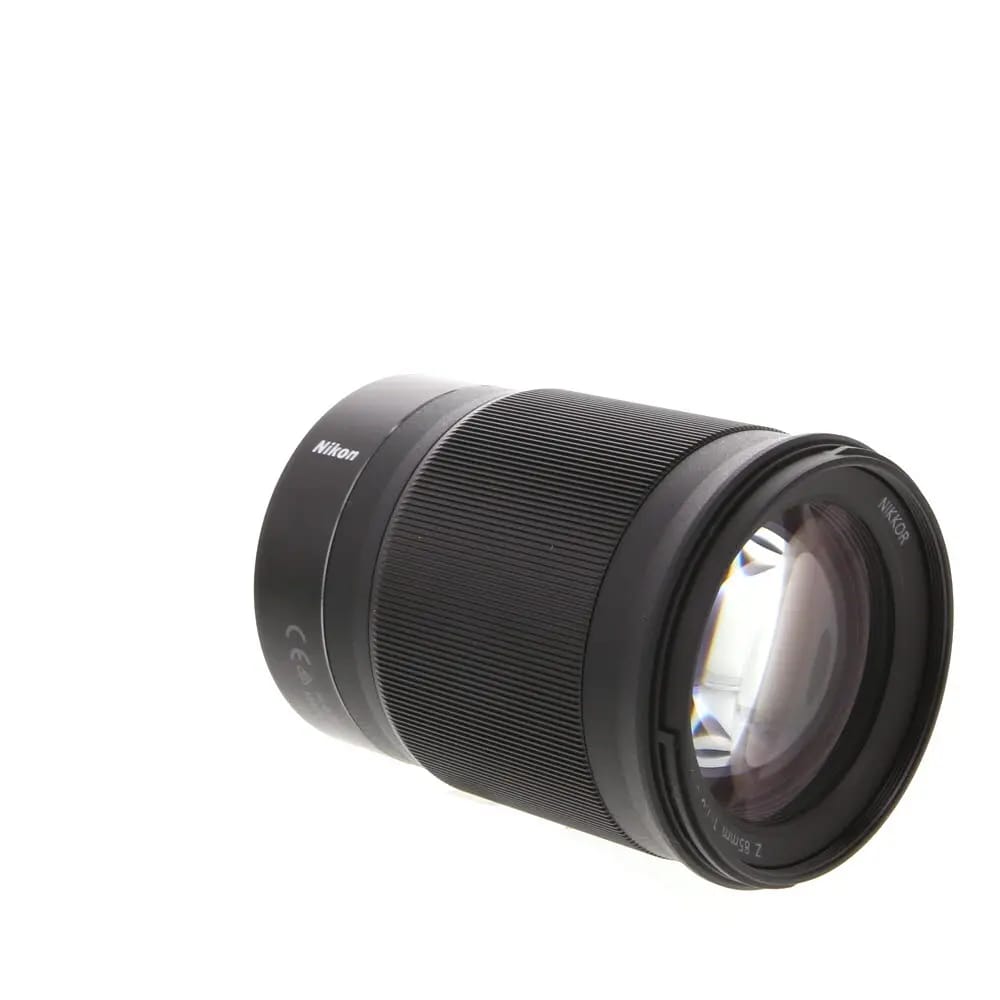
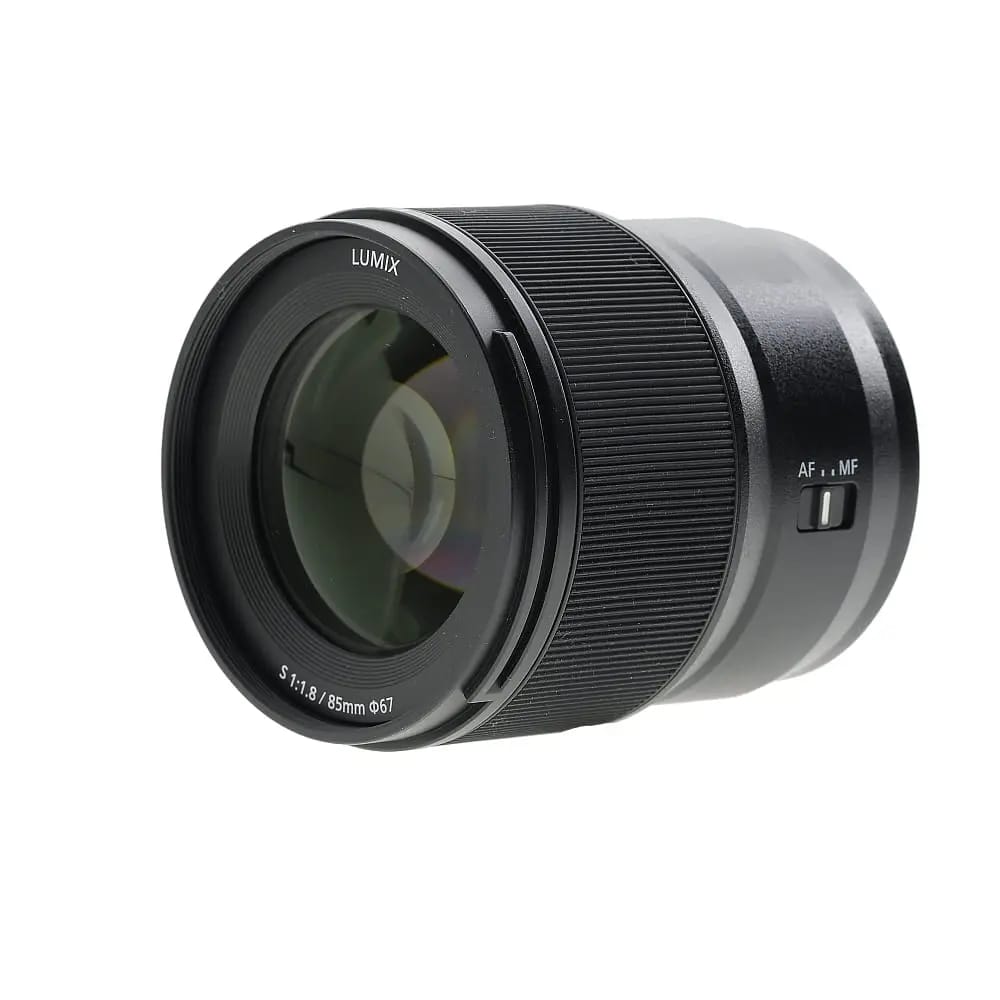
The 85mm is headshot magic. It isolates the subject, compresses features, and creates creamy bokeh, giving that “magazine cover” aesthetic.
Considerations:
KEH Certified™ 85mm Picks:
Factor in sensor size: crop sensors magnify your lens, turning a 35mm into roughly a 50mm, and a 50mm into roughly an 85mm. This affects how tight the lens feels indoors.
Decision Tree:
You now understand why your portraits may feel flat. Matching lens choice to creative vision—35mm for storytelling, 50mm for everyday versatility, 85mm for headshots—gives you control.
Next Steps:
Q: How does a portrait change when switching from 35mm → 50mm → 85mm?
A: Perspective, working distance, and background compression. 35mm shows more environment but stretches faces; 50mm is natural; 85mm flatters features and melts backgrounds.
Q: I shoot indoors—what lens works best?
A: Go wider. 35mm is most practical indoors; 50mm works with space; 85mm can feel cramped. Crop sensors magnify focal length.
Q: Can a 50mm replace an 85mm for headshots?
A: Partially. 50mm blurs backgrounds nicely but won’t achieve the 85mm’s compression and creamy bokeh.
Q: When should I choose 35mm?
A: For environmental storytelling. Avoid close-up headshots, include meaningful background, keep waist-level, and watch edges of the frame.
Q: How do I pick which lens to buy first?
A: Consider space, subject, budget, and sensor size. Start with a 50mm if unsure, test focal lengths, then commit based on your creative vision.