You
have no items in your shopping cart.
5 Essential Camera Lenses Every Photographer Should Own
March 31, 2026
1 min read

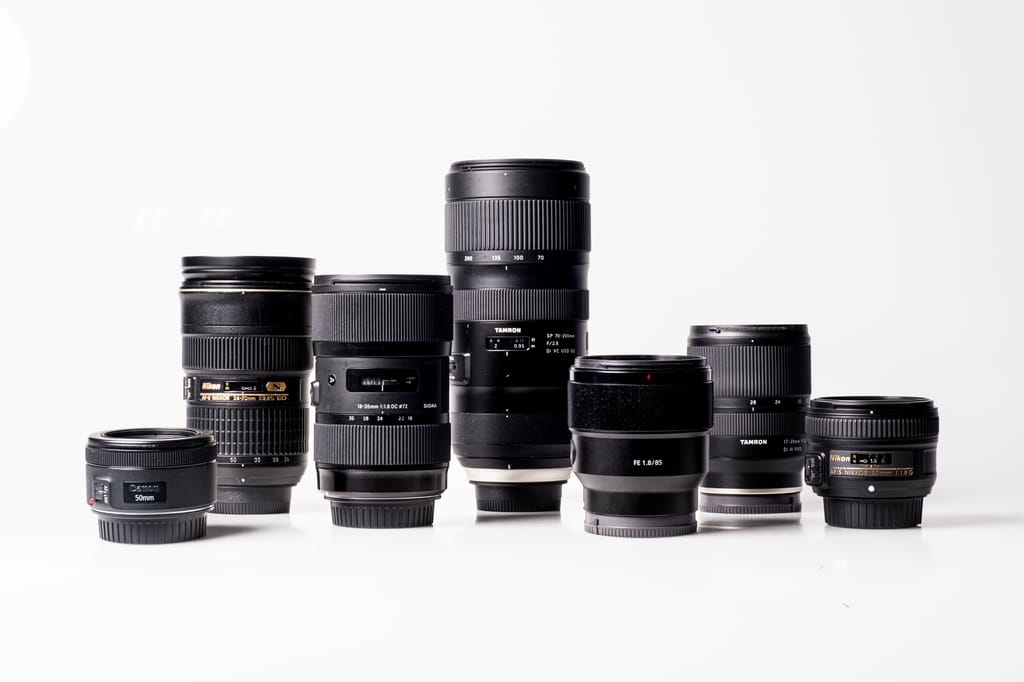
If you’ve ever felt like your photos aren’t quite matching what you see in your head, the problem usually isn’t your camera. It’s your lens.
Most beginners assume their camera body is the limitation, but it’s almost always the glass. The standard kit lens is a great starting point, but it’s a jack-of-all-trades, master of none—struggling to deliver the depth, clarity, and low-light performance you see in professional images.
A common rule of thumb: most of your image quality comes from the lens, not the camera body. Kit lenses typically have limited aperture, meaning they can’t let in as much light or create strong subject separation.
Whether you’re just getting started or looking to upgrade, understanding the best camera lenses, core photography lens types, and how they actually impact your images will help you build a kit that truly improves your photography.
If you’re building your kit or upgrading your gear, this guide will help you:
Choosing the right lens isn’t about having more. It’s about having the right tools for how you shoot.
Focal length, measured in millimeters (mm), determines how much of a scene your camera captures and how your image feels.
This is what shapes your image—whether it feels expansive, natural, or tightly focused.
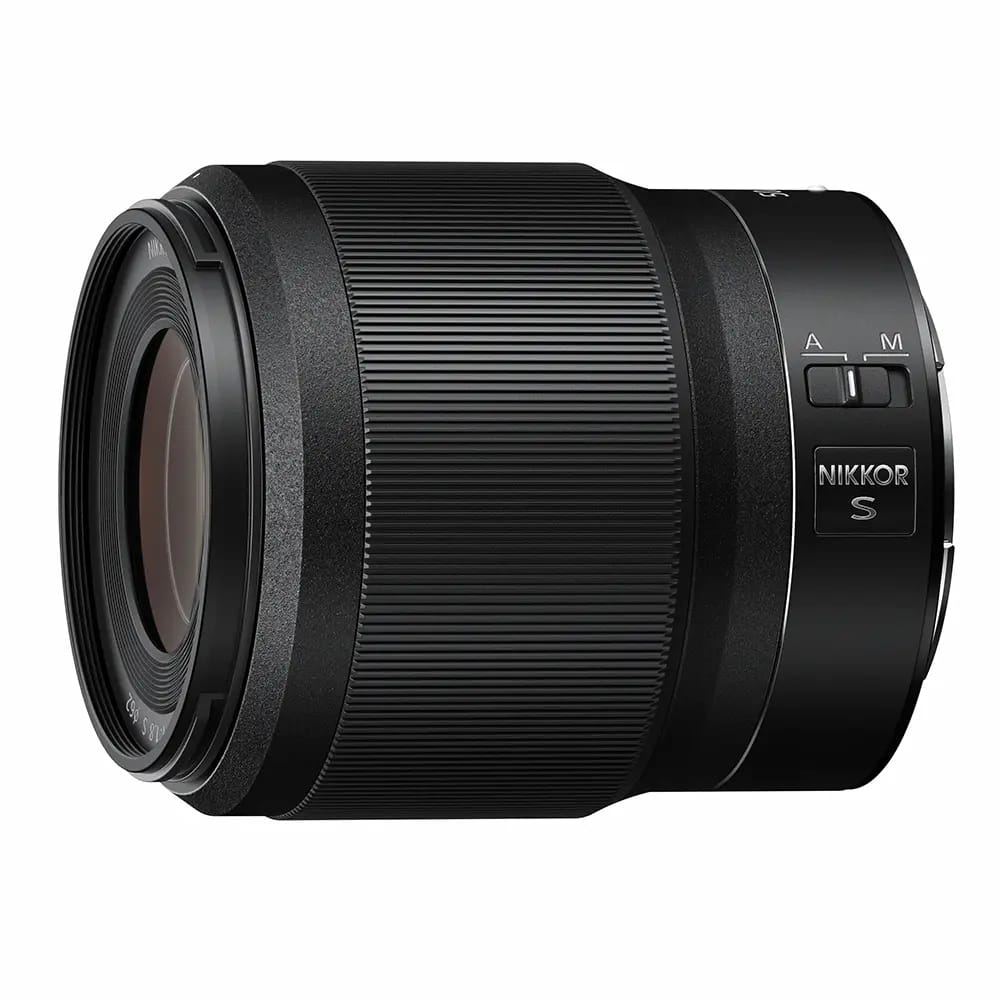
If you’re only going to invest in one lens, start with a prime lens, especially a 50mm.
Prime lenses have a fixed focal length, meaning you’ll “zoom with your feet.” While that might feel limiting at first, it results in sharper images, better composition, and stronger overall image quality.
Most 50mm primes feature a wide aperture like f/1.8, allowing significantly more light into the lens compared to a standard kit zoom. This makes them ideal for low-light shooting and helps create that soft, blurred background—often called bokeh—that separates your subject from the scene.
Lenses worth knowing:
Best for:
A 50mm prime is one of the most affordable ways to upgrade your results and one of the best camera lenses to start with. (Hint: it’s even more affordable when you buy it used.)
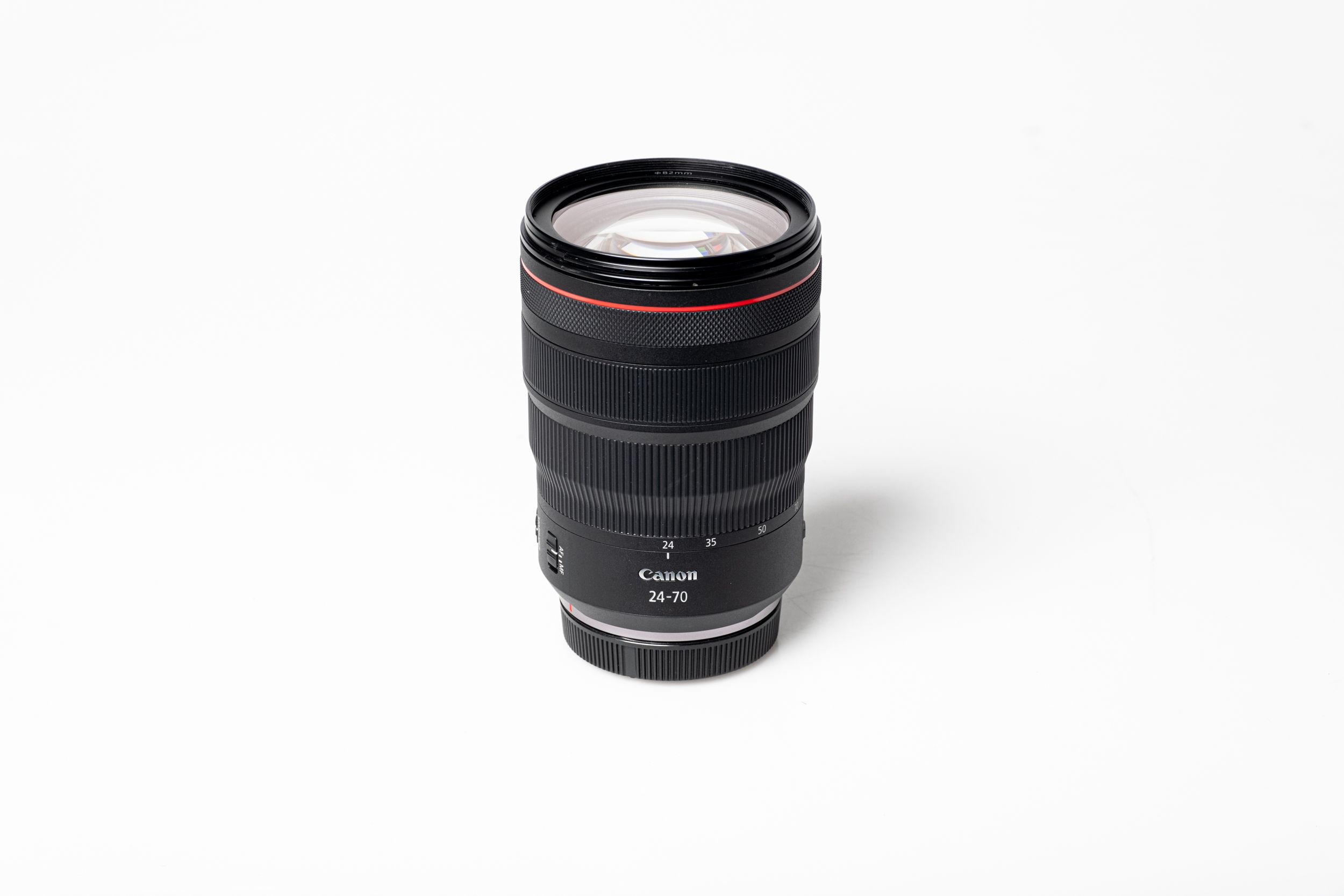
Once you’ve added a prime lens, the next step is flexibility, and that’s where zoom lenses come in.
A 24–70mm zoom lens covers a wide range of focal lengths, making it one of the most versatile photography lens types available. It allows you to quickly shift from wide shots to tighter compositions without changing lenses.
Higher-end zoom lenses often feature a constant aperture (like f/2.8), meaning your exposure stays consistent as you zoom—making them especially useful for events and low-light situations.
Lenses worth knowing:
Best for:
Zoom lenses are essential for convenience without sacrificing quality.
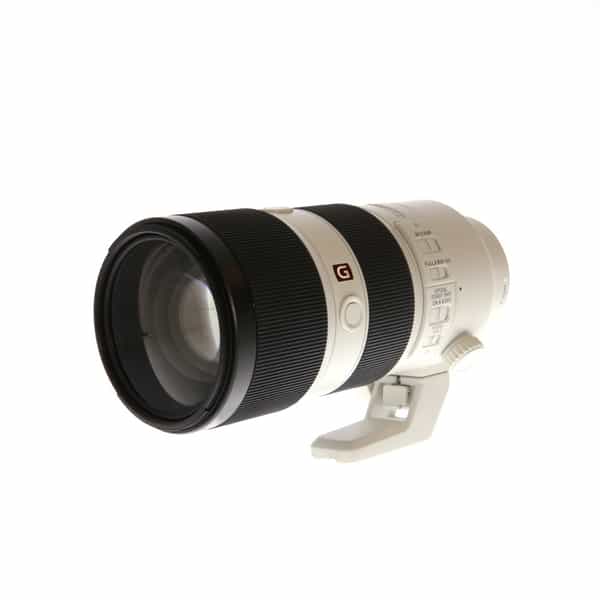
When you can’t get closer to your subject, a telephoto lens brings the subject to you.
These lenses, typically in the 70–200mm range or beyond, are ideal for isolating subjects and capturing detail from a distance. They also create what’s known as compression, where the background appears closer to your subject. This gives images a more polished, professional look, especially for portraits and outdoor scenes.
Lenses worth knowing:
Best for:
If you’re shooting anything at a distance, this is one of the best camera lenses to have in your kit.
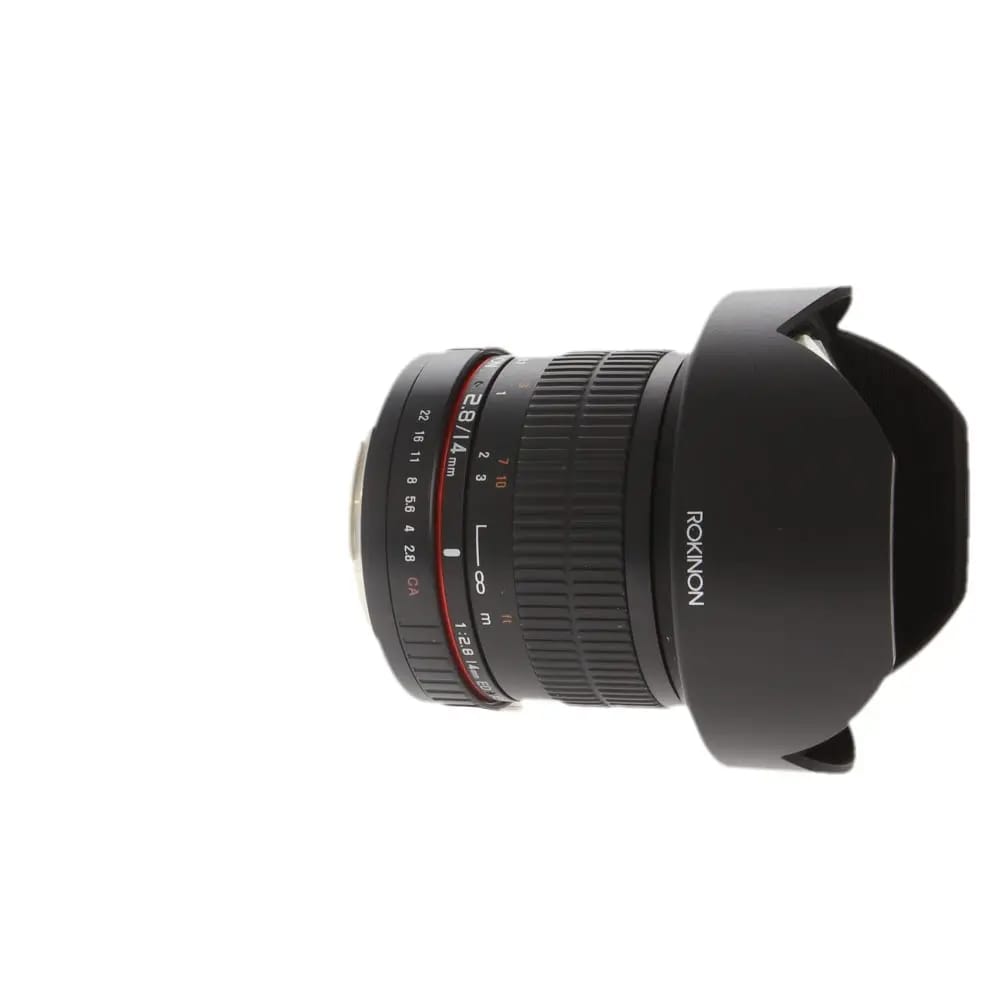
If your goal is to capture more of the scene, a wide-angle lens is essential.
Wide-angle lenses (like 16–35mm) allow you to photograph expansive environments while adding depth and perspective to your images.
Lenses worth knowing:
Best for:
Common Wide-Angle Mistakes to Avoid
For photographers who love capturing environments and storytelling through location, this is one of the most important photography lens types to own.
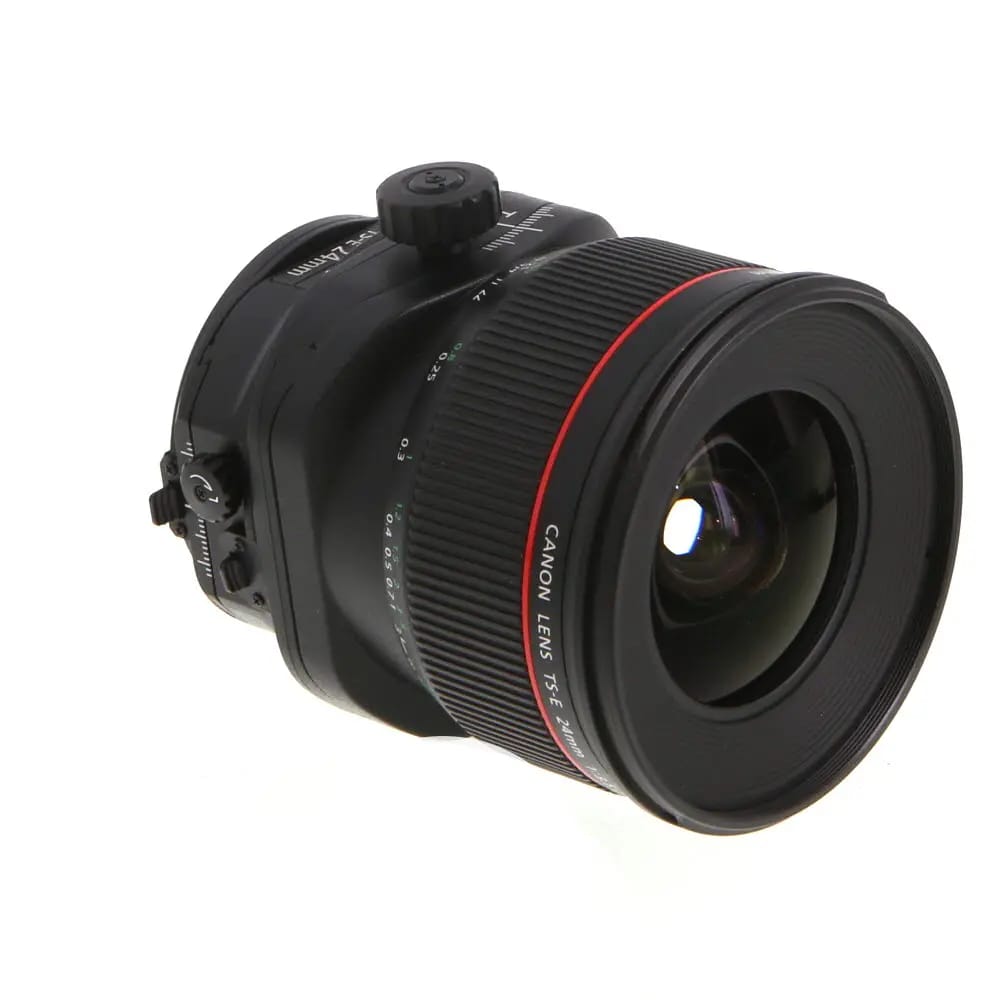
Once you’ve covered the basics, specialty lenses like tilt-shift and macro open up a more advanced level of creative control.
Tilt-shift lenses are used for architectural photography and perspective correction, straightening converging lines without fixing things in post. Macro lenses are designed for extreme close-up photography, revealing detail invisible to the naked eye.
Lenses worth knowing:
Best for:
If you’re just getting started, keep it simple:
Or, based on your style:
This approach ensures you’re investing in the best camera lenses for your style—without overspending.
It’s easy to fixate on upgrading your camera body. But here’s the truth every experienced shooter already knows: the lens has a far bigger impact on your final image.
Think of your camera as the recording device and your lens as what’s feeding the image into it. Even the most advanced sensor can’t fix a soft or optically limited lens. And unlike camera bodies, which get replaced every few years, a great lens can last decades and carry over through multiple upgrades.
Lenses influence:
The glass is the investment. The body is just the box it ships in.
Building a lens collection can get expensive fast, but it doesn’t have to be. For a lot of photographers, going used isn’t a compromise—it’s how they access professional-grade glass without paying the new-retail premium.
There’s a reason this approach has stuck around. When gear is properly inspected and graded by people who actually understand how it performs (and how to fix it if needed), it becomes a reliable way to shop smarter, not riskier. It also opens the door to experimenting more freely—trying different focal lengths, styles, and systems without feeling locked into one expensive decision.
Buying used makes it easier to:
Whether you’re picking up your first 50mm prime or adding a pro-level telephoto, it’s one of the most practical ways to grow your setup—without overspending or overthinking every upgrade.
What are the best camera lenses for beginners? A 50mm prime lens is one of the best camera lenses for beginners due to its affordability, versatility, and image quality. On the used market, options like the Canon EF 50mm f/1.4 or Sony FE 50mm f/1.8 deliver excellent results without breaking the budget.
What are the main photography lens types? The main photography lens types include prime, zoom, telephoto, wide-angle, and specialty lenses like tilt-shift or macro.
Is it better to buy new or used lenses? Used lenses are almost always the smarter investment. You get access to higher-quality glass at a lower cost—and when you buy from KEH, every lens has been inspected and graded by certified pros, not algorithms.