You
have no items in your shopping cart.
6 Vintage Film Cameras Under $1,000
May 17, 2026
1 min read

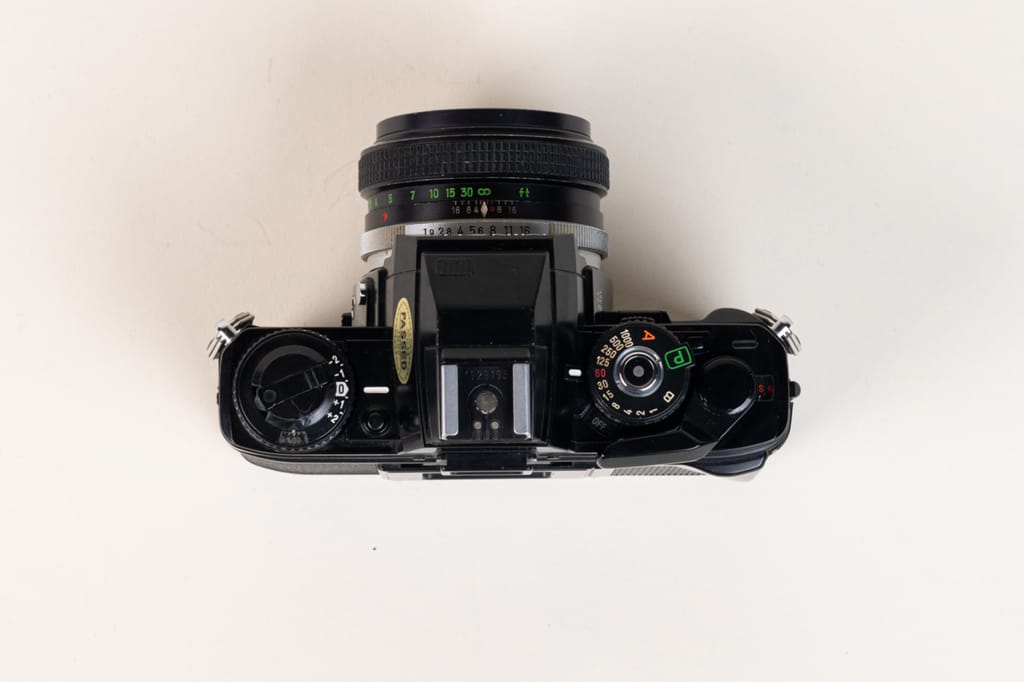
Explore 6 Vintage Film Cameras Under $1,000 on KEH.com, curated to help you start or expand your analog photography journey.
There is a specific sound that you only get from pressing the shutter of a camera built in the 20th century. That satisfying vibration through your fingertips tells you a tangible, physical memory was just captured, rather than just another string of data. Most of us walk around with thousands of perfectly exposed, instantly forgotten pictures sitting quietly on our smartphones. Stepping into the world of film and vintage film cameras means leaving behind that endless digital hoarding to create something you can eventually hold in your hands.
Shooting film today fulfills a desire for mindfulness, trading instant gratification for a more deliberate, deeply rewarding creative experience and the timeless character of vintage photography.
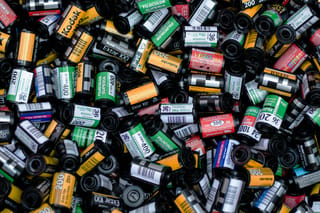
Loading a standard roll of 35mm film gives you just thirty-six chances to capture a scene. Having a strict limit on your exposures forces you to slow down, evaluate your lighting, and wait for the absolute right moment to press the button. In practice, this careful approach drastically improves your “Keeper Rate”, or the percentage of photos you actually love and want to frame. Exploring vintage photography transforms you from a passive observer snapping blindly into an active participant observing the world with fresh intention.
Buying decades-old mechanics can feel like a gamble—unless you’re buying from a system built to remove that uncertainty entirely. That’s where KEH stands apart. Beyond grading and inspection, KEH’s in-house repair services help restore and service vintage gear, so it stays reliable and ready to shoot. Finding reliable vintage film cameras shouldn’t require crossing your fingers over a dusty garage sale find or worrying about whether something small but critical might fail mid-roll.
We’ve selected five legendary icons under $1,000 that are fully inspected workhorses, backed by a 180-day warranty and supported by expert repair capabilities. That combination means you can focus on shooting, not troubleshooting. These models offer the perfect starting point to build a highly tactile, uniquely personal artistic hobby.
When comparing used cameras, the biggest difference isn’t just price — it’s the peace of mind that comes with a professional inspection. A proper inspection ensures critical internal components, like “light seals” (the foam strips that keep light from ruining your film), are intact and ready to shoot.
To help you find the best value, our KEH camera condition ratings make the process incredibly straightforward. The grading system acts as a reliability scale, from “New” to “As-Is.” Even with thorough testing, fifty-year-old electronics can occasionally surprise you. That’s why our included 180-day warranty acts as a critical safety net, giving you six months of shooting to guarantee everything functions exactly as promised. With the risk removed, you can confidently start looking at actual models.
Check out our full grading system here.
SLR (Single-Lens Reflex)
In an SLR camera, you look through the lens via a mirror inside the camera body, so what you see in the viewfinder is exactly what your picture will look like. This makes them fantastic all-around cameras for everything from portraits to action, especially since you can swap out lenses for different scenarios.
Rangefinder
A rangefinder camera is smaller and quieter because it doesn’t have a large internal mirror. Instead, you focus by aligning two “ghost” images in the viewfinder. Their compact size and discreet operation make them ideal for street photography, travel, and capturing candid moments.
Mechanical Cameras
These cameras use springs and gears, so the core functions work without a battery. This makes them the ultimate in reliability, especially for travel to remote locations where you can’t risk a dead battery. They are true “buy it for life” tools.
Electronic and Automatic Cameras
These cameras use a battery to power features such as light meters, automatic exposure settings, and even autofocus. They are the perfect choice for beginners who want a gentler learning curve and a higher rate of perfectly exposed photos right from the start
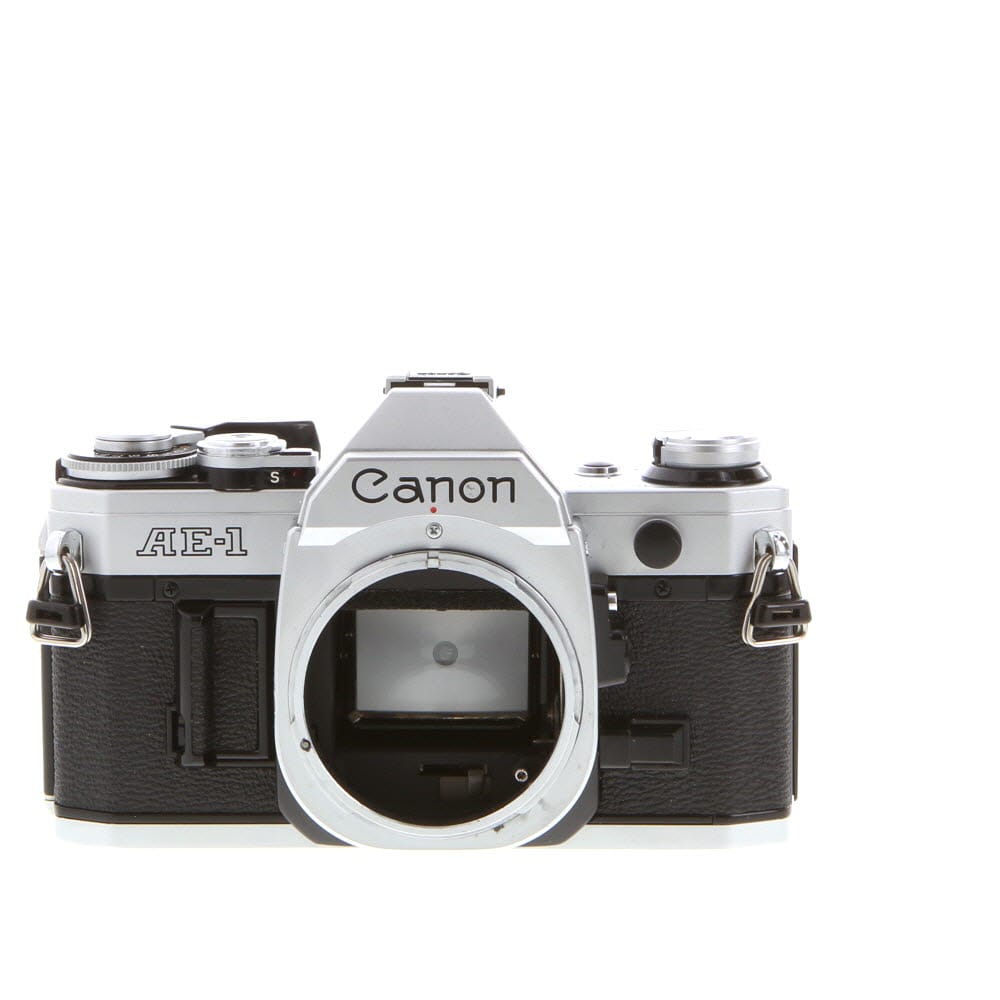
As one of the most recognizable bodies in vintage photography, the Canon AE-1 strikes the perfect balance between classic aesthetics and user-friendly features. It delivers the nostalgic look you see across social media while remaining incredibly approachable. What truly sets this model apart is the ingenious “Program Mode.” It acts as the camera’s built-in brain, automatically calculating the perfect exposure, much like the auto mode on your smartphone. This automated safety net makes the learning curve remarkably gentle for anyone diving into film.
Best For: The eager newcomer who wants beautiful analog photos without the pressure of mastering every technical dial on day one.
Learn More About Buying Used Film Cameras with Jakob Lilja-Ruiz
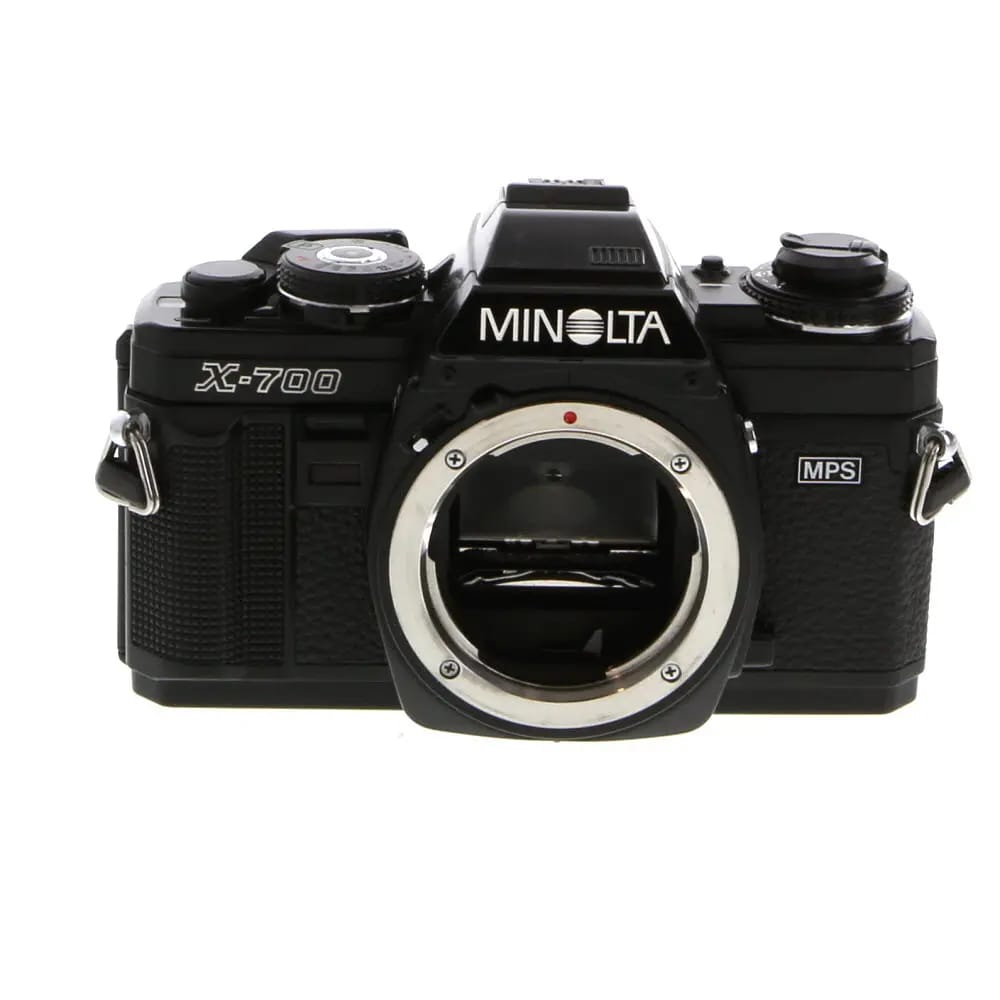
If you want a camera that’s just as easy to use as the Canon AE-1 Program but offers even more room to grow, look no further than the Minolta X-700. Released in 1981, it was an instant sensation, winning “Camera of the Year” awards for its forward-thinking design. Like its competitors, it features a fantastic “Program” mode that handles all the settings for you, making it incredibly simple for your first roll of film. However, its real strength lies in offering a clear and intuitive pathway to more advanced photography.
Access to World-Class Lenses: The camera uses the Minolta MD lens mount, which gives you access to a huge catalog of affordable, critically acclaimed Rokkor lenses known for their beautiful color and sharpness.
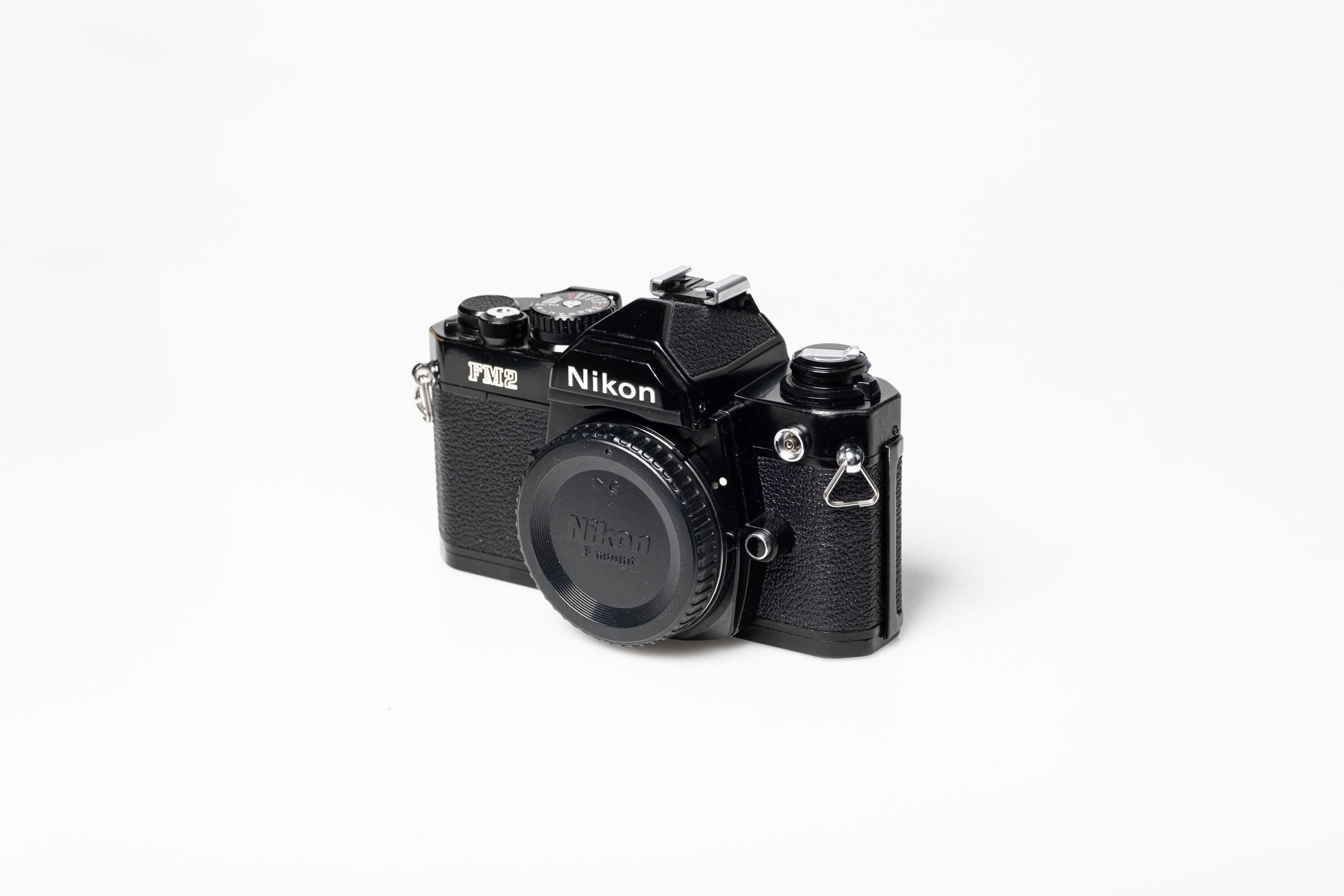
Holding a camera made entirely of metal and gears feels remarkably different from today’s electronics. The legendary Nikon FM2 is a true mechanical powerhouse. Unlike devices that die the moment their battery does, this 1980s tank is fully mechanical, meaning internal springs and gears do all the work. The tiny battery inside only powers the light meter, so if it dies mid-trip, the camera itself keeps right on shooting. Its incredibly fast shutter speed is also perfect for shooting on bright, sunny days without washing out your photos.
Best For: The hands-on creative who wants a durable tool to truly master the art of analog photography.
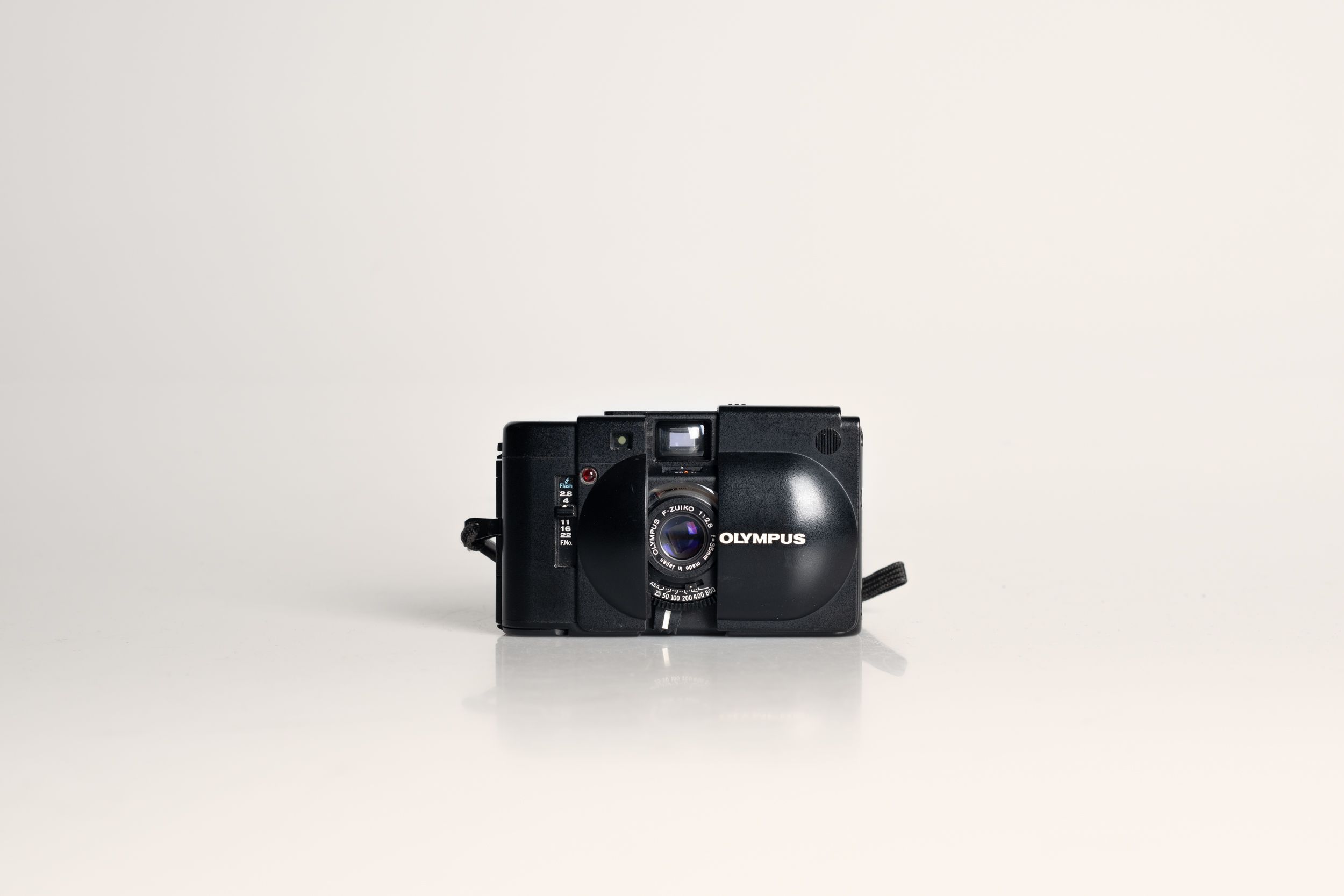
The best camera is the one you have with you. The Olympus XA is an engineering marvel from 1979 that slides effortlessly into a jacket pocket. This tiny camera uses a fixed lens and a clever sliding shell that acts as both a lens cover and a power switch. Slide it open, and the camera is instantly ready to go, making it perfect for capturing fleeting moments without fumbling for a lens cap. It uses a rangefinder focusing system, which eliminates the bulky internal mirror of an SLR, keeping the body slim and the shutter nearly silent.
Best For: The everyday traveler or street photographer who wants a brilliant, pocket-sized companion that never misses a moment.
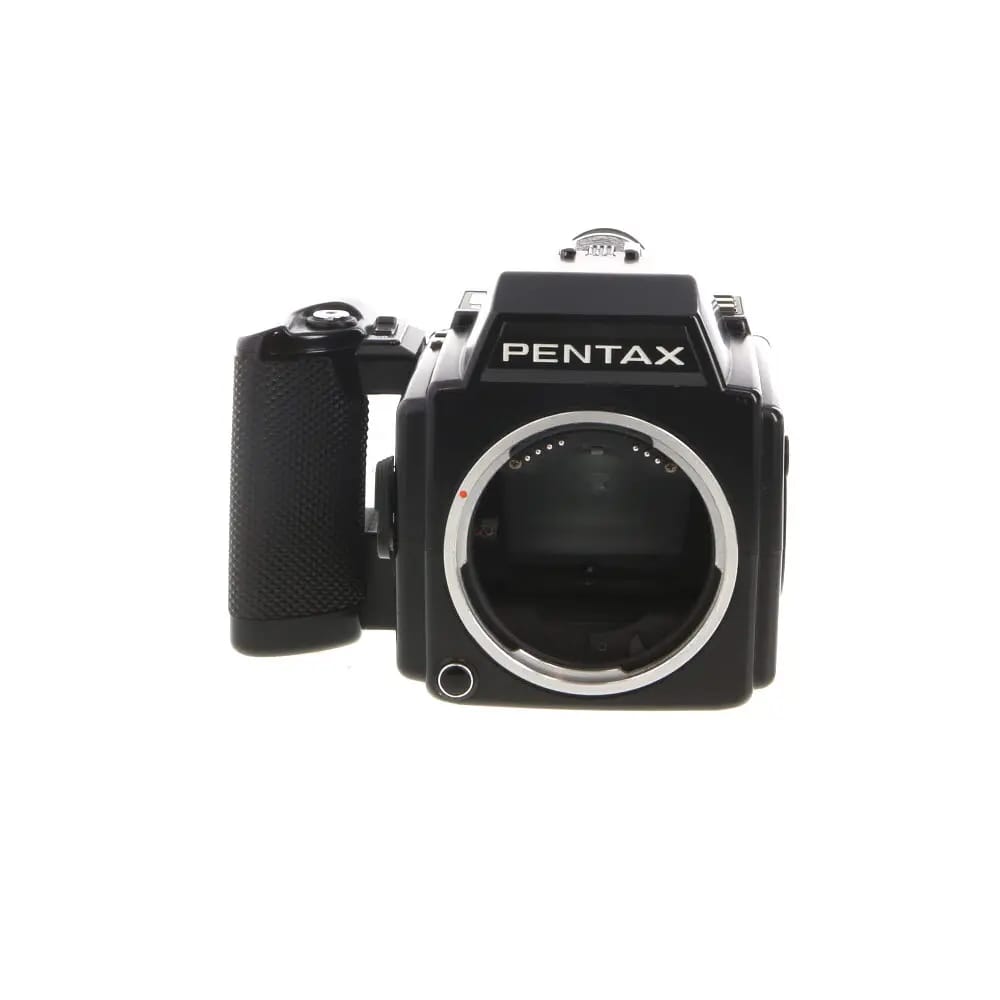
Ever see a portrait with details so sharp and a background so beautifully blurred it looks three-dimensional? That’s the magic of medium format. The Pentax 645 makes this professional format accessible, using larger 120 film that captures a massive amount of detail—roughly four times the area of a standard 35mm frame. Historically, these cameras were large and unwieldy, but the Pentax 645 features a deep, ergonomic handgrip and a built-in motor that automatically winds the film, making it feel as familiar as a modern digital camera.
Best For: The portrait or landscape photographer who wants breathtaking, high-resolution images without a steep learning curve.
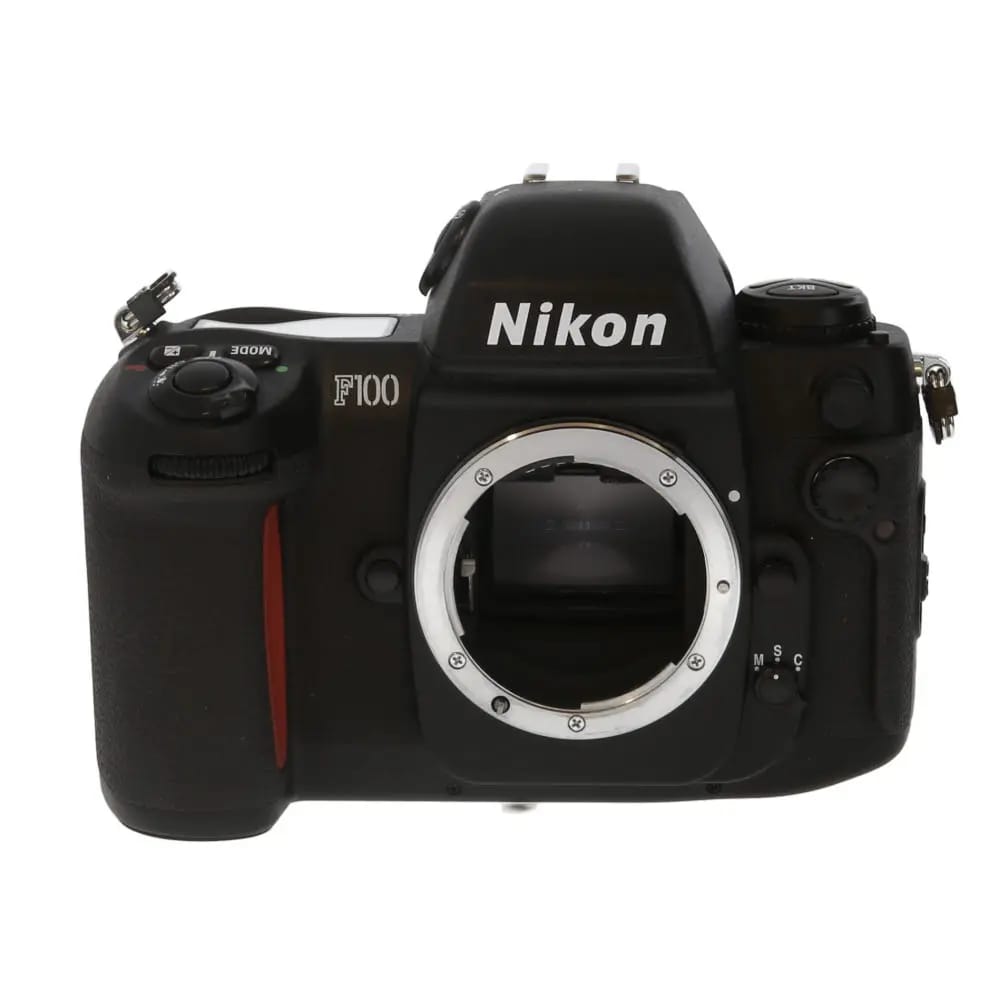
What if you could get the beautiful look of film without giving up the modern comforts you already know? The Nikon F100, released in the late 1990s, is the answer. It looks and operates almost exactly like a modern DSLR, complete with a rubberized grip, command dials, and advanced autofocus. This camera perfectly bridges the gap between the tactile joy of 35mm film and the modern ergonomics that make shooting effortless.
By choosing meticulously tested gear from KEH with a 180-day warranty, you entirely remove the guesswork from starting your new hobby. Whether you need a discreet companion for the street or a sturdy workhorse for portraits, you can now select a vintage film camera based on your personal vibe.
Take that first step, load up a roll, and head outside to capture moments you can actually hold. The physical click of a heavy mechanical shutter is incredibly satisfying, but the real fun starts when you get the prints back from the lab.
Question: How does KEH’s grading and warranty remove the risk of buying a vintage film camera?
Short answer: Every camera is professionally inspected, with critical parts like light seals checked to ensure they’re ready to shoot. KEH’s clear condition ratings (from “New” to “As-Is”) act like a reliability scale, so you know exactly what you’re getting. On top of that, the included 180-day warranty gives you six months of real-world use to confirm everything works as promised—eliminating the anxiety that often comes with buying decades-old gear.
Question: I’m new to film—what’s the best first camera from this list?
Short answer: The Canon AE-1 Program is the most beginner-friendly pick. Its Program Mode works like a built-in brain that handles exposure automatically, so you can point, focus, and shoot without stressing about settings. It also uses the Canon FD mount, giving you affordable access to a huge lens library (a 50mm “nifty fifty” is a perfect match). If you prefer to learn full manual control from day one and like the idea of a camera that doesn’t rely on a battery for the shutter, the fully mechanical Nikon FM2 is a stellar alternative.
Question: I shoot Nikon digital—what’s the film body that will feel familiar and work with my lenses?
Short answer: The Nikon F100 is the ideal “bridge” camera. It looks and handles like a modern DSLR, with a comfortable grip, command dials, and fast multi-point autofocus. Crucially, it fully supports modern Nikon G-series autofocus lenses, so many of your current lenses may work without buying anything extra. You also get professional durability with weather sealing for confident outdoor shooting.
Question: I want a pocketable camera for street and travel. Why choose the Olympus XA?
Short answer: The Olympus XA is ultra-compact and discreet, making it easy to carry everywhere and perfect for candid moments. Its sliding clamshell cover both protects the lens and powers the camera on instantly, so you’re always ready. As a rangefinder without a mirror, the shutter is whisper-quiet, and aperture priority lets you set the background blur while the camera picks the correct shutter speed—ideal for quick, thoughtful shooting on the go.
Question: What does the Pentax 645 offer over 35mm, and what’s the trade-off?
Short answer: The Pentax 645 shoots larger 120 film that’s roughly four times the area of a 35mm frame, delivering stunning sharpness, richer color, and a beautifully three-dimensional background blur. Despite being medium format, it feels modern thanks to its ergonomic grip and built-in motorized film advance. The trade-off is intention: you get about 15 frames per roll instead of 36, which encourages a slower, more deliberate approach to each shot—rewarding you with gallery-worthy results.