You
have no items in your shopping cart.
Best Cinema Cameras and Lenses for Filmmakers in 2026
April 13, 2026
1 min read

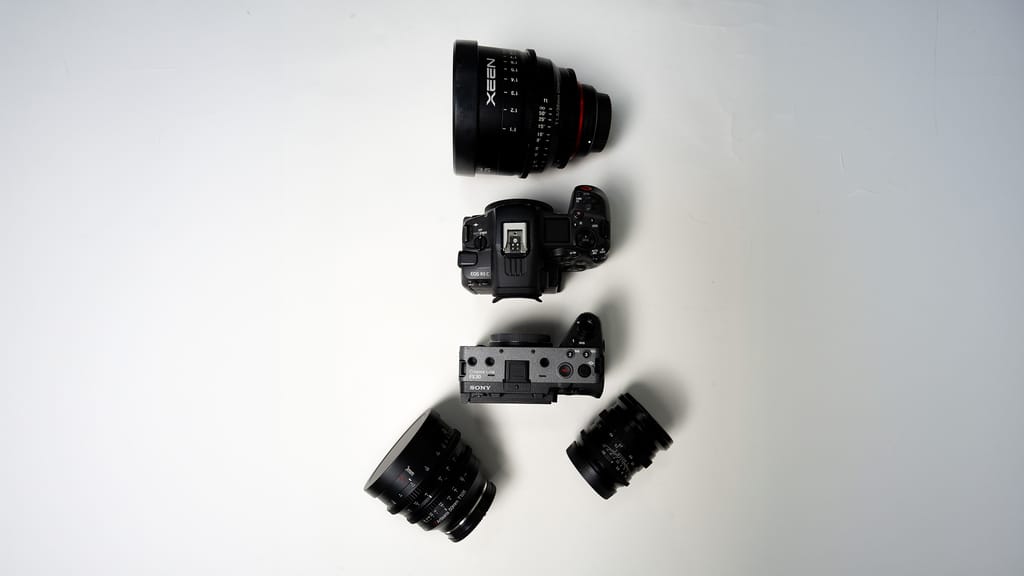
Filmmaking in 2026 is more accessible and more competitive than ever. You don’t need a full production budget to create cinematic work, but you do need the right tools. The good news: some of the most capable cinema cameras and the best cine lenses for filmmaking are now within reach, especially when you’re open to buying pre-owned.
Whether you’re shooting short films, branded content, or building out your freelance kit, this guide covers some of the best cinema cameras and lenses to consider this year, and how to build a setup that actually works in the real world.
What You’ll Learn
Before jumping into specific models, it’s worth grounding yourself in what actually matters for filmmakers today:
The goal isn’t to chase the newest release — it’s to find a camera that fits your workflow and holds up across projects.
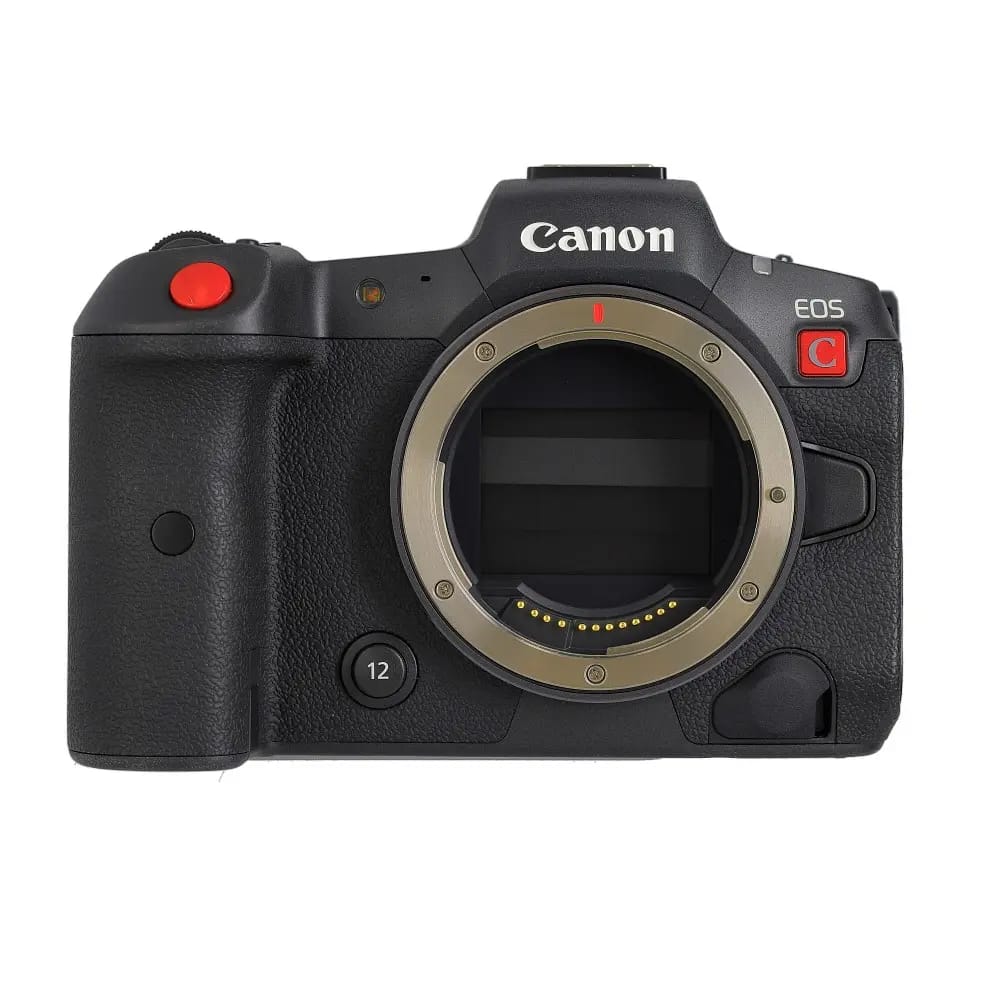
The Canon EOS R5 C sits in a unique position between a hybrid and a true cinema camera. It combines Canon’s photo heritage with dedicated cinema features, making it a strong option for filmmakers who need versatility without sacrificing video performance.
This is a practical choice for filmmakers who move between commercial, documentary, and content work.
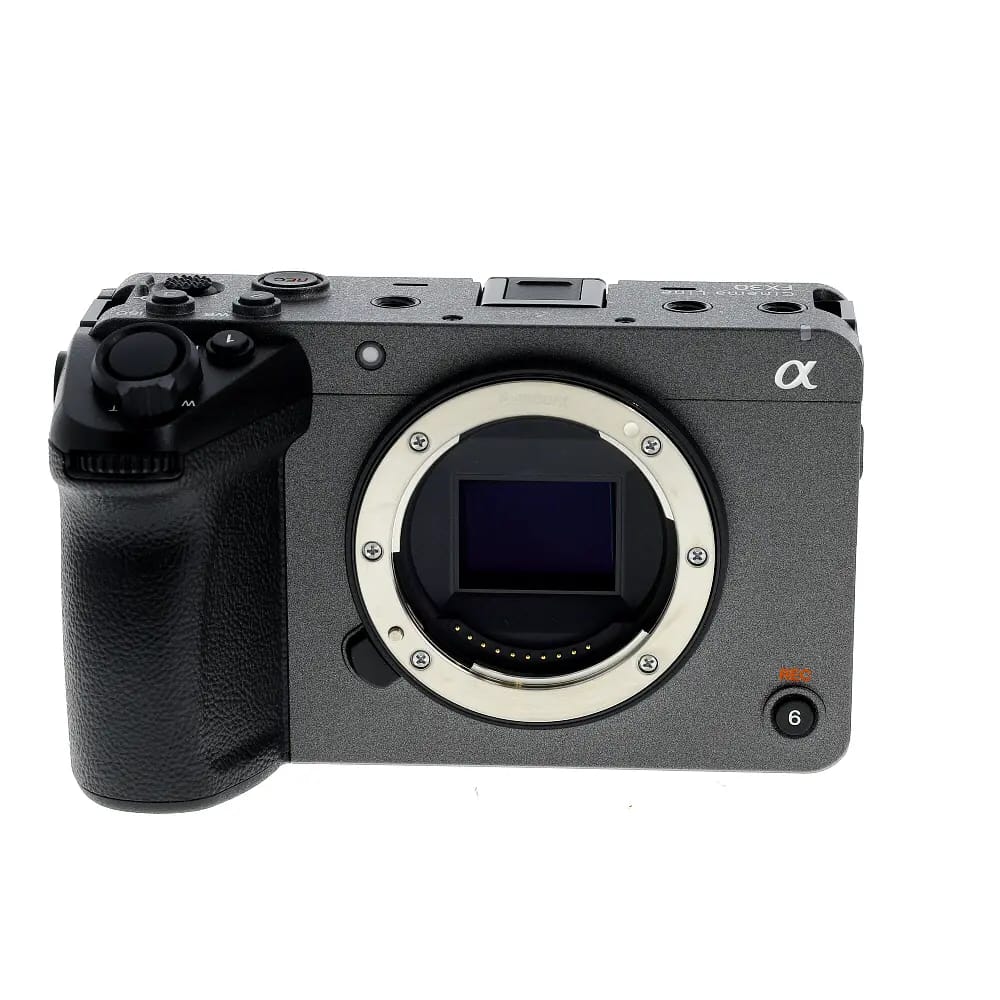
The Sony FX30 is one of the most compelling entry points into true cinema workflows. Compact, powerful, and built for video-first creators, it delivers performance that punches well above its size.
For indie filmmakers and creators looking to scale up their production quality, the FX30 is one of the smartest investments right now.
Cameras matter — but lenses define your visual identity. A strong lens kit gives you flexibility across environments while maintaining a consistent cinematic feel.
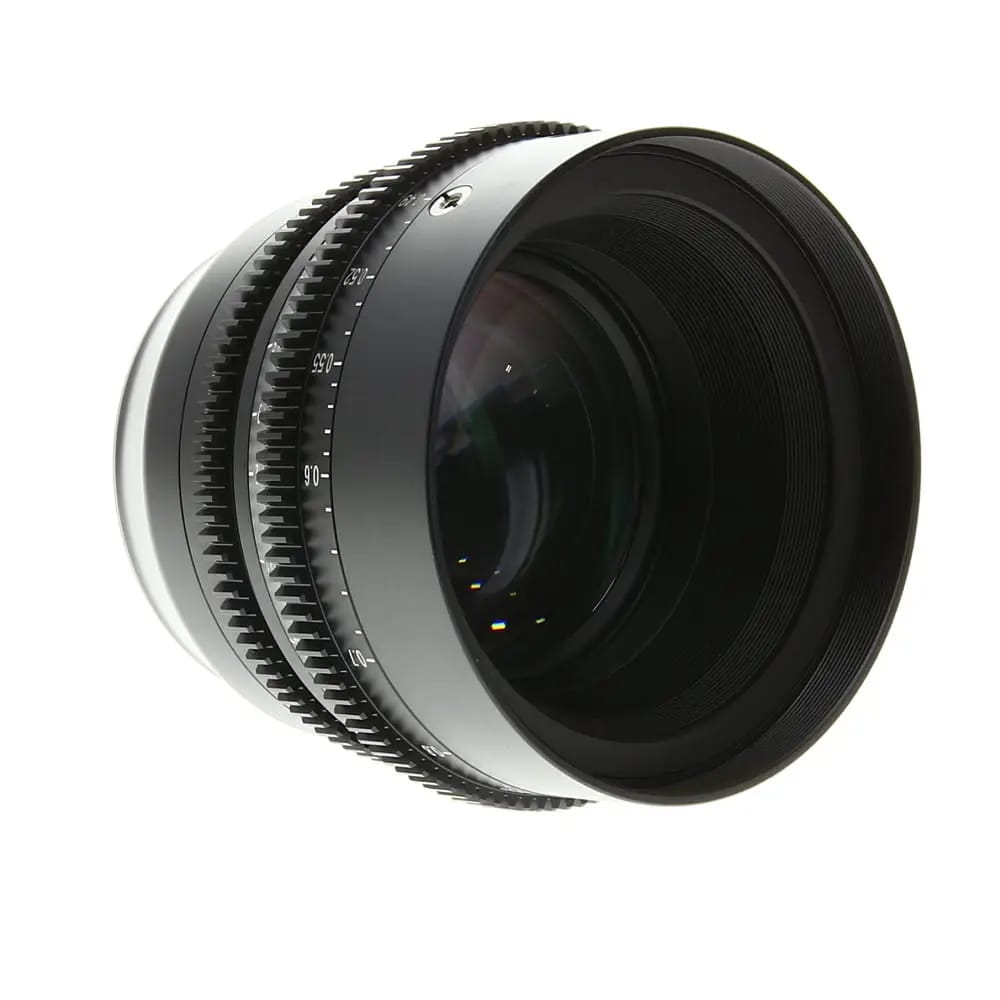
A fast, character-driven lens that excels in low light and shallow depth of field.
This is the kind of lens that adds mood and depth without needing heavy lighting setups.
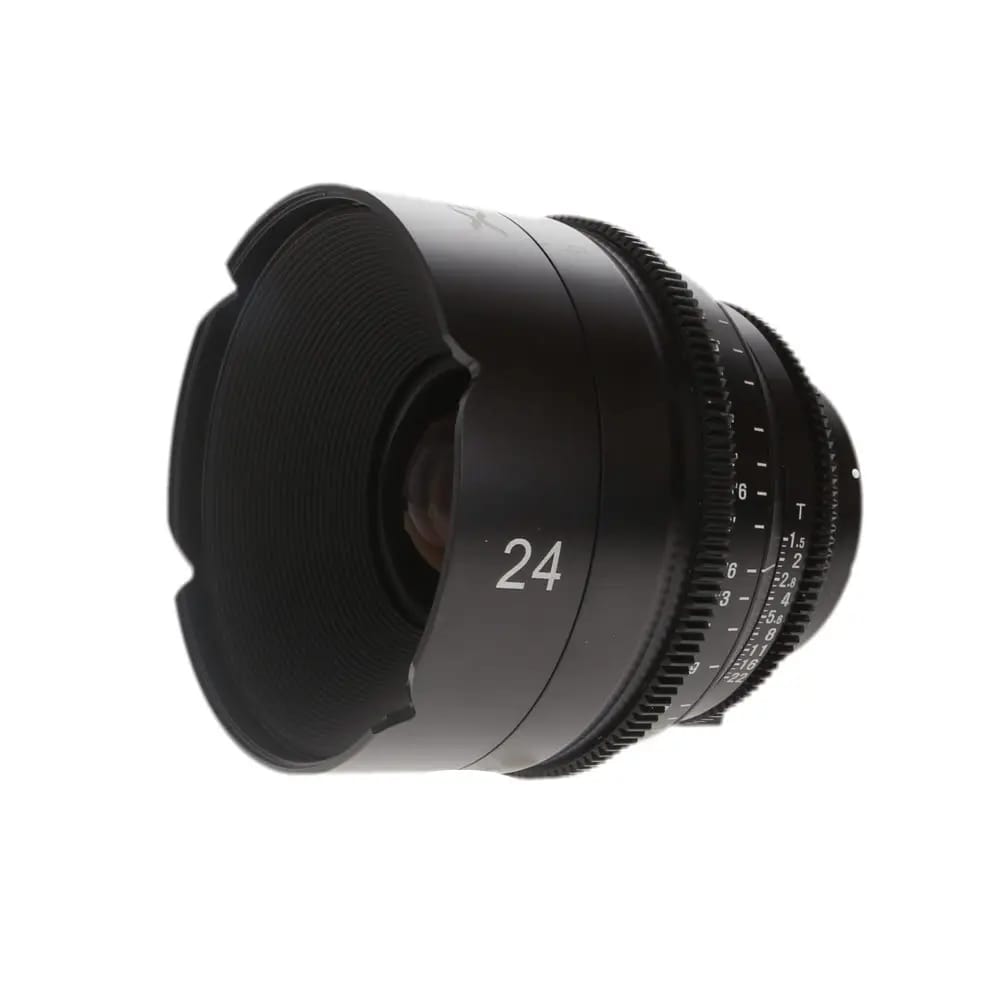
The XEEN line is built for serious filmmakers who want consistency and control across a full lens set.
A 35mm is one of the most versatile focal lengths—wide enough for context, tight enough for storytelling.

For filmmakers who want to push perspective and capture immersive scenes, a wide-angle like this is essential.
It’s a creative tool that adds visual variety to your kit.
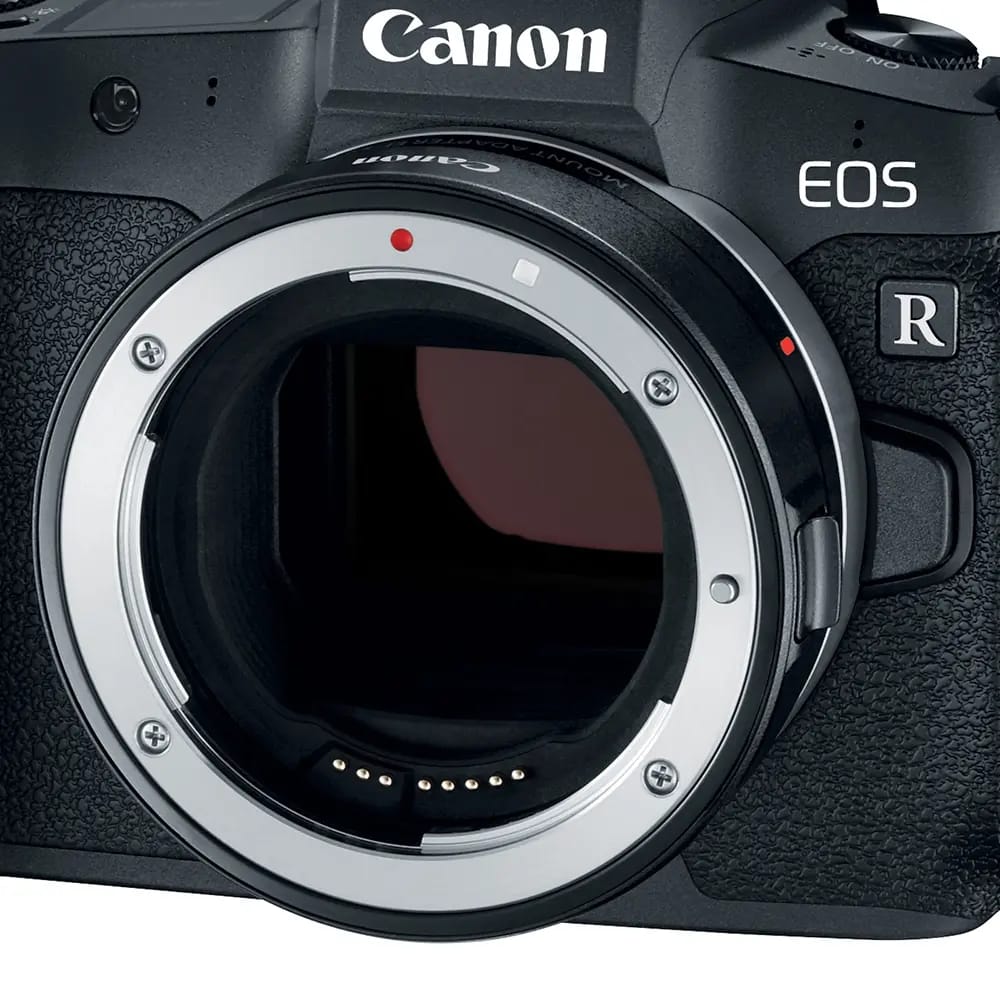
Adapters are one of the easiest ways to expand your lens options without starting from scratch.
For filmmakers building a system over time, this kind of flexibility is critical.
A strong setup isn’t about having everything—it’s about having the right combination:
This kind of kit covers most real-world scenarios—from interviews to narrative shoots to commercial work.
Filmmakers in 2026 are thinking more strategically about how they build their kits. Instead of chasing every new release, they’re investing in proven gear that delivers consistent results.
Buying pre-owned allows you to:
At KEH, gear is carefully inspected and graded so you can focus on creating—not second-guessing your equipment. It’s a more practical, sustainable way to build a filmmaking setup that lasts.
The best cinema camera setup in 2026 isn’t about having the newest gear — it’s about having the right tools for your workflow. Cameras like the R5 C and FX30, paired with versatile cine lenses, give filmmakers everything they need to produce high-quality work across a range of projects.
If you’re building or upgrading your kit this year, think in terms of systems — not just specs. Choose gear that works together, grows with you, and supports the kind of stories you want to tell.
Question: How do I choose between the Canon EOS R5 C and the Sony FX30?
Short answer: Pick based on your workflow and priorities. The Canon EOS R5 C bridges hybrid and cinema needs with 8K recording, Canon Log 3, active cooling, and seamless RF/EF ecosystem support — great if you move between commercial, doc, and content work and want Canon color plus long, reliable takes. The Sony FX30 is a compact, video-first cinema body with 4K up to 120 fps, S-Cinetone for pleasing skin tones straight out of the camera, excellent autofocus, and easy rigging — ideal for indie filmmakers, solo shooters, and those scaling up production quality on a tighter budget.
Question: Which specs actually matter for filmmakers in 2026—and why?
Short answer: Focus on video-first performance, high frame rates, reliable codecs/color profiles, thermal stability, and lens ecosystem. High frame rates (4K60p and beyond) deliver clean slow motion; robust codecs and profiles (like Canon Log 3 or S-Cinetone) protect image quality during grading; strong thermal performance prevents overheating during long takes; and a healthy lens ecosystem lets you grow your kit without switching systems.
Question: Why emphasize lenses so much—and how do the suggested focal lengths complement each other?
Short answer: Lenses define your visual identity more than the body does. The recommended trio covers core storytelling needs: a 35mm (Rokinon XEEN 35mm T1.5) as the versatile primary for most scenes, a fast 50mm (7artisans 50mm T1.05) for low light and shallow depth with character and mood, and a 12mm (SLR Magic Cine 12mm f/2.8) for expansive interiors, landscapes, and dynamic establishing shots. Together, they provide consistent rendering while remaining flexible across scenarios.
Question: How do adapters expand my setup without replacing all my glass?
Short answer: Adapters like the Canon Mount Adapter EF–EOS R let you mount EF lenses on RF bodies (e.g., R5 C), preserving performance and extending the life of lenses you already own. This keeps your system flexible, lets you choose the best camera body for the job, and helps you build over time instead of starting from scratch.
Question: Is buying pre-owned gear a smart move in 2026?
Short answer: Yes—if you want more capability for your budget and a more sustainable kit. Pre-owned lets you step into higher-end cameras and cine lenses at a lower cost, often enabling a complete setup (body and lenses) rather than just a body. With reputable sellers like KEH inspecting and grading gear, you can focus on creating while reducing waste and avoiding the churn of chasing every new release.