You
have no items in your shopping cart.
Compact Camera Buying Guide: Make the Right Choice
February 11, 2026
1 min read

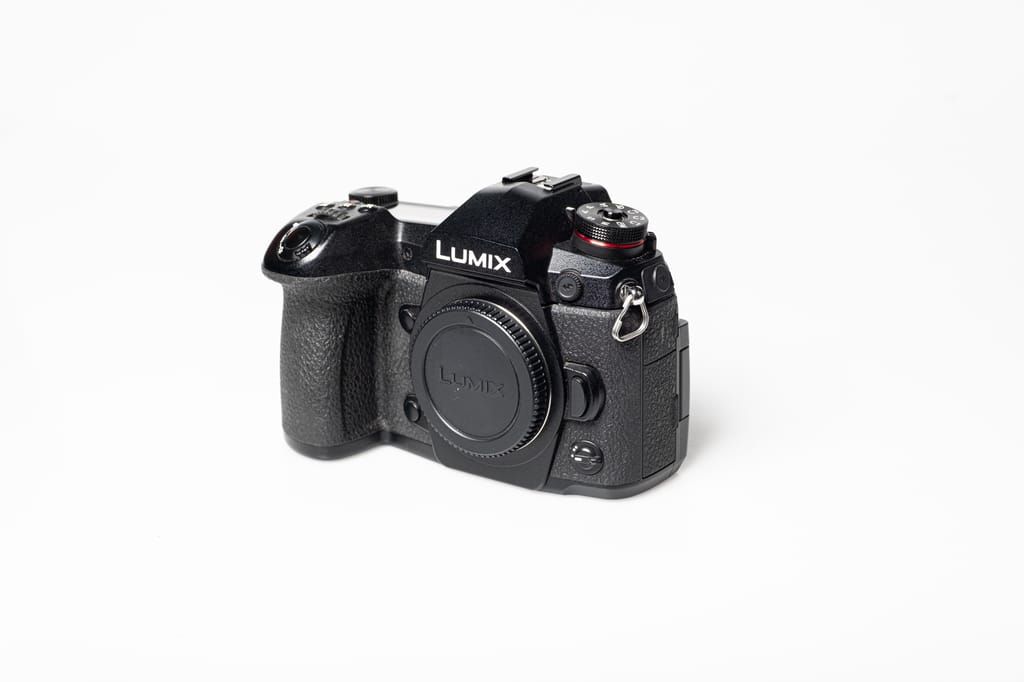
Is your smartphone camera starting to feel limited? It’s brilliant for everyday snaps, but when it comes to that once-in-a-lifetime vacation shot or a clear photo from your kid’s school play, it often falls short. If you’re ready for photos that truly capture the moment but don’t want a heavy, complicated camera, you’re in the right place. Our compact camera buying guide will help you choose confidently.
For years, the debate over smartphone vs compact camera quality has seemed settled, but a dedicated camera holds crucial advantages. In a compact camera comparison, the real difference isn’t the megapixel count; it’s two key factors your phone can’t replicate: a much larger sensor that excels in low light and true optical zoom that gets you closer to the action without turning your photo into a pixelated mess.
This guide skips the confusing jargon to focus on what actually creates a better picture, breaking down the simple concepts that matter. You’ll learn what to look for and feel confident picking the perfect pocket-sized camera for your needs.
If you’ve ever wondered why your smartphone photos look great outdoors but grainy and dark inside, the answer is sensor size. The sensor is the part of the camera that captures light to create the image. Think of it like trying to catch rain: your phone’s tiny sensor is a thimble, while a compact camera’s larger sensor is a wide bucket. By gathering far more light, the bigger sensor produces dramatically cleaner, brighter photos in challenging situations like a candlelit dinner or birthday party.
This “bigger is better” principle also applies to getting closer to the action. Real cameras use optical zoom, where the lens physically moves to magnify the scene without losing any quality. It’s the equivalent of you walking closer to your subject; everything remains perfectly sharp. In contrast, your phone’s “zoom” is almost always digital zoom—just cropping the photo and enlarging the middle part, which results in a blurry, pixelated image. For that crisp shot of a performer on stage or your child across the park, the powerful optical zoom of a compact camera is an essential advantage.
These two physical advantages — bigger light-gathering sensor and a true optical lens — are the core reasons a dedicated camera will empower you to capture moments your phone would miss.
That beautiful, professional-looking photo where the person is sharp and the background is softly blurred, isn’t just a software trick—it’s a core feature of a great lens. This effect is controlled by something called aperture, which is like the pupil of the camera’s eye. Just as your pupil widens in a dark room to let in more light, a camera lens can open its aperture wider to achieve the same thing.
This ability is the secret weapon for taking fantastic photos indoors without a grainy look or a harsh flash. When you look at camera specs, this is represented by an “f-number,” like f/1.8 or f/2.8. A lower f-number means a wider aperture and much better performance in low light—a crucial feature if you often shoot indoors.
Beyond just conquering dim lighting, that wide aperture is also what creates the lovely, blurry background (often called “bokeh”) that makes your subject pop. While smartphones try to fake this effect with “Portrait Mode,” a camera with a wide-aperture lens does it naturally and beautifully. This feature is often a highlight in compact camera reviews—including premium compact camera reviews—as it separates good photos from great ones.
Since you now understand the ingredients of a great photo—a large sensor, powerful optical zoom, and a wide aperture—you can see why not all compact cameras are created equal. Instead of getting lost in model numbers, it’s easier to think about them in three main groups, each designed for a different type of photographer.
Choosing the right camera comes down to what you value most: pure simplicity and affordability, the ability to zoom in on faraway sights, or the absolute best image quality you can fit in a jacket pocket.
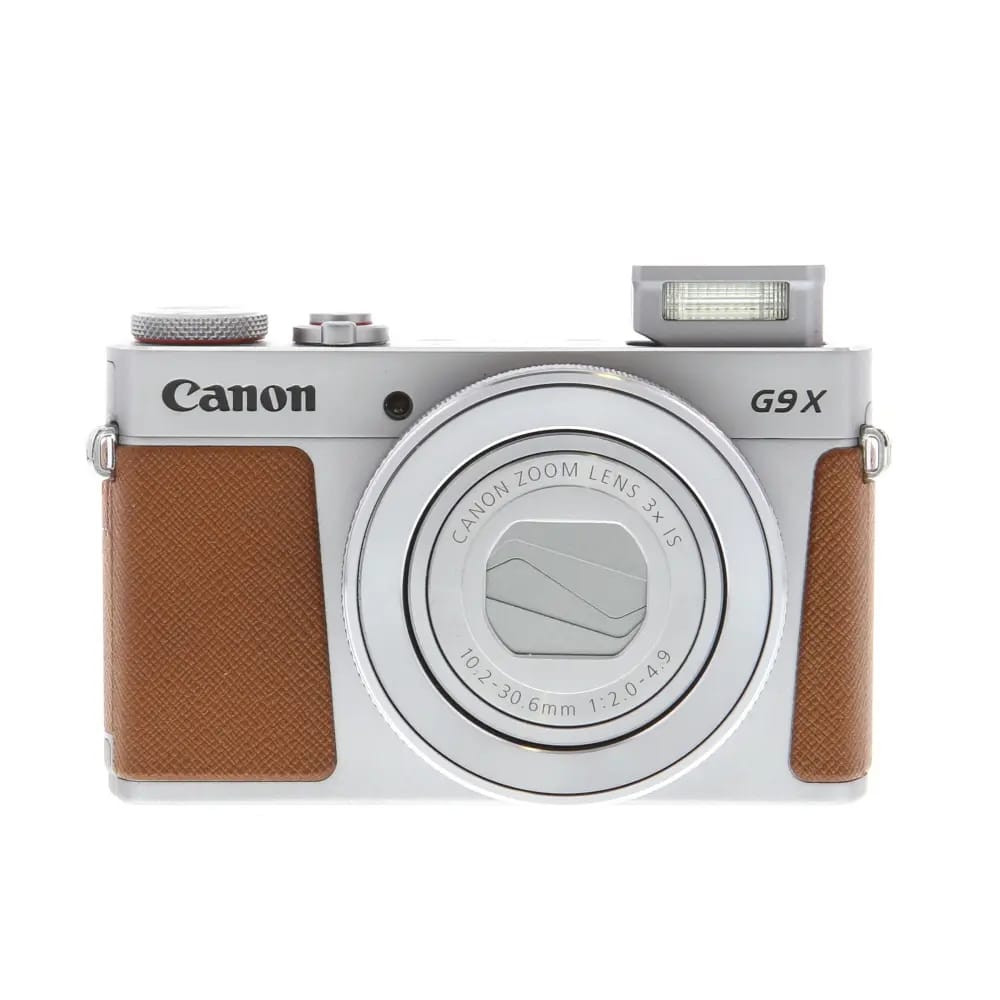
For ultimate simplicity and budget
If you want something that’s easy, familiar, and noticeably better than your phone, this is the category to start with. Basic point-and-shoot cameras focus on simplicity while delivering one huge upgrade your smartphone can’t: real optical zoom.
Models like the Nikon Coolpix series or classic Canon PowerShot cameras are great examples. They’re intuitive, affordable, and ideal for everyday moments, school events, and casual travel—often ranking among the best compact cameras and best point-and-shoot cameras under $500.
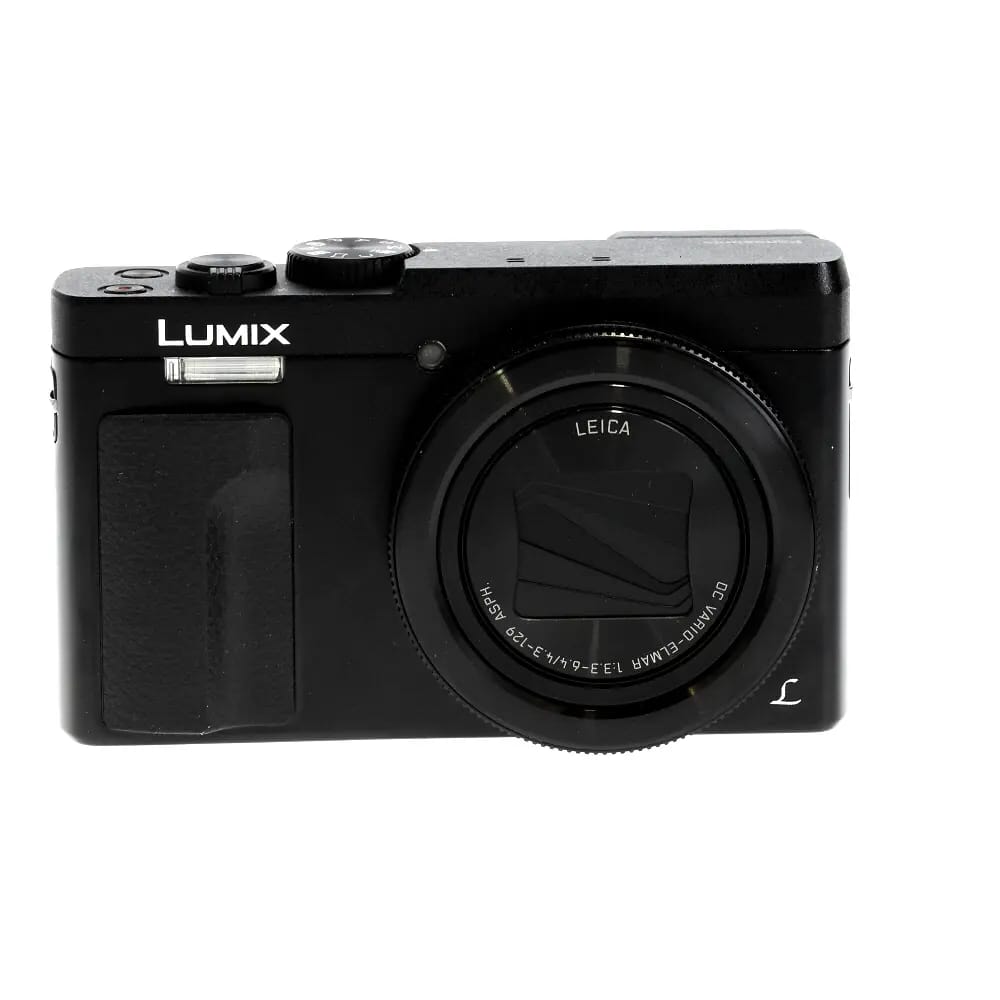
For vacations and getting close to the action
If your idea of a perfect shot involves distant landmarks, wildlife, or action happening far from where you’re standing, a travel zoom camera is your best friend. These compact cameras pack impressive zoom ranges—often 20x or more—while still staying relatively portable.
Cameras like the Panasonic Lumix travel zoom lineup shine here, giving you flexibility without the bulk of interchangeable lenses. They’re a popular pick in compact camera recommendations for travelers who want one camera that can handle it all.
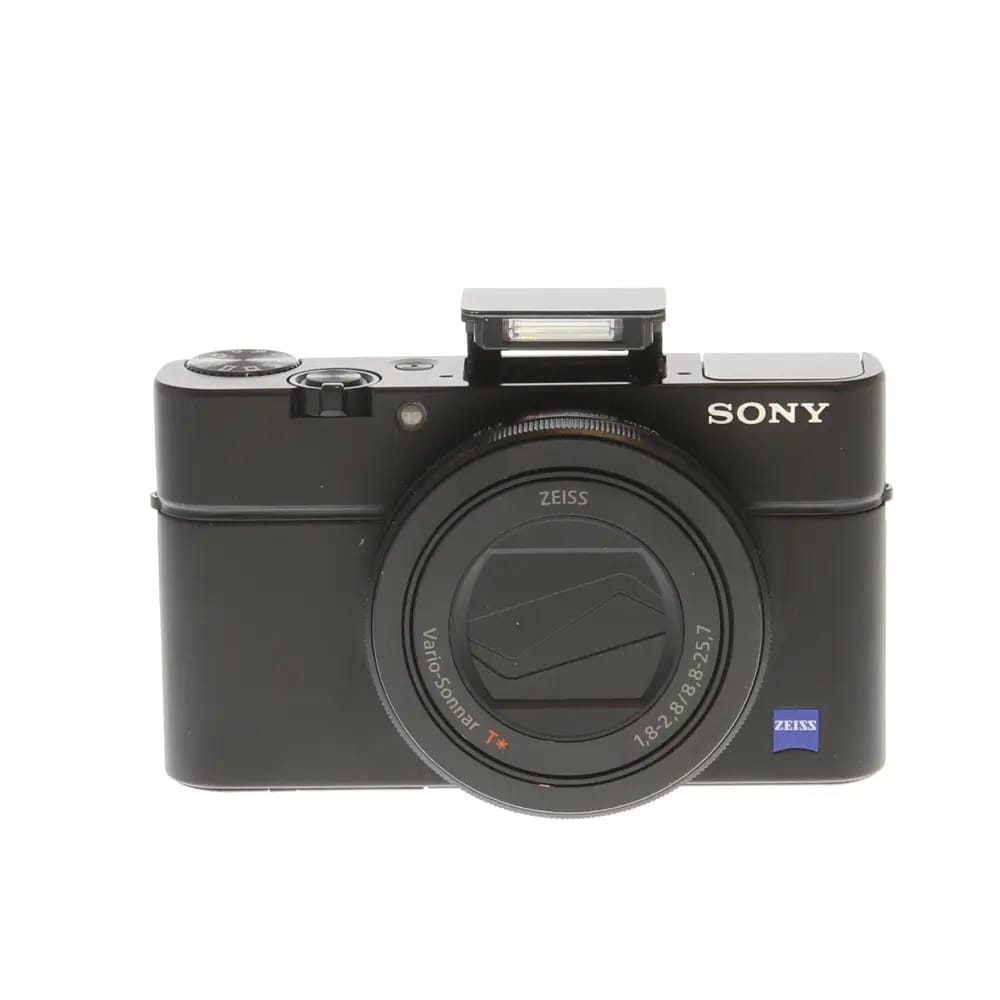
For the best possible image quality
If image quality is your top priority, advanced compact cameras deliver the most dramatic upgrade from a smartphone. These models pair a large 1-inch sensor with a bright, wide-aperture lens, making them exceptional for indoor photos, portraits, and low-light scenes.
Standouts like the Canon G7X series and the Sony RX100 line are often highlighted in premium compact camera reviews—and for good reason. They consistently produce sharp, vibrant images with natural background blur, all in a truly pocketable design.
For the person who wants the absolute best photo quality that can still disappear into a jacket pocket, the advanced compact is the answer. These “pocket powerhouses” are built around a mighty combination: a large 1-inch sensor paired with a very bright, high-quality lens. This duo is the secret to getting drastically better photos in dim restaurants and creating that beautiful, blurry background for portraits that makes your subject pop.
You may have seen models like the Sony RX100 series or the Canon G7X Mark III mentioned in premium compact camera reviews; they are the celebrities of this category. The reason they’re so popular is that they nail the fundamentals. The endless online debate of Sony RX100 VII vs Canon G7X Mark III often just highlights their different strengths, but both deliver stunning images because of their powerful core hardware.
These cameras also offer manual controls. Think of “Auto” mode like an automatic transmission—it gets the job done well. But these cameras also give you the choice to “drive stick,” letting you take creative control to perfectly freeze a fast-moving pet or capture the rich colors of a sunset. Having the best pocket camera with manual controls means your investment can grow with your skills.
These pocket powerhouses are increasingly popular for video, too. If you’re thinking about starting a YouTube channel or just want to capture family memories in motion, a few key features make a world of difference. The first is 4K resolution. Recording in 4K ensures your videos are incredibly sharp, detailed, and will look fantastic on modern screens for years to come.
For anyone who plans to be in front of the camera, a flip-up screen is non-negotiable. It lets you see yourself as you record, making it easy to frame the shot perfectly. Crucially, viewers will forgive shaky video before they forgive bad audio. That’s why a dedicated microphone input jack is a game-changer, allowing you to connect an external mic for crystal-clear sound. This combination is precisely what makes a camera like the Canon G7X Mark III so beloved by creators and makes it the best vlogging camera for portability.
If video is a priority, just keep this simple checklist in mind:
Now that you know the difference between marketing hype and what truly creates a beautiful photograph, you can make a confident choice. You understand that the secret to better low-light photos is a larger sensor, and the key to sharp, distant shots is real optical zoom.
To finalize your decision, answer these four questions to create a personal profile of your ideal camera:
Your answers point to your camera. The goal is to discover the right tool for your life. The perfect camera is the one you’ll have with you, ready to capture those irreplaceable moments your phone simply can’t.
When you’re ready to upgrade, KEH Certified™ compact cameras make it easy to get more camera for your money. Every camera is carefully inspected, graded, and backed by a warranty, so you can shop confidently—whether you’re picking up a budget-friendly Canon PowerShot or a premium pocket powerhouse like the Sony RX100 or Canon G7X.
If your smartphone is starting to feel limiting, this is your sign. Explore KEH’s selection of compact cameras and find the one that fits your shooting style—so you never miss the moments that matter.
Want more compact camera suggestions? Check out our blog on the Canon G7X Mark II!