

* Item pictured for illustrative purposes only, actual item not pictured. See ‘Notes’ next to grade for included items.
Canon EOS R3 Mirrorless Camera Body {24.1MP} Menu Defaults to Japanese
We're sorry - this item is temporarily unavailable.
Want to be notified when it comes back in stock? Add it to your wishlist and we'll email you as soon it's available.
Consider one of the options below or call us at 1-800-342-5534 to speak with our KEH Gear Experts about a perfect alternative.


-
KEH Certified™ pre-owned gear, expertly inspected†
-
All rental gear is between Excellent and Like New Minus condition
-
Standard accessories included
Canon EOS R3: the full-frame speed camera built for relentless action.
The R3 is built around Canon's full-frame back-illuminated stacked CMOS sensor, 24.1MP at a resolution that keeps file sizes manageable without sacrificing the detail sports and wildlife shooters actually need. The stacked architecture enables the electronic shutter's 30 fps burst rate with full AF and AE active, 150-frame RAW buffer, and an electronic shutter ceiling of 1/64000 sec. Rolling shutter distortion, a persistent problem with earlier mirrorless designs, is kept tight enough that panning shots remain usable. Pair that with 8 stops of 5-axis IBIS and you have a camera that stays sharp in situations where the light and the action are both working against you.
The Dual Pixel CMOS AF II system covers the frame with 1,053 AF zones and tracks down to -7.5 EV, an AF sensitivity floor that makes most other cameras look cautious. Subject detection handles people, animals, and vehicles including motorcycles, with the system making tracking decisions at up to 60 fps during electronic shutter shooting. Eye Control AF, calibrated through the EVF, lets you redirect the focus point by glancing at your subject, a real advantage during unpredictable team sports or wildlife behavior where your hands are already occupied. For video, internal 12-bit 6K RAW at up to 59.94 fps and 4K 10-bit 4:2:2 at up to 119.88 fps give cinematographers material worth grading. The RJ45 Ethernet port, built-in GPS, and 5GHz Wi-Fi reflect a camera designed for professional transmission workflows, not just occasional wireless transfers.
Who It's For
Sports photographers covering fast team action benefit directly from Eye Control AF and the 30 fps electronic shutter, repositioning the focus point mid-burst without moving a thumb changes how you cover a sideline. Wildlife shooters working at 500mm in variable light get the -7.5 EV AF sensitivity floor and ISO 102400 native range in a body that holds up to field conditions. Photojournalists on deadline will value the RJ45 Ethernet port, built-in GPS for location tagging, and FTPS/SFTP transfer support, filing images from the venue without a laptop in the bag. Motorsports photographers gain from vehicle and helmet subject detection, a first for Canon EOS digital cameras, making it practical to track cars and riders through fast-changing frame compositions.
Key Features
- Back-illuminated stacked CMOS sensor, 24.1MP, 30 fps electronic shutter with full AF/AE
- Dual Pixel CMOS AF II with 1,053 zones, -7.5 EV focus sensitivity
- Eye Control AF for gaze-directed focus point selection
- 6K 12-bit RAW video internal at up to 59.94 fps
- 4K 10-bit 4:2:2 at up to 119.88 fps, no overheating
- 8-stop 5-axis IBIS, 150-frame RAW buffer at 30 fps
- Dual card slots: CFexpress Type B and SD UHS-II
- RJ45 Ethernet, 5GHz Wi-Fi, GPS, USB-C charging and data
FAQ
- What makes the R3's sensor different from previous Canon full-frame cameras?
- The R3 uses Canon's first full-frame back-illuminated stacked CMOS sensor, which reads data faster and produces significantly less rolling shutter distortion during fast electronic shutter bursts. The 24.1MP resolution keeps file sizes manageable while the stacked architecture enables 30 fps continuous shooting with active AF and AE.
- Can the R3 focus in very low light?
- Yes. The R3 focuses down to -7.5 EV with a wide-open lens, darker than most competing systems. The AF assist lamp extends focusing into complete darkness, though you'll need a flashlight to navigate the scene itself.
- How does Eye Control AF work and is it reliable?
- Eye Control AF lets you redirect the focus point by looking at your subject through the viewfinder-no hand movement required. It requires calibration in the menus and works best when properly tuned to your eye, but users consistently report it becomes their preferred AF method for unpredictable action like team sports or wildlife.
- What's the practical difference between 30 fps electronic shutter and 12 fps mechanical shutter?
- At 30 fps electronic, autofocus and exposure lock at the first frame-you get maximum frame rate but static subject tracking. "Continuous High" mode drops to 15 fps but maintains live AF and AE adjustments, a practical compromise for most action. The 12 fps mechanical shutter offers unlimited buffer depth with SD cards and is useful when you need precise exposure per frame.
- Does the R3 overheat during long video sessions?
- No. The R3 recorded 2+ hours of 4K 25p on a single battery without overheating, and 6 hours of 4K when externally powered via USB-C. This is a major improvement over earlier Canon mirrorless designs that hit 30-minute thermal limits.
- Which card slot should I prioritize for RAW video?
- CFexpress Type B is required for 6K RAW and 4K 120p formats. SD UHS-II works for 4K up to 59.94 fps and lower bitrate options. You can record RAW to CFExpress while simultaneously writing an MP4 proxy to SD as backup.
- How much rolling shutter distortion does the electronic shutter exhibit?
- The stacked sensor design keeps rolling shutter minimal and well-controlled during pans, especially compared to the R5 and R6. Vertical panning with longer lenses shows minor skewing equivalent to Sony's Alpha 1, making the 30 fps burst speed practical for fast-moving subjects.
| Specification | Value |
|---|---|
| Sensor | Full-Frame 36 x 24 mm CMOS |
| Resolution | 24.1 MP |
| Mount | Canon RF |
| AF Points | 1,053 |
| ISO Range | 100–102,400 (Extended: 50–204,800) |
| Burst Rate | 30 |
| Shutter Type | Mechanical Focal Plane Shutter and Electronic Rolling Shutter |
| Video | 6K RAW |
| Stabilization | Sensor-Shift, 5-Axis |
| Viewfinder | Electronic (OLED) |
| Display | 3.2" |
| Card Slots | 2 |
| Connectivity | Wi-Fi 5 (802.11ac) / Bluetooth 5.0 |
| Battery | LP-E19 (10.8V, 2,700 mAh) or LP-E4N (11.1V, 2,450 mAh) |
| Megapixels Actual | 26.7 |
| IBIS Cipa Rating | 8 stops |
| Shutter Speed Mechanical | 1/8,000 to 30 sec, Bulb |
| Shutter Speed Electronic | 1/64,000 to 30 sec (Manual/Shutter Priority); 1/8,000 to 30 sec (Aperture Priority/Program) |
| Burst Buffer RAW | 150 frames |
| Burst Buffer JPEG | 540 frames |
| Burst fps Mechanical | Up to 12 fps (up to 1,000 frames Raw or JPEG) |
| Focus Modes | Single-Servo AF (S), Continuous-Servo AF (C), Manual Focus (M) |
| Metering Modes | Center-Weighted Average, Evaluative, Partial, Spot |
| Image Formats | JPEG, HEIF, RAW |
| Aspect Ratios | 1:1, 3:2, 4:3, 16:9 |
| Video Recording Modes | RAW 12-Bit 6K (6000x3164) @ 23.976/24/25/29.97/50/59.94 fps [720–2,600 Mb/s]; H.265/MP4 4:2:2 10-Bit DCI 4K (4096x2160) @ 23.976/24/25/29.97/50/59.94/100/119.88 fps [85–1,880 Mb/s]; H.265/MP4 4:2:2 10... |
| Flash Type | eTTL (via hot shoe or PC sync terminal) |
| Hot Shoe | Yes |
| PC Sync Terminal | Yes |
| Memory Card Types | Slot 1: CFexpress Type B; Slot 2: SD/SDHC/SDXC (UHS-II) |
| HDMI | Micro-HDMI (Type D) |
| USB | USB-C (USB 3.2 Gen 2, 10 Gbit/s), shared data/power |
| USB Charging | Yes |
| Audio Input | 3.5mm TRS Stereo Microphone |
| Audio Output | 3.5mm TRS Stereo Headphone |
| Microphone | Stereo |
| Speaker | Mono |
| GPS | Built-In |
| Self Timer Continuous | Yes |
| Battery Life Cipa | 760 |
| Weight Body Only | 822 g / 1.8 lb |
| Weight With Battery | 1,015 g / 2.2 lb |
| Color | Black |
| Dimensions | 150 x 142.6 x 87.2 mm (5.9 x 5.6 x 3.4") |
This description was generated using AI based on KEH's internal product standards, product expertise, and knowing what customers care about most. While we strive for accuracy, details may vary by individual item.
| Brand Name | Canon |
|---|---|
| Focus Type | Autofocus (lens motor) |
| Lens Mount | Canon EOS RF |
| Memory Card Type | SD, SDHC, SDHC UHS-I, SDHC UHS-II, SDXC, SDXC UHS-I, SDXC UHS-II, CFxpress Type B |
Learn what to expect from each condition, cosmetically. Images are representative of each grade and may not show the exact item you receive. All equipment is guaranteed to work as intended, unless otherwise noted. We also occasionally offer items that fall .
Exceptions
- New
- New in box complete with manufacturer's USA warranty. Not previously owned or used.
- Like New
- Essentially new with no signs of use. “Open box.” In manufacturer's packaging with original accessories and instructions. 180-day warranty.
- As Is
- Non-functional or damaged. Equipment will not work. Usable for parts. Not covered under KEH warranty and non-returnable.
Like New Minus
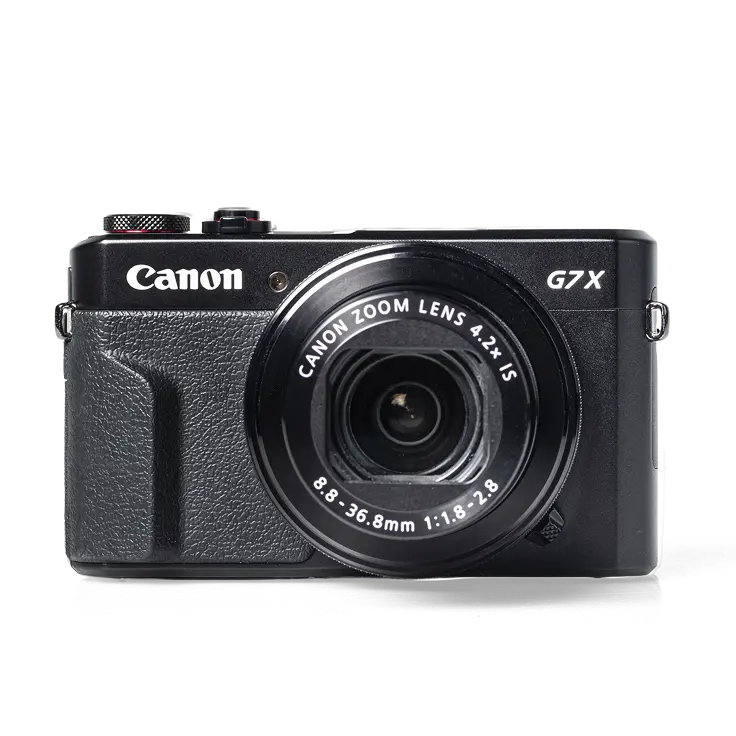
Like New Minus
Barely used with virtually no traces of wear. Only the closest inspections will reveal slight use. Lens glass could contain light dust or debris. Excellent picture quality. Accessories usually not included, unless noted in listing. 180-day warranty.
Excellent Plus
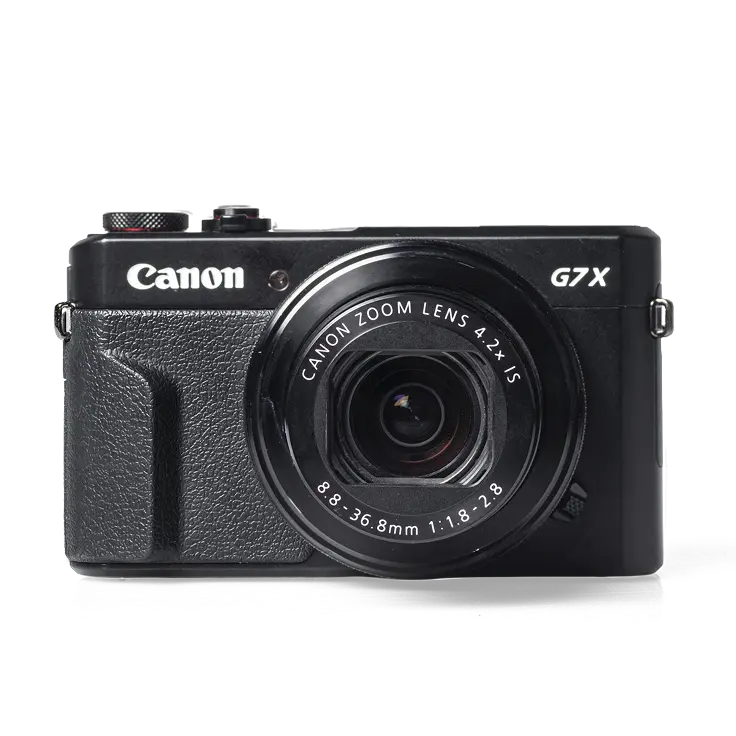
Excellent Plus
Lightly used with limited signs of wear. Exceptionally nice but may have slight wear on finish visible. Lens glass could contain light dust or debris. Excellent picture quality. Accessories usually not included, unless noted in listing. 180-day warranty.
Excellent
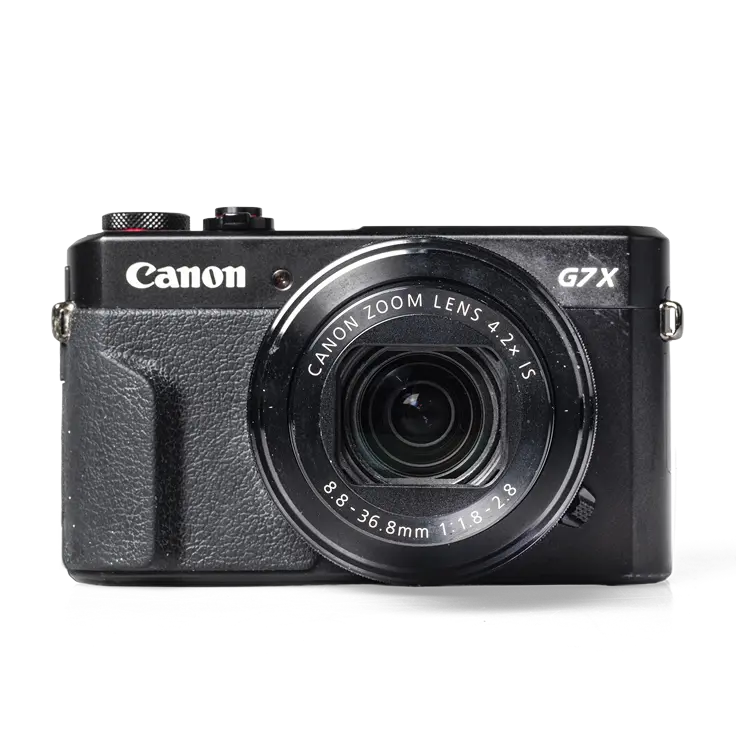
Excellent
Noticeably used with average signs of wear. Shows moderate wear for the age of the item, with the possibility of blemishes and/or minimal dings. Lens glass may have average dust and zoom/focus ring tension may have slight looseness or tightness overall, but will not affect picture quality. Accessories usually not included, unless noted in listing. 180-day warranty.
Bargain
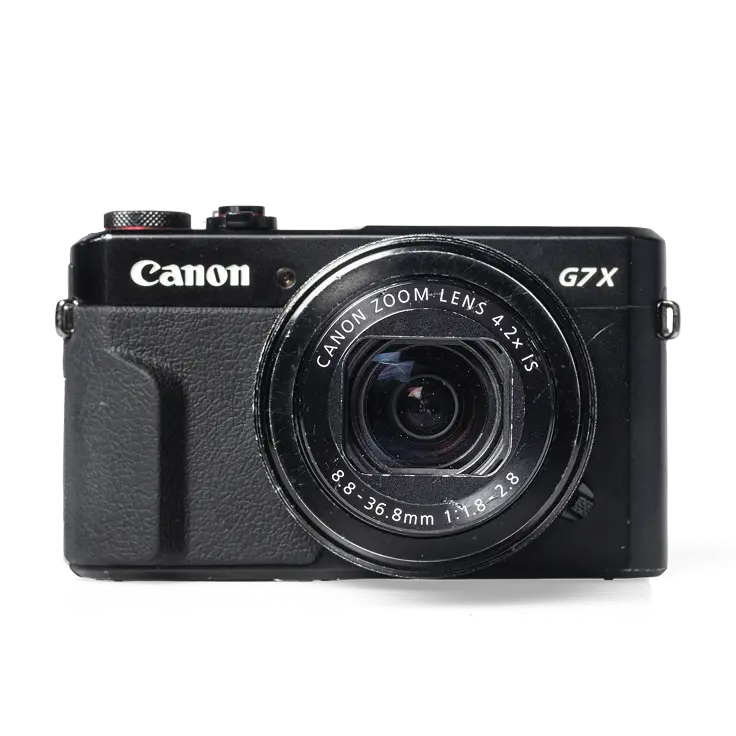
Bargain
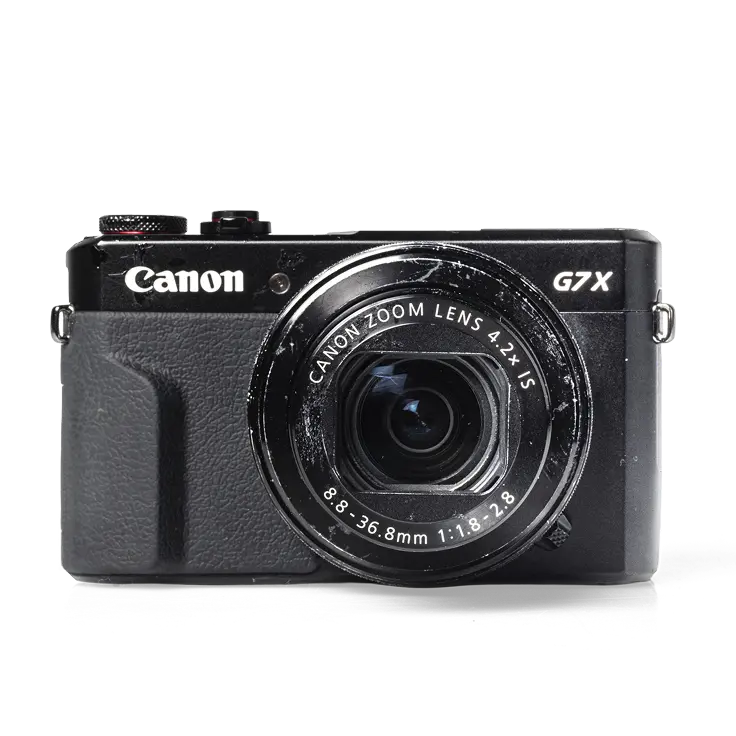
Frequently used with above-average wear. May have dents, dings, or finish loss. Lens glass may have small scratches, dust, and blemishes, and zoom/focus ring tension may have moderate looseness or tightness overall, but should not affect picture quality. Accessories usually not included, unless noted in listing. 180-day warranty.
Ugly
Ugly
Heavily used with extensive visible wear. Equipment is rough, with multiple impressions in the finish, excessive finish loss and brassing. Glass will have marks, fungus and/or heavy/cloudy haze which could affect picture quality. Accessories usually not included, unless noted in listing. Not covered under KEH warranty.