

* Item pictured for illustrative purposes only, actual item not pictured. See ‘Notes’ next to grade for included items.
Leica 21mm f/3.4 Super-Elmar-M ASPH. Lens for M-Mount, Black Anodized Finish, 6-Bit {E46} 11145
-
$3,041.00
Select Payment Method

-
KEH Certified™ pre-owned gear, expertly inspected†
-
All rental gear is between Excellent and Like New Minus condition
-
Standard accessories included
Leica's 21mm super-wide: compact rangefinder geometry, serious optical engineering.
At 43mm long and 279g, the Super-Elmar-M 21mm f/3.4 ASPH. fits the M-system ethos without compromise. The optical formula runs 8 elements in 7 groups, with a double-sided aspherical element doing the heavy lifting for compactness and aberration control, backed by four anomalous partial dispersion elements that keep chromatic fringing in check across the frame. The 91-degree diagonal angle of view on full-frame is genuine super-wide territory, and the lens holds contrast and detail from f/3.4 through f/16, with half-stop aperture clicks giving deliberate exposure control.
Built from metal throughout, with a 46mm non-rotating filter thread, a depth-of-field scale, and a distance scale on the barrel, this lens is set up for the way rangefinder photographers actually work: zone focus, hyperfocal distance, pre-visualization. The 6-bit coding communicates lens data to Leica M digital bodies for accurate EXIF and automatic vignetting correction. A metal screw-mounted hood ships in the box. M-mount adapters open this lens to Sony E, Nikon Z, Canon RF, and L-Mount bodies, but the barrel controls and manual-only focus make it most at home on the platform it was designed for.
Who It's For
Travel and street photographers who shoot M-film bodies or digital M cameras will find the 279g weight and 43mm length genuinely unobtrusive on a day-long walk. Architectural and urban landscape shooters get the 91-degree diagonal angle of view with distortion kept to a minimum by the aspherical optical design. Documentary and photojournalist shooters benefit from the depth-of-field and distance scales, which allow fast zone-focus work without lifting the camera to eye level. Adapting to mirrorless systems like Sony E or L-Mount gives wide-angle macro and landscape photographers access to a proven optical formula with full manual aperture ring control.
Key Features
- 8 elements in 7 groups with double-sided aspherical element
- f/3.4–f/16 with half-stop aperture detents
- 91° diagonal angle of view on full-frame
- Four anomalous partial dispersion elements for chromatic aberration control
- Manual focus only, 0.70m minimum focus distance
- Leica M-mount, non-rotating 46mm filter thread
- Depth-of-field and distance scales on barrel
- 6-bit coded for M digital body compatibility
- 43mm length, 279g weight, all-metal construction
FAQ
- What's the angle of view on a full-frame M body versus an M8?
- On full-frame (24x36mm), you get 91° diagonal. On M8 (18x27mm), it drops to 74° diagonal - a significant difference that matters for composition planning.
- How does the double-sided aspherical element affect optical performance?
- It allows Leica to compress the design to 43mm while controlling spherical aberration and distortion across the aperture range. You get edge sharpness and contrast from f/3.4 through f/16 without the length penalty of a conventional wide-angle design.
- Can I use this on Sony E, Nikon Z, or Canon RF bodies with an adapter?
- Yes, M-mount adapters exist for those mounts. The lens works mechanically and optically, but you lose the rangefinder focusing experience and the 6-bit coding becomes inert on non-Leica bodies. It's technically possible, but the design assumes an M-mount body.
- What's the minimum focus distance, and how does the DOF scale help?
- 0.70m (27.56 inches). The DOF scale on the barrel lets you set hyperfocal distance without metering - zone focus the way rangefinder photography was meant to work. No autofocus, no live view needed.
- Why does the filter thread not rotate?
- Non-rotating threads are standard on M-mount primes for rangefinder work. You mount a polarizer or ND filter once and don't twist the lens during composition - the barrel stays locked to your distance and aperture settings.
- How do the four anomalous partial dispersion elements control chromatic aberration?
- They're engineered glass types that bend wavelengths more uniformly across the spectrum, minimizing color fringing at the edges and corners where conventional glass would struggle. Results in cleaner detail edge-to-edge.
- Does the 6-bit coding do anything practical on film M bodies?
- No - film bodies can't read it. It communicates lens data to Leica M digital bodies (M9 and later) for accurate EXIF metadata and automatic vignetting correction in the software.
| Specification | Value |
|---|---|
| Focal Length | 21mm |
| Max Aperture | f/3.4 |
| Min Aperture | f/16 |
| Mount | Leica M |
| Stabilization | No |
| AF System | No |
| Min Focus Distance | 0.70 m (27.56") |
| Aperture Range | f/3.4–f/16 with half-stop detents |
| Lens Type | Prime |
| Elements | 8 |
| Groups | 7 |
| Special Elements Coatings | 2 aspherical elements (1 double-sided), 4 anomalous partial dispersion glass elements |
| Angle Of View Full Frame | 91° / 80° / 59° (diagonal / horizontal / vertical) |
| Angle Of View Leica M8 | 74° / 64° / 46° (diagonal / horizontal / vertical) |
| Maximum Magnification | 0.03× |
| Filter Thread | 46mm |
| Filter Rotation | Non-rotating |
| Aperture Ring | Yes |
| Distance Scale | Yes |
| DOF Scale | Yes |
| Diameter | 53 mm (2.09") |
| Length | 43 mm (1.69") |
| Finish | Black Anodized |
| 6 Bit Coding | Yes |
| Materials | Metal body, metal mount |
| Hood Type | Metal screw-mounted |
| Package Weight | 1.75 lb |
| Box Dimensions | 4.9 x 4.8 x 4.7" |
| Weight | 279 g (9.84 oz) |
This description was generated using AI based on KEH's internal product standards, product expertise, and knowing what customers care about most. While we strive for accuracy, details may vary by individual item.
| Brand Name | Leica |
|---|---|
| Focus Type | Manual focus (only) |
| Lens Mount | Leica M |
| Lens Type | Ultrawide |
| Max Focal Length | 21mm |
| Min Focal Length | 21mm |
Learn what to expect from each condition, cosmetically. Images are representative of each grade and may not show the exact item you receive. All equipment is guaranteed to work as intended, unless otherwise noted. We also occasionally offer items that fall .
Exceptions
- New
- New in box complete with manufacturer's USA warranty. Not previously owned or used.
- Like New
- Essentially new with no signs of use. “Open box.” In manufacturer's packaging with original accessories and instructions. 180-day warranty.
- As Is
- Non-functional or damaged. Equipment will not work. Usable for parts. Not covered under KEH warranty and non-returnable.
Like New Minus
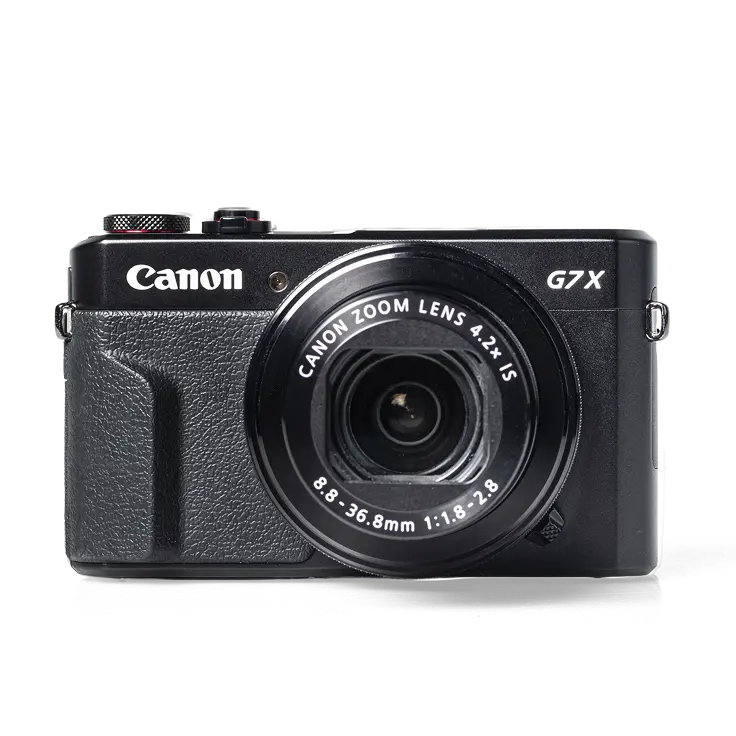
Like New Minus
Barely used with virtually no traces of wear. Only the closest inspections will reveal slight use. Lens glass could contain light dust or debris. Excellent picture quality. Accessories usually not included, unless noted in listing. 180-day warranty.
Excellent Plus
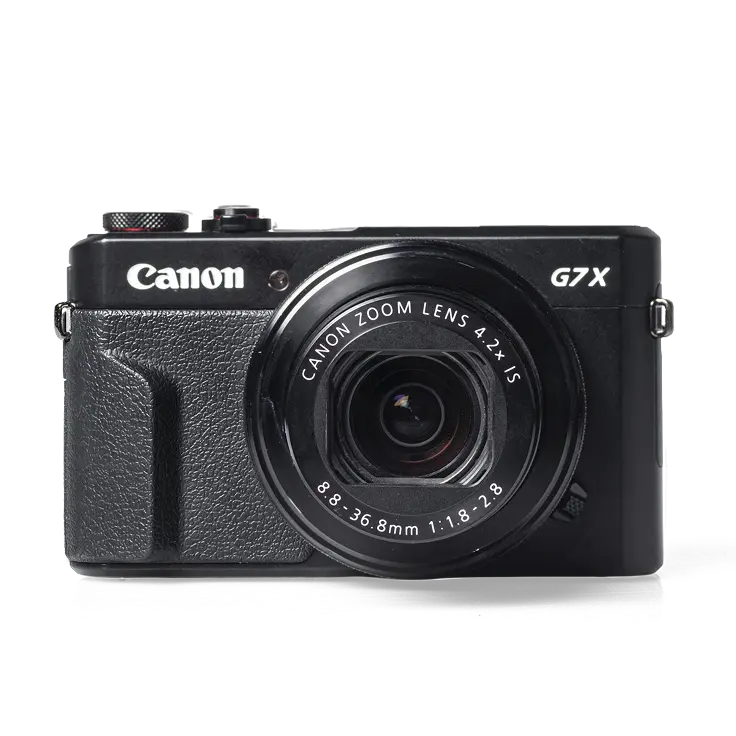
Excellent Plus
Lightly used with limited signs of wear. Exceptionally nice but may have slight wear on finish visible. Lens glass could contain light dust or debris. Excellent picture quality. Accessories usually not included, unless noted in listing. 180-day warranty.
Excellent
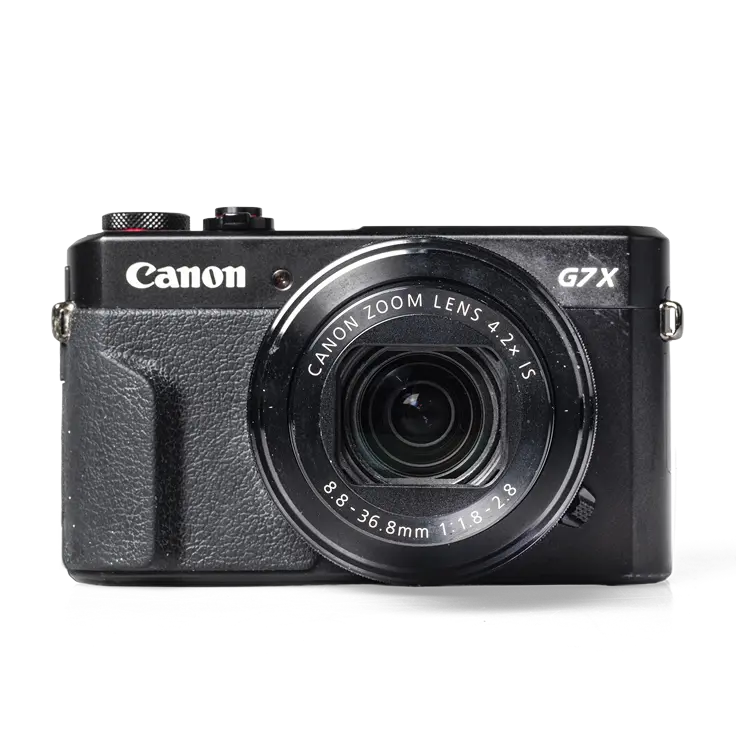
Excellent
Noticeably used with average signs of wear. Shows moderate wear for the age of the item, with the possibility of blemishes and/or minimal dings. Lens glass may have average dust and zoom/focus ring tension may have slight looseness or tightness overall, but will not affect picture quality. Accessories usually not included, unless noted in listing. 180-day warranty.
Bargain
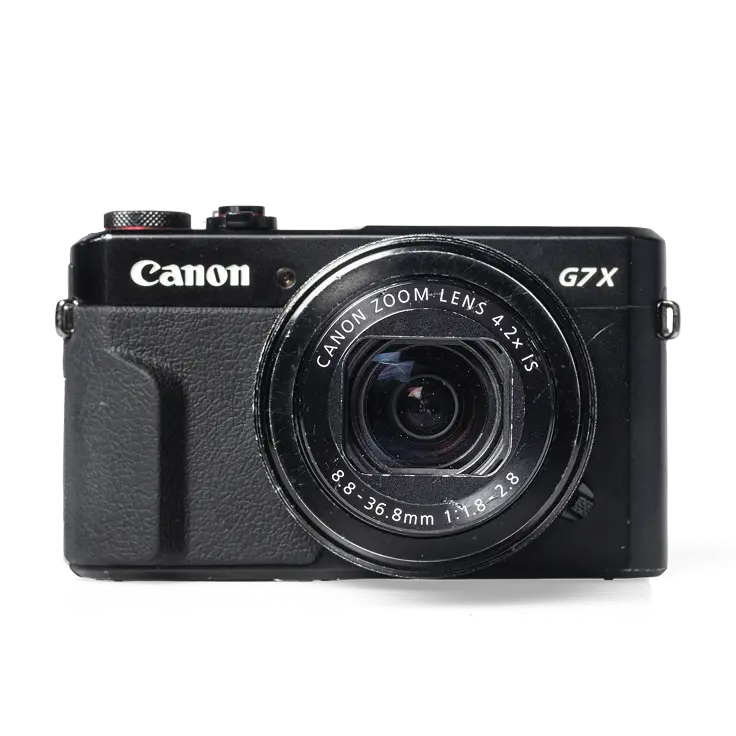
Bargain
Frequently used with above-average wear. May have dents, dings, or finish loss. Lens glass may have small scratches, dust, and blemishes, and zoom/focus ring tension may have moderate looseness or tightness overall, but should not affect picture quality. Accessories usually not included, unless noted in listing. 180-day warranty.
Ugly
Ugly
Heavily used with extensive visible wear. Equipment is rough, with multiple impressions in the finish, excessive finish loss and brassing. Glass will have marks, fungus and/or heavy/cloudy haze which could affect picture quality. Accessories usually not included, unless noted in listing. Not covered under KEH warranty.