

* Item pictured for illustrative purposes only, actual item not pictured. See ‘Notes’ next to grade for included items.
Panasonic Lumix DMC-G1 Mirrorless MFT (Micro Four Thirds) Camera Body, Black {12.1MP}
We're sorry - this item is temporarily unavailable.
Want to be notified when it comes back in stock? Add it to your wishlist and we'll email you as soon it's available.
Consider one of the options below or call us at 1-800-342-5534 to speak with our KEH Gear Experts about a perfect alternative.


-
KEH Certified™ pre-owned gear, expertly inspected†
-
All rental gear is between Excellent and Like New Minus condition
-
Standard accessories included
The Original Mirrorless Camera That Ditched the Mirror Box
The Lumix DMC-G1 established the Micro Four Thirds format, pairing a 12MP Four Thirds sensor with a body stripped of the mirror mechanism that defined SLRs before it. That decision cut the flange back distance roughly in half compared to Four Thirds DSLRs, which is why the G1 and its lenses stay compact without giving up interchangeable-lens flexibility.
Framing runs entirely through Live View, shown on a fully articulated 3" LCD with 460,000 dots or through a 100% coverage electronic viewfinder at 0.7x magnification. Shutter speeds span 60 seconds to 1/4000 sec, with aperture priority, shutter priority and full manual exposure on tap for photographers who want direct control over depth of field and motion. Optical image stabilization steadies handheld shots, and the ISO range runs 100 to 1600 natively, extending to 3200 with boost for dim interiors or evening street work.
A hot-shoe accepts external flash alongside the built-in pop-up unit rated to 10.50 m, and HDMI output plus USB 2.0 handle tethering and playback. With an adapter, the full catalog of existing Four Thirds lenses mounts to the body, opening up a wider optical lineup than the native Micro Four Thirds selection alone. At 360 g, it's a body built around getting a real viewfinder and manual controls into a package smaller than any DSLR could manage at the time.
Who It's For
Street and travel shooters get a body at 360 g with a 100% coverage EVF, letting them frame precisely without hauling DSLR bulk. Photographers moving from point-and-shoots into manual control benefit from full aperture priority, shutter priority and manual exposure modes paired with a fully articulated 3" screen for shooting at odd angles. Those already invested in Four Thirds glass can adapt their existing lenses to the body, keeping older optics in rotation on a smaller platform. Anyone shooting in variable light gets a native ISO ceiling of 1600, extendable to 3200, plus optical stabilization to keep handheld shots steady in dimmer rooms or early evening scenes.
Key Features
- 12MP Four Thirds CMOS sensor, Micro Four Thirds mount with Four Thirds adapter compatibility
- 100% electronic viewfinder at 0.7x magnification with 460,000-dot fully articulated LCD
- Shutter speeds 60 sec to 1/4000 sec with aperture, shutter, and manual priority modes
- ISO 100–1600 native, extending to 3200 with boost
- Optical image stabilization for handheld stability
- Pop-up flash with hot-shoe external flash socket
- 360 g body with SLR-style ergonomics
- HDMI and USB 2.0 connectivity
FAQ
- What makes the G1 different from a DSLR of that era?
- No mirror box. That cuts the flange back distance roughly in half, which is why the G1 and its lenses stay compact without sacrificing interchangeable-lens flexibility. Framing happens entirely through Live View on the articulated LCD or electronic viewfinder.
- Can I use my existing Four Thirds lenses on the G1?
- Yes, with the DMW-MA1 adapter. The full range of legacy Four Thirds lenses mounts to the body, though smaller G1 proportions mean some lens-body combinations balance differently than they would on Four Thirds DSLRs. Autofocus works only on lenses compatible with contrast-detect AF.
- What's the electronic viewfinder like?
- 100% coverage at 0.7x magnification. It's a real alternative to the 3" articulated LCD (460,000 dots), not a backup - both are full-frame viewing options for composing in Live View.
- How does the ISO range perform in low light?
- Native range is 100 to 1600. Boost extends to 3200 for dim interiors or evening street work, though noise increases at maximum boost.
- What exposure modes does it have?
- Aperture priority, shutter priority, and full manual. Shutter speeds run 60 seconds to 1/4000 sec, with ±3 EV exposure compensation at 1/3-stop increments.
- Does the built-in flash work with an external flash?
- Yes. The pop-up unit is rated to 10.50 m, and a hot-shoe accepts external flash for more output or directional control.
- What's the weight and handling?
- 360 g body-only. SLR-style grip and layout, but shorter flange back distance and no mirror assembly keep the overall profile smaller than any equivalent DSLR from 2008.
| Specification | Value |
|---|---|
| Sensor | Four Thirds (17.3 x 13 mm) |
| Resolution | 12.0 MP |
| Mount | Micro Four Thirds |
| ISO Range | Auto, 100, 200, 400, 800, 1,600, (3,200 with boost) |
| Burst Rate | 3.0 |
| Boosted ISO Max | 3,200 |
| Dimensions | 124 x 84 x 45 mm (4.88 x 3.31 x 1.77?) |
| Weight | 360 g (0.79 lb / 12.70 oz) |
This description was generated using AI based on KEH's internal product standards, product expertise, and knowing what customers care about most. While we strive for accuracy, details may vary by individual item.
| Brand Name | Panasonic |
|---|---|
| Flash System | Olympus/Panasonic TTL |
| Focus Type | Autofocus (lens motor) |
| Lens Mount | Micro Four Thirds |
| Memory Card Type | SD, SDHC |
Learn what to expect from each condition, cosmetically. Images are representative of each grade and may not show the exact item you receive. All equipment is guaranteed to work as intended, unless otherwise noted. We also occasionally offer items that fall .
Exceptions
- New
- New in box complete with manufacturer's USA warranty. Not previously owned or used.
- Like New
- Essentially new with no signs of use. “Open box.” In manufacturer's packaging with original accessories and instructions. 180-day warranty.
- As Is
- Non-functional or damaged. Equipment will not work. Usable for parts. Not covered under KEH warranty and non-returnable.
Like New Minus
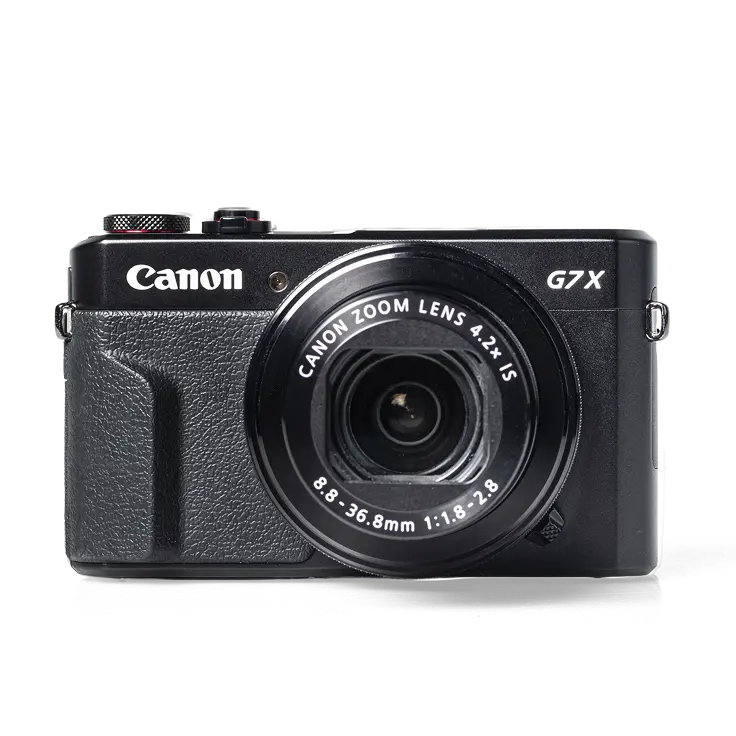
Like New Minus
Barely used with virtually no traces of wear. Only the closest inspections will reveal slight use. Lens glass could contain light dust or debris. Excellent picture quality. Accessories usually not included, unless noted in listing. 180-day warranty.
Excellent Plus
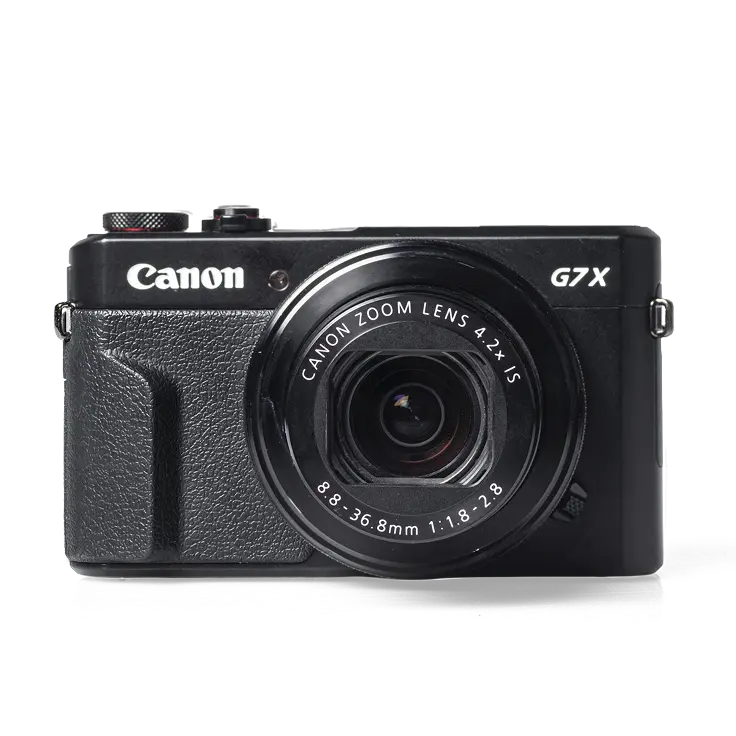
Excellent Plus
Lightly used with limited signs of wear. Exceptionally nice but may have slight wear on finish visible. Lens glass could contain light dust or debris. Excellent picture quality. Accessories usually not included, unless noted in listing. 180-day warranty.
Excellent
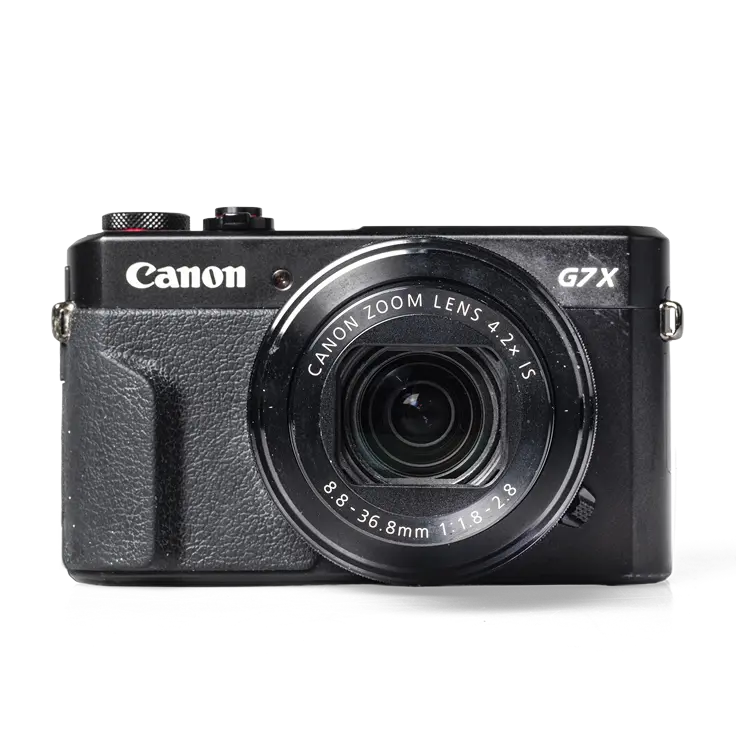
Excellent
Noticeably used with average signs of wear. Shows moderate wear for the age of the item, with the possibility of blemishes and/or minimal dings. Lens glass may have average dust and zoom/focus ring tension may have slight looseness or tightness overall, but will not affect picture quality. Accessories usually not included, unless noted in listing. 180-day warranty.
Bargain
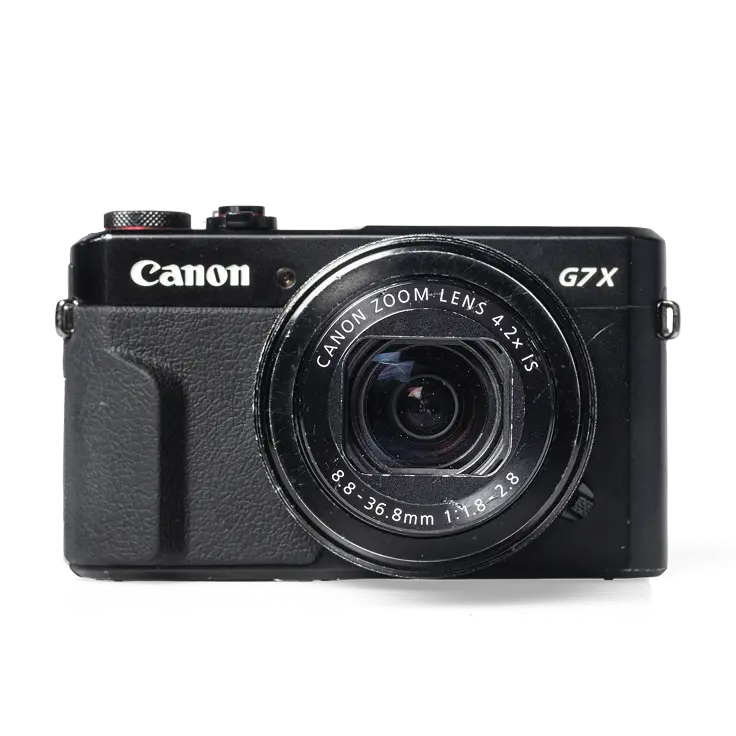
Bargain
Frequently used with above-average wear. May have dents, dings, or finish loss. Lens glass may have small scratches, dust, and blemishes, and zoom/focus ring tension may have moderate looseness or tightness overall, but should not affect picture quality. Accessories usually not included, unless noted in listing. 180-day warranty.
Ugly
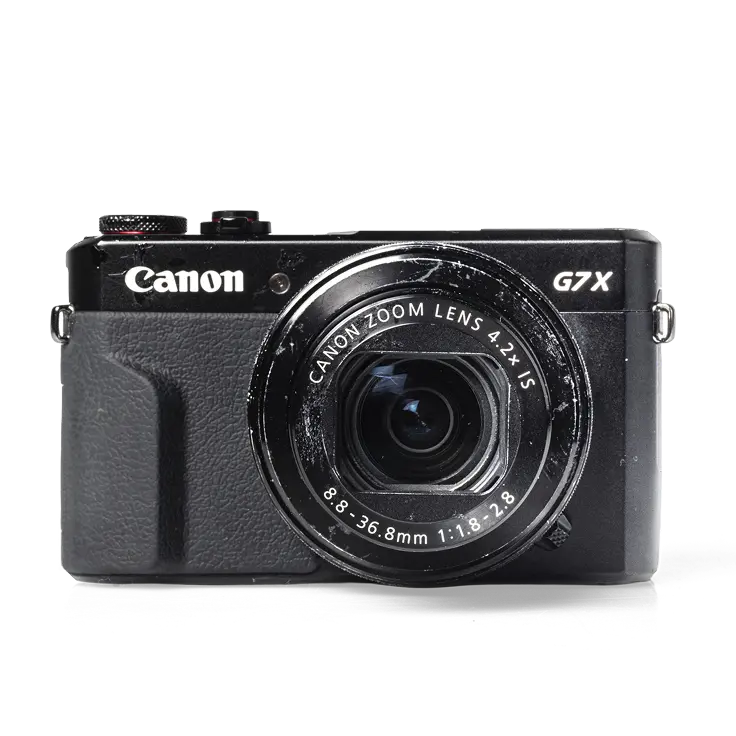
Ugly
Heavily used with extensive visible wear. Equipment is rough, with multiple impressions in the finish, excessive finish loss and brassing. Glass will have marks, fungus and/or heavy/cloudy haze which could affect picture quality. Accessories usually not included, unless noted in listing. Not covered under KEH warranty.