You
have no items in your shopping cart.
Canon vs. Sony: Best Used Mirrorless Systems for 2026
April 23, 2026
1 min read

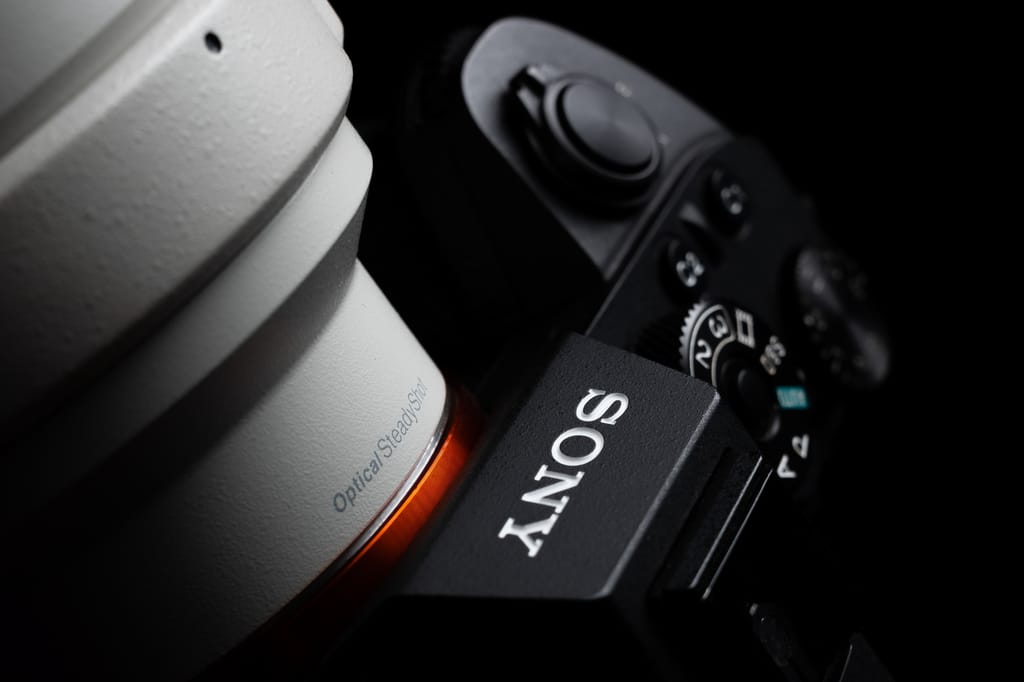
In 2026, you don’t need to spend $3,000 to capture breathtaking photos with beautifully blurred backgrounds. The real value lives in the pre-owned market, where yesterday’s flagship cameras now deliver professional performance at a fraction of the original price.
Current trends show that buying a high-end 2022 model for around $1,200 often outperforms a brand-new entry-level camera at the same price point. That reality makes comparing Canon and Sony’s used mirrorless systems less about compromise and more about choosing the right tool for how you shoot.
Think of it like buying a refurbished flagship phone. A few years old, but still incredibly capable. Camera tech, especially sensors, has matured to the point where a 24-megapixel body from a few years ago can still produce stunning, print-ready images without breaking a sweat.
On top of that, switching from a DSLR to a mirrorless camera removes the mechanical mirror entirely. That means faster autofocus, real-time tracking, and a more responsive overall shooting experience.
And while buying used can feel like a leap, mirrorless systems are built with fewer moving parts, making them durable and reliable over time. Going pre-owned often means unlocking better build quality, stronger low-light performance, and pro-level features without the premium price tag.
Unlike smartphones, cameras don’t become obsolete overnight. In fact, most modern sensors hit a performance plateau years ago. Today’s upgrades are incremental, not revolutionary, which is great news for buyers.
As brands continue releasing new models, older but still incredibly capable cameras drop in price. That creates a sweet spot in the 3–5 year range where performance and value align perfectly.
Another factor is firmware. Much like software updates on your phone, manufacturers continue improving autofocus, tracking, and usability long after a camera is released. This extends the life and value of older bodies, especially in Sony’s lineup.
The result? You can build a powerful kit for the cost of a new smartphone and still have room in your budget for lenses, which is where your look really comes from.
The camera body is just the beginning. Lenses are where costs can add up quickly, and where Sony quietly pulls ahead.
Sony’s E-mount system is open to third-party manufacturers, creating a competitive ecosystem with more options at lower price points. In contrast, Canon’s RF mount is more tightly controlled.
That openness translates directly to savings. Third-party brands like Sigma, Tamron, and Samyang offer high-quality lenses at 40–60% less than first-party equivalents, often with little to no compromise in performance.
Some standout options to look for on the used market:
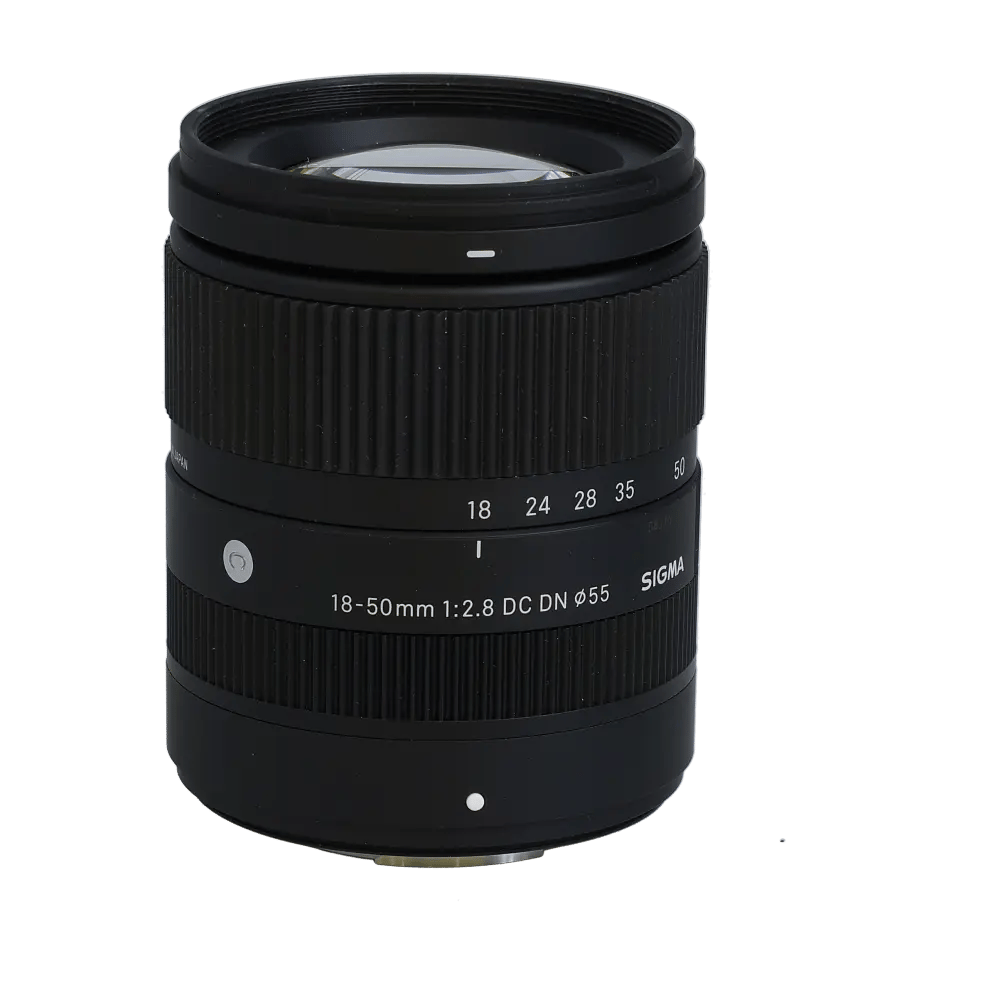
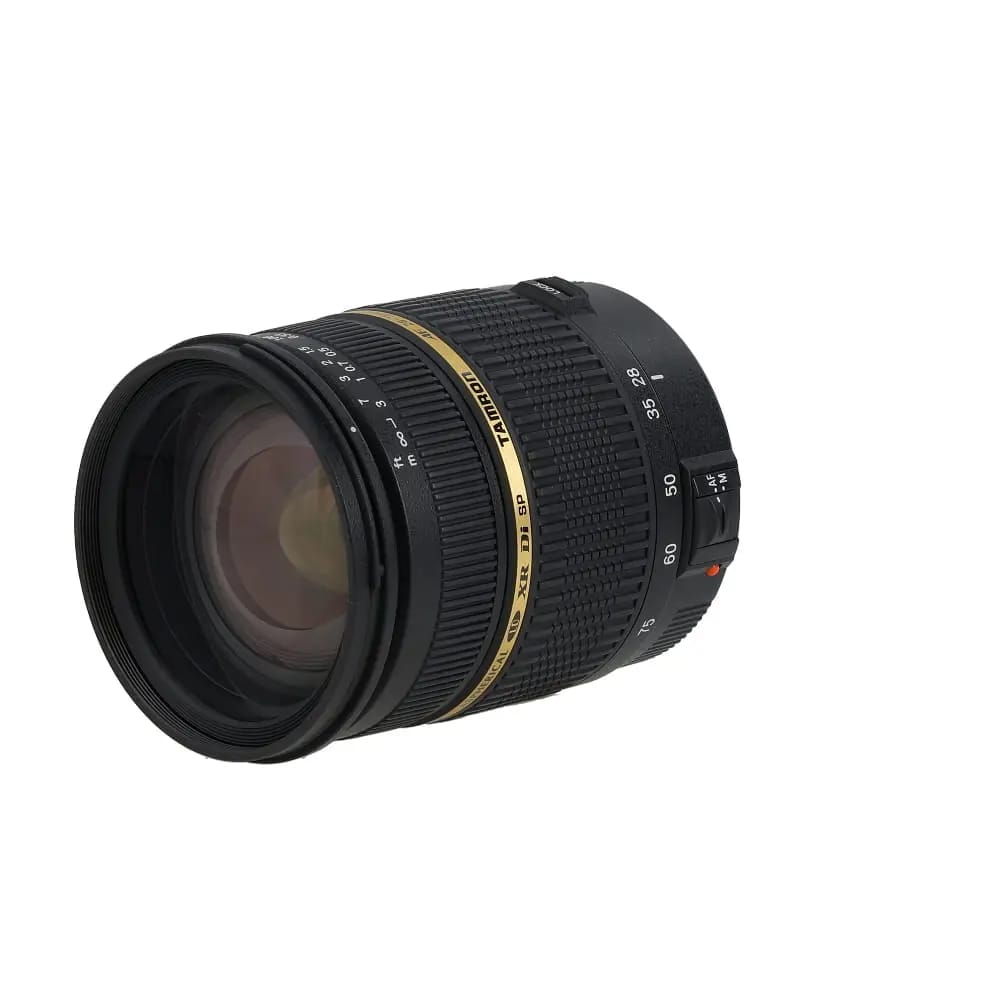
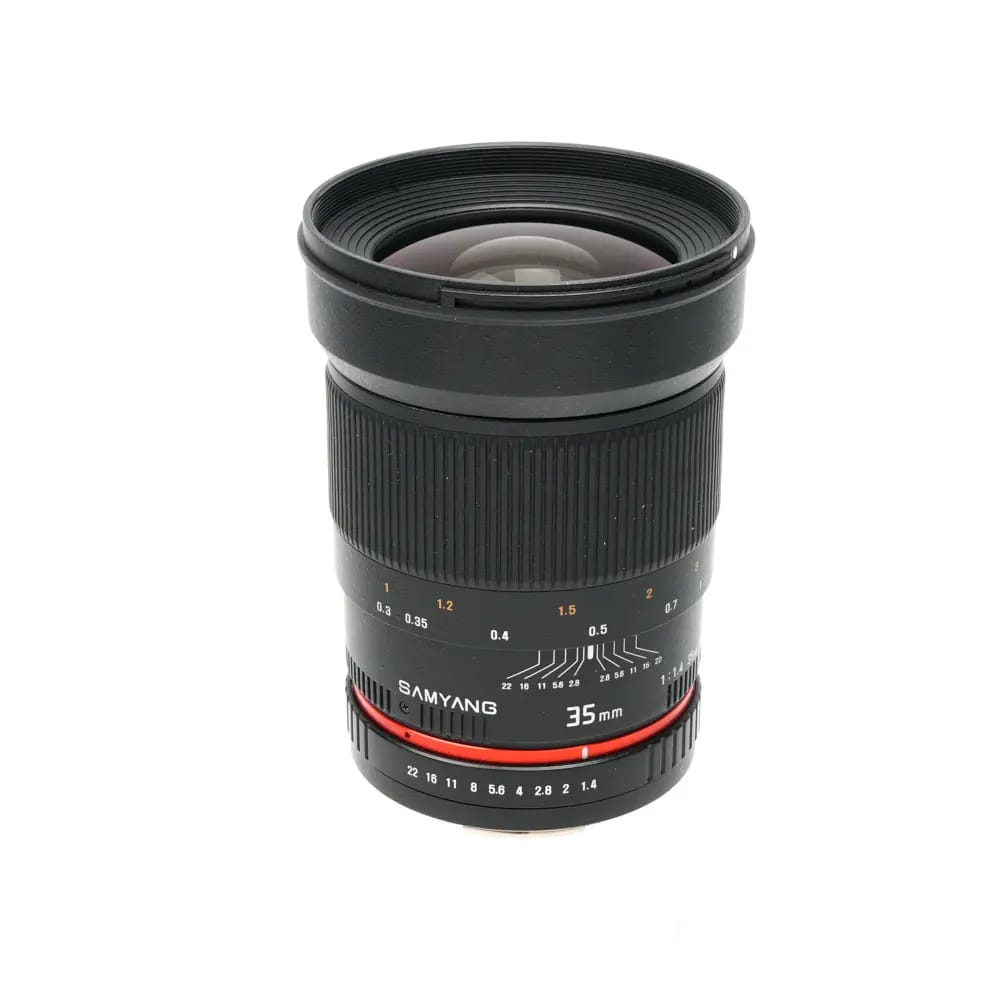
Pair those with a used Sony body like the a6400 or a7 III, and you’ve got a professional-level setup for less than the cost of a flagship phone.
Want the full breakdown on Sony gear? Check out our buyers’ guide.
Where Sony emphasizes flexibility, Canon leans into usability.
Canon’s reputation for intuitive design is well-earned. From comfortable grip depth to logical button placement and easy-to-navigate menus, the shooting experience feels natural right away.
Canon also stands out for its color science, particularly when it comes to skin tones. Straight out of the camera, images tend to look natural and polished with minimal editing required.
One of Canon’s biggest advantages for pre-owned buyers is adaptability. With an EF-to-RF adapter, you can use older DSLR lenses on newer mirrorless bodies. Since those lenses are widely available on the used market, this opens the door to serious savings without sacrificing quality.
Explore the best of Canon’s lineup with our buyers’ guide.
Blur usually comes down to two things: missed focus or camera shake.
Sony tackles the first with advanced Eye Autofocus. It locks onto your subject’s eye and tracks it continuously, even if they’re moving unpredictably. For fast action, pets, or kids, Sony’s tracking system is a major advantage, especially in older models.
Canon, on the other hand, excels with in-body image stabilization (IBIS). This system stabilizes the sensor itself, helping reduce blur caused by hand movement. It’s particularly useful in low light, where slower shutter speeds are unavoidable.
In practical terms:
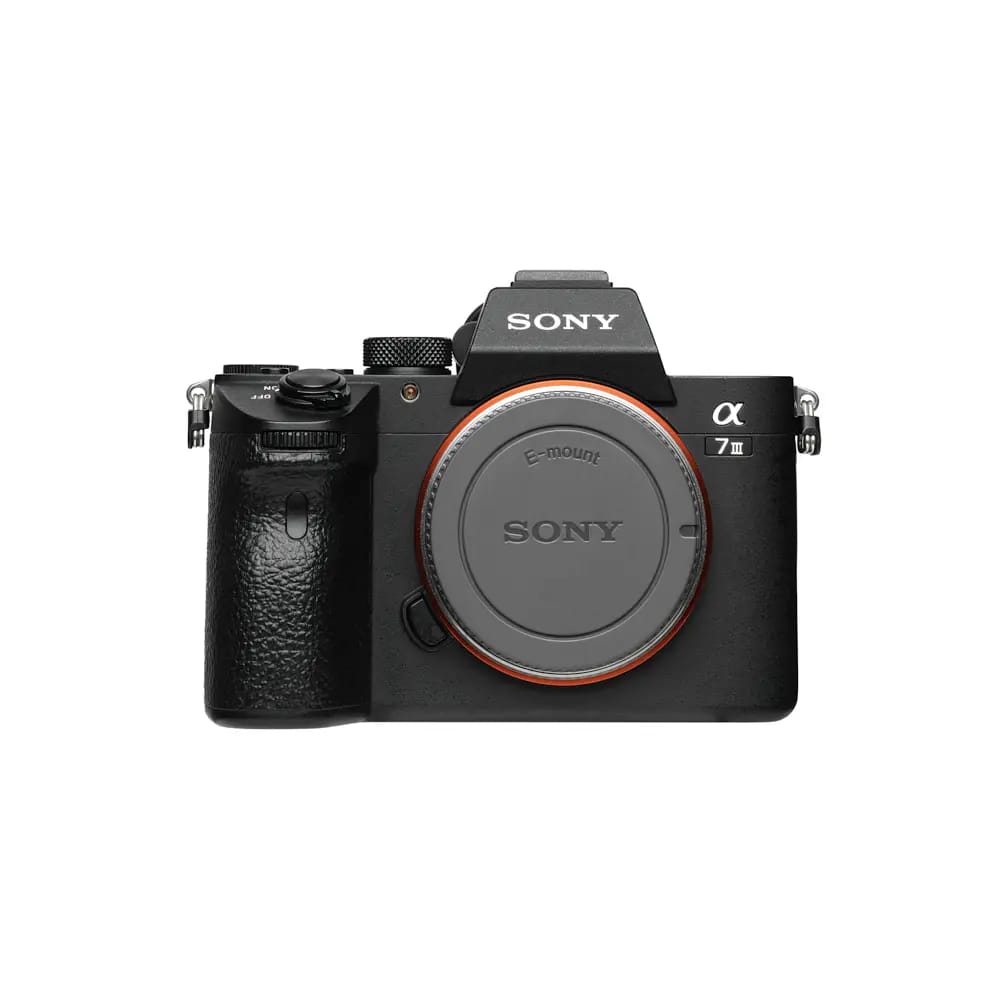
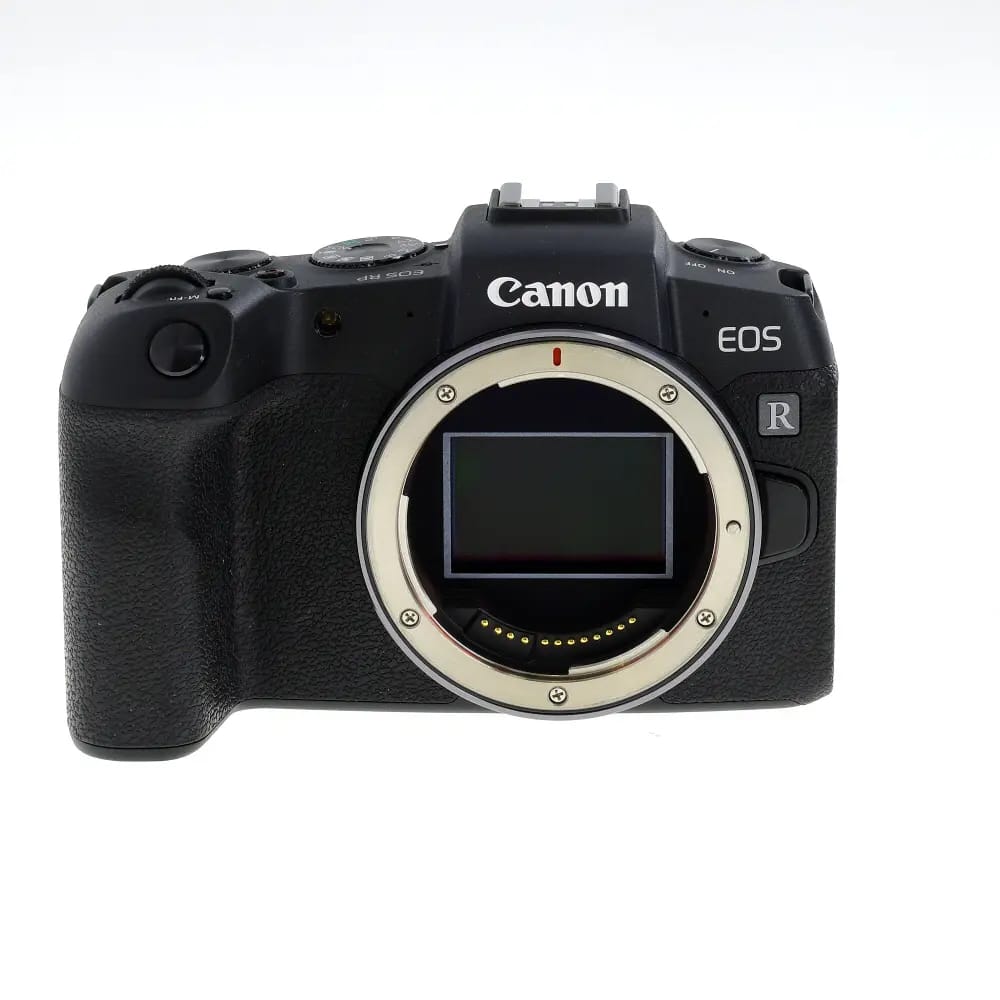
For photographers stepping into full-frame, two standout options dominate the used market under $1,000: the Sony A7 III and the Canon EOS RP.
Both deliver excellent image quality, but they’re built for different priorities.
The Canon EOS RP is lightweight, compact, and easy to use. It’s ideal for travel and casual shooting. The Sony A7 III, while heavier, offers longer battery life and better overall performance.
Key differences:
The real decision comes down to system cost. Canon is more affordable upfront, while Sony’s lens ecosystem can save you more over time.
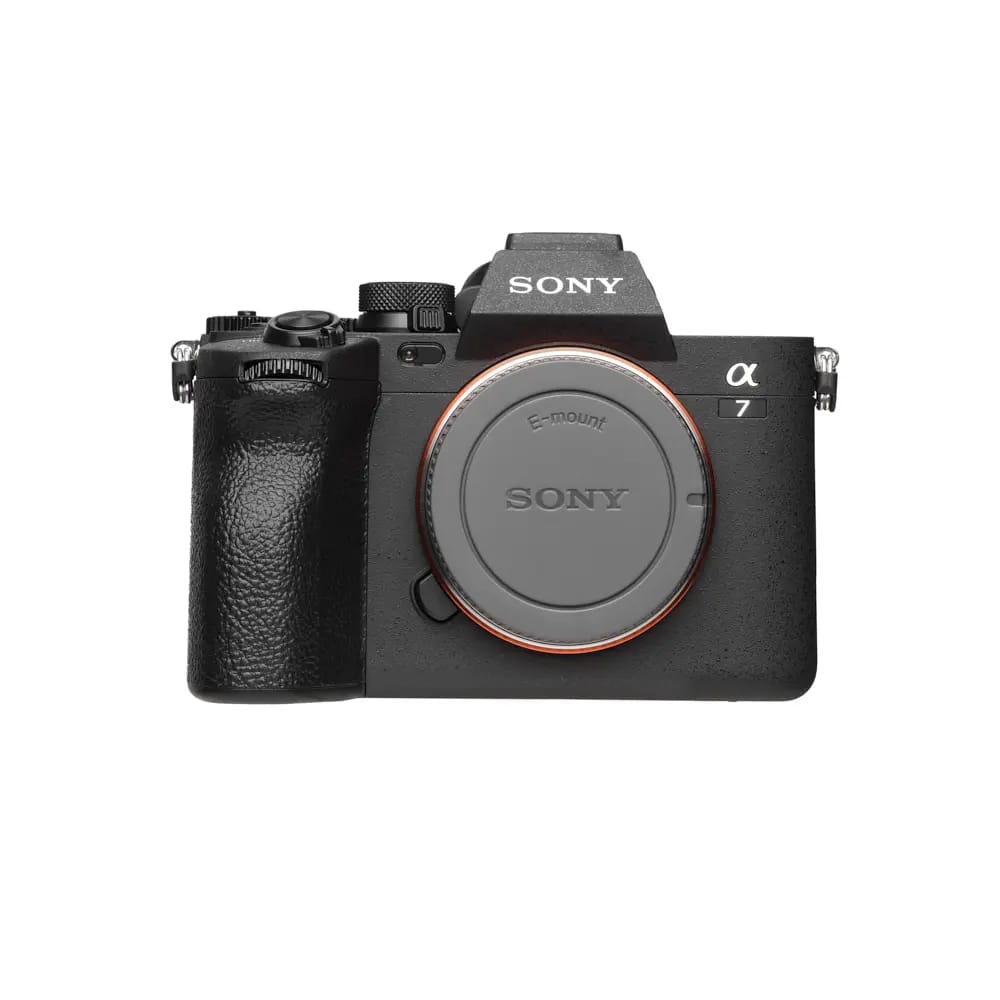
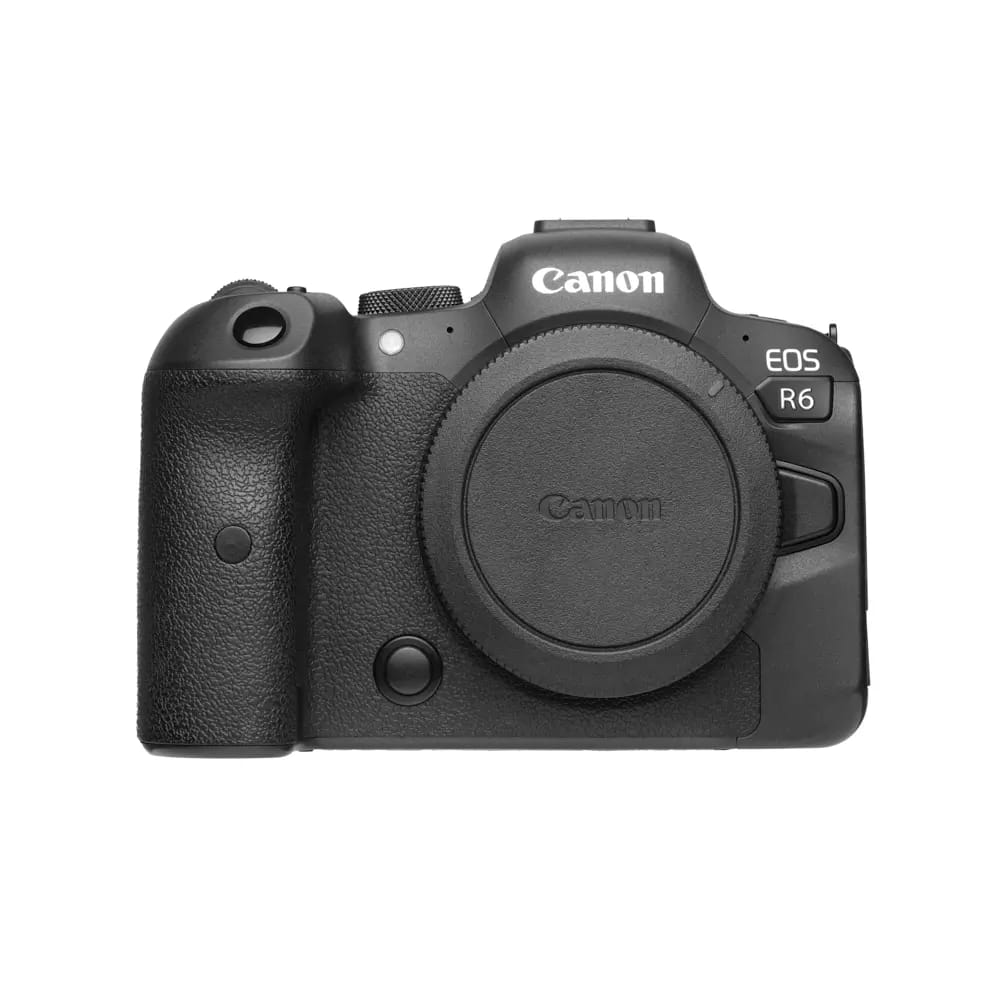
At the $1,500 level, the decision becomes more specialized.
The Canon EOS R6 is built for speed, with high burst rates that make it ideal for action and events. The Sony A7 IV, with its higher resolution sensor, is better suited for detailed images and heavy cropping.
In simple terms:
Long-term value also comes into play. Historically, Sony bodies tend to hold resale value slightly better, largely due to the strength of its lens ecosystem.
If video is your focus, a few features become non-negotiable.
A fully articulating screen is essential for framing yourself, and avoiding a heavy 4K crop ensures your footage stays natural and usable.
Older point-and-shoots may fall short here, even if they’re popular.
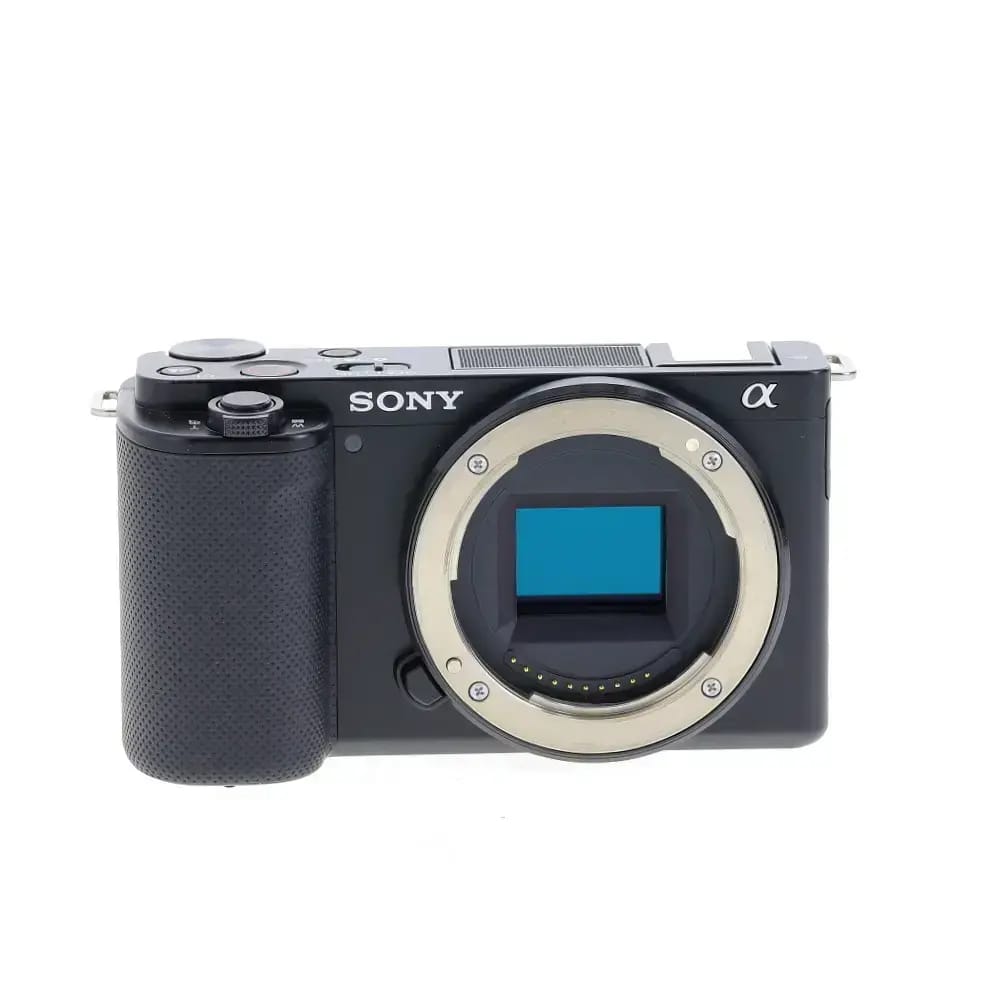
Strong used options for video in 2026 include:
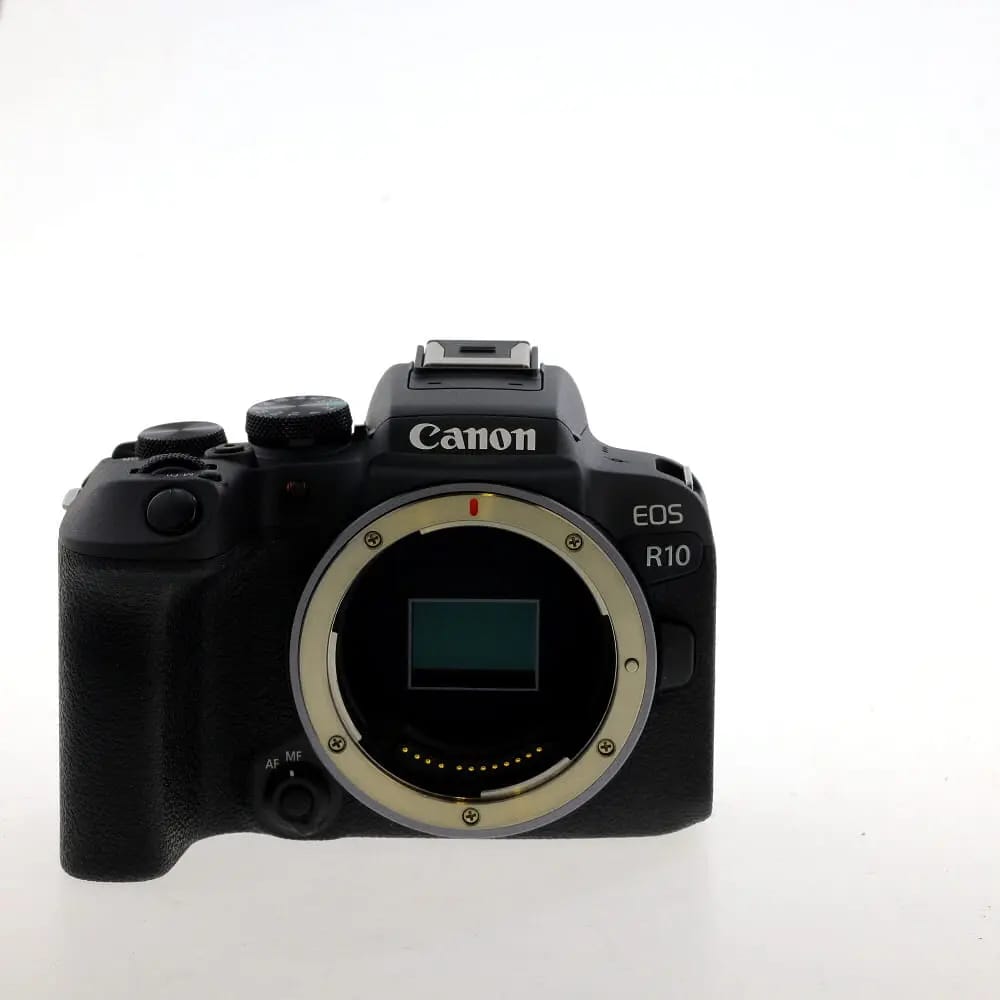
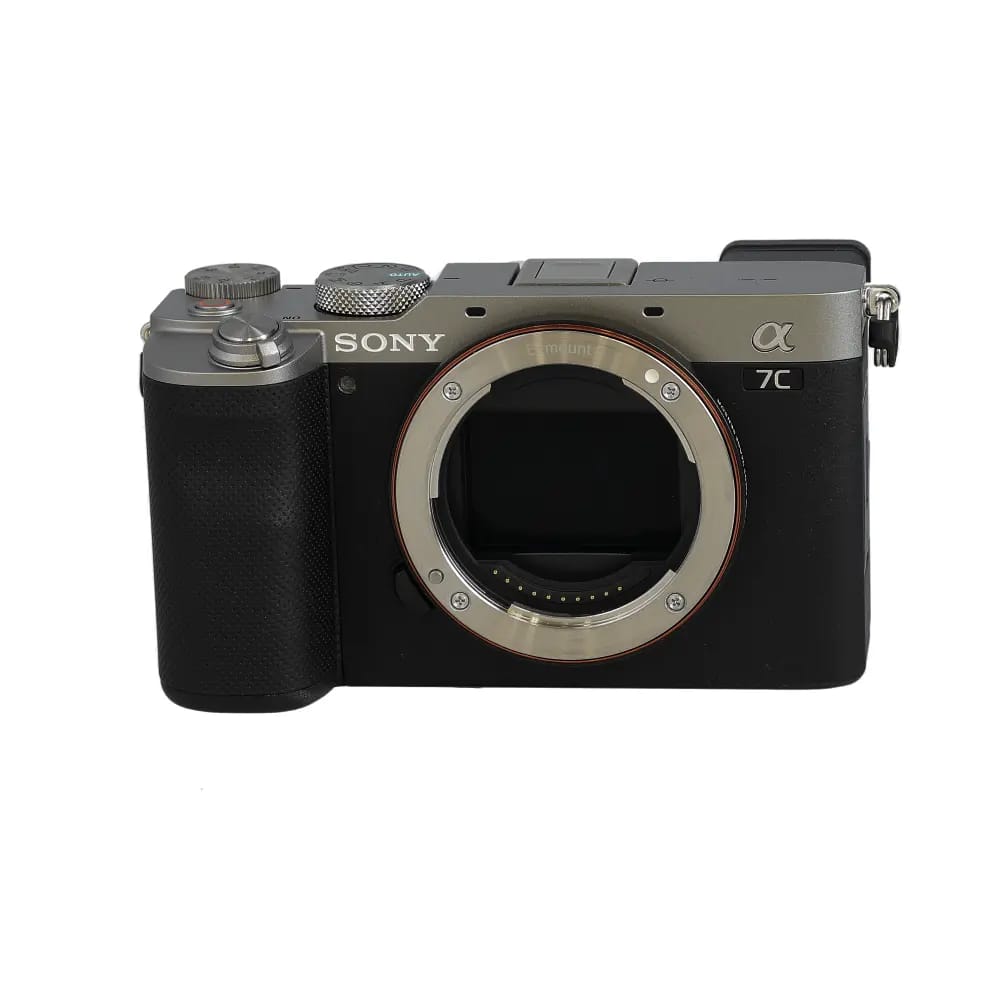
You no longer need to worry about which brand takes better photos. Both deliver spectacular results that easily beat what your smartphone can do. Instead, choosing the winner is simply about ecosystems. Canon is the “Apple” approach—reliable, intuitive, and proprietary. Sony is the “USB-C” approach—open, adaptable, and packed with endless budget-friendly lens options.
Here is your final decision matrix:
A simple way to decide:
To beat analysis paralysis, follow a simple three-step buying plan: Set your total budget, pick your lens family first, and then buy the used camera body with whatever cash remains. Prioritizing your lens budget over the camera body ensures you actually get those professional, beautifully blurred backgrounds.
Start by looking up today’s prices for used 50mm lenses to see which brand feels right for your wallet. Whichever system you choose, you are ready to capture your favorite memories with stunning quality.