You
have no items in your shopping cart.
Prime vs. Zoom Lenses: Buyer’s Guide
March 17, 2026
1 min read

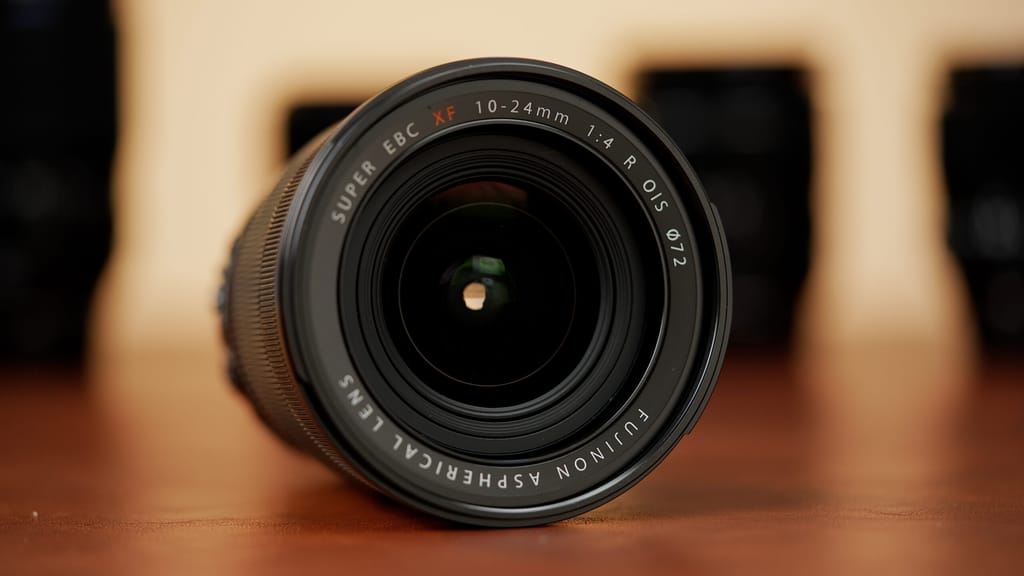
Use this Prime vs. Zoom Lenses: Buyer’s Guide for practical photography tips on choosing lenses and understanding how different lens types can shape your images.
You’ve got your new camera, and already it feels worlds apart from your phone. But soon, you notice its limits. The lens that came in the box — the classic “kit lens” — is a solid starting point, but it may not deliver that professional pop or beautifully blurred background you see in portraits. You’re ready to upgrade, but with so many options out there, it can feel overwhelming.
Once you move beyond the starter lens, you’re faced with a fundamental choice. It typically comes down to two types:
A zoom lens offers versatility and adaptability for a wide range of situations, while a prime lens is specialized — designed to excel at one focal length. Understanding this balance between flexibility and creative control makes choosing your next lens far simpler — and more exciting.
Chances are, your kit lens is a zoom. You can spot it by the range of numbers on the barrel — for example, 18–55mm. Twist the ring, and you can go from wide-angle landscapes to tighter portrait shots without swapping lenses.
Zoom lenses are all about flexibility. Imagine traveling: one moment you’re capturing a sweeping mountain vista, the next, a candid smile across a crowded street. Zooms keep you ready for any moment.
The trade-offs? To cover that range, zooms are usually larger and heavier. Most beginner zooms also struggle in low light, which can force higher ISO settings or a flash indoors.
For practical photography tips on getting the most out of your zoom lens, check out KEH’s guide to versatile photography lenses.
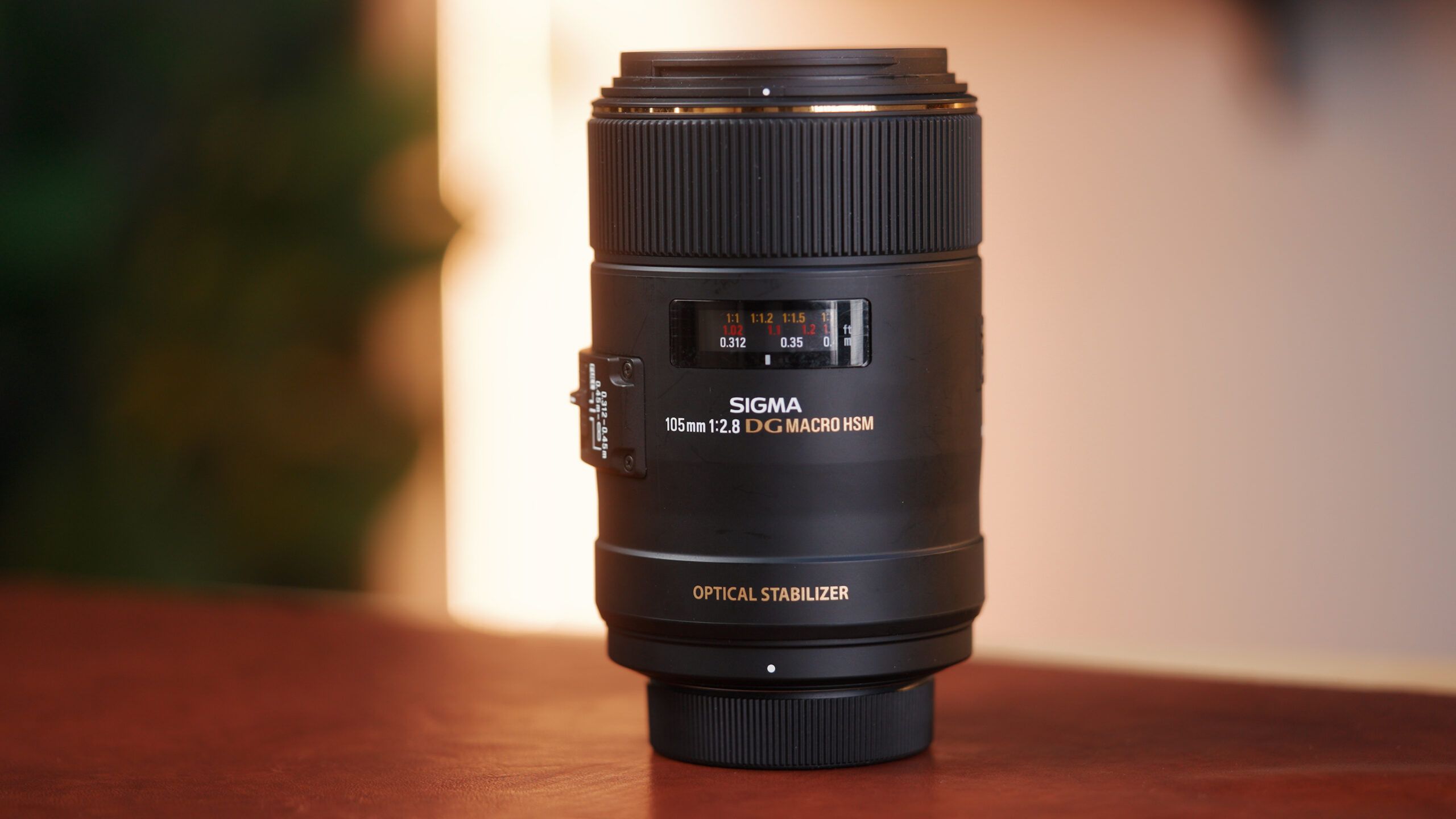
If zooms are about adaptability, primes are about focus — literally and creatively. Fixed at one focal length, prime lenses force you to “zoom with your feet,” encouraging more thoughtful composition.
The perks are significant:
Primes are also engineered for optical precision, often delivering sharper images than their zoom counterparts. The trade-off is convenience, but many photographers find that this limitation sparks creativity.
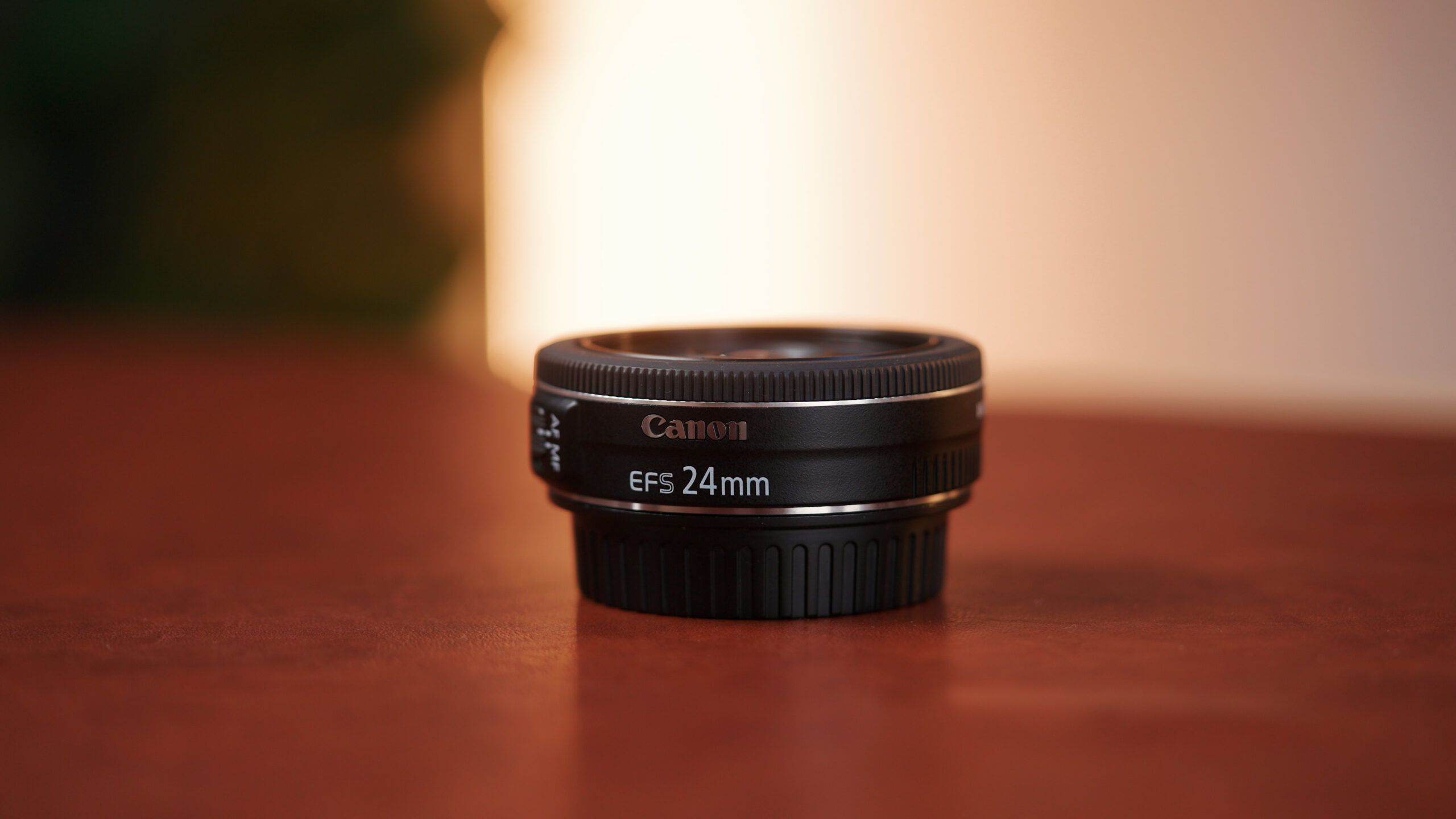
That “mm” marking on your lens — 35mm, 50mm, 85mm — is your focal length, essentially how “zoomed in” your lens is:
A 50mm lens is often the sweet spot for beginners, closely matching human vision for natural, balanced images.
Typical categories:
Aperture controls how much light enters your camera, measured in f-stops.
A wider aperture is what gives portraits that signature creamy blur and makes indoor shooting easier without flash. Most kit zooms don’t open nearly as wide as primes, limiting both low-light performance and background separation.
For portraits with beautiful background blur, prime lenses are often the easiest path forward.
A 50mm f/1.8 prime is a classic starting point: lightweight, affordable, and capable of stunning results. Compared to a kit lens, your subject will pop, and the background will become soft and unobtrusive. Upgrading to a fast prime is one of the most impactful changes a new photographer can make.
Explore our top picks for portrait lenses.
While primes shine in portraits and low light, travel photography often demands flexibility.
Enter the superzoom — lenses like 18–200mm that cover a broad range without swapping gear. Capture cityscapes one moment, zoom into architectural details the next.
The trade-off: superzooms rarely match primes for low light or background blur. But if convenience and spontaneity matter most, one superzoom can cover it all.
Check out the best zoom lenses for travel.
Ready to upgrade? KEH frequently stocks these well-loved options across major systems:
Popular Zooms:
Popular Primes:
With KEH Certified™ pre-owned gear, you can step into higher-quality lenses at accessible prices. Each lens is inspected, tested, and graded by photography experts, backed by KEH’s 180-day warranty. It’s the perfect way to upgrade your kit confidently without breaking the bank. Learn more about KEH Certified™ gear here.
Upgrading your lens isn’t just about gear — it’s about unlocking new creative possibilities. Use this guide to choose camera lenses that match your style, and step into photography that inspires.
KEH Certified™ lenses give you confidence every time you shoot. Each lens undergoes thorough inspection and testing by experts, ensuring it meets high standards for optical performance and reliability. Backed by a 180-day warranty, KEH Certified™ gear lets you step into professional-quality glass at an accessible price — whether you’re exploring primes for portrait perfection or zooms for travel versatility.