You
have no items in your shopping cart.
Top Lenses for Portrait Photography: Build Your Kit
January 06, 2026
1 min read

Building a portrait kit isn’t about finding one “perfect” lens—it’s about having the right tools for the way you shoot. Space, subject, lighting, and style all play a role, and most photographers refine their kits gradually as their needs evolve.
If you’ve ever wondered why some photographers swear by a single 50mm while others rotate between multiple focal lengths, it usually comes down to versatility. Understanding how different lenses behave—and when to use them—makes it easier to build a kit that actually supports your work.
A great portrait lens does more than blur the background. It shapes perspective, influences how facial features render, and affects how comfortable your subject feels in front of the camera. While portrait photography lenses typically range from 35mm to 135mm, each focal length brings a distinct look—and purpose—to your kit.
If you’re building or refining your portrait setup, here’s how to think about the most popular options and where each one shines.
More reading: Picking the Right Focal Length Lens for Portrait Photography
A 35mm lens is often overlooked for portraits, but it’s a powerful storytelling tool. This focal length lets you include more of the environment while still keeping your subject front and center.
It’s handy for:
Because 35mm lenses require you to work closer to your subject, they can feel more intimate—but that also means being mindful of distortion. Used intentionally, a 35mm creates portraits that feel candid, immersive, and grounded in place.
Best for: Photographers who want portraits with atmosphere, context, and a sense of story or narrative.
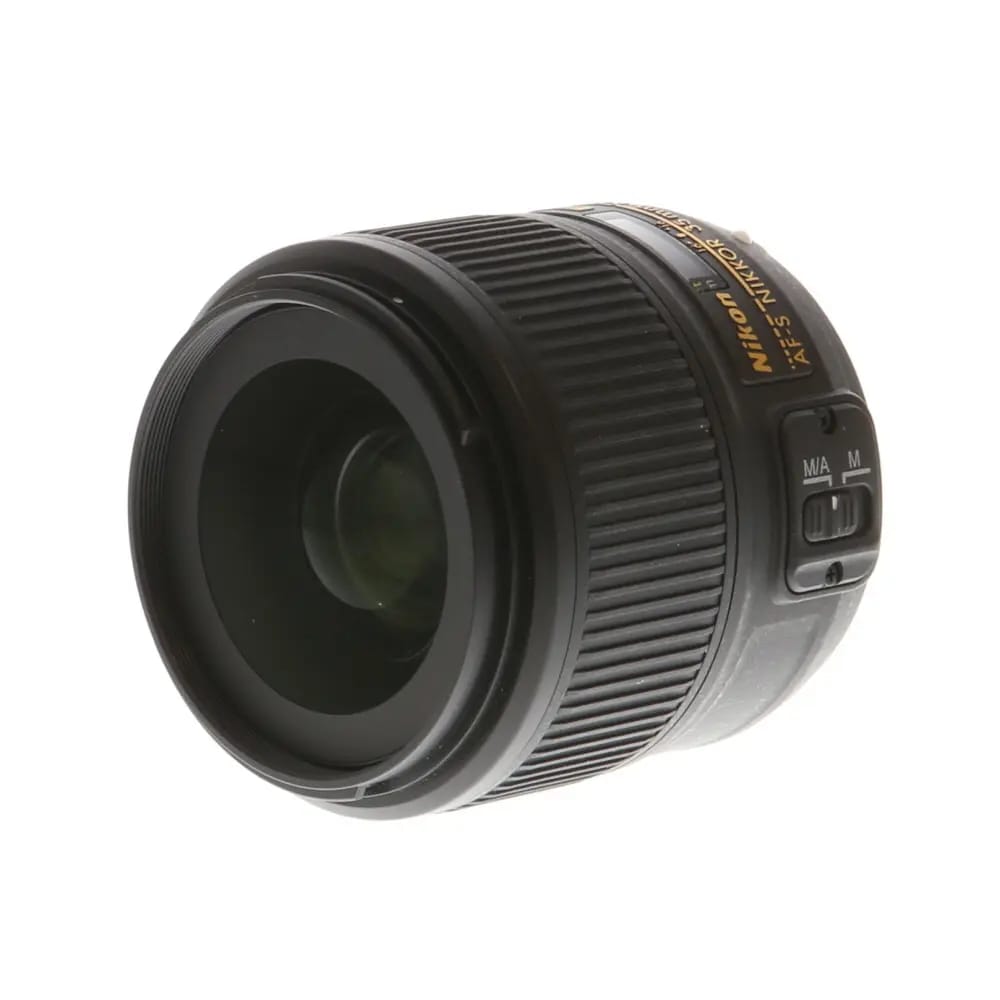
A lightweight, sharp prime that’s ideal for environmental portraits and everyday shooting. Its fast aperture performs well in natural light and helps gently separate subjects from their surroundings without losing context.
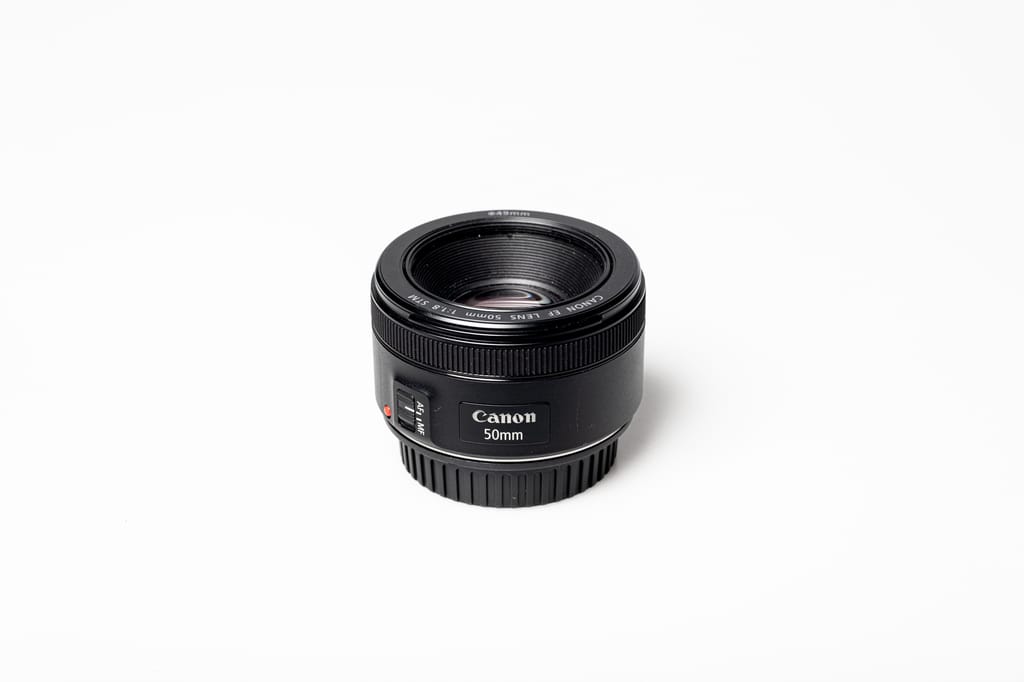
The 50mm earns its reputation for a reason. It delivers a natural-looking perspective that closely matches how we see the world, making it one of the most versatile portrait lenses available.
This focal length works well for:
A 50mm doesn’t dramatically compress features or exaggerate perspective, which makes it a reliable option for a wide range of subjects. Many photographers build entire portrait portfolios around this lens—and never feel limited.
Best for: Photographers who want one lens that can handle almost anything.
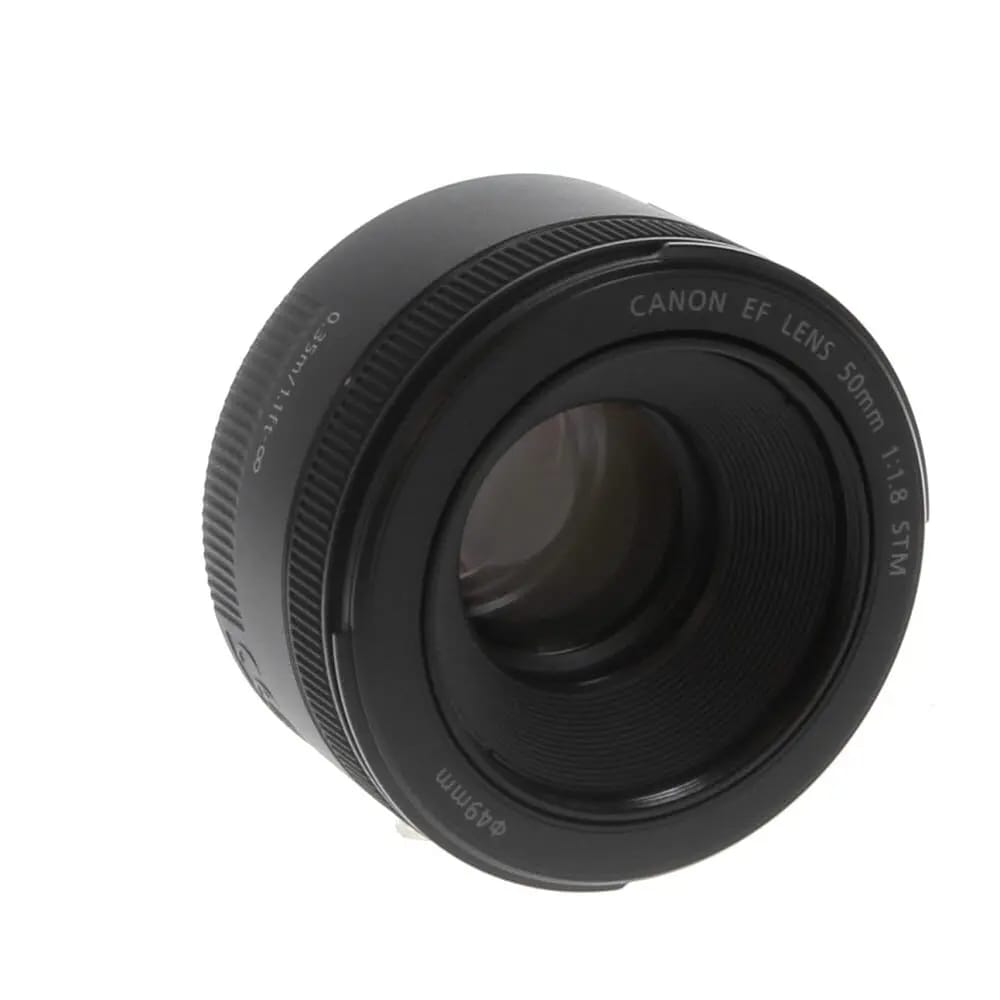
Often called the “nifty fifty,” this lens is compact, affordable, and capable of producing beautifully sharp images with smooth background blur—making it a go-to choice for photographers at any stage.
If there’s a focal length most closely associated with portrait photography, it’s 85mm. This lens is known for flattering compression, comfortable working distance, and subject separation that feels intentional without being overpowering.
An 85mm is ideal for:
Because you’re shooting from slightly farther back, subjects often feel more at ease—which can make a big difference, especially during longer sessions. The result is a polished, professional look that’s hard to beat.
Best for: Photographers focused on traditional portraits, headshots, and refined imagery.
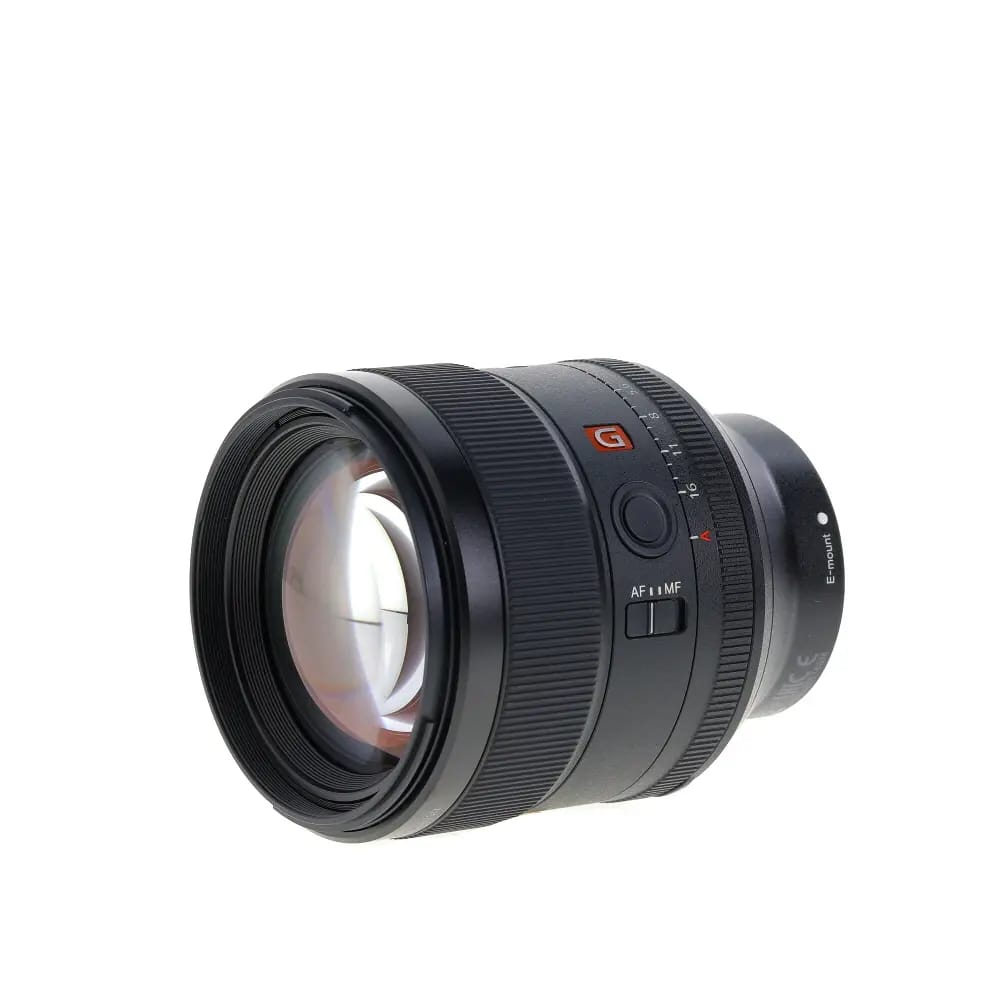
A premium portrait lens known for stunning sharpness, creamy bokeh, and exceptional subject isolation. It’s a favorite among professionals who want maximum image quality and a classic portrait look.
Longer portrait lenses like 105mm and 135mm offer even more compression, creating a distinctive look that emphasizes facial symmetry and background separation.
These focal lengths are great for:
That said, they require more space to work comfortably. Indoors, they can feel restrictive—but outdoors, they really shine. The perspective feels intentional, cinematic, and confident.
If you want a deeper breakdown of how focal length impacts facial features and perspective, this is something we’ve explored in detail before—and it’s worth revisiting as you refine your kit.
Best for: Photographers who want maximum control over perspective and background
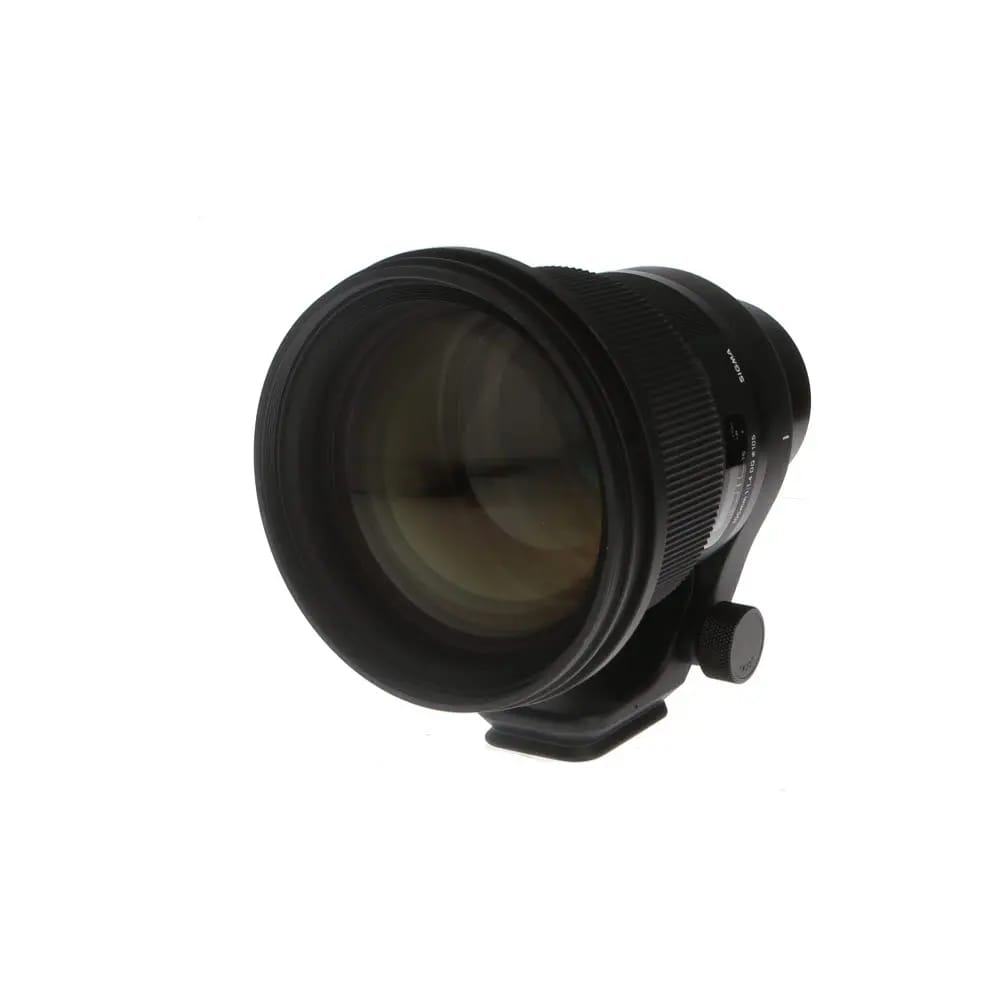
A standout lens for dramatic compression and ultra-shallow depth of field. Its sharpness and rendering make it a favorite for fashion and fine-art portrait work.
Prime lenses get a lot of attention in portrait photography, but zooms deserve a place in the conversation—especially if you value adaptability.
Popular portrait zoom ranges include:
Zoom lenses allow you to adjust framing and perspective quickly, which is invaluable during live sessions, events, or fast-paced shoots. While they may not always match the widest apertures of primes, modern zooms offer impressive sharpness and consistency.
Best for: Photographers who shoot varied portrait styles or need flexibility on the fly.
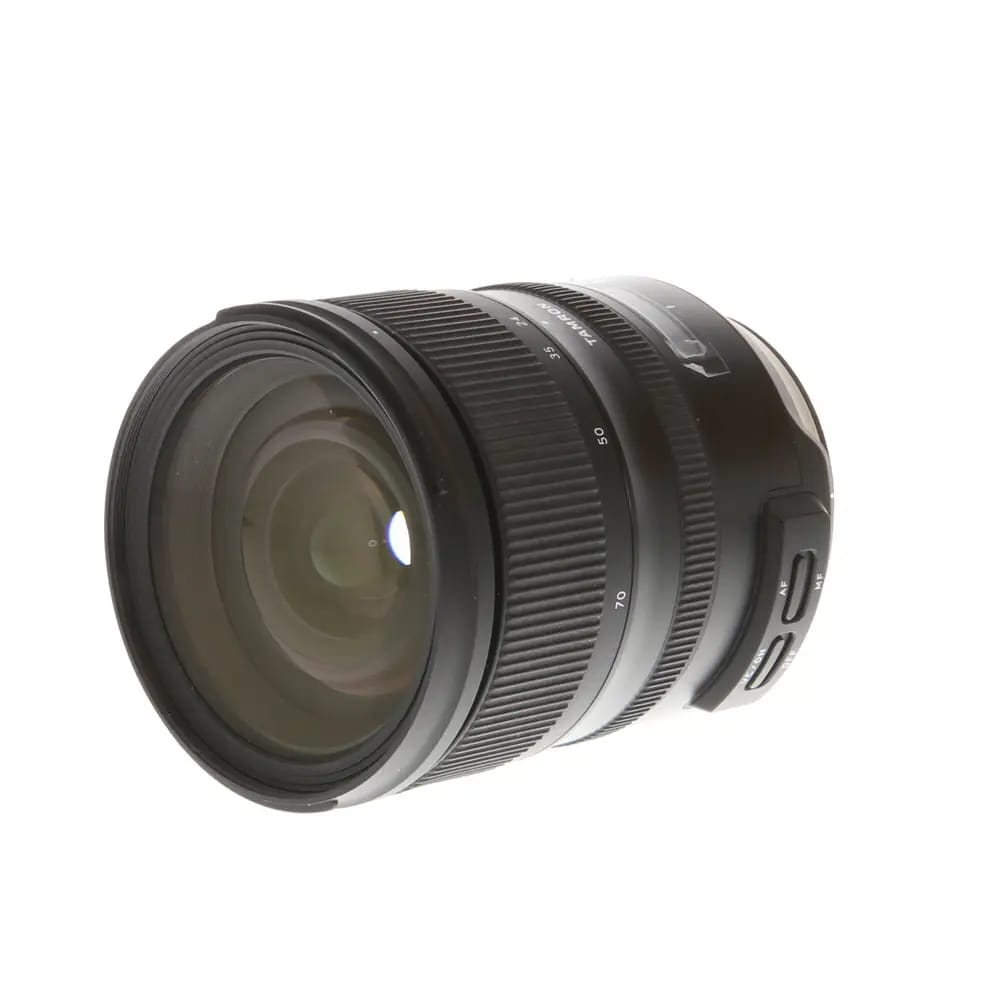
Tamron SP 24–70mm f/2.8 Di VC USD G2 (Canon EF-Mount)
A versatile workhorse that covers everything from environmental portraits to tighter framing, with image stabilization for added confidence in mixed lighting.
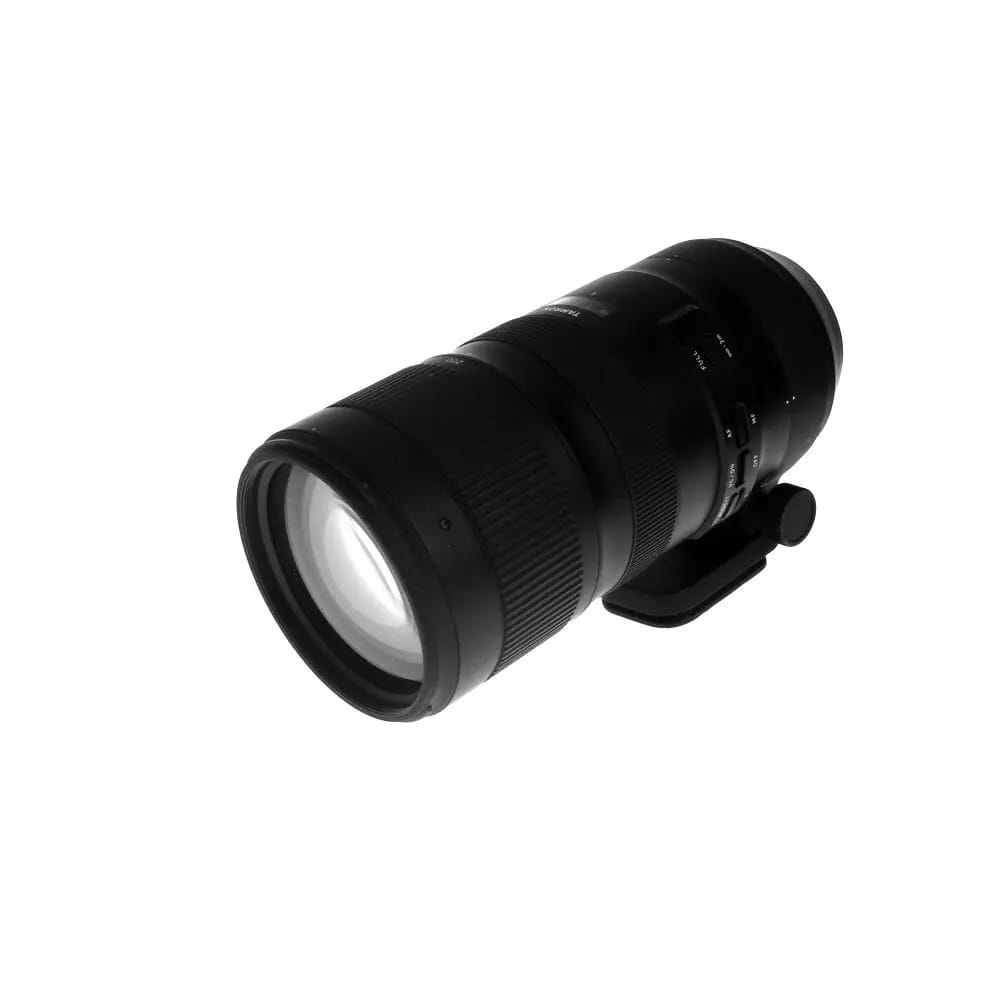
Tamron SP 70–200mm f/2.8 Di VC USD G2 (Nikon FX)
Ideal for portraits that need reach and compression, this zoom excels outdoors and in studio settings where flexibility and consistent results matter.
Most photographers don’t start with a full lineup of portrait lenses—and they don’t need to. Many begin with one reliable focal length and expand as their style, subjects, and shooting environments change.
A strong portrait kit often looks like:
There’s no universal “right” setup. The best portrait lenses are those that enable you to work comfortably, connect with your subject, and achieve the desired look.
And if you’re experimenting with different focal lengths, going pre-owned makes it easier to try, compare, and upgrade without committing to brand-new pricing.