You
have no items in your shopping cart.
Lens Compatibility Guide: What Works With Your Camera Body
July 15, 2025
1 min read

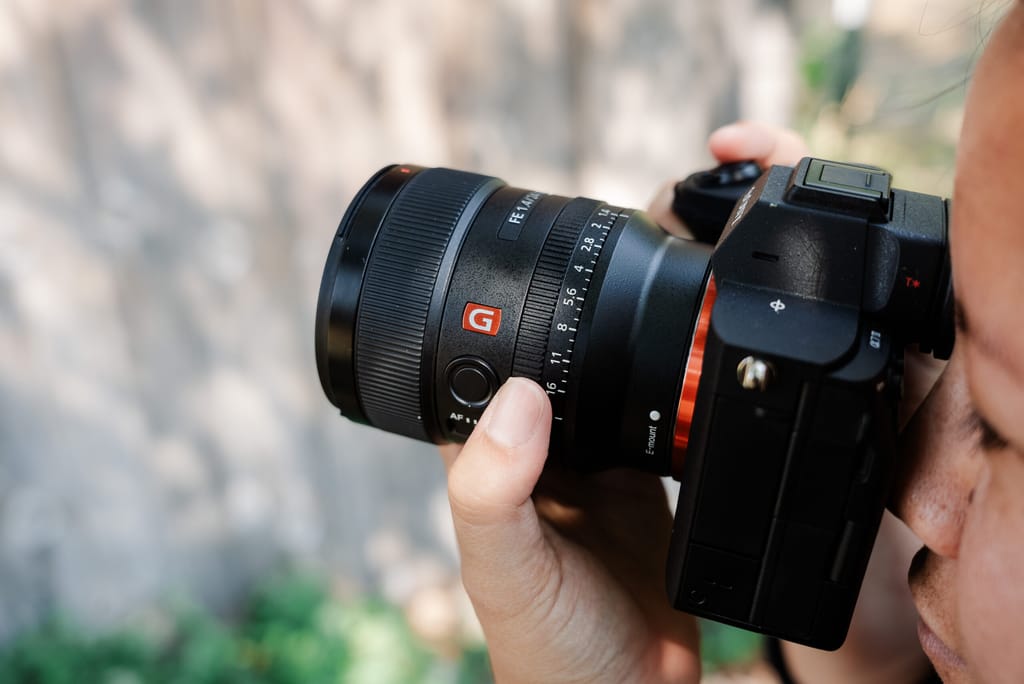
Whether you’re a seasoned pro or just starting out, finding the right lens for your camera can feel like decoding a secret language. Between confusing mount systems, mirrorless transitions, and vintage glass, knowing what works with what isn’t always straightforward.
That’s why we’ve created this lens compatibility guide—to help you identify which lenses match your camera body, how to get more flexibility with adapters, and how to confidently buy or sell used camera lenses. With KEH Certified™ gear and trusted support from our team of experts, you don’t need to be a tech wizard to find the right fit.
Interchangeable lenses are the backbone of DSLR and mirrorless photography. These lenses can be detached and swapped out depending on your subject or style. The big difference? The mount system dictates compatibility—the physical and electronic connection between the lens and the camera body.
That’s where things get tricky. A Canon EF lens won’t fit on a Canon RF body without an adapter, even though both are made by Canon. Each mount system has its own design, meaning not all lenses and bodies are interchangeable, even within the same brand.
Using the wrong lens mount can cause more than just physical misfit. Even if it does attach, you might lose key features like:
You might also run into vignetting (dark corners) if you mount a crop-sensor lens (like Canon EF-S) on a full-frame body.
In short: It’s not just about whether a lens clicks into place—it’s about whether it works the way it should.
KEH takes the guesswork out of compatibility. Every lens in our catalog includes clear mount information, sensor compatibility, and expert grading so you know exactly what you’re getting. Plus, our filters let you shop by brand, mount, and even sensor type—so you can browse confidently.

Not sure what mount your camera uses? Start here:
Examples:
Here’s a quick breakdown of common mounts:
Canon
Nikon
Sony
Fujifilm
Micro Four Thirds
Some common questions we hear:
Can DSLR lenses work on mirrorless?
Often, yes—with the right adapter. Autofocus and stabilization may vary.
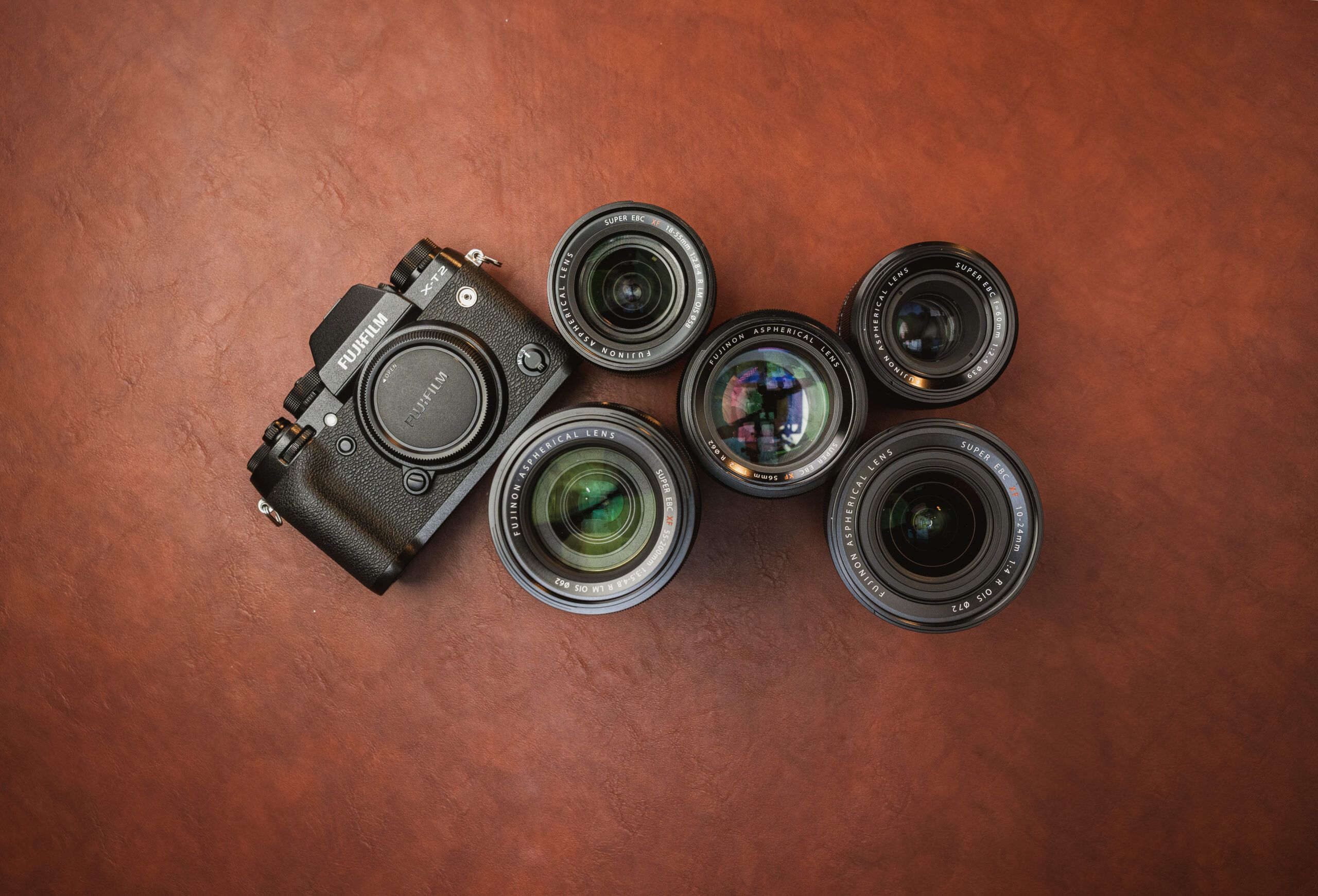
Adapter rings sit between your lens and camera body, allowing you to mount lenses from a different system. For example, an adapter can let you use a Nikon F lens on a Sony E-mount mirrorless camera.
Adapters can also let you revive vintage lenses, especially when paired with modern mirrorless bodies that support manual focus and metering.
Pros:
Cons:
You don’t have to pay top dollar to experiment with adapters. KEH carries a wide range of gently used adapters at budget-friendly prices—perfect for trying out that vintage Canon FD lens or adapting your DSLR kit to a new mirrorless setup.

Understanding lens types is just as important as mount compatibility.
By purpose:
Third-party brands like Sigma, Tamron, and Rokinon make high-quality lenses at a fraction of the cost of OEM glass. KEH inspects and warranties all used third-party lenses we sell—so you can buy with confidence.

When buying used camera lenses, always check:
KEH’s search filters and detailed listings make it easy to find exactly what fits your camera body.
Switching systems or upgrading your kit? Make sure to:
KEH offers instant quotes and free shipping, making it easy to trade in gear or cash out.
Every KEH listing is carefully graded and includes key specs like mount type, focal length, and sensor compatibility. Our team of experts inspects every lens, so you always know what you’re getting.
Lens compatibility doesn’t have to feel overwhelming. Whether you’re adapting vintage glass, switching systems, or just expanding your kit, KEH helps you find the right lens for your camera body—and your photography style.
When you shop KEH Certified™ lenses, you get peace of mind knowing each item is tested, inspected, and backed by a 180-day warranty. Explore our trusted inventory of pre-owned camera lenses or sell gear you no longer use to make room for what’s next.