You
have no items in your shopping cart.
The Complete Guide to Proposal Photography: Tips, Tricks, and Gear
February 06, 2026
1 min read

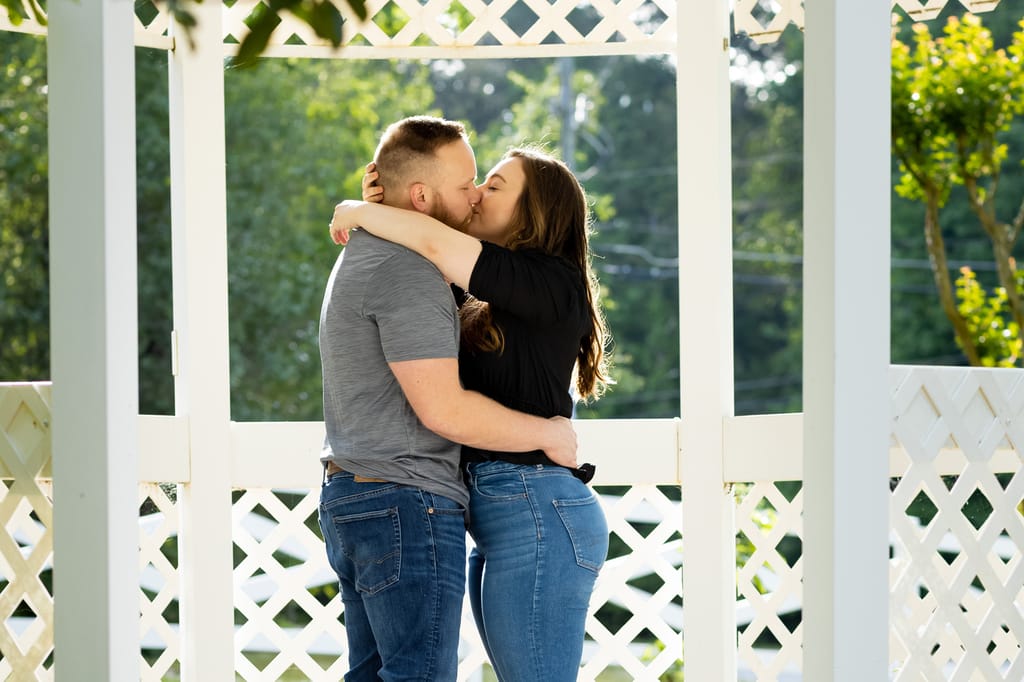
Proposal photography sits in a league of its own. Unlike engagement shoots where both partners know what’s happening, or weddings with their structured timelines, proposals demand the precision of photojournalism combined with the emotional storytelling of portrait photography—all while remaining completely invisible. Here’s everything you need to know to capture that once-in-a-lifetime moment.
Your planning call with the proposer is crucial. You need to extract information like you’re planning a heist, because in a way, you are. Ask about:
Schedule a site visit at the same time of day as the proposal. Scout your hiding positions, identify lighting challenges, and plan your escape routes for different scenarios.
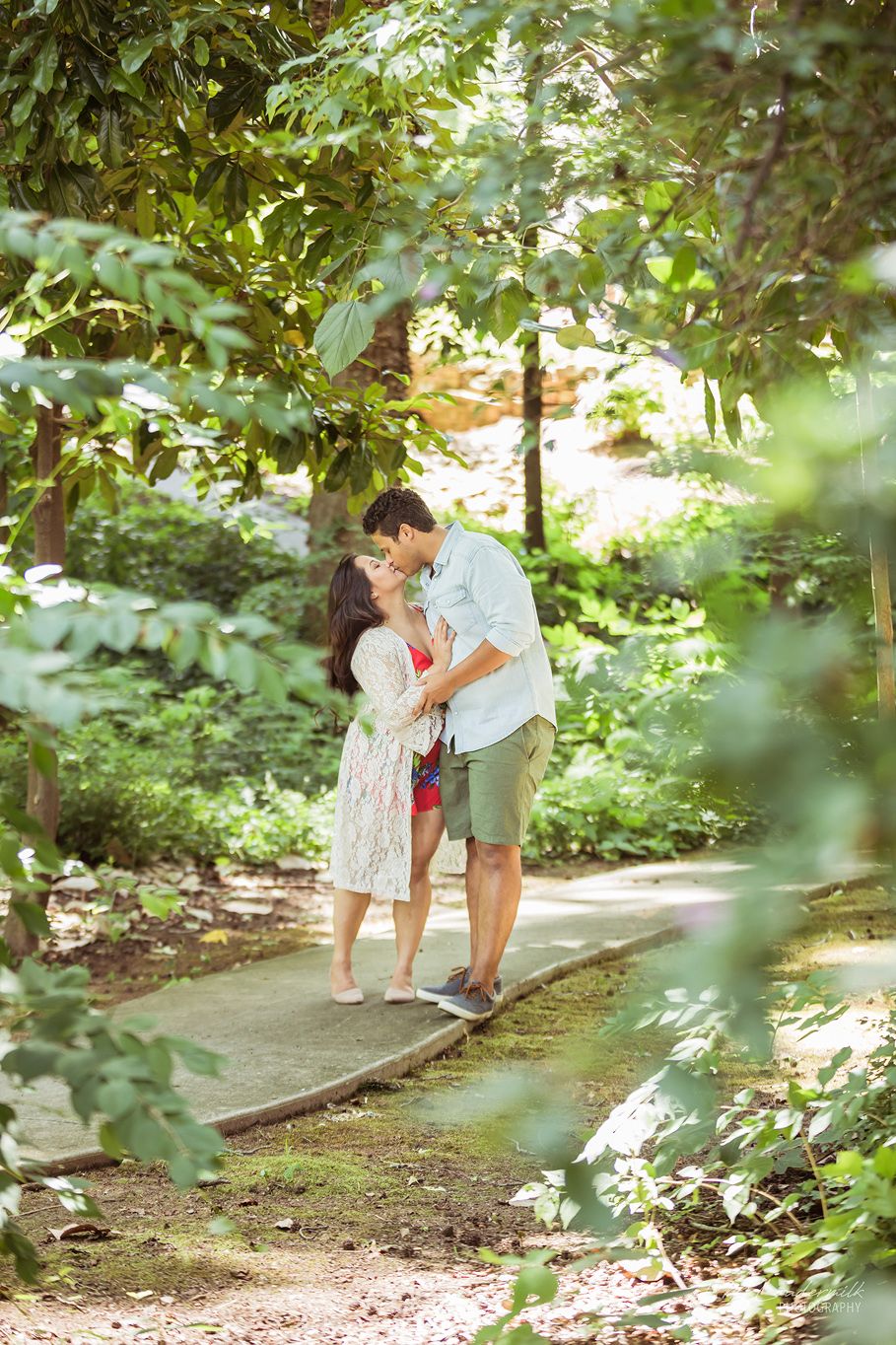
The best proposal photographers are part chameleon, part ninja. Your disguise needs to match the environment:
The key is commitment. Half-hearted disguises get noticed. Fully embody your role.
You need at least two shooting positions if possible:
If you’re solo, prioritize the front-facing position. Expressions are everything. Position yourself 20-40 feet away with a telephoto lens rather than close with a wide angle—you need that working distance. Especially if you’re hoping to capture some close-up shots from far away.
Establish a subtle signal system with the proposer:
Never make eye contact with the proposer before the moment. It’s a dead giveaway.
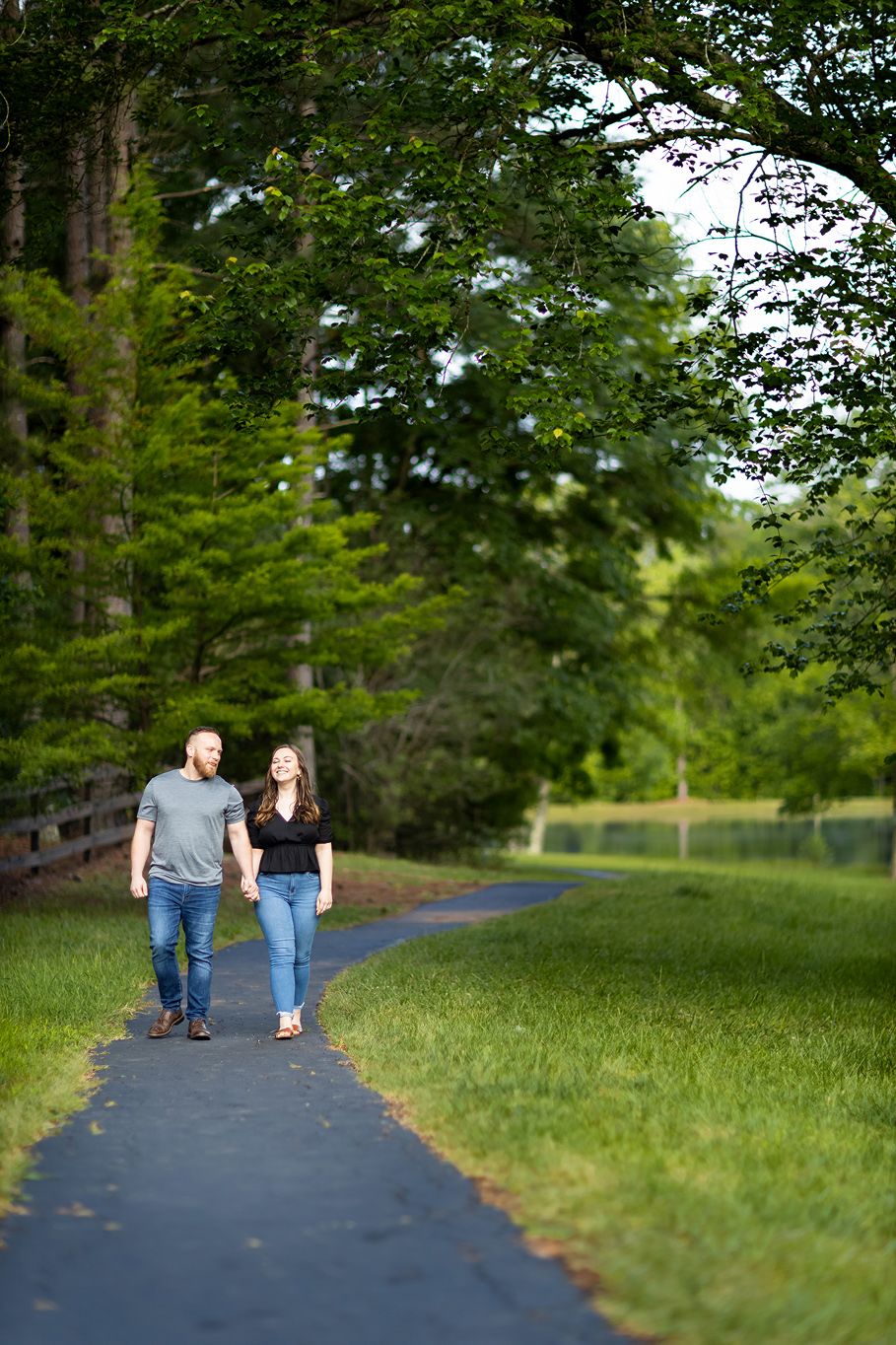
You get one shot at this—literally. Your settings need to be bulletproof:
Shutter Speed: Minimum 1/250s, preferably 1/500s or faster. People move unpredictably during proposals—jumping, covering mouths, hugging. Motion blur ruins the moment.
Aperture: f/2.8 to f/5.6, depending on your distance. Too wide (f/1.4-f/2) and you risk missing focus on quick movements. You need enough depth of field to keep both people sharp.
ISO: Whatever it takes. Mirrorless cameras handle high ISO remarkably well. A slightly noisy, sharp image beats a blurry, clean one every time.
Focus Mode: Continuous autofocus (AF-C/AI Servo) with subject tracking if your camera has it. Lock onto the proposer initially, as they’re more predictable.
Drive Mode: High-speed continuous. Shoot in bursts. Expressions change in milliseconds—you want options.
Metering: Spot or center-weighted metering on your subjects, not the environment. Expose for faces, especially in challenging light.
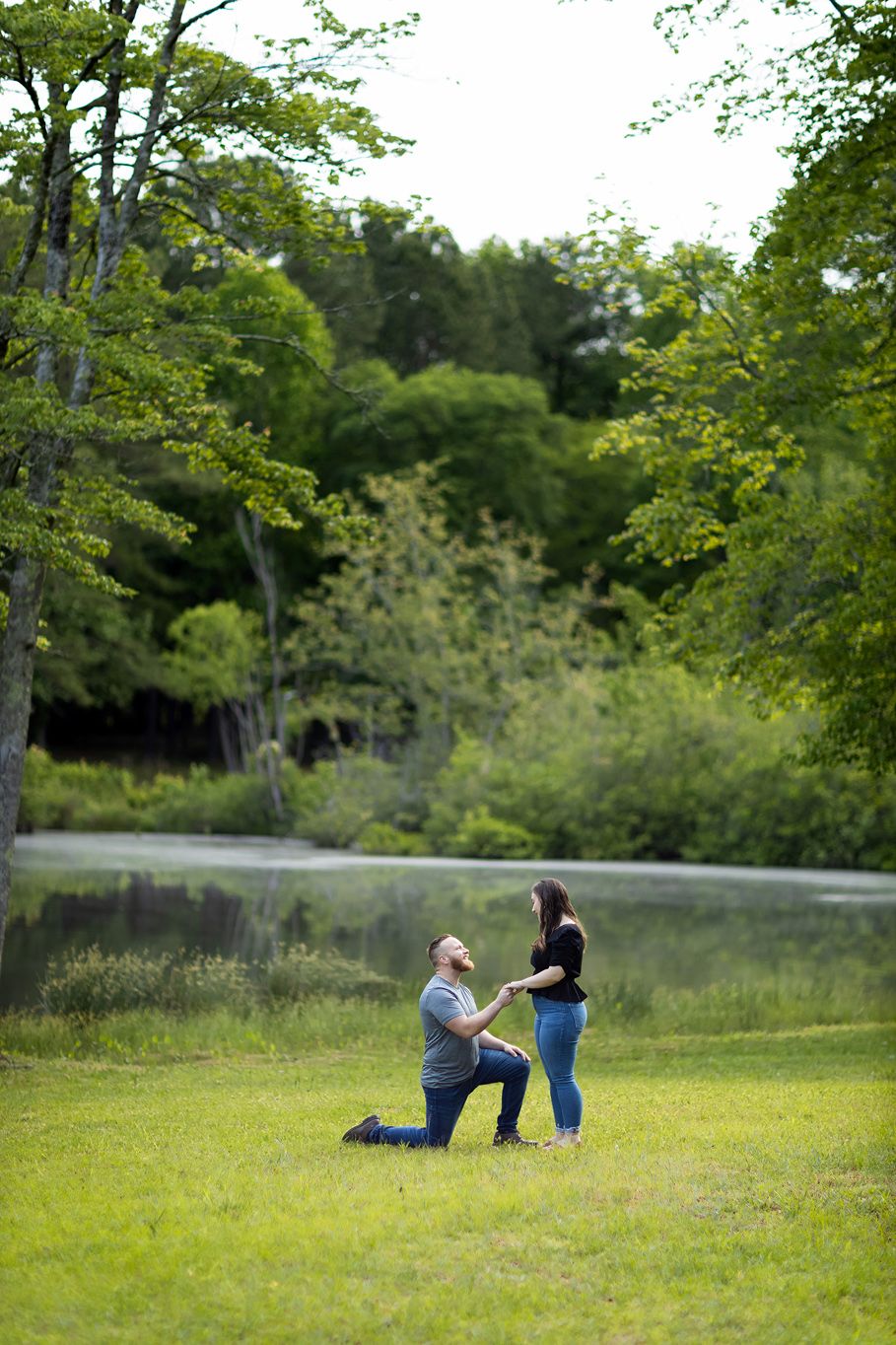
Your lens choice depends entirely on your working distance:
Bring backup lenses. If you’re shooting with a 70-200mm and they suddenly decide to propose in a different, tighter location, you need options.
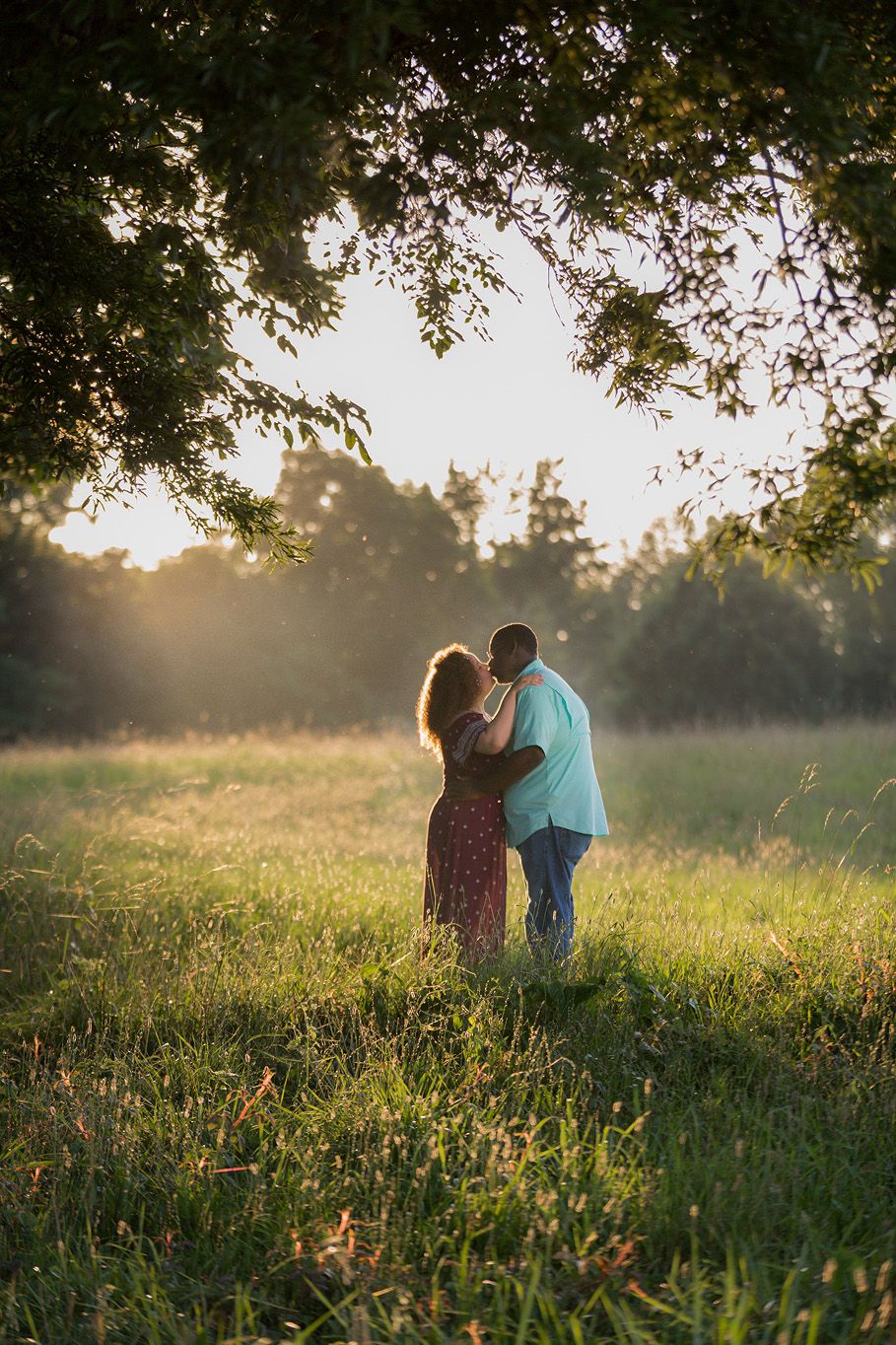
Proposals rarely happen in perfect lighting conditions:
Backlit situations (sunset proposals): Expose for the subjects and accept blown-out skies, or use fill flash if you can disguise it (some photographers use a speedlight in a small bag with a trigger). You can recover sky detail in editing, but you can’t recover underexposed faces.
Night/low light proposals: Crank that ISO. Modern full-frame cameras can shoot clean images at ISO 6400-12800. Use fast lenses and stabilization. If there’s any ambient light (streetlights, restaurant candles, fairy lights), use it.
Harsh midday sun: Position yourself so the sun is side-lighting or backlighting rather than top-lighting. Side light creates dimension; backlight creates drama. Top light creates raccoon eyes.
Mixed lighting indoors: Set a custom white balance or shoot RAW (you should be shooting RAW anyway) and fix it in post. Don’t let mixed color temperatures stop you from getting the shot.
Full-Frame Mirrorless (Ideal)
APS-C Options (Budget-Friendly)
Priority features: fast continuous shooting (10+ fps), good buffer depth, excellent autofocus tracking, strong high-ISO performance, and weather sealing for outdoor shoots.
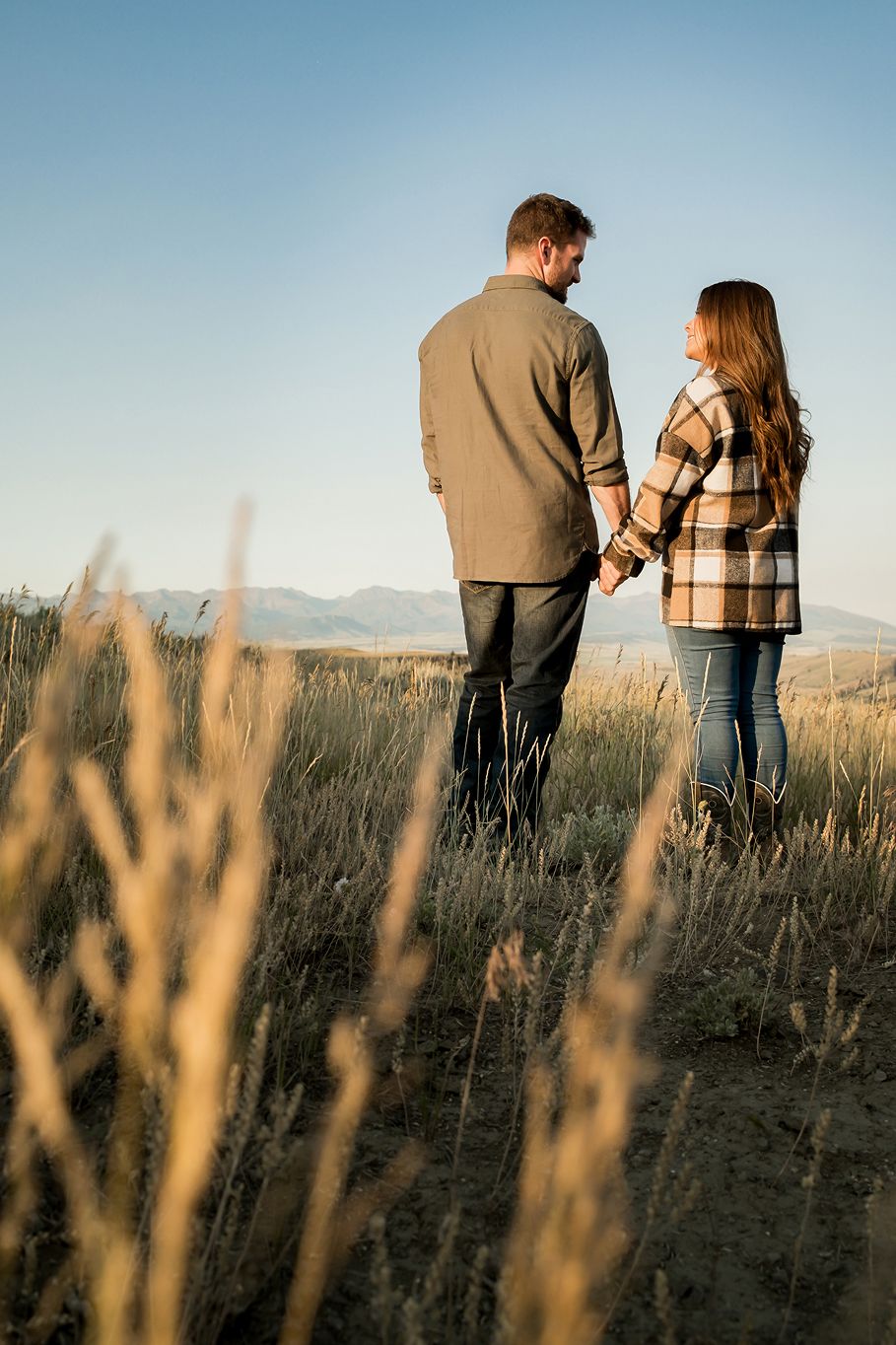
Must-Have: 70-200mm f/2.8 (or f/4 for budget-conscious shooters)
Highly Recommended: 24-70mm f/2.8
Nice to Have: Fast prime (85mm f/1.8, 50mm f/1.2, or 35mm f/1.4) for specific scenarios
Memory Cards: Bring twice what you think you need. Use fast cards (V60/V90 rated) for high-speed shooting without buffer issues.
Batteries: At least two fully charged spares. Nothing ends a proposal shoot faster than a dead battery at the critical moment.
Camera Bag: Low-profile backpack or sling that doesn’t scream “professional photographer.” Think Peak Design Everyday Sling or something similar that blends in.
Lens Cleaning Kit: Proposals wait for no one, including the time to clean a smudged lens. Keep microfiber cloths handy.
Backup Camera Body: If you’re charging professional rates, bring a second body. Equipment fails at the worst possible times.
External Flash with Wireless Trigger: For situations where you can use flash without revealing yourself (some photographers set up a remote flash disguised in a bag or behind a plant)
Monopod: Easier to disguise than a tripod, helps with long lens stability during waits
Portable Audio Recorder: Some photographers hide a small recorder near the proposal spot to capture audio, though this requires careful planning and permission
Stay calm. Follow at a distance and adapt. If you’ve done a site visit, you know alternative angles. Signal the proposer if you have a way to communicate, but otherwise, trust your mobility and zoom lens.
Keep shooting. You can’t control crowds. Often you’ll get clear frames before or after the interruption. Wide apertures help blur obstructions. In editing, you can sometimes composite the best moments.
Don’t panic or confirm their suspicion. Stay in character. If you’re a “tourist,” keep photographing other things. If they approach, you’re just taking photos of the location. Most people won’t confront a stranger anyway.
This is why you shoot in manual mode with Auto ISO or aperture priority. Your camera can adapt to changing light faster than you can dial in new settings. Trust your exposure compensation and histogram.
Many couples want to see photos immediately. Have a few favorites ready to show on your camera. This often leads to post-proposal portrait sessions while emotions are still raw and authentic.
Proposal photography is high-stakes work that combines technical excellence with covert creativity. Every proposal is different, requiring adaptability and quick thinking. But when you nail it—when you capture that genuine moment of shock, joy, and love—you’ve given a couple something priceless: proof of the exact moment their lives changed forever.
With KEH Certified™ pre-owned camera gear, you can build a professional proposal photography kit without compromising on quality or breaking the bank. Get the gear you need to capture life’s most unrepeatable moments, backed by KEH’s rigorous inspection process and warranty protection.