You
have no items in your shopping cart.
Macro Photography Buyer’s Guide: The Best Gear to Get Closer
March 19, 2026
1 min read

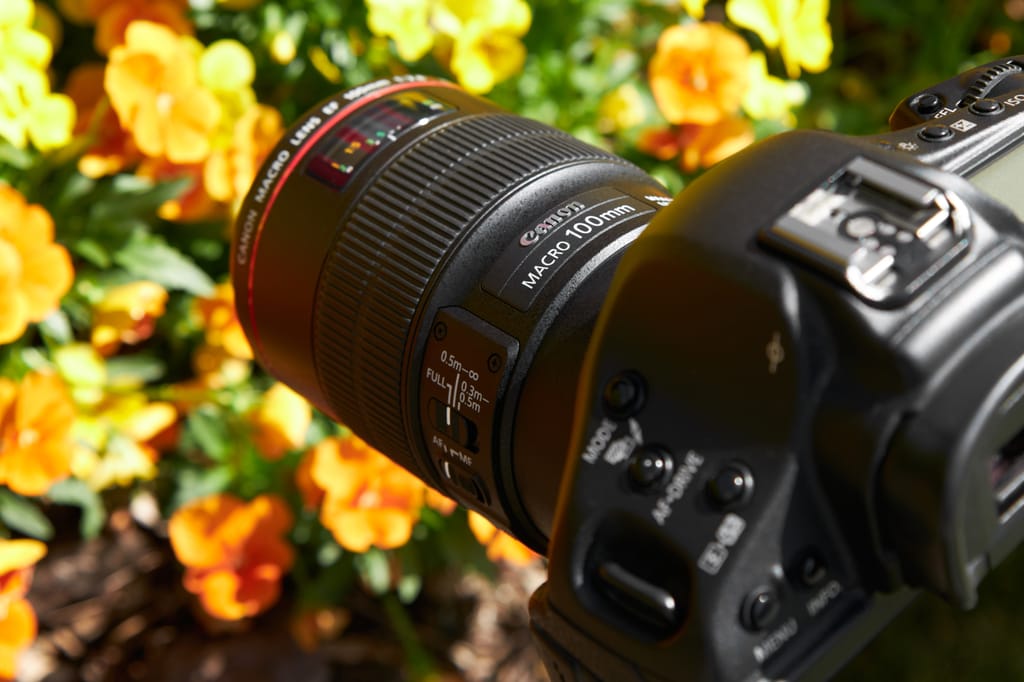
Macro photography has a way of changing how you see the world. Tiny textures, intricate patterns, the stamens of a flower, the compound eye of a fly — things that exist right in front of you every day suddenly become the whole frame. Once you shoot macro, arm’s-length photography starts to feel like you’re leaving something on the table.
Whether you’re photographing botanicals in your backyard, product details for a commercial client, or insects on a trail, the right macro photography gear is the difference between frustration and results. We’ve been handling, grading, and selling macro glass since 1979. This guide cuts through the noise and tells you what actually works.
What You’ll Learn in This Guide
True macro photography means shooting at 1:1 magnification, aka your subject is reproduced on the sensor at actual life size. That’s the technical standard, and it matters when you’re buying glass. Plenty of lenses carry the “macro” label but top out at 1:2 or less. That’s close-up photography. It’s not the same thing. Check the specs.
Macro photography is the go-to technique for:
Not all macro lenses are built for the same job. Here’s how to match focal length to the work you’re actually doing:
Short (35mm–60mm): Built for controlled environments: product tables, studio setups, flat-lay work. You have to get physically close, which is fine when your subject isn’t going anywhere.
Mid-range (90mm–105mm): This is where most photographers land for good reason. Comfortable working distance, excellent background compression, and enough versatility to pull double duty as a portrait lens. If you only buy one macro lens, buy it here.
Long (150mm–200mm): The right tool when your subject won’t cooperate. Insects, skittish wildlife, anything that moves the moment you get close — longer working distance solves that problem.
These are lenses our team has handled, graded, and sold thousands of times. They’re not here because of spec sheets — they’re here because they perform. Buying any of these pre-owned from KEH means getting glass that’s been evaluated by people who actually know what they’re looking at.
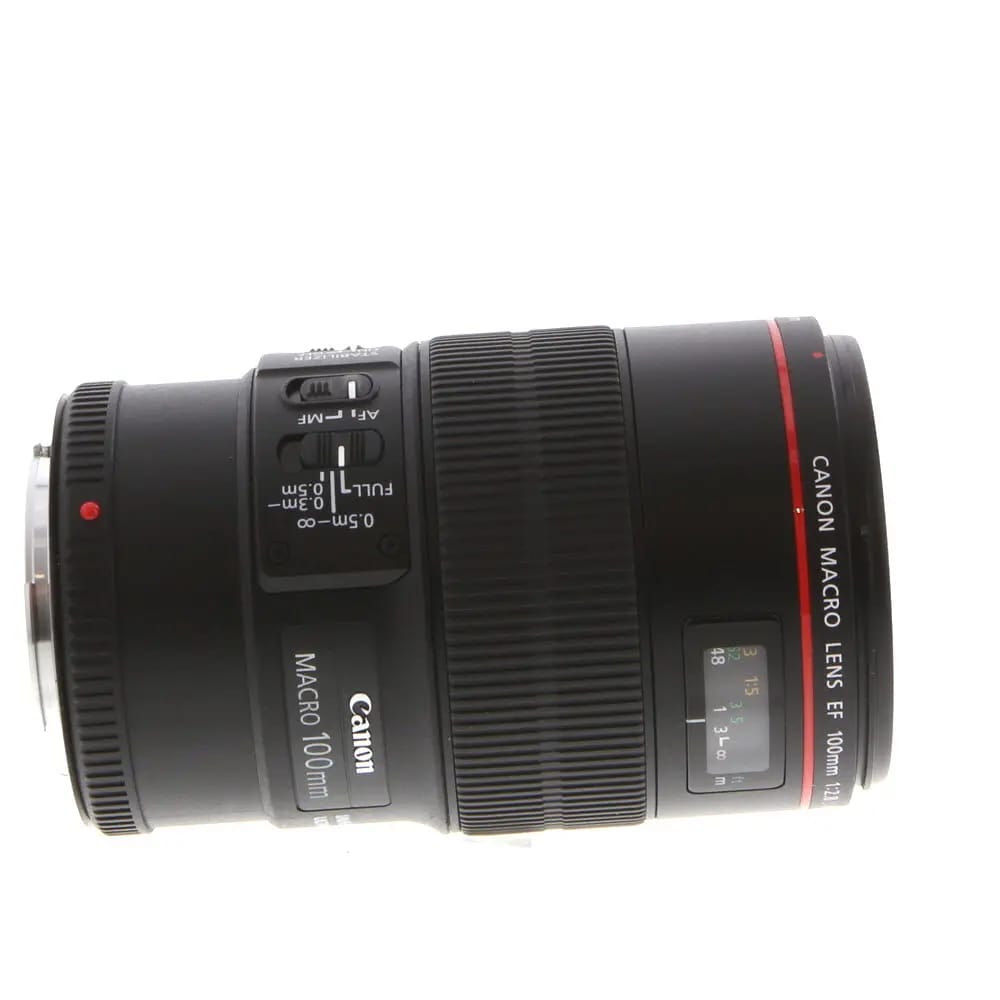
Canon EF 100mm f/2.8L Macro IS USM
One of the most versatile lenses Canon ever made. Sharp at 1:1, stabilized for handheld work, and capable enough to serve as a portrait lens the rest of the time. It holds its value for a reason — buy it used and let someone else absorb the depreciation.
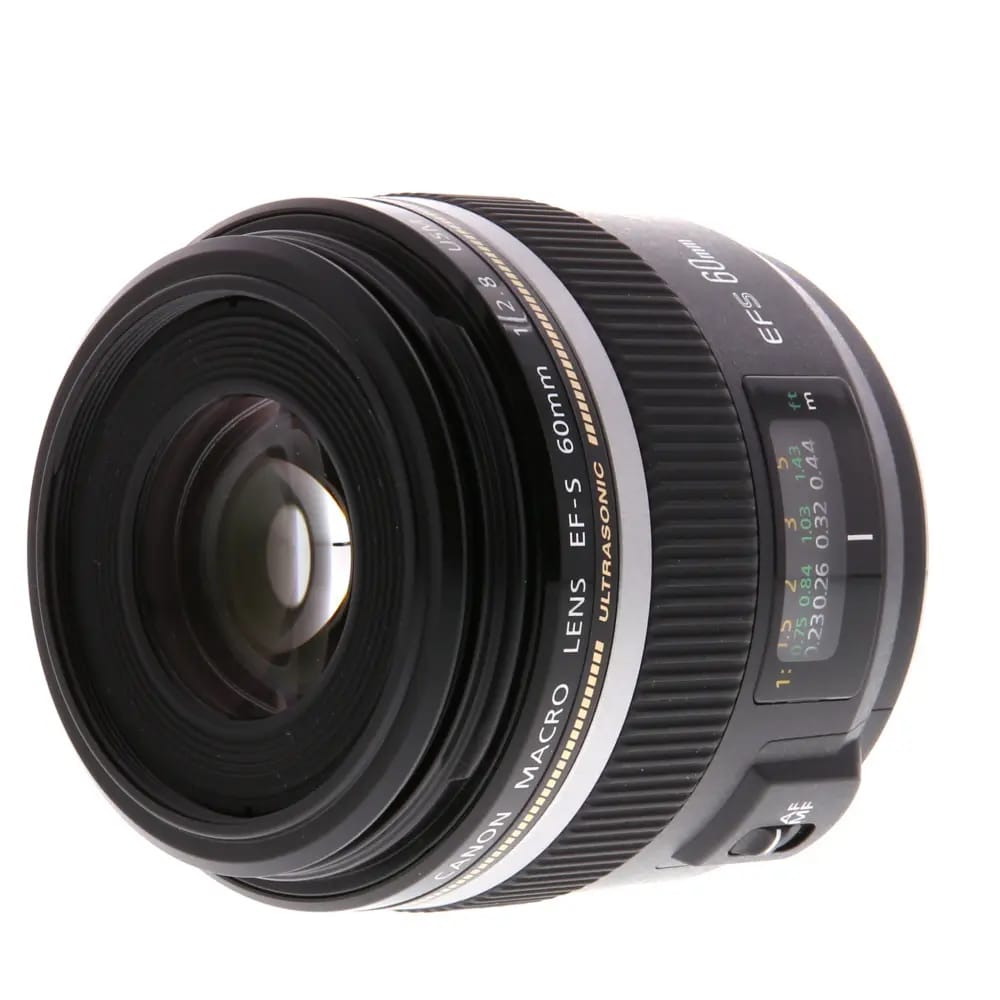
Canon EF-S 60mm f/2.8 Macro USM
Compact, sharp, and straightforward. A smart entry point for APS-C shooters who want real macro capability without overcomplicating it.
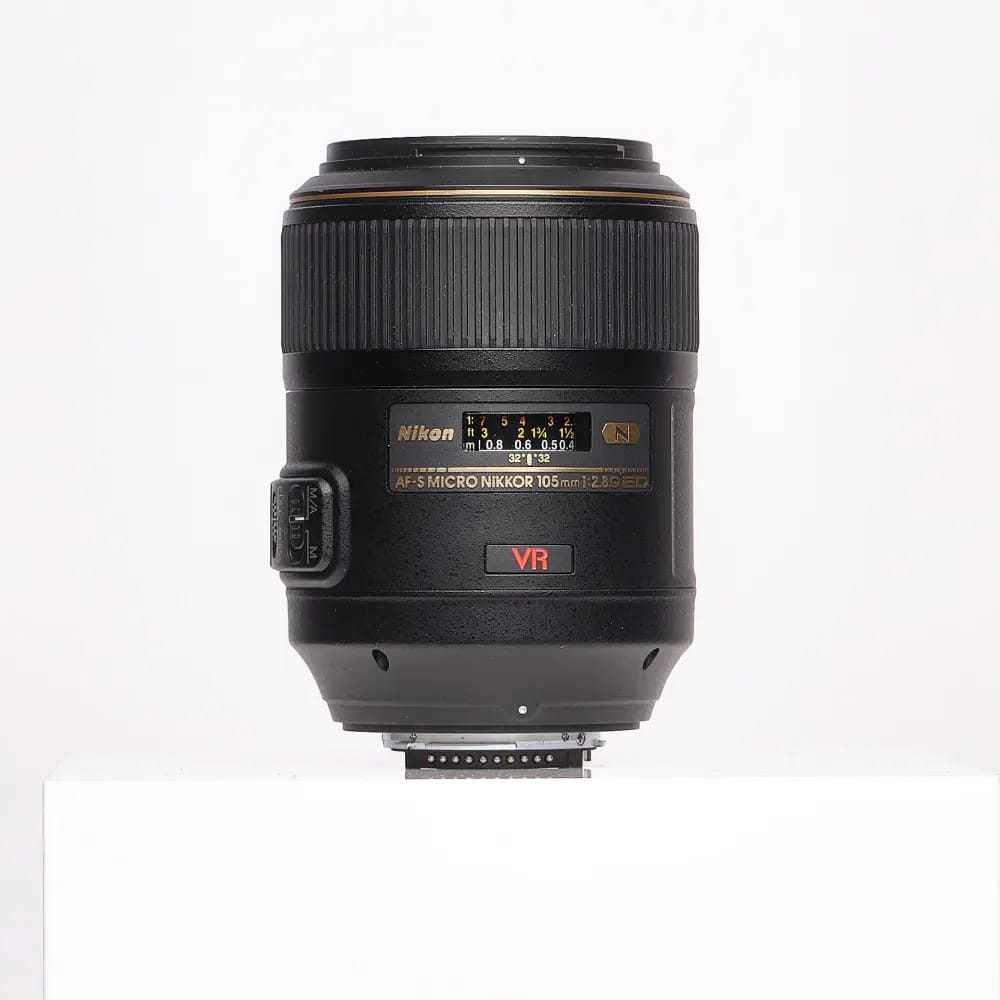
Nikon AF-S VR Micro-NIKKOR 105mm f/2.8G IF-ED
The benchmark for Nikon macro. The vibration reduction is genuinely useful in real-world shooting conditions, and the sharpness is hard to argue with. A lens that earns its price every time you use it.
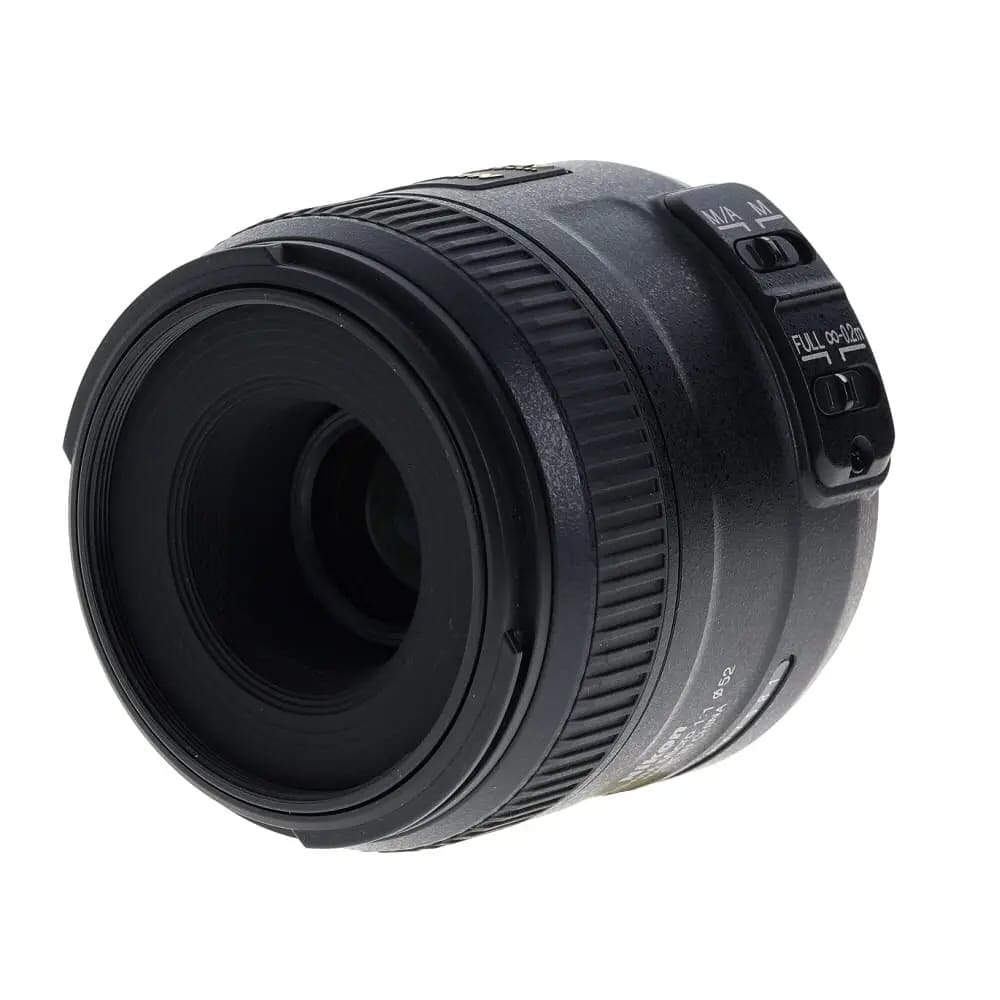
Nikon AF-S DX Micro-NIKKOR 40mm f/2.8G
Light, affordable, and capable. If you’re new to macro and not ready to commit to a bigger investment, this lens gets you there without the anxiety.
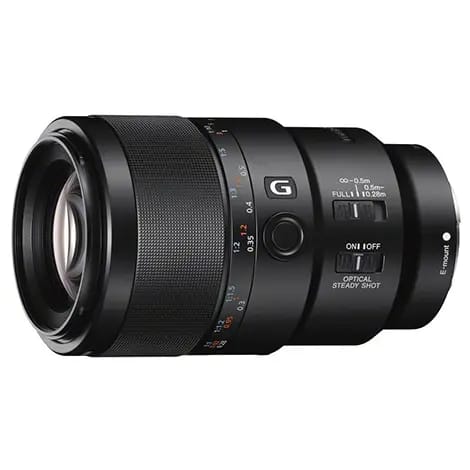
Sony FE 90mm f/2.8 Macro G OSS
Sony’s G-series glass earns the name. This lens is sharp, stabilized, and renders bokeh with the kind of smoothness that makes backgrounds disappear. The standard choice for Sony mirrorless shooters who are serious about macro.
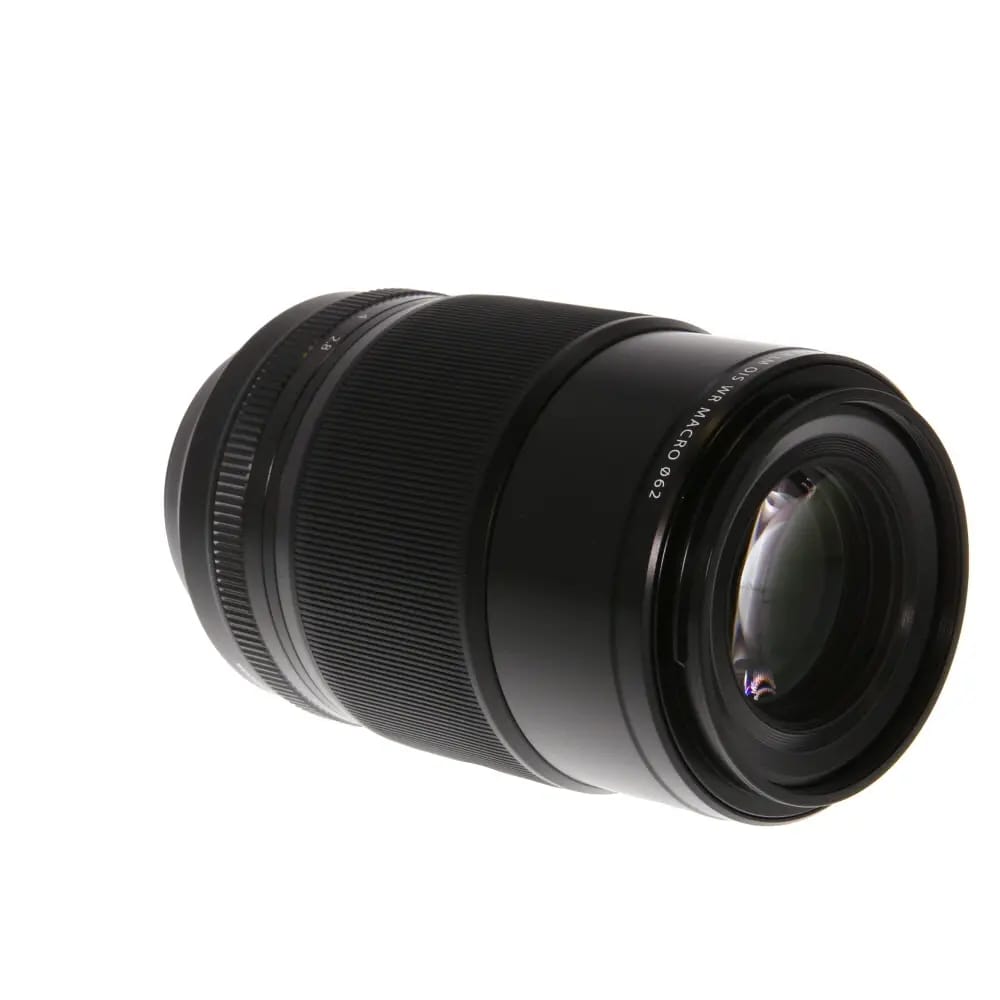
Fujifilm XF 80mm f/2.8 R LM OIS WR Macro
Weather-sealed, optically stabilized, and built to the same standard as the rest of Fuji’s serious glass. If you shoot in the field and need a macro lens that won’t quit in tough conditions, this is the one.
Not necessarily, especially if you want to test the discipline before committing. Three legitimate alternatives:
None of these replaces a dedicated macro lens. When you’re ready for reliable autofocus, optimal working distance, and the sharpest possible results, a purpose-built macro lens is the only honest answer.
Check out this blog to learn about other types of lenses and camera accessories.
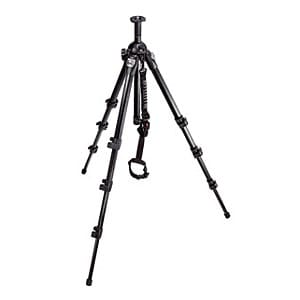
At macro distances, camera shake isn’t just a problem…it’s the problem. A solid tripod is non-negotiable for precise work, especially in low light or when you’re focus stacking. Don’t skip it and wonder why your shots aren’t sharp.
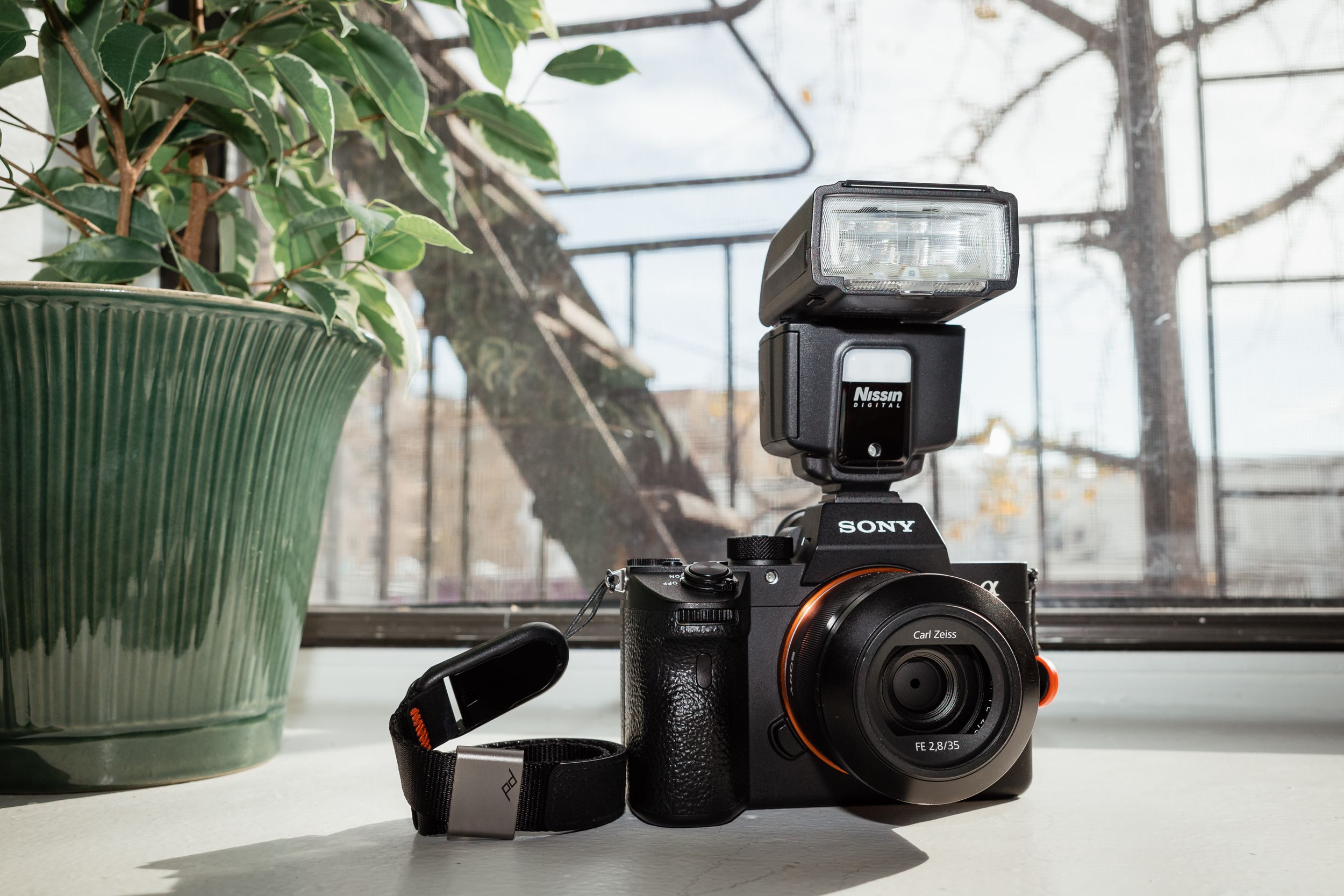
The closer you get, the more likely you are to block your own light source. Solve that problem before it costs you the shot:
Soft, directional light reveals texture. Hard light just creates problems. The difference between those two outcomes is almost always the lighting setup.
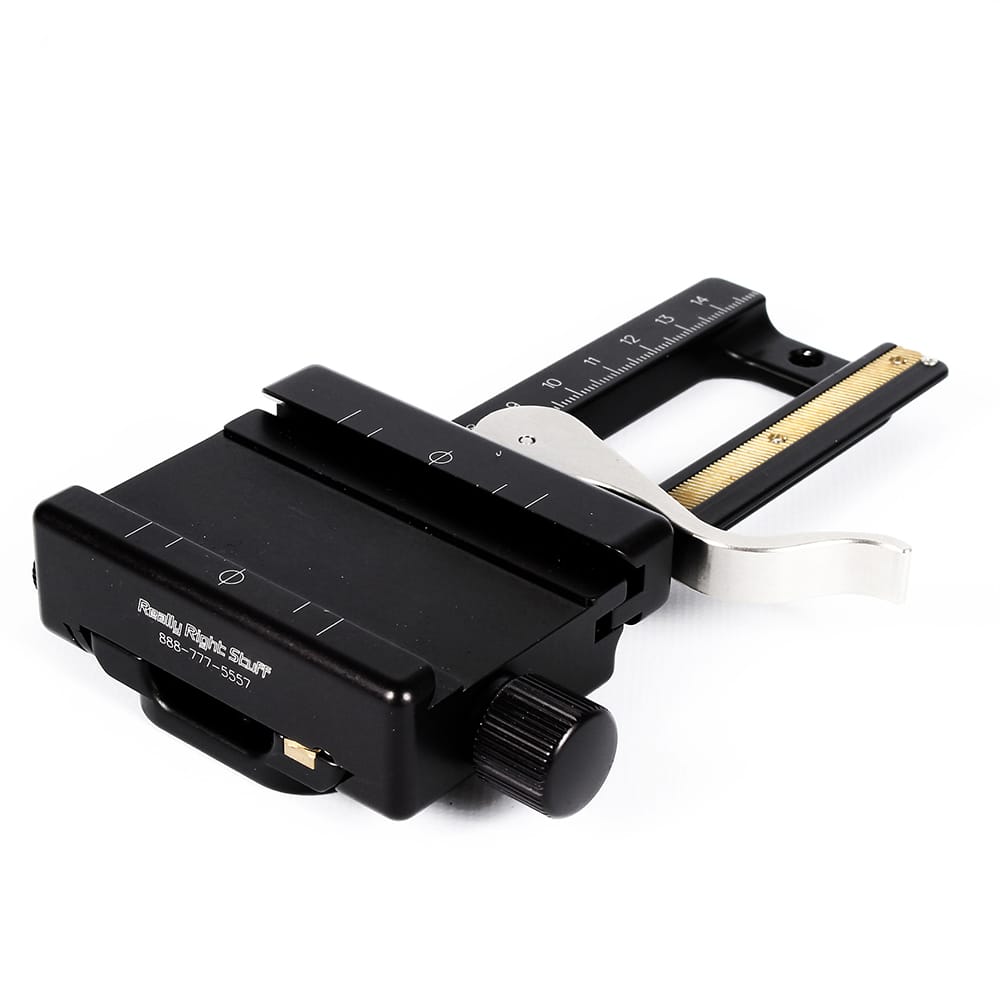
At 1:1 magnification, depth of field is measured in millimeters. A macro focusing rail lets you move the camera in precise increments — forward, back — without touching the focus ring. Essential for focus stacking and for any situation where “close enough” isn’t close enough.
Great gear only gets you so far. Here are the settings that actually produce sharp macro shots:
Focus stacking, or shooting multiple frames at slightly different focus points and combining them in post, is the standard technique for getting true front-to-back sharpness. If you’re shooting subjects with real depth, it’s worth learning.
Macro lenses are precision instruments built to last decades. That makes them one of the best categories to buy pre-owned; the glass doesn’t wear out, and a well-cared-for lens shoots exactly the same as it did on day one.
The used market, though? That’s a different story. Most of it is a gamble. Strangers’ promises on auction sites, endless scrolling through identical listings with no way to know what you’re actually getting.
KEH has been doing this since 1979. We’re not a tech company moving boxes. We’re camera people, and the only major marketplace with manufacturer-approved repair capabilities. Every lens that comes through our facility is graded by KEH Certified Pros who know exactly what they’re evaluating. You see the grade. You know what you’re buying. No surprises.
There’s also a bigger picture: keeping great glass in circulation puts timeless optics into the hands of photographers who wouldn’t otherwise have access to them. All the great photographs ever taken were taken with used cameras. That’s not a marketing line, it’s just true.
You don’t need the most expensive macro setup to do serious work. A solid 90–105mm macro lens, a tripod, and thoughtful lighting will take you further than a bag full of gear used without intention.
Macro photography teaches you to slow down and look harder. The gear just needs to get out of the way and let you do it.
Browse KEH Camera’s selection of used macro lenses at keh.com — graded by people who know cameras, backed by 45 years of doing this right.
Want more on macro photography? Check out this blog: