You
have no items in your shopping cart.
In Conversation with Stan Johnson
February 26, 2026
1 min read

I’m Stan Johnson, an Atlanta-based documentary and portrait photographer. I care about trust. I try to meet people first, and make photographs second. My work is about life and the documentation of my community. I photograph with respect and love. I want people to feel seen, not observed. The goal isn’t perfection. It’s honesty.
Atlanta/Decatur raised me, so I photograph it from the inside. The pictures come from familiarity. From knowing how people gather, how they talk to each other, and how a place can feel like home even in the middle of a big city. I’m just trying to preserve what already exists.
It started with my wife and daughter. I just wanted to document moments of our family. My wife bought me my first camera, a Canon 60D. I walked around the city making images of whatever interested me. What I kept doing without realizing it was talking to people. Eventually, they trusted me enough to let me make their portraits.
One of those early portraits stayed with me. It made me understand photography wasn’t really about places or events. It was about people and connection. For a while, I photographed sports because of my background in basketball and the relationships I had around the city. But I kept returning to the same thing. I cared more about the human presence around the event than the event itself. That realization led me into documentary work.
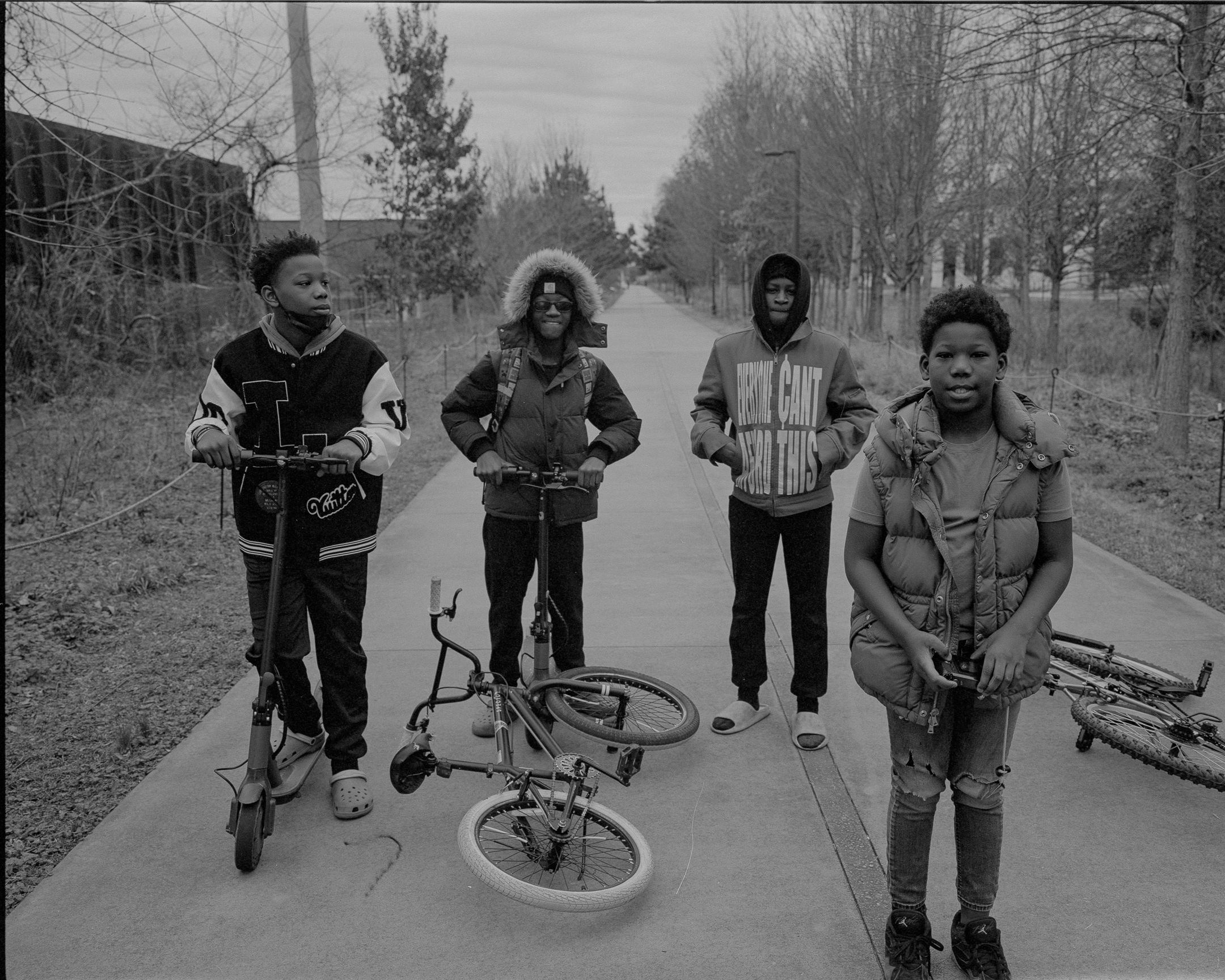
Being born and raised here affects everything. Atlanta is deeply connected to Black culture. When I travel, I still recognize pieces of home. The conversations, the confidence, the style, and the way people gather. Atlanta also allows closeness. People speak to each other here. That makes photographing feel natural. I’m not approaching people as a stranger studying a place. I’m photographing my own environment.
It shows up as respect. Growing up here, you understand you are part of a continuation. People before us created room for us to exist and create freely. I try to honor that by photographing people with dignity. I’m not trying to recreate history. I’m trying to document the present carefully so it becomes history later.
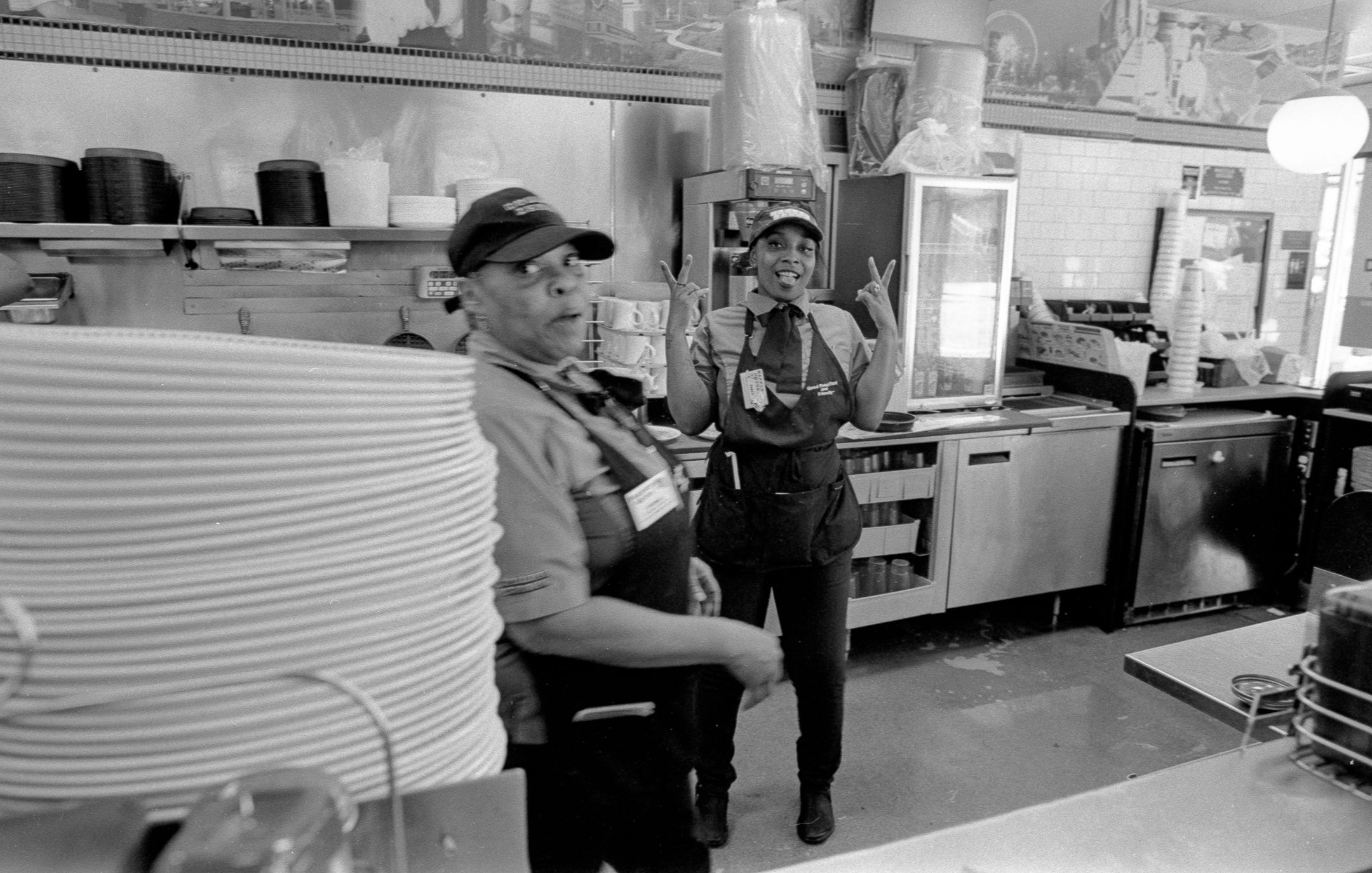
Atlanta feels like a big city that still behaves like a neighborhood. You constantly see familiar faces. People speak even if they don’t know you. Conversations happen easily. Basketball courts, gas stations, barbershops, church parking lots. Those are real gathering places here.
Gordon Parks, Eli Reed, Marilyn Nance, and Kwame Brathwaite. What I admire most is their closeness to the people they photographed. The images feel respectful and collaborative. It never feels like they took something. It feels like they were allowed to be present. That’s what I try to carry into my work.
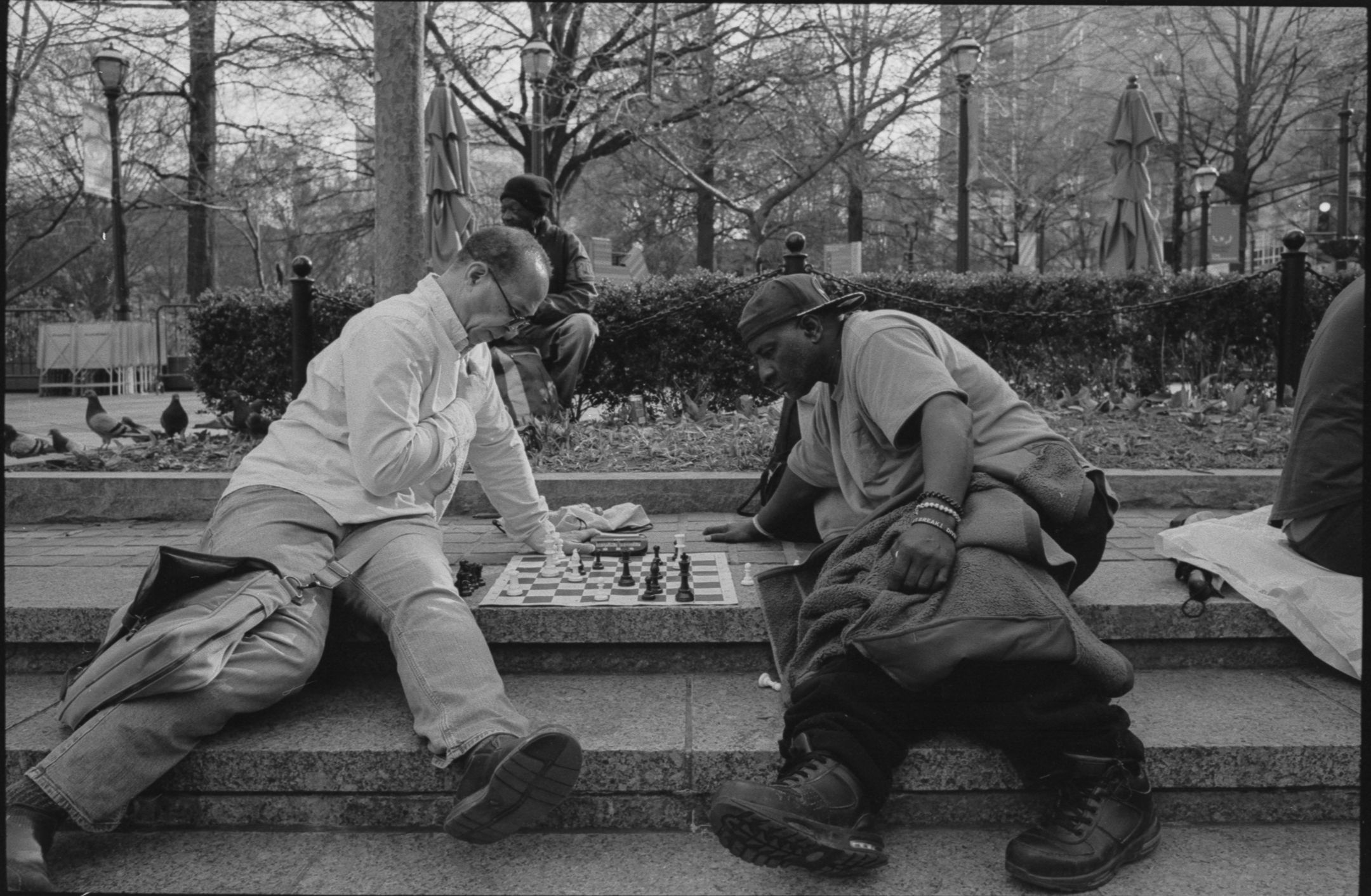
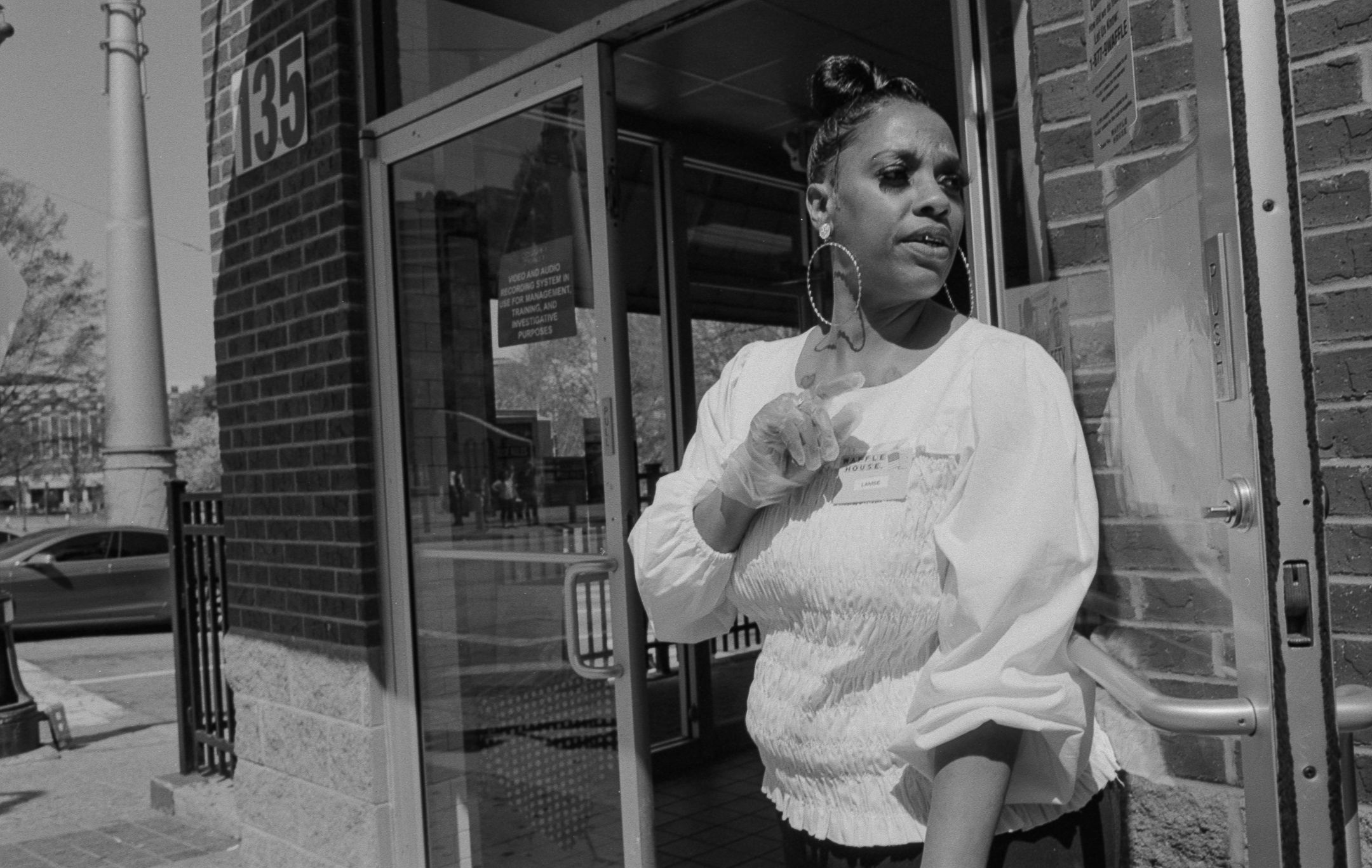
I feel a real responsibility. I’m photographing people who could be my family. Our stories should be shown honestly. Not exaggerated and not reduced to aesthetics. I try to photograph with care and share with the same care.
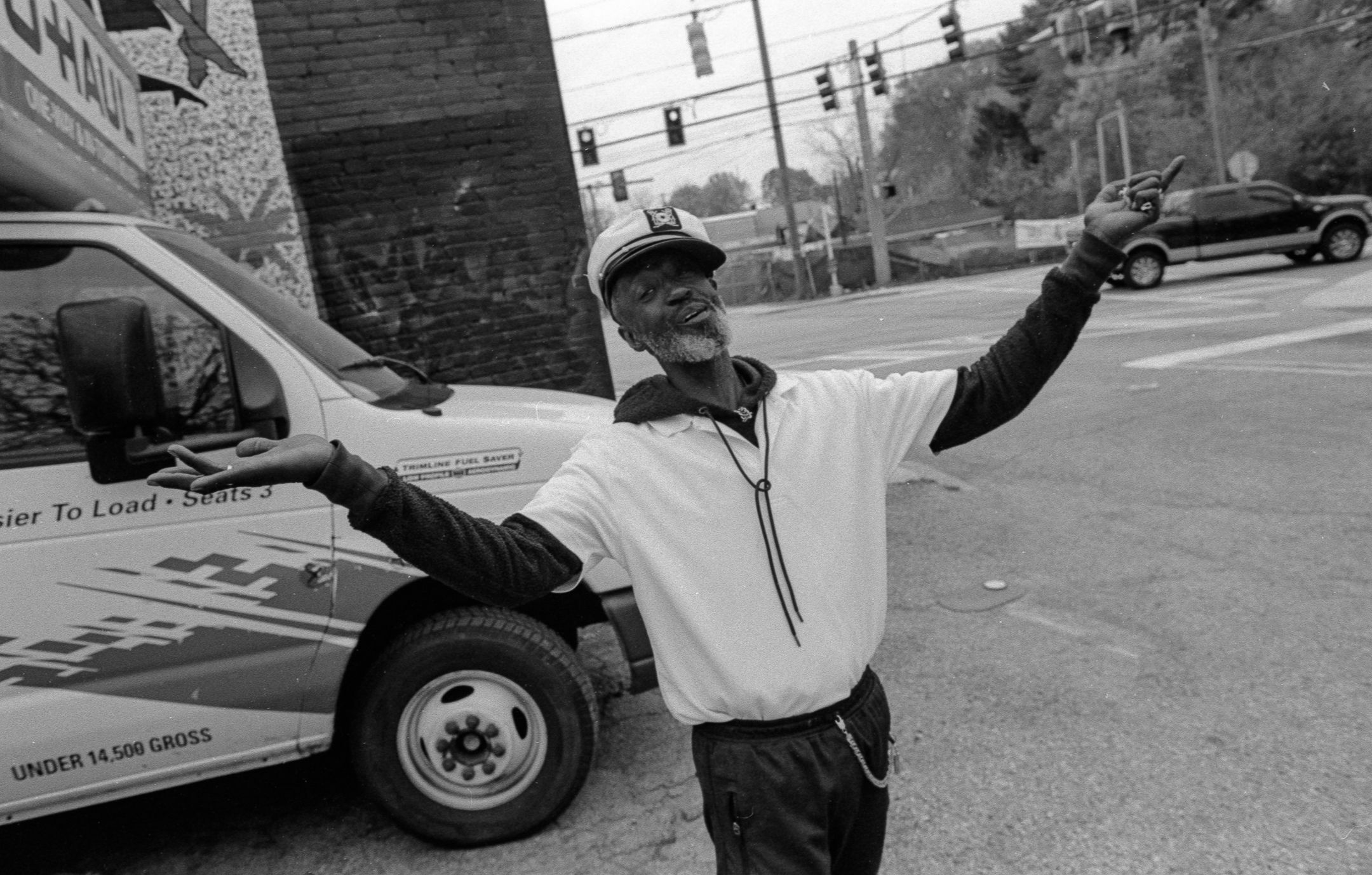
Portraits of elders mean the most to me. Recently, I took a portrait of one of my best friend’s grandfather, whom I have known since childhood. While capturing the image, we talked about his life and experiences. I learned things I had never known about him.
The photograph became less about how he looked and more about acknowledging his life. It felt important to make this while he could still receive it.
Right now, I reach for my Mamiya 7. I’ve long used a Leica M5, but I wanted a larger negative while still working with a rangefinder. The Mamiya gives me detail and still keeps me present. It slows me down and makes every frame intentional.
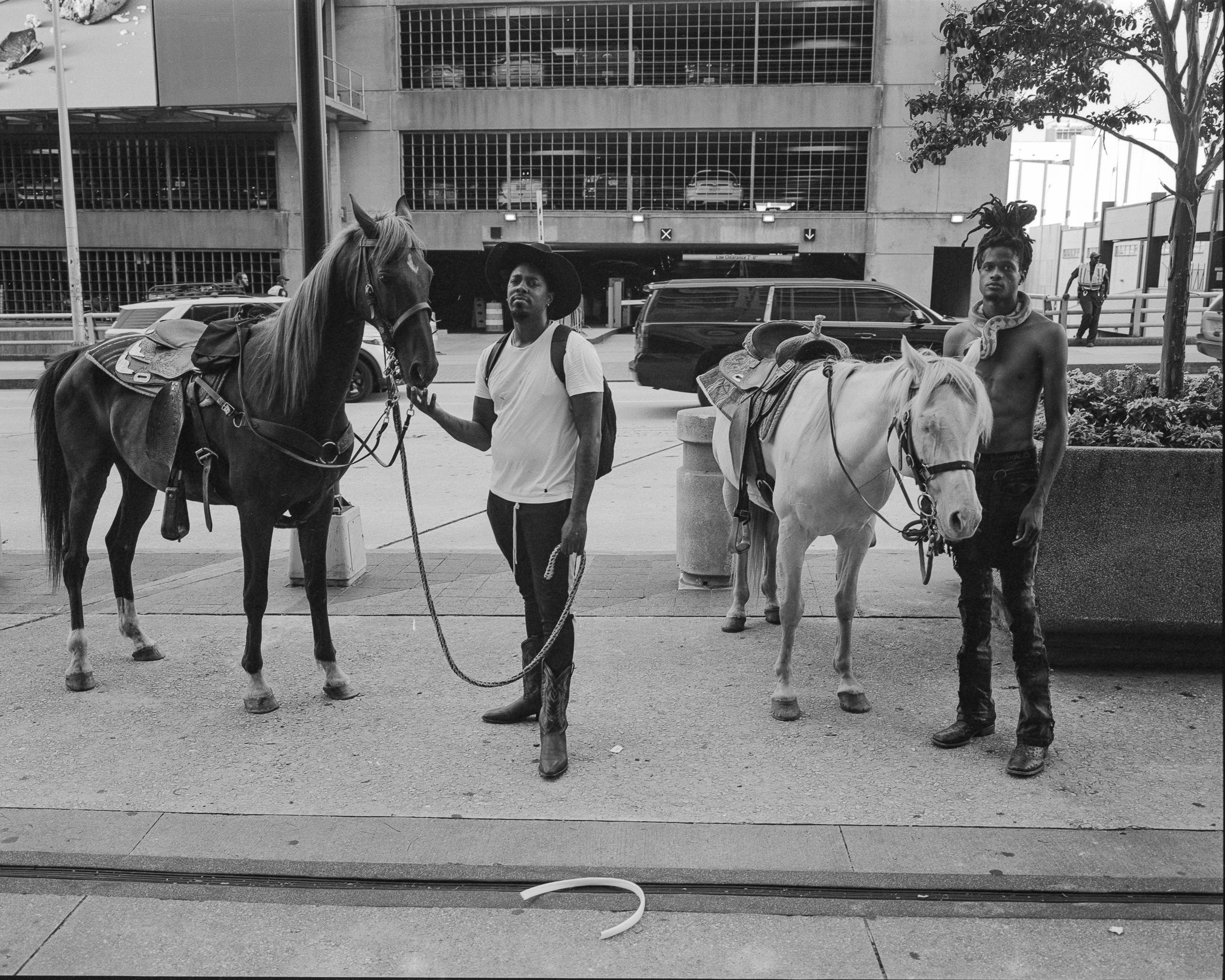
I started with the Canon 60D, then used the Canon 5D Mark II and III. When I photographed sports heavily, the Canon 1DX Mark II became my main camera for years. Eventually, I traded it in at KEH and moved more toward film. The Leica M5 became my everyday camera and changed my pace. I began observing more and reacting less.
It means reliability and access. A photograph happens once. The camera has to work when the moment comes. KEH gives people dependable tools at a price that makes photography reachable.
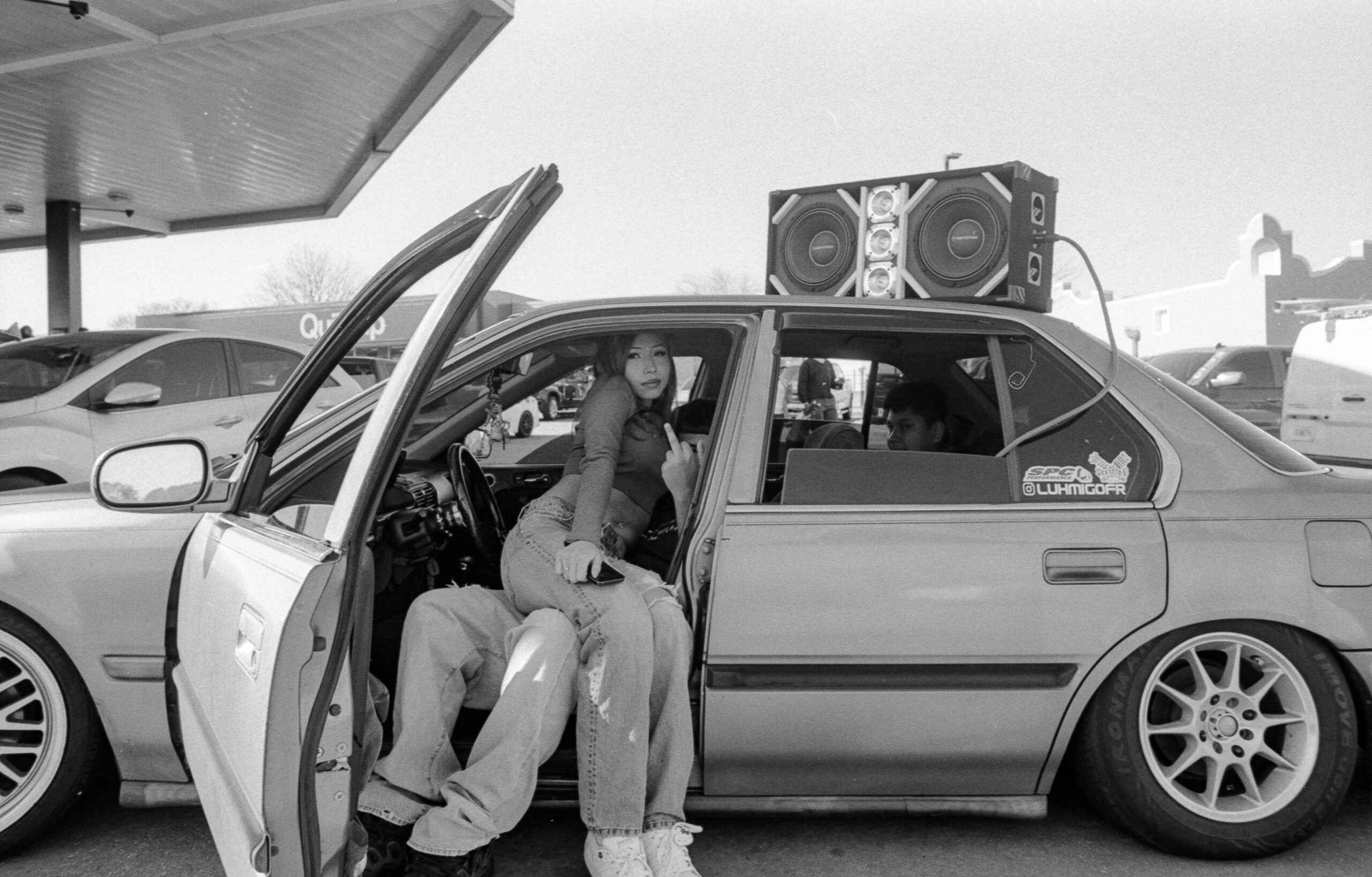
Almost every camera I own has been pre-owned. It removes financial pressure and allows people to begin sooner. You don’t have to wait for perfect equipment to start creating meaningful work.
Start with your community. Walk your neighborhood. Spend time in places without your camera first. Atlanta reveals itself slowly. It’s not New York, and it’s not Los Angeles. Once you accept Atlanta as it is, the photographs come naturally.
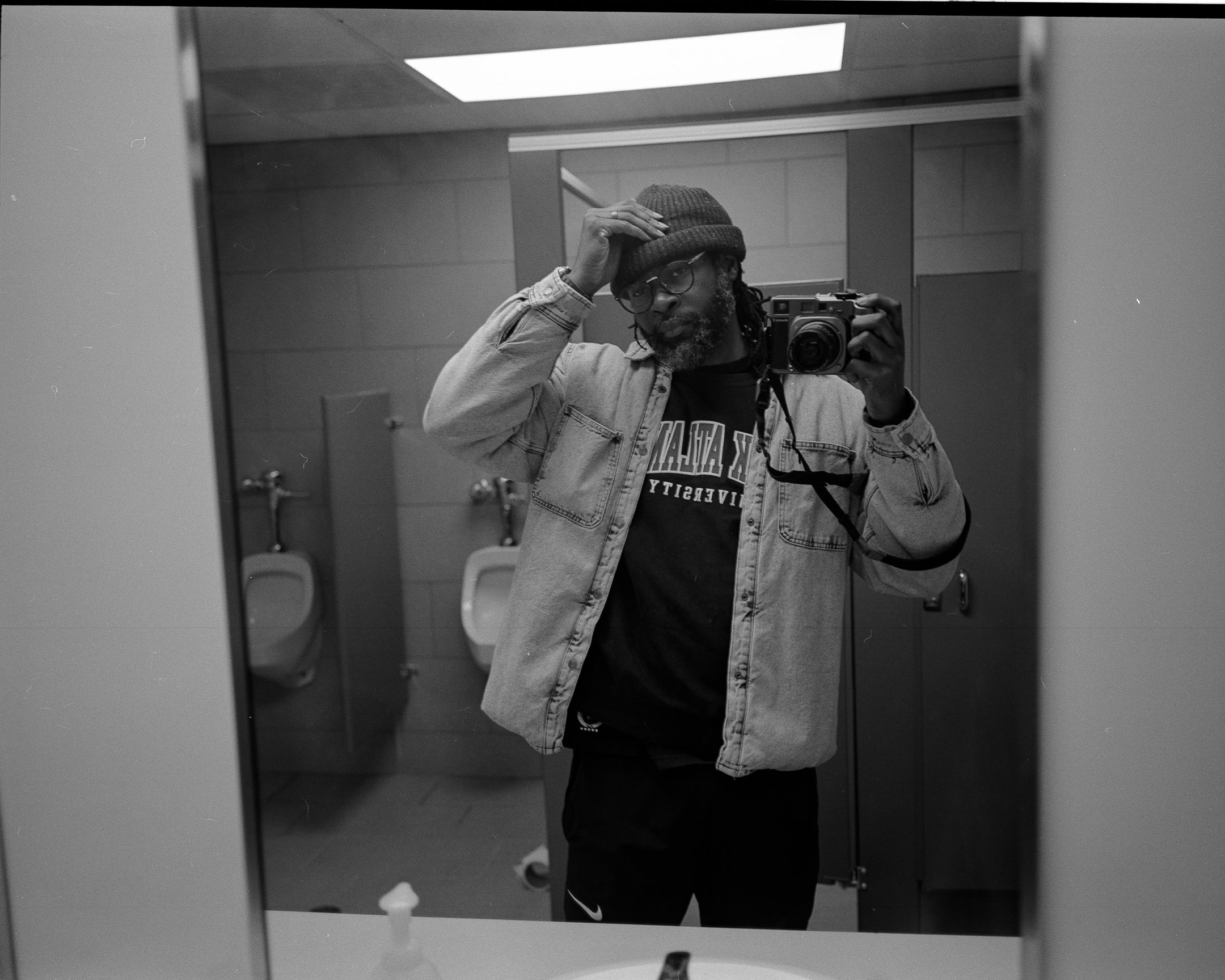
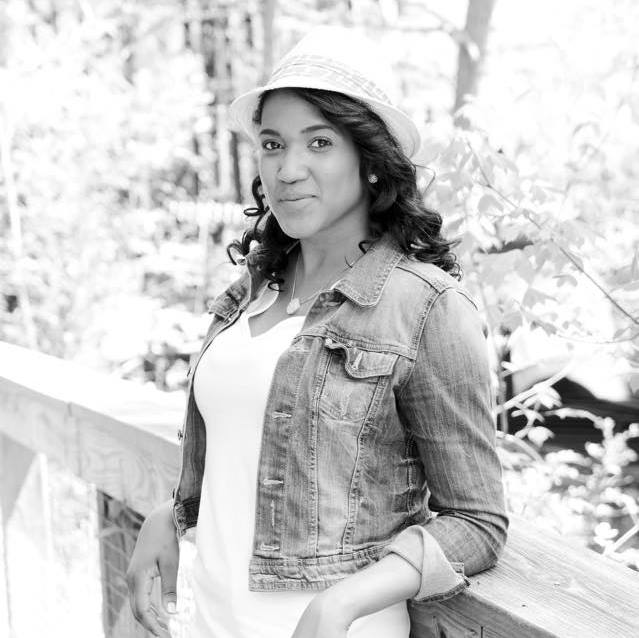
Stan Johnson is an Atlanta-based documentary and portrait photographer whose work centers on trust, memory, and everyday life within his community. He approaches people first and the photograph second, building connection before raising the camera. Raised between Atlanta and Decatur, Johnson photographs the city from the inside. His images come from familiarity, from understanding how people gather, speak, and create belonging within a large city that often feels like a neighborhood.
Working with intention and care, he aims for his subjects to feel seen rather than observed. His photographs prioritize honesty over perfection, documenting moments with respect and love. Stan’s practice is ultimately about preservation, not constructing narratives, but holding onto what already exists.
Want to see more of Stan’s work? Check him out on his Instagram and website.