You
have no items in your shopping cart.
Ultimate Fujifilm Gear Guide: New & Used Picks
March 23, 2026
1 min read

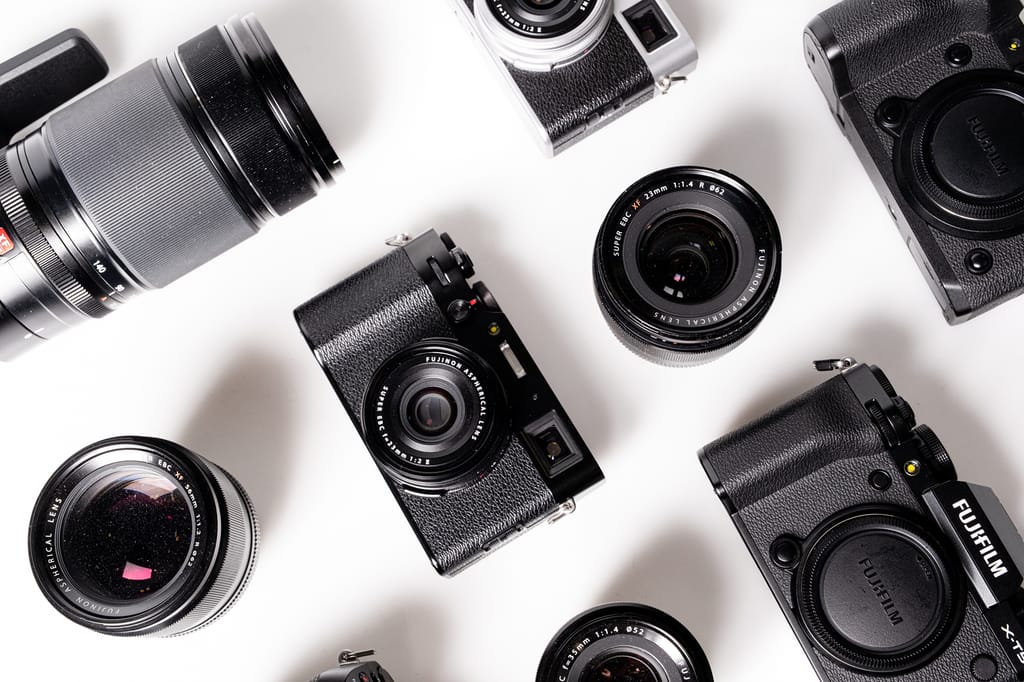
Fujifilm cameras are beloved for punchy colors, tactile controls, and compact, versatile designs—but with so many X-series models and lenses, picking the right one can feel overwhelming. That’s where this guide comes in. We’ll help you match a Fujifilm camera and lens setup to your style, skill level, and budget. Whether you’re just getting started, building a serious hobbyist kit, or shooting professionally, there’s a setup for you—often at a price that makes sense thanks to KEH Certified Pre-Owned gear.
Match Fujifilm cameras to your experience level:
Choose the right lenses for your style:
Zoom lenses for versatility
Prime lenses for sharpness and low-light performance
Explore this blog for more on prime vs. zoom lenses
Explore Fujifilm Film Simulations to achieve distinct looks straight out of camera
Find a camera body that fits your shooting style:
X-T series for tactile dials and manual control
X-S series for ergonomic grip and hybrid use
X-E and X100 series for compact, everyday portability
Consider KEH Certified Pre-Owned gear for high-quality equipment at a better value across budgets
Build a setup that fits your needs, shooting style, and inspires you to shoot consistently
Starting out? You want something versatile, approachable, and ready to shoot from day one.
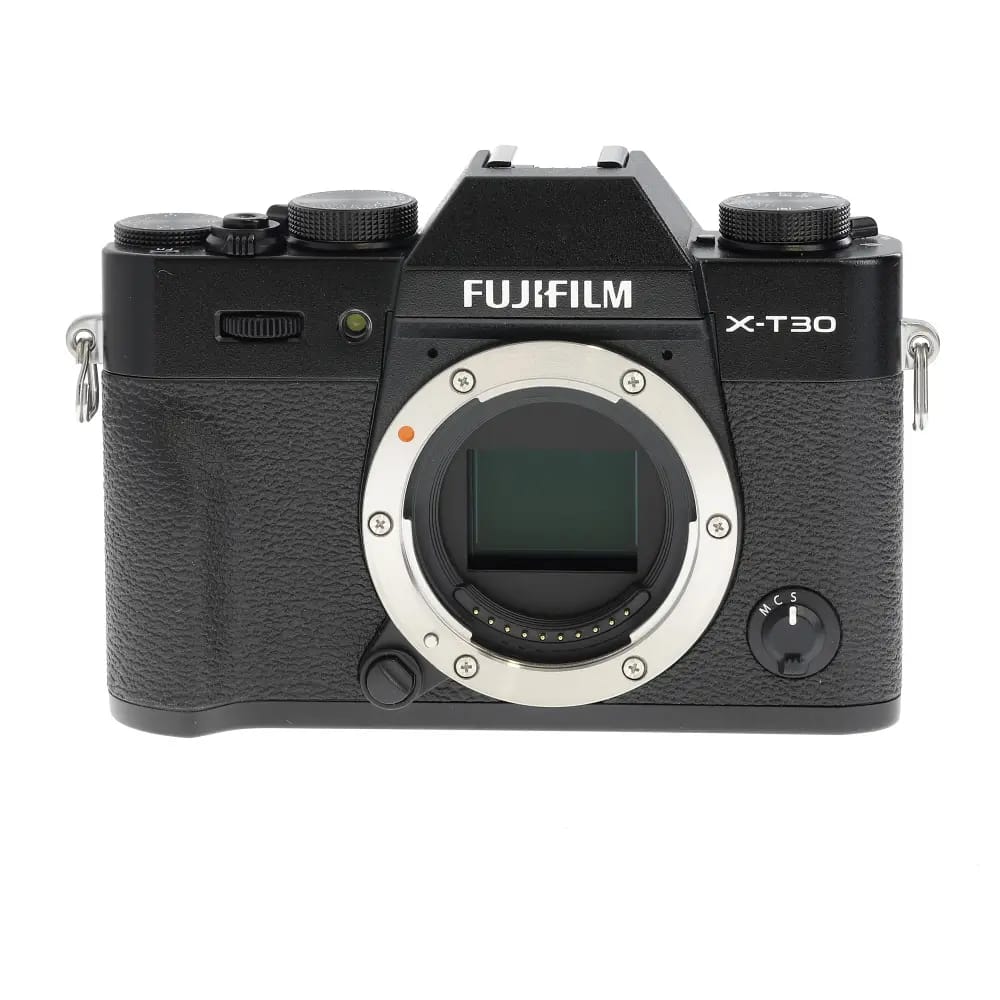
Fujifilm X-T30 II – Lightweight, intuitive, and full of tactile dials that make learning exposure hands-on fun. Pair it with the 18-55mm f/2.8-4 kit lens, and you’ve got a flexible zoom range perfect for travel, family photos, or just experimenting.
Fujifilm X-S20 – Compact, modern grip, and intuitive mode dial. Pair with the 18-55mm kit lens or a small prime like the 27mm f/2.8. It’s easy to carry, fun to shoot, and KEH Certified Pre-Owned models often land in the $500–$800 range, making high-quality Fujifilm gear surprisingly accessible.
Ready to take more control of your photography? Intermediate setups give you features that let you get creative without feeling limited.
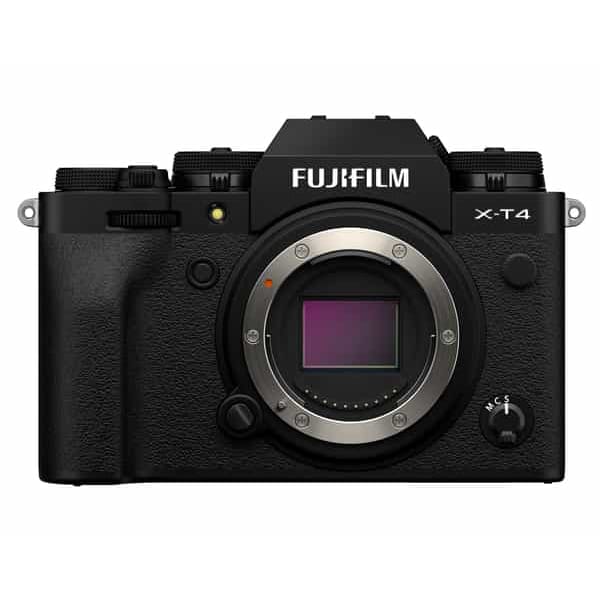
Fujifilm X-T4 – In-body stabilization, sharp image quality, and advanced features make this a favorite for portraits, street, and low-light photography. Add a 35mm f/2 prime or 16-55mm f/2.8 zoom and you can explore a variety of styles with confidence.
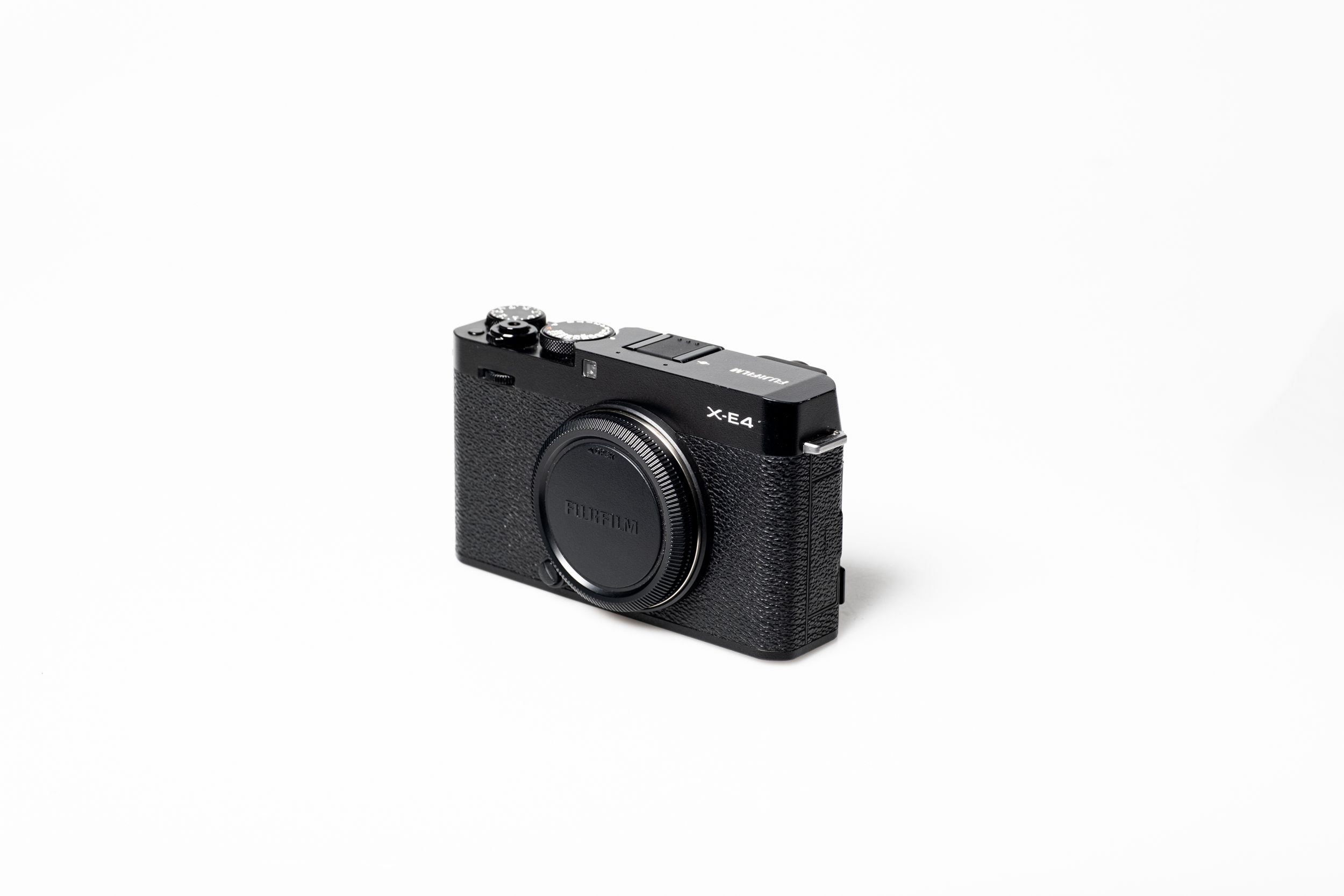
Fujifilm X-E4 – Sleek, rangefinder-style, and super portable. Pair with a 27mm pancake lens or 23mm f/1.4 for an ultracompact kit that delivers full Fujifilm image quality.
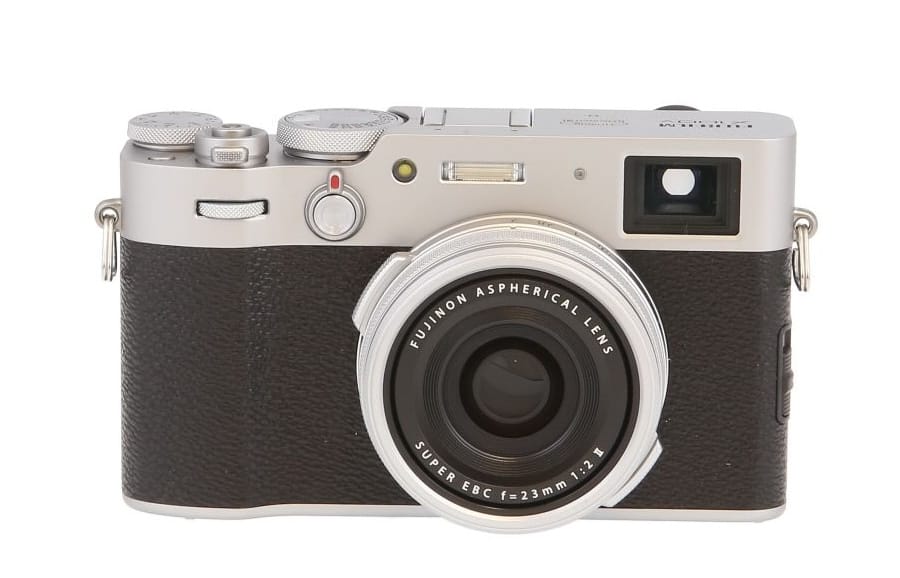
Fujifilm X-100V – Compact and stabilized, this camera is great for experimenting with creative techniques while staying approachable for everyday shooting.
Professional setups focus on reliability and flexibility—gear you can trust to perform day in, day out.
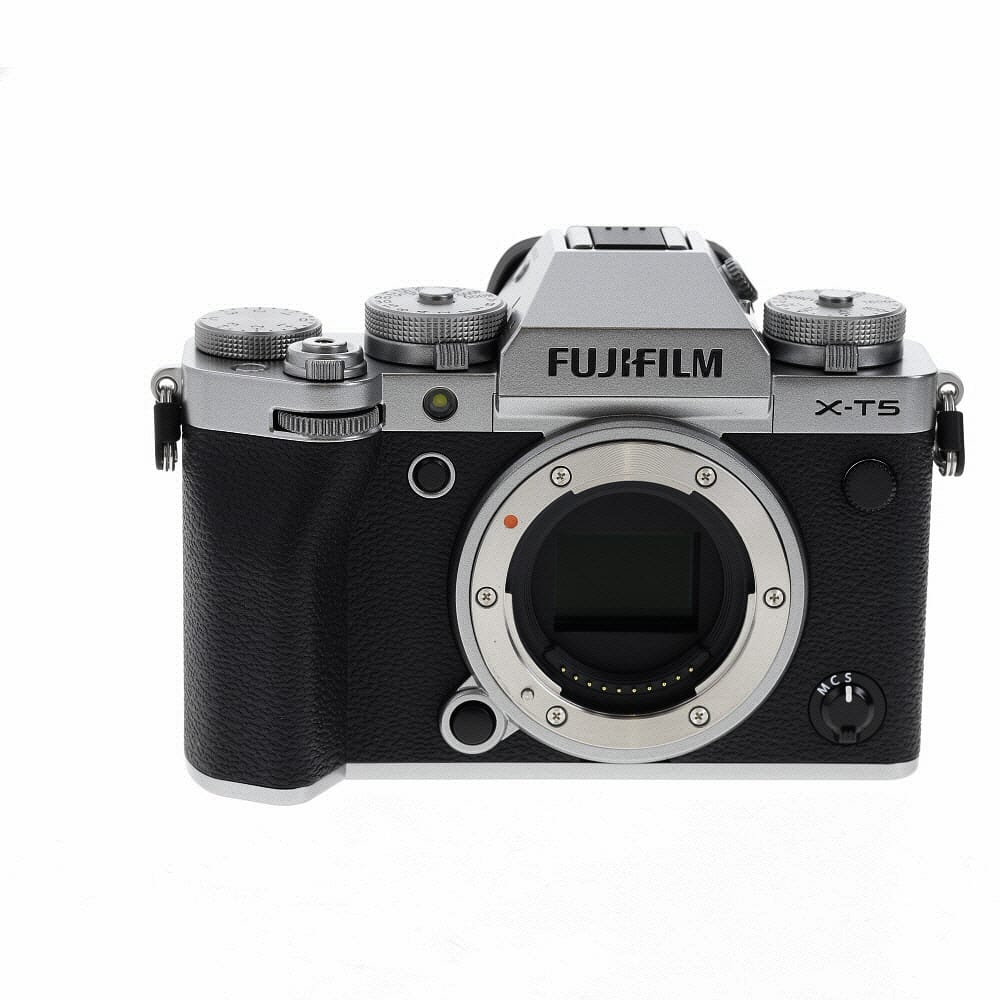
Fujifilm X-T5 – Flagship X-T body for portraits, events, and commercial work. Pair with a 35mm f/1.4 for creamy backgrounds, or a 16-80mm f/4 zoom for versatility without constant lens swaps.
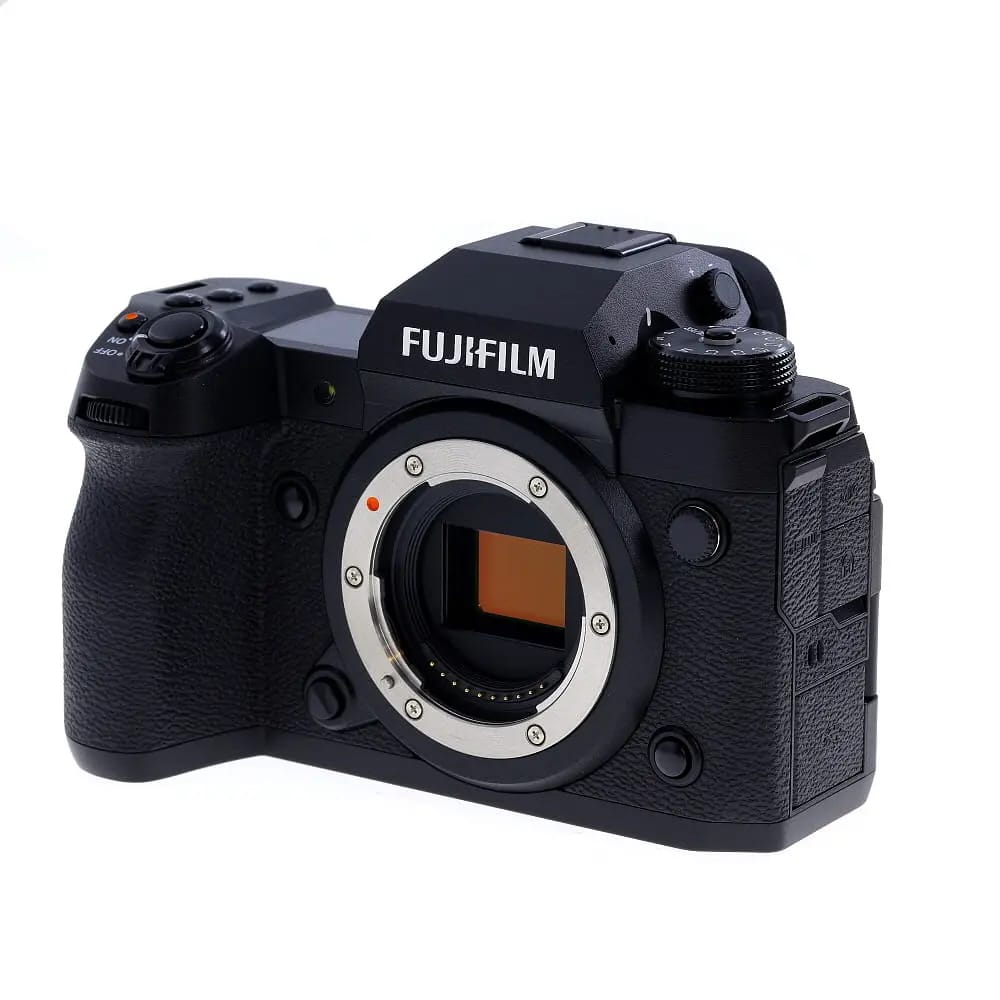
Fujifilm X-H2 – Pro-level performance with high-quality primes and zooms. Perfect for wedding, travel, or commercial photographers who need consistent results in any situation. Check out this blog for more on the X-H2.
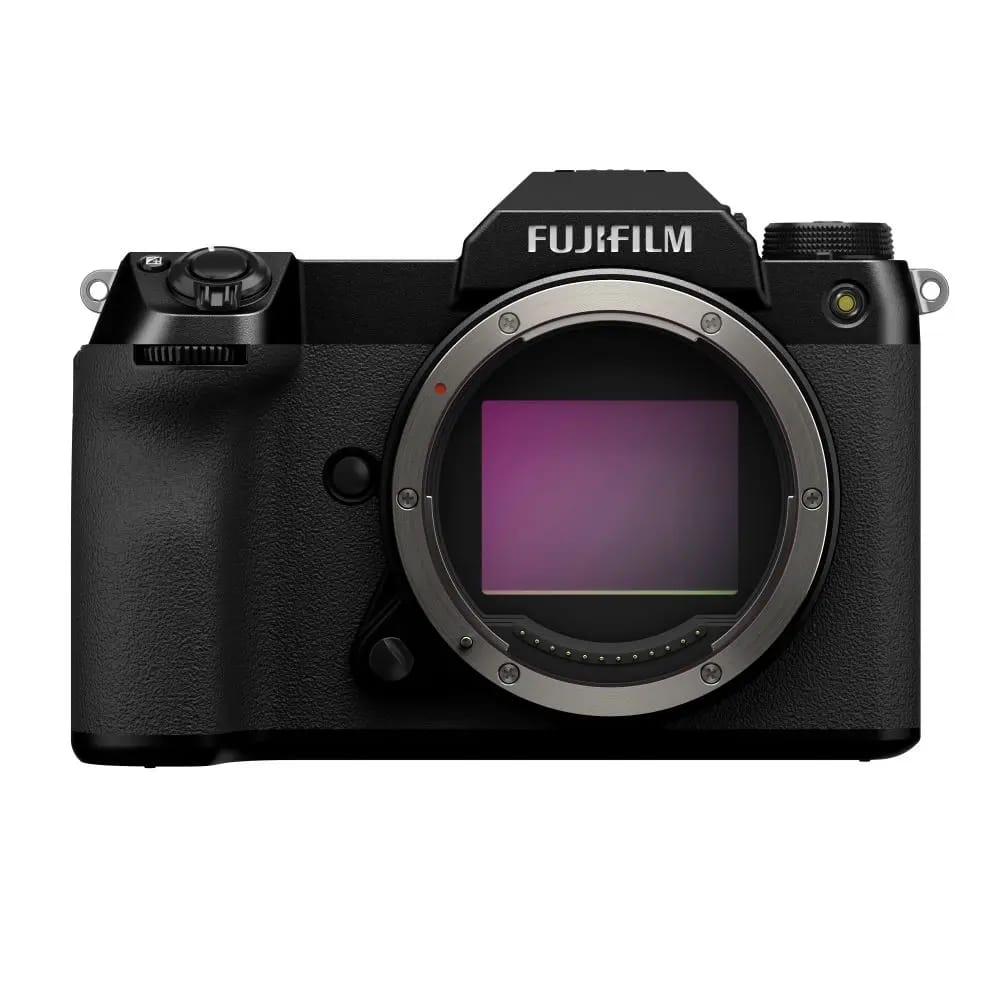
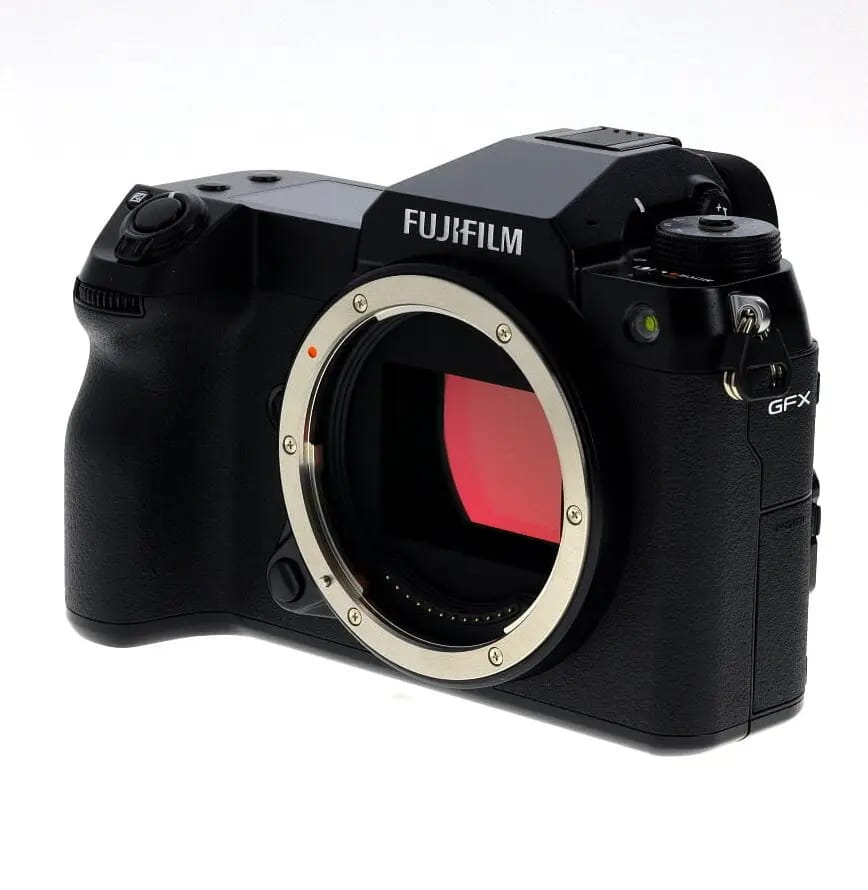
Pushing boundaries? The GFX series offers medium format for jaw-dropping detail, tonal depth, and dynamic range.
Fujifilm GFX 50S II – Combine with GF 32-64mm f/4 or GF 45mm f/2.8 for “canvas-like” image quality perfect for commercial, landscape, or studio work.
Fujifilm GFX 100S – Ultimate flexibility with premium GF lenses. KEH Certified Pre-Owned options make these setups more attainable, often saving hundreds compared to new.
The lens you choose shapes your shooting style.
Beginners usually start with a zoom; hobbyists and pros often add primes for creative control.
One of the things that makes Fujifilm cameras special is their Film Simulations—built-in color profiles designed to mimic the look of classic film stocks. They’re more than just presets; they’re a creative tool that can instantly shape the mood and style of your photos without relying on editing software.
Film Simulations aren’t just for aesthetics—they can also speed up your workflow. Many photographers shoot JPEGs with their favorite simulation, giving them ready-to-share images straight from the camera. Others shoot RAW+JPEG to capture the full range of editing flexibility while still having a polished version on hand.
In short, Film Simulations let you define your style, experiment with mood, and make every shot feel intentional. Whether you’re just starting out or shooting professionally, they’re a small feature that can make a big impact on your images.
It comes down to three things: handling style, shooting style, and budget.
Pair with lenses that match your shooting: zooms for versatility, primes for creative control. The goal isn’t the “best camera”—it’s the one you can’t wait to pick up every day. KEH Certified Pre-Owned gear makes it easier to build that setup without breaking the bank.
Which camera should a beginner start with, X-T30 II or X-S20? Which lens?
What’s the difference between X-T, X-S, and X-E/X100 handling?
Zoom or prime for a first Fujifilm kit?
Can the X-S20 be used professionally?
Yes. Paired with high-quality primes or zooms, it’s capable for weddings, travel, and pro work. The X-T5 remains the flagship for consistently high-level results.
When should I consider Fujifilm GFX medium format?
Step up when maximum image quality—detail, tonal depth, resolution, and dynamic range—is critical. KEH Certified Pre-Owned GFX gear can save hundreds and make medium format more accessible.
Want more Fujifilm content? Check out these blogs: