You
have no items in your shopping cart.
The Best Used Real Estate Photography Gear on a Budget
August 21, 2026
1 min read

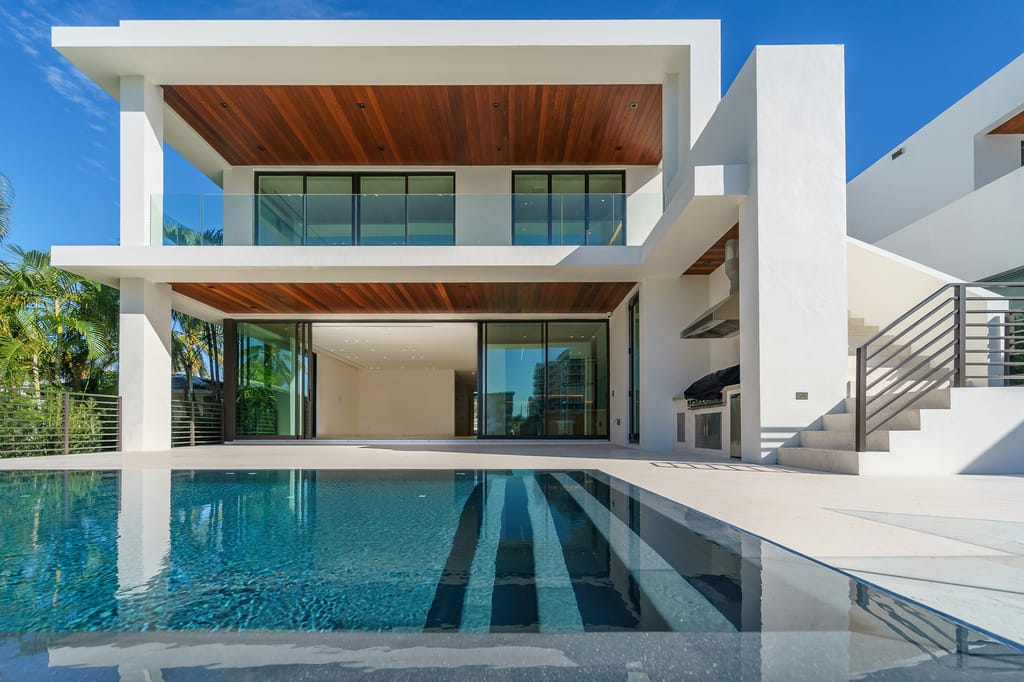
Whether you’re a real estate photographer shooting MLS listings, a realtor looking to improve your property marketing, an architect or interior designer documenting your work, a builder creating a portfolio of completed projects, or simply trying to capture your own space like it belongs in Architectural Digest…interior photography has one big challenge in common: showing a space at its best without breaking the bank.
New full-frame bodies are all well and good, as are those ultra-wide-angle lenses with their fresh-out-of-the-box glass, silent and fast autofocus, and all the latest specs. But then there’s the small matter of the cost, and how that’s going to affect your margins before you’ve even managed to send out your first invoices.
Of course, it’s possible to shoot excellent real estate and architectural photography without spending an arm and a leg. All you really need are some smart fundamentals: a full-frame sensor, an ultra-wide-angle lens to capture the maximum amount of space in any given room, a sturdy tripod, and some careful thought about how you merge multiple exposures to produce the perfect single image.
As for your camera body, you don’t need to spend thousands on the very latest and greatest on the market. In fact, a number of full-frame bodies have been on the market for a generation or more and are now available for a fraction of the cost of their brand-new equivalents. They have ample resolution for a wide range of applications, from MLS and rental listings to builder portfolios, higher-end architects and designers, and even small commercial clients. Paired with a few affordable lenses designed specifically for real estate and architectural photography in the 15–35mm range, you can build a solid, reliable, client-ready kit without draining your cash flow.
At KEH, we buy and sell pre-owned photography gear, and we’re big believers in putting your budget toward the gear that matters most. That means spending less on a brand-new camera body when a pre-owned option can do the job, and putting more of your investment toward the lenses, support gear, and tools that will help you book the work and deliver on it.
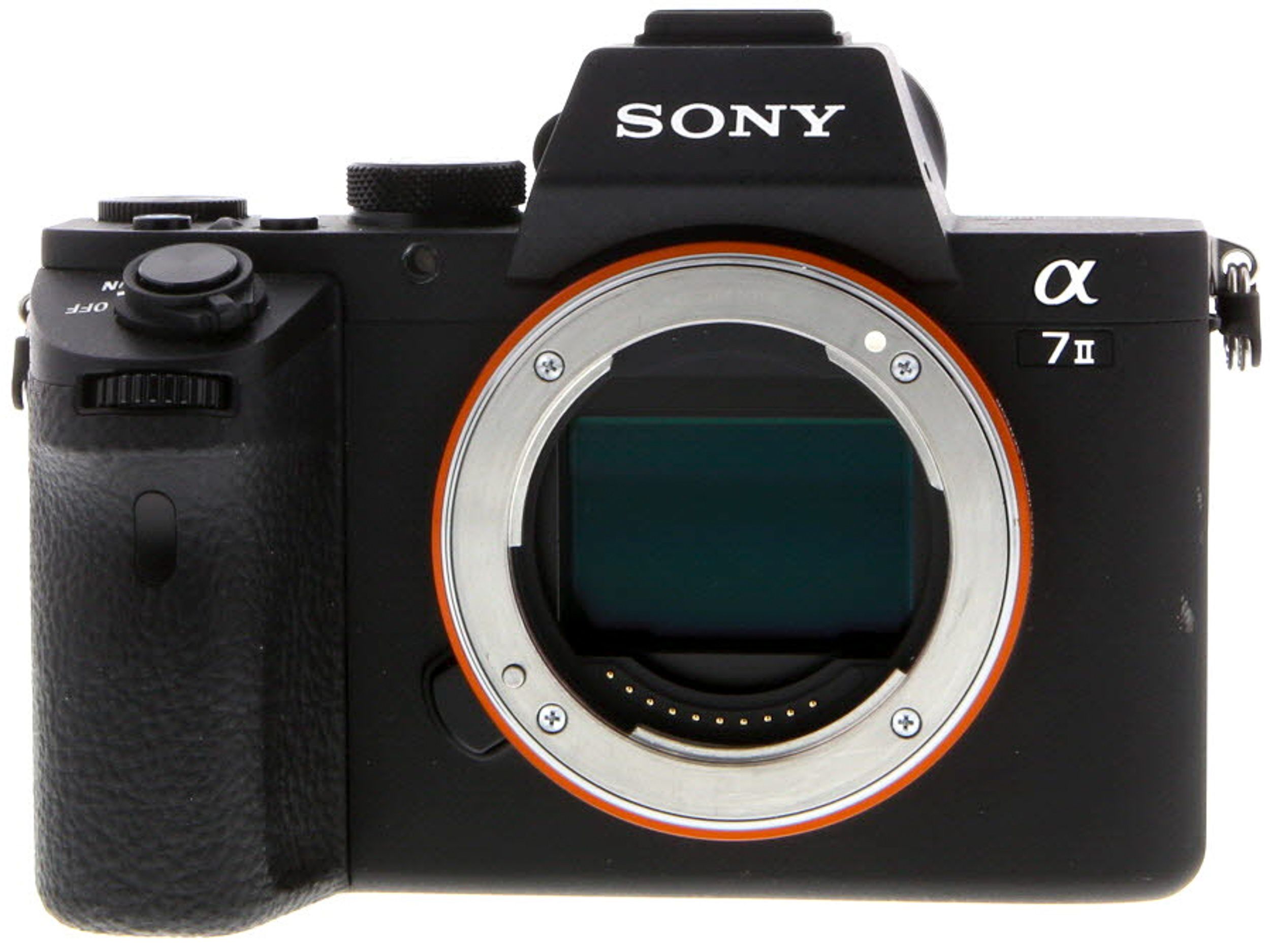
If you are after a full-frame mirrorless camera entry point and are not looking to purchase the very latest Sony camera, the pre-owned Sony Alpha a7 II Body is a great option for emerging creators who want to keep their kit compact.
The body itself does not provide a wide-angle view. It is the lens fitted to the camera that provides the wide-angle of view. However, a full-frame sensor means that wide-angle lenses will behave as intended. For example, a 16–35mm or 15–30mm lens on a full-frame body provides a 16mm or 15mm ultra-wide angle of view. In a tight indoor space such as a powder room, this allows the relationship between the kitchen island and the living area to be shown. In a narrow hallway, it allows the necessary space to be shown.
On a crop-sensor camera, a 16mm lens would provide a 24mm-equivalent field of view, which is not as wide as needed for much real-estate work. On a full-frame camera, it provides the necessary breathing room for the type of work.
The performance of a camera in low light and when performing a window pull is also important to real estate photographers. Images shot in low light need to provide plenty of detail in the shadows. The a7 II provides enough RAW flexibility to allow for bracketed exposures, flash-ambient blends, and window pulls when exposed correctly.
For interior photography, the camera is usually shot on a tripod at a low ISO. Therefore, there is no need for a brand-new flagship sensor. What you need are consistent files with clean shadows and a workflow that allows you to blend highlighted and ambient exposures without the final image falling apart.
The a7 II can provide a strong used ROI (Return on Investment), allowing users to get into a full-frame Sony E-mount at a more affordable price. If you already shoot with Sony for portraits, events, or content creation, the a7 II can also share lenses and batteries with your wider business. That can increase the camera’s ROI by reducing the friction of taking on more work.
Instead of spending too much on the body of the camera, that money could go toward a good ultra-wide-angle lens, a sturdy tripod, and a basic off-camera flash.
Want to learn more about the Sony A7 series? This blog is for you
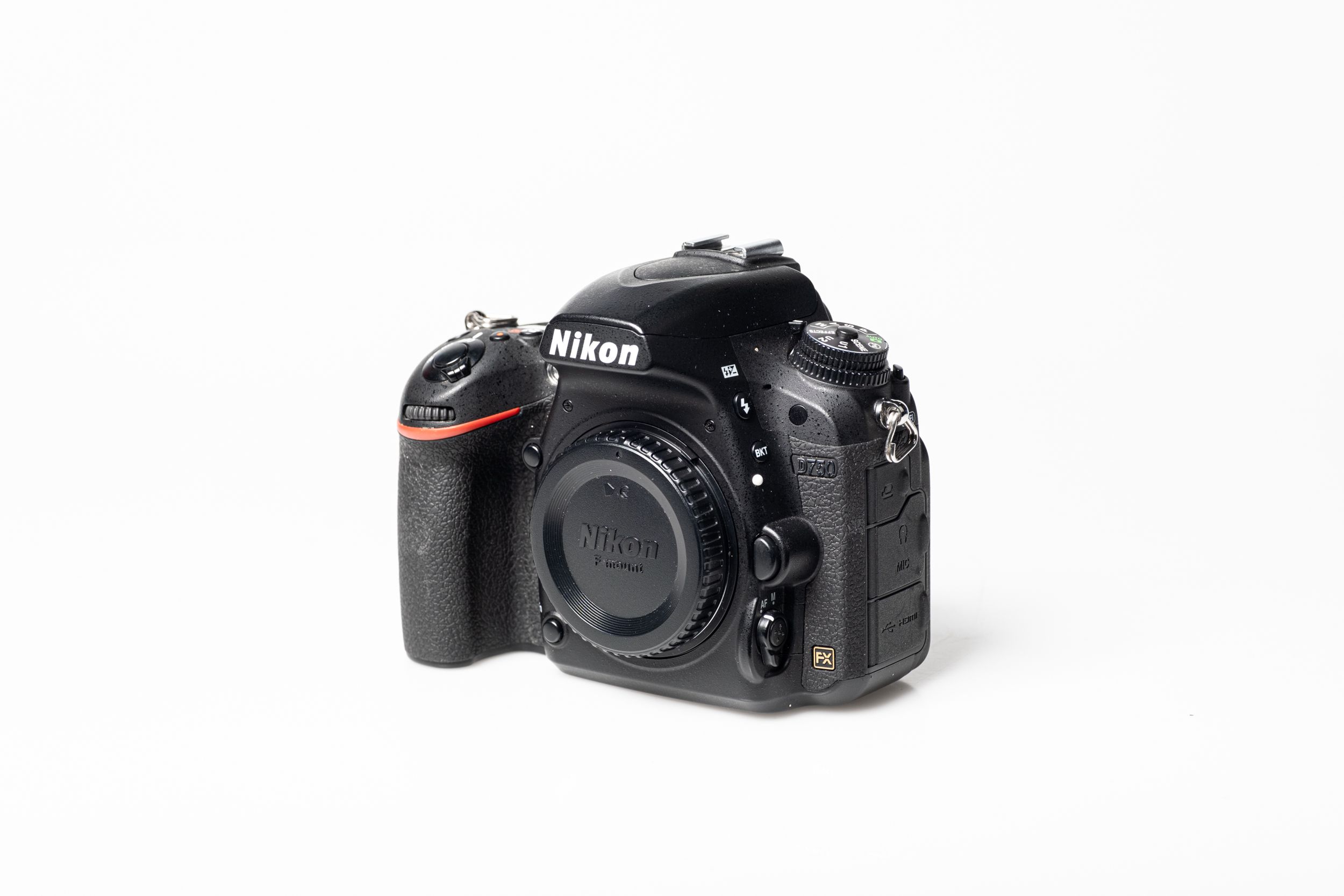
The Nikon D750 Body is one of those cameras that working photographers still talk about fondly because it hits the sweet spot: full-frame image quality, practical handling, and a mature pre-owned market.
The Nikon D750 Body paired with a Nikon F-mount ultra-wide zoom is a very capable real estate camera. The widest of these zooms would be about 15–16mm on a full-frame body, allowing you to capture small bedrooms, bathrooms, condos, and other tight spaces in older homes, as well as smaller rooms in newer homes.
The photographer will need to work in tight spaces, so a camera with good ergonomics is important for long days of shooting. The Nikon D750 has very good ergonomics for this type of work. Real estate photography often requires the photographer to move from room to room quickly, level the tripod, check vertical lines, adjust exposure for optimal results, and record and manage exposure brackets. Good ergonomics can make all of that work more efficient.
The D750 earns its keep, particularly for window pulls and high-contrast interiors where strong RAW files are required to enable exposure blending. The D750 has long been noted for its strong dynamic range, particularly at low ISOs. For dimly lit living rooms with high contrast, the shadows will require recovery, while at the same time the exterior of the windows must also be held. Good dynamic range and low-light performance are key.
The photographer will also need to use good technique, such as bracketing exposures and avoiding aggressive underexposure. In addition, flash can be used to add necessary shape to the room.
For the Nikon shooter, the Nikon D750 Body is a buy smarter, not shinier choice. It allows for the use of a deep catalog of pre-owned Nikon F-mount and third-party lenses. Budget architectural photography equipment becomes particularly interesting when you look at it through the lens of used ROI, and F-mount glass is widely available. Many excellent lenses can cost less pre-owned than their newer mirrorless equivalents.
If your goal is to build a profitable real estate kit, the value of the available pre-owned Nikon F-mount glass is a major part of the equation.
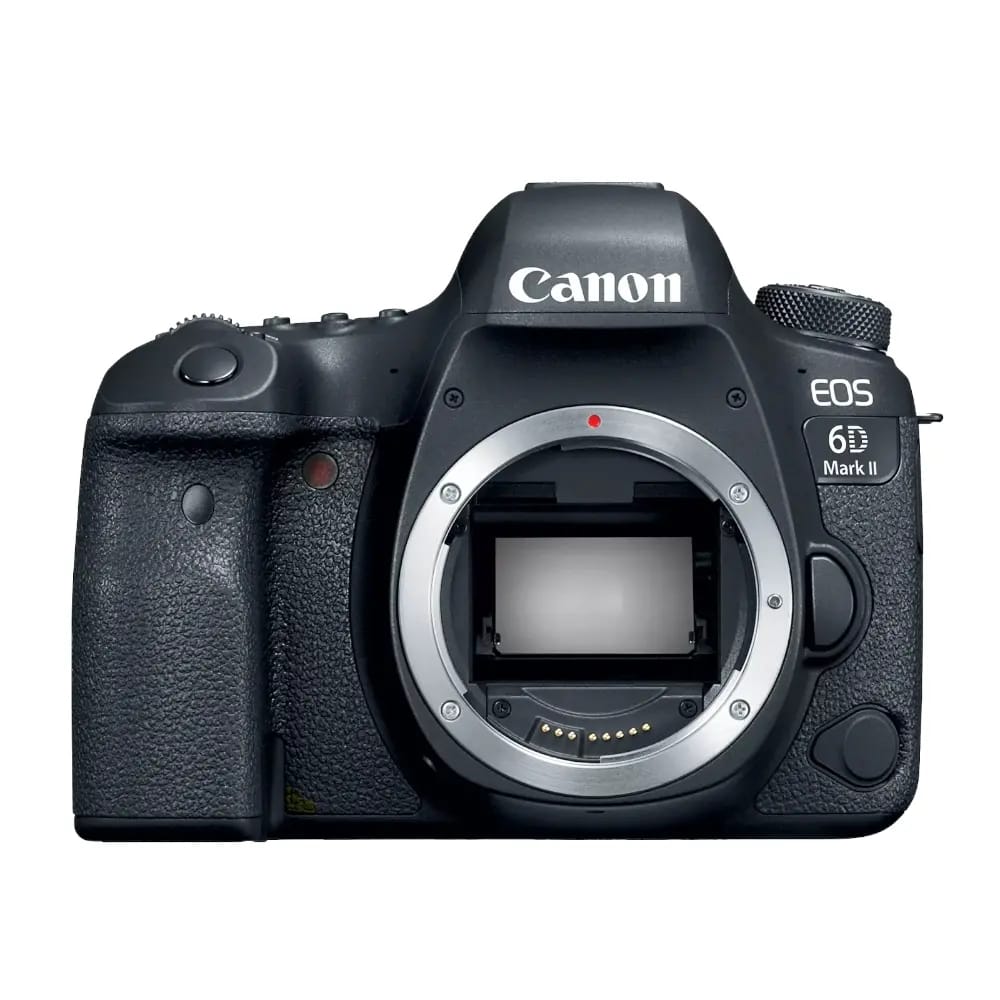
The Canon EOS 6D Mark II Body is a friendly and capable full-frame DSLR. If you already own a collection of Canon EF lenses, or are looking to get into the affordable pre-owned lens ecosystem of the Canon EF system, the Canon EOS 6D Mark II Body is a great place to start.
As we mentioned above, real estate photographers often work in tight indoor spaces, so we wanted to look at some of the ultra-wide-angle options available for Canon EF. Our real estate budget pick is the Canon EF 16-35mm f/4L IS USM.
It is a fantastic lens for interior photography, giving you the classic real estate wide-angle shot at 16mm. As you move through the zoom range, the angle of view narrows to 24mm and then 35mm, all while maintaining a constant f/4 aperture. This makes it an ideal lens not only for interior real estate photography, but also for exterior elevations and shots where you want to avoid strong vignettes, highlight design details, or create fewer exaggerated room views.
An articulating screen on the back of the camera also allows you to position the camera and resulting shot in ways that might otherwise require you to crouch down, such as when photographing an interior with the camera positioned low.
For interior photography, the Canon EOS 6D Mark II Body, when used with a tripod and paired with strategies for dealing with low light and window color casts, can provide natural-looking images with clean interior tones and good control over warm wood floors and neutral-colored walls.
In addition, using a single bounced flash can provide cleaner interior tones while reducing muddy shadows. It can also help create cleaner windows that can be blended later for an even more polished final image.
In terms of ROI (Return on Investment), the Canon EOS 6D Mark II Body, paired with affordable pre-owned Canon EF lenses such as the Canon EF 16-35mm f/4L IS USM, can be a practical business purchase for photographers looking to start their business while keeping their initial investment manageable.
Because many photographers have moved to mirrorless systems, Canon EF bodies and lenses can now be found pre-owned at attractive prices relative to their capabilities. That makes it possible to build a reliable, affordable system around a full-frame DSLR without putting too much of your initial budget into the camera body.
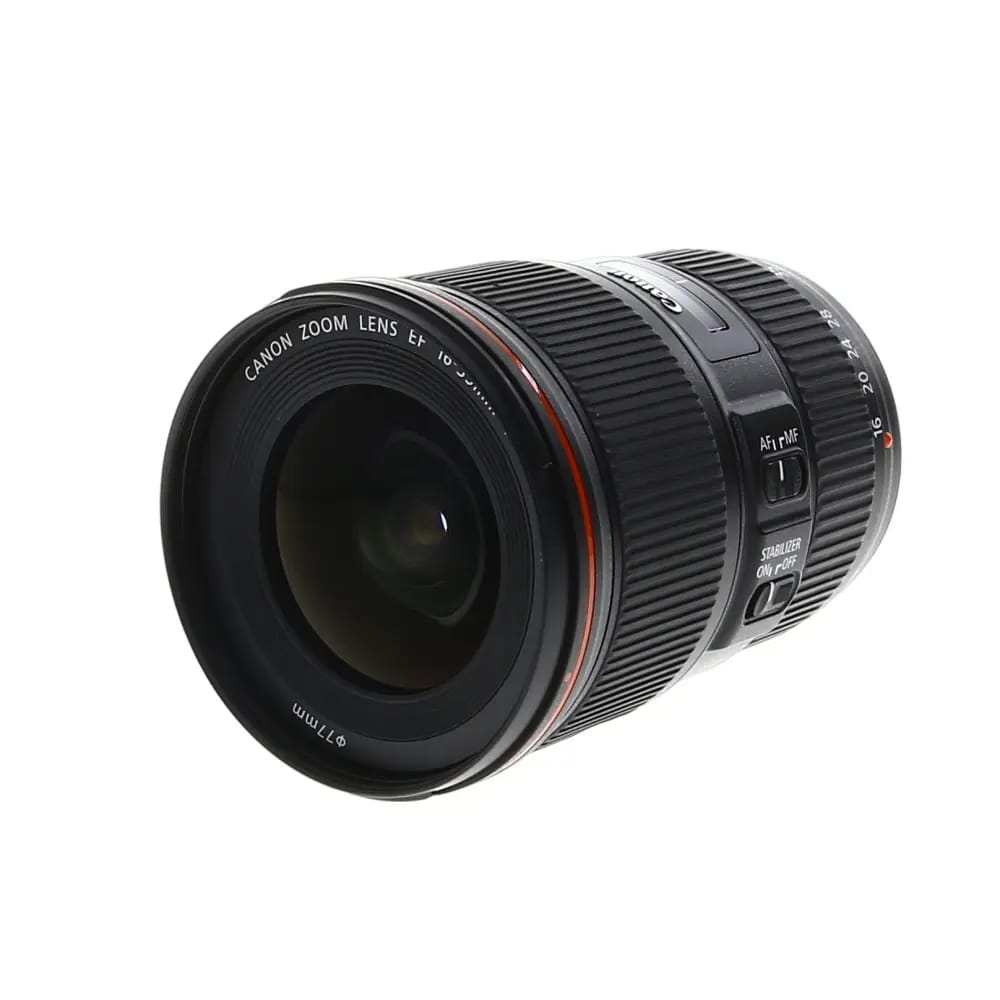
If I had to recommend one lens for a Canon shooter just starting out in real estate photography, I would recommend the Canon EF 16-35mm f/4L IS USM Lens.
The 16–35mm range is the magic range for real estate work. The 16mm end allows for the tightest spaces, including bedrooms, bathrooms, laundry rooms, and small kitchens. The middle range of 20–24mm gives a more natural perspective for larger areas of a home, such as living rooms. The 35mm end allows for close-up shots of fixtures, fireplaces, built-ins, and design details, as well as stylishly framing a corner of a room.
The 16–35mm range is often the first serious lens a real estate shooter will purchase. It is wide enough to capture a room, but not so wide that it makes the room look like a funhouse.
The constant f/4 aperture on this lens is more than sufficient for interior work on a tripod. Most real estate shooters are not working wide open. Instead, they are stopping down to get the appropriate depth of field and using a tripod, which allows for longer shutter speeds while keeping the camera level.
The Image Stabilization on the lens is a nice bonus for times when you are shooting handheld for close-up details, quick scout shots of rooms, or exteriors where you don’t want to set up the tripod again.
However, the real value of this lens is the controlled wide-angle coverage it provides, along with the consistent compositions it allows throughout a property.
This is one of the best examples of why buying pre-owned works. Professional L-series lenses like this one are made for serious use, and buying pre-owned can make high-quality glass more accessible.
For the real estate photographer, the lens is often more important than the body. A good 16–35mm will affect every room that you shoot. If you have to choose between a newer camera body and better glass, put the investment into the glass first.
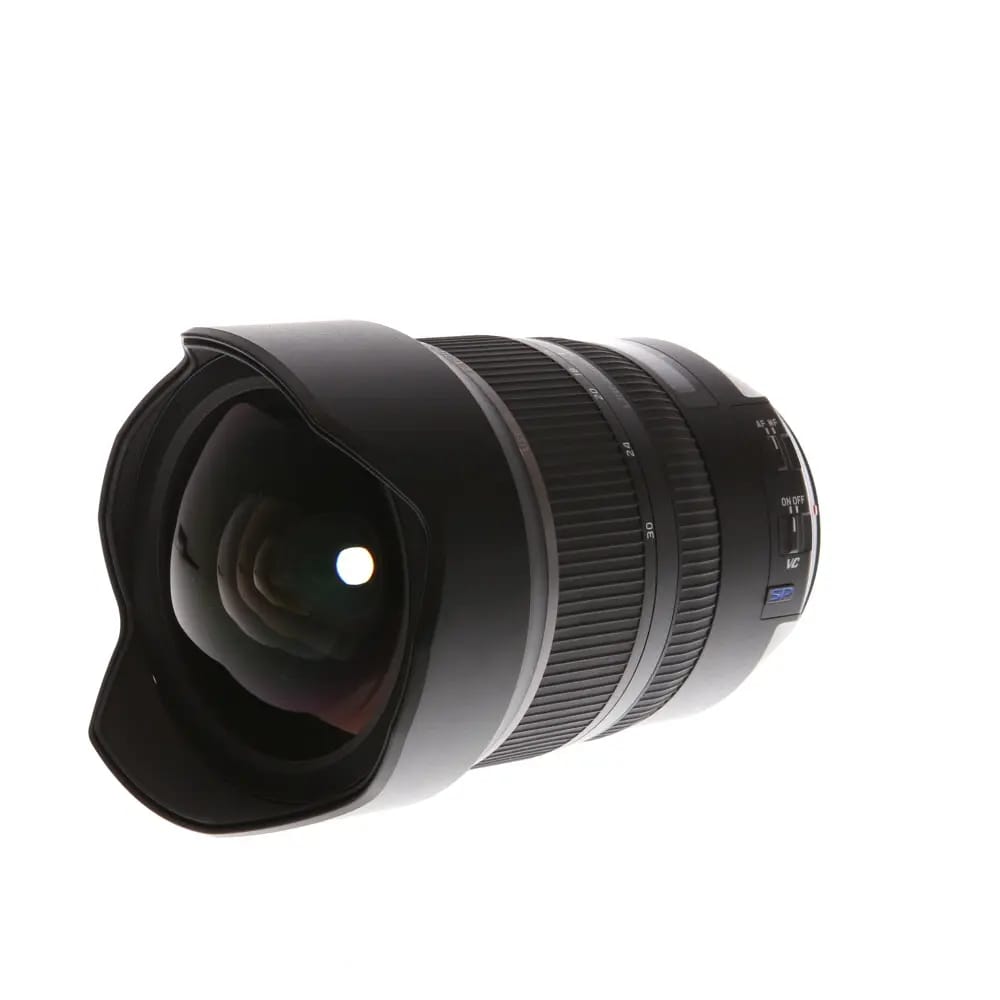
A smart choice if you want more width, a faster aperture, and strong low-light performance is the Tamron SP 15-30mm f/2.8 Di VC USD Lens. Note that you need to choose the correct mount for your camera body, as different versions are available for different systems.
That 1mm difference compared to a 16mm wide-angle lens can make a difference in very tight spaces, such as a tiny bathroom or galley kitchen. At 15mm on a full-frame camera, you can capture even more of the room, which can be particularly useful when every inch counts.
But remember: extra width needs to be used responsibly. Keep your camera body level, and avoid placing important furniture at the extreme edges of your frame. The purpose of real estate photography is to showcase a space at its best, not to misrepresent it.
The f/2.8 aperture of the Tamron lens makes it an excellent choice for hospitality, twilight exteriors, events, and even handheld architectural photography. For typical interior shoots, you will likely stop down to a medium or small aperture on a tripod. But in very dimly lit spaces, the ability to focus and compose in the dark can be valuable.
For window pull shots, the Tamron’s field of view also provides the flexibility needed to create layered exposure shots.
For used ROI, the Tamron is a smart choice. It delivers professional ultra-wide-angle photography without the typical premium of first-party f/2.8 zooms.
If you’re looking for budget-friendly architectural photography gear that is capable of paid shoots, the Tamron SP 15-30mm f/2.8 Di VC USD Lens is a strong option.
It’s also a great “grow with you” lens, allowing you to start with residential interiors and gradually move into small commercial spaces like restaurants, boutiques, and small hotels, as well as builder portfolios and editorial architecture.
If you’re building a basic real estate photography kit on a limited budget, resist the temptation to buy everything at once. Start with the pieces that have the biggest impact on your images, then build from there.
A pre-owned full-frame camera body, like the Sony, Nikon, and Canon options listed above, provides a strong foundation for property and real estate photography.
When putting together a best pre-owned real estate photography equipment list, the first items to prioritize are a full-frame camera body and a quality wide-angle zoom, such as a 15–35mm or 16–35mm lens.
The wide-angle zoom determines how effectively you can photograph tight spaces and capture the proper perspective of each room to create a complete gallery for property listings.
Once you’ve chosen your camera body and wide-angle zoom, add the support gear that will help you work efficiently:
This is where pre-owned architectural photography equipment becomes especially practical. With the right tools in your bag, you can spend less time worrying about your gear and more time focusing on the shoot itself.
Buying pre-owned should reduce risk, not add to it. That’s why KEH Certified™ pre-owned equipment can be a smart choice for independent working pros and emerging creators.
KEH Certified™ pre-owned gear has gone through an inspection and is accurately graded. It is also covered by a 180-day warranty. Instead of buying equipment blindly and hoping everything works as expected, you can shop pre-owned gear with more confidence.
For businesses, that peace of mind is worth a lot. A lower upfront price is great, but a predictable buying experience can be even more valuable when your gear is part of how you make a living.
Smart gear buying isn’t about buying the latest and greatest. It’s about buying the right gear at the right price. And your relationship with your gear doesn’t have to end when you’re ready to upgrade. You can buy, sell, trade, and repair through KEH, making it easier to keep your kit working for your business as it evolves.
Learn more about KEH Certified™ camera gear.
The best budget setup is a pre-owned full-frame camera body, a 15–35mm or 16–35mm ultra-wide zoom lens, a sturdy tripod, extra batteries, memory cards, and a basic editing workflow for exposure blending. For many new pros, an older full-frame body like the Sony a7 II, Nikon D750, or Canon 6D Mark II is more than enough.
Start by buying pre-owned instead of new, then prioritize the lens. Architectural and real estate work depend heavily on the field of view, straight lines, clean exposures, and careful composition. A full-frame body paired with an affordable real estate photography lens in the 16–35mm range can take you further than a brand-new camera paired with the wrong glass.
Good pre-owned camera bodies for real estate photography include the Sony a7 II, Nikon D750, and Canon EOS 6D Mark II. Each gives you a full-frame sensor, solid RAW files, and access to strong wide-angle lens options. Choose based on your preferred lens system, budget, and whether you prefer mirrorless or DSLR handling.
Your first essential lens should be an ultra-wide zoom. The 16–35mm range is a strong starting point because it captures tight interiors without the exaggerated distortion of a fisheye lens. The Canon EF 16-35mm f/4L IS USM and Tamron SP 15-30mm f/2.8 Di VC USD are both strong pre-owned options, depending on your camera mount and budget.
Buy from a trusted pre-owned gear source that inspects, grades, and backs its equipment. KEH.com is built for exactly that. KEH Certified™ pre-owned gear helps you build a professional kit with less risk, so you can put more of your budget toward booking jobs, improving your portfolio, and growing your business.
Ready to build your real estate kit without overbuilding your credit card balance? Shop KEH.com for certified pre-owned camera bodies, ultra-wide lenses, and budget-friendly gear that helps you get the job done.