You
have no items in your shopping cart.
The Ultimate Guide to Underwater & Surf Photography Gear
September 27, 2026
1 min read

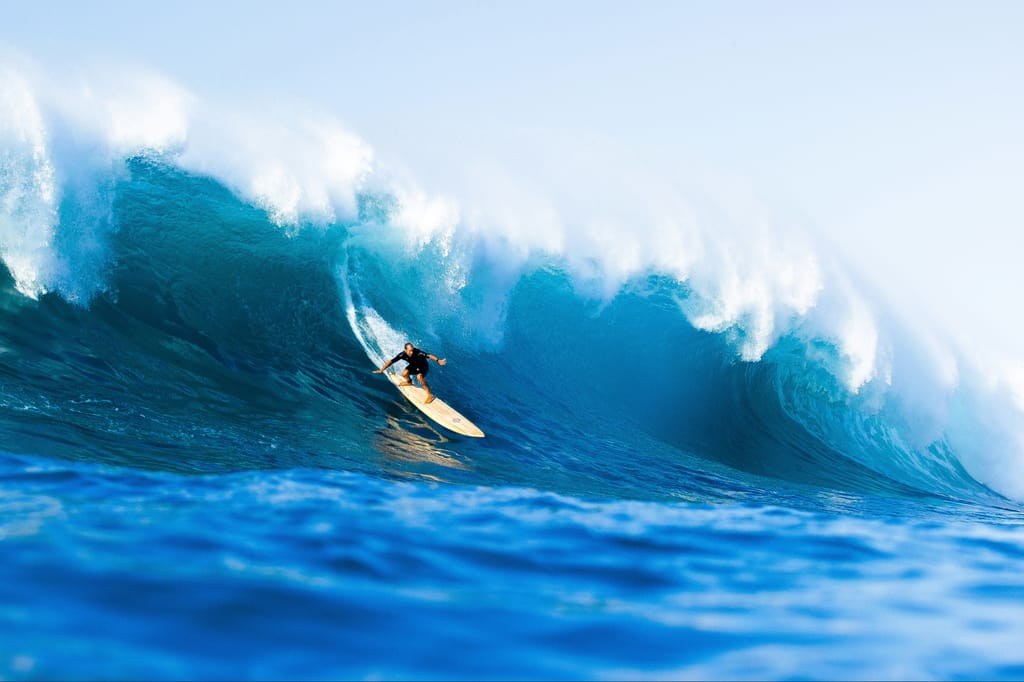
Water photography is equal parts planning, timing, and accepting that salt, sand, spray, and pressure don’t care how nice your camera is. The biggest or most expensive camera isn’t automatically the right choice. The better move is matching your gear to how you shoot, how deep you go, and how much gear you actually want to carry.
First, know the difference between waterproof and weather-sealed. A waterproof camera is specifically designed and rated for submersion within its stated limits. A weather-sealed camera is not. Unless your camera is specifically rated for underwater use, don’t take it underwater without a compatible housing. Weather sealing can help protect against rain, dust, and splashes, but it does not make a camera safe to submerge.
A true underwater photography setup can mean a camera, housing, ports, lighting, and controls built to work together at depth. But you don’t necessarily need a full rig to get great shots in the water.
This guide breaks it down into three practical setup paths: waterproof compacts, action cameras, and interchangeable-lens cameras with housings.
The best camera for underwater photography has less to do with a spec sheet and more to do with where you plan to take it. A surfer chasing the perfect barrel shot has very different needs from a scuba diver photographing a reef or a travel photographer snorkeling on vacation.
Start with how you’ll actually use the camera:
Once you know where you’ll be shooting, you can narrow down the kind of system that actually makes sense.
There’s no single best underwater photography setup for everyone. A waterproof compact, an action camera, and an interchangeable-lens camera can all be great choices, but they solve very different problems.
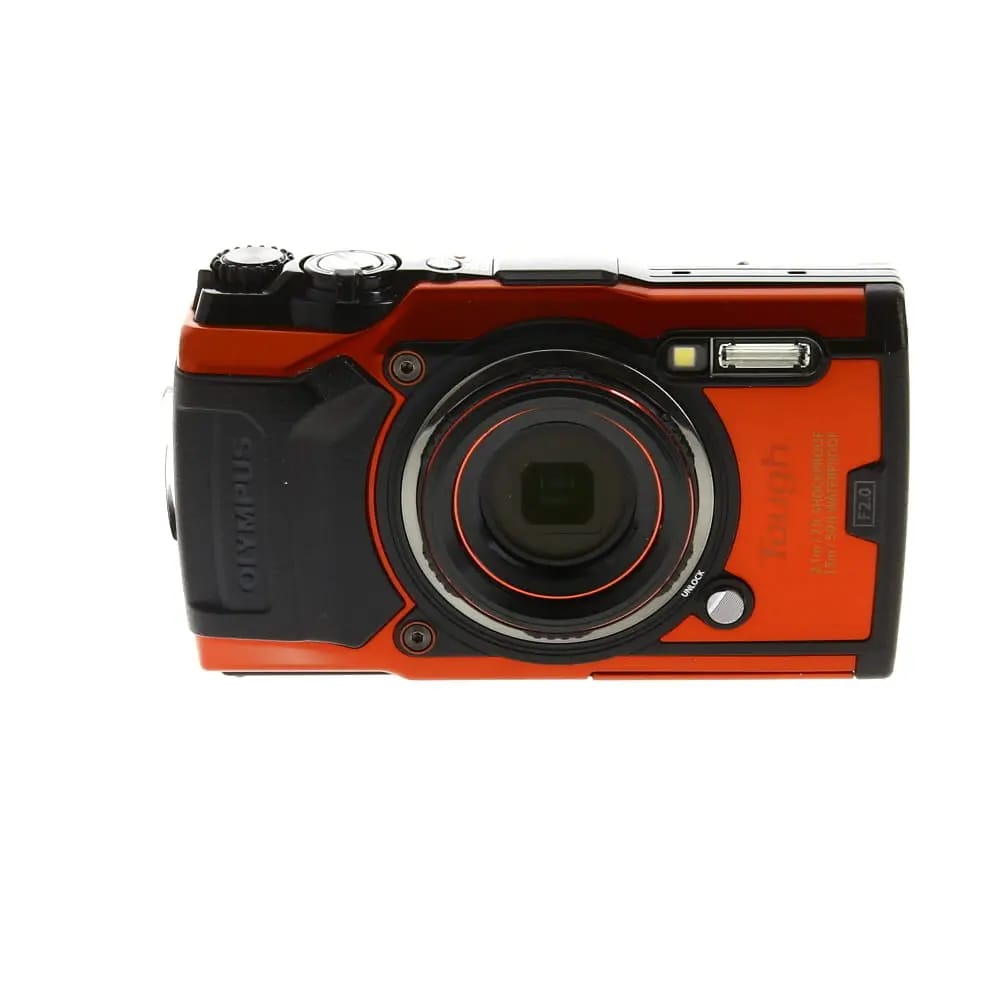
A rugged waterproof compact is the low-fuss option. It’s a great fit for travel photographers, beginner snorkelers, tide-pool explorers, and anyone who wants to bring a camera into the water without building an entire rig.
The Olympus Tough TG-6 is a good example. It’s rugged, compact, and built to go where you wouldn’t want to take a traditional camera. It’s a natural fit for snorkeling, shallow water, travel, and beach days.
It isn’t meant to replace a housed interchangeable-lens system on a deep dive, but it doesn’t need to. If you want a camera you can grab, take into the water, and start shooting, that’s exactly where a waterproof compact shines.
Want to explore more waterproof cameras? This blog is for you.
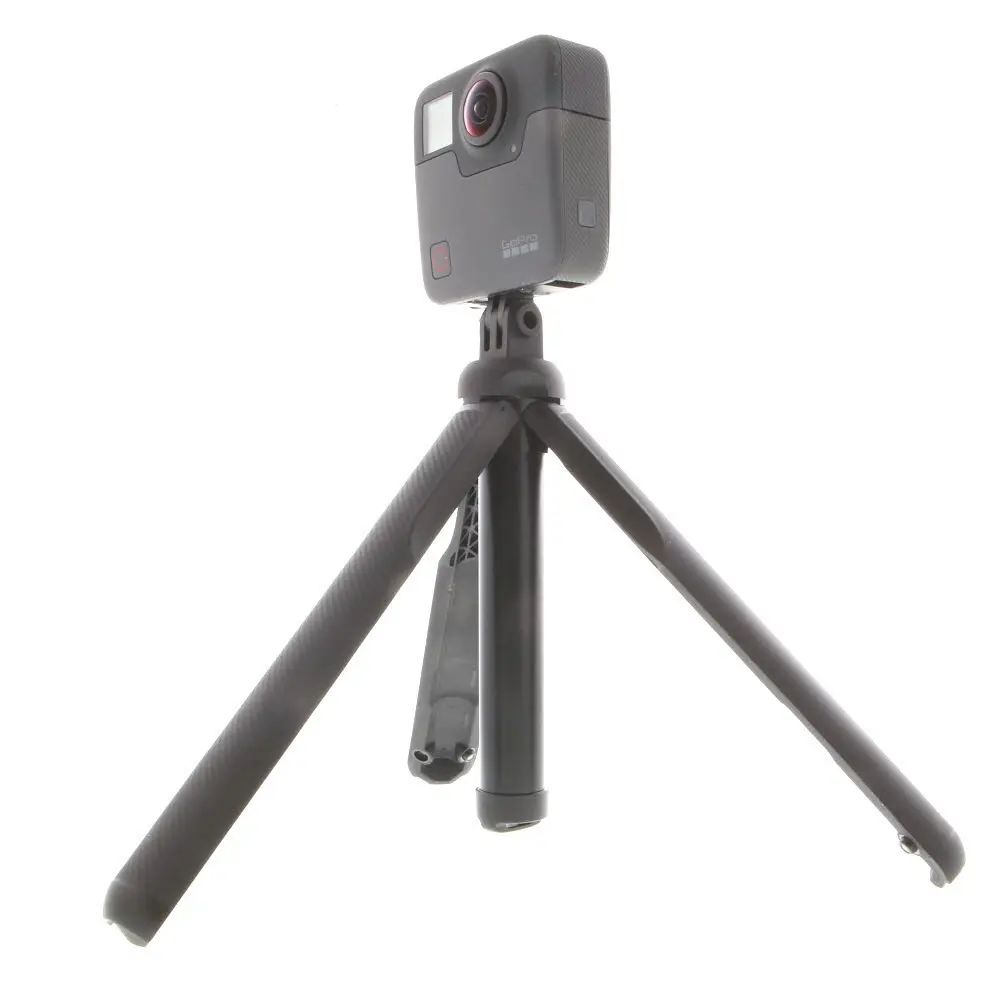
Action cameras are made for motion. They’re small, easy to mount, and right at home on boards, helmets, poles, and handles. If you’re more interested in capturing the ride than dialing in every camera setting, an action camera can be a seriously capable little companion.
The GoPro Fusion offers 5.2K spherical video, 18MP stills, and waterproofing to 16 feet without a housing. That makes it a good option for surf POV, action, and snorkeling when an immersive perspective matters more than a traditional camera setup.
Pair it with the right accessories, like a floating grip, mount, tether, or spare battery, and you’ve got a compact kit that’s ready for the next wave.
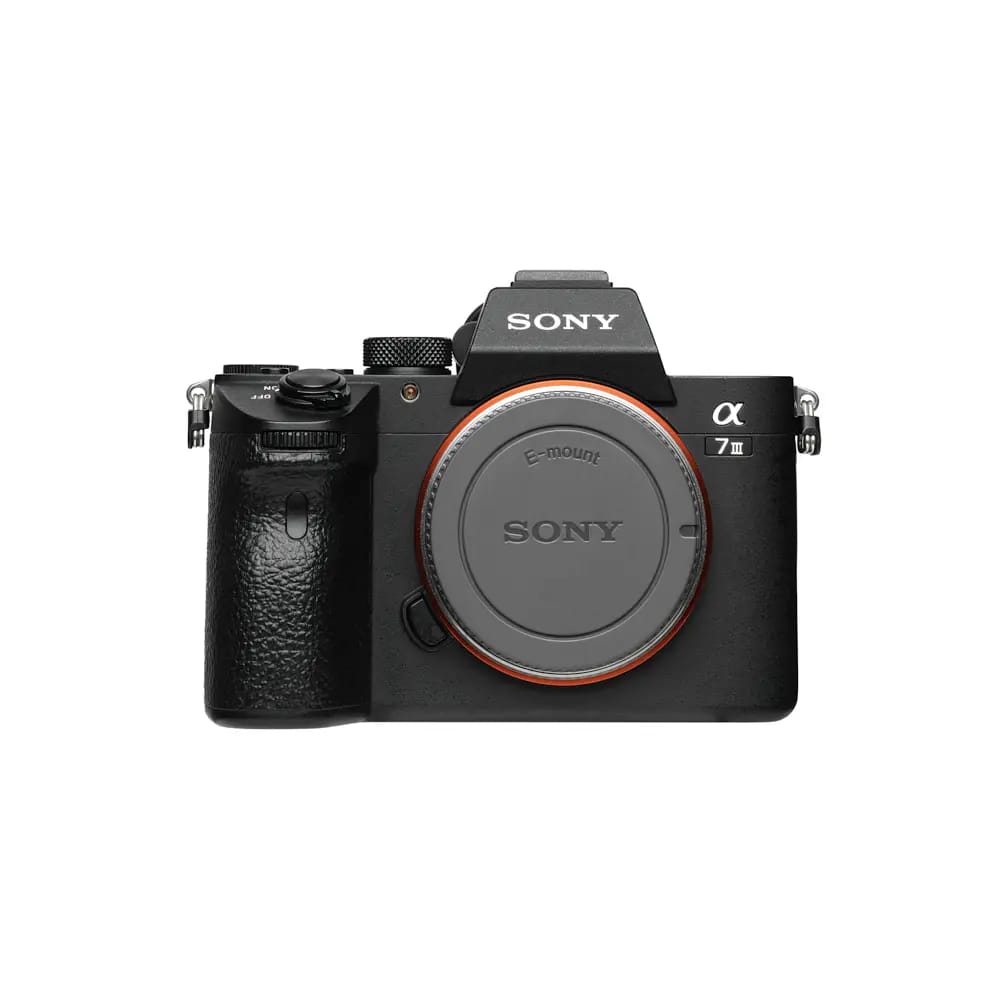
Want more control? An interchangeable-lens camera paired with an underwater housing opens up a whole different world of possibilities. You get larger sensors, RAW files, interchangeable lenses, strong autofocus, and more control over how your images look.
The tradeoff is a more involved system: more gear, more weight, more maintenance, and a bigger investment.
The Sony a7 III is a 24.2MP full-frame camera with 10 fps burst shooting, 5-axis stabilization, and strong autofocus. It’s a capable choice for surf and underwater photography when paired with the right housing.
And this is where compatibility becomes critical. The Sony a7 III is not waterproof and needs a compatible underwater housing before it goes anywhere near submersion. The housing needs to fit the camera body, the port needs to work with the lens, and the entire setup needs to support the controls and accessories you plan to use.
Underwater systems are not the place for guesswork. A housing that fits one camera model may not fit another, even within the same brand, and a port designed for one lens isn’t automatically right for another.
Surf photography doesn’t exactly wait around for you to get your settings right. The wave is moving, the surfer is moving, you’re probably moving, and the best moment can disappear in a second.
If you’re shooting from shore, a weather-sealed camera and telephoto lens may be all you need. Remember, though: weather sealing isn’t the same as waterproofing. If you’re taking the camera into the water, you’ll need a camera specifically rated for submersion or a properly rated housing.
For surf POV, an action camera is hard to beat. It keeps the setup small and makes it easy to capture angles that would be difficult with a larger camera. For more intentional in-water photography, a housed interchangeable-lens camera with a wide-angle lens can deliver dramatic barrel shots and close-up action.
A practical surf kit might include:
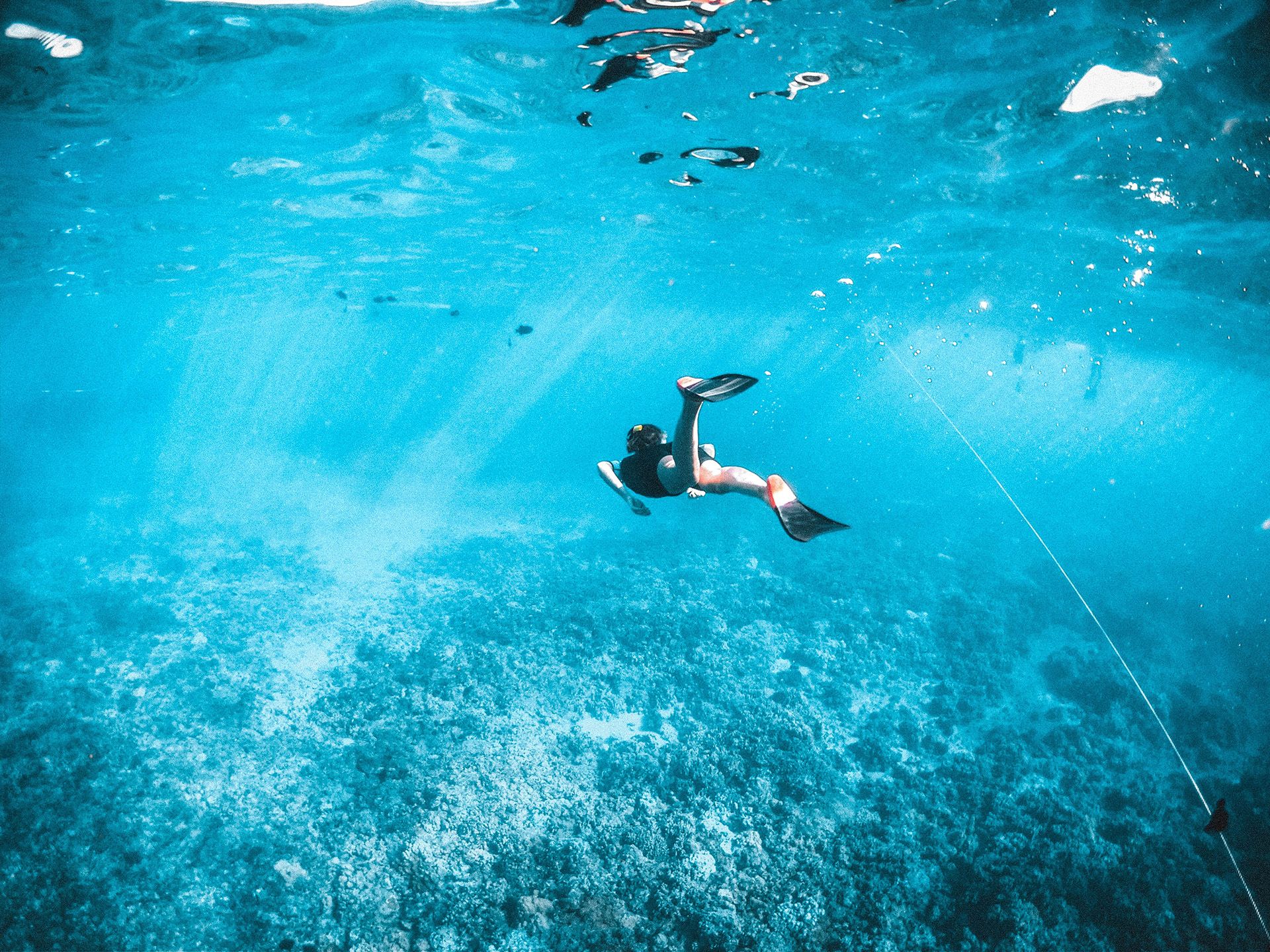
Snorkeling photography doesn’t have to become a full-blown gear project. A simple camera setup keeps the experience fun and leaves you with less gear to manage in the water.
A waterproof compact or action camera can be a great fit for bright, shallow water. The Olympus Tough TG-6 is well-suited to stills, close-ups, travel, and casual underwater shooting. If you’re more interested in video, POV footage, or capturing the action around you, an action camera may be the better choice.
For shallow-water shooting, look for:
The goal is simple: bring gear that helps you enjoy the water, not gear that makes you spend your entire beach day managing it.
Scuba diving photography is where the difference between a camera and a complete underwater system really matters.
At depth, you’re dealing with pressure, reduced light, shifting colors, particles in the water, buoyancy, and controls that can be harder to reach. That’s why a true underwater photography setup often includes a camera, housing, lens, port, tray, arms, clamps, and lighting.
This kind of setup takes more planning, but it also gives you much more creative control.
Consider an interchangeable-lens setup if you want:
The more complex the system, the more important compatibility becomes. Before a dive, verify that the housing matches your exact camera body, the port matches the lens, and the lighting, cables, arms, clamps, and other accessories work with the system.
You’ll also need to check seals, maintain O-rings, test the housing, and make sure everything is working before the dive. A little preparation on the boat can save a lot of stress underwater.
An underwater camera housing is what allows a non-waterproof camera to operate underwater. And when you’re protecting a camera from water pressure, “close enough” isn’t close enough.
The housing needs to match your exact camera model, while the port needs to work with the lens you’re using. Depth ratings matter, too. A housing designed for shallow water isn’t automatically ready for scuba depths.
Brands such as Ikelite and Aquatica are well known for underwater housing systems, with options that can include mechanical or electronic controls, interchangeable ports, strobe connections, and other features designed for underwater shooting.
Housing can also add a high cost to a setup, especially once you factor in ports, extensions, trays, arms, and lights. That’s one reason many underwater photographers build their systems over time.
At KEH, compatibility is a major part of the equation when you’re building that system. It’s not enough to find a housing at the right price. You need the right housing for the exact camera body, the right port for the lens, and accessories that actually work with both.
Most underwater photography lenses fall into two camps: wide-angle and macro. Both solve a specific problem that comes with shooting through water.
Water reduces contrast and clarity, so getting close to your subject is one of the most useful things you can do underwater. A wide-angle lens lets you get close while still fitting a reef, surfer, wreck, diver, or large animal into the frame.
Wide-angle lenses are especially useful for environmental images where you want the subject and its surroundings to tell the story.
They also commonly pair with dome ports, which can help maintain a wide field of view underwater and produce more natural-looking results when the lens and port are properly matched.
Macro takes the opposite approach. Instead of showing the whole scene, you’re getting close to the details.
Think tiny marine life, coral textures, patterns, and subjects you might otherwise swim right past. Macro photography rewards slower movement and careful composition, making it a completely different experience from shooting a surfer charging through a wave.
If wide-angle is about getting into the scene, macro is about slowing down enough to notice it.
The most useful underwater photography accessories aren’t always the most exciting ones. Sometimes it’s the spare O-ring, extra battery, or microfiber cloth that saves the shoot.
For surf shooting, consider:
For snorkeling and travel:
For diving:
You can also browse KEH’s accessories, camera accessories, and lenses when you’re ready to build around the camera you already own.
The important thing is making sure the pieces work together. Batteries and chargers need to match the camera. Housings need to match the body. Ports need to match the lens and housing. Lighting and cables need to work with the housing’s connections. Even seemingly simple accessories can have system-specific requirements.
That’s one of the advantages of buying from a photography specialist like KEH: you’re not just shopping for individual pieces. You’re building a camera system, and compatibility matters.
Underwater photography can get expensive quickly. Once you add a housing, ports, lighting, and accessories to a camera and lens, you’re building a system, not just buying a camera.
That’s where KEH Certified™ pre-owned gear can make a difference. Shopping pre-owned can help you put more of your budget toward the pieces that actually matter to your photography, whether that’s a better lens, a capable camera body, or the accessories that make your setup work.
KEH Certified™ gear is professionally evaluated pre-owned equipment with clear condition grading. Eligible purchases also come with a 180-day warranty, giving you added confidence as you build your kit.
And because underwater systems can involve so many interconnected components, compatibility deserves as much attention as condition and price. Before buying, know exactly which camera, lens, housing, port, battery, charger, and accessories you’re trying to connect.
You don’t need to buy everything at once. Build around the kind of photography you actually do, then add to your setup when you find something that solves a real problem.
The easiest way to avoid overbuying is to start with your actual shooting plans, not your dream spec sheet.
If you’re a surfer who wants board-mounted clips, an action camera may be all you need. If you’re a travel photographer who wants reef photos between beach walks and lunch, a rugged waterproof compact makes plenty of sense. If you’re a scuba diver building a portfolio or a photographer chasing high-impact surf images, an interchangeable-lens camera with a proper housing may be worth the extra investment.
Before you buy, ask yourself:
The right underwater photography gear should make getting the shot easier, not make getting into the water harder.
For some photographers, that means a tiny action camera and a reliable mount. For others, it’s a rugged waterproof compact. And for scuba divers and advanced photographers, it may mean a housed mirrorless system with wide-angle and macro options.
The important thing is choosing a system that matches the water, the way you shoot, and the amount of gear you’re actually willing to manage. Then make sure every piece is built to work with the next one.
That’s where the right gear—and the right photography expertise—matters. When you’re ready to build your setup, KEH can help you find KEH Certified™ pre-owned gear that fits the way you shoot, from camera bodies and lenses to the accessories that bring the whole system together.
There’s no single best camera for every underwater photographer. The right choice depends on how deep you plan to go, how much control you want, and how much gear you’re willing to carry.
For snorkeling and shallow water, a waterproof compact or action camera may be all you need. For deeper underwater photography, many photographers choose an interchangeable-lens camera paired with a proper underwater housing, ports, and lighting.
Not without the proper protection. A weather-sealed camera is designed to handle things like splashes and bad weather, but that does not mean it’s safe to submerge.
Unless your camera is specifically designed and rated for underwater use, you’ll need a compatible underwater housing for underwater photography.
It depends on where you’re shooting. If you’re photographing surfers from the beach, pier, or boat, you may not need one at all.
If you’re taking your camera into the lineup or shooting from inside the waves, you’ll need either a camera designed for underwater use or a properly rated housing.
Wide-angle and macro lenses are the two most common choices.
Wide-angle lenses are great for reefs, wrecks, divers, marine life, and surf scenes because you can get close while still showing the environment. Macro lenses are better for small subjects and fine details.
Yes. They’re particularly useful for action, POV, snorkeling, travel, and video. An action camera can be a great choice when keeping your setup small and simple is the priority.
If you want more image quality, lens options, and control over lighting, an interchangeable-lens camera with a housing gives you more room to grow.
It can take some practice, but you don’t need to start with a complicated rig.
The learning curve isn’t just about camera settings. You’ll also need to get comfortable with movement, timing, light, and composing images in a constantly changing environment. Starting with a waterproof compact or action camera can be a great way to learn without taking on an entire underwater system at once.
Absolutely. Underwater photography equipment can add up quickly once you factor in housings, ports, lenses, lighting, and accessories.
Shopping KEH Certified™ pre-owned can help make a more capable setup accessible while letting you spend your budget where it will have the biggest impact. Just make compatibility part of your buying checklist. When you’re piecing together an underwater system, the right camera, housing, port, lens, and accessories need to work together before they ever hit the water.