You
have no items in your shopping cart.
Compact Documentary Setups For Solo Creators
August 31, 2026
1 min read

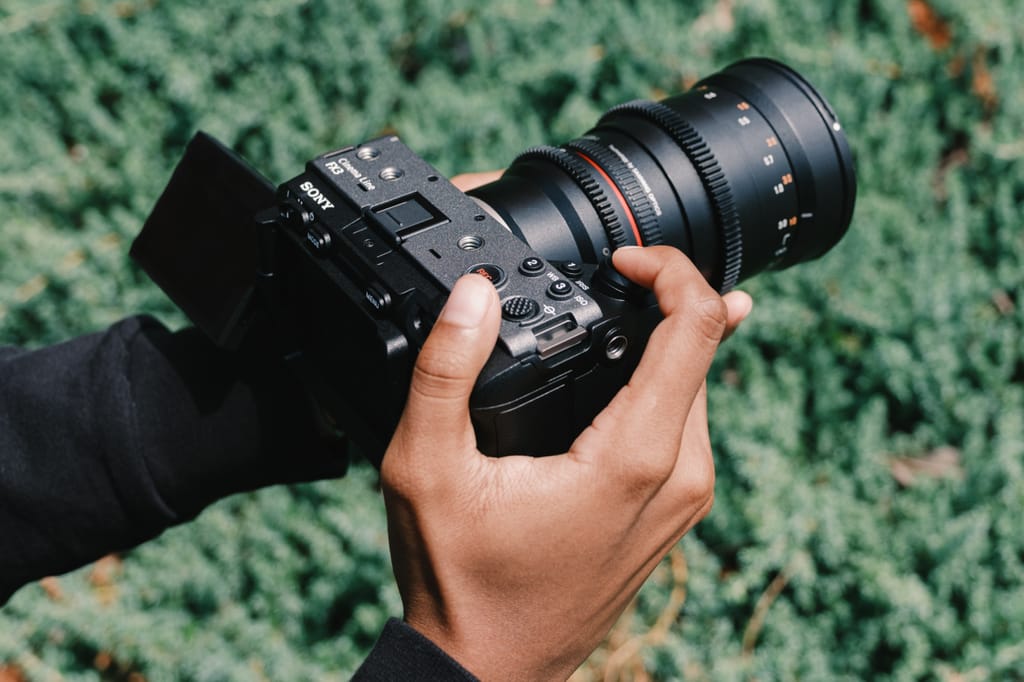
Creating a documentary as a solo filmmaker can feel daunting. But with the right gear, you can capture compelling stories without a full crew. A compact documentary camera setup gives you the flexibility to move quickly, adapt to changing situations, and stay focused on the story. The goal isn’t to carry everything. It’s to build a streamlined kit that gives you what you need when you need it.
Compact setups are made for filmmakers who need to stay mobile. Choosing the best camera for documentary filmmaking means balancing image quality with portability, battery life, low-light performance, and the features that fit your workflow. Pre-owned cinema cameras—like KEH Certified™ Sony FX3, Sony FX30, or Canon EOS C70—can give you access to capable gear while keeping more room in your budget for lenses, audio, lighting, and everything else a production requires.
The right setup isn’t about having the most gear. It’s about having the gear that helps you tell the story.
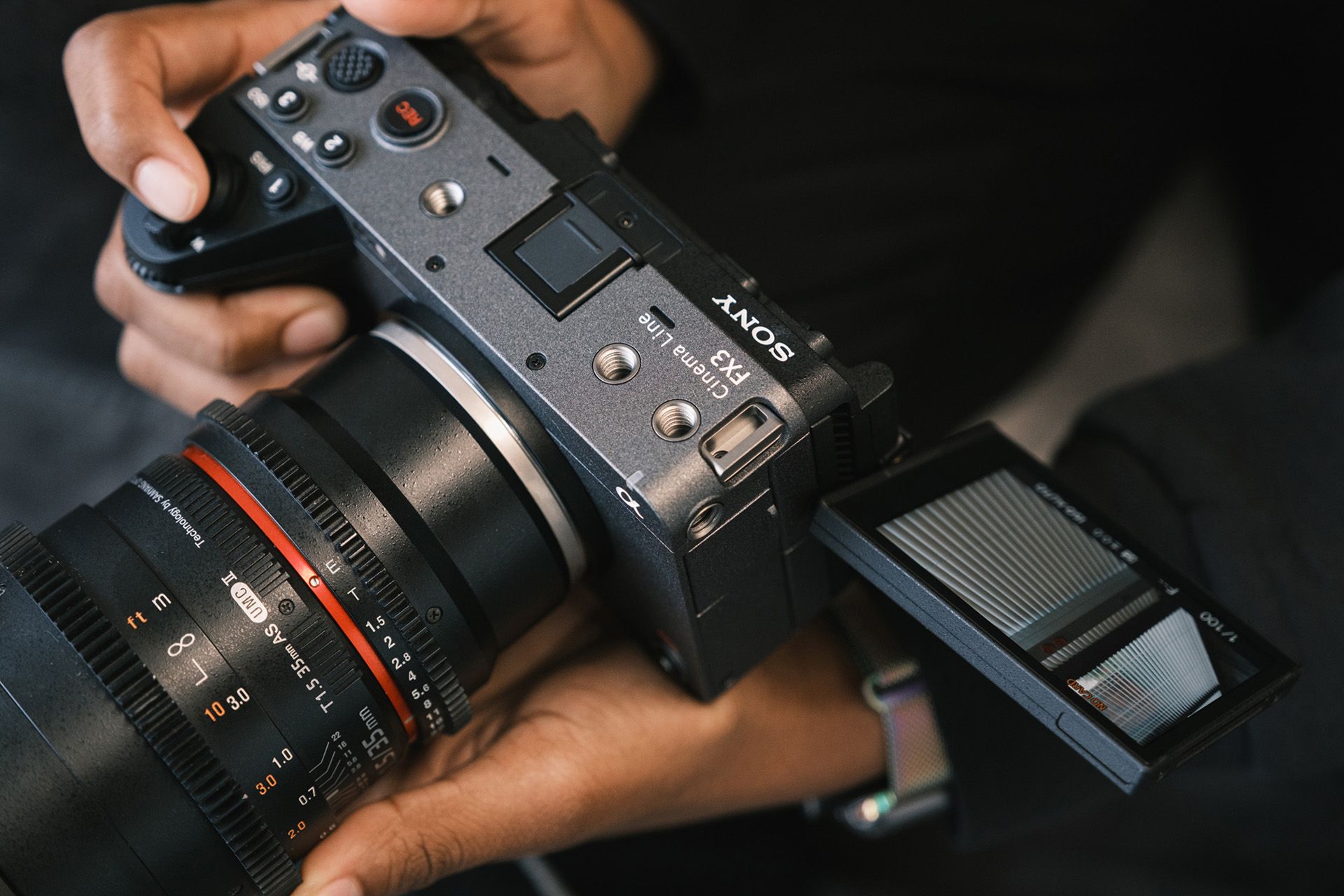
Going compact isn’t just about convenience. For solo filmmakers, it can make the entire production easier to manage. Large rigs often require more hands, more setup time, more batteries, and more coordination. A compact setup lets you work independently and stay ready when something unexpected happens.
Here are some key benefits of using a compact setup:
Flexibility is one of the biggest advantages of going compact. A smaller kit simplifies everything from transportation to setup, while leaving you more freedom to follow the story. When you’re working alone, that freedom can mean catching a pivotal moment you otherwise might have missed.
Selecting the right camera is one of the biggest decisions you’ll make when building a documentary setup. It affects both the visual quality of your project and how easily you can work in the field.
Start by thinking about what you’ll be shooting and where. Resolution and frame rates matter, but so do size, autofocus, battery life, and low-light performance. Compact mirrorless and box-style cinema cameras are ideal choices for solo filmmakers because they combine full cinema-grade video performance with a portable form factor.
Here are some factors to consider when choosing your camera:
Budget matters, too. Choosing pre-owned cinema cameras can help you get professional-tier capability without putting your entire budget into the camera body alone.
Compact cinema bodies like the full-frame Sony FX3 (with its unmatched low-light capabilities and internal cooling) or the Sony FX30 (which delivers professional Cinema Line features in a budget-friendly Super 35 package) offer an outstanding balance of image quality and tactile controls. Alternatively, bodies like the Canon EOS C70 bring built-in mechanical ND filters and dual mini-XLR ports, while mirrorless workhorses like the Panasonic Lumix S5 II offer class-leading In-Body Image Stabilization (IBIS) for handheld shooting.
If you already have older cameras or lenses sitting on your shelves, you can buy, sell, or trade them to upgrade seamlessly with KEH and offset the cost of stepping up to a dedicated cinema setup.
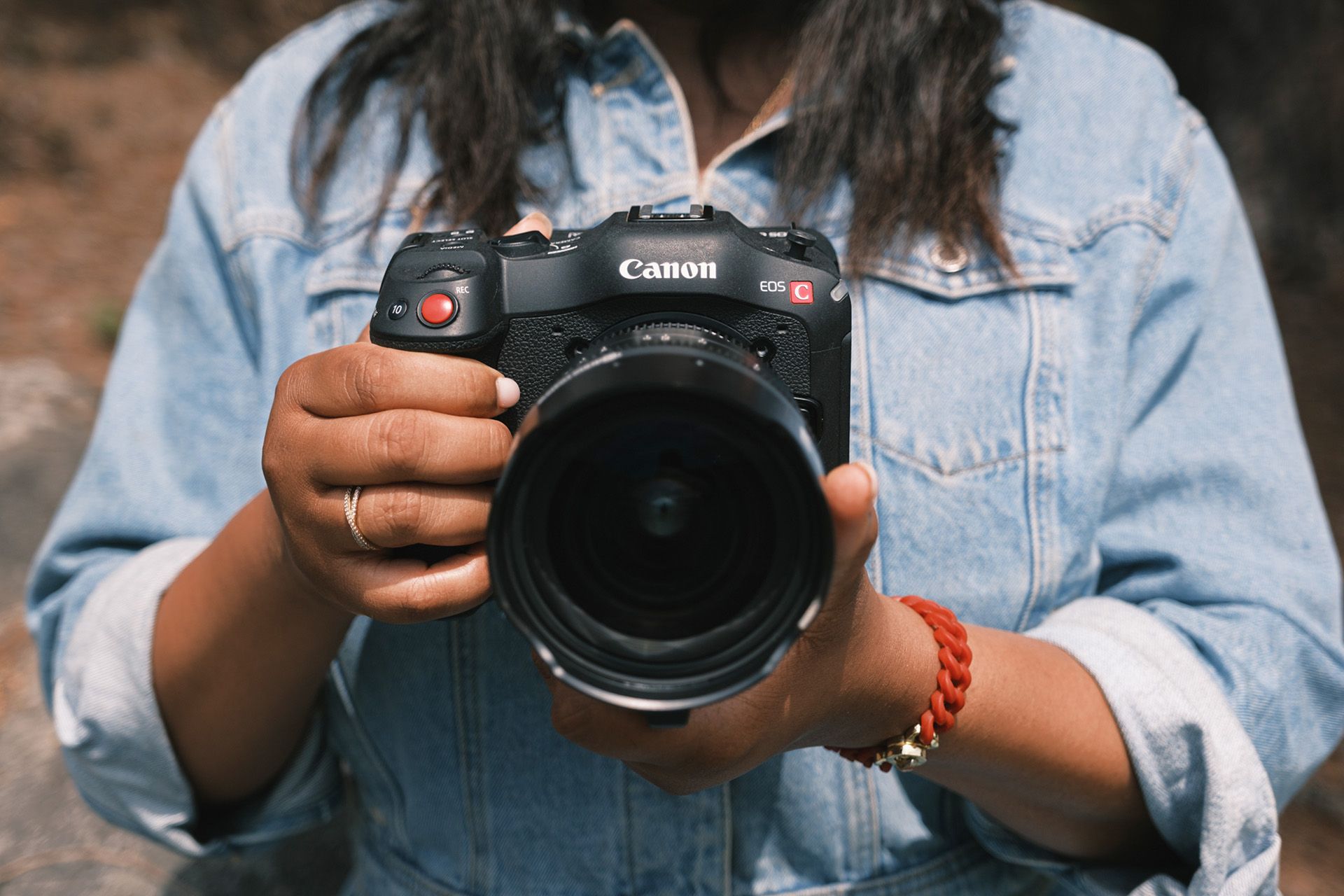
For many filmmakers, budget is a major consideration. New cinema cameras can be a significant investment, but pre-owned models can open up access to capable gear while leaving more room in your budget for the rest of your setup.
Pre-owned cinema cameras offer strong image quality and professional functionality at a lower price than buying new. Choosing pre-owned gear allows solo filmmakers to redirect savings toward fast prime lenses, wireless audio systems, portable lighting, or travel costs.
Consider these points when buying pre-owned cameras:
Choosing pre-owned can also give you access to higher-end models that might otherwise be outside your budget. For instance, picking up a pre-owned Sony FX3 lets you step up to full-frame 4K/120p performance for a fraction of retail price, while a pre-owned Sony FX30 or Blackmagic Pocket Cinema Camera 6K provides pro cinema features at an accessible entry point. Instead of putting all your resources into one new piece of gear, you can build a complete, production-ready kit.
Building a compact setup comes down to choosing gear that earns its place in your bag. Start with a reliable camera, then build around the situations you expect to encounter.
Compact cinema cameras like the Sony FX30 or full-frame Sony FX3 are popular for solo filmmaking because of their compact size, internal cooling, and reliable autofocus. Hybrid options like the Sony a7 IV or Canon EOS R6 Mark II are also versatile choices for creators who split time between stills and video.
Next, choose versatile lenses. Pair an E-mount camera like the FX3 or FX30 with a sharp constant-aperture zoom (such as a 24-70mm f/2.8 or 16-55mm f/2.8) for fast frame changes on the fly, or adapt iconic EF-mount glass like a pre-owned Canon EF 24-105mm f/4L IS for built-in optical stabilization across longer focal lengths. Fast prime lenses (like 35mm or 50mm f/1.8 primes) are invaluable when shooting in extremely dark settings or when you want shallow depth of field for interviews.
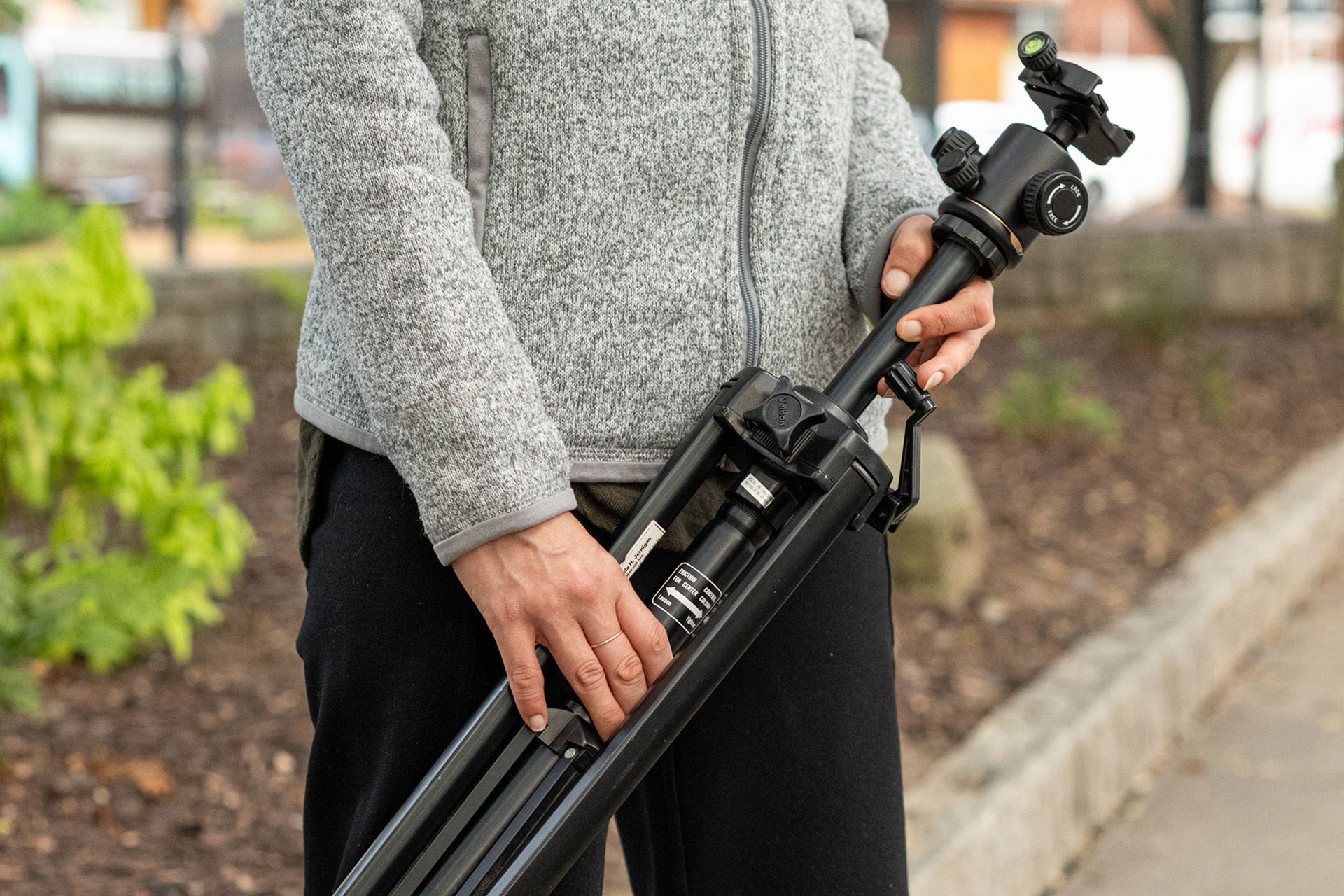
A sturdy tripod or monopod provides support without adding unnecessary bulk. For solo work, the best support gear is often the gear you won’t hesitate to bring with you.
Audio deserves just as much attention as your camera. Utilizing top handles with integrated XLR inputs allows you to run professional shotgun and lavalier microphones directly into the camera without needing bulky external adapters.
Here’s a handy checklist for basic gear:
Don’t overlook the small essentials. Spare batteries (like Sony NP-FZ100 or Canon BP-A30 packs) and high-speed memory cards keep a shoot moving when you don’t have an extra set of hands. Dual card slots in bodies like the FX3/FX30 provide added peace of mind through simultaneous backup recording.
Another essential list includes:
The goal is to build a setup that’s versatile without becoming a burden. Every piece of gear should solve a problem you’re likely to encounter.
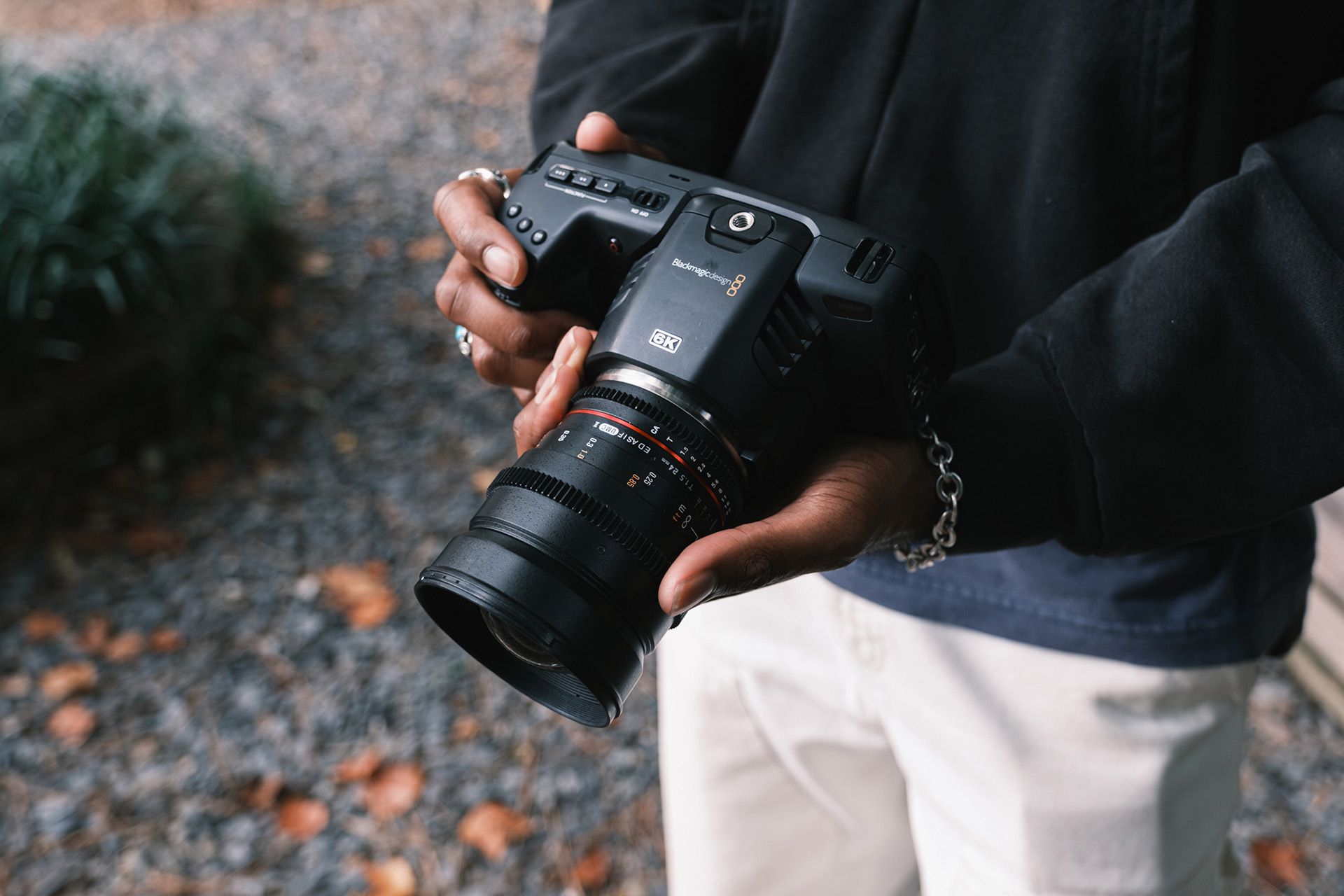
Creating a compact cinema camera setup starts with figuring out what you actually need to shoot. Your camera is the foundation, so consider factors like low-light performance, portability, and how well the camera fits into your workflow.
Once you’ve chosen your primary camera, turn your attention to lenses. Look for pre-owned glass options that give you flexibility without adding unnecessary weight. Lightweight zoom lenses are convenient when you need to change focal lengths quickly during unscripted moments, while fast fixed focal length primes offer maximum light-gathering power in low-light environments.
Next, add your support equipment. A sturdy carbon-fiber tripod or monopod can make a big difference when you’re working alone. Look for something durable and portable enough that you’ll actually want to carry it from location to location.
Audio is just as important. Choose a high-quality external microphone setup, such as an on-camera shotgun mic like the Sennheiser MKE 600 or a compact wireless lavalier (like the RØDE Wireless PRO or DJI Mic 2). Taking advantage of multi-channel audio inputs directly on your camera body ensures clean sound recorded straight to your video clips.
From there, consider stabilization. A compact 3-axis gimbal (such as the DJI RS 3 Mini or RS 3 Pro) can help smooth out movement when tracking subjects on the move.
Here’s a quick checklist to follow:
Finally, don’t underestimate the value of accessories. Extra batteries, high-speed media, and variable ND filters (if your camera lacks internal NDs) keep you shooting smoothly.
A compact setup doesn’t have to be complicated. Start with what you know you’ll use, then add gear when it solves a specific problem.
Capturing high-quality audio is essential for documentary filmmaking. Viewers can forgive an imperfect frame more easily than distracting or unusable sound, so audio deserves a place near the top of your gear list.
Your camera’s built-in microphone may work in a pinch, but an external microphone gives you much more control. Cinema cameras like the Sony FX3, Sony FX30, and Canon C70 feature XLR connectivity (via detachable handles or built-in body ports), allowing you to plug professional XLR microphones directly into the body without needing external audio recorders or manual sync steps in post-production.
A shotgun mic is a popular option for directional recording because it focuses on the subject while helping reduce unwanted background sound. For interviews, a wireless lavalier system is a practical choice. These small transmitters clip onto clothing and capture natural dialogue without placing a large microphone in the frame.
Here’s a brief list of audio gear to consider:
Before a shoot, experiment with microphone placement and gain settings to find what works for your setup. A little preparation goes a long way toward capturing the authentic sound that brings a documentary to life.
Stable footage makes a huge difference in a documentary, especially when handling the camera yourself. Some compact bodies like the Sony FX3, Sony FX30, and Panasonic S5 II feature built-in In-Body Image Stabilization (IBIS), giving solo operators steady handheld footage right out of the box.
When additional support is needed, the right stabilization gear provides control without requiring extra crew:
Essential stabilization tools include:
The best stabilization tool is the one that fits how you actually shoot. When working alone, portability and ease of setup matter just as much as stability.
Lighting can shape the mood and quality of your documentary, but solo filmmakers don’t always have the space or crew for a full lighting kit. Choosing cameras with strong sensor performance helps lower the amount of heavy lighting gear you need to pack.
When artificial light is needed, portable options give you control without overcomplicating your kit:
Portable lighting essentials include:
The right lighting setup doesn’t have to be heavy. A few portable tools combined with a capable camera sensor give you total creative control.
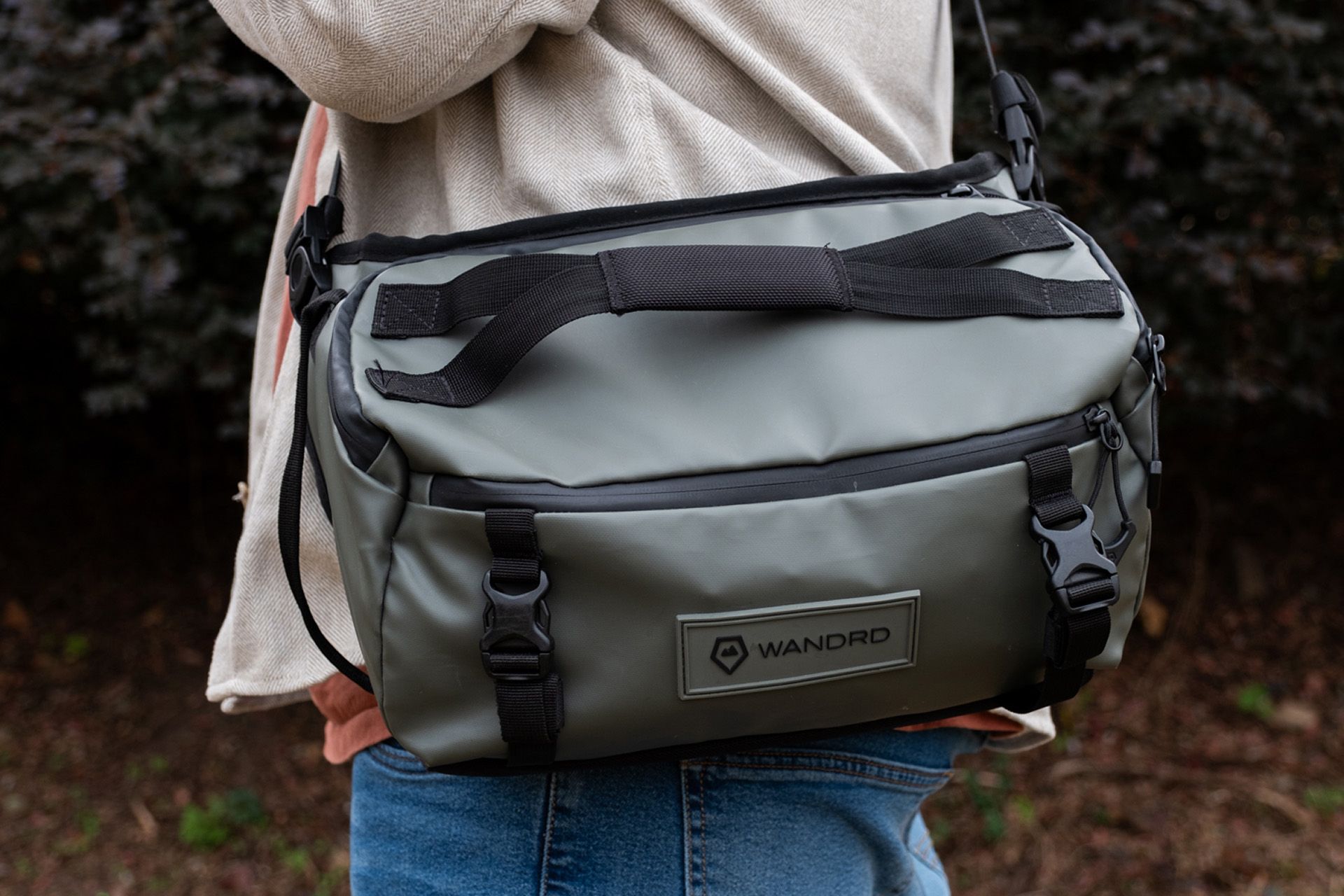
When carrying your entire production yourself, how you pack matters. A durable camera backpack keeps your equipment protected and organized while making transport between locations hassle-free.
Look for weather-resistant materials if shooting outdoors or traveling frequently. Padded compartments protect valuable camera bodies and precision lenses from impacts, while adjustable dividers allow you to reconfigure the layout as your kit evolves.
Essential packing features include:
Packing effectively does more than protect your equipment—it keeps your workflow moving. When everything has a dedicated slot, you spend less time digging through your bag and more time capturing stories.
Solo filmmaking means you’re responsible for more than just operating the camera. A little preparation before heading out saves time, energy, and frustration on location.
Before each shoot, ensure your equipment is charged, organized, and ready to go. Keep spare batteries and fast media cards easily accessible.
Run quick lighting and audio checks before rolling. Get familiar with your camera menu system and custom buttons so you can adjust key settings like zebra patterns, focus peaking, or audio gain without stopping the shoot.
If you ever encounter technical issues, physical damage, or wear and tear after demanding shoots in the field, relying on professional repair services can restore your trusted cameras and optics to peak condition rather than requiring you to replace them outright.
Some tips for effective solo shooting include:
Most importantly, stay adaptable. Unexpected issues are part of documentary filmmaking. The more prepared you are, the faster you can troubleshoot and keep the production moving.
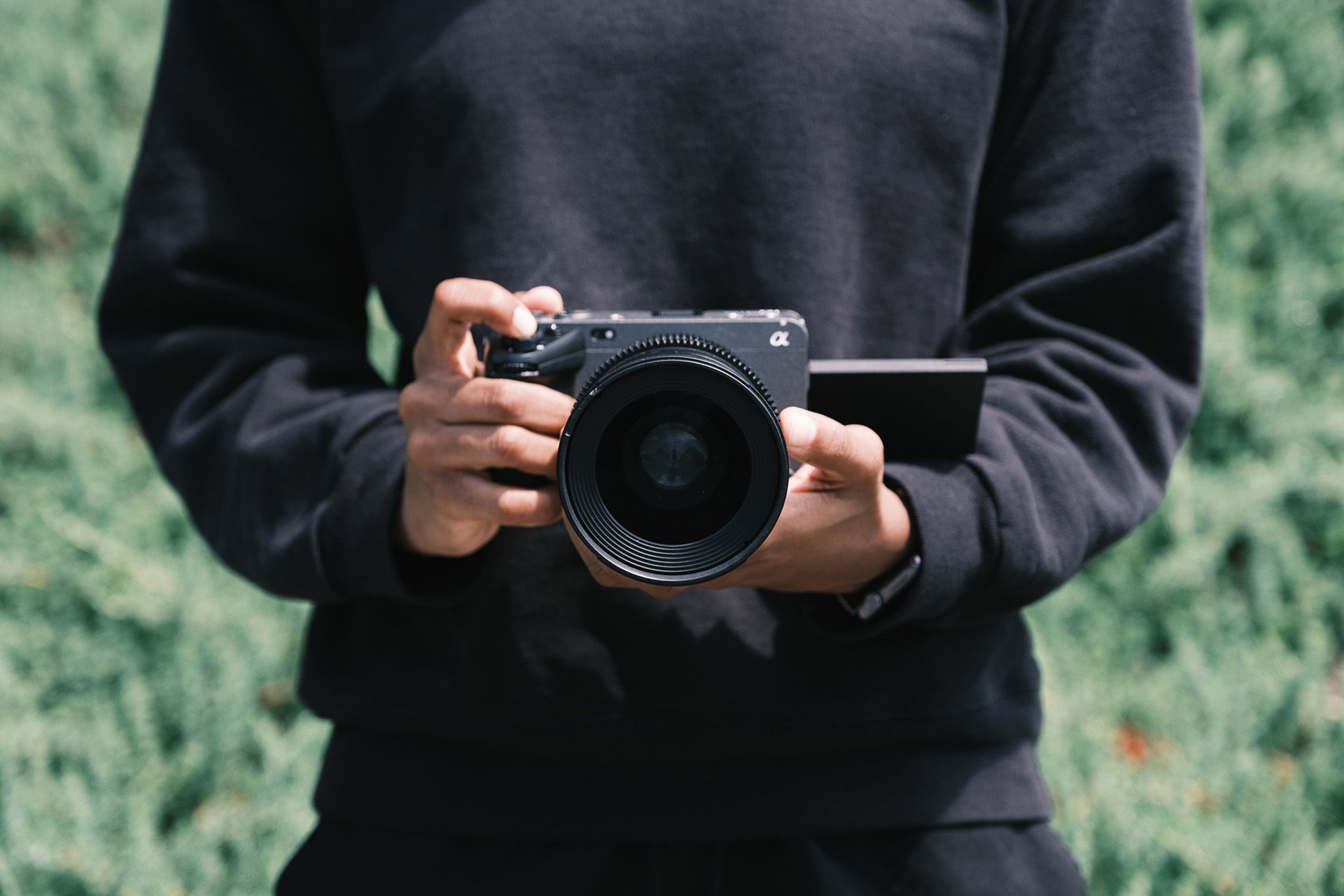
Creating a high-performing compact documentary setup on your own is entirely achievable. With thoughtful gear choices and proper preparation, you can build a kit that delivers broadcast-quality results without needing a crew.
Prioritize gear that combines reliability, portability, and versatility. Investing in thoroughly tested pre-owned gear gives you access to industry-standard tools while keeping your budget for lighting, audio, and travel.
The best setup isn’t the one with the most gear. It’s the one that lets you get out there, stay ready, and focus on telling great stories.
The best camera fits your workflow and environment. For solo work, compact cinema cameras like the Sony FX3 (for full-frame low-light capability), Sony FX30 (for high-value Super 35 performance), and Canon EOS C70 (for built-in ND filters and mini-XLRs) are top picks due to their active cooling, compact bodies, and professional video codecs.
No. Compelling documentaries are shot on many mirrorless and hybrid cameras like the Panasonic Lumix S5 II or Sony a7 IV. However, dedicated compact cinema cameras like the Sony FX30, FX3, or Canon C70 offer distinct advantages like XLR audio handle options, dual base ISOs, custom LUT monitoring, and internal cooling fans that prevent overheating during long interview takes.
At a minimum: a versatile lens (such as a 24-70mm f/2.8 or 24-105mm f/4 zoom), dependable audio gear with XLR or 3.5mm inputs, spare batteries, fast memory cards, and lightweight support like a fluid-head tripod or monopod. Add small LED light panels or a gimbal when required for specific scenes.
Yes, provided you purchase from a trusted source that thoroughly tests and inspects every item. Buying pre-owned gear that is expert-graded and KEH Certified™ and backed by a warranty is one of the most effective ways for solo creators to access pro-tier cameras and lenses within a reasonable budget.
Select multi-purpose gear. For example, choose a camera body with top-handle XLR audio inputs so you don’t need external audio recorders, use a versatile fast zoom lens to cover multiple focal lengths, and buy quality pre-owned gear to stretch your budget further across lighting and audio essentials.