You
have no items in your shopping cart.
Spring Cleaning Camera Gear: Refresh Your Kit and Creativity
April 02, 2026
1 min read

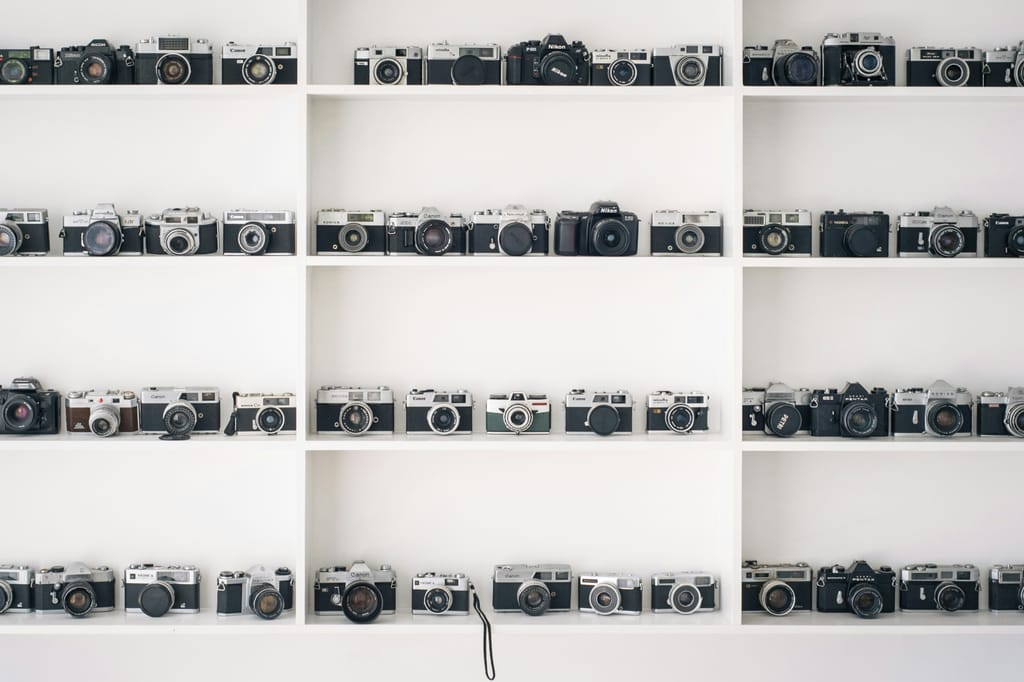
Spring has a way of making excuses visible. That lens you swore you’d use more. The third camera bag. The flash sitting in its case since 2022. You know it’s there. So does your creativity.
This isn’t a guide about Marie Kondo-ing your camera closet. It’s about being honest with yourself as a photographer — and getting your kit back to a state that actually serves the work. A cluttered bag and a cluttered drive create a cluttered mind. The best photographers shoot lean and shoot intentionally. Let’s get there.
Start with the physical. Pull everything out — bodies, lenses, flashes, batteries, chargers, straps. Lay it on a table. Now ask the hard questions:
When did I last use this? Does this make me a better photographer, or just a better gear hoarder? Is this earning its place in my bag?
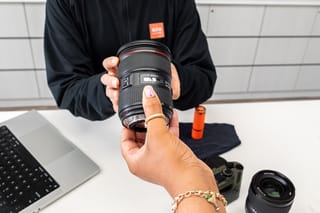
Wipe down your bodies and lenses. Inspect your sensors. Fire your flashes. If something needs service and you’ve been ignoring it, that’s a decision point — fix it, trade it, or move on. Gear that sits broken in a drawer isn’t doing anyone any good.
For everything that didn’t earn its spot, don’t let it sit. Trade it through KEH’s Better Trade™ program — expert quotes, free shipping, and trade-in bonuses that go directly toward what you actually want. Gear that stays in circulation stays useful.
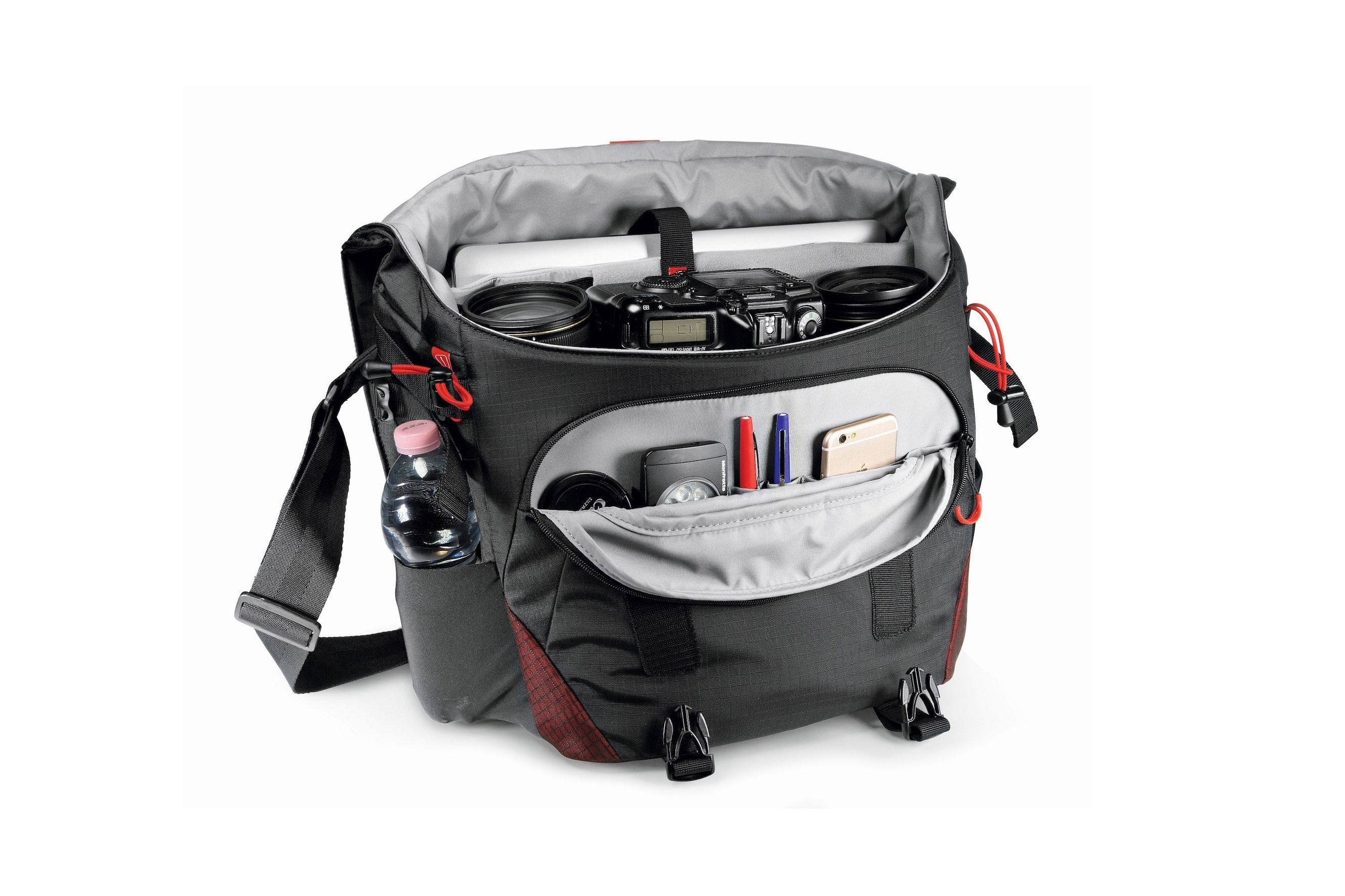
Five straps. Three bags. A drawer of L-brackets, Gorillapods, and filters you’ve used twice. Accessories multiply because they’re small and feel low-stakes. Then you look up and you’ve got a photography supply closet, not a photographer’s kit.
Be honest with yourself and only keep the essentials. The strap that actually sits right on your shoulder. The bag you reach for every time. The filter you rely on. Everything else? Rehome it.
A lighter kit isn’t a compromise — it’s a competitive advantage. You move faster. You think faster. You stop second-guessing which lens to grab because you’ve already made the decision in advance by being selective.
You can have a spotless camera bag and still be drowning in digital chaos. By spring, most photographers are looking at drives and cards that are a disaster — duplicates from burst mode sitting undeleted, folders named “New Folder (3),” RAWs and JPEGs mixed together with no logic, and that one hard drive you haven’t backed up since fall.
Here’s a practical reset:
Step 1: Delete the obvious garbage: the test shots, the accidentals, the blurry frames you kept “just in case.”
Step 2: Rename files with a consistent convention. Date + project + sequence works for most photographers.
Step 3: Build a folder structure and actually use it. Year → Client or Project → Selects / RAW / Export is a solid foundation.
Step 4: Back everything up. Twice. Then verify it worked.
A clean digital workspace isn’t just satisfying — it removes friction from your editing process. When you know exactly where a file lives, you stop wasting 20 minutes hunting before you’ve even opened Lightroom.
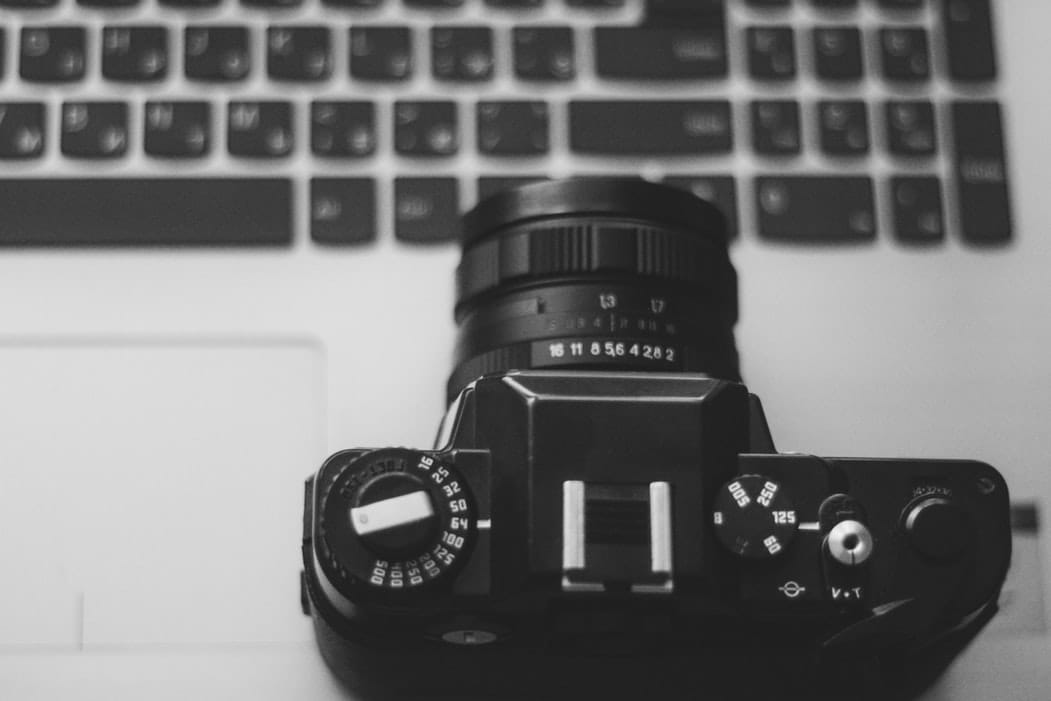
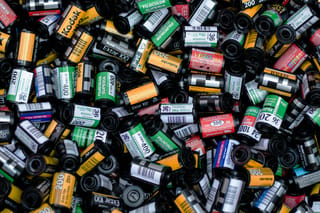
That roll of 35mm film in the bottom of your bag? You loaded it eight months ago and never finished it. Develop it. You might find something worth printing. You might find nothing. Either way, you’ll stop carrying the uncertainty.
Film has a tactile permanence that digital doesn’t. It slows you down in the best way — every frame costs something, so every frame gets a little more thought. If you’ve been meaning to shoot more film and haven’t, spring is a concrete reason to start.
A few ideas to get moving: develop those orphaned rolls before you forget what’s on them; experiment with expired film — the color shifts and grain are unpredictable in interesting ways; and organize your negatives and prints, because that archive is more valuable than you think.
And if you’ve got old film cameras or glass sitting unused, trade them in through Better Trade™ by KEH. That Minolta body you haven’t touched in three years funds your next ten rolls.
The worst way to upgrade is impulse-buying new gear on top of old gear you never use. That’s how you end up with six cameras and no clear creative direction.
The smarter move: trade first.
Better Trade™ by KEH turns unused gear into real value toward your next piece — with expert quotes, free shipping, and trade-in bonuses you won’t find on a resale app. Apply that value to KEH Certified™ pre-owned gear graded and verified by technicians who actually know what they’re looking at. Not an algorithm. Not a seller with 47 positive reviews. Real camera experts.
This is how your kit evolves without expanding. You trade what you don’t use. You get something you will. The gear stays in circulation, out of landfills, and in the hands of photographers who need it.
Spring cleaning your photography practice isn’t just maintenance — it’s a creative act. When your kit is lean, your drives are organized, your film is developed, and your upgrades are intentional, you remove everything standing between you and the work.
The best photography comes from clarity. Clear vision. Clear purpose. Clear kit.
Get there this spring.
How do I actually decide what to keep versus trade? Be frank with yourself about it. If you haven’t used something in a full year, you’ve already made the decision — you just haven’t acted on it. Ask whether the gear serves your current photography, not the photographer you were three years ago. Trade it through KEH and let it work for someone who will actually use it.
What’s the fastest way to clean up my kit? Start with the physical — wipe down every body and lens, fire every flash, charge every battery. You’ll immediately see what’s in good shape and what’s been neglected. Then do a fast pass on accessories and cut anything that hasn’t left the shelf in a year.
My digital files are a total mess. Where do I start? Start with the low-hanging fruit: delete the obvious garbage — bursts, test shots, accidentals. That alone will clear significant space and make the rest feel manageable. Then build a simple folder structure (year → project → selects/RAW) and commit to it going forward. Consistency beats perfection.
Why bother with film right now? Because it changes how you shoot. Shooting on a budget of 36 frames forces a level of intentionality that digital doesn’t require. And those orphaned rolls sitting in your drawer? You’ve been carrying that unfinished business long enough. Develop them.
What makes trading through KEH better than selling on my own? Time and certainty. Listing gear yourself means photos, descriptions, negotiation, shipping logistics, and the constant risk that something could go sideways. Better Trade™ by KEH gives you an expert quote, free shipping, and trade-in bonuses — without the hassle. And unlike a random buyer, KEH actually knows what’s in the box.