You
have no items in your shopping cart.
Beginner vs Pro Gear: What Actually Matters
May 28, 2026
1 min read

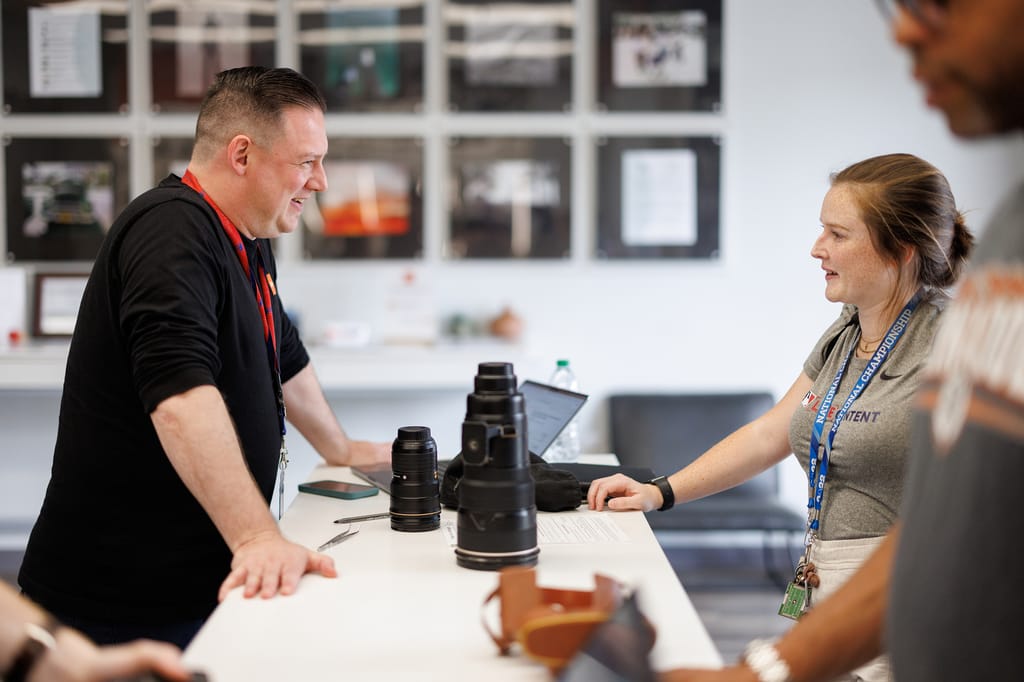
Have you ever tapped your smartphone screen to capture a winning goal, only to end up with a blurry photo of empty grass? That frustrating delay is called shutter lag—the agonizing split-second between pressing the button and the camera actually taking the picture.
Lighting presents another massive hurdle. Phone cameras often struggle indoors because their tiny digital sensors act like small windows, letting in very little light. Stepping up to a dedicated camera instantly upgrades your sensor capability, like swapping a small window for a large bay window that pulls in enough light to keep dimly lit birthday parties from looking dark and grainy.
Fortunately, you don’t need a massive budget to solve these technical limitations.
This guide shows how pre-owned camera gear can deliver professional performance on a budget. When comparing what actually matters in beginner vs. pro gear, experts consistently note that older, high-end models can dramatically outperform brand-new, entry-level ones. By exploring inspected, used photography equipment from a trusted source like KEH Camera, you can access superior technology for a fraction of the retail cost — the smartest bridge to achieving professional results without the financial risk. In Beginner vs Pro Gear: What Actually Matters focused on pre-owned gear from KEH Camera, you’ll see how to compare options and invest wisely.
The secret behind those professional, vibrant photos usually comes down to the camera’s sensor. The magic lies in understanding the difference between a smaller “crop sensor” and a larger “full-frame” model. A full-frame sensor is like a wider bucket for catching light, using much larger individual pixels to collect it. This superior light-gathering ability makes older, pro-level full-frame models a far smarter investment than many new, entry-level cameras.
A larger, full-frame sensor unlocks three instant advantages: superior low-light performance, beautiful bokeh, and an expanded dynamic range that captures rich detail in both bright skies and dark shadows. Securing a legendary workhorse like a pre-owned Canon 5D series lets you access these premium features without the retail sticker shock.
Pairing a great sensor with a basic “kit lens” is like putting cheap tires on a sports car. To unlock your camera’s potential, you need to upgrade to a “fast” lens with a wide aperture (a low f-stop, like f/1.8). A wider aperture floods the sensor with light, creating sharp subjects and gorgeous, blurred backgrounds. A great way to get this quality on a budget is by exploring prime lenses. A pre-owned 50mm prime is one of the smartest ways to get professional-grade optics.
Upgrading from a beginner body often means trading flimsy plastic for a rugged magnesium-alloy chassis and weather-sealing that blocks dust and moisture. Professional gear also eliminates “menu diving” with superior ergonomics and dedicated physical dials. Another key feature is dual card slots, which automatically back up your images. These resilient features are available on both older DSLRs and modern mirrorless cameras.
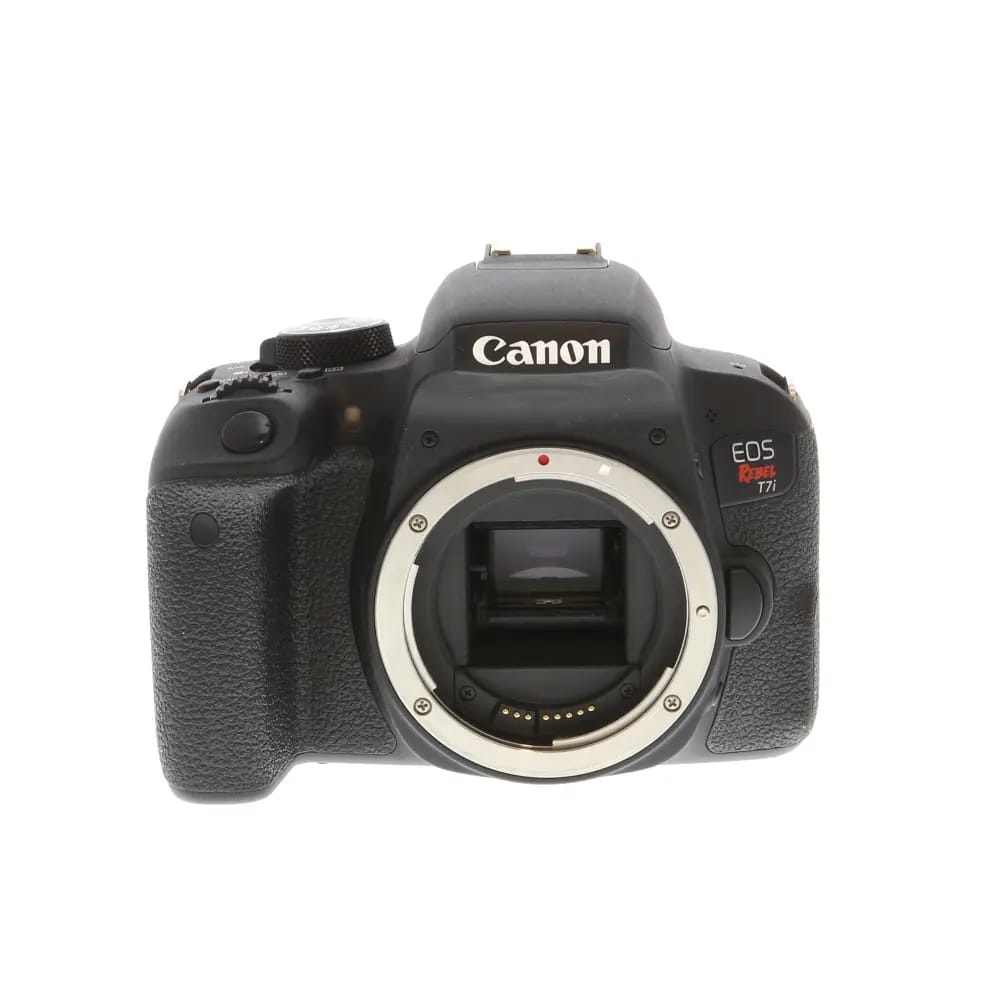
This kit includes the Canon EOS Rebel T7i and the Canon EF-S 18-55mm f/4-5.6 IS STM lens. The guided menu teaches you camera settings, while the versatile zoom and quiet autofocus are great for photos and video.
Total Kit Estimate: ~$550
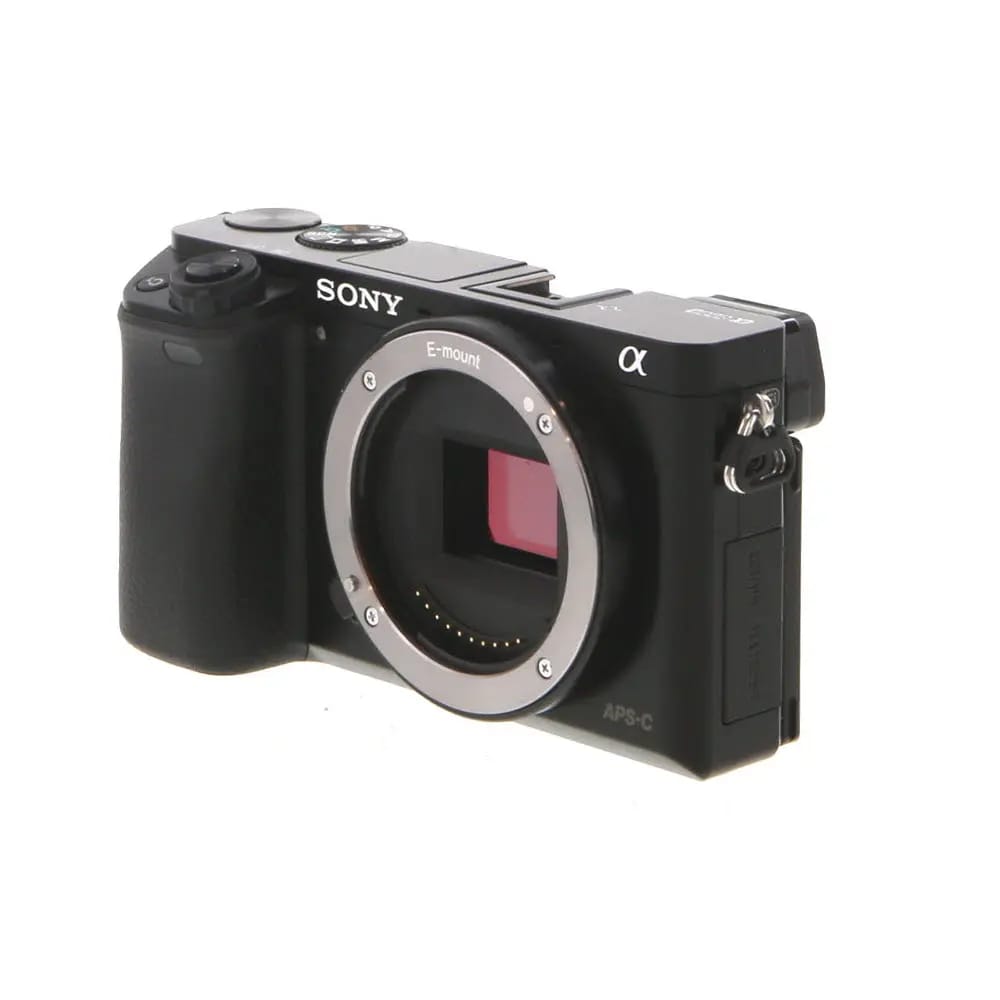
This kit includes the Sony Alpha a6000 with the Sony E PZ 16-50mm f/3.5-5.6 OSS lens. It packs a fast autofocus system into a tiny body, making it an effortless travel companion that delivers quality far beyond its size.
Total Kit Estimate: ~$500
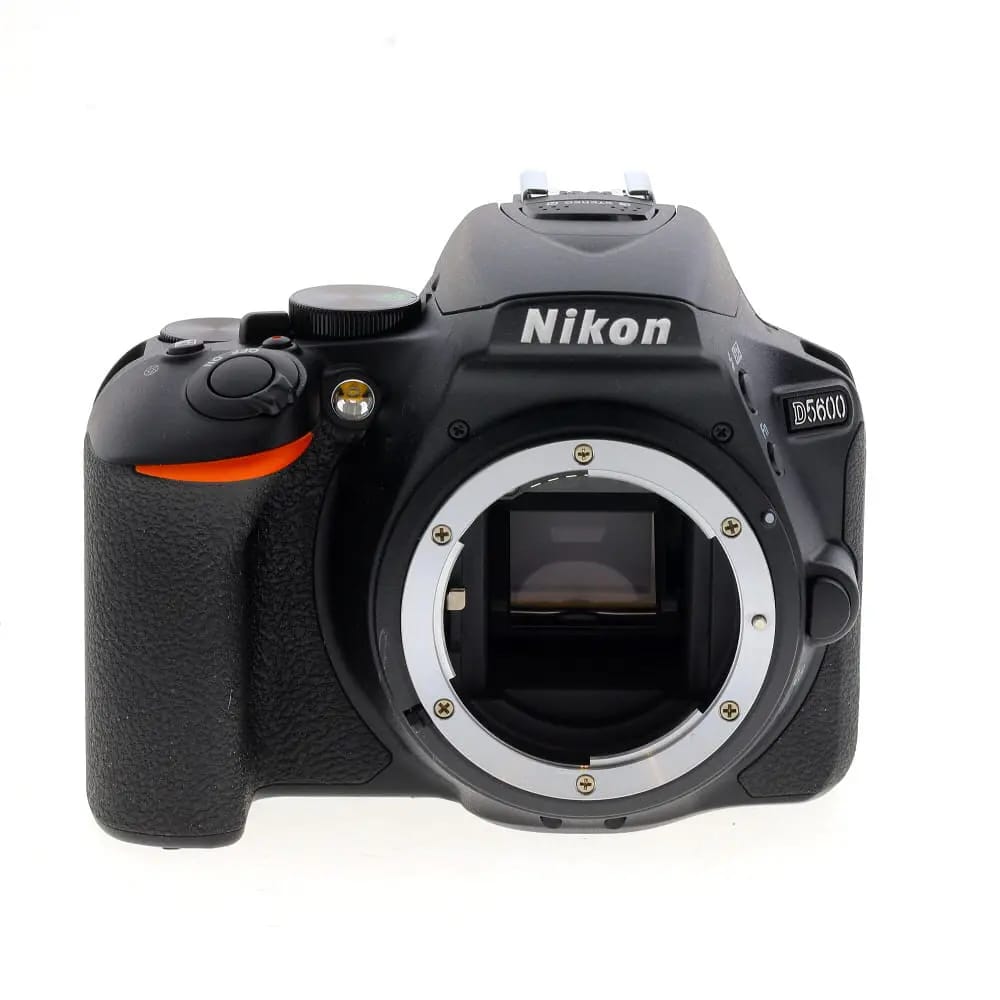
This setup pairs the Nikon D5600 with the Nikon AF-S 50mm f/1.8G lens. By skipping the kit lens for a “nifty fifty,” you get a setup that excels in low light and produces stunning portraits with beautiful background blur.
Total Kit Estimate: ~$690
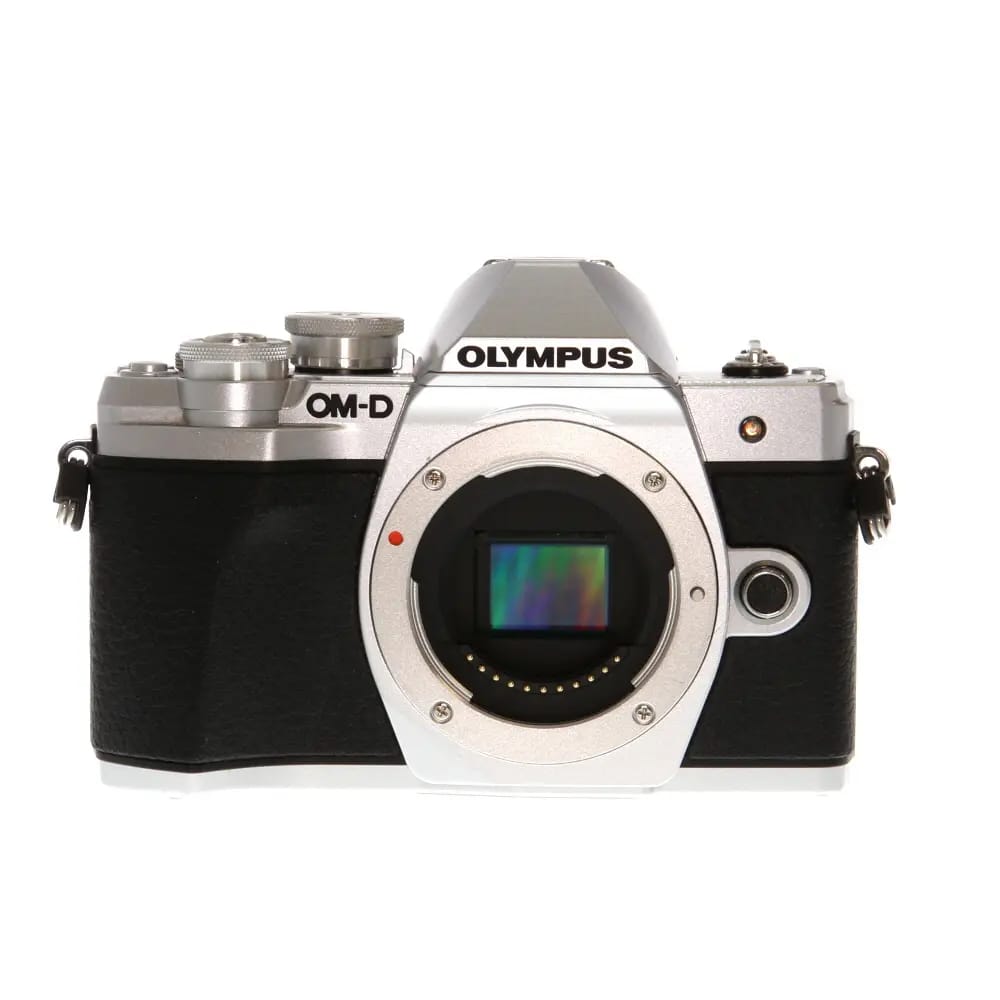
This kit combines the Olympus OM-D E-M10 Mark III with the Olympus M.Zuiko 14-42mm f/3.5-5.6 EZ lens. Powerful in-body image stabilization helps you get sharp shots, and the slim “pancake” lens creates a go-anywhere kit that won’t weigh you down.
Total Kit Estimate: ~$530
Want more beginner friendly gear? Check out our digital buyers guide.
Part 2: Four Kits to Go Pro
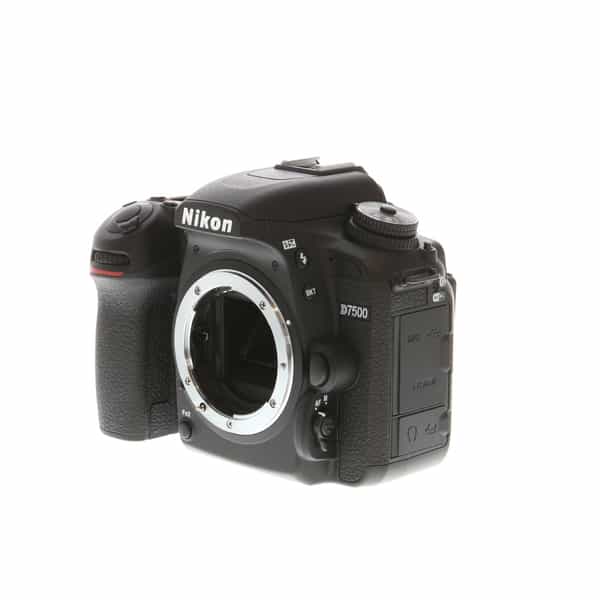
This combination includes the Nikon D750 and the Tamron SP 24-70mm f/2.8 Di VC USD G2 lens. The D750 is a beloved DSLR, and pairing it with Tamron’s sharp f/2.8 zoom gives you professional-grade results for a fraction of the first-party price.
Total Kit Estimate: ~$1,600
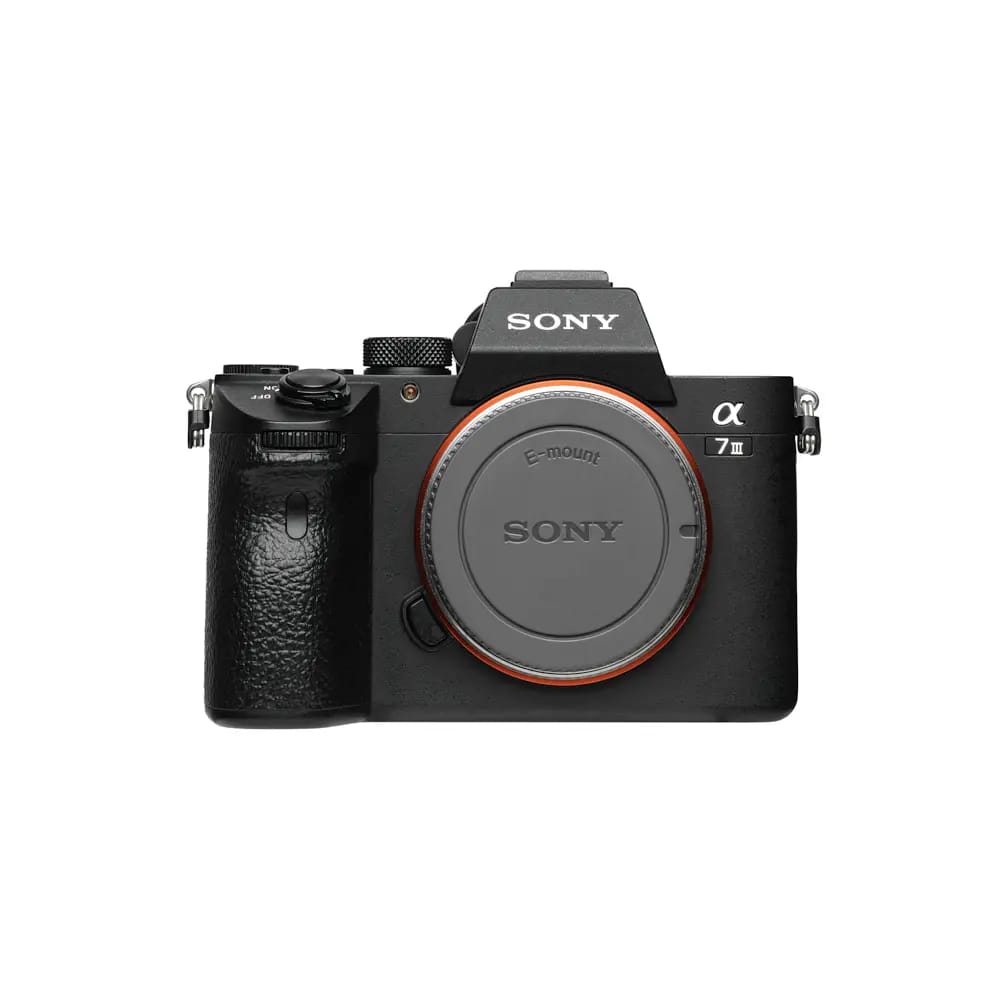
This kit features the Sony Alpha a7 III and the Sony FE 85mm f/1.8. The a7 III’s legendary Eye AF, dual card slots, and 4K video make it a powerhouse. The 85mm f/1.8 lens is arguably the best value in the Sony lineup for razor-sharp portraits.
Total Kit Estimate: ~$1,900
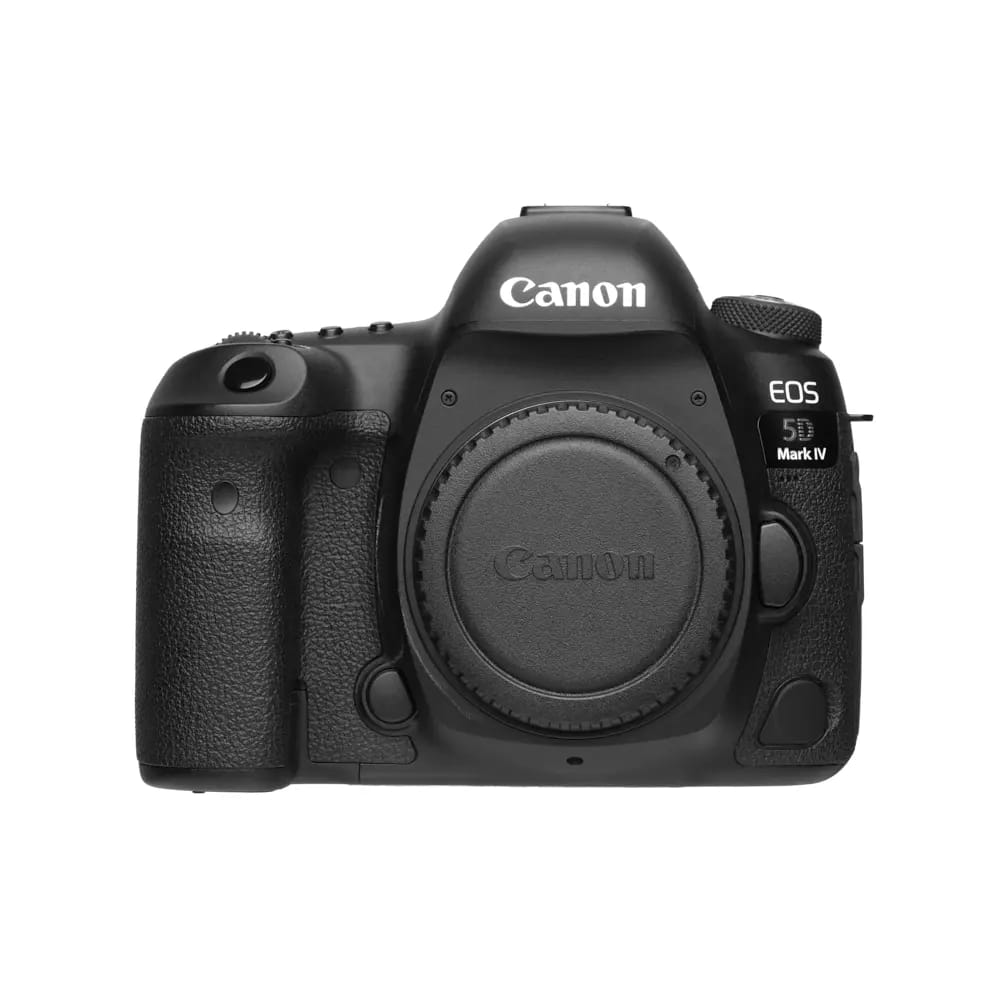
This setup pairs the Canon EOS 5D Mark IV with the Canon EF 16-35mm f/4L IS USM. The 5D Mark IV delivers a superb 30MP full-frame sensor in a durable body. The 16-35mm f/4L is an incredibly sharp pro lens perfect for sweeping vistas.
Total Kit Estimate: ~$2,050
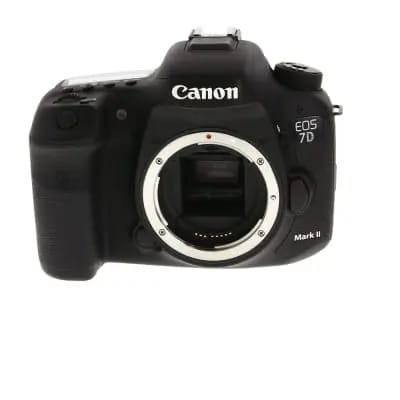
This kit combines the Canon EOS 7D Mark II with the Canon EF 70-200mm f/2.8L IS II USM. The 7D Mark II is a speed demon, shooting at 10 frames per second. Its crop sensor gives you extra “reach,” and the legendary 70-200mm f/2.8L II is built to freeze action from a distance.
Total Kit Estimate: ~$1,850
Explore more mirrorless camera gear under $1000.
The pre-owned market is one of the most affordable ways to upgrade, provided you can read a camera’s history. Just like a used car has an odometer, a camera has a “shutter count”—the total number of pictures it has taken. While it’s a key metric, remember that pro-level bodies are built to last for hundreds of thousands of clicks.
To find your budget’s sweet spot, learn to decode the condition rating system. This strict scale separates cosmetic appearance from mechanical performance, with ratings from Like New (LN) for pristine gear to Excellent (EX) — often the best value — and Bargain (BGN) for items with cosmetic flaws but perfect functionality. Opting for those middle grades often secures legendary durability while saving you cash for better lenses.
By choosing used camera equipment over new, you can spend significantly less while securing top-tier performance. Building your kit through a reputable pre-owned source helps you avoid financial risk and create a smart upgrade plan.
A great “First Pro Kit” can cover 90% of shooting scenarios. For example, start with a reliable pro body like a used Nikon D750 (around $450) and a versatile 50mm f/1.8 prime lens (about $150), then add a budget zoom lens and accessories later. This approach allows you to transition with confidence, leaving technical limitations behind and letting your creative vision lead the way.
Question: Why is a used full-frame camera often a smarter buy than a new entry-level model?
Answer: A larger full-frame sensor gathers more light, delivering immediate gains in low-light performance, background blur, and dynamic range. That’s why older, pro-level full-frame bodies frequently outperform brand-new entry-level cameras. A pre-owned workhorse gets you pro-level image quality for less, and the savings can fund better lenses.
Question: How do “fast” prime lenses transform my images on a budget?
Answer: Fast primes (with a low f-stop like f/1.8) let in far more light, creating sharp images and creamy background blur. Because they have fewer moving parts than zooms, they offer superior optical quality for less money—especially when bought used. A pre-owned 50mm prime is the most cost-effective way to achieve a professional look.
Question: Which pro-body build features actually matter in real-world shooting?
Answer: Durability and control. A rugged magnesium alloy chassis and weather sealing protect your gear from impacts, dust, and moisture. Ergonomic, dedicated physical dials prevent “menu diving” so you won’t miss fleeting moments, and dual card slots provide automatic backups. Prioritizing these features pays off immediately.
Question: How do condition ratings and shutter counts help me buy used gear confidently?
Answer: Shutter count is like a camera’s mileage, but pro bodies are designed for hundreds of thousands of actuations. The key is to buy from a source with rigorous inspections, warranties, and a clear condition rating system that separates cosmetic wear from functional performance. This combination of professional grading and a reliable return policy removes the risk from buying used.
Question: What’s a practical first “pro kit” and upgrade plan?
Answer: Start with a reliable used body and a 50mm prime to cover most situations, then add a budget zoom and essentials. A sample kit could include a pro body (like a Nikon D750) for around $450 and a 50mm prime for about $150. Buying inspected, warrantied gear from a trusted source lets you bridge from hobbyist to pro performance without the financial risk of buying new.